A veterinary assistant’s guide to cat diarrhea: common causes, small vs. large bowel clues, safe home steps, what not to do, and when to call urgent care.
Article
•
Designer Mixes
Clever Causes of Diarrhea in Cats

Shari Shidate
Designer Mixes contributor
Cat diarrhea is common, but it is not “just a tummy bug” every time. As a veterinary assistant, I have seen plenty of cases where the cause was surprisingly simple, and a few where it was urgent. This quick guide will help you spot some of the clever, easy-to-miss triggers, know what you can do at home, and recognize when it is time to call your vet.
First, what counts as diarrhea?
Diarrhea means stool that is softer than normal, unformed, or watery. It may happen once or multiple times in a day. Some cats also strain, have urgency, or leave small smears outside the box.
- Small intestine diarrhea is often larger volume, watery, and may come with weight loss or vomiting. It also tends to be less frequent than large intestine diarrhea.
- Large intestine diarrhea is often more frequent with smaller amounts, plus mucus, straining, urgency, and sometimes bright red blood.
Clever causes people miss
1) “New” food that is not actually new
Even if you have not switched brands, any of these can trigger loose stool:
- A new bag with a slightly different formulation or ingredient sourcing
- Food that sat open and went stale or rancid (fats oxidize)
- Automatic feeder that is not cleaned regularly
- Sudden overfeeding, especially after a period of picky eating
What to do: Check the expiration date, smell the kibble or wet food, and store food airtight. If you need to change diets, transition slowly over 7 to 10 days when possible.
2) Treats, toppers, and “tiny bites” that add up
Often, diarrhea is from the extras, not the main meal. Common culprits include:
- New lickable treats and puree tubes
- Human food like milk, cheese, deli meat, or greasy leftovers
- High-fat snacks that trigger GI upset
- Switching between many flavors of wet food in the same week
What to do: Simplify. Keep treats to under 10% of daily calories, and pause all extras for a few days while stools normalize.
3) Stress diarrhea (yes, cats get it too)
Cats are masters at hiding stress. The gut is sensitive to changes in routine and environment.
- New pet or baby in the home
- Visitors, construction noise, or moving furniture
- Boarding, travel, or even a trip to the groomer
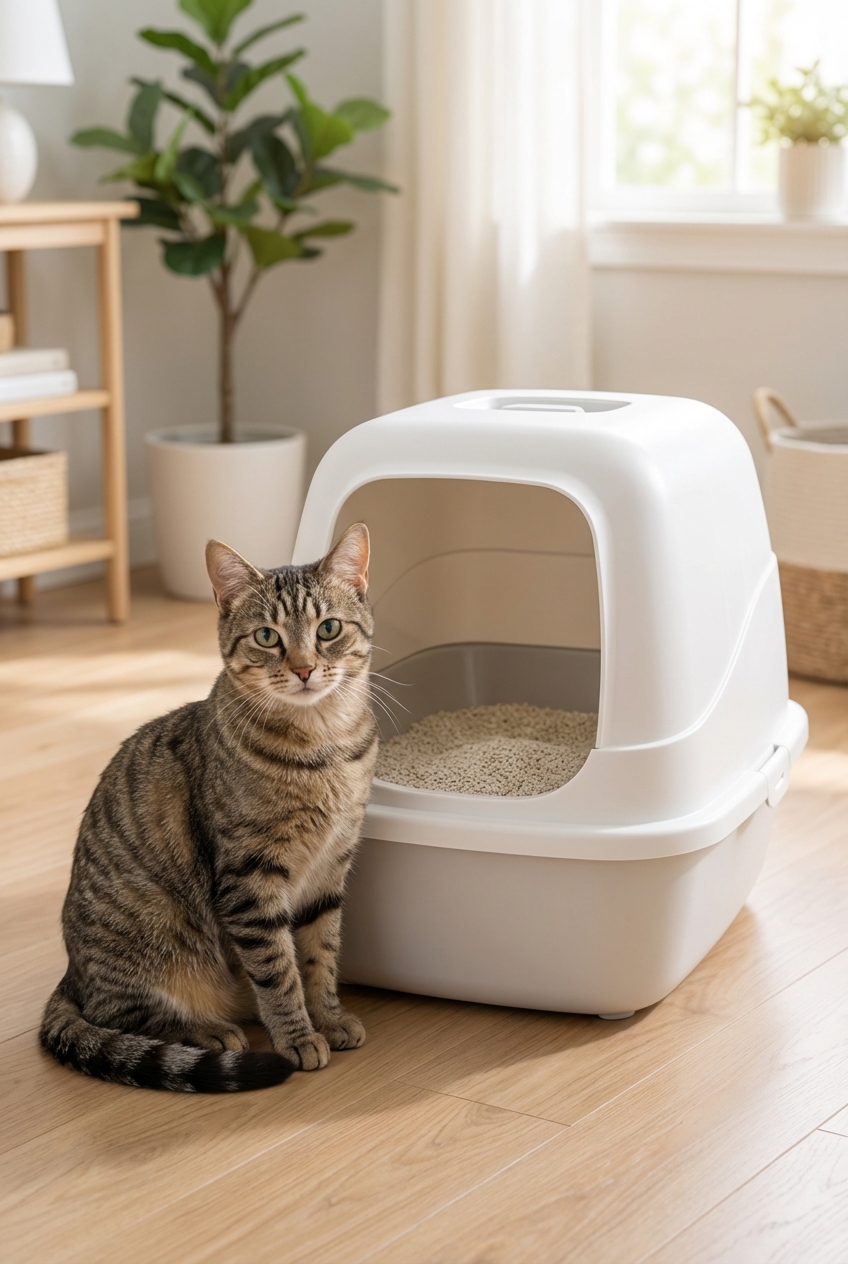
- Litter box changes or a new litter brand
What to do: Keep routine steady, provide a quiet safe room, maintain consistent litter and box placement, and consider vet-approved calming supports if stress is recurring.
4) Parasites that are not obvious
Many people assume parasites only happen in outdoor cats, but indoor cats can still get them. Giardia and other protozoa can cause intermittent diarrhea, mucus, and bad odor. Kittens are especially prone to intestinal parasites.
What to do: Bring a fresh stool sample to your veterinarian. Some parasites shed intermittently, so a single fecal test can miss them. Depending on symptoms and your area, your vet may run a fecal flotation plus a Giardia antigen test or PCR, or recommend repeat testing.
5) Antibiotics and other medications
Medications can disrupt the gut microbiome or directly irritate the GI tract. Antibiotics are a classic trigger, but they are not the only ones.
- Antibiotics
- Some pain medications
- Supplements or flavored medications your cat does not tolerate well
What to do: Do not stop prescription meds without checking with your vet. Ask whether a probiotic is appropriate for your cat during treatment.
6) Food intolerance vs. food allergy
These get mixed up a lot. Food intolerance is more common and can cause GI signs like diarrhea and gas. True food allergy may also involve skin issues like itching, ear problems, or overgrooming.
What to do: If diarrhea keeps returning, talk to your vet about a structured diet trial with a veterinary therapeutic diet. Randomly rotating proteins often makes it harder to find the trigger.
7) Overgrooming and hair ingestion
Hairballs usually make people think “vomit,” and constipation can also be a hair-related issue. Still, heavy hair ingestion can irritate the gut in some cats and may contribute to soft stool, especially during shedding seasons. More importantly, overgrooming can be a clue that something else is going on.
What to do: Increase brushing, discuss hairball control options with your veterinarian, and watch for signs of skin irritation, fleas, pain, or anxiety that may be driving the grooming.
8) IBD and chronic enteropathies
If diarrhea lasts longer than about 2 to 3 weeks, returns repeatedly, or is paired with weight loss, you start thinking beyond simple dietary upset. Chronic intestinal inflammation is one possible cause, especially in middle-aged and older cats.
What to do: Work with your vet on diagnostics. This may include bloodwork, fecal testing, ultrasound, and diet trials. The goal is to treat the cause, not just slow the stool.
9) Hidden toxins and “curiosity snacks”
Cats can ingest irritating substances without anyone noticing.
- Houseplants (some cause GI upset; some are dangerous)
- String, ribbon, or tinsel
- Essential oils or diffusers
- Spoiled food from the trash
What to do: If you suspect ingestion of a toxin or foreign material, call your veterinarian or a pet poison hotline immediately. String ingestion can become an emergency.
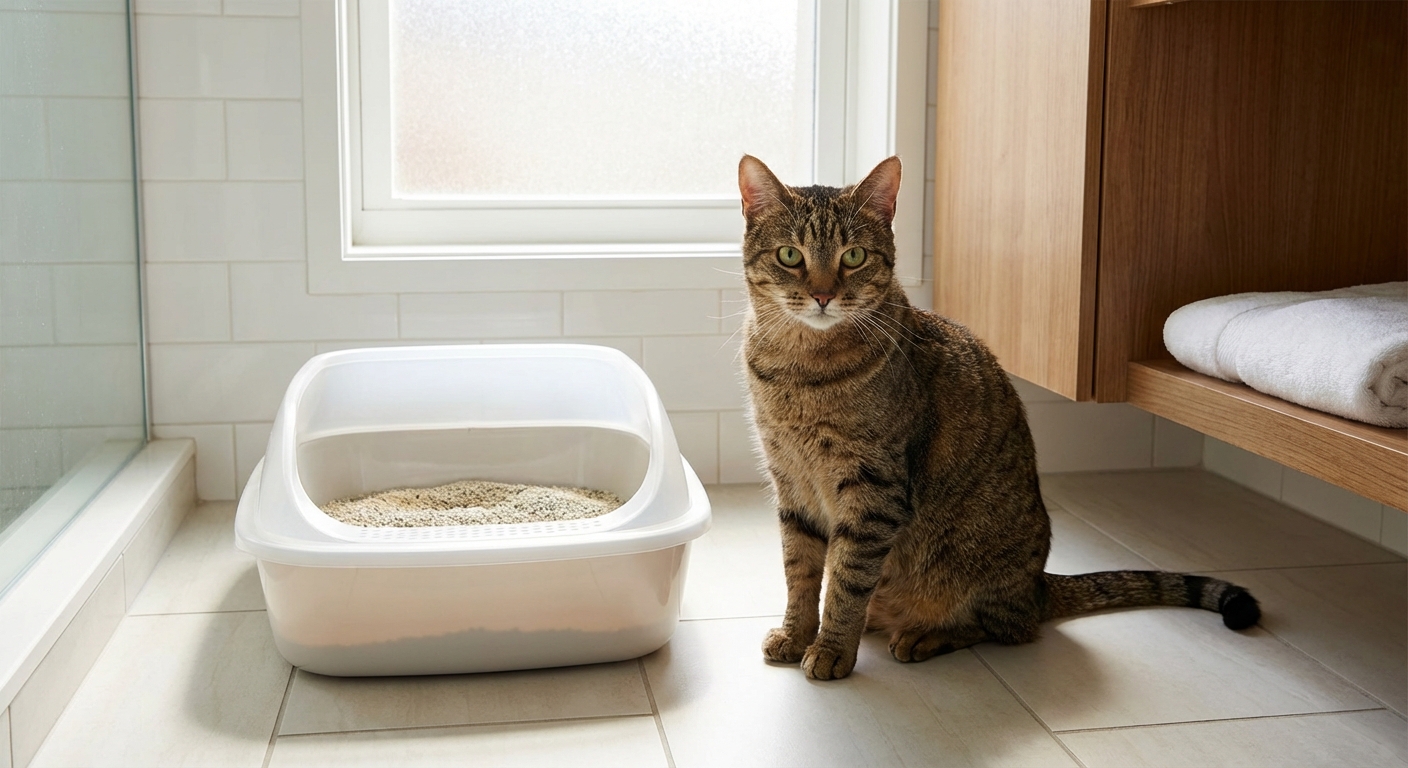
10) Harsh cleaners in the litter box
Strong cleaners can leave residues and odors that stress cats or make them avoid the box. Then you can see straining, messy accidents, or small smears outside the box that owners sometimes interpret as “random diarrhea,” when the underlying issue is litter box aversion (and sometimes constipation or stool holding).
What to do: Clean boxes with mild soap and hot water, rinse thoroughly, and avoid heavily scented products.
At-home care for mild cases
If your cat is bright, eating at least some, and only has mild diarrhea, these steps can help while you monitor closely. At-home care is for short-lived, mild cases only. If you see red flags or things are not improving, call your vet.
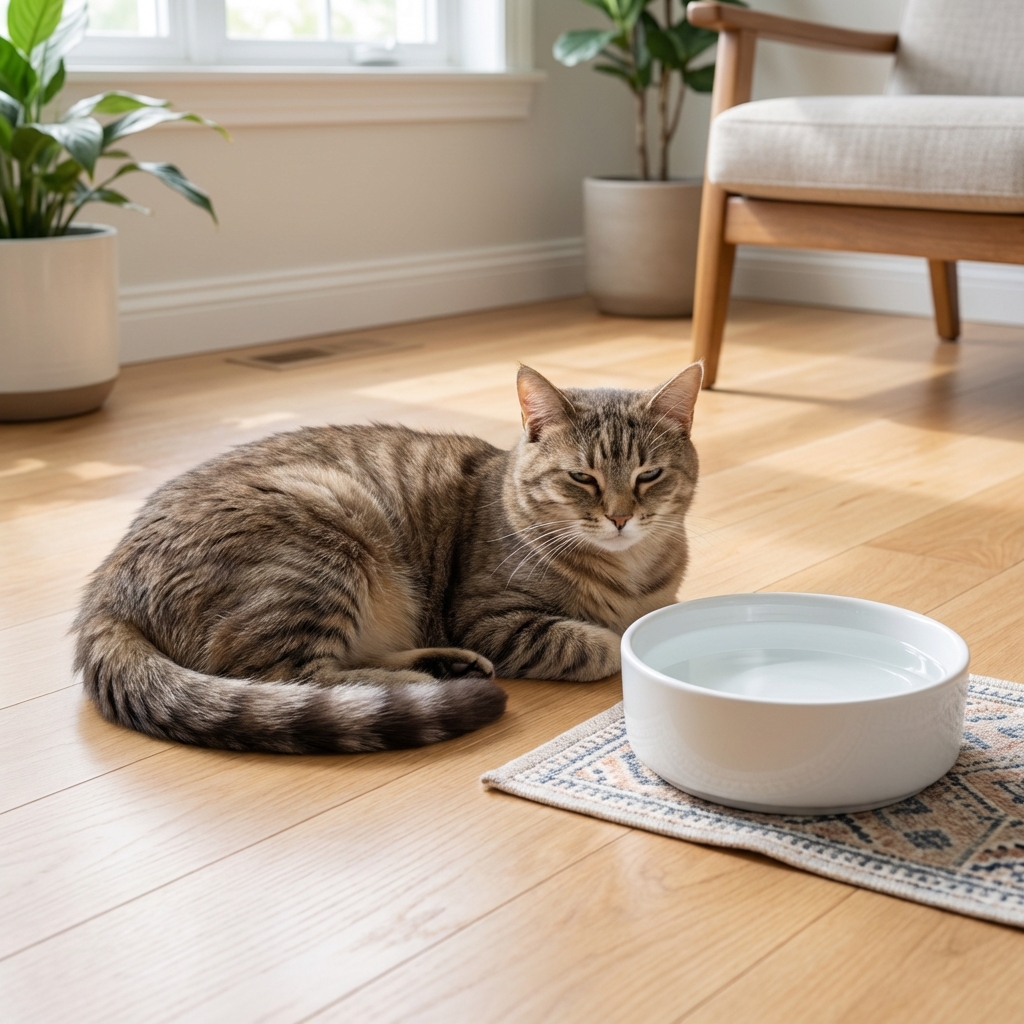
- Hydration first: Offer fresh water, consider adding extra water to wet food, and use fountains if your cat prefers running water.
- Do not fast your cat: Skipping food can be risky for cats. Offer their regular diet in small, frequent meals unless your veterinarian tells you otherwise.
- Pause the extras: Stop treats, table food, and new toppers for several days.
- Keep the diet steady: Sudden diet changes often make diarrhea worse. If your cat needs a GI-friendly diet, ask your veterinarian what to use rather than trying unbalanced home “bland diets.”
- Ask your vet about probiotics: Use only veterinarian-recommended products made for cats.
Important: Do not give over-the-counter human anti-diarrheal medications unless your veterinarian specifically instructs you to. Some are unsafe for cats.
When diarrhea is an emergency
Please call your veterinarian promptly or go to urgent care if you notice any of the following:
- Diarrhea with vomiting and your cat cannot keep water down
- Blood in stool (especially large amounts or dark, tarry stool)
- Dehydration signs: tacky gums, sunken eyes, extreme lethargy
- Severe lethargy, collapse, or weakness
- Suspected toxin exposure or foreign body (string, ribbon)
- Kittens, seniors, or cats with chronic disease (kidney disease, diabetes, hyperthyroidism)
- Diarrhea lasting more than 48 hours in an otherwise stable adult cat, or more than 24 hours in kittens, seniors, or any cat that seems unwell
What your vet may ask you
Having these details ready can speed up answers:
- How long it has been going on and how many times per day
- Any vomiting, appetite changes, weight loss, or increased thirst
- Diet details including treats, toppers, and any recent changes
- Indoor or outdoor lifestyle, hunting, or exposure to other pets
- Photo of the stool (yes, it helps)
- Bring a fresh stool sample if possible
Prevention habits that really work
- Slow transitions between foods whenever possible
- Consistent parasite prevention based on your vet’s recommendations
- Routine wellness exams to catch chronic issues early
- Reduce stress with predictable routines and enrichment
- Food storage hygiene and regular cleaning of bowls and feeders
If you take one thing from this guide, let it be this: diarrhea is a symptom, not a diagnosis. When you notice patterns and act early, you can often prevent a small tummy upset from turning into a bigger health problem.