Spot early signs of feline liver disease—loss of appetite, vomiting, jaundice, lethargy. Learn common causes like fatty liver, vet diagnostics, treatment o...
Article
•
Designer Mixes
Clever Cats Liver Problems

Shari Shidate
Designer Mixes contributor
If your cat seems a little “off” lately, eating less, hiding more, losing weight, or suddenly vomiting, the liver is one organ I want on your radar. In the clinic, I have seen how quickly liver problems can move from subtle to serious in cats. The good news is that many liver issues are treatable, especially when we catch them early and support your cat with the right diagnostics, nutrition, and follow-up care.
What the liver does
Your cat’s liver is a multitasker. It helps process nutrients, stores vitamins, supports digestion by producing bile, breaks down certain medications, and filters toxins from the bloodstream.
When the liver is inflamed or not working well, the whole body feels it. That is why liver disease can show up as appetite changes, digestive upset, behavior changes, and even neurological signs.
Common causes
“Liver disease” is an umbrella term, and the exact cause matters because the treatment plan depends on it. Here are some of the more common categories veterinarians see:
- Hepatic lipidosis (fatty liver disease): Often triggered when a cat stops eating for several days. Overweight cats are at higher risk, but any cat can develop it after illness, stress, or pain.
- Cholangitis or cholangiohepatitis: Inflammation of the bile ducts and sometimes the liver tissue. This may occur alongside inflammatory bowel disease or pancreatitis (often discussed as “triaditis”).
- Toxin or medication exposure: Some human medications, certain plants, some essential oils (for example, tea tree and wintergreen), and chemicals can be dangerous to cats. A big one to know is acetaminophen (Tylenol), which can be life-threatening even in small amounts.
- Infections: Viral, bacterial, or parasitic infections can involve the liver.
- Cancer: Lymphoma and other cancers can affect the liver directly or spread there.
- Gallbladder or bile duct problems: Obstruction can prevent bile from flowing normally.
- Congenital issues: For example, a portosystemic shunt in younger cats, where blood bypasses the liver.
If there is one “clever cat” takeaway here, it is this: in cats, not eating is never a small thing. Appetite loss is both a symptom and a major risk factor for a serious liver crisis.
Signs to watch for
Cats are masters at hiding illness, so look for patterns rather than one-off moments. Contact your veterinarian if you notice any of the following, especially if they last more than 24 hours (or sooner if your cat is vomiting, seems painful, is overweight, has other medical issues, or just seems “not right”):
- Reduced appetite or refusing food
- Weight loss
- Vomiting or diarrhea
- Lethargy, hiding, or less social behavior
- Increased thirst or urination
- Yellow tint to the whites of the eyes, gums, or ears (jaundice)
- Drooling, lip smacking, nausea
- Behavior changes, stumbling, staring, or seizures (possible hepatic encephalopathy)
- Pale stools or very dark urine (these can happen with bile flow changes, bilirubin, or dehydration and are not specific to liver disease)
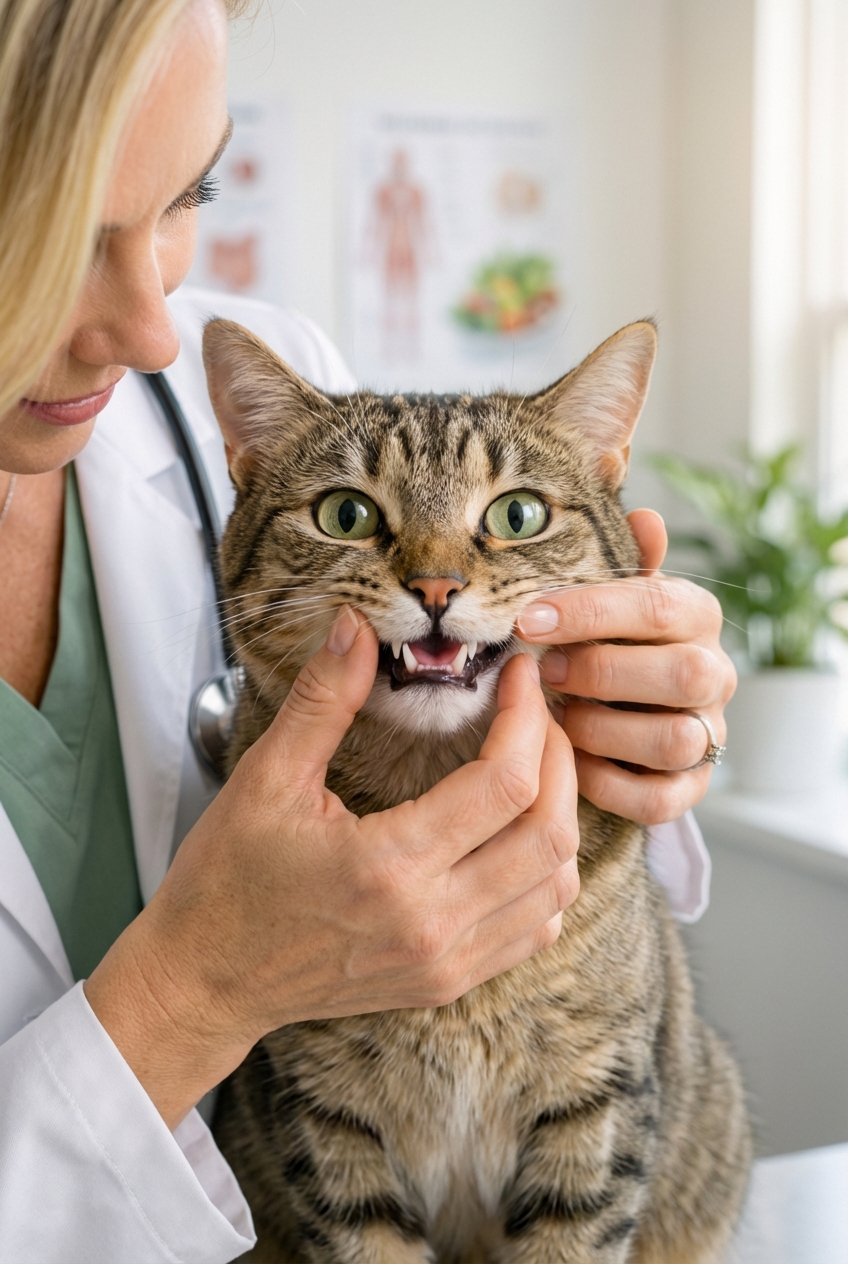
Urgent note: If you see jaundice, repeated vomiting, severe lethargy, suspected toxin exposure, or your cat is not eating and seems unwell, treat that as an urgent vet visit. If your cat has eaten nothing for about 24 hours, contact your vet for same-day guidance, sooner for kittens, seniors, or cats with other health problems.
What to expect at the vet
If you are feeling anxious, you are not alone. A typical liver workup starts with a physical exam, a few baseline tests, and a plan to keep your cat comfortable (nausea control and fluids if needed) while your vet narrows down the cause.
How vets diagnose
Liver problems are not diagnosed from a single number on a blood test. It usually takes a combination of tests and clinical context. Also, elevated liver enzymes can be a clue, but they do not always mean primary liver disease. Sometimes the liver is reacting to another problem elsewhere in the body.
Your vet may recommend:
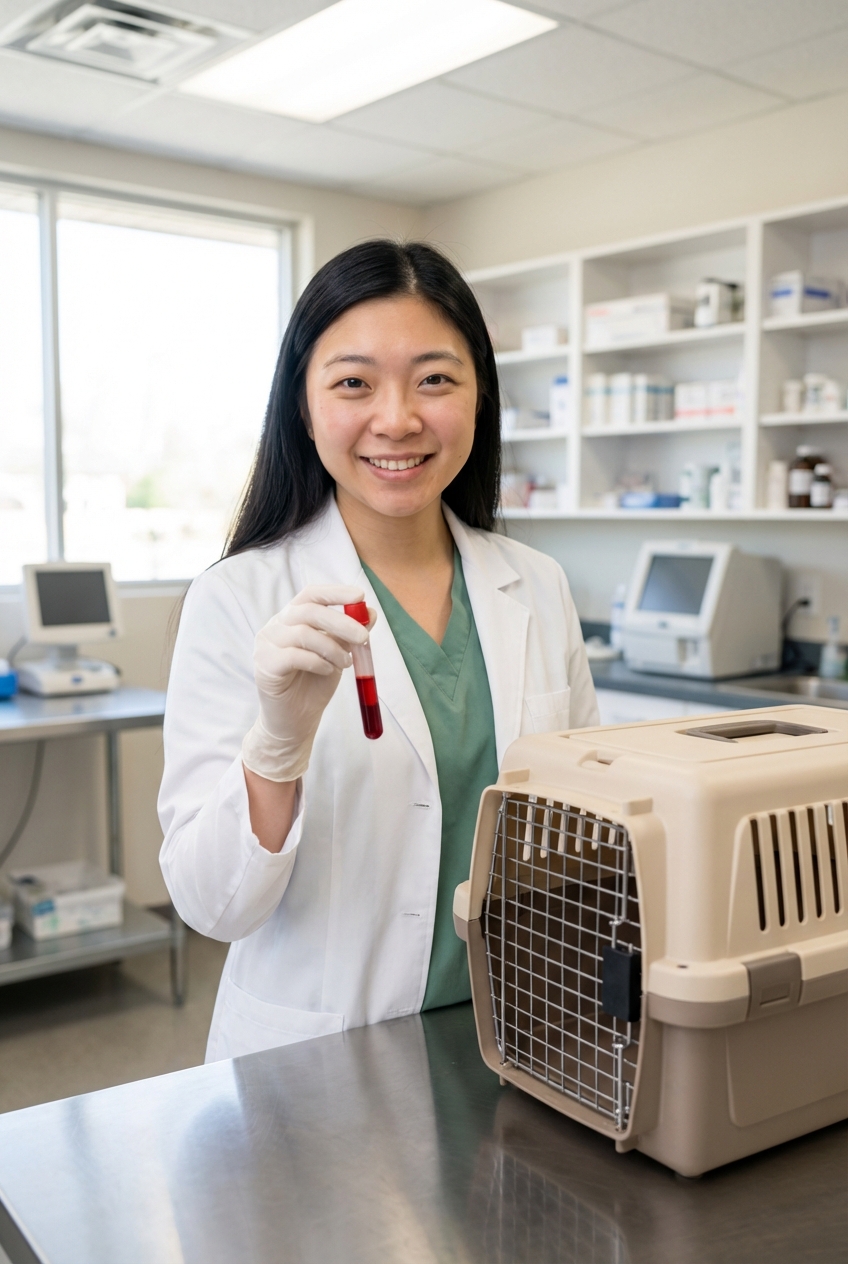
- Bloodwork: Liver enzymes (ALT, AST, ALP), bilirubin, cholesterol, glucose, and protein levels. Abnormalities can suggest injury, inflammation, or bile flow issues.
- Bile acids test: Evaluates liver function and bile flow.
- Urinalysis: Helps interpret hydration and bilirubin handling.
- Abdominal ultrasound: Looks at liver size and texture, gallbladder, bile ducts, and nearby organs like the pancreas and intestines.
- Fine needle aspirate or biopsy: In some cases, collecting cells or tissue is the best way to identify cancer, fatty liver, or certain inflammatory conditions.
- Infectious disease testing: When an infectious cause is suspected.
It can feel overwhelming, but good diagnostics save time and can prevent “trial and error” care that delays real improvement.
Treatment options
Treatment depends on the cause, severity, and whether your cat is eating. Most care plans include a mix of medical treatment and strong nutrition support.
1) Nutrition
For many liver conditions, especially hepatic lipidosis, calories are medicine. If a cat will not eat enough on their own, your vet may recommend an appetite stimulant and, in more serious cases, a feeding tube. Feeding tubes sound scary, but in practice they can be a lifesaver and reduce stress because you stop “fighting” over food.
- Goal: consistent daily calorie intake, not perfection.
- Food choice: often a highly digestible, calorie-dense diet, sometimes prescription depending on the diagnosis.
- Transition: slow, gentle changes and frequent small meals.
2) Treat the cause
- Antibiotics if bacterial infection is suspected or confirmed.
- Anti-inflammatory or immunomodulating medications for certain cholangitis patterns (only under veterinary direction).
- Antiemetics and nausea control so your cat feels well enough to eat.
- Fluids for dehydration and electrolyte support.
- Ursodeoxycholic acid (ursodiol) to support bile flow in select cases. This is a prescription medication, and it is not used in cases of complete bile duct obstruction, so it must be vet-directed.
- Hospitalization when needed for intensive nutrition and monitoring.
3) Liver support add-ons (vet guided)
Many veterinarians use liver-supportive nutraceuticals alongside medical care. Common examples include:
- SAMe (S-adenosylmethionine) for antioxidant support
- Silybin (milk thistle extract) in veterinary formulations
- Vitamin B complex when deficient
- Vitamin K in cases affecting clotting factors
Do not start supplements “just in case.” Cats are sensitive, doses matter, and some products are not quality-controlled.
4) Monitoring
Liver disease is often a marathon. Your vet will typically recheck bloodwork and possibly ultrasound on a schedule to make sure the plan is working and to adjust doses safely.
5) Prognosis
Outcomes vary widely based on the cause and how early we intervene. Hepatic lipidosis, for example, can have a very good prognosis with aggressive nutrition support and follow-through. Conditions like advanced cancer, severe liver failure, or complicated bile duct disease are more variable. Your vet can give you the most accurate outlook once the underlying diagnosis is clearer.
Home care tips
Here are practical, evidence-based ways you can support your cat at home while working with your veterinary team:
- Track food intake: Write down what and how much your cat eats each day. Appetite trends are powerful clues.
- Weigh weekly: A baby scale works well for many cats. Unplanned weight loss is a red flag.
- Reduce stress: Quiet feeding area, predictable routine, pheromone diffusers, and comfortable hiding spots.
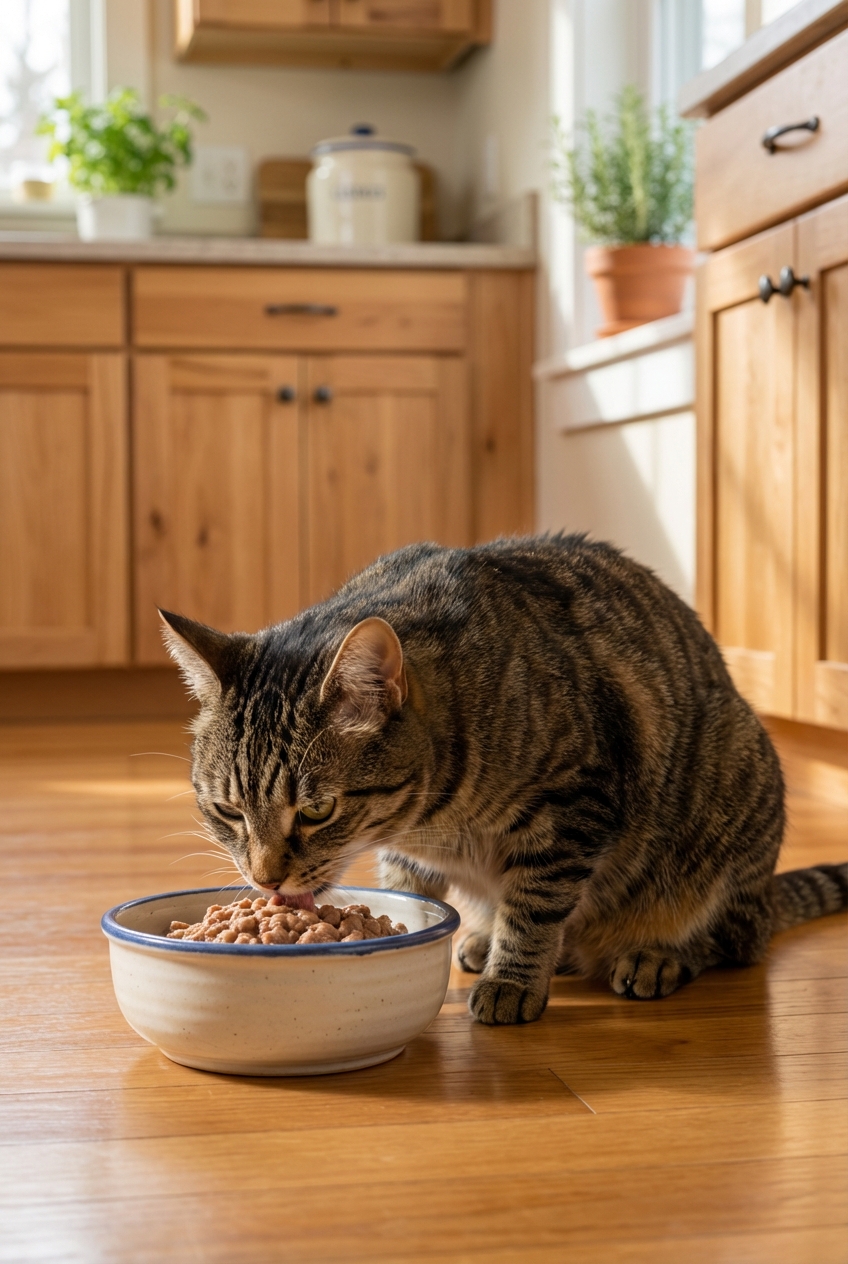
- Offer small, frequent meals: Warming food slightly can increase aroma and interest.
- Never force oral meds if your cat is actively vomiting: Call your vet for alternatives.
- Keep toxins out of reach: Human pain relievers (especially acetaminophen), essential oils, lilies, cleaning chemicals, and rodenticides are common hazards.
If your cat is on a feeding plan, stick to the schedule your vet gives you. Consistency is what helps the liver catch up and heal. Another clever cat reminder: when in doubt about appetite, call sooner rather than later.
Prevention
You cannot prevent every liver disease, but you can dramatically lower risk with a few simple habits:
- Do not let appetite loss linger: Contact your vet within 24 hours if your cat is eating significantly less, and sooner if your cat is vomiting, seems lethargic, is overweight, or has other medical issues.
- Keep cats at a healthy weight: Avoid crash dieting. Weight loss plans should be gradual and vet-guided.
- Wellness exams: Especially for senior cats, routine bloodwork can catch early changes.
- Parasite prevention: Flea, tick, and intestinal parasite control as recommended in your area.
- Medication safety: Never give human meds unless your veterinarian specifically instructs you to.
Emergency signs
Please treat these as urgent:
- Yellow gums or eyes
- Not eating at all for about 24 hours (sooner if vomiting, lethargic, overweight, very young, or medically complex)
- Repeated vomiting or vomiting plus lethargy
- Collapse, severe weakness, or trouble walking
- Bleeding, bruising, or black tarry stool
- Suspected toxin exposure (including acetaminophen)
If you are unsure, call your veterinarian or emergency clinic and describe symptoms and timing. In liver cases, time really matters.