Support steadier glucose with high-protein, low-carb homemade meals. Get macro targets, safe ingredients, what to avoid, portion guidance, and 4 simple recip...
Article
•
Designer Mixes
Clever Cats and Diabetes

Shari Shidate
Designer Mixes contributor
Diabetes can feel scary at first, but most cats can live happy, comfortable lives with the right routine. As a veterinary assistant in Frisco, Texas, I have seen many families go from overwhelmed to confident once they understand what diabetes is, what to watch for, and how to support their cat day to day.
This guide focuses on practical steps you can use at home, plus the “why” behind them, so you can make informed choices with your veterinarian.

What feline diabetes is
Feline diabetes mellitus most often resembles type 2 diabetes in people. In simple terms, your cat’s body is not using insulin effectively (insulin resistance). Over time, the pancreas may not keep up with demand, and some cats also develop loss or “burnout” of insulin-producing beta cells. The end result is high blood sugar (hyperglycemia).
High blood sugar pulls water into the urine (osmotic diuresis), which is why many diabetic cats urinate more and then drink more to keep up.
When the body cannot use glucose well, it starts breaking down fat and muscle for energy. That is why many diabetic cats lose weight even though they seem hungry.
Common signs pet owners notice
Many cats show subtle symptoms at first. If you notice any of these, call your veterinarian and ask about testing.
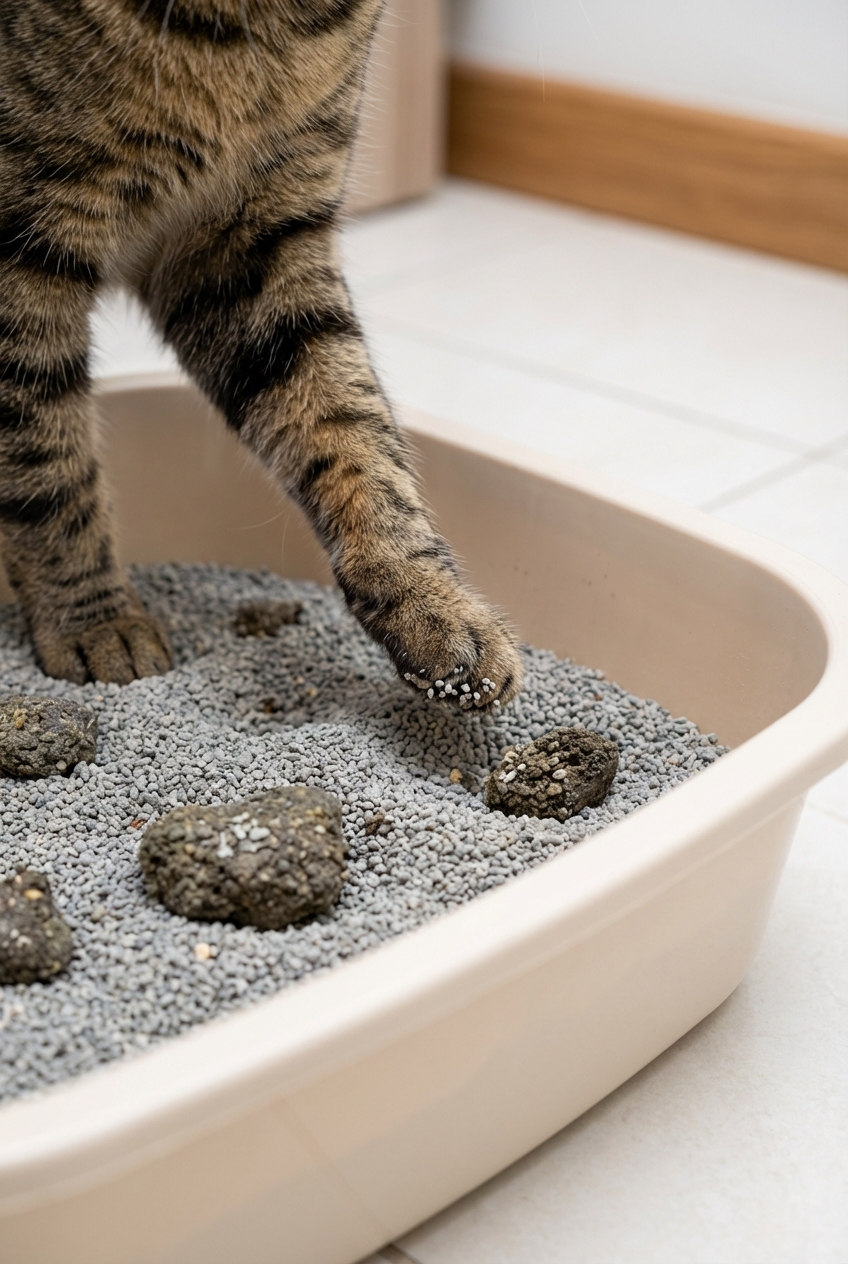
- More thirst and more urine (bigger clumps in the litter box)
- Increased appetite, sometimes with weight loss
- Weight loss and reduced muscle along the back or hips
- Lethargy or “not quite themselves” behavior
- Greasy or unkempt coat (less grooming)
- Walking low on the back legs (diabetic neuropathy, often a plantigrade stance)
How diabetes is diagnosed
Diagnosis usually involves:
- Bloodwork showing elevated blood glucose
- Urinalysis showing glucose in the urine, and sometimes ketones
- Fructosamine (a blood test that helps confirm sustained high blood sugar and reduces confusion from stress-related hyperglycemia)
Your veterinarian may also screen for common “partners” of diabetes like obesity, dental disease, pancreatitis, kidney disease, or urinary tract infections.
What the first workup may include
At the first diagnosis visit, many clinics will recommend baseline testing to help catch common complications and rule out look-alikes. Depending on your cat’s age and symptoms, that may include:
- Complete blood count and chemistry (overall organ function and dehydration clues)
- Urinalysis, and sometimes a urine culture (UTIs can be sneaky in diabetic cats)
- Electrolytes if your cat is sick or ketones are present
- Blood pressure check
- Thyroid testing in older cats if indicated
This can feel like a lot, but it helps your veterinarian build the safest plan from day one.
Why cats get diabetes
There is rarely one single cause. Most often, diabetes shows up when multiple risk factors stack together.
Common risk factors
- Excess body weight and inactivity
- Older age (many cases are middle-aged to senior cats)
- Male cats appear at higher risk in some studies
- High-calorie diets and free-feeding patterns that promote weight gain
- Other illnesses that create insulin resistance (for example pancreatitis)
- Some medications like glucocorticoids can contribute in susceptible cats
- Less common causes of significant insulin resistance, like acromegaly, and rarely hyperadrenocorticism
- Prior progestin exposure (less common now, but still worth mentioning if your cat has a history of it)
If your cat is newly diagnosed, it can be helpful to ask your veterinarian, “Do we suspect anything else is driving insulin resistance?” Treating underlying issues can make diabetes easier to manage.
The good news: remission is possible
Many cats can achieve diabetic remission, meaning they can maintain normal blood glucose without insulin for a period of time. Remission is most likely when diabetes is caught early and managed consistently with:
- Appropriate insulin therapy
- Diet that supports stable glucose
- Healthy weight loss if the cat is overweight
- Home monitoring and regular rechecks
Even if remission does not happen, most cats still do very well long-term with a steady routine.
Now let’s talk about the daily habits that make the biggest difference at home.
Daily care that matters most
1) Insulin, given safely and consistently
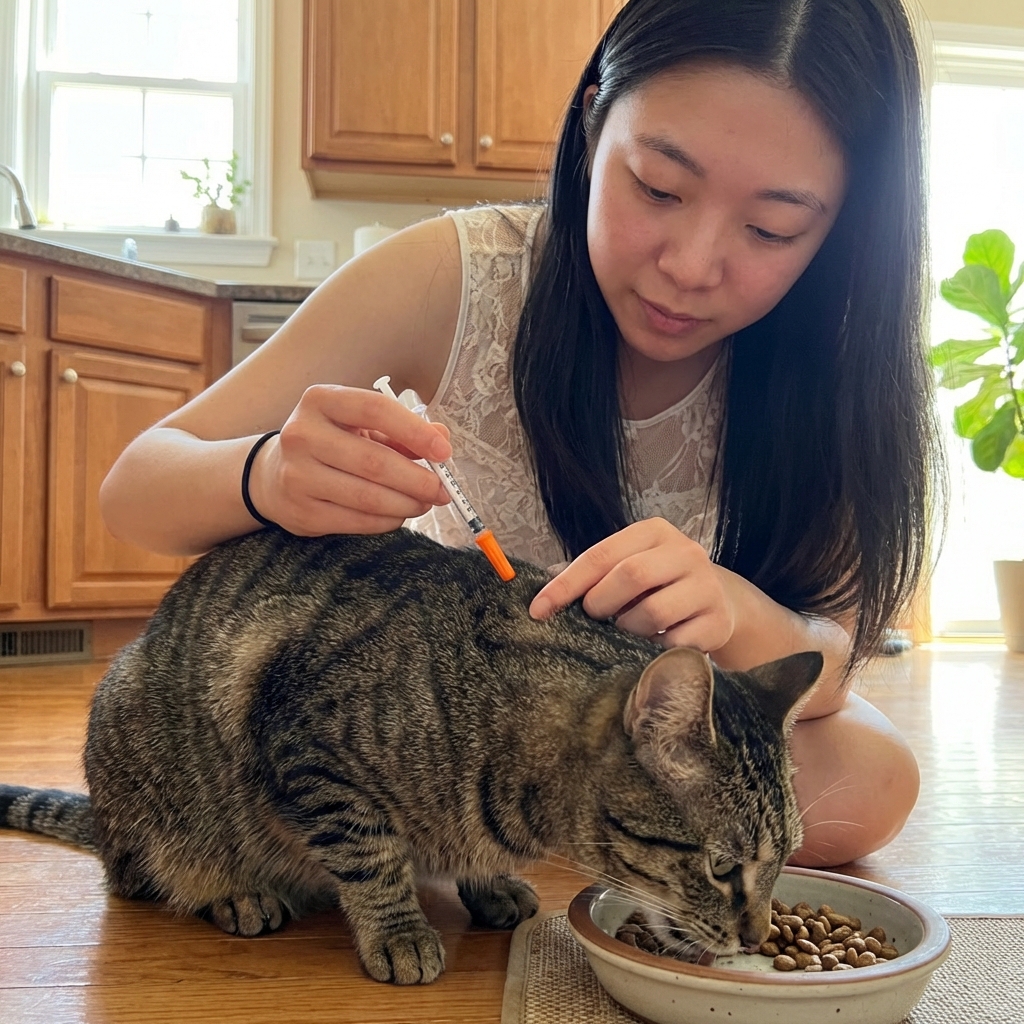
Insulin is commonly given by a small injection under the skin. Most cats tolerate it better than people expect. Consistency matters. Many cats are prescribed insulin about every 12 hours, so try to give it at the same times each day and follow your veterinarian’s exact dosing instructions.
- Store insulin correctly (temperature and handling vary by type)
- Use the right syringes for the insulin concentration
- Never adjust dose on your own unless your veterinary team has given you a plan
You may also hear your veterinarian mention different insulin options for cats. The key takeaway is that insulin choice and dosing are individualized, and it can take a few weeks (with rechecks) to find the best fit.
2) Nutrition that supports steady blood sugar
For many diabetic cats, a veterinarian-recommended diet that is high in protein and lower in carbohydrates can help reduce glucose spikes and improve insulin sensitivity. Your vet may suggest a prescription diet or a carefully chosen over-the-counter option depending on your cat’s whole health picture.
It is not one size fits all. Conditions like chronic kidney disease, pancreatitis, or inflammatory bowel disease can change what “best diet” looks like, so it is always worth confirming the plan with your veterinarian.
Helpful feeding habits:
- Feed measured meals instead of free-feeding, if possible
- Keep treats consistent and minimal, and avoid sugary or starchy options
- Talk to your vet before changing diets, especially once insulin has started, because diet changes can change insulin needs
3) Weight management and gentle activity
If your cat is overweight, gradual weight loss can improve insulin sensitivity. “Gradual” is important because rapid weight loss in cats can be dangerous. Ask your vet for a target weight and a weekly weight-loss goal.
- Use puzzle feeders or small “hunt-style” meals to encourage movement
- Try short play sessions 2 to 3 times daily (even 5 minutes helps)
- Track weight at home with a baby scale or regular clinic weigh-ins
Home monitoring and when to call
Monitoring helps prevent emergencies and improves the odds of good control. Your veterinarian may recommend home glucose monitoring with a pet-calibrated meter or a continuous glucose monitor (CGM). Even if you do not monitor glucose at home, you can still track daily patterns that matter.
Glucose monitoring options
- Spot checks: a single glucose reading, often used to confirm lows or get a quick data point
- Glucose curves: multiple readings over the day to see how low the glucose goes and how long the insulin lasts
- CGM: a sensor that tracks glucose trends throughout the day and night
If you use a human meter, ask your veterinarian how to interpret results. Human and pet-calibrated meters can read differently, and your cat’s dosing decisions should be based on the approach your veterinary team prefers.
Simple at-home tracking
- Water intake (is the bowl emptying faster?)
- Urination (litter box clump size and frequency)
- Appetite (sudden ravenous hunger or sudden disinterest)
- Weight (weekly is a great goal)
- Energy and behavior
If your cat will not eat or is vomiting
This is one of the most common “what do I do now?” moments. Do not give the usual insulin dose without guidance if your cat is not eating normally, is vomiting, or seems unusually lethargic. Call your veterinarian right away for a specific plan. The safest instructions depend on your cat’s insulin type, recent glucose control, and overall health.
Signs of low blood sugar (hypoglycemia)
Hypoglycemia can happen if insulin dose is too high, your cat does not eat enough, vomiting occurs, or needs change. This is an emergency.
- Weakness or wobbliness
- Disorientation
- Trembling
- Seizures
- Collapse
If you suspect hypoglycemia, contact an emergency vet right away. If your cat is alert and able to swallow, your veterinary team may advise rubbing a small amount of a sugar source like corn syrup on the gums as a temporary measure while you head in, but do not force anything into the mouth if your cat is not fully responsive.
Signs of diabetic ketoacidosis (DKA)
DKA is a serious complication that requires immediate veterinary care. Signs can be nonspecific, but common red flags include:
- Not eating or eating very little
- Vomiting
- Rapid breathing or weakness
- Severe lethargy
- Dehydration (dry gums, sunken eyes)
- Fruity or acetone-like breath
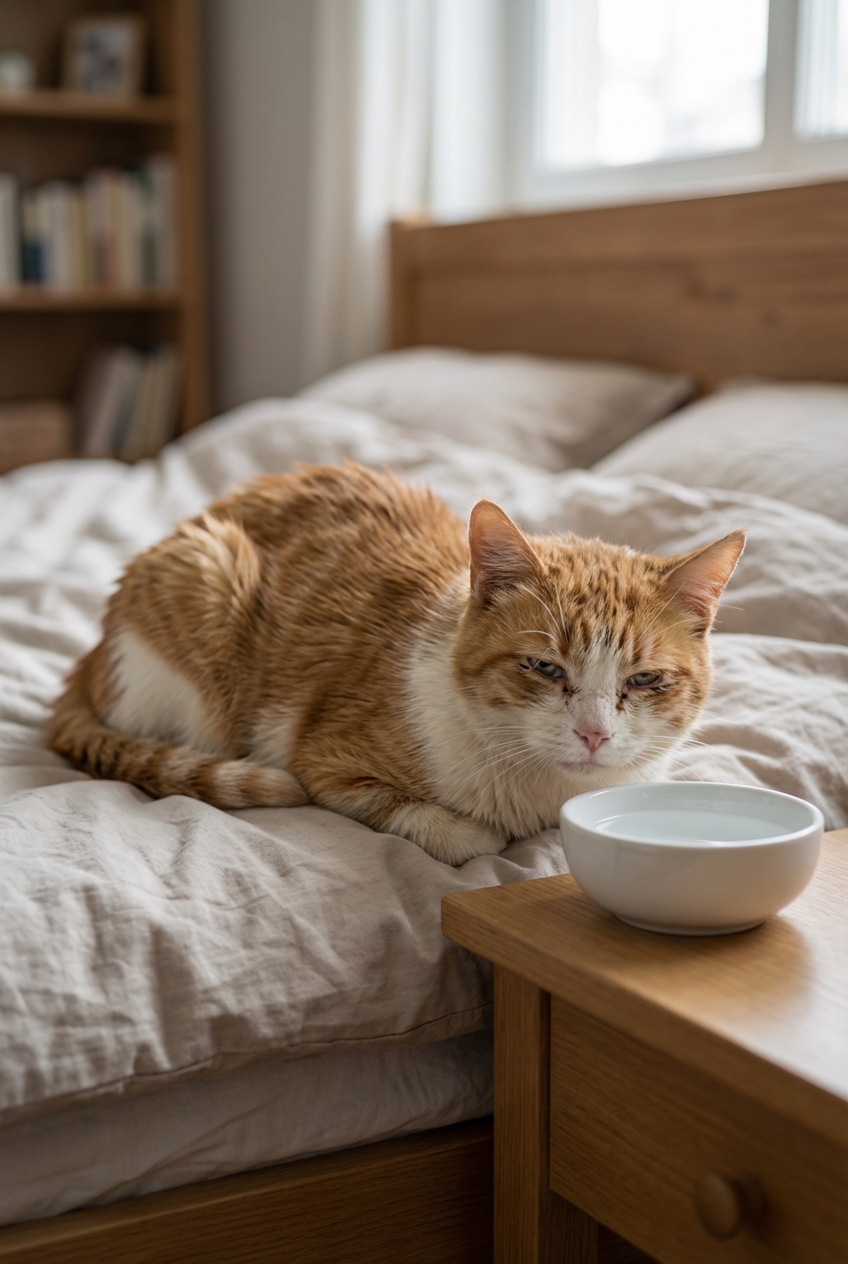
Rechecks and glucose curves
Early on, most cats need more frequent follow-ups to find the right insulin dose and routine. Your veterinarian may perform a glucose curve (measuring blood glucose over the day) or use CGM data to adjust treatment safely.
Bring your notes to appointments. Even a few bullet points about appetite, water, and litter box habits can help your vet make better decisions.
Make it easier day to day
Create a calm routine
- Set phone reminders for meals and insulin
- Keep supplies in one container (syringes, treats, meter, logbook)
- Pick a comfortable “care spot” where your cat feels safe
Reduce stress during injections
- Pair injections with something positive like a favorite meal
- Use gentle handling and a confident, quick technique
- Ask your vet team to watch you do an injection once, then coach you
Protect paws and joints
If your cat has neuropathy or weakness, help them succeed at home:
- Use a low-entry litter box
- Add rugs or traction mats on slick floors
- Use pet stairs for beds or couches if needed
Questions to ask your veterinarian
- What insulin type are we using, and why is it a good fit for my cat?
- Should we aim for home glucose monitoring or CGM?
- What diet do you recommend for my cat’s weight and other conditions?
- What is my cat’s ideal weight, and how fast should weight change?
- What are our emergency instructions for suspected hypoglycemia?
- What should I do if my cat skips a meal or vomits near insulin time?
- How often should we recheck, and what signs mean “call sooner”?
Bottom line
Diabetes management is not about being perfect. It is about being consistent. With the right insulin plan, a nutrition strategy that supports stable blood sugar, and a little tracking at home, most cats feel better quickly and many families find the routine becomes surprisingly doable.
If you are feeling overwhelmed, ask your veterinary team to show you one step at a time. You and your clever cat can absolutely handle this.