
Chronic Pancreatitis in Dogs: Preventing Flare-Ups and Long-Term Care

When your dog has been diagnosed with chronic or recurring pancreatitis, life can feel like you are always waiting for the next flare-up. I get it. As a veterinary assistant, I have seen how stressful this can be for families, and how much better dogs do when we focus on steady routines and prevention, not just reacting when things get bad.
This page is about the long game: reducing flare-up frequency, spotting early warning signs, choosing safer foods and treats, and knowing when it is time to call your veterinarian. It is not a substitute for veterinary care, and your dog’s plan should be personalized with your clinic.
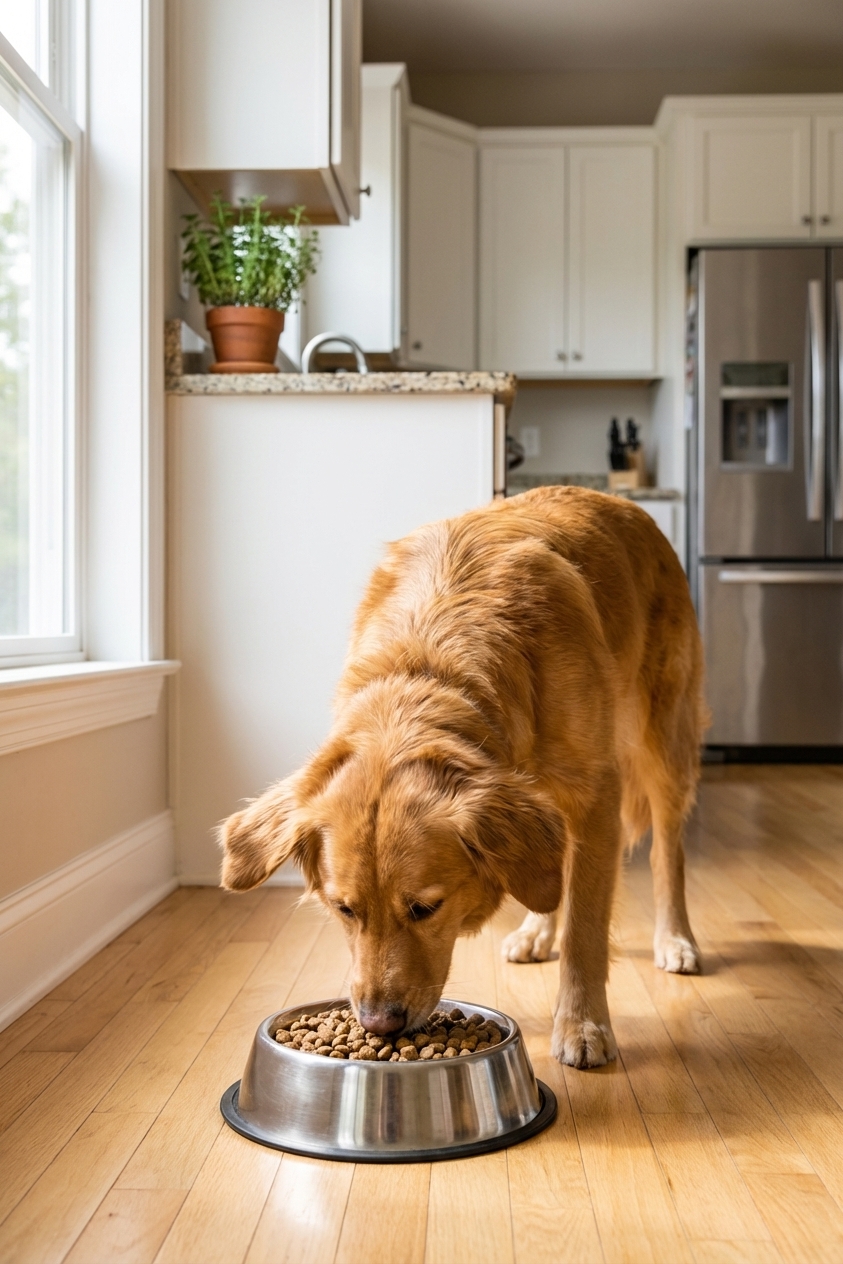
Chronic pancreatitis, simply
The pancreas makes digestive enzymes and hormones that help regulate blood sugar. With chronic pancreatitis, the pancreas stays inflamed or becomes inflamed repeatedly over time. Some dogs have obvious flare-ups. Others have subtle, on-and-off stomach trouble that slowly turns into a pattern.
Why the long-term focus matters: repeated inflammation can make the pancreas more sensitive, and in some dogs it can contribute to issues like poor digestion or diabetes later on. The goal is to reduce triggers and keep your dog’s digestion as calm and predictable as possible, even when you cannot identify one single cause.
Important: This article is for long-term management. If your dog is having severe vomiting, repeated retching, collapse, a painful belly, or seems very weak, treat it like an emergency and call your vet or an ER right away.
What counts as a flare-up?
Owners use “flare-up” to mean a return of pancreatitis-type symptoms. A flare can look like a cluster of:
- Sudden nausea (lip licking, drooling, swallowing)
- Vomiting or retching
- Belly pain (hunched posture, “prayer position”)
- Low appetite or refusing treats
- Diarrhea or unusually soft stool
- Low energy and wanting to be left alone
Not every upset stomach is pancreatitis, so when in doubt, check in with your veterinarian, especially if your dog has a history.
Common triggers (and better options)
Some dogs flare from one clear cause. Many flare from a pile-up of small stressors. These are common triggers veterinarians see:
- High-fat foods and treats (bacon, sausage, fatty beef, cheese-heavy snacks, skin-on poultry, greasy table scraps)
- Sudden diet changes, even switching brands too quickly
- People-food holidays (guests, cookouts, dropped food, extra treats)
- Trash raids or scavenging outside
- Obesity or rapid weight gain
- Some medications (your vet will weigh risks and benefits). Examples that are sometimes associated in dogs include potassium bromide and certain chemotherapy agents. Do not stop or change any medication without your veterinarian.
- Underlying conditions like diabetes, high triglycerides, Cushing’s disease, inflammatory bowel disease, or gallbladder disease
What to do instead: choose one consistent, pancreas-friendly diet plan, keep treats low-fat and planned, and make changes slowly and on purpose.
People food safety reminder: Some foods are dangerous for dogs even aside from fat content. Keep onions and garlic, grapes and raisins, and anything with xylitol (birch sugar) out of reach.
Diet for long-term prevention
Diet is often the biggest controllable factor for pancreatitis-prone dogs. Many do best with lower-fat, highly digestible meals that are consistent day to day. That said, some cases are partly idiopathic, meaning flare-ups can still happen even when you do everything “right.”
1) The big goals
- Keep fat low and steady (many chronic pancreatitis dogs flare when fat creeps upward)
- Prioritize digestible protein to maintain muscle
- Use carbs strategically for calories without excess fat
- Add fiber if your vet recommends it, especially if stool quality is inconsistent
- Smaller, more frequent meals can be helpful for some dogs, based on your vet’s guidance
2) What “low fat” means
Low-fat targets vary by dog and by food format. Your vet may give you a specific gram-of-fat or percentage target based on your dog’s history and lab work.
For packaged foods, ask your veterinarian how to compare labels properly. Fat can be listed “as fed,” but what we often care about is how that converts on a dry matter basis. If you are unsure, bring the label to your appointment or email your clinic a photo.
3) Make changes slowly
Sudden switches can cause GI upset on their own. A common transition is 7 to 10 days:
- Days 1 to 3: 75% old food, 25% new
- Days 4 to 6: 50% old, 50% new
- Days 7 to 9: 25% old, 75% new
- Day 10: 100% new
If your dog has a history of flaring with changes, your vet may recommend an even slower transition.
4) Choose a plan you can maintain
You have three common options, and the best one is the one you can do consistently.
- Veterinary therapeutic diet: Often the easiest for precision and consistency. Many pancreatitis-prone dogs do very well here.
- Carefully selected commercial over-the-counter diet: Can work, but be cautious. “Sensitive stomach” does not always mean low fat.
- Home-prepared diet: This can be wonderful, but it needs structure. For chronic pancreatitis, I recommend working with your veterinarian or a board-certified veterinary nutritionist so the diet is complete and reliably low-fat.
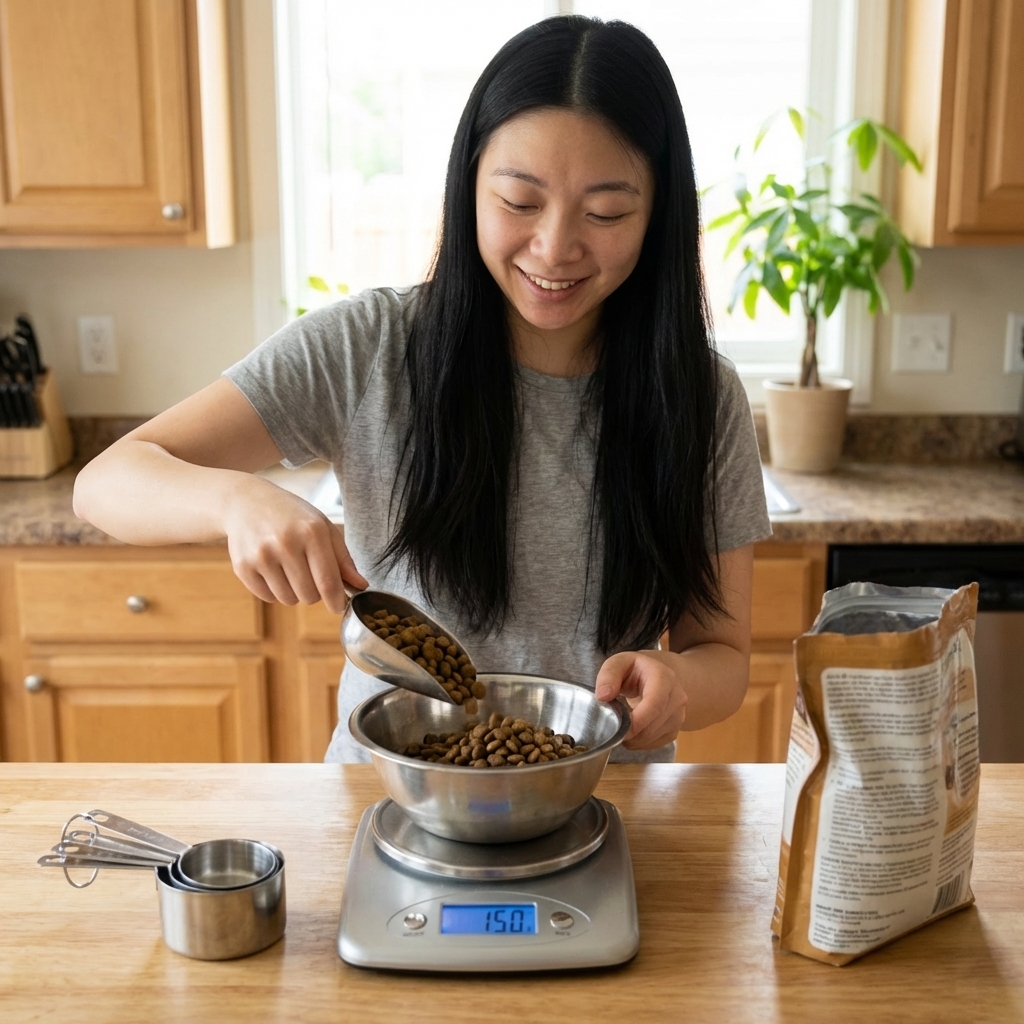
Proteins, carbs, and add-ins
Every dog is unique, so always introduce changes slowly and track stool, appetite, and comfort. Here are ingredients that are commonly tolerated in lower-fat plans.
Often tolerated proteins
- Skinless chicken breast or turkey breast
- White fish (cod, pollock, tilapia) cooked plainly
- Egg whites (low fat, high protein)
- Very lean ground turkey or beef (only if truly lean and drained well)
Helpful carbs
- White rice (often easiest during sensitive periods)
- Oatmeal (plain)
- Potato or sweet potato (baked or boiled, no butter or oil)
- Pasta (plain) in small amounts for some dogs
Veggies that are usually gentle
Lightly cooked vegetables can add fiber and nutrients. Keep portions modest, and avoid adding oils.
- Green beans
- Carrots
- Zucchini
- Spinach (small amounts)
- Pumpkin (plain, not pie filling)
Tip: If your dog gets gassy or loose stool from veggies, reduce the amount and try a different one. With chronic pancreatitis, a steady routine often matters more than variety.
Safe treats (and what to avoid)
Treats are where many flare-ups start, especially when multiple family members are “just giving a little.” Treats should be planned calories, not random extras.
Practical target: For many dogs, treats should be 10% or less of daily calories, unless your vet gives you a different goal. If your dog needs a very strict low-fat plan, your vet may prefer even less.
Usually safer low-fat treat ideas
- Small pieces of cooked skinless chicken breast or turkey breast
- Air-popped popcorn (plain, no butter or oils) in small amounts, and only if your dog chews well
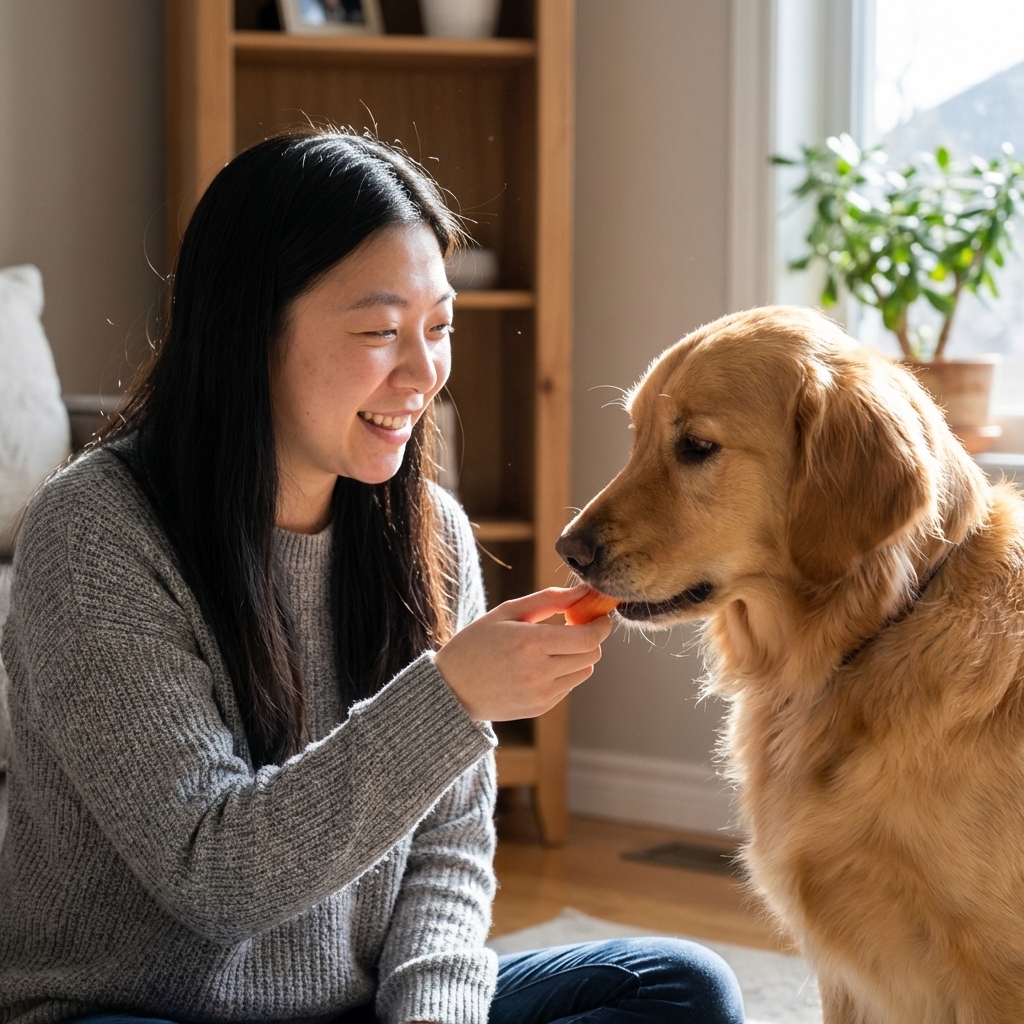
- Baby carrots or steamed carrot coins (cut to a safe size)
- Green beans (steamed or canned with no salt added)
- Plain rice cakes broken into tiny pieces, supervised to reduce choking risk
- Freeze-dried single-ingredient lean proteins, only if the fat content is truly low
Treats and foods to avoid
- Fatty meats, meat drippings, gravy, butter, oils
- Cheese, cream, full-fat yogurt, ice cream
- Peanut butter and high-fat lick mats unless your vet approves a low-fat option
- Commercial “rich” treats like many biscuits, jerky treats, and bully sticks (often higher fat than owners realize)
- Anything fried or greasy
My practical rule: If it leaves oil on your fingers, it is probably not a good idea for a pancreatitis-prone dog.
Supplements to discuss
Supplements can be useful, but with chronic pancreatitis, more is not always better. Some supplements are fatty or irritating to the GI tract.
Commonly discussed options
- Probiotics: May help some dogs with stool quality and gut balance. Choose a veterinary product with clear strains and dosing.
- Digestive enzymes: Not automatically needed for chronic pancreatitis, but may be recommended if your vet suspects poor digestion or concurrent pancreatic issues.
- Vitamin B12 (cobalamin): Some dogs with chronic GI disease run low. Your vet can test and supplement if needed.
- Fiber (psyllium or pumpkin): Sometimes helps regulate stool, but dosing matters and too much can backfire.
Be cautious with
- Fish oil: It can be beneficial for inflammation in some conditions, but it is still fat. Only use if your veterinarian approves the dose and your dog tolerates it.
- CBD products: Quality and dosing vary widely, and some formulations contain oils or additives that may not be ideal.
- High-fat “coat” supplements: Many are oil-based and risky for pancreatitis-prone dogs.
Related note: In some dogs, long-term pancreatic disease can contribute to exocrine pancreatic insufficiency (EPI), where the body does not make enough digestive enzymes. Classic signs include weight loss despite a strong appetite, frequent large stools, or greasy-looking stool. If you see that pattern, ask your vet if testing makes sense.
Safety note: Always share your full supplement list with your veterinarian, including “natural” products and chewable vitamins. Chews can contain fats, flavorings, and sweeteners that matter.
Exercise and daily routine
Exercise supports weight management, stress relief, and overall gut health. For chronic pancreatitis dogs, the goal is usually steady, moderate activity that fits your dog’s conditioning level.
Helpful guidelines
- Keep it consistent: similar walk times, similar duration, most days of the week
- Aim for moderate: brisk walks, sniff walks, gentle play
- After a flare-up: avoid abrupt overexertion until your vet says your dog is ready
- Hydration matters: bring water on longer walks, especially in hot weather
If your dog is recovering from a flare-up or has nausea, pain, or low appetite, take exercise down to short potty breaks and gentle movement until your vet says to resume normal activity.

Early warning signs
With chronic pancreatitis, acting early may reduce the chance that symptoms escalate. These are common early signs owners notice before a full flare:
- Skipping a meal or suddenly eating much slower
- Lip licking, swallowing repeatedly, drooling, or seeming nauseated
- Restlessness at night, frequent repositioning
- Hunched posture or “prayer position” stretch
- Soft stool, mucus in stool, or new constipation
- Vomiting once, or repeated retching
- Refusing treats that are normally irresistible
- Low energy, hiding, or wanting to be alone
At-home plan (non-emergency)
If your dog has mild signs and is still bright and stable, contact your veterinarian promptly and ask what they recommend for your dog’s history. Many clinics can advise whether to:
- Temporarily switch to a blander, very low-fat plan
- Use prescribed anti-nausea or pain medication you already have on hand
- Schedule a same-day exam and lab work
Do not give over-the-counter pain meds unless your veterinarian specifically instructs you. Some human medications are dangerous for dogs and can worsen GI injury.
Also: Do not fast your dog at home unless your veterinarian tells you to. Older advice sometimes included fasting, but many veterinarians now prioritize nausea and pain control plus early, appropriate nutrition. Your vet will guide you based on the situation.
Monitoring and diagnosis
Chronic pancreatitis can be frustrating because it is not always simple to confirm or track. Some dogs have clear ultrasound changes, while others have symptoms that come and go with less obvious test results.
Your vet may recommend a combination of:
- Physical exam and symptom history
- Bloodwork and urine testing
- Pancreas-focused tests (such as Spec cPL), with the understanding that no single test is perfect
- Ultrasound to evaluate the pancreas and nearby organs
For long-term management, ask your vet how often they want rechecks and what markers matter most for your dog.
When to call the vet now
Chronic pancreatitis is not something you should have to guess through. Call your vet or go to an emergency hospital if you notice:
- Repeated vomiting or inability to keep water down
- Severe belly pain, crying out, or tight abdomen
- Weakness, collapse, pale gums, or trouble breathing
- Bloody vomit or black, tarry stool
- Dehydration signs (sticky gums, sunken eyes, extreme lethargy)
- Symptoms that are worsening quickly
For long-term management, ask your vet whether your dog should have periodic monitoring of:
- Weight and body condition score
- GI and pancreatic labs as needed
- Triglycerides and cholesterol
- Blood sugar
- Ultrasound follow-ups if your dog has complicated disease
Prevention checklist
If you want one simple routine to start with, this is it:
- Feed a consistent low-fat diet that your dog tolerates well
- Measure meals and keep treats planned and low-fat
- Use meal timing that works (some dogs do better with smaller, more frequent meals)
- Prevent scavenging with secure trash, supervision, and a basket muzzle if needed outdoors
- Keep a symptom log of nausea, stool, appetite, and likely triggers
- Maintain a healthy weight with regular, moderate exercise
- Have a vet-approved flare plan so you are not scrambling at 2 a.m.
Chronic pancreatitis management can feel strict at first, but most families find a rhythm. Once you find the foods and routines that keep your dog stable, daily life often gets much calmer.
Quick FAQ
Can my dog ever eat “normal” treats again?
Many dogs with chronic pancreatitis can still enjoy treats, but “normal” often needs to be redefined as low-fat and predictable. Think lean protein bites and crunchy veggies, not rich chews and fatty snacks.
Is homemade food safe for chronic pancreatitis?
It can be, but chronic pancreatitis dogs do best when the diet is balanced and consistent. If you want to go homemade, involve your veterinarian or a veterinary nutritionist so you meet nutrient requirements without accidental fat creep.
Does stress cause flare-ups?
Stress does not directly “cause” pancreatitis in most dogs, but it can affect appetite, gut motility, and routines. For some chronic dogs, that is enough to contribute to a flare. Calm schedules and consistent feeding help.