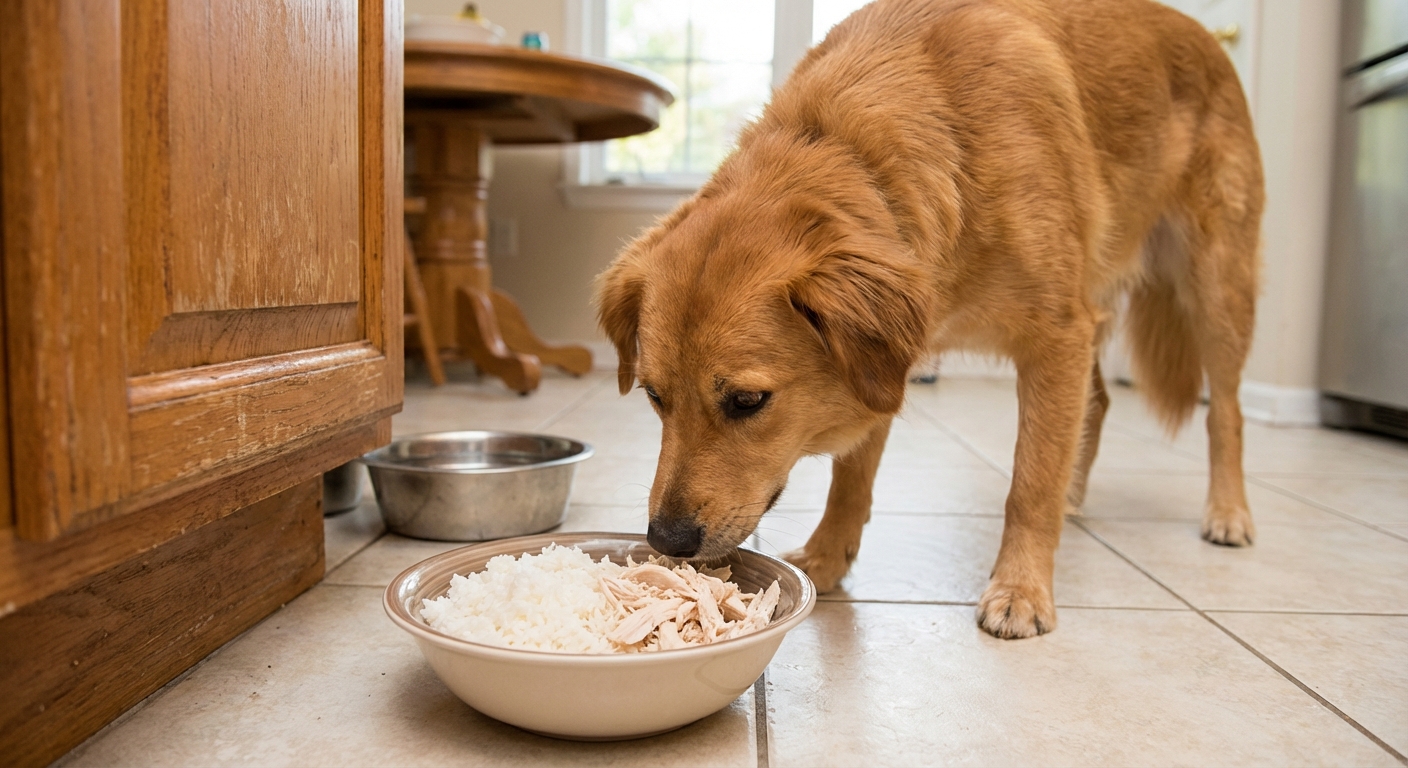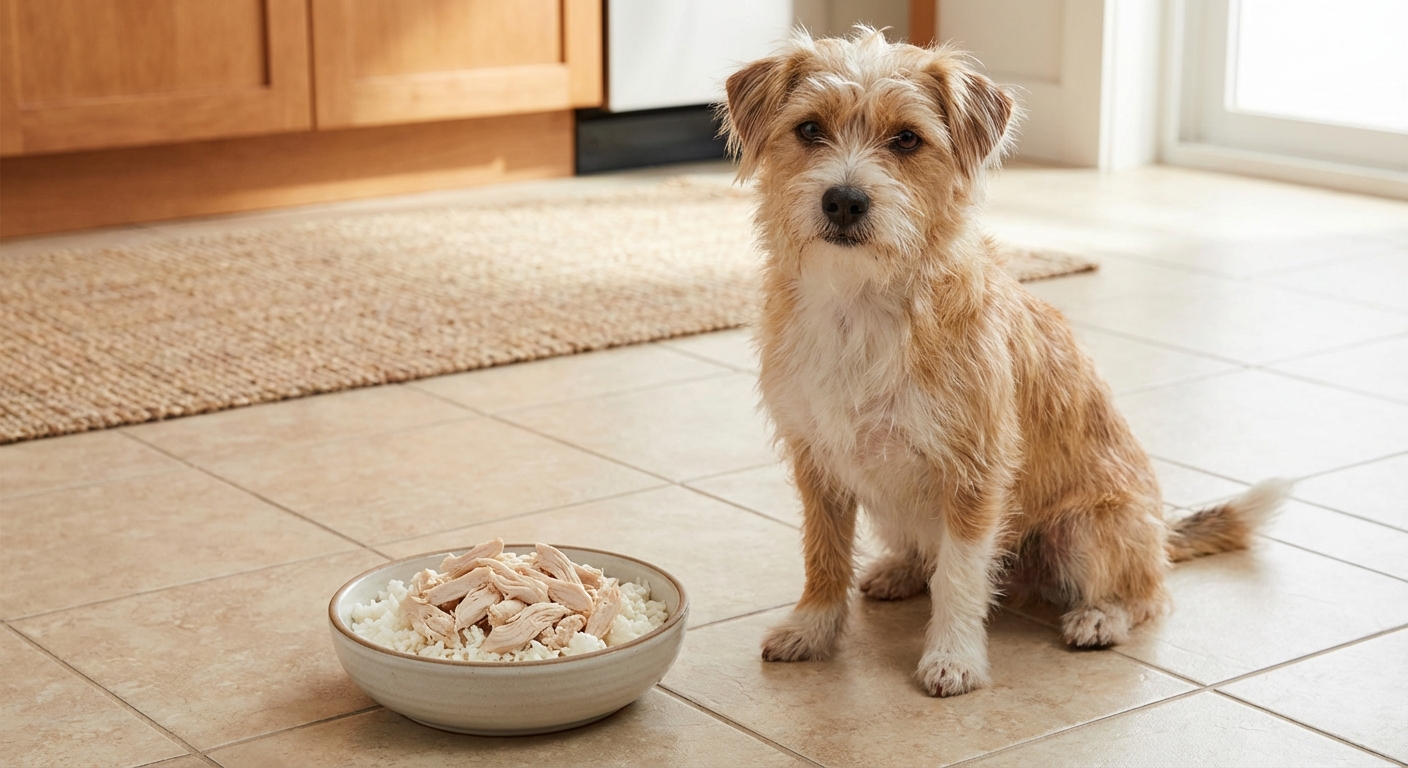
Chicken and rice can soothe mild stomach upset and help dogs transition back to normal food. Learn safe recipes, portions, how long to feed it, and when to c...
Article
•
Designer Mixes
Chronic Dog Diarrhea Care Guide

Shari Shidate
Designer Mixes contributor
When diarrhea lasts more than a day or two, it is exhausting for you and uncomfortable for your pup. As a veterinary assistant in general practice, I have seen how quickly loose stool can turn into dehydration, weight loss, and a stressed family. The good news is that many dogs improve with the right step-by-step care, smart diet choices, and a clear plan for when to loop in your veterinarian.
This guide focuses on chronic diarrhea, which is often defined as loose, watery, or frequent stools that continue or keep coming back for about 2 to 3 weeks or longer. If your dog is having a sudden episode that started today, you can still use parts of this guide, but ongoing diarrhea deserves a more thorough approach.
First, know when it is urgent
Chronic diarrhea is often manageable, but there are situations where waiting it out is not safe. Please call your veterinarian or an emergency clinic if you notice any of the following:
- Blood in the stool (bright red or black, tarry stool)
- Vomiting that is persistent, especially with diarrhea
- Lethargy, weakness, collapse, or signs of pain
- Dehydration (tacky gums, sunken eyes, skin “tents” when gently lifted)
- Fever or your dog seems “off” in a way you cannot explain
- Puppies, seniors, or dogs with chronic disease (kidney disease, diabetes, Addison’s disease, cancer, pancreatitis)
- Rapid weight loss or not eating for more than 24 hours
- Possible toxin or foreign object exposure (trash, socks, bones, new medications)
If your dog is stable, eating, and bright-eyed but the stool stays loose for weeks, it is still time to schedule a vet visit. Chronic diarrhea is a symptom, not a diagnosis. Also remember that “chronic” does not always mean “mild.” Chronic diarrhea plus weight loss, repeated vomiting, or poor appetite should be treated as more urgent.
What chronic diarrhea can look like
Not all diarrhea is the same, and the details help your veterinarian narrow down the cause.
Small bowel vs. large bowel clues
- Small bowel diarrhea often means larger volumes, watery stool, weight loss, gas, or vomiting. Frequency may be normal or only slightly increased.
- Large bowel diarrhea often means frequent trips, straining, mucus, small amounts, and sometimes bright red blood.
Many dogs have a mix, but noticing patterns helps guide testing and treatment. If you can, take a quick photo of the stool (gross but helpful) to show your veterinarian.
You may also hear your clinic reference a stool or fecal score (often a 1 to 7 scale, from very hard to watery). If you do not know the number, describing it as “pudding-like” versus “watery” is still useful.
Common causes
Chronic diarrhea can have multiple contributing factors. For example, a dog may start with a parasite, then develop inflammation, then become sensitive to certain ingredients. Here are the most common categories veterinarians consider:
- Parasites: Giardia is a big one, plus whipworms, roundworms, and hookworms.
- Dietary intolerance: Trouble digesting certain proteins, fats, or additives.
- Food allergy: Immune-driven reaction, often to proteins like chicken, beef, dairy, or eggs.
- Inflammatory bowel disease (IBD): Chronic intestinal inflammation that often needs diet and medication support.
- Stress and gut-brain connection: Moving, boarding, new pets, schedule changes.
- Infections and dysbiosis: Bacterial imbalance (dysbiosis) or certain infections that can disrupt the gut.
- Pancreatitis or fat sensitivity: Loose stool, pain, nausea, and worse after rich foods.
- Endocrine disease: Addison’s disease can mimic GI problems.
- Antibiotic-associated diarrhea: Some dogs develop loose stool after antibiotic courses.
- Systemic illness: Liver, kidney, or cancer-related GI signs.
Because the list is broad, your job at home is to track symptoms carefully and avoid rapid, frequent diet changes that muddy the waters. Also consider easy-to-miss triggers like new supplements (fish oil, CBD, calming chews), a sudden increase in treats, drinking from puddles or standing water, or scavenging on walks.
At-home care
If your dog is stable and your veterinarian agrees home care is appropriate, these steps can reduce irritation and help you gather useful information.
1) Hydration comes first
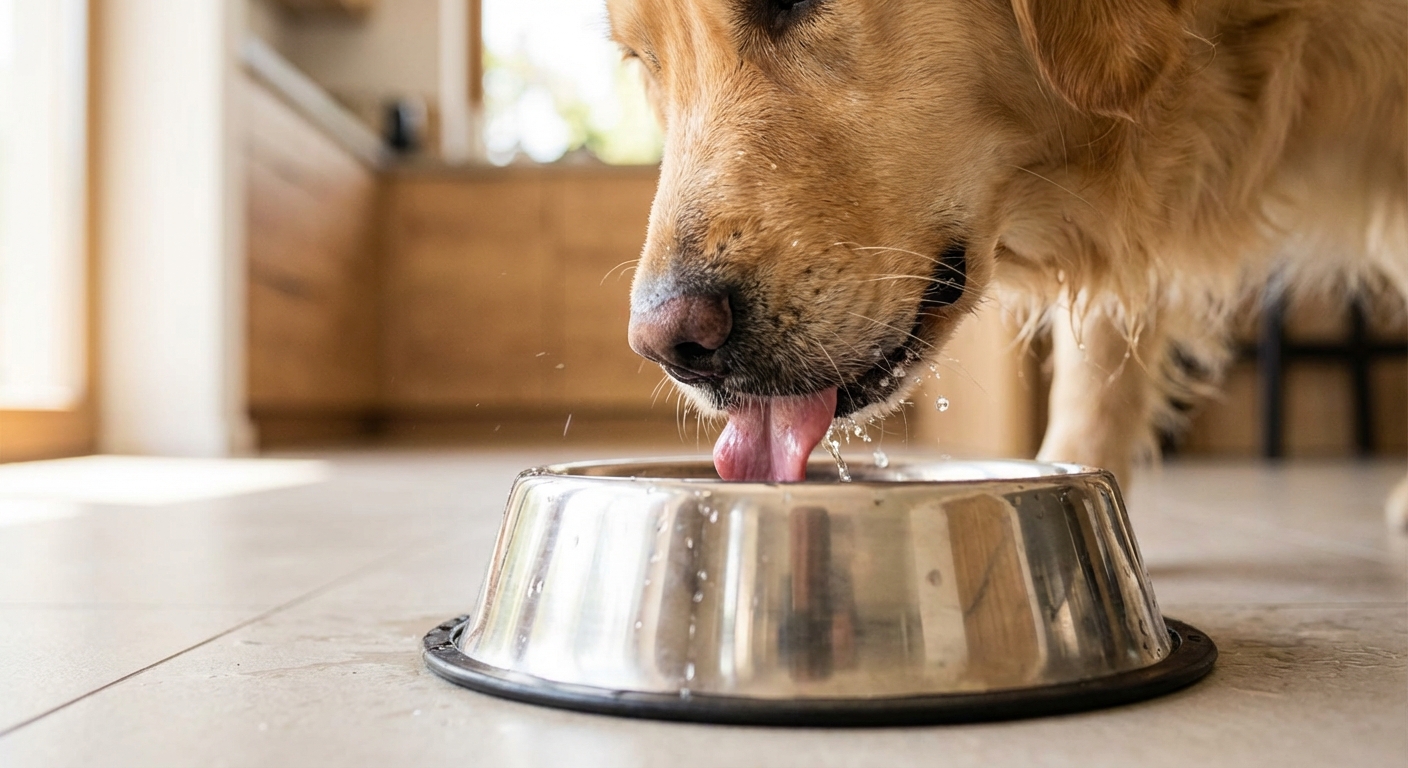
Diarrhea pulls water and electrolytes out of the body. Keep fresh water available at all times. If your dog is reluctant to drink, ask your veterinarian about a pet-safe oral electrolyte option and whether adding water to meals is appropriate.
Caution: Avoid human sports drinks or homemade salt and sugar mixes unless your veterinarian specifically directs you. They can be too high in sugar or sodium and may worsen diarrhea.
2) Feed a simple, gut-friendly diet short term
For many dogs, a short course of a bland diet helps calm the GI tract. Typical options include:
- Boiled skinless chicken breast with plain white rice
- Boiled lean turkey with rice
- Prescription gastrointestinal diets recommended by your veterinarian
Serve small meals, 3 to 4 times per day, rather than one or two large meals.
Important: If diarrhea has been ongoing for weeks, bland diets can be a helpful reset, but they are not complete nutrition long term. If you want to transition to homemade, do it thoughtfully and consider a veterinary nutritionist or a balanced recipe plan.
3) Add fiber thoughtfully
Fiber can help both loose stool and urgency, but type and amount matter. Your vet may recommend:
- Psyllium husk (a gentle soluble fiber)
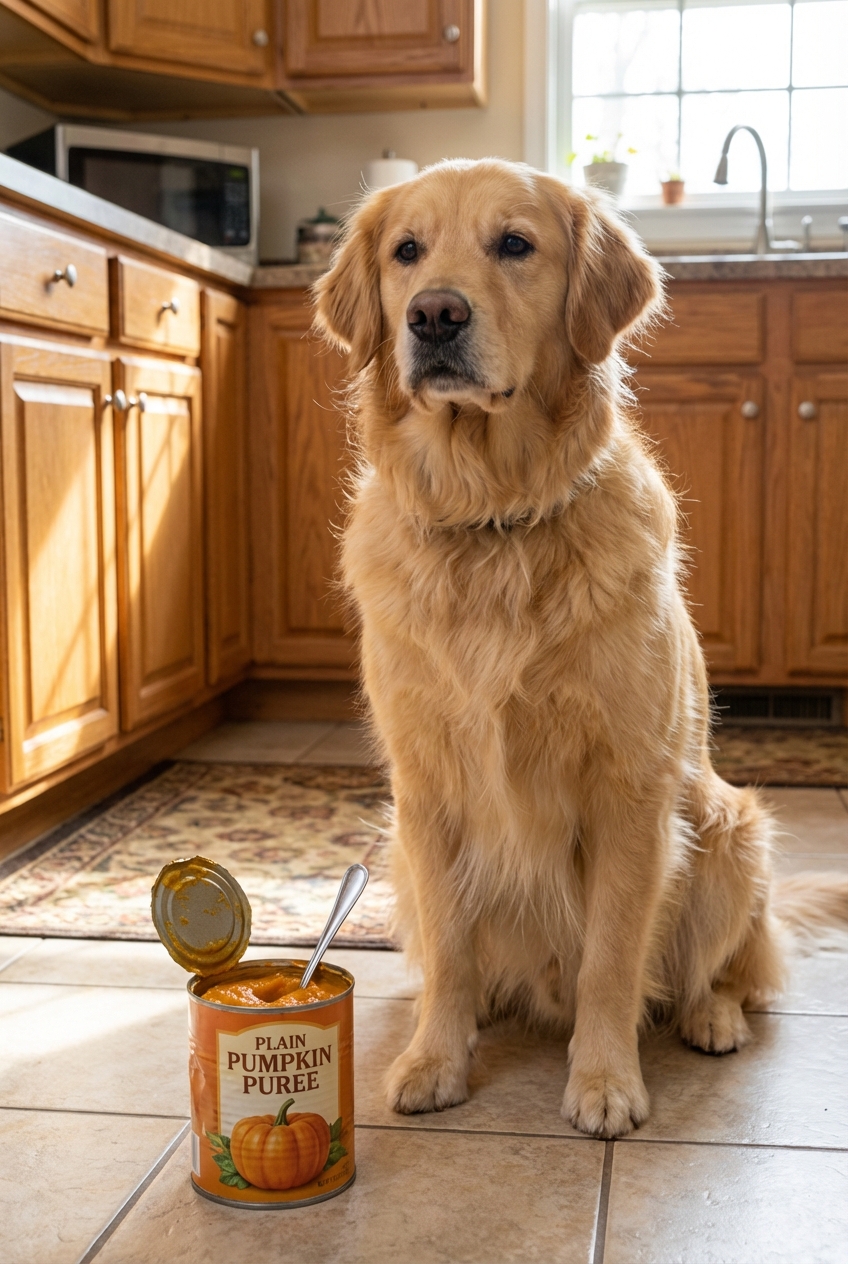
- Canned plain pumpkin (not pie filling)
Start low and go slow. Too much fiber too quickly can increase gas and discomfort.
4) Support the microbiome
The gut microbiome is a big part of stool quality. Many veterinarians recommend a dog-specific probiotic, especially when diarrhea is chronic or after antibiotics. Choose products designed for pets, with clear labeling and storage instructions.
5) Pause treats and chews
This one is hard, but it is powerful. Pause:
- High-fat treats
- New chews (especially rich ones)
- Table scraps
- Dairy products if your dog is sensitive
During a flare, “just one bite” can prolong symptoms for a day or more in sensitive dogs.
6) What not to do
- Do not fast puppies, toy breeds, or dogs with other medical issues unless your veterinarian tells you to. They can get weak or dehydrated quickly.
- Do not give Pepto-Bismol (bismuth) or other human stomach meds unless your veterinarian approves. It can be risky in some situations and can complicate assessment.
- Do not use leftover antibiotics. Unnecessary antibiotics can worsen dysbiosis and delay the right diagnosis.
What to track before your vet visit
When you arrive with clear notes, you save time and often save money. Here is what I recommend tracking for 7 to 14 days:
- Stool frequency per day
- Stool appearance: watery, pudding-like, formed but soft, mucus, blood
- Urgency or accidents in the house
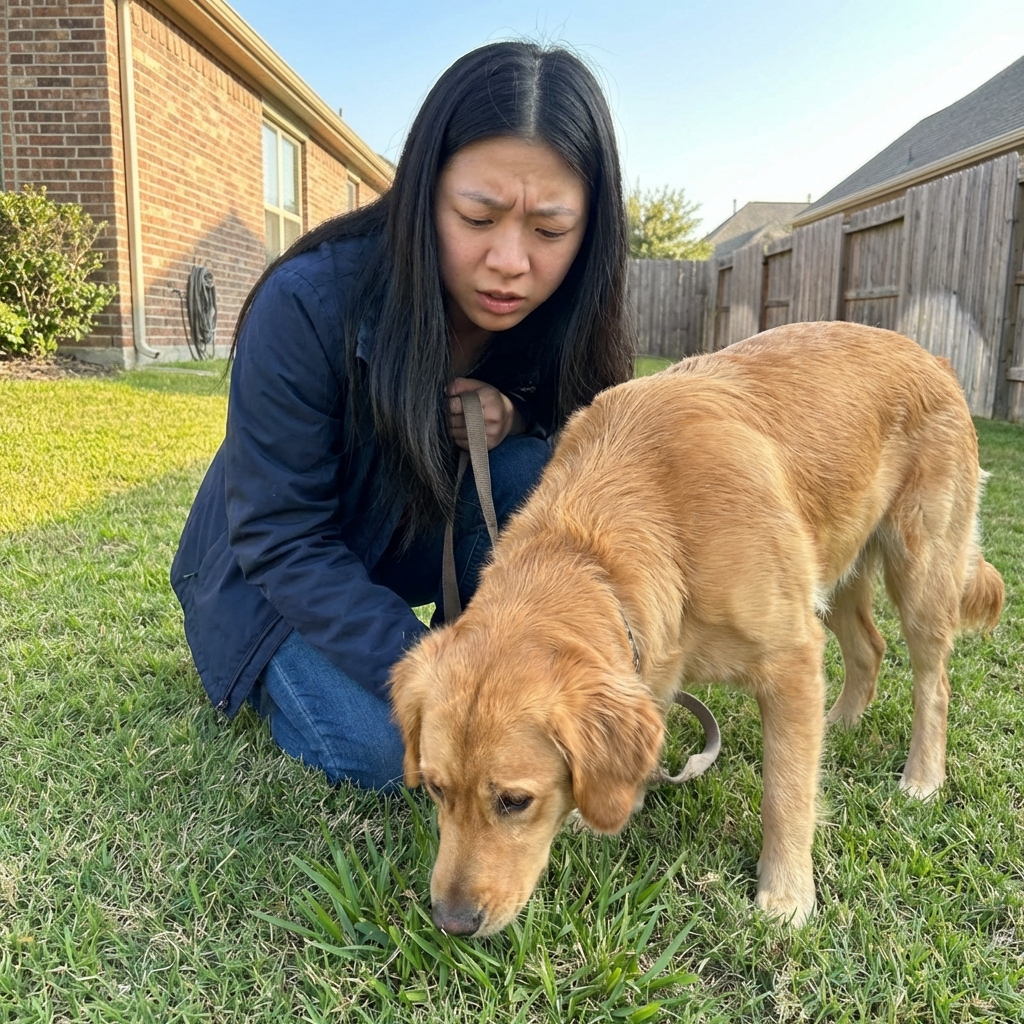
- Vomiting, nausea, lip licking, grass eating
- Appetite and energy level
- Diet details: brand, protein, treats, chews, table food, supplements
- Any recent changes: boarding, new pet, travel, new medication
- Weight if you can safely weigh at home
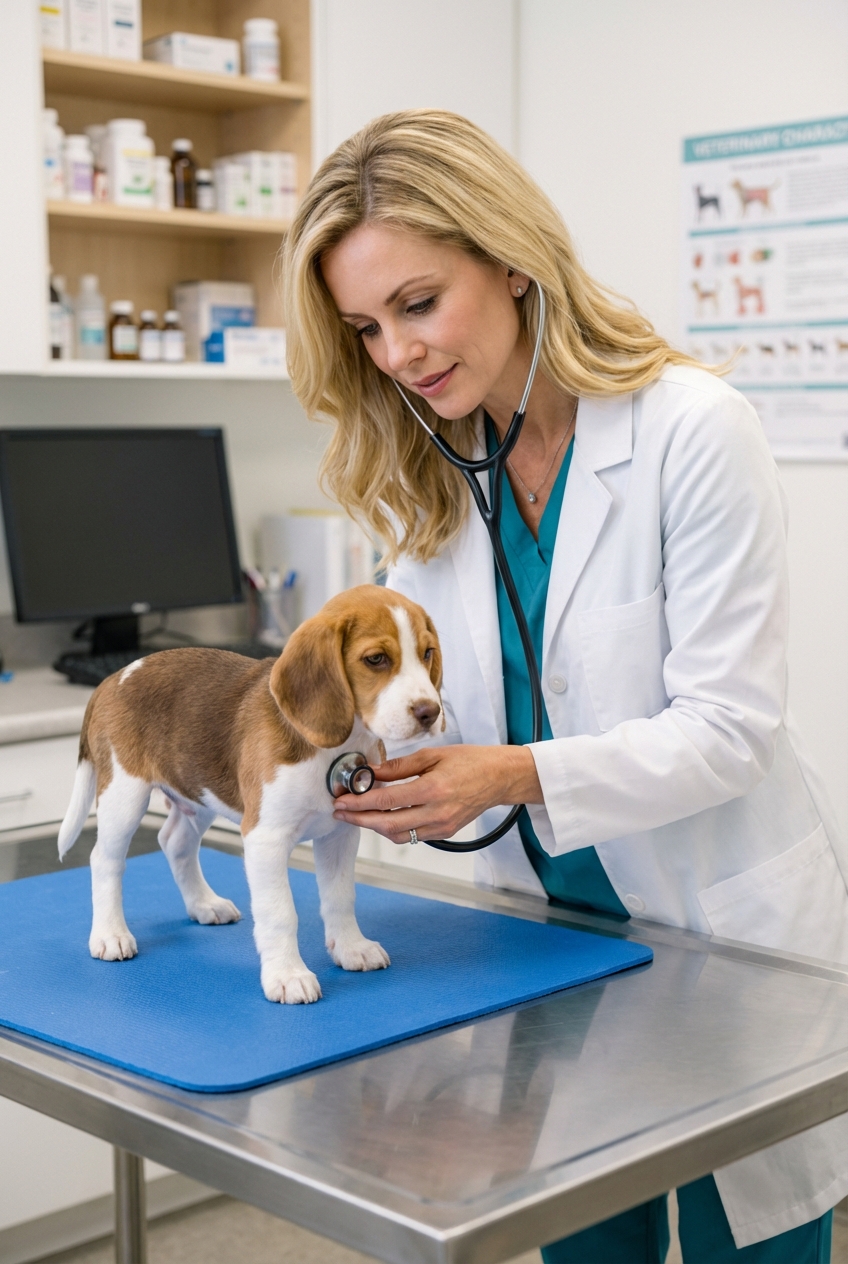
Bring a fresh stool sample if your clinic requests it. Follow their instructions for collection and storage, because timing matters for accurate parasite testing.
Tests your veterinarian may recommend
Chronic diarrhea often needs more than one test. Your veterinarian will tailor this based on your dog’s age, history, and exam. Common steps include:
- Fecal testing: Looks for worms and protozoa like Giardia. Many clinics use both a fecal flotation and antigen testing for better detection. Some parasites shed intermittently, so a single sample can miss them.
- Fecal PCR panels (in some cases): These can detect a wider range of infectious causes. Your veterinarian will decide when it makes sense.
- Bloodwork: Evaluates hydration, inflammation, infection, organ function, and endocrine disease clues.
- GI panels: May include markers like cobalamin (B12), folate, and pancreatic function tests.
- Diet trials: A strict elimination diet or hydrolyzed diet for 8 to 12 weeks can be diagnostic for food allergy or intolerance.
- Ultrasound: Helps evaluate intestinal thickness, lymph nodes, pancreas, and other abdominal organs.
- Endoscopy and biopsies: Sometimes needed for suspected IBD, lymphoma, or chronic inflammatory conditions.
It can feel overwhelming, but please remember: the goal is to stop guessing and start treating the root cause.
Nutrition for long-term stability
Once your dog is stable, the long-term plan usually comes down to a few nutrition fundamentals.
Choose one direction
Switching foods every few days often keeps the gut irritated. Work with your veterinarian to pick a plan and give it enough time to show results.
Consider a vet diet trial
If food allergy is on the table, an over-the-counter “limited ingredient” food may still contain trace proteins due to manufacturing. Prescription hydrolyzed diets or truly novel protein diets are often more reliable for diagnosis.
Be cautious with fat
Some dogs with chronic loose stool do best with moderate to low fat, especially if pancreatitis has ever been suspected.
Homemade can work
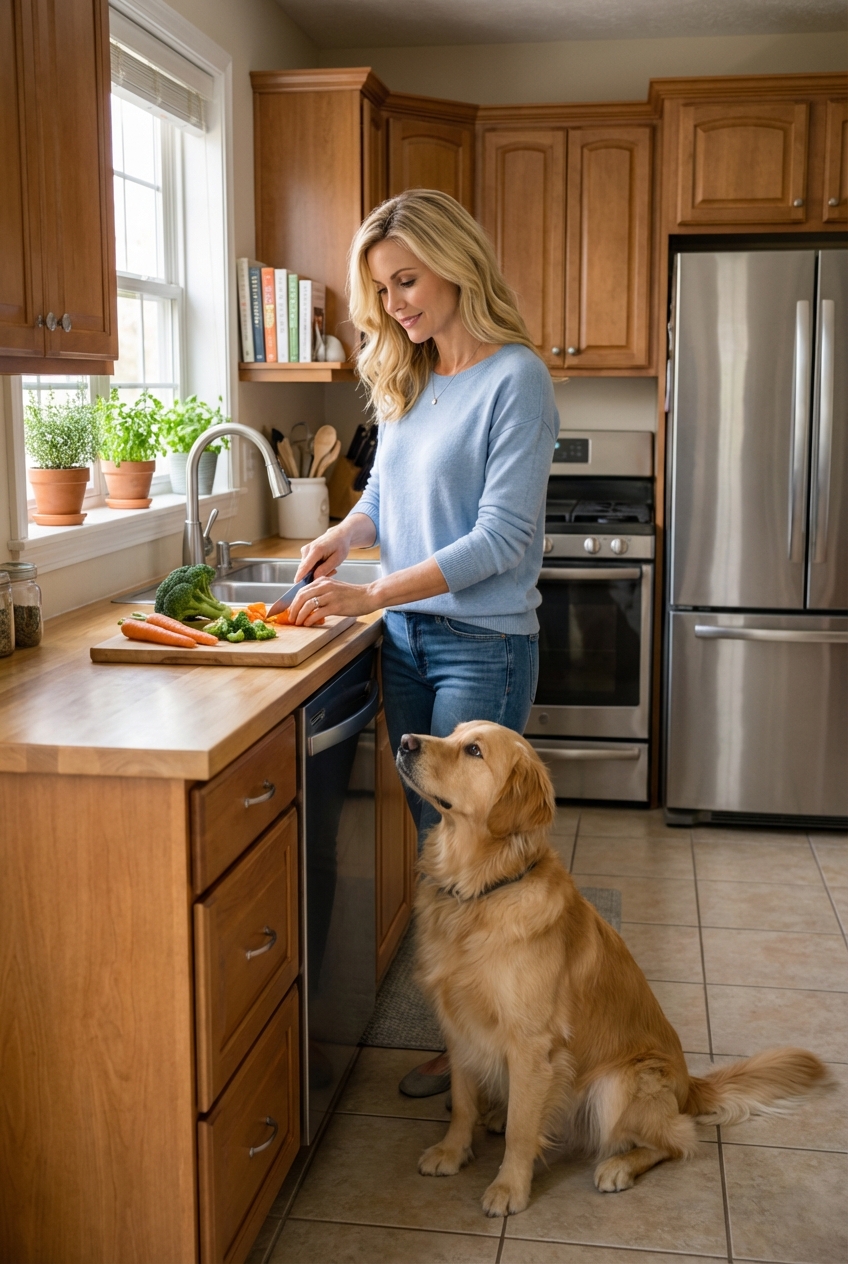
I love whole foods, and many dogs do wonderfully with carefully designed homemade diets. The key is balance. Protein, fat, fiber, and essential vitamins and minerals must be appropriate for your dog’s life stage and health needs. If you want to go homemade long term, ask for a recipe that meets AAFCO nutrient profiles or is formulated by a veterinary nutritionist.
Medication and supplements
Chronic diarrhea sometimes needs medical support, not because you failed, but because inflammation and dysbiosis can become self-sustaining. Your veterinarian may consider:
- De-worming even if a test is negative, depending on history and local risk
- Anti-diarrheal medications when appropriate and safe for your dog
- Anti-nausea medications if appetite is impacted
- Antibiotics only when strongly indicated, since unnecessary antibiotics can worsen microbiome imbalance
- B12 supplementation if levels are low
- Anti-inflammatory or immune-modulating medications for IBD
Please do not give human medications like loperamide (Imodium) unless your veterinarian specifically tells you to. It can be unsafe in certain breeds and conditions, especially herding breeds that may carry the MDR1 mutation (for example, Collies and some Australian Shepherds).
Clean-up and comfort
- Increase potty breaks temporarily to reduce accidents and stress.
- Protect the skin: For dogs with messy stools, gently clean the rear with a pet-safe wipe and dry well.
- Sanitize thoughtfully: Parasites like Giardia can spread in the environment. Ask your vet how to clean bowls, bedding, and surfaces.
- Reduce stress: Keep routines predictable. Add calm enrichment like sniff walks and gentle play.
Hygiene note: Some intestinal parasites (including Giardia) can infect people. Wash hands after cleanup, avoid letting kids handle stool, and be extra cautious if anyone in the home is immunocompromised.
Frequently asked questions
How long is too long?
If diarrhea lasts more than 48 hours, or if it keeps returning over weeks, it is time for a veterinary exam. “Chronic diarrhea” is commonly used for diarrhea that persists or recurs for about 2 to 3 weeks or longer.
Can parasites really cause diarrhea for months?
Yes. Giardia and whipworms, in particular, can cause recurring or persistent loose stool and may be missed on a single test. Your veterinarian may recommend repeat testing or treatment based on risk.
Is chicken and rice always the answer?
It helps many dogs short term, but not all. Dogs with chicken sensitivity, IBD, or certain infections may not improve. If you see no improvement within a couple of days, call your veterinarian.
What if my dog seems fine but the stool never firms up?
This is very common in chronic cases. Dogs can compensate for a while, but ongoing inflammation can lead to nutrient deficiencies and weight loss. A structured workup and diet plan can make a big difference.
The take-home message
You do not have to solve chronic diarrhea alone, and you do not have to guess your way through it. Start with hydration, simple nutrition, and consistent tracking. Then partner with your veterinarian to pinpoint the cause. With the right plan, many dogs go from chronic loose stool to steady, comfortable digestion again.
If you are feeling discouraged, please hear this: chronic diarrhea is common, treatable, and it is often a process of steady, evidence-based steps. Your dog is lucky you are paying attention.