Understand Yorkie behavior through a health lens. Learn red-flag changes, common issues like dental disease and tracheal collapse, plus practical tips for ba...
Article
•
Designer Mixes
Chorkie
Designer Mixes contributor
Meet the Chorkie
A Chorkie is a small mixed-breed dog typically created by pairing a Chihuahua with a Yorkshire Terrier. People are often drawn to Chorkies for their compact size, expressive faces, and lively personalities. Like all mixes, though, there is no single guaranteed look or temperament. A Chorkie can lean more Chihuahua in build and confidence, or more Yorkie in coat texture and terrier-like boldness.
From a health and wellness perspective, I like to remind new pet parents that “mixed” does not automatically mean “healthier.” What a Chorkie really needs is thoughtful care: steady routines, gentle training, quality nutrition, and proactive veterinary support. With good preventive care, many Chorkies live about 12–15 years, though genetics, lifestyle, and medical history all play a role.
What a Chorkie Looks Like
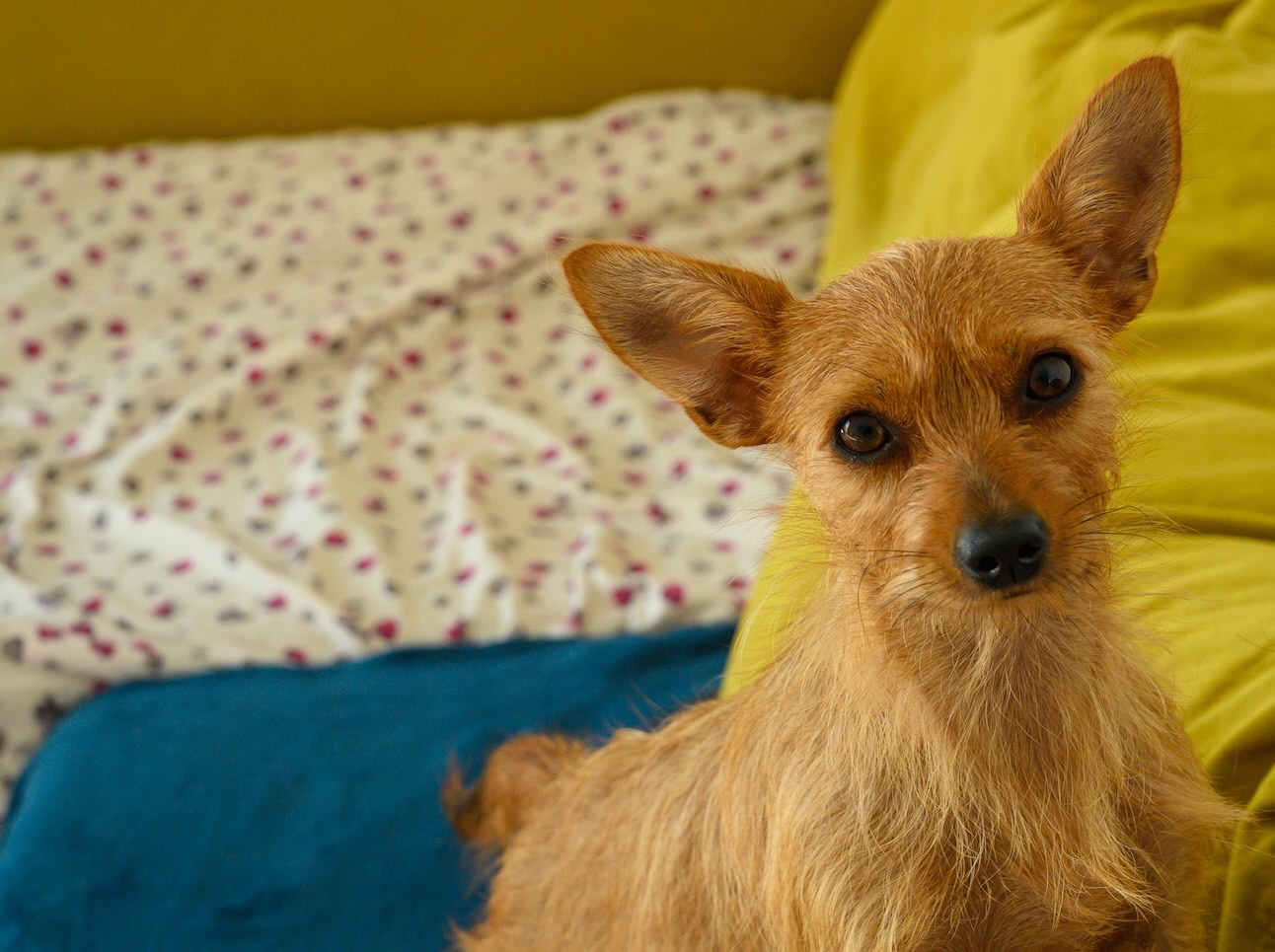
Chorkies are usually toy-sized dogs, but their appearance can vary widely even within the same litter. Many have a small frame, bright eyes, and an alert posture. Coat type is one of the biggest variables, ranging from short and smooth to medium-length and silky.
- Size: Typically small and easy to carry, often around 6–10 lbs as an adult, though individuals can fall outside that range. They still need daily exercise.
- Coat: Can be straight, wiry, or silky, sometimes with a mix of textures.
- Colors: Common shades include tan, black, brown, cream, and mixes of these.
- Facial features: Often a petite muzzle and expressive eyes, with ears that may stand up or fold.

Temperament and Personality
Chorkies are often affectionate, confident, and deeply bonded to their people. Many enjoy being close, following their favorite person from room to room, and curling up in laps. At the same time, their small size can come with a big-dog attitude. Early socialization and positive reinforcement help shape a calm, friendly adult dog.
Common traits
- Devoted: They frequently attach strongly to one person or a small circle.
- Alert: They may bark at new sounds or unfamiliar visitors.
- Playful: Short bursts of energetic play are common.
- Independent streak: Some inherit terrier determination, which can show up as stubbornness.
How to support a balanced temperament
Starting your morning right sets the tone for the entire day. I always tell my patients that small, consistent habits compound into remarkable results over time. The same idea applies to dogs. A few minutes of calm training practice daily, gentle handling, and controlled exposure to new people, places, and sounds can make a dramatic difference for a Chorkie.
Exercise Needs and Daily Routine
Chorkies do not need marathon walks, but they do need regular movement and mental stimulation. Without it, some dogs become restless, vocal, or anxious. Aim for a routine that is consistent and realistic.
- Walks: Short walks one to two times per day often work well, adjusted for weather and your dog’s comfort.
- Play: Indoor play sessions like fetch in a hallway or gentle tug can burn energy quickly.
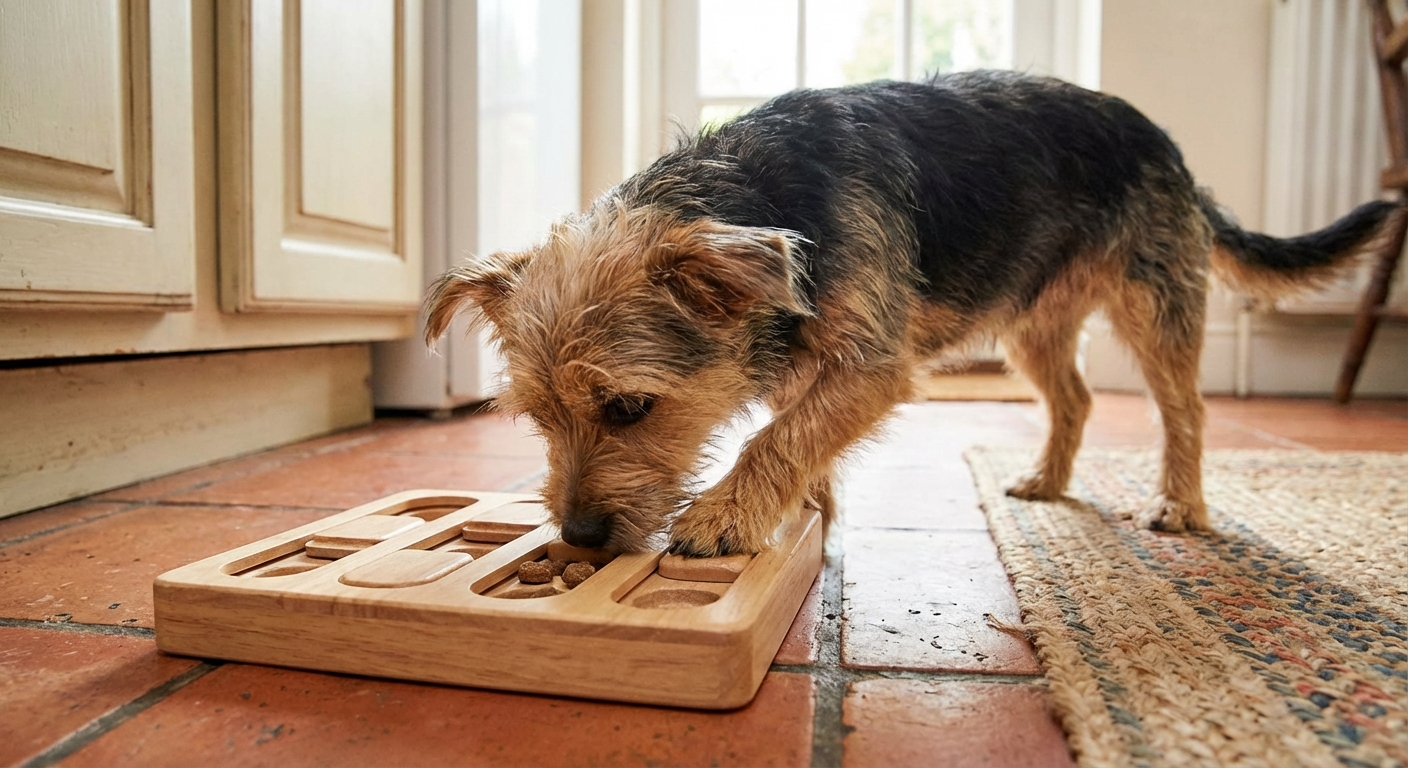
- Mental enrichment: Food puzzles, sniffing games, and basic training sessions help prevent boredom.
- Rest: Many Chorkies are excellent nappers, and good sleep supports behavior and health.
Training and Socialization
Because Chorkies are small, people sometimes overlook training. But manners matter, regardless of size. Early training also reduces common challenges like excessive barking, separation stress, or “small dog syndrome,” where a dog becomes fearful or defensive because they are not consistently guided.
Training tips that work well for Chorkies
- Use positive reinforcement: Treats, praise, and play are powerful motivators.
- Keep sessions short: Five to ten minutes is plenty, especially for young dogs.
- Practice handling: Gently touch paws, ears, and mouth to make grooming and vet visits easier.
- Socialize thoughtfully: Introduce new experiences slowly, pairing them with something pleasant.
If barking is an issue, focus on prevention and redirection rather than punishment. Teach a “quiet” cue, reward calm behavior, and address triggers like boredom or overstimulation.
Grooming and Coat Care
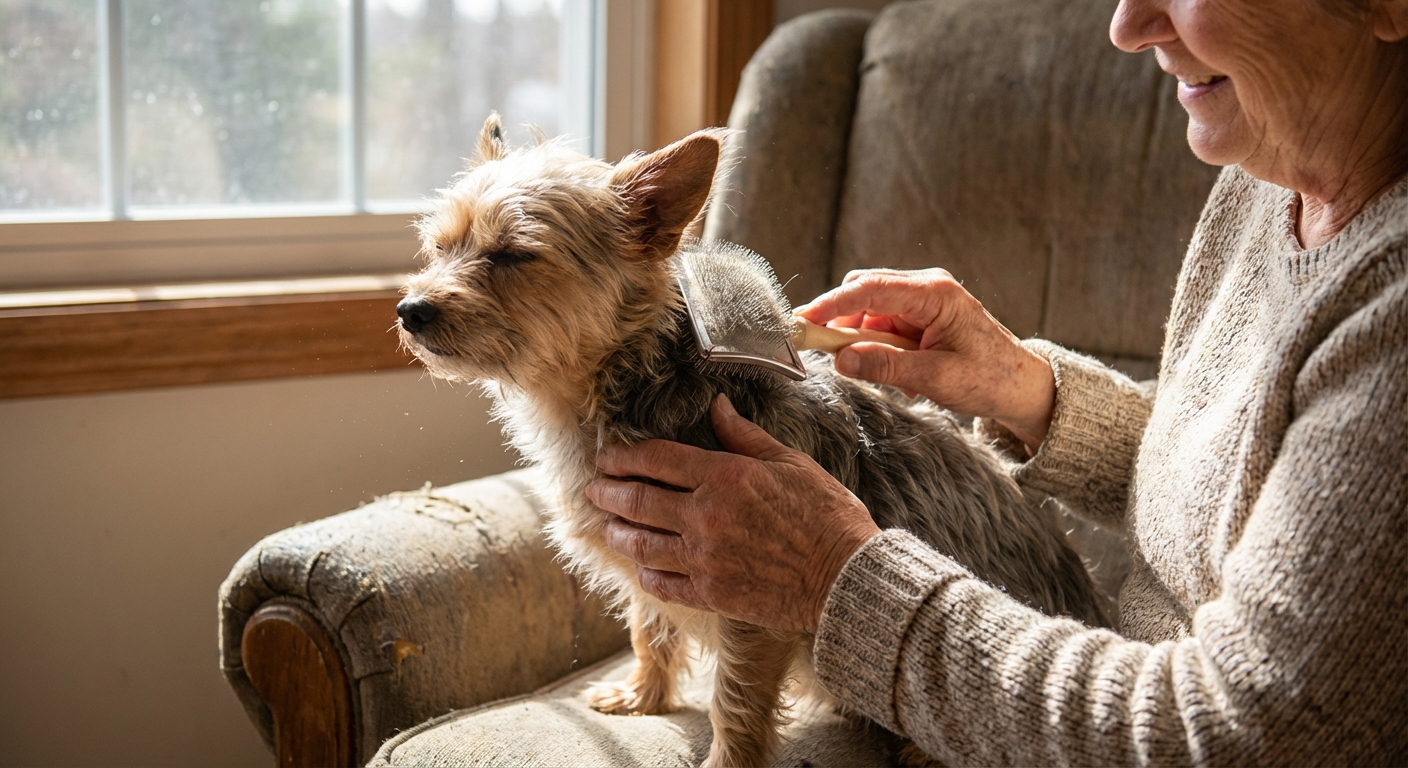
Grooming needs depend on coat type. A smoother coat may require minimal brushing, while a longer or silkier coat can mat quickly without regular care. Many Chorkie owners find that a professional groomer every few weeks makes maintenance easier, especially if the coat is kept in a “puppy cut.”
- Brushing: Several times per week for longer coats. A few times per week may be enough for shorter coats.
- Bathing: As needed, typically every few weeks. Use a gentle dog shampoo.
- Dental care: Brush teeth regularly. Small breeds are prone to dental disease.
- Nails: Trim every few weeks so the dog can walk comfortably.
- Ears and eyes: Check routinely for irritation, odor, or discharge.
Nutrition: Supporting a Healthy, Happy Chorkie
Chorkies are small, which means their nutrition needs are more precise than many people realize. A little overfeeding can add up quickly. A little underfeeding, especially in very small dogs, can also be risky. Work with your veterinarian to choose a food that matches age, activity level, and any medical needs.
Practical nutrition tips
- Choose a high-quality complete diet: Look for a well-formulated food appropriate for small breeds and your dog’s life stage.
- Measure meals: Use a measuring cup or kitchen scale instead of guessing.
- Limit extras: Treats should be a small portion of daily intake.
- Watch body condition: You should be able to feel ribs with light pressure, and see a waist from above.
- Fresh water: Always available, especially if you feed dry food.
If your Chorkie has a sensitive stomach, itching, or chronic ear problems, ask your vet about a structured food trial. Switching foods frequently without a plan can make it harder to identify the real cause.
Common Health Considerations
Every dog is an individual, but Chorkies can inherit health tendencies from Chihuahuas and Yorkshire Terriers. Regular veterinary checkups, dental care, and maintaining a healthy weight are some of the most impactful choices you can make.
Health topics to be aware of
- Dental disease: Very common in small breeds. Daily or near-daily tooth brushing helps.
- Luxating patella: A kneecap that can slip out of place, sometimes causing hopping or limping.
- Tracheal sensitivity: Some small dogs do better with a harness instead of a collar.
- Low blood sugar in tiny puppies: Young, very small dogs may need consistent meal schedules.
- Eye irritation: Prominent eyes can be more sensitive to debris or dryness.
Seek veterinary advice promptly if you notice coughing, persistent limping, refusal to eat, sudden lethargy, or significant changes in behavior. Small dogs can decline quickly, so early care matters.
Is a Chorkie Right for You?
Chorkies can be wonderful companions for the right home. They often thrive with people who enjoy close bonds, can provide structure, and have the patience for consistent training. They may not be ideal for very busy households that want a dog with minimal barking or a dog that is comfortable with rough play.
A Chorkie may be a great fit if you want:
- A small companion dog that enjoys affection
- A lively personality in a compact body
- A dog that can adapt well to apartment living with daily exercise
Consider another option if you need:
- A very quiet dog with minimal alert barking
- A low-maintenance coat without regular grooming
- A dog that is consistently comfortable around unpredictable handling
With the right routine, a Chorkie can be a joyful, loyal addition to your life. Focus on the basics: steady nutrition, daily movement, dental care, and gentle training. Those small, consistent habits really do add up.