
Chiweenie
Meet the Chiweenie
The Chiweenie is a small mix with a big personality that typically blends the Chihuahua and the Dachshund. People love them for their expressive faces, compact size, and loyal nature. Like many designer mixes, there is no single “standard” look or temperament. Your Chiweenie may lean more Chihuahua in attitude and body shape, or more Dachshund in build and behavior.
What tends to be consistent is this: Chiweenies form strong bonds, enjoy being close to their people, and do best with thoughtful training and a lifestyle that supports their small body and active mind.
Size, Appearance, and Coat
Chiweenies are usually small dogs, often in the toy-to-small range. Their appearance can vary widely, even within the same litter. Some have the longer body and shorter legs of a Dachshund, while others look more like a petite Chihuahua with a slightly elongated torso.
Typical size (approximate)
- Weight: Often about 5 to 15 pounds, with some falling outside this range depending on parent size and body type
- Height: Often about 6 to 10 inches at the shoulder
Common physical traits
- Body: Compact, sometimes long-backed
- Head and ears: Can be apple-shaped like a Chihuahua or more elongated, with ears that may stand up or flop
- Coat: Short, smooth coats are common, but some inherit a slightly longer or wiry coat depending on lineage
- Colors: Many possibilities, including black, tan, cream, chocolate, and mixes of these
If your Chiweenie has a longer coat, gentle brushing a few times a week helps prevent tangles and reduces shedding around the home.
:strip_icc()/dachshund---chihuahua-mixed-breed-dog-aka-the-chiweenie-946842436-3c5709e4444f49f0ab06dbe00d12caa0.jpg)
Temperament and Personality
In my experience working with pet families, the Chiweenie is often best described as devoted, alert, and surprisingly brave for their size. They can be affectionate lap dogs, but they also have a protective streak. That combination is charming when guided well and challenging when it is not.
What many owners notice
- Strong attachment: They may choose a “favorite person” and follow them closely
- Watchfulness: They often bark to alert you to new sounds or visitors
- Playfulness: Short bursts of energy, especially with toys and indoor games
- Independence: Some inherit the Dachshund’s determination, which can show up as stubbornness
Early socialization and gentle, consistent training help your Chiweenie learn that the world is safe, predictable, and manageable.
Exercise Needs and Daily Enrichment
Chiweenies do not require marathon workouts, but they do need regular movement and mental stimulation. A good routine supports healthy weight, reduces boredom barking, and helps prevent destructive habits.
A balanced activity plan
- Daily walks: Many do well with about 20 to 45 minutes total per day, often split into shorter walks. Needs vary by age, health, and whether your dog is more Dachshund-leaning, so check with your veterinarian if you are unsure what is appropriate.
- Indoor play: Tug, fetch in a hallway, or gentle chase games
- Brain work: Food puzzles, snuffle mats, and basic training sessions
- Sniff time: Letting your dog sniff on walks is enriching and calming
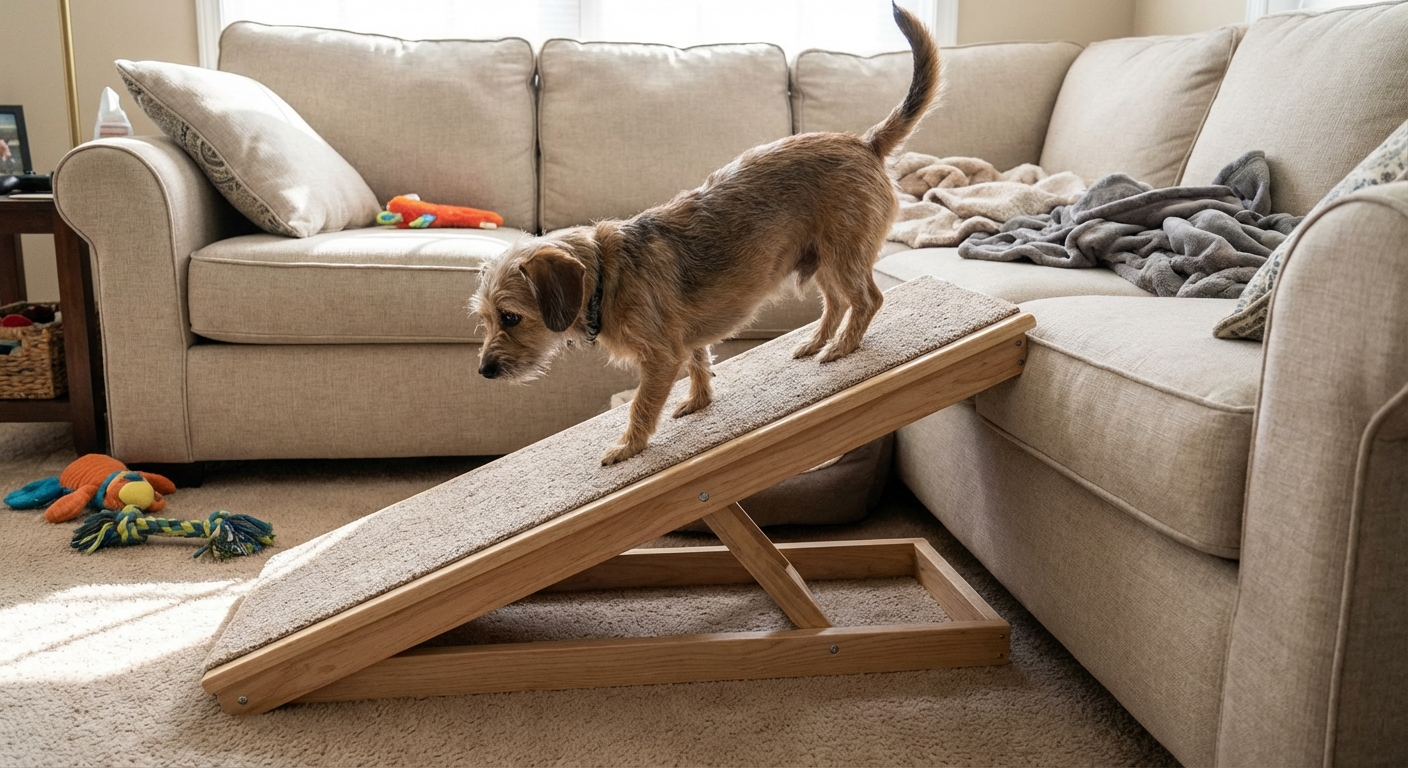
Because some Chiweenies inherit a longer back, avoid repetitive jumping on and off furniture, especially if your dog has a pronounced long body or any history of back pain. That said, normal, controlled activity is still important for strength and healthy weight. Consider pet stairs or a ramp and keep play low-impact when possible.
Training Tips That Actually Work
Small dogs are often treated like they do not need training, but Chiweenies thrive with structure. They respond best to positive reinforcement, clear boundaries, and short, upbeat practice sessions.
Practical training focus areas
- House training: Use a consistent schedule and reward immediately after success
- Barking: Teach a cue like “quiet” by rewarding calm moments and redirecting to a task. Avoid punishing barking rooted in fear or uncertainty, because it can increase anxiety and reactivity.
- Leash manners: Reward walking near you before pulling becomes a habit
- Handling: Practice gentle touch of paws, ears, and mouth to make grooming and vet visits easier
Small, consistent habits compound into remarkable results over time. With dog training, two to five minutes a few times daily can change behavior faster than an occasional long session.
Alone-time skills (often overlooked)
Because Chiweenies bond closely, some struggle when left alone. Practice brief, calm separations, reward relaxed independence, and build duration slowly. If you see persistent distress, your veterinarian or a qualified trainer can help you create a plan.
Health Considerations to Know
Mixed-breed dogs can inherit strengths from both parents, but they can also inherit vulnerabilities. Regular veterinary care and prevention-focused routines make a major difference, especially for small dogs.
Concerns that may be more common
- Dental disease: Small breeds are prone to plaque buildup, so daily tooth brushing is ideal
- Weight gain: Even small weight increases can strain joints and the spine
- Back and spine stress: Dogs with longer backs may be at higher risk for intervertebral disc disease
- Patellar luxation: Knee issues can occur in small breeds
- Eye issues: Risk varies, but some small dogs are prone to concerns like dry eye, cataracts, or progressive retinal atrophy
If you notice signs like reluctance to jump, yelping when picked up, a hunched posture, squinting, eye discharge, or sudden weakness, contact your veterinarian promptly. Early evaluation is one of the most important tools we have.
Lifespan
Many Chiweenies live about 12 to 16 years, though genetics, lifestyle, and preventive care can shift that range.
Nutrition and Healthy Weight for a Small Body
Nutrition is one of the simplest ways to support your Chiweenie’s long-term health. Because they are small, their calorie needs are also small. That means treats and table scraps add up quickly.
Smart feeding habits
- Choose a complete diet: Look for a food that meets AAFCO standards for your dog’s life stage
- Measure portions: Use a measuring cup or kitchen scale for consistency
- Prioritize protein and quality fats: Supports muscle and coat health
- Limit extras: Keep treats to a small portion of daily calories
- Weigh-ins: Regular weight checks help you adjust early
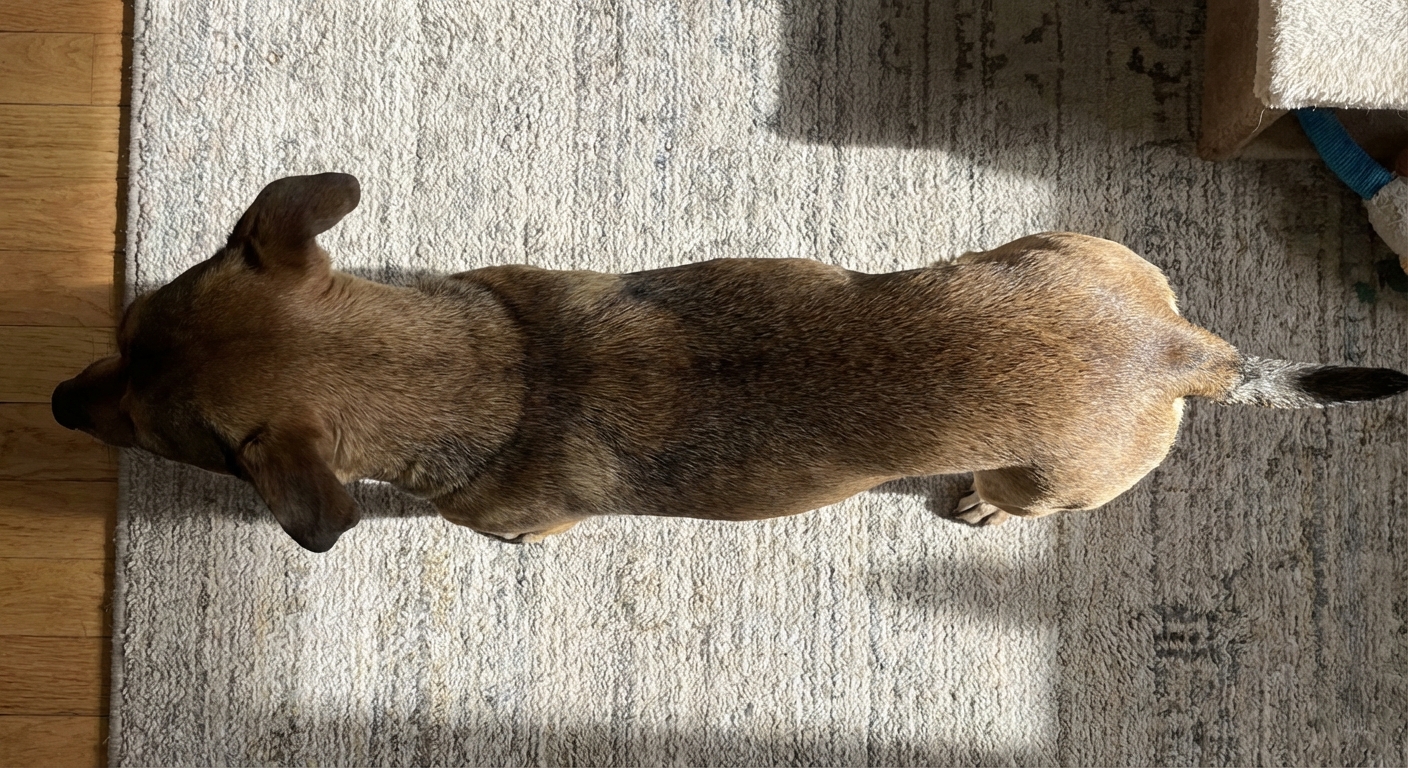
If your Chiweenie has a long back, maintaining a lean body condition is especially protective. You should be able to feel ribs easily with light pressure and see a gentle waistline from above. If you want help dialing in an ideal weight target, your veterinarian can guide you.
Grooming and At-Home Care
Most Chiweenies have fairly low-maintenance grooming needs, but routine care keeps them comfortable and helps you notice health changes early.
Weekly checklist
- Brush: Once to a few times per week depending on coat type
- Teeth: Daily brushing is best, even a few times weekly helps
- Nails: Trim every few weeks, long nails can change gait and strain joints
- Ears: Check for redness, odor, or debris
- Skin: Look for dry patches, itching, or new bumps
Because they are close to the ground, Chiweenies can pick up dirt and allergens easily. Gentle paw wiping after walks can reduce irritation and keep your home cleaner.
Weather comfort and safety
Many Chiweenies, especially those with short coats, can be sensitive to cold. A well-fitted sweater can make winter walks more comfortable. In hot weather, keep walks shorter, stick to cooler times of day, provide water, and be mindful of hot pavement.
Kids, Other Pets, and Home Life
Chiweenies can do well with respectful children and other pets, but they benefit from thoughtful introductions and supervision. Teach kids to pet gently, avoid picking the dog up without help, and give your Chiweenie a quiet “safe zone” to rest. With other dogs, early positive social experiences and controlled greetings go a long way.
Is a Chiweenie Right for You?
Chiweenies can be wonderful companions for the right household. They often do best with people who enjoy a close bond, can offer consistent training, and will protect a small dog from accidental injury.
Great match if you want
- A small dog with a loyal, lively personality
- A companion for apartment living, with daily walks and play
- A dog who loves being near their people
Considerations before you commit
- They may be vocal without training and enrichment
- They can be sensitive to rough handling, especially around children
- They may need extra back-safe home setup if they inherit a longer spine
With patient guidance, a Chiweenie can be a joyful, affectionate addition to your home. The goal is simple: create routines that help your dog feel safe, stay lean and strong, and enjoy a life full of movement, connection, and play.