Make safe, portion-controlled homemade meals for small dogs under 20 lb. Get 6 easy recipes, calorie estimates, ingredient lists, transition steps, and calci...
Article
•
Designer Mixes
Chipoo (Chihuahua Poodle Mix): Personality, Size, and Health

Shari Shidate
Designer Mixes contributor
The Chipoo, also called the Chi-Poo, is a small designer mix that blends the Chihuahua’s bold little-dog confidence with the Poodle’s brainy, people-focused nature. If you love the idea of a compact companion who is alert, cuddly, and surprisingly smart, the Chipoo can be an amazing match. But like any mix, they are not all the same. Coat texture, adult size, energy level, and even confidence can vary a lot depending on which parent your puppy takes after most.
This guide will walk you through what to realistically expect for size, temperament, grooming, lifespan, and the health topics that matter most for extra-small dogs, including dental disease and hypoglycemia.
What Is a Chipoo?
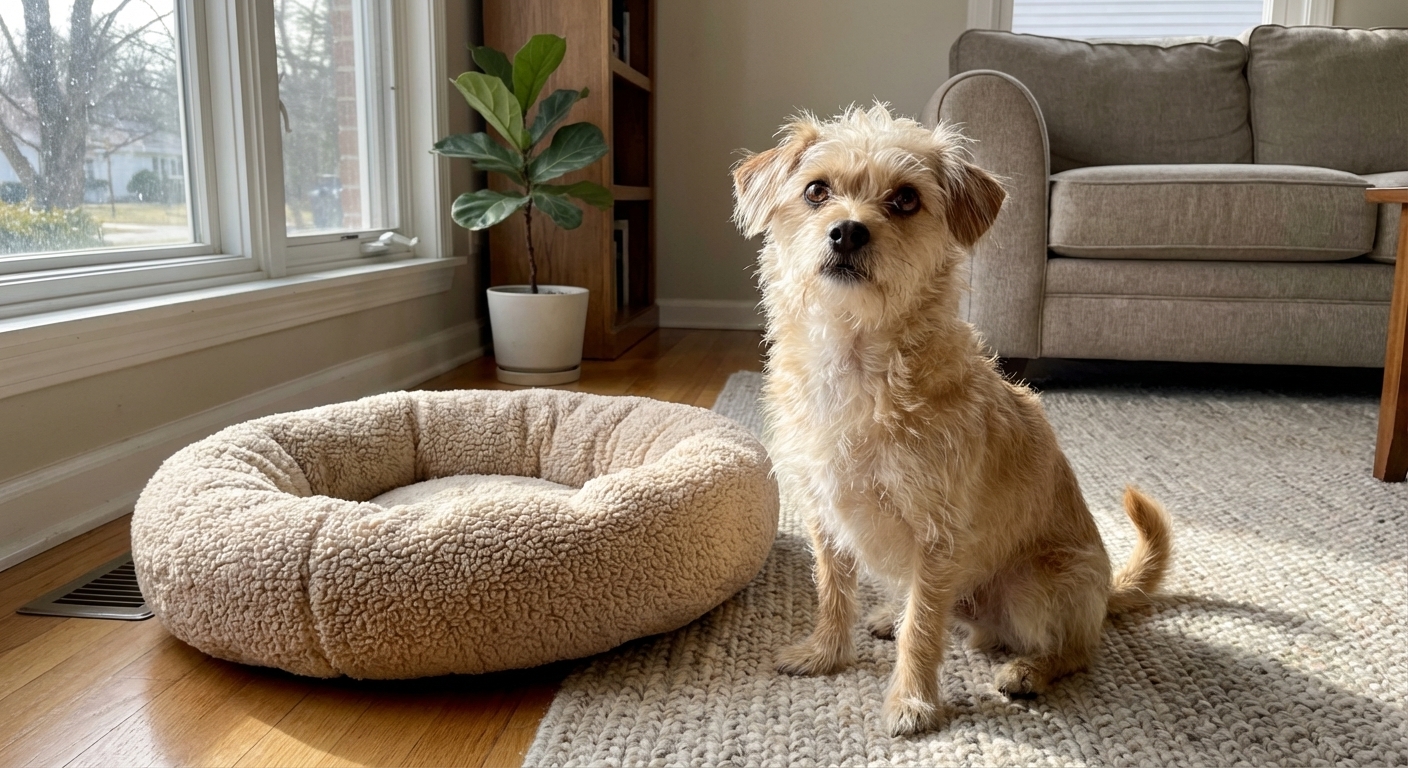
A Chipoo is a mix between a Chihuahua and a Poodle, usually a Toy Poodle or a small Miniature Poodle. Because Poodles come in different sizes, and both breeds can pass down different coat lengths and textures, Chipoo puppies can be harder to predict than many people expect.
Most Chipoos are bred for companionship. They tend to bond closely with their favorite person, enjoy being involved in day-to-day life, and do best when they are treated like a real dog, not a purse accessory. Tiny bodies still need training, safe exercise, and confidence-building.
Chipoo Size and Appearance
Adult size
Most Chipoos land in the “small dog” range, but there is a wide spread. Adult size is influenced by the Poodle parent’s size (Toy vs Miniature) and the Chihuahua’s build (some lines are naturally more fine-boned, others are sturdier).
- Height: often about 5 to 12 inches at the shoulder
- Weight: commonly about 4 to 15 pounds
Some Chipoos may end up outside these ranges, especially if the Poodle parent is on the larger end of Miniature or the Chihuahua parent is a larger-bodied type. If you are trying to estimate adult size, ask the breeder or rescue about the parents’ weights, and look at your puppy’s bone structure. A sturdier frame and larger paws often suggest a bigger adult, but it is never an exact science.
Coat and colors
Chipoos can have coats ranging from short and smooth to wavy or curly, plus anything in between. Common colors include black, white, cream, tan, brown, and mixed patterns.
Shedding and “hypoallergenic” expectations: many people hope for a low-shed, allergy-friendly Chipoo because of the Poodle influence, but mixes are not guaranteed hypoallergenic. Some will shed very little, while others shed more like a Chihuahua. If allergies are a concern, spend time with the individual dog and talk to your veterinarian or allergist before committing.

Personality and Temperament
Chipoos often have big personalities in a small package. Many are affectionate, playful, and very tuned in to their humans. They can also be alert and vocal, which is not “bad behavior” so much as a natural tendency that needs gentle guidance.
The Chihuahua side
- Bold and protective: Some Chipoos will “sound the alarm” at the doorbell or new people.
- Loyal: They frequently form a strong bond with one person.
- Can be wary: Without early socialization, they may be shy or reactive with strangers.
The Poodle side
- Highly intelligent: Quick learners who thrive with positive reinforcement training.
- People-oriented: Many want to be near you most of the day.
- Mentally active: They benefit from puzzle toys and short training sessions.
What this mix often looks like at home
In many families, the sweet-spot Chipoo is confident, cuddly, and eager to learn. The biggest challenges tend to be barking, separation stress, and nervousness if socialization is skipped. The good news is that with consistency and kind training, these are very workable issues.
Veterinary Tip: treat small-dog behavior concerns early. Waiting until barking or fear is ingrained makes training harder. A few minutes a day of calm practice pays off for years.
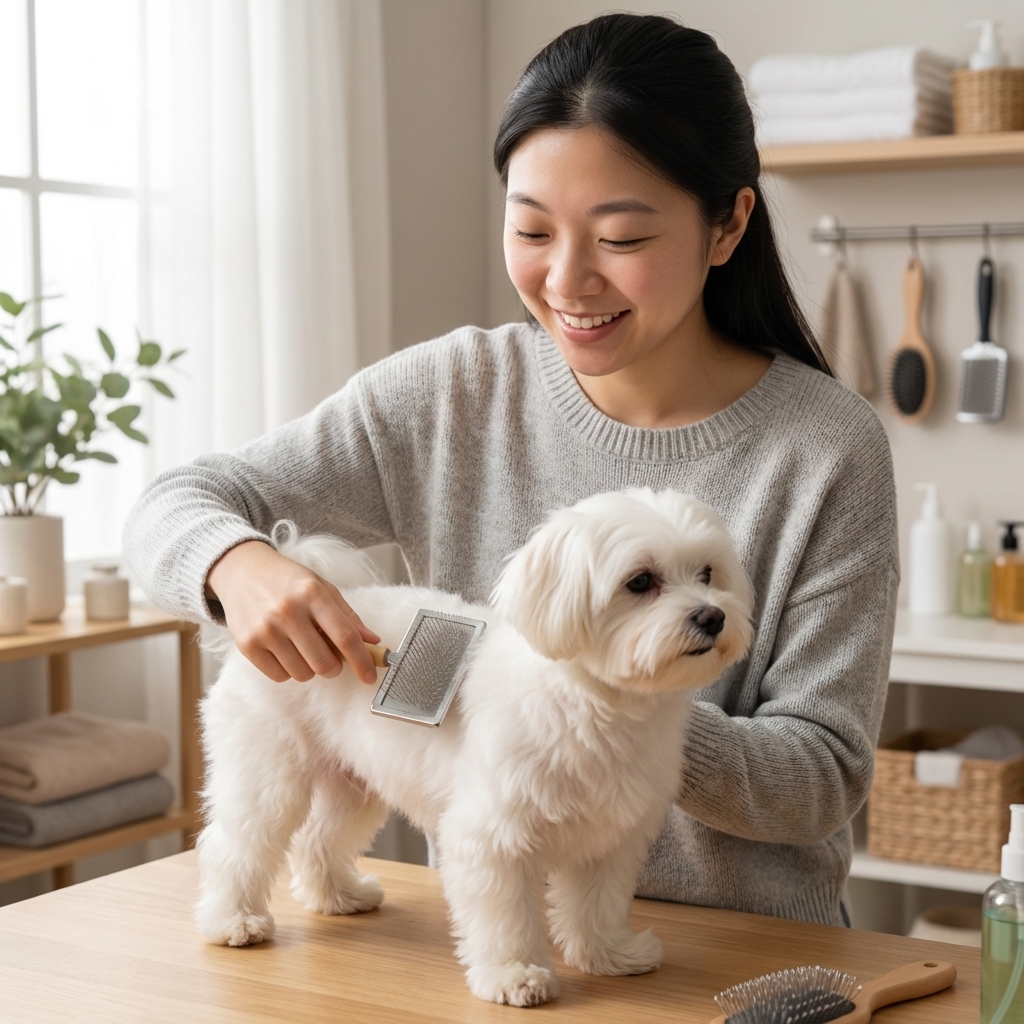
Grooming Needs (By Coat Type)
Chipoo grooming depends almost entirely on the coat they inherit. Two Chipoos from the same litter can have very different upkeep.
Curly or wavy coat (more Poodle-like)
- Brushing: ideally 3 to 5 times per week to prevent mats
- Professional grooming: often every 4 to 8 weeks
- Common issue: matting behind the ears, under the collar, and in the armpits
Smooth or short coat (more Chihuahua-like)
- Brushing: 1 to 2 times per week
- Bathing: as needed, usually every few weeks or when dirty
- Common issue: seasonal shedding, plus dry skin if over-bathed
Non-negotiables for all Chipoos
- Nail trims: every 2 to 4 weeks, since tiny dogs often do not wear nails down naturally
- Ear care: check weekly, especially with floppy or hairier ears
- Dental care: daily is best, and it truly matters for this mix
Exercise and Training
Most Chipoos do well with moderate daily activity. Think short, consistent bursts rather than long endurance workouts.
Daily activity ideas
- Two to three short walks (10 to 20 minutes each, adjusted for weather and stamina)
- Indoor fetch or tug with rules, like “take it” and “drop it”
- Food puzzles and sniff games for mental enrichment
Training that keeps a Chipoo thriving
Because this mix can be both smart and sensitive, positive reinforcement is the best approach. Keep sessions short, upbeat, and consistent.
- House training: tiny bladders mean more frequent potty trips, especially for puppies
- Quiet cue: teach a calm alternative to barking, then reward silence
- Handling practice: gently practice paws, ears, and mouth checks so vet visits are less stressful
Preventing separation anxiety
You will often hear that Chipoos are “velcro dogs,” and that can be true. A little prevention early can save you a lot of stress later.
- Practice short alone time: start with minutes, not hours, and build slowly
- Make departures boring: avoid big goodbyes, then reward calm when you return
- Use enrichment: scatter feeding, puzzle toys, and safe chews help your dog settle
Common Chipoo Health Concerns
Mixed-breed dogs can inherit health issues from either parent. Not every Chipoo will experience these problems, but it helps to know what to watch for, especially in a small-breed mix.
Dental disease (very common in tiny dogs)
Small mouths often mean crowded teeth, which trap plaque and tartar. Dental disease can lead to pain, tooth loss, and may contribute to broader health issues over time.
- What you might notice: bad breath, red gums, drooling, pawing at the mouth, picky eating
- Prevention: daily tooth brushing with dog-safe toothpaste, dental chews (look for VOHC-accepted products), and routine professional cleanings as recommended
Hypoglycemia (low blood sugar)
Hypoglycemia is most common in very small puppies, stressed dogs, or dogs that skip meals. It can become an emergency quickly.
- Possible signs: weakness, wobbliness, trembling, staring off, collapse, seizures
- Prevention: consistent feeding schedule, avoid long gaps between meals, and be extra cautious with toy-sized puppies
- Important: If you suspect hypoglycemia, contact an emergency vet immediately.
Patellar luxation (kneecap slipping)
Many small breeds are prone to kneecap instability. Some dogs live comfortably with mild cases, while others need medical management or surgery.
- What you might see: skipping on a back leg, sudden yelps, intermittent limping
- Helpful habits: maintain a lean body weight, avoid repetitive jumping off furniture, use pet stairs or ramps
Tracheal sensitivity and tracheal collapse
Some toy dogs have sensitive airways, and a subset can develop tracheal collapse, which may cause coughing or gagging, especially if there is pressure on the neck.
- Tip: use a well-fitted harness instead of a collar for walks
Eye issues
Small dogs can be prone to tear staining, dry eye, or irritation.
- Watch for: squinting, discharge, redness, frequent pawing at the eyes
Allergies and skin sensitivity
Chipoos can experience environmental allergies or food sensitivities, which may show up as itchy skin, ear infections, or licking paws.
If you notice chronic itching or recurring ear issues, a vet visit is worth it. Early management can prevent secondary infections and discomfort.
Feeding a Chipoo Safely
Small dogs have unique nutrition needs. They burn energy quickly, and they do not have much “reserve” if they miss meals, especially as puppies.
Practical feeding tips
- Choose the right size kibble: tiny mouths do better with small pieces
- Keep treats small: treat calories add up fast in a 5 to 10 pound dog
- Consider multiple meals: many Chipoos do best with 2 to 3 meals per day
- Hydration matters: fresh water always, and talk to your vet if your dog drinks unusually more or less
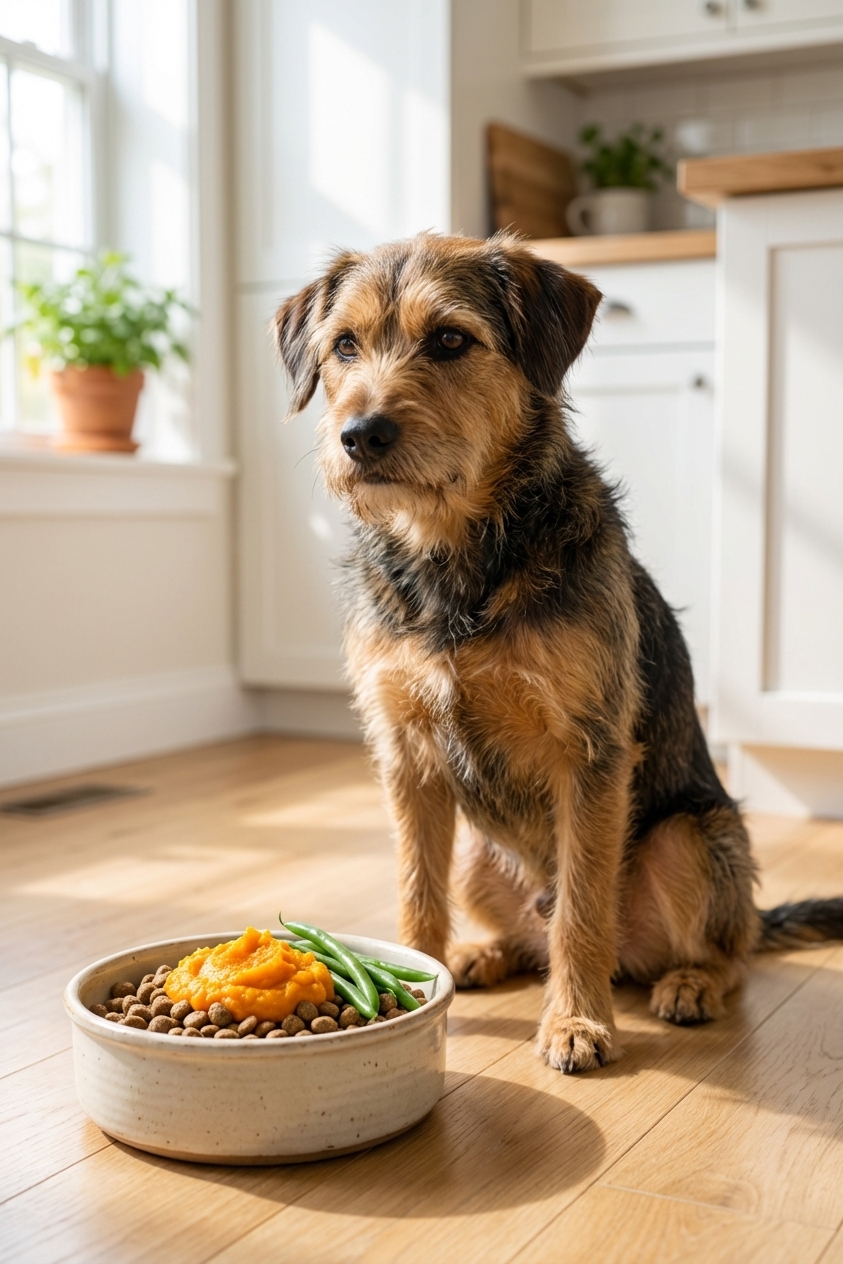
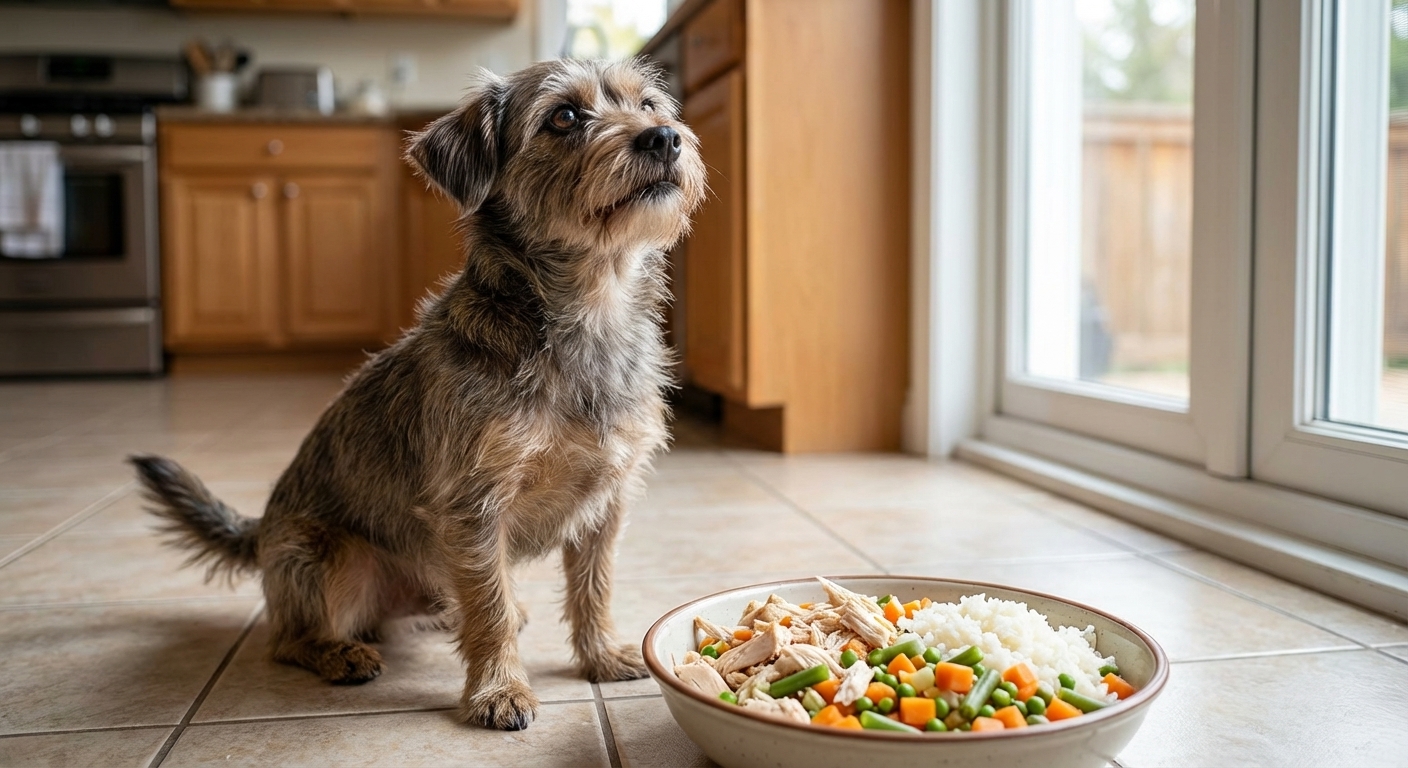
If you are interested in adding fresh foods, go slow and keep it balanced. Even a small amount of safe, whole-food toppers can be a nice way to boost variety, but your veterinarian can help you avoid nutritional gaps.
Socialization Tips for a Confident Chipoo
Socialization is the difference between a Chipoo who is tiny but mighty in a good way, and a Chipoo who feels they have to guard you from the world. The goal is calm confidence, not forced interaction.
What to focus on in the first months
- New people: reward calm behavior around visitors, do not push petting
- Sounds and surfaces: vacuum noise, doorbells, car rides, grass, tile, sidewalks
- Gentle handling: paws, ears, mouth, and brief restraint practice paired with treats
- Small-dog safety: avoid overwhelming dog parks; choose controlled playdates instead
If your Chipoo is shy, give them space and choice. Let them approach at their own pace, and reward bravery with tiny, high-value treats.

Lifespan and Weather Care
Average life expectancy
Most Chipoos live about 12 to 15+ years. Genetics, dental care, weight management, and routine veterinary care can make a real difference over a long lifetime.
Cold and heat sensitivity
Many Chipoos are not built for extreme weather. In cold months, a sweater or coat can make walks more comfortable, especially for short-coated dogs. In hot weather, keep walks short, stick to cooler times of day, and watch for overheating. Tiny dogs can also be sensitive to hot pavement, so consider paw protection when temperatures spike.
Finding a Chipoo Responsibly
If you are buying from a breeder, look for someone who prioritizes health and temperament, not just a trendy name. Ask about parent dogs, living conditions, and what they do to socialize puppies before they go home.
- Ask about health screening: patellas, eyes, and heart health are common areas to discuss in toy dogs
- Meet the parents if possible: temperament and size clues matter with mixes
- Consider rescue: Chipoos show up in small-dog rescues and shelters, and adult dogs can be easier to size and coat-predict
Is a Chipoo Right for You?
A Chipoo can be a wonderful fit if you want a small companion who is engaged, clever, and affectionate. They often do best with people who enjoy daily interaction, basic training, and consistent routines.
Great match for
- Apartment living, as long as barking is managed kindly and early
- Singles, couples, or families with older children who can handle a tiny dog gently
- People who want a “shadow dog” that loves to be close
May be challenging for
- Homes with very young kids (due to fragility and risk of accidental injury)
- People who are away long hours every day
- Anyone wanting a low-maintenance grooming routine, especially with curlier coats
With good socialization, routine dental care, and thoughtful feeding, many Chipoos live long, happy lives and bring a lot of heart into a small space.