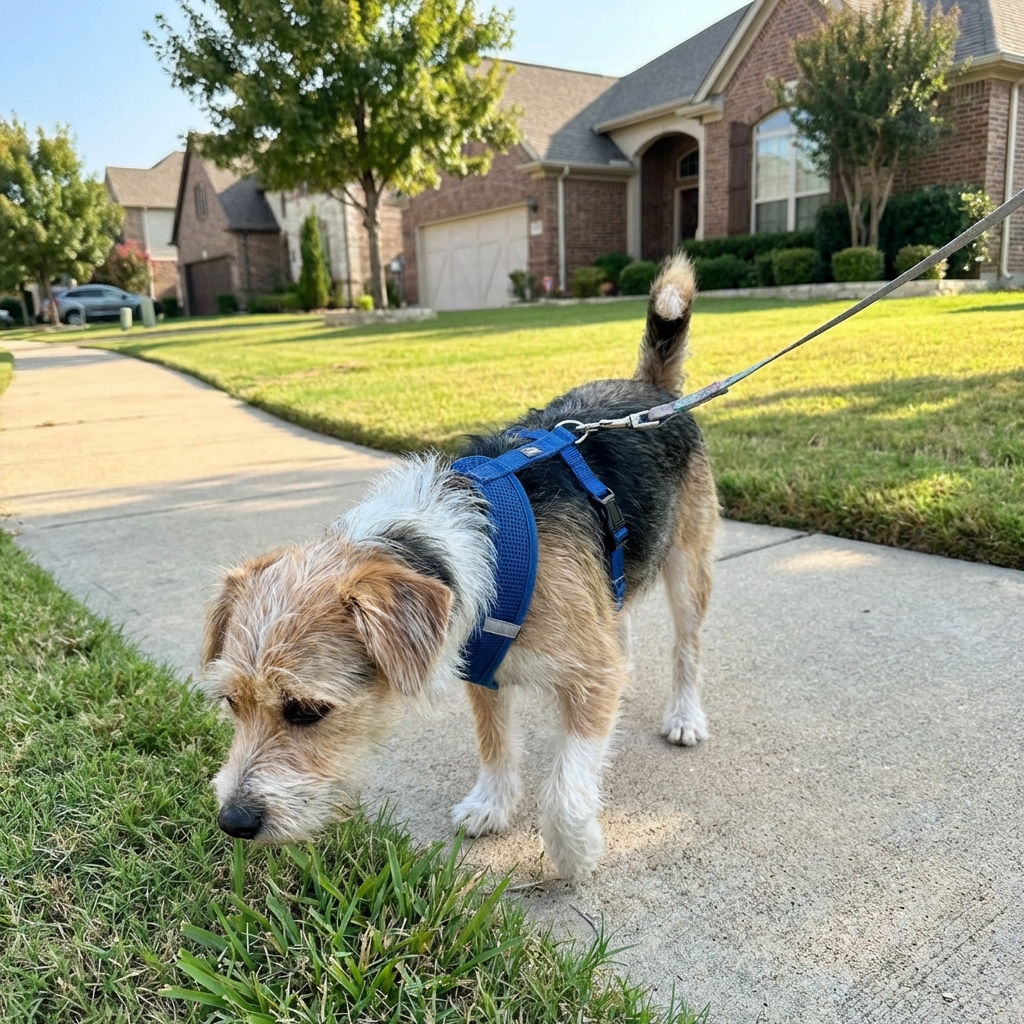
Learn what your dog’s bad breath really means—dental disease, anal glands, GI upset, or serious red flags. Get practical brushing steps, product tips, an...
Article
•
Designer Mixes
Chihuahua: Personality, Size, and Common Health Problems

Shari Shidate
Designer Mixes contributor
Chihuahuas are proof that confidence is not measured in pounds. These tiny dogs often act like they are ten feet tall, and when you understand what makes them tick, you will see why they are hilarious, loyal, and deeply devoted companions. As a veterinary assistant, I also see the other side of the Chihuahua story: their small bodies come with a few predictable health risks that owners can absolutely manage with smart prevention and early vet care.

Let’s walk through Chihuahua personality quirks, what “normal” size looks like, common misconceptions about behavior, and the health issues that deserve extra attention, especially dental disease, kneecaps, blood sugar dips, airway sensitivity, cold sensitivity, and a few other concerns I commonly see in clinic.
Chihuahua personality: bold
Most Chihuahuas are affectionate, vigilant, and intensely people-focused. Many bond tightly with one or two favorite humans and can be wary of strangers. That is not “bad attitude.” It is a combination of genetics, size-related self-protection, and sometimes accidental reinforcement from us.
Common temperament traits
- Very loyal: They often want to be with you, on you, or near you.
- Quick to alert: Barking can be a built-in alarm system.
- Smart and trainable: They do best with short sessions and consistent rules.
- Sensitive: Rough handling or chaotic environments can make them anxious.
Behavior misconceptions to retire
- Myth: “Chihuahuas are naturally mean.” Reality: fear, pain, lack of socialization, or being accidentally rewarded for growling can create defensive behavior.
- Myth: “They do not need training because they are small.” Reality: small dogs need the same training as big dogs, and they often need even more confidence-building.
- Myth: “Trembling means they are aggressive.” Reality: trembling commonly comes from excitement, anxiety, cold, or low blood sugar.
Tip from the clinic: when a Chihuahua suddenly gets snappy, I always want to rule out pain first. Dental pain is common, but so are ear infections, orthopedic pain (like a sore knee), and skin irritation. Your vet can help pinpoint the cause.
Size: what to expect
Chihuahuas are one of the smallest dog breeds, and that affects everything from calories to anesthesia safety. Adult size varies more than many people expect.
Typical Chihuahua size
- Weight: the breed standard is up to about 6 pounds, but many pet Chihuahuas weigh more. What matters most is a healthy body condition, not a specific number.
- Height: roughly 5 to 8 inches at the shoulder.
- Life expectancy: often 12 to 16 years, and some live longer with great preventive care.
If your Chihuahua is underweight, overweight, or “suddenly changing shape,” ask your veterinarian to check body condition score, dental health, and any metabolic concerns. With tiny dogs, even a one-pound change can be significant.

Socialization and confidence
The best time to socialize is during puppyhood, but it is never too late to build calm, positive experiences. The goal is not to force your Chihuahua to love everyone. The goal is to teach them that the world is predictable and safe.
What good socialization looks like
- Short, happy exposures: think 2 to 5 minutes at a time for a puppy, paired with treats, then a break.
- Respect their “no”: do not let strangers scoop them up or loom over them.
- Practice handling: touch paws, look at teeth, lift lips, and briefly hold them, then reward.
- Teach a “go to bed” cue: a safe spot reduces reactivity when the doorbell rings.
Tip from the clinic: tiny dogs do best when they learn that hands predict good things. I love “one-second holds” (lift, treat, set down) repeated a few times, instead of long restraint sessions at home.
About “small dog syndrome”
This phrase often blames the dog when the real issue is inconsistent boundaries. If a Chihuahua is allowed to guard laps, bark at guests, or bite when picked up, they learn those behaviors work. Clear rules, positive reinforcement training, and pain checks go a long way.
Common health problems
Not every Chihuahua will experience these issues, but the breed and other toy breeds are overrepresented in a few areas. Below are the big ones I see most often, plus a few “extra credit” issues that are worth knowing about, especially as your dog ages.
- Dental disease: very common in small breeds due to crowding.
- Patellar luxation: kneecaps that slip, causing skipping or lameness.
- Hypoglycemia: especially in puppies and very small adults.
- Airway sensitivity: small breeds can be prone to coughing and tracheal irritation, including tracheal collapse.
- Cold sensitivity: low body mass, thin coats, and drafty houses do them no favors.
Dental disease: top concern
Chihuahuas are famous for tiny mouths and crowded teeth. Crowding traps plaque and can lead to gingivitis, periodontal disease, tooth root infection, and pain. Severe dental disease has also been associated with broader inflammation in the body, which is one reason veterinarians take oral health so seriously.
Signs to watch for
- Bad breath that does not go away
- Red or bleeding gums
- Drooling, pawing at the mouth, or chewing differently
- Decreased appetite or “picky eating” that is actually mouth pain
- Loose teeth
Prevention that works
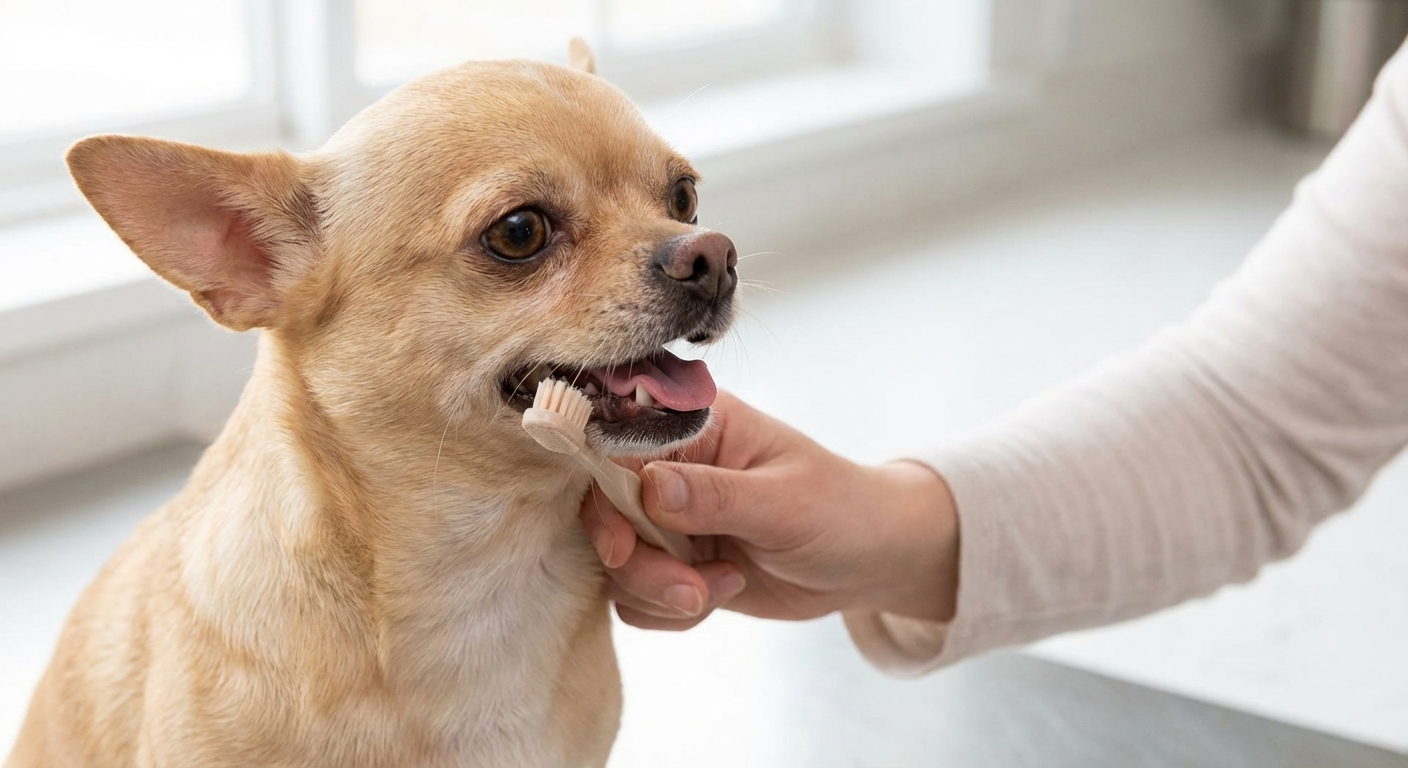
- Daily tooth brushing with dog-safe toothpaste is the gold standard.
- Veterinary dental cleanings as recommended. Small breeds often need them more regularly.
- Approved dental chews can help, but they are not a replacement for brushing.
Patellar luxation: slipping kneecap
Patellar luxation happens when the kneecap slips out of its normal groove. It is common in toy breeds and can range from mild to severe.
What it can look like
- A sudden “hop” or skipping step, then walking normally again
- Intermittent lameness, especially after play
- Reluctance to jump or go up stairs
How it is managed
Mild cases may be managed with weight control, targeted strengthening, joint supplements your veterinarian recommends, and activity modification. Moderate to severe cases can require surgery, especially if the dog is painful or developing arthritis.
Big takeaway: keeping your Chihuahua lean is one of the best joint-protection tools you have.
Tip from the clinic: if your Chihuahua loves launching off furniture, consider a small ramp or ottoman. It is a simple way to reduce repetitive impact on tiny knees.
Hypoglycemia: low blood sugar
Hypoglycemia is most common in Chihuahua puppies and very small adults, especially during stress, missed meals, heavy play, illness, or cold exposure. Because they have tiny energy reserves, they can crash faster than bigger dogs.
Possible signs
- Weakness or wobbliness
- Trembling
- Sleepiness that feels unusual
- Disorientation
- Seizures in severe cases
What to do
If you suspect hypoglycemia, contact your veterinarian right away. Your clinic may instruct you to rub a small amount of corn syrup or honey on the gums only if your dog is awake enough to swallow safely. If your dog is collapsing, seizing, or cannot swallow, do not put anything in the mouth due to aspiration risk. Head to an emergency clinic immediately.
Prevention is usually simple: consistent meals, avoiding long gaps between feeding in young puppies, and being cautious during travel or high-excitement days.
Airway sensitivity and coughing
Many small breeds can be prone to airway irritation and coughing. Tracheal collapse is classically seen in some toy breeds, but Chihuahuas can be affected too. The trachea is supported by rings of cartilage. In collapse, the airway can become more floppy, which contributes to coughing and breathing difficulty.
Signs that need a vet visit
- A dry “goose honk” cough, especially with excitement
- Coughing when pulling on a collar
- Noisy breathing
- Exercise intolerance
- Gagging or retching that is not related to vomiting
Practical prevention and management
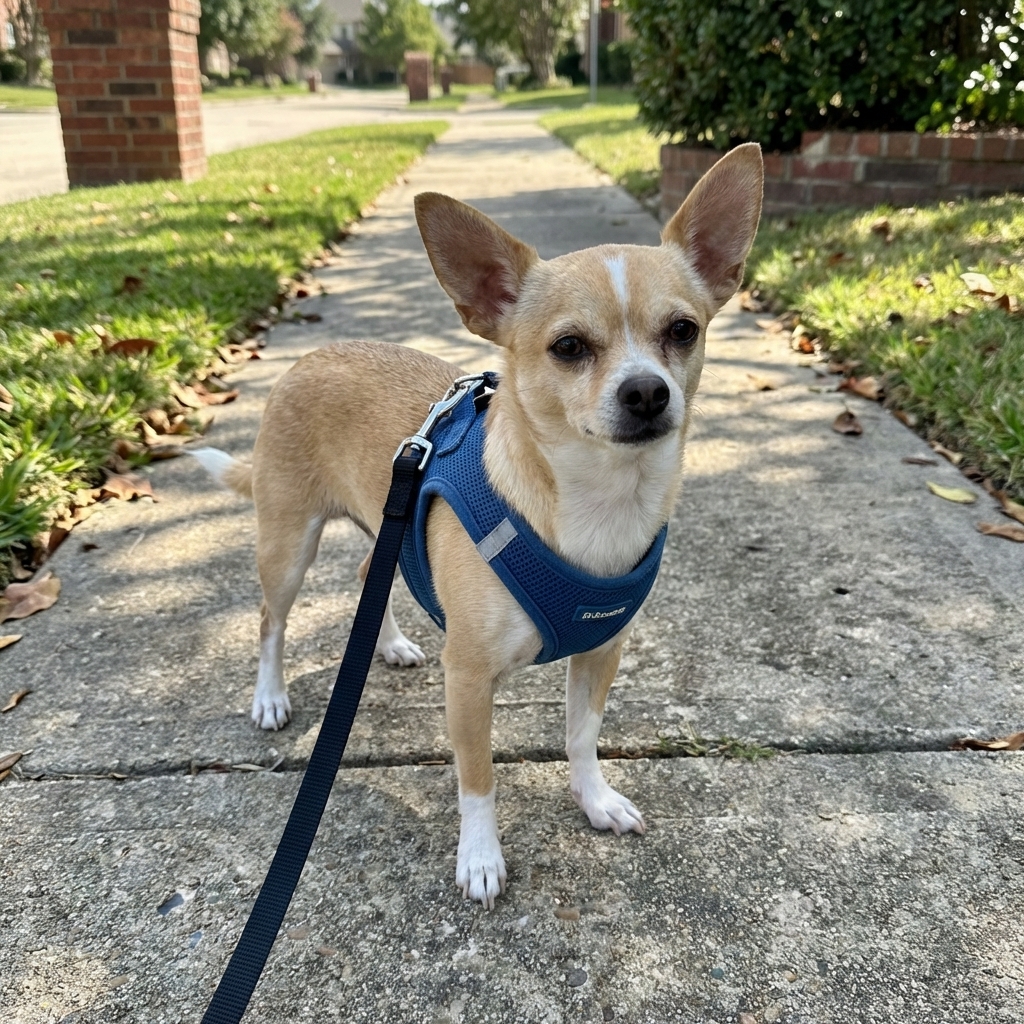
- Use a harness instead of a neck collar for walks.
- Keep them lean to reduce airway strain.
- Avoid smoke and strong fragrances that can irritate airways.
- Follow your vet’s plan which may include cough suppressants, bronchodilators, anti-inflammatories, and weight management.
Cold sensitivity
Chihuahuas have low body mass and often minimal insulation, especially the short-haired variety. Many will shiver in mild cold. Shivering can also happen from excitement, stress, or low blood sugar, so look at the whole picture, not just the temperature.
Keeping them comfortable
- Use a warm sweater or jacket on walks
- Keep walks shorter when it is cold or wet
- Provide cozy bedding away from drafts
- Watch puppies and seniors closely, as they are more vulnerable
Other issues to know
Molera (soft spot)
Some Chihuahuas have a persistent soft spot on the top of the skull called a molera. Many dogs with a molera live totally normal lives, but it is a good reason to avoid rough play, prevent falls, and handle the head gently. If you notice a bulging area, pain, or any neurologic signs, your vet should evaluate promptly.
Heart murmurs in seniors
Small breeds can develop heart murmurs as they age, often related to mitral valve disease. You might notice coughing, faster breathing at rest, reduced stamina, or fainting. Many dogs do very well for years with the right medications and monitoring, so early detection at wellness visits matters.
Eye injuries
Chihuahuas can have prominent eyes, which makes them a bit more vulnerable to scratches and corneal ulcers. Squinting, tearing, pawing at the eye, or holding an eye closed is an urgent vet visit.
Everyday care that helps
Small dogs thrive with small, consistent routines. Here are the habits I wish every Chihuahua family had in place.
- Wellness visits: annually at minimum, and twice-yearly for seniors.
- Dental plan: brushing plus professional cleanings when your vet recommends them.
- Monthly weight and body checks: if you cannot feel ribs easily, ask your vet about a safe plan.
- Harness training: protects the neck and reduces coughing triggers.
- Joint-friendly home setup: ramps or steps for frequent jump spots, and non-slip rugs for traction.
- Preventive basics: keep vaccines and parasite prevention current, and discuss spay and neuter timing with your veterinarian.
When to call the vet
Chihuahuas can go from “fine” to “not fine” rapidly because they are so small. Call your veterinarian promptly if you notice:
- Repeated coughing or breathing trouble
- Refusing food for more than one meal, especially in puppies
- Weakness, wobbliness, or collapse
- Sudden behavior change, especially new irritability
- Signs of mouth pain or a strong odor from the mouth
- Limping that lasts more than 24 hours, or obvious pain
- Squinting or a suddenly painful eye
With Chihuahuas, early care is not “overreacting.” It is smart.