
Cheyletiella Mites in Dogs and Cats (Walking Dandruff)

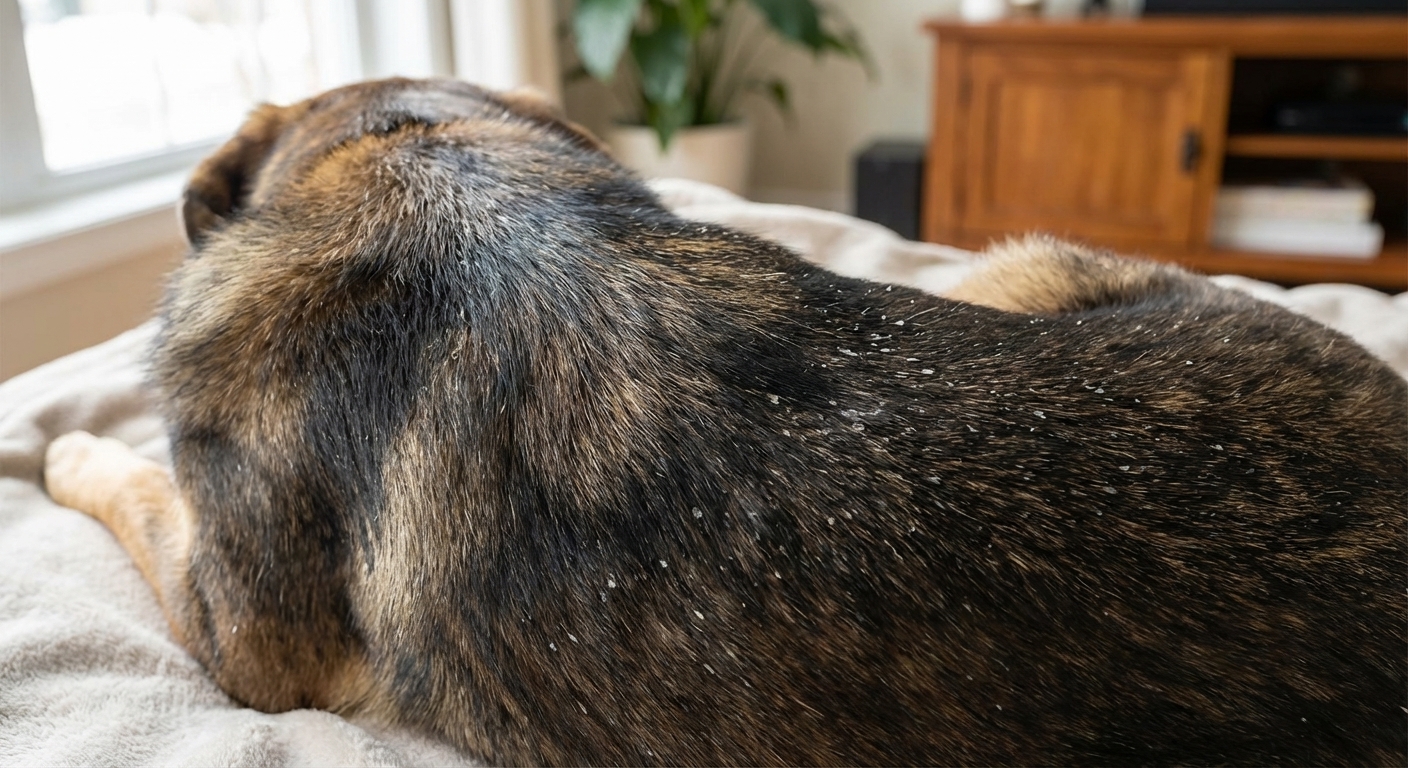
If you have ever brushed your dog or cat and noticed lots of flaky dandruff along the back, you are not alone. Sometimes that dandruff can even look like it is moving. That is the classic reason Cheyletiella mites are nicknamed “walking dandruff.”
As a veterinary assistant, I want you to know two important things up front: Cheyletiella is treatable, and it is also contagious. “Moving dandruff” is a strong clue, but it is not a definitive diagnosis on its own. That means you will want to involve your veterinarian early and do some basic home cleanup so you do not end up in a frustrating cycle of reinfestation.
What are Cheyletiella mites?
Cheyletiella are surface-dwelling mites that live in the top layer of the skin and in the coat. Different Cheyletiella species tend to prefer different hosts, but in real life they can spread between dogs, cats, rabbits, and other household animals, especially when pets share bedding or cuddle frequently.
They irritate the skin as they feed and move, leading to the hallmark signs of dry scaling, dandruff, and crusting.
Common signs
Cheyletiella most often causes:
- Heavy scaling that looks like dandruff
- Crusting and dry, flaky skin
- Itching that can range from mild to intense (some pets barely itch, others are miserable)
- Patchy hair loss in some cases, often from scratching
Typical distribution: many pets show the most obvious scaling over the topline (the back from neck to tail) and mid-body. You might also see flakes around the neck, shoulders, or rump.
One tricky thing: you may not actually see mites. The “walking” look is often just the flakes shifting as mites move underneath.
Is walking dandruff contagious to people?
Yes, Cheyletiella is considered zoonotic, meaning it can spread from pets to people. Humans are not the mites’ preferred long-term host, but we can develop temporary symptoms after contact.
In people, it often looks like:
- Itchy red bumps (papules), sometimes in small clusters
- Rash most commonly on the arms, waist, abdomen, and areas that touch the pet
For most people, symptoms improve once the pet is treated and exposure stops. If you or a family member develops an itchy rash and your pet has dandruff and itching, call your vet. You can also check in with a human healthcare provider, especially if anyone in the home is very young, elderly, pregnant, or immunocompromised, or if the rash is persistent or worsening.
How it spreads at home
Cheyletiella spreads through:
- Direct contact between pets
- Shared bedding, grooming tools, carriers, and favorite lounging spots
- Exposure to an infected animal in places like boarding facilities, shelters, grooming salons, or multi-pet homes
Some pets can carry mites with mild or subtle signs, which is why veterinarians often recommend treating all pets in the home, not just the one who is flaking.
Cheyletiella vs other issues
Several common skin problems can look similar at home. Here is how Cheyletiella typically compares.
Cheyletiella vs flea allergy
- Fleas: may see flea dirt (black specks that turn reddish when wet) and fleas may be visible.
- Flea allergy: often causes intense itching, with irritation frequently around the rump, tail base, back legs, and belly.
- Cheyletiella: tends to have more obvious dry scaling along the back and mid-body. Itching can vary, and you may not find flea dirt.
Important note: pets can have both. If you are not on consistent flea prevention, your vet will likely address fleas too.
Cheyletiella vs Demodex
- Demodex mites live in hair follicles. Demodicosis often shows patchy hair loss, sometimes around the face and front legs, and may or may not itch unless there is secondary infection.
- Cheyletiella live more on the surface and are known for prominent dandruff and scaling, especially on the back.
Cheyletiella vs Sarcoptes (scabies)
- Sarcoptes (scabies) is another mite that can affect dogs and can also cause itchy lesions in people after contact.
- It usually causes very intense itching and can involve areas like the ear edges, elbows, hocks, belly, and chest, though patterns vary.
- Like Cheyletiella, Sarcoptes can be hard to find on tests, and your vet may recommend treatment based on suspicion.
Also keep in mind that dry skin, allergies, and other skin infections can mimic “dandruff” at home. If you are seeing flakes, redness, odor, pimples, scabs, or your pet is uncomfortable, it is time for a veterinary exam. Skin problems look alike from the outside, but the right treatment depends on the cause.
How vets diagnose it
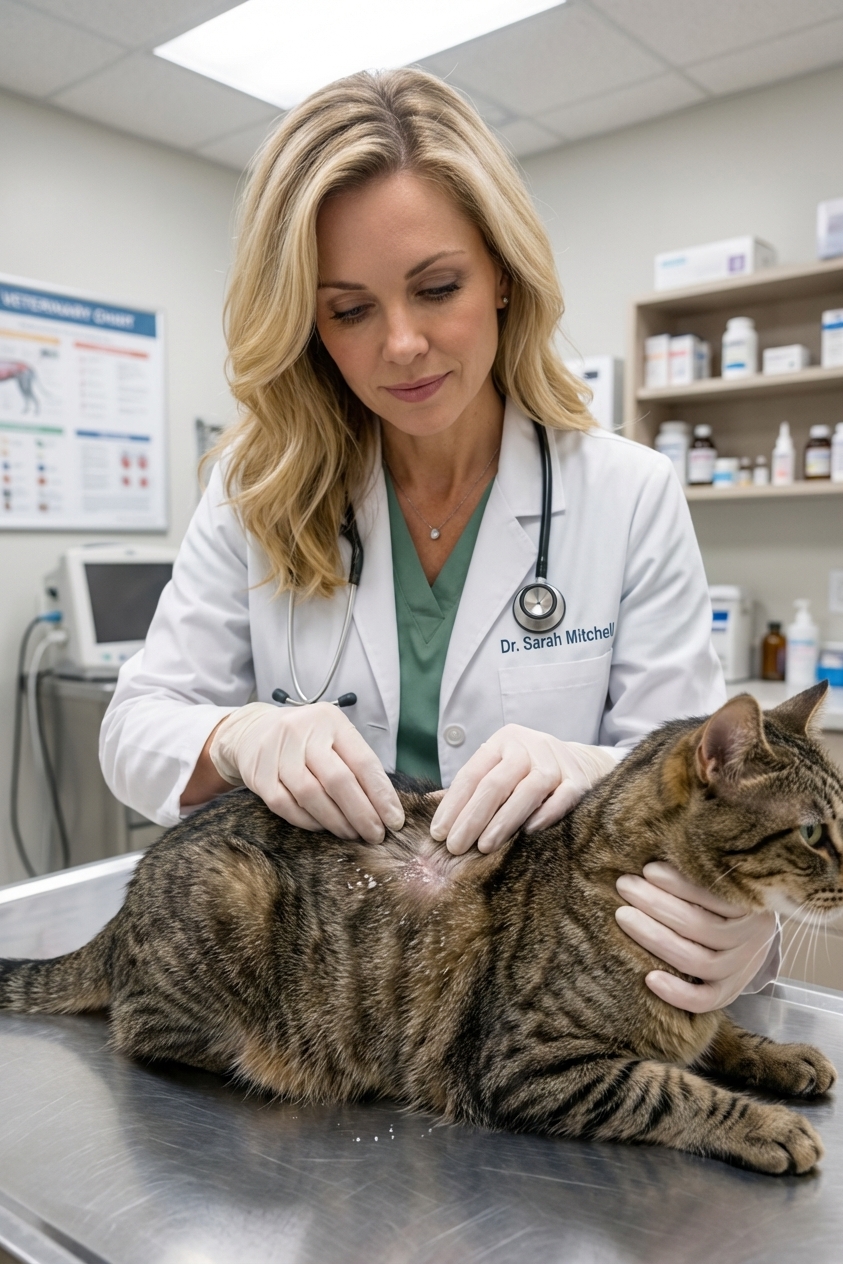
Cheyletiella can be challenging to confirm because mites may be hard to find, even when they are present. Your veterinarian may use a combination of:
- Skin scrapings
- Coat brushing or flea combing onto a dark surface
- Acetate tape impressions (clear tape pressed to the coat and examined under a microscope)
- Fecal flotation may occasionally reveal mites or eggs if a pet grooms and swallows them
In real clinic life, many vets will also consider a treatment trial if the pattern and history strongly fit Cheyletiella, because false negatives can happen.
Vet-directed treatment
Successful treatment usually requires two things: treat the pet(s) and address the environment.
Prescription parasite preventives
Many modern flea and tick medications also have activity against certain mites. Your veterinarian may recommend an isoxazoline-class product (commonly used for fleas and ticks) depending on your pet’s species, age, weight, health history, and what else may be going on.
Product labeling and mite coverage varies by country and species, and sometimes a veterinarian may recommend an extra-label approach when appropriate. Your vet will help you choose the safest, most effective option for your household.
Do not give dog medications to cats and do not guess dosing. Some products that are safe for dogs can be dangerous for cats.
Topical therapy and bathing
In some cases, your vet may add:
- Medicated shampoos or dips to reduce scaling and help remove mites from the coat
- Topical treatments applied on a schedule
Bathing can help, but it rarely solves the problem alone. Think of it as supportive care, not a stand-alone cure, unless your veterinarian specifically directs otherwise.
Treat all in-contact pets
This is a big one. Because Cheyletiella spreads easily, veterinarians often recommend treating every dog and cat in the household, even if only one is symptomatic.
If you have rabbits or other small pets, mention that right away. Rabbits can be a major reservoir for Cheyletiella (especially Cheyletiella parasitovorax), and treatment choices differ by species. Your veterinarian will guide you on a safe plan for each pet.
How long treatment usually takes
Most protocols involve multiple treatments over several weeks, not just a single dose. Your veterinarian may also recommend a recheck if signs are not clearly improving, or if there are other causes of scaling happening at the same time.
Address secondary skin infection
Pets who scratch can develop bacterial or yeast overgrowth. If your veterinarian finds infection, they may prescribe additional therapies so your pet can actually get comfortable while the mites are being eliminated.
Environmental cleanup basics
Cheyletiella mites can survive off the host for a limited time. In many cases this is on the order of days, and occasionally longer in favorable conditions. The goal is not to create a sterile home. It is to remove hair, flakes, and mites from your pet’s spaces while treatment is underway.
Weekly checklist during treatment
- Wash bedding (pet beds, blankets, crate pads) in hot water when possible, then dry on high heat if the fabric allows.
- Vacuum thoroughly, especially along baseboards, under furniture, rugs, and your pet’s favorite nap zones.
- Clean grooming tools (brushes, combs, clippers) with hot soapy water, then fully dry.
- Limit sharing of blankets or beds between pets until cleared.
In multi-pet homes or heavier infestations, you may need to keep up this routine for longer. If your veterinarian recommends an environmental spray, use only products labeled for the purpose and follow directions carefully. Many households do well with diligent laundering and vacuuming plus consistent pet treatment.

Prevention and avoiding repeat problems
- Keep pets on consistent parasite prevention as advised by your veterinarian.
- Quarantine and examine new pets (including rabbits) before introducing them to the household.
- Clean grooming tools after use, especially if your pet visits groomers, shows, or boarding facilities.
When to call the vet urgently
Walking dandruff is usually not an emergency, but you should schedule a veterinary visit promptly. Call sooner if you notice:
- Open sores, bleeding, or significant scabbing
- Bad odor from the skin or ears
- Worsening hair loss or spreading redness
- Lethargy, not eating, or signs of pain
- Any skin issue in a very young, elderly, pregnant, or immunocompromised pet
What you can do today
If you suspect Cheyletiella, here are simple, helpful next steps:
- Book a vet exam and mention “walking dandruff” when you call.
- Start basic cleanup: vacuum and wash bedding.
- Avoid over-the-counter guessing, especially with cats. Many home remedies irritate skin or delay real treatment.
- Ask whether all pets (including rabbits and other small mammals) should be treated at the same time.
The good news is that once you get the right diagnosis and treat the whole household systematically, most pets feel better quickly and the flakes gradually fade. You do not have to live with an itchy, uncomfortable pet, and you do not have to figure it out alone.