Help your indoor cat thrive in a small apartment with smart enrichment: vertical routes, window perches, puzzle feeders, prey-style play, scratch zones, quie...
Article
•
Designer Mixes
Cheetoh Cat Breed Guide: Personality, Care, Health, and What to Expect

Shari Shidate
Designer Mixes contributor
Meet the Cheetoh: A “Wild” Look with a Homebody Heart
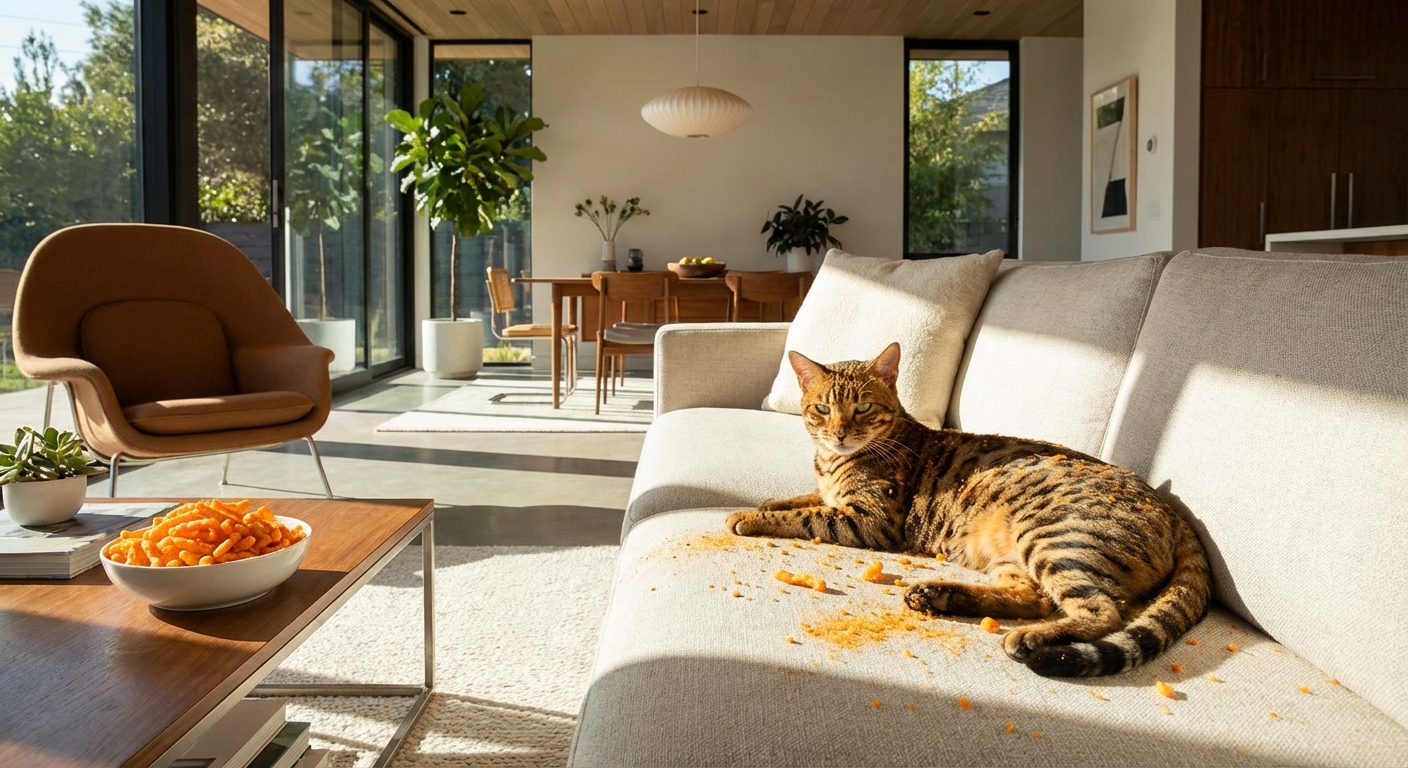
The Cheetoh cat is a striking, large, spotted companion bred to capture the exotic look many people love in wild cats while keeping the temperament suited for family life. If you have ever admired the bold rosettes of a big cat but want a friendly, affectionate pet, the Cheetoh may catch your attention quickly.
I always remind pet parents that appearance is only one piece of the puzzle. The best match comes from understanding energy level, social needs, grooming, and long-term health support. This guide walks you through what the Cheetoh is, where it came from, and what daily life with one tends to look like.
Cheetoh at a Glance
- Size: medium-large to large
- Estimated adult weight: often around 12 to 25+ pounds (varies by line, sex, and lifestyle)
- Coat: short, dense, usually low to moderate shedding
- Pattern: bold spots or rosettes are common
- Activity level: high
- Grooming: low-maintenance coat, routine nails and dental care still important
- Allergy expectations: not hypoallergenic (no cat breed truly is)
- Lifespan: many well-cared-for domestic cats live into their teens ; Cheetoh-specific long-term data is limited
Origin and Breed Background
The Cheetoh is a relatively new, purpose-bred cat developed in the United States. It is most often described as a cross between Bengal and Ocicat lines, selected for a large frame, bold spotting or rosettes, and a confident, social personality.
Because the breed is rare and sources can be inconsistent, you may see different origin details depending on the breeder or website. If you are considering one, ask the breeder for clear lineage information and documentation, including what lines were used and why.
Breed recognition note: Cheetohs are not widely recognized by the largest cat registries (such as CFA and TICA). Some smaller registries and breeder organizations may maintain their own standards, so availability, terminology, and “type” can vary between lines.
- Goal of the breed: an athletic, spotted cat with a friendly, stable temperament
- Common ancestry: Bengal and Ocicat lines (varies by program)
- General type: large, muscular, active companion cat
What Does a Cheetoh Look Like?
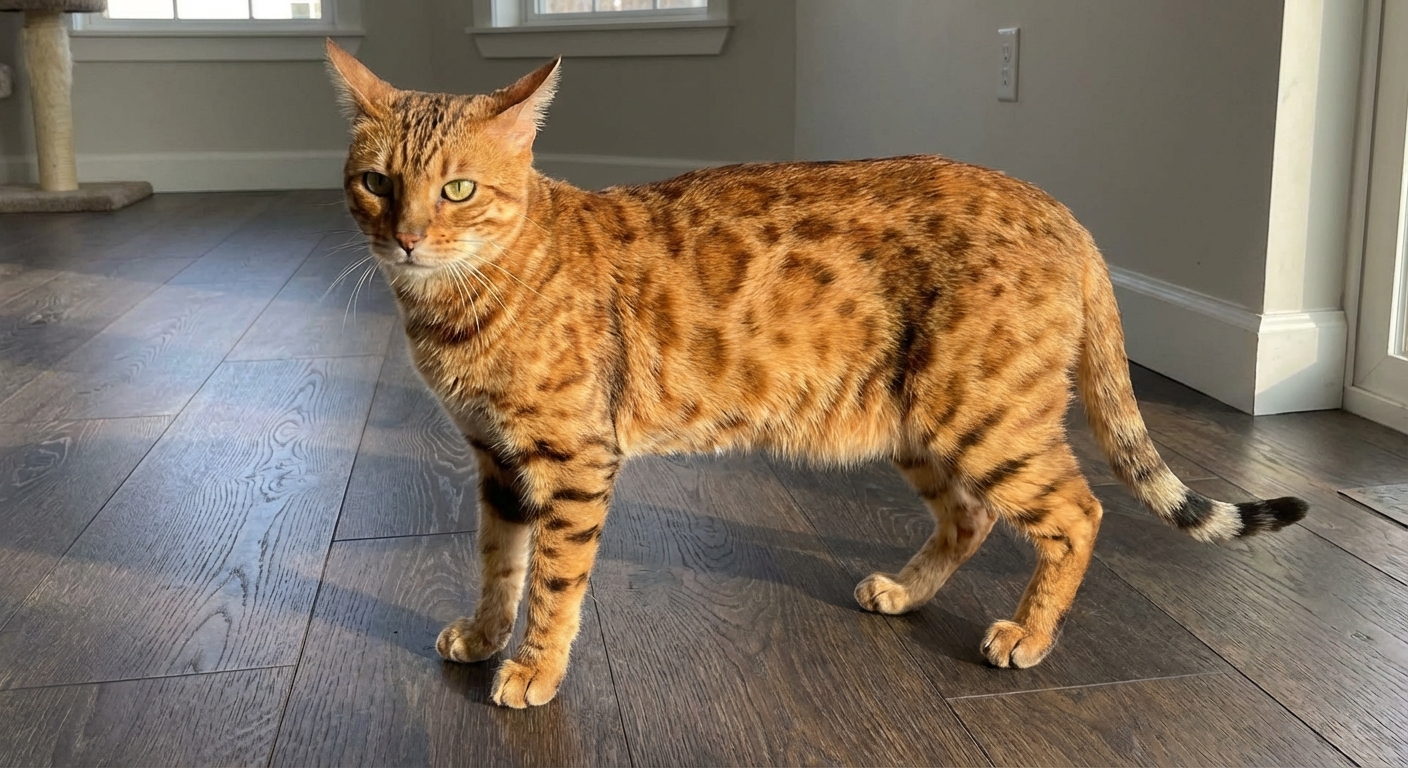
Cheetohs are known for their bold coat patterns and sturdy build. Many have high-contrast spots or rosettes, a sleek coat, and an expressive face that gives them a “wildcat” vibe while still being a fully domestic cat.
Typical physical traits
- Size: generally medium-large to large
- Build: athletic, muscular, substantial bone structure
- Coat: short, dense, often glossy
- Pattern: spots or rosettes are common
- Eyes: often large and expressive, color varies
Individual cats can vary widely based on lineage, so it is normal to see differences in pattern density, color warmth, and overall size.
Temperament: Affectionate, Curious, and People-Oriented
Most Cheetohs are described as confident, social, and interactive. They often enjoy being part of whatever you are doing, and many do best in homes where they receive plenty of attention and mental stimulation.
Common personality highlights
- Social: may greet visitors and follow family members room to room
- Playful: tends to enjoy chasing toys, puzzle feeders, and interactive games
- Smart: can learn routines quickly and may be trainable with positive reinforcement
- Vocality: varies, some are chatty and expressive
If you want a cat who is more independent and hands-off, this breed may feel like “too much cat” for your lifestyle. For the right household, that enthusiasm becomes a major plus.
Is the Cheetoh a Good Family Pet?
In many homes, the Cheetoh can be an excellent companion, especially for people who enjoy an engaged, interactive cat. As with any breed, success depends on matching the cat’s needs to your daily routine.
Often a good fit for
- Families who want an interactive, playful cat
- Homes that can offer daily enrichment and structured play
- People interested in clicker training or leash training
- Multi-pet households when introductions are done carefully
May be challenging for
- Very quiet households wanting a low-energy, lap-only cat
- People who are away from home most of the day with limited time for play
- Homes without safe climbing and enrichment options
If you have children, focus on teaching respectful handling and giving the cat escape routes, such as cat trees and quiet zones. This supports safety and reduces stress for everyone.
Energy Level and Enrichment Needs
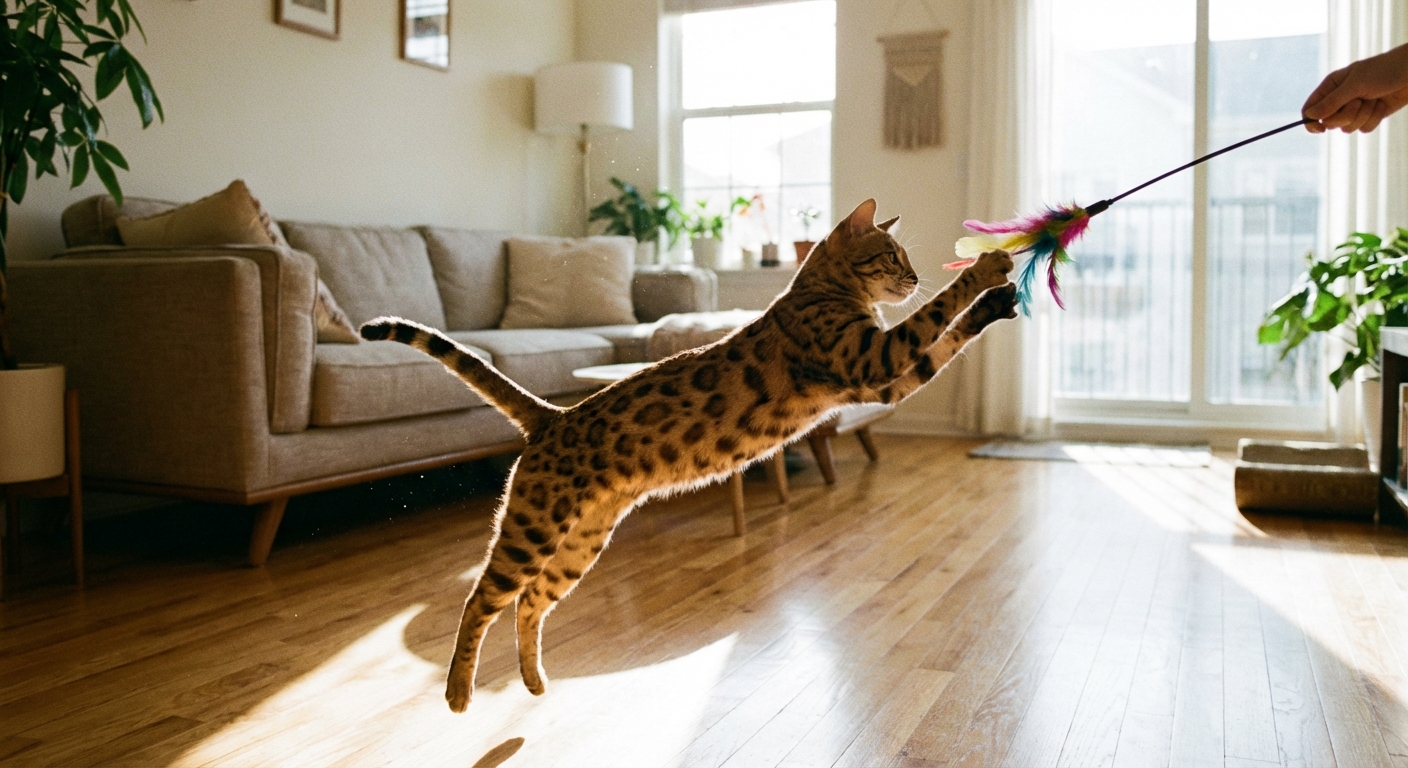
Cheetohs are typically high-energy and thrive with intentional enrichment. Consistent play and brain work are often the difference between a calm, happy cat and a cat who invents their own entertainment.
Simple enrichment plan that works
- Two structured play sessions daily: 10 to 15 minutes each using wand toys or chase games
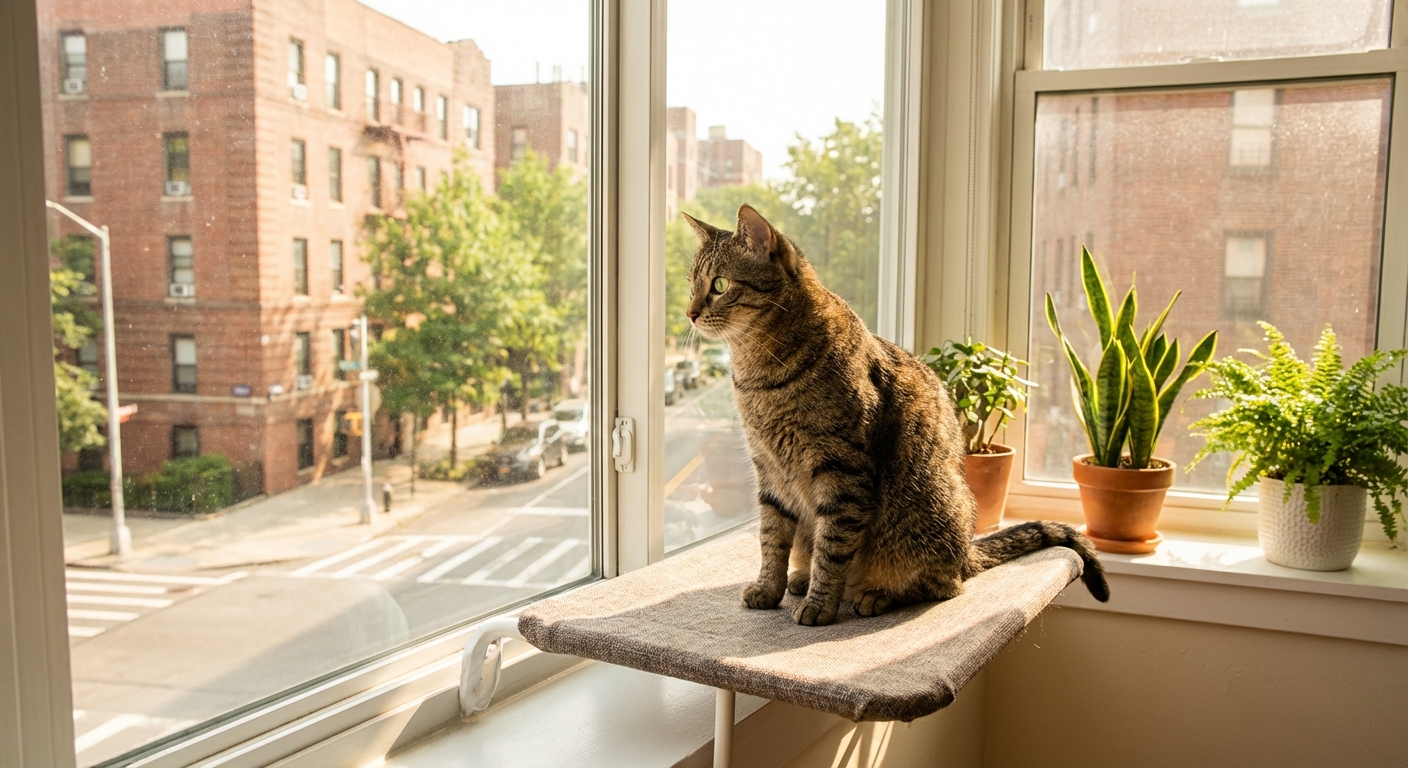
- Vertical space: a tall cat tree, shelves, or a window perch
- Hunting outlets: puzzle feeders or treat balls to slow eating and engage the brain
- Rotation of toys: swap toys weekly to keep novelty high
- Training: clicker training for “sit,” “touch,” or stationing on a mat
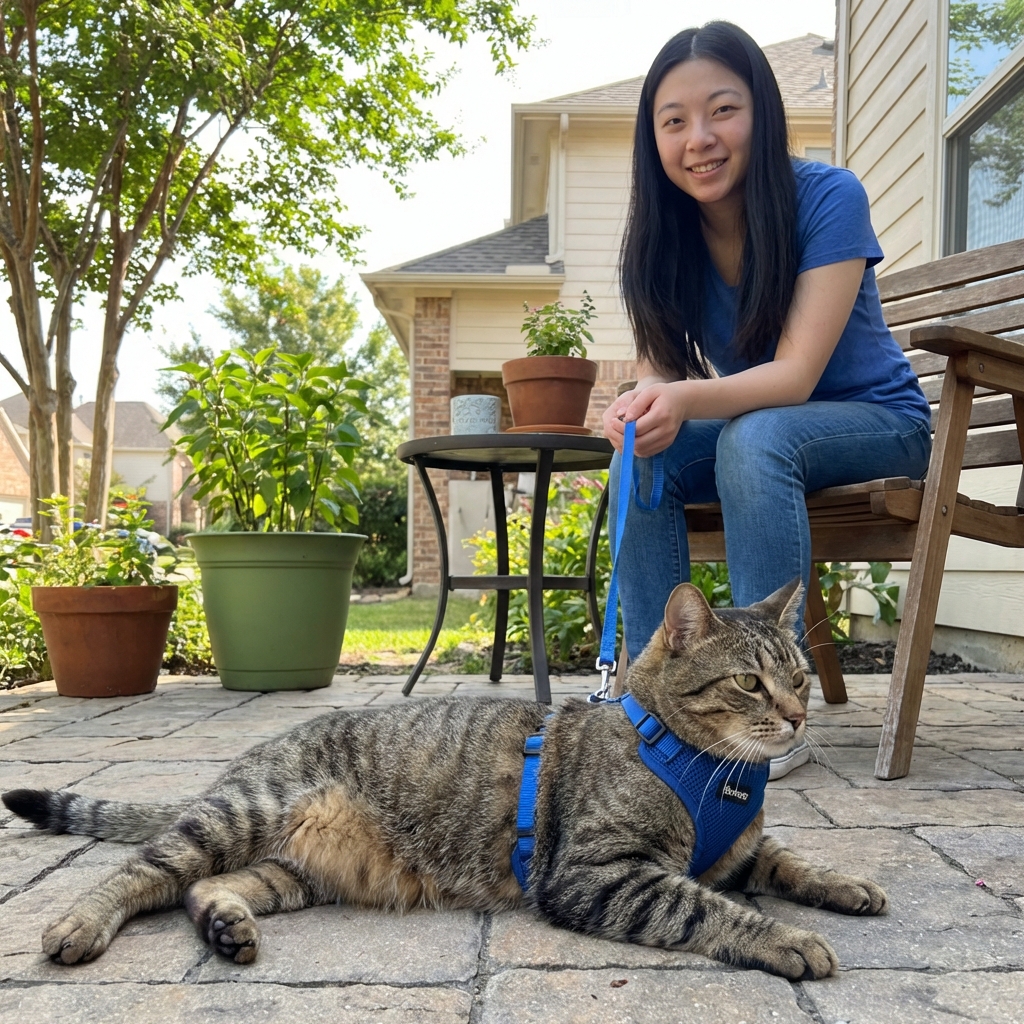
Many owners also explore leash and harness training , which can be a great way to provide safe outdoor stimulation when done gradually and positively.
Common Behavior Needs (and How to Prevent Problems)
High-drive, people-oriented cats can develop frustrating habits if their environment is too quiet or too boring. A little planning prevents most issues.
- Boredom mischief: counter-surfing, cabinet opening, and “redecorating” your shelves are common. Use puzzle feeders, scheduled play, and a designated climbing zone.
- Climbing and door-dashing: provide tall approved vertical spaces and practice doorway routines (ask for a “sit” or “touch” before doors open).
- Play-biting: keep hands out of play, use wand toys, and end sessions with a kicker toy or food puzzle to help them come down from high arousal.
Grooming and Routine Care
The Cheetoh’s short coat is usually low-maintenance, but routine care still matters. A little consistency goes a long way, especially for shedding control, dental health, and nail care.
Basic grooming checklist
- Brushing: 1 to 2 times per week with a soft brush or grooming mitt
- Nails: trim every 2 to 4 weeks
- Teeth: aim for regular brushing, even a few times per week helps
- Ears: check weekly for wax buildup or irritation
- Litter box: keep extra clean, many active cats are particular about hygiene
Start handling paws, ears, and mouth gently when your cat is young. This makes vet visits and grooming far less stressful later.
Nutrition: Supporting a Lean, Athletic Body
Because Cheetohs tend to be active and muscular, nutrition should support lean mass without tipping into excess calories. I emphasize a simple principle: steady, balanced habits beat extremes.
Practical nutrition tips
- Choose a complete and balanced diet: look for reputable brands that meet AAFCO standards
- Prioritize protein quality: cats are obligate carnivores and benefit from animal-based protein
- Watch treats: keep treats to a small portion of daily calories
- Hydration matters: consider a water fountain, wet food, or both if your vet agrees
- Measure portions: especially if your cat is indoor-only
Your veterinarian can help tailor portions to age, body condition score, activity level, and whether your cat is spayed or neutered.
Health Considerations and Lifespan
No cat breed is completely free of health risks, and with newer or less common breeds, the best protection is prevention and responsible breeding. Cheetoh health can be influenced by the specific lines used in development, so it is wise to ask detailed questions and avoid vague answers.
Smart health steps for prospective owners
- Ask about genetic screening: request documentation of any testing done in parent cats, and ask what conditions the breeder screens for in their lines
- Request veterinary records: vaccines, deworming, and wellness checks
- Discuss cardiac screening with your vet: if there is family history of heart disease, ask whether an echocardiogram performed by a veterinary cardiologist is appropriate
- Plan for dental care: periodontal disease is common across cat breeds and affects whole-body health
- Maintain a lean weight: obesity increases risk for diabetes, arthritis, and urinary issues
Lifespan: many well-cared-for domestic cats live into their teens. Because the Cheetoh is rare and not widely tracked by major registries, breed-specific longevity data may be limited. Consistent veterinary care, weight management, stress reduction, and good nutrition make a meaningful difference.
Living With a Cheetoh: Home Setup Tips
Setting up your home with a Cheetoh in mind can prevent common behavior problems and keep your cat happily occupied.
Home essentials
- Vertical territory: tall cat trees and window perches
- Scratching options: at least one vertical and one horizontal scratcher
- Safe retreat space: a quiet room or covered bed
- Interactive play tools: wand toys, balls, and puzzle feeders
- Multiple litter boxes: a good rule is one per cat plus one extra
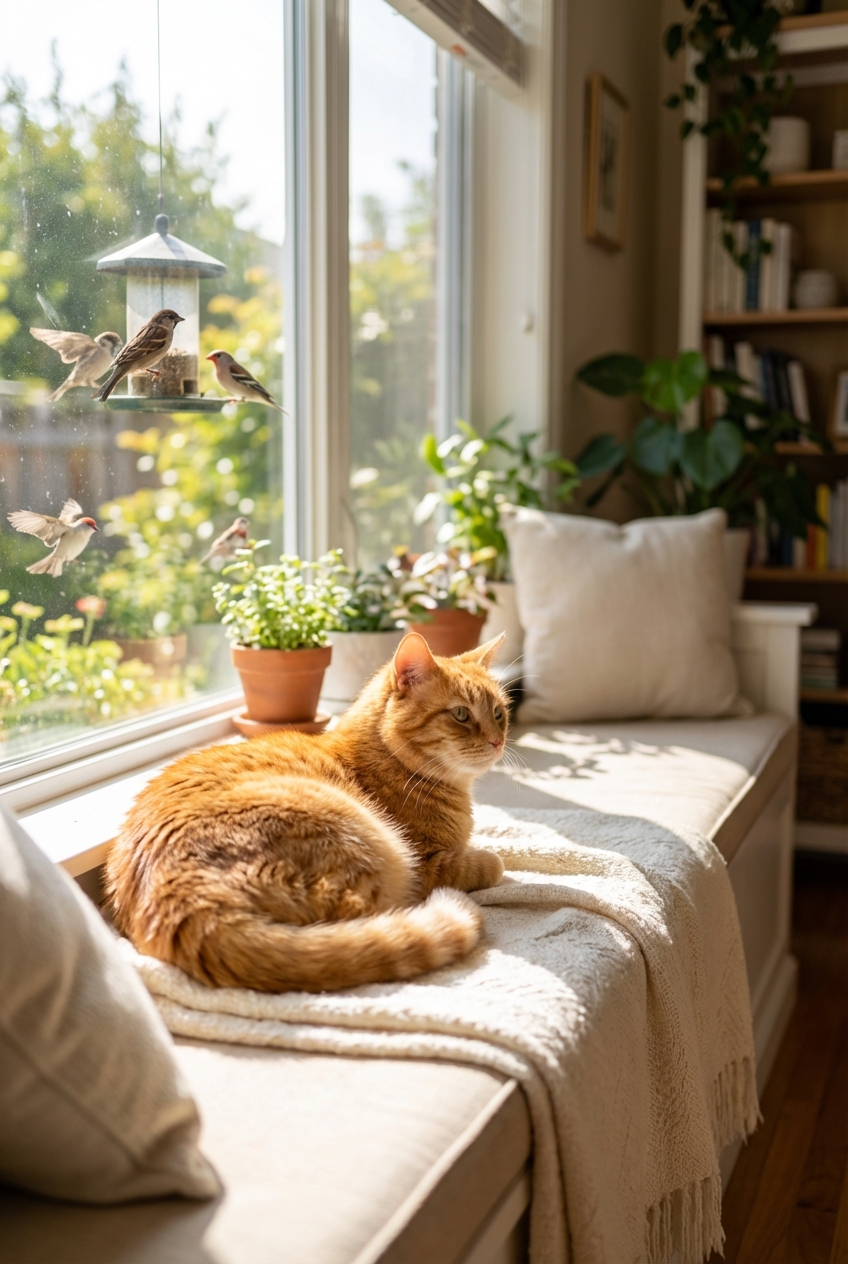
If you work long hours, consider adopting a compatible companion cat or building in enrichment that can be used independently, such as treat puzzles and bird-safe window views.
Cost, Availability, and Ethical Considerations
Because Cheetohs are uncommon, you may encounter waitlists and higher purchase prices compared to more common breeds. Prices vary widely by region, lineage, and breeder practices, so ask for a clear breakdown of what is included (vaccines, spay or neuter, microchip, health testing, and support).
Also plan for ongoing costs that match a high-energy cat: sturdy trees and scratchers, puzzle feeders, replacement wand toys, and preventive veterinary care.
Welfare-focused guidance and red flags
- Healthy “exotic look” goals: prioritize temperament, health testing, and kitten socialization over extreme appearance.
- Red flags: no documentation of veterinary care, refusal to show health testing results, no written contract, pressure to pay quickly, poor living conditions, or kittens sent home very young.
- Green flags: clear lineage information, transparent health protocols, a written contract and health guarantee, and thoughtful questions about your home and lifestyle.
Adoption and Breeder Questions to Ask
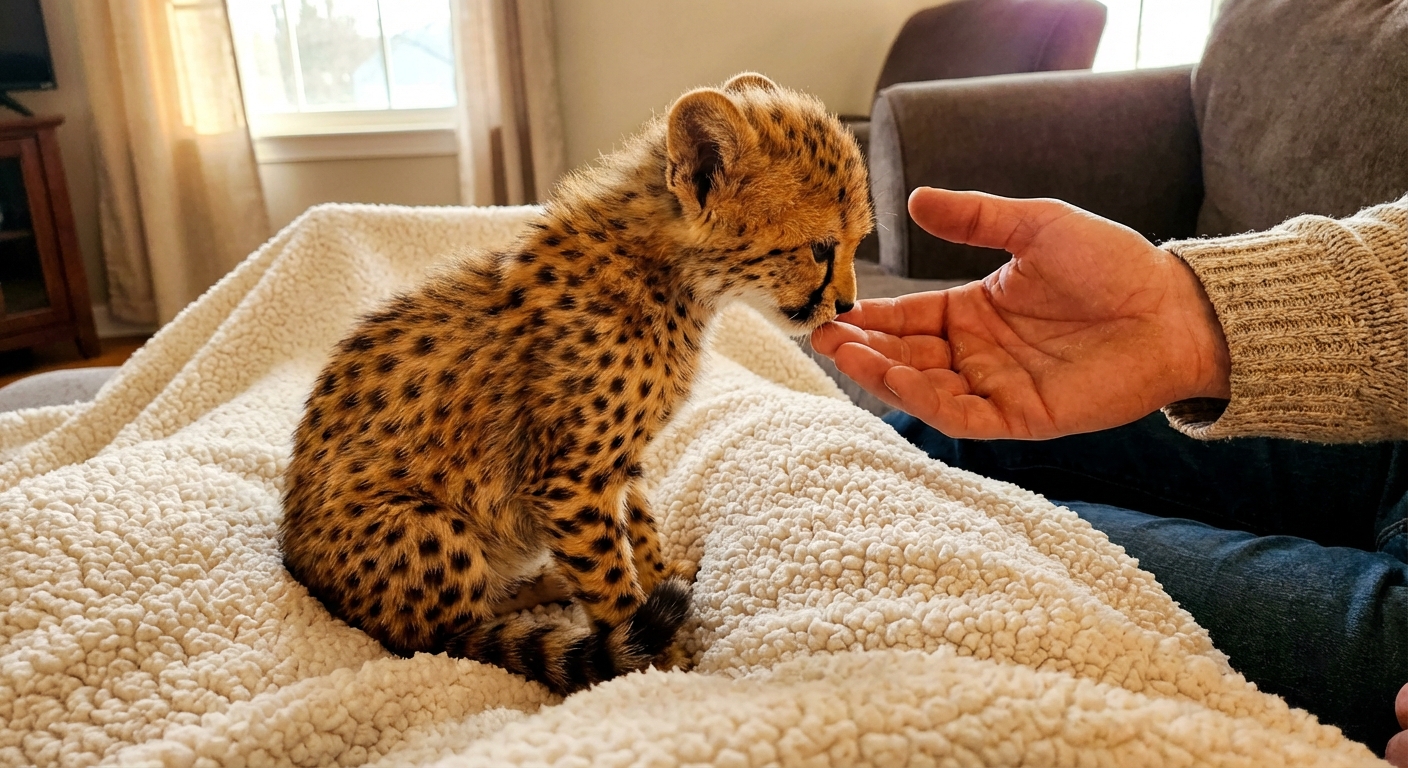
Because Cheetohs are uncommon, many people will be looking at breeders rather than shelters. Whether you adopt or buy, prioritize welfare, transparency, and long-term support.
Questions worth asking
- What health tests were done on the parents, and can I see results?
- Which registry or organization do you work with, if any, and what standard are you breeding toward?
- How are kittens socialized, and what is their daily environment like?
- What is the kitten’s temperament like, and how do you match kittens to homes?
- Do you offer a written contract and health guarantee?
- What support do you provide after adoption?
A responsible source will welcome questions and care where their kittens end up.
Quick Summary: Should You Get a Cheetoh?
The Cheetoh can be a wonderful companion if you want an affectionate, bold, highly interactive cat and you have the time to meet their enrichment needs. Their standout look is only part of the story. Daily play, smart nutrition, and preventive vet care are what help these cats truly thrive.
If you are considering a Cheetoh, your next best step is to talk with a veterinarian and a reputable breeder or rescue, then honestly assess your household routine. Small, consistent habits add up over time, and that is just as true for your cat’s well-being as it is for yours.