Learn vet-approved ways to entertain a bored cat using the hunt cycle: interactive play, food puzzles, toy rotation, vertical space, and training—plus red ...
Article
•
Designer Mixes
Chausie Cat Breed Guide: Personality, Care, and Health

Shari Shidate
Designer Mixes contributor
Chausies are athletic, bright, and intensely people-focused. They are often described as having a “wild look” with a very domestic heart, but they are not a low-effort pet. If you love interactive play, structured routines, and a cat that wants to be part of everything you do, the Chausie may feel like a perfect match.
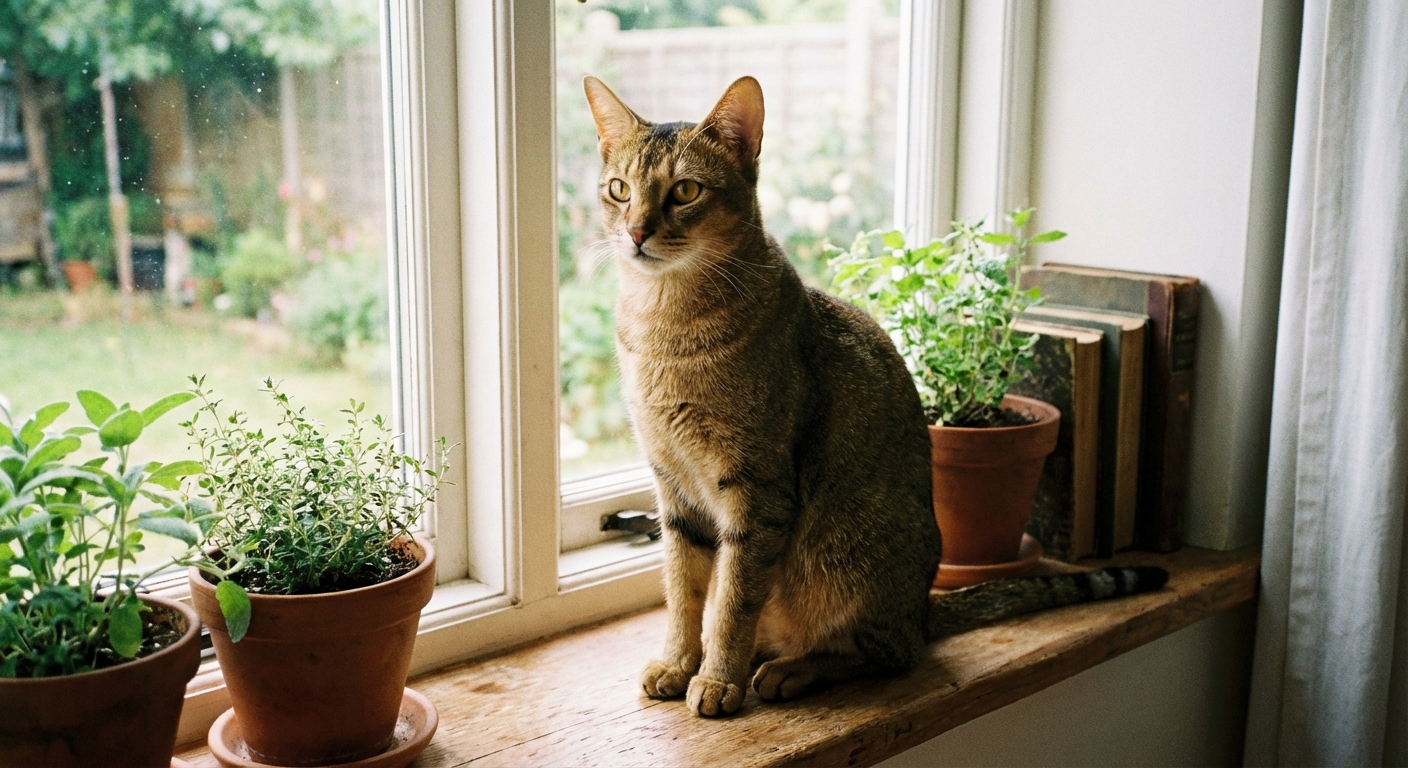
As I tell families when they are choosing any high-energy companion animal, it helps to be honest about your daily rhythm. A Chausie thrives when their environment matches their drive: room to move, things to climb, and humans who enjoy engagement.
Origin and background
The Chausie is a relatively modern hybrid-derived breed developed from crosses between domestic cats and the jungle cat (Felis chaus), a wild cat found across parts of Asia, the Middle East, and Egypt. The goal was to create a cat with the jungle cat’s tall, sleek, long-legged look while maintaining a temperament suited to life in a home.
Today’s Chausies are typically bred from later-generation lines intended to be reliably domestic in behavior (often F4+ in reputable programs). Even so, the breed tends to retain an athletic build, high curiosity, and a strong need for stimulation. Breed recognition and standards vary by registry, and availability can be limited, so reputable breeders and clear documentation matter.
Generation and rules
If you are new to the breed, it helps to understand “generation” language (F1, F2, F3, and so on). Earlier-generation cats are closer to the wild ancestor and can be more intense, more challenging in a typical household, and sometimes subject to restrictions. Many families are best served by later-generation Chausies that are well socialized and clearly described by the breeder.
Practical note: Ownership rules can vary by country, state, county, HOA, or landlord. Before committing, check local regulations and housing policies, especially if a contract, insurance policy, or pet addendum includes hybrid-related language.
What a Chausie is like at home
Temperament
Most Chausies are social, confident, and energetic. Many form strong bonds with their people and prefer being in the same room, “helping” with daily tasks. They often enjoy learning routines, exploring shelves, and investigating anything new brought into the home.
- Affection: Often very affectionate, sometimes on their terms. Many prefer being near you over being held for long periods.
- Confidence: Typically bold and curious, not usually shy once settled.
- Play drive: High. Expect daily interactive sessions and plenty of enrichment.
Energy and enrichment needs
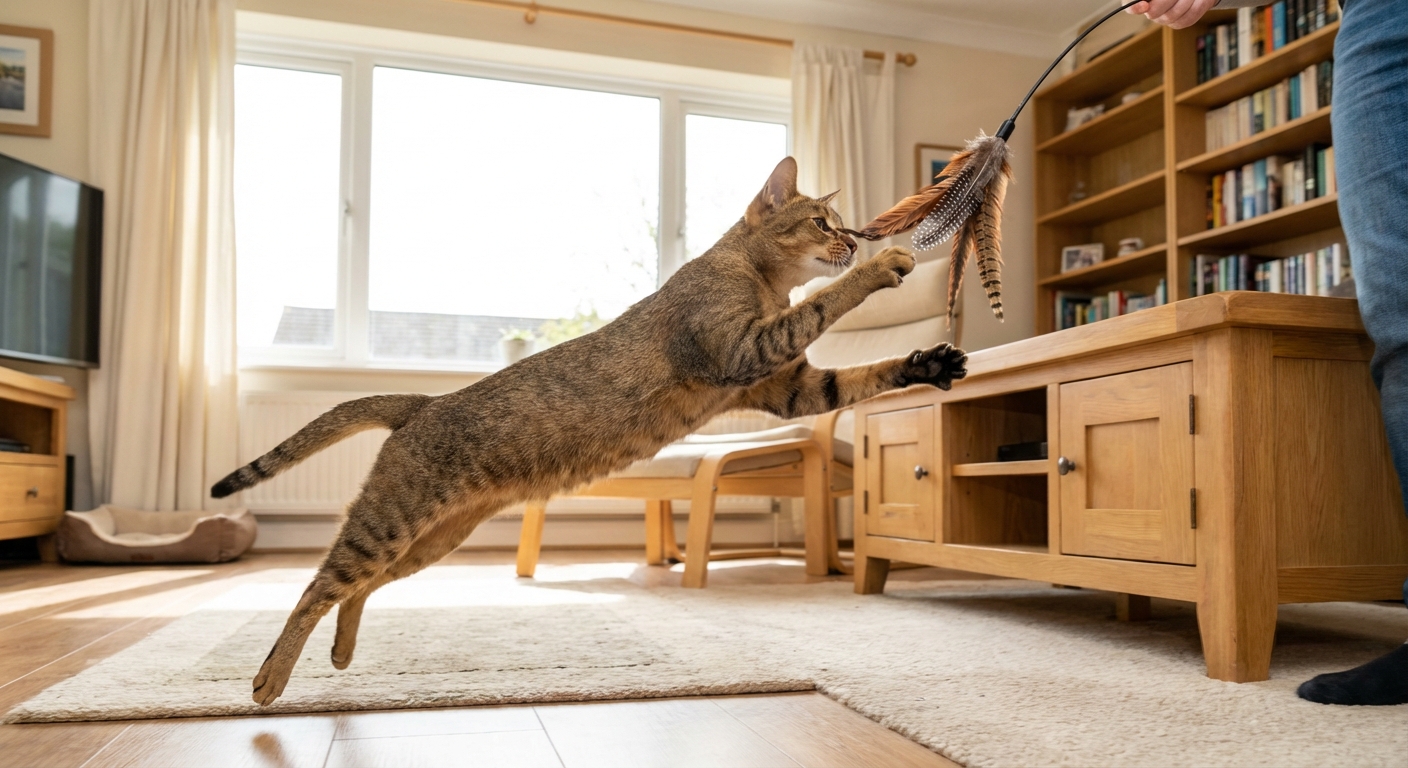
A Chausie is not a “decorative” cat. Think of them as the endurance athlete of the cat world. Without enough physical outlets and mental puzzles, boredom can show up as mischief, nighttime zoomies, or persistent attention-seeking.
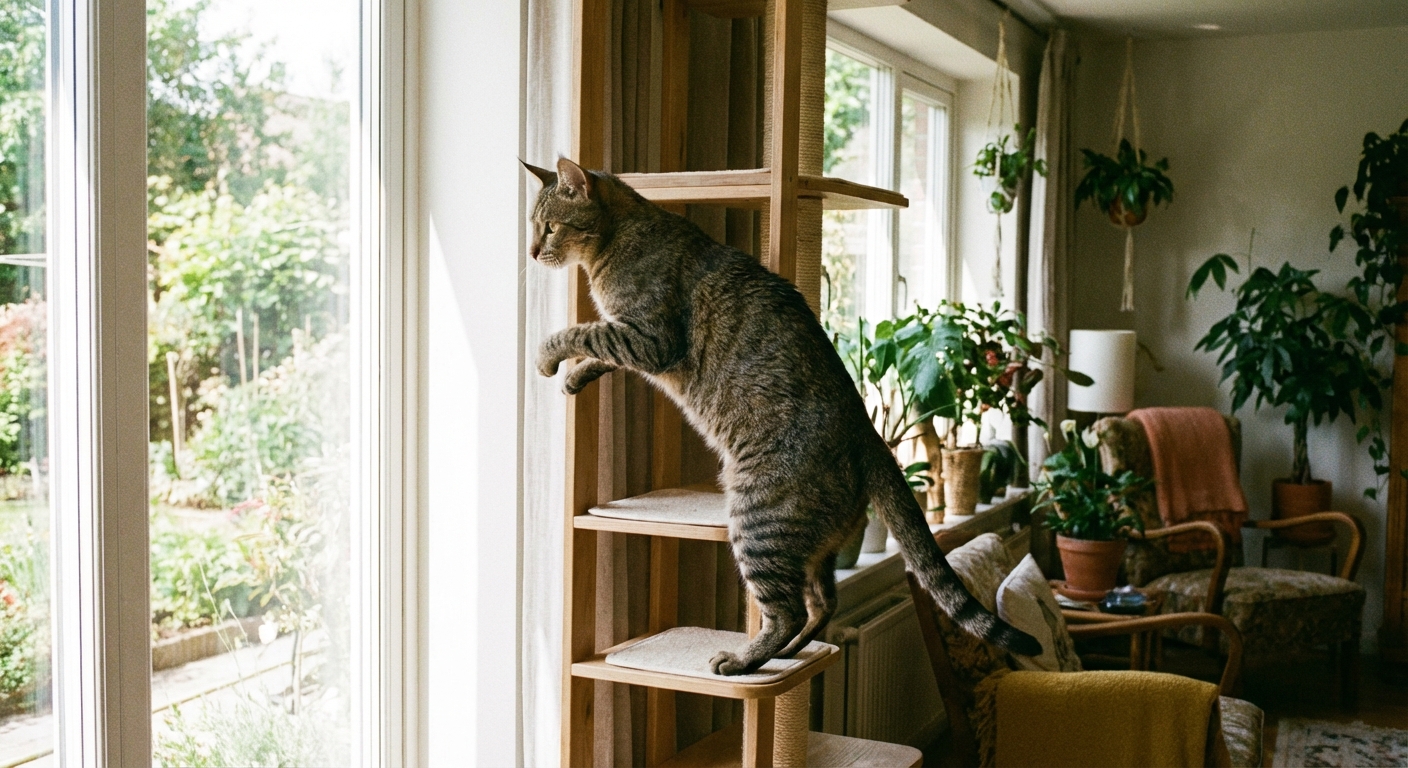
- Tall, sturdy cat trees and wall shelves for climbing and perching
- Daily wand toy sessions and play that mimics hunting
- Puzzle feeders and food-dispensing toys to engage the brain
- Rotation of toys to keep novelty high
With kids, dogs, and other cats
Many Chausies do well with respectful children and confident pets, especially when socialized early. Their intensity can be a lot for timid cats, so slow introductions and careful observation are important. With dogs, success often depends on the dog’s prey drive and willingness to give the cat space.
If your household is busy, the Chausie can enjoy the action. If your home is quiet and you want a low-energy lap cat, another breed may be a better fit.
Size and appearance
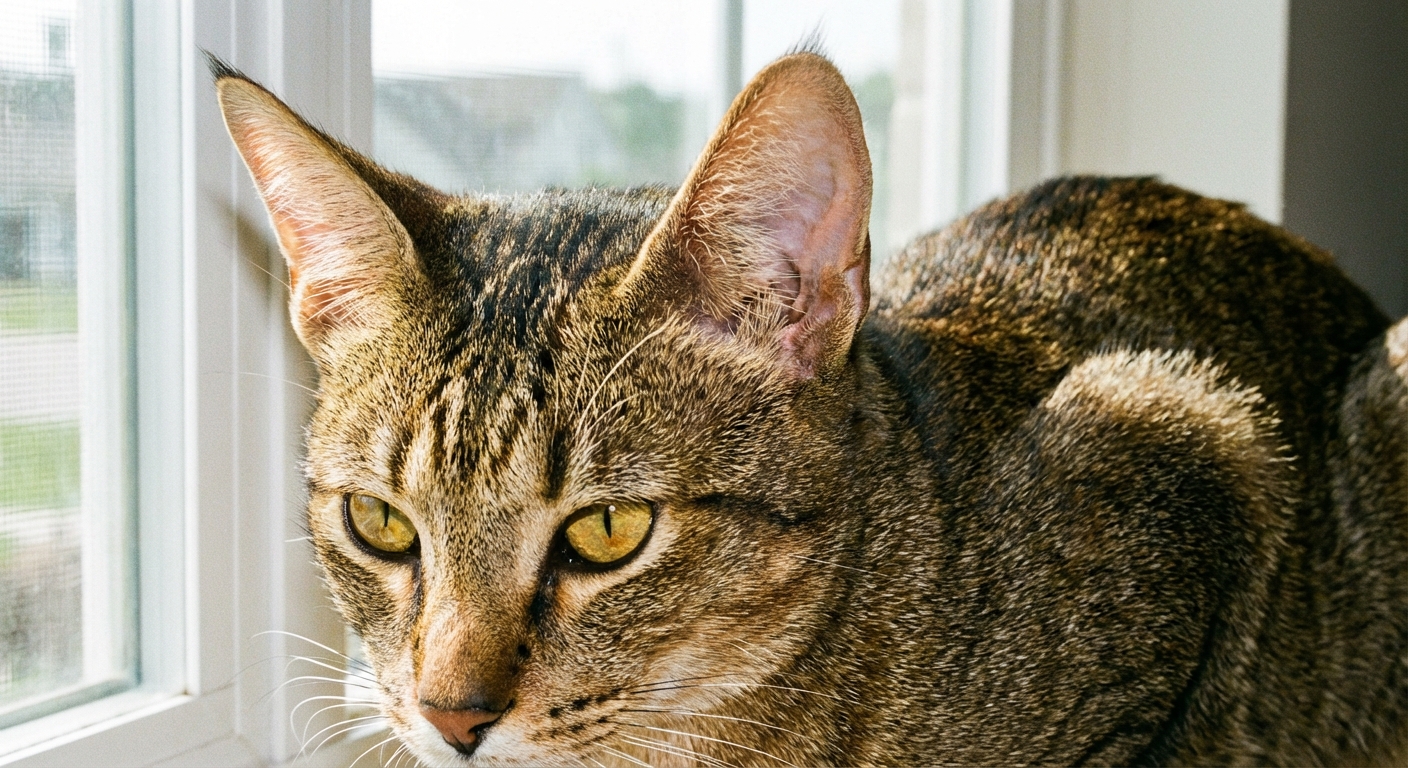
Chausies are known for a tall, long-bodied, athletic silhouette, large ears, and an alert expression. They often look “bigger” than the scale suggests because of their long legs and deep chest. Coat is typically short, close-lying, and low to moderate shedding.
- Typical adult weight: Often around 12 to 20 pounds, with variation by sex and bloodline
- Body: Lean, muscular, built for jumping and sprinting
- Coat: Short and dense, usually easy to maintain
- Colors: Registry standards vary, but commonly include solid black, black ticked tabby, and black grizzled ticked tabby in some registries (for example, TICA). Ask your breeder which standard their cats are bred toward.
Care basics
Grooming
Chausies typically have short coats that do not mat easily. A weekly brushing can help reduce shedding and keep the coat glossy. Regular nail trims, ear checks, and dental care are the bigger long-term wins for comfort and health.
- Brush once weekly, or more during seasonal shedding
- Trim nails every 2 to 4 weeks
- Brush teeth regularly if your cat will tolerate it
- Use veterinary-approved dental treats or water additives if brushing is not possible
Exercise and indoor setup
Plan your home like a mini adventure course. Vertical space is your friend. If you have room, a tall cat tree near a window, climbing shelves, and a few scratching stations can dramatically reduce unwanted behavior.
Safety basics
High-drive cats are talented jumpers and problem solvers. A few simple precautions keep the fun from turning into an ER visit:
- Secure tall shelves and furniture, and avoid wobbly perches
- Use breakaway collars if you use collars at all
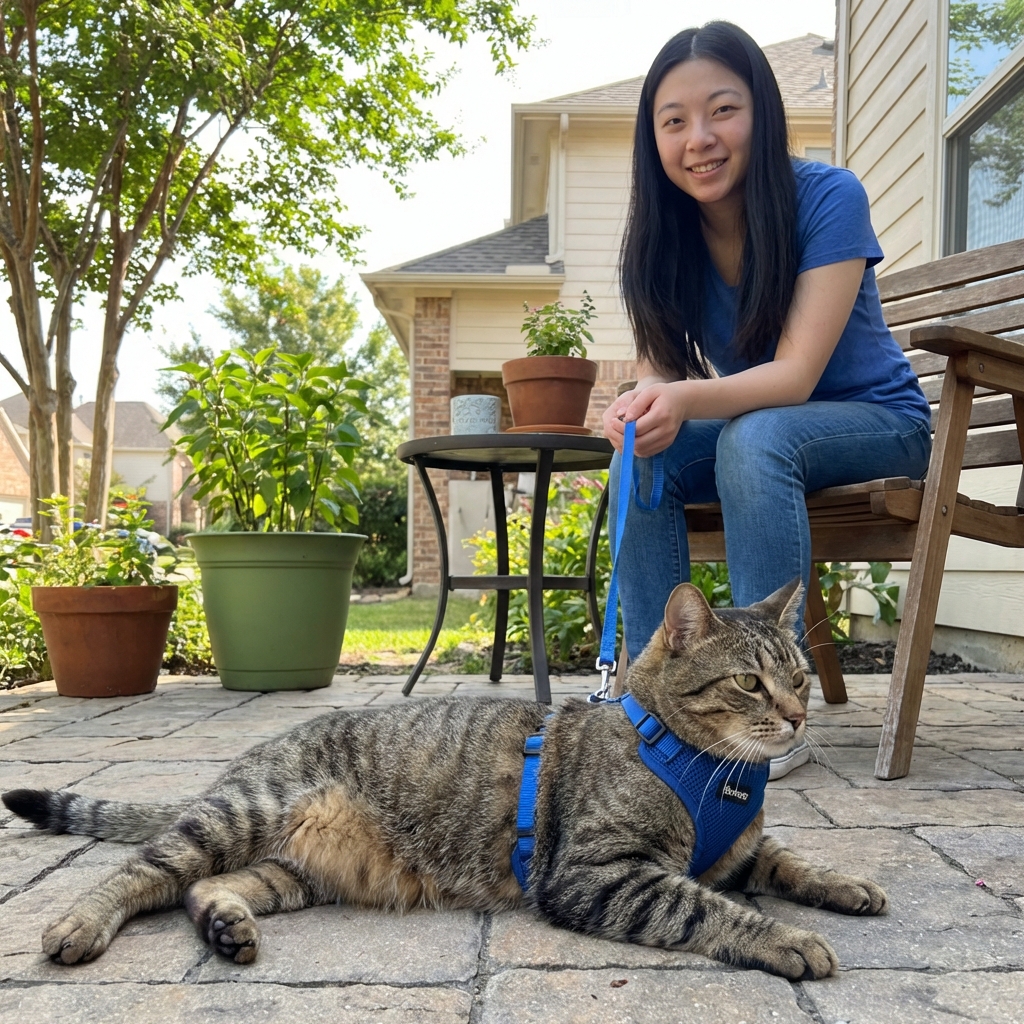
- Supervise leash training and use a well-fitted harness
- Avoid unsupervised outdoor roaming, especially in areas with traffic or predators
Litter box habits
Many behavior issues start with litter box setup. For active, larger-framed cats, size matters. Choose a spacious box, keep it clean, and place it in a low-traffic but accessible area.
- Use large boxes with high sides if needed
- Scoop daily and wash the box routinely
- Offer more than one box in multi-cat homes
Nutrition and feeding
There is no single perfect diet for every Chausie, but there are reliable principles: prioritize high-quality, complete and balanced nutrition and keep an eye on body condition. Because Chausies can be very active, they may maintain lean muscle when fed appropriately, but they can also overeat if food is always available and boredom sets in.
- Choose: A complete and balanced diet that meets AAFCO or equivalent standards
- Measure: Portions to maintain a healthy waistline and rib coverage
- Support hydration: Wet food, water fountains, and multiple water stations
- Use feeding as enrichment: Puzzle feeders and “hunt” style games
Chausie-specific note: Some Chausies, particularly in certain lines, seem to do best on lower-carbohydrate diets and may be more sensitive to higher levels of plant matter than the average domestic cat. This is not universal, but if you notice chronic soft stool, gas, or recurring vomiting, discuss diet composition with your veterinarian and consider a carefully chosen, lower-carb option.
If you are considering homemade or raw feeding, work with a veterinarian or a board-certified veterinary nutritionist. Cats have precise nutrient needs, and small gaps can add up over time.
Health considerations
Chausies are often robust, but every breed can have risks, and hybrid-derived breeds can bring a few unique considerations. The best protection is a proactive plan: reputable breeding practices, early veterinary care, and ongoing prevention.
What to watch for
- Digestive sensitivity: Some lines may have sensitive stomachs or IBD-like tendencies, and individual tolerance can vary. Slow diet transitions and consistent feeding routines help, and persistent symptoms should be evaluated by a veterinarian.
- Dental disease: Common in cats overall. Preventive dental habits and vet checks matter.
- Weight shifts: High activity can mask early weight gain or muscle loss. Monitor body condition monthly.
Ask your breeder about health screening, lineage, and any recurring issues in their lines. Then partner with your veterinarian for routine exams, parasite prevention, vaccinations, and dental evaluations.
If you keep hearing that “hybrid cats are different,” get specific. For Chausies, that often means differences in activity level, enrichment needs, and generation-related considerations, plus potential local restrictions depending on where you live.
Wellness tip: A simple monthly “nose to tail” check at home can catch changes early. Look at teeth and gums, feel for lumps, check ears, and notice any changes in appetite, thirst, stool, or energy.
Is this breed right for you?
The best match comes down to lifestyle. Chausies often do best with people who enjoy training and interactive play and who can provide daily engagement.
A Chausie may be a great fit if you:
- Want a highly interactive, social companion
- Can commit to daily play and enrichment
- Enjoy teaching tricks or leash training
- Have space for climbing, jumping, and exploring
Consider another breed if you:
- Prefer a calm lap cat with minimal exercise needs
- Are away from home for long stretches most days
- Have very timid pets that stress easily around high-energy cats
Training and bonding
Many Chausies respond beautifully to positive reinforcement. Short sessions with treats, clicker training, or praise can build skills and reduce frustration on both sides. Teaching a “sit,” “touch,” or “go to mat” behavior can be surprisingly helpful for daily life.
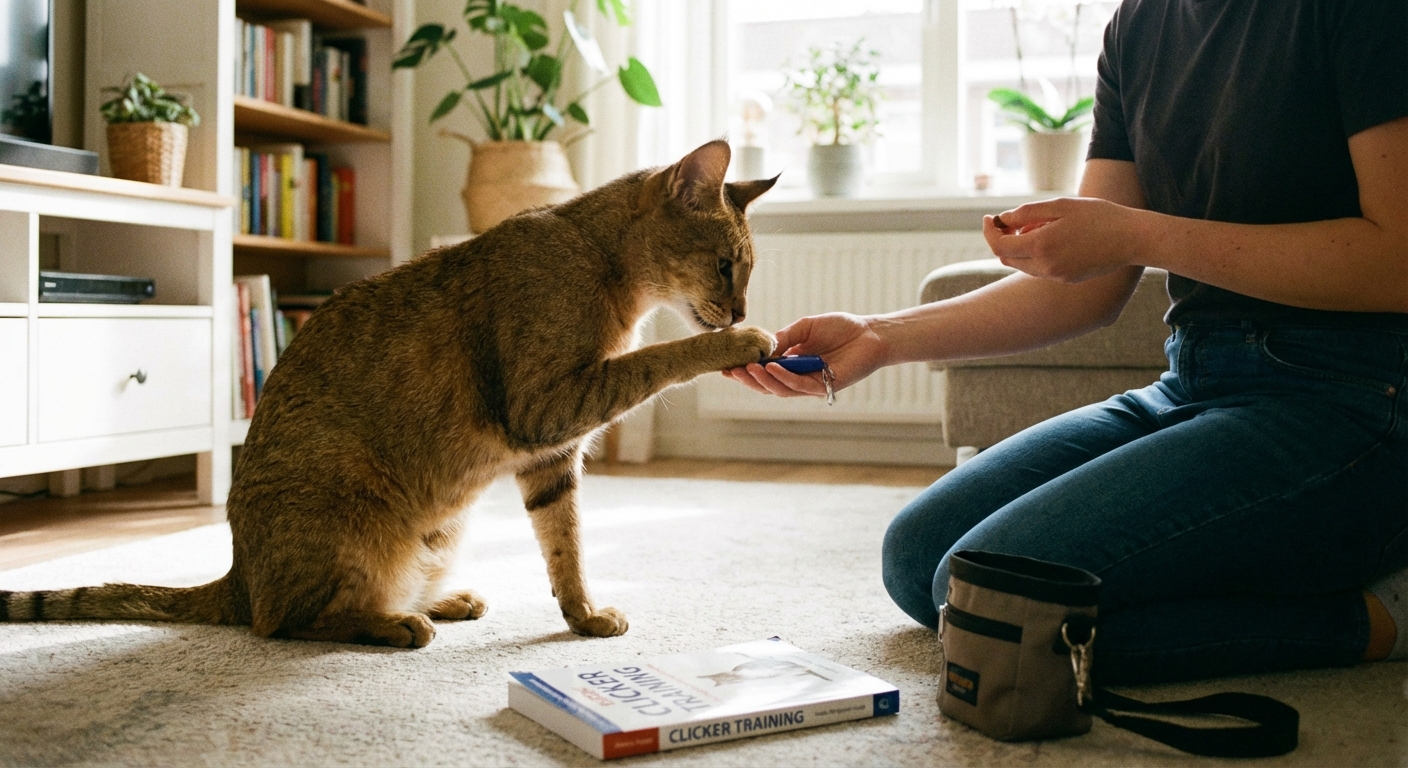
- Keep sessions short, 2 to 5 minutes
- Reward calm behavior, not just high-energy antics
- Offer acceptable outlets for climbing and scratching
- Use puzzle toys on busy days to prevent boredom
Breeder or rescue
Because Chausies are specialized, choosing an ethical source is essential. Look for transparency, health records, and kittens raised with thoughtful socialization.
- Ask about generation, temperament, and typical adult size and activity level
- Request veterinary records and any screening performed
- Confirm the kitten has been well socialized to handling, household sounds, and routine care
- Look for a contract that prioritizes the cat’s welfare and offers support after adoption
If adopting, ask the rescue about behavior in foster care and what enrichment the cat is used to. A good match is about fit, not perfection.
Cost and planning
Chausies are not a bargain breed. Purchase price varies widely by location, pedigree, and availability, and ongoing costs can be higher than average because these cats burn through enrichment.
- Upfront: Expect pricing to reflect a rare breed, plus initial vet care and supplies
- Ongoing: Budget for high-quality food, puzzle feeders, sturdy cat trees, and toy replacement
- Time: The daily “cost” is attention, play, and training, not just money
Daily routine checklist
If you are considering bringing home a Chausie, this simple routine helps keep them grounded and content:
- Morning: Feed, scoop litter, 10 to 15 minutes of interactive play
- Midday: Puzzle feeder or foraging toy, window perch time
- Evening: Another play session, grooming touch points, calm wind down
- Weekly: Brush coat, nail check, rotate toys
Small, consistent habits compound into remarkable results over time, for your cat’s behavior and for your relationship together.
Final thoughts
The Chausie is a striking, intelligent cat with the stamina and curiosity to keep life interesting. With the right environment and daily engagement, they can be affectionate, loyal companions who truly feel like a teammate in your home. If you are drawn to their look, make sure you are equally excited about their lifestyle needs, because that is where Chausie ownership becomes deeply rewarding.
Note: This article is for educational purposes and is not veterinary advice. For personalized guidance, consult your veterinarian.