Vomiting or diarrhea can be scary. Learn common causes, vet red flags, and safe at-home steps like hydration and bland meals—plus what not to do and when t...
Article
•
Designer Mixes
Cerenia Side Effects in Dogs

Shari Shidate
Designer Mixes contributor
If your dog has ever dealt with vomiting, motion sickness, or nausea after surgery, your veterinarian may have mentioned Cerenia. As a veterinary assistant here in Frisco, Texas, I have seen how much relief it can bring. I have also seen how worried pet parents get when their dog seems sleepy, drooly, or not quite themselves afterward.
This article walks you through what pet parents commonly see at home after Cerenia, what’s considered normal, what is not, and how to keep your pup safe and comfortable.
What Cerenia is and why vets use it
Cerenia is the brand name for maropitant citrate, an anti-nausea and anti-vomiting medication. It works by blocking substance P at NK1 receptors in the body’s vomiting pathways, including the brain. In plain language, it helps stop the body’s vomit signal.
Common reasons Cerenia is prescribed
- Acute vomiting from gastritis, pancreatitis (as part of a bigger plan), dietary indiscretion, and other causes.
- Motion sickness for car rides, flights, or travel days.
- Post-op nausea and vomiting after anesthesia.
It comes as an injectable (often given in-clinic) and an oral tablet (given at home). Side effects can differ a bit depending on the route.
Most common side effects
Many dogs do great on Cerenia. When side effects happen, they are usually mild and temporary. Here are the ones pet parents most often report.
Sleepiness or low energy
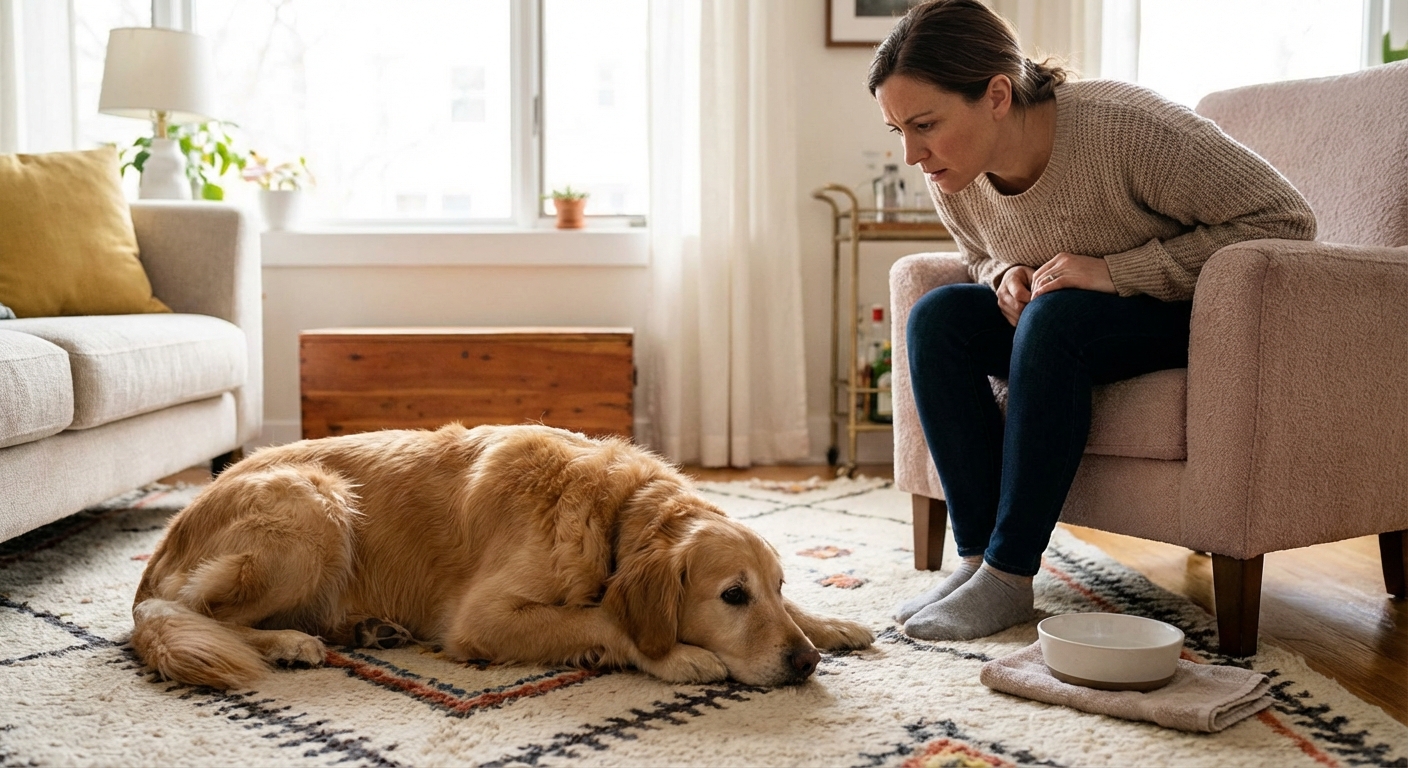
A quieter, more tired dog for the rest of the day can happen, especially if your dog was already nauseated or just had surgery. If your dog is comfortable, drinking, and can be roused easily, this is often not an emergency. Still, let your vet know if it feels extreme or lasts longer than expected.
Drooling or lip-smacking
Sometimes nausea itself causes drooling, and sometimes dogs drool because they dislike the taste of tablets. Either way, mild drooling that improves after the dose is fairly common.
Diarrhea or soft stool
GI upset can happen with many medications, and Cerenia is no exception. You may notice:
- Softer stool for a bowel movement or two
- Mildly increased frequency
- A small amount of mucus with mild GI irritation
If you see blood, black tarry stool, repeated watery diarrhea, or your dog becomes weak or dehydrated, call your vet promptly.
Decreased appetite
This one can be confusing because many dogs start Cerenia due to nausea and appetite loss. If vomiting stops but your dog still refuses food for more than a day, it’s a sign your vet should recheck the underlying issue.
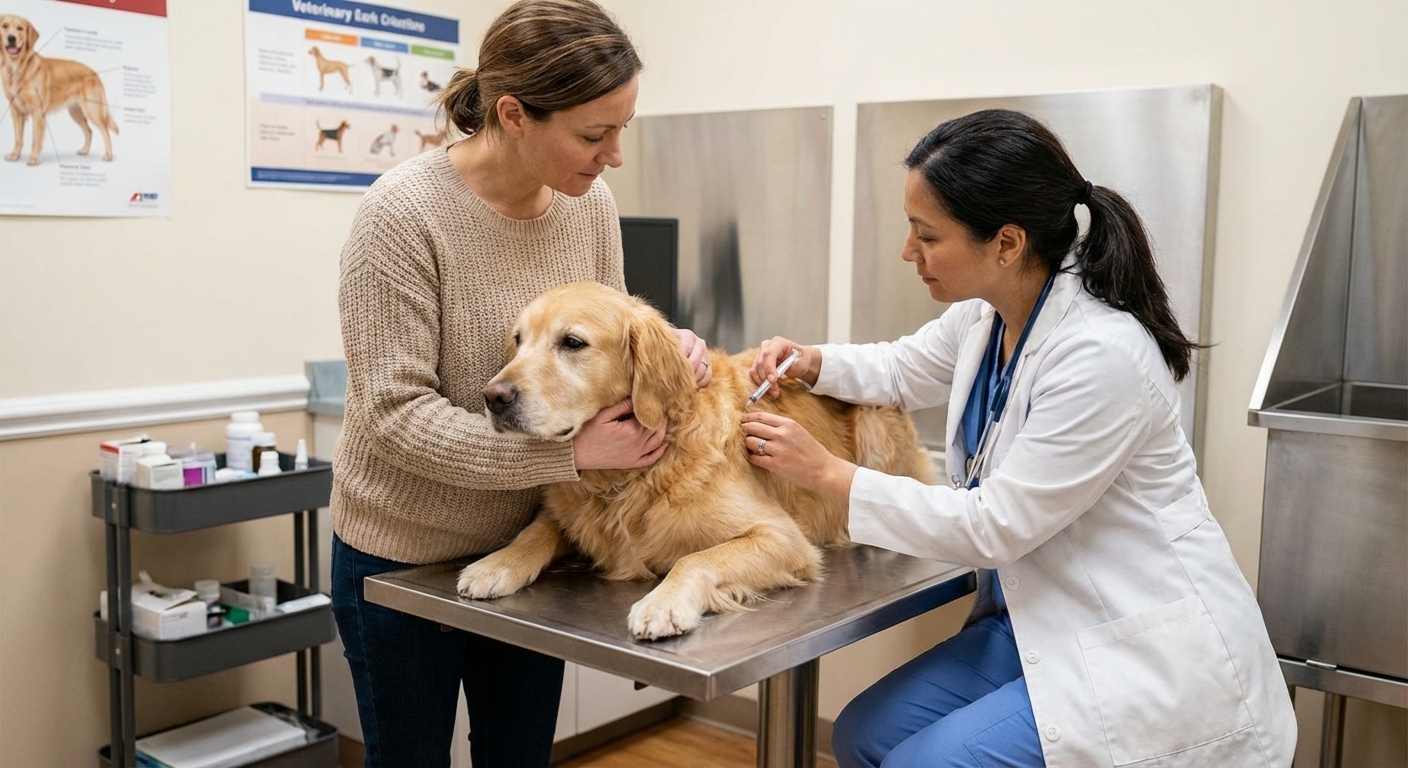
Pain at the injection site
The injectable form can sting. Dogs may yelp, flinch, or seem sore. Many clinics refrigerate the injection to reduce discomfort, but some sensitivity can still occur. Mild swelling can happen too. If you notice a firm lump that grows, heat, drainage, or soreness that does not improve, check in with your clinic.
Less common but important
These are not the typical mild and expected reactions, but they do occur in some dogs.
Allergic reaction
True allergic reactions are uncommon, but they can be serious. Seek emergency care if you notice:
- Facial swelling, hives, or sudden intense itching
- Vomiting that worsens quickly after dosing
- Difficulty breathing, pale gums, collapse
Wobbly walking or tremors
A small number of dogs may seem unsteady, shaky, or unusually weak. If you see incoordination, tremors, or anything that looks neurological, call your veterinarian before giving the next dose.
Behavior changes
Some pet parents describe restlessness, whining, or seeming off. If this happens, contact your veterinarian before the next dose. Your vet may adjust the plan or look for another cause of discomfort.
Continued vomiting despite Cerenia
Cerenia is excellent at controlling vomiting, but it is not a cure for what’s causing the vomiting. Continued vomiting can suggest:
- Foreign body or obstruction
- Pancreatitis
- Parvovirus (especially in puppies)
- Toxin exposure
- Kidney or liver disease
If vomiting continues, gets worse, or your dog cannot keep water down, your dog needs veterinary attention right away.
Red flags: call the vet now
I always tell pet parents: trust your gut. If your dog looks truly unwell, don’t wait. Call your vet or an emergency clinic right away for:
- Repeated vomiting or retching, or vomiting plus a painful belly
- Weakness, collapse, or severe lethargy (hard to wake)
- Pale or blue-tinged gums
- Swollen face, hives, or breathing changes
- Bloody diarrhea, black stool, or signs of dehydration (tacky gums, sunken eyes)
- Puppies, seniors, or dogs with chronic conditions getting worse quickly
- Any chance your dog swallowed a toy, bone, sock, corn cob, string, or got into a toxin
Important: Do not use Cerenia to cover up ongoing vomiting at home. Stopping vomiting can make you feel better, but your dog may still have a serious underlying problem like an obstruction or toxin exposure.
Cerenia safety basics
Age guidelines
Age matters, and the approved ages depend on why you are using it and which form you have.
- Vomiting: FDA-approved for dogs 8 weeks and older (commonly the injectable form in clinic).
- Motion sickness: FDA-approved for dogs 16 weeks and older (tablets).
- Tablets for vomiting: commonly used in dogs 16 weeks and older per product labeling.
If your veterinarian recommends a plan outside label directions for your individual dog, ask them to explain the why and what to monitor. That clarity helps everyone.
Liver disease and other conditions
Cerenia is processed by the liver. Dogs with liver disease may need extra caution, monitoring, or dosing adjustments. Tell your vet if your dog has known liver issues or is on long-term medications.
Drug interactions
Always share a current medication and supplement list with your vet. The label notes caution when combining Cerenia with other highly protein-bound medications. Your veterinarian will decide what is safe together for your dog.
Pregnant or nursing dogs
Use in pregnant or lactating dogs should be directed by a veterinarian after weighing benefits and risks.
Dogs only
This article is focused on dogs. Cats can receive maropitant too, but dosing and guidance are different, so follow your veterinarian’s instructions for your specific pet.
How to reduce side effects
Here are practical, vet-approved tips that often make Cerenia easier on dogs and less stressful for you.
For tablets: give a small amount of food
For motion sickness, many veterinarians recommend giving Cerenia about 2 hours before travel. The key detail is this: per manufacturer guidance, giving tablets on a completely empty stomach can trigger vomiting in some dogs due to local stomach irritation. A small snack is often recommended to help prevent that. Try to avoid a large, heavy meal right before the car ride.
If your dog vomits after dosing, call your clinic and ask what to do before the next dose. Timing, food amount, and even the formulation can matter.
Keep a simple symptom log
- Time given and dose
- Any vomiting, diarrhea, drooling, or sleepiness
- Appetite and water intake
- Energy level
This helps your vet quickly decide whether this is a normal adjustment or a reason to change course.
Hydration and bland support if your vet approves
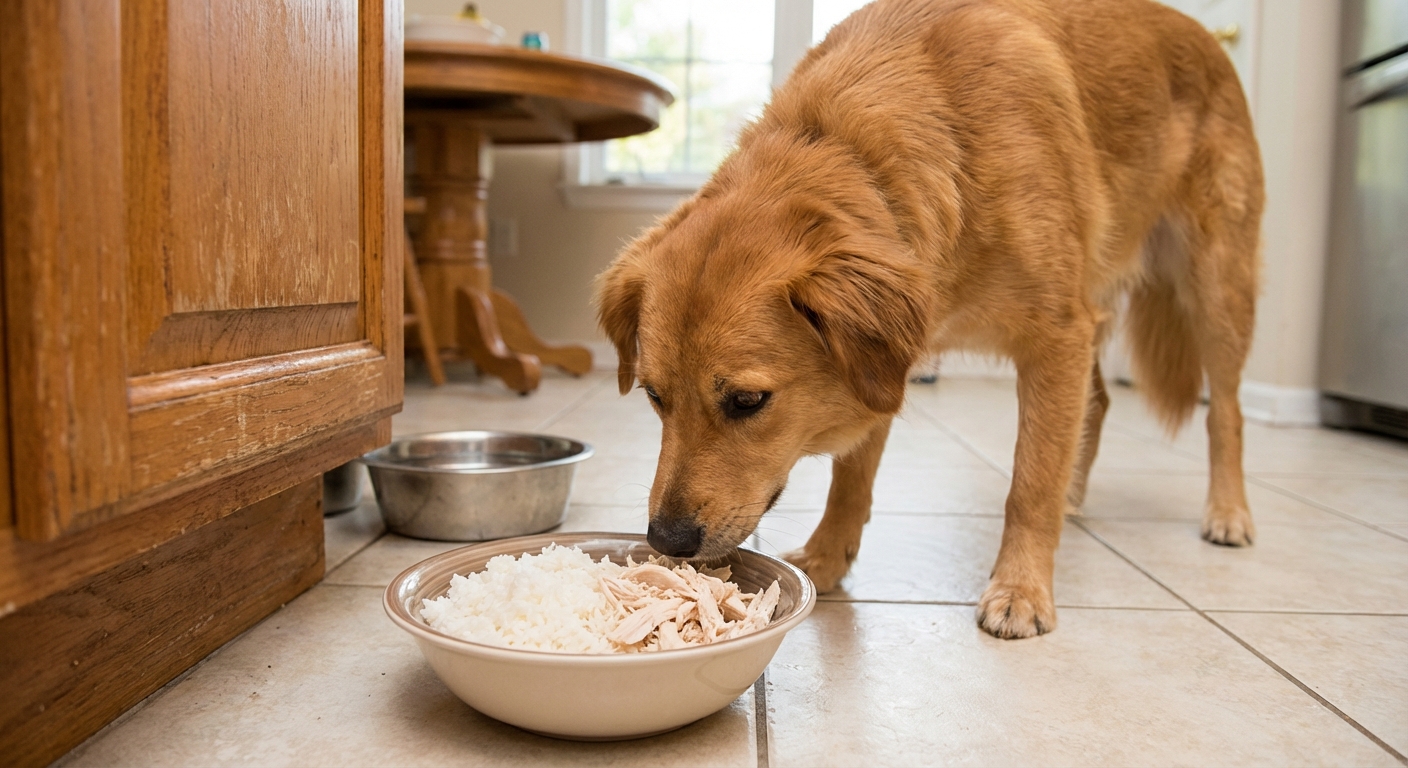
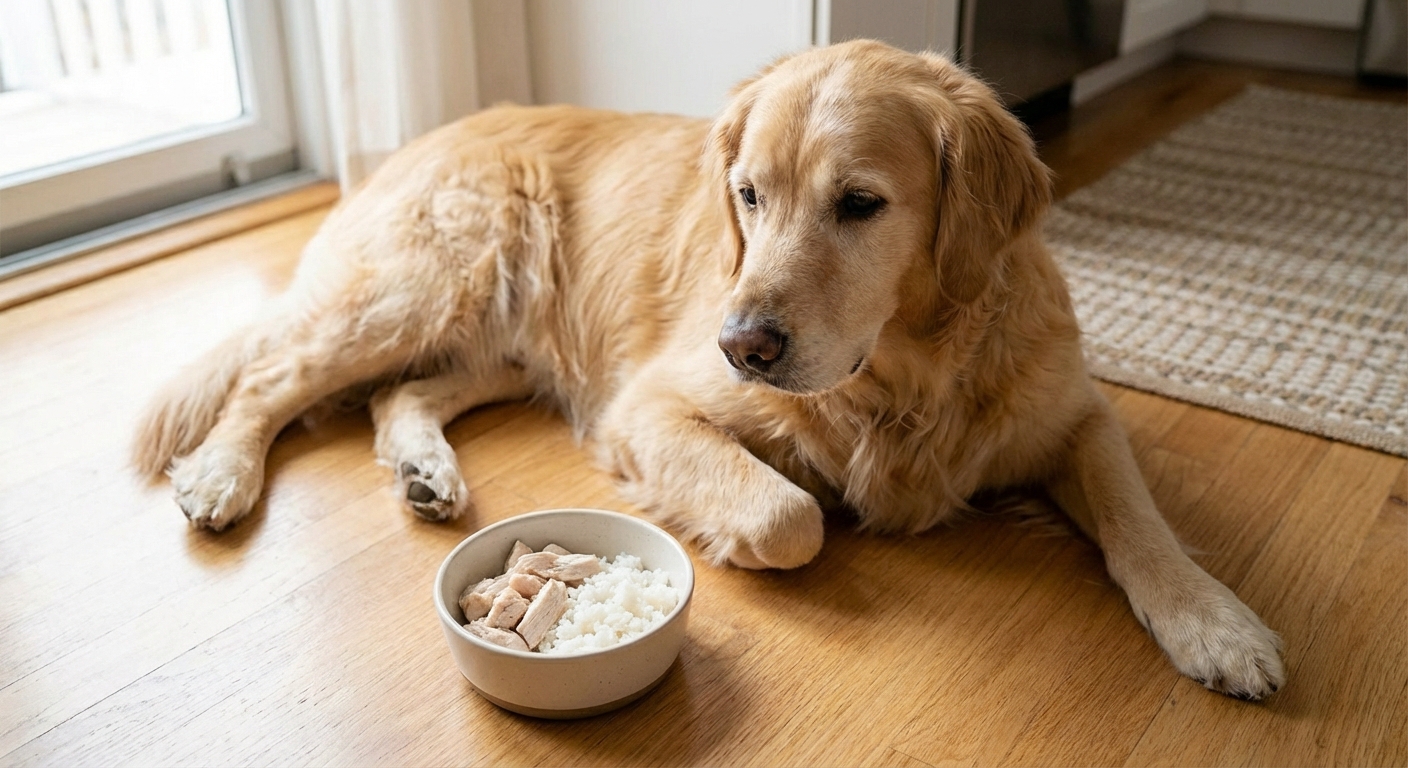
If your vet says it’s safe, small frequent sips of water and a bland diet plan can reduce GI stress. Avoid rich treats or sudden diet changes while your dog’s stomach is settling.
FAQ
How long do side effects last?
Mild sleepiness or soft stool often resolves within a day. If your dog is still off after 24 to 48 hours, or symptoms worsen, contact your veterinarian.
Can Cerenia cause diarrhea?
Yes, it can in some dogs. It is usually mild. Severe or persistent diarrhea needs a vet check, especially if your dog is small, old, or already dehydrated.
Is Cerenia safe for car sickness?
For many dogs, yes, when used exactly as directed by a veterinarian and the product label. If your dog has frequent motion sickness, your vet can also recommend travel strategies like ventilation, crate positioning, and pre-travel meal timing.
My dog stopped vomiting but still won’t eat. Is that normal?
Sometimes nausea improves first, appetite follows later. But if your dog refuses food for more than a day, seems painful, or is acting worse, your vet should reassess the underlying cause.
The bottom line
Cerenia is a powerful tool for nausea and vomiting, and for many dogs it works beautifully with minimal side effects. The key is knowing what’s expected (sleepiness, mild GI changes, injection soreness) versus what is a true warning sign (allergic reaction, collapse, ongoing vomiting, dehydration).
If you are ever unsure, call your vet. You are not bothering anyone. You are advocating for the dog who cannot explain how they feel, and that matters.
References
- FDA, Freedom of Information Summary: NADA 141-263, Maropitant citrate (Cerenia) for dogs.
- Cerenia (maropitant citrate) prescribing information, Zoetis.
- Merck Veterinary Manual: Overview of Vomiting in Small Animals.