Worried about a vomiting dog? Learn when vomiting is an emergency, how to offer small sips safely, and the best bland foods (chicken/rice, turkey, pumpkin, e...
Article
•
Designer Mixes
Cerenia for Dogs

Shari Shidate
Designer Mixes contributor
Cerenia is one of those medications many of us in vet clinics reach for when a dog is miserable from nausea or vomiting. It can be a game-changer for car travel, acute gastroenteritis, and even post-surgery nausea. But because it is a prescription drug, it is important to use it correctly for your dog’s age, size, and health history, and to make sure vomiting is not a sign of something more serious.

Quick safety note for skimmers: If vomiting is repeated, bloody, paired with lethargy or pain, your dog cannot keep water down, or you suspect a toxin or foreign object, contact a veterinarian urgently.
Below is a detailed, evidence-based guide to Cerenia for dogs of all ages, plus practical tips I share with pet parents every week.
What it treats
Cerenia is the brand name for maropitant citrate, a prescription anti-nausea and anti-vomiting medication for dogs. It works by blocking a key vomiting signal in the brain called Substance P at the neurokinin-1 (NK1) receptor.
Veterinarians commonly prescribe Cerenia for:
- Motion sickness (car rides, flights)
- Acute vomiting from stomach upset, dietary indiscretion, gastroenteritis
- Nausea support with pancreatitis, kidney disease, liver disease, and other systemic illnesses (as part of a bigger plan)
- Post-operative nausea
- Adjunct support during some chemotherapy protocols
One important note: Cerenia helps control vomiting, but it does not cure the underlying cause. If your dog is vomiting repeatedly, your vet still needs to look for what is driving it.
Signs of nausea
Dogs do not always vomit when they feel nauseated. Common nausea clues I ask pet parents about include:
- Drooling, lip-licking, frequent swallowing
- Yawning, restlessness, pacing
- Hiding, seeming withdrawn, or “not themselves”
- Decreased appetite or refusing treats they normally love
These signs matter, especially for car travel plans and for chronic diseases where nausea can quietly reduce appetite and hydration.
Tablets vs injection
Oral tablets
Cerenia tablets are often used for motion sickness prevention and at-home treatment plans for vomiting and nausea.
- Motion sickness: typically given at least 2 hours before travel
- Vomiting control: usually once daily for a short course, depending on your vet’s instructions
Food guidance can vary by dog and by goal. For motion sickness, many vets recommend giving it with a very small snack or a light meal to help reduce stomach upset, while still avoiding a large, heavy meal right before the trip. Follow your prescription label and your veterinarian’s instructions.
Injectable Cerenia
The injectable form is commonly given in the clinic for faster, reliable relief and when a dog cannot keep oral meds down. It is also used around surgery.
The injection can sting for some dogs. This is a known issue, and clinics often reduce discomfort by using refrigerated product and good injection technique.

Whether a dog gets tablets, injection, or both depends on the situation and your vet’s exam findings.
Age guidance
Puppies
Puppies get dehydrated fast, so vomiting in a young dog is always something to take seriously. Cerenia can be used in puppies, but age matters.
- For vomiting control: labeled in the U.S. (FDA) for puppies 8 weeks and older.
- For motion sickness: labeled in the U.S. (FDA) for puppies 16 weeks and older.
Why the 8-week cutoff matters: maropitant has a precaution for very young puppies because of a higher risk of bone marrow hypoplasia in puppies under 8 weeks. If a puppy under 8 weeks is vomiting, it is usually not a “wait and see” situation. Call your veterinarian right away.
Adult dogs
For healthy adult dogs, Cerenia is often well tolerated and very effective. That said, vomiting can be a symptom of many issues ranging from mild to urgent. Contact your vet promptly if vomiting is:
- Repeated (more than once or twice in a day)
- Paired with diarrhea, lethargy, abdominal pain, or refusal to drink
- Bloody or looks like coffee grounds
- Associated with possible toxin exposure, bones, toys, socks, or other foreign material
Senior dogs
Senior dogs can absolutely use Cerenia, and it can improve quality of life when nausea is present. The bigger concern is why the nausea is happening. Older dogs are more likely to have conditions like kidney disease, liver disease, pancreatitis, endocrine disease, or cancer.
Your vet may recommend bloodwork, urine testing, or imaging rather than relying on repeated anti-nausea refills. It can feel like “extra,” but it is often how we catch problems early and keep seniors comfortable longer.
How fast it works
Many dogs start to feel relief within a few hours. A single dose is typically designed to provide about 24 hours of anti-vomiting effect, though every dog and every situation is different.
If your dog vomits again after a dose, do not automatically re-dose. Call your vet for next steps so you do not accidentally stack medications or miss a serious cause.
Dosing basics
Cerenia is dosed by body weight, and the dose differs depending on whether it is used for motion sickness or vomiting control. Most dogs receive it once daily when it is prescribed, and many vomiting cases involve a short course (often a few days) unless your vet directs otherwise.
Your dog’s dose can also change based on:
- Age and growth (especially in puppies)
- Liver health, since the medication is metabolized by the liver
- Other medications your dog is taking
- Current hydration status and overall stability
Because of those variables, it is not a medication I recommend sharing between pets or using leftover tablets without your veterinarian’s direction.
When not to use leftovers
I know it is tempting to grab a tablet from a previous prescription, especially before a trip. Please call your vet first if:
- This is a new vomiting episode, or symptoms look different than last time
- Your dog might have eaten a toy, bone, string, sock, or trash
- Your dog is very young, very small, pregnant, nursing, or medically fragile
- Your dog is dehydrated or cannot keep water down
- The prescription is old, expired, or was for a different pet or a different condition
Side effects
Most dogs do well on Cerenia, but side effects can happen. The most commonly reported include:
- Drooling (especially if the tablet tastes bitter or the dog is nauseated)
- Lethargy or being a bit quieter than usual
- Decreased appetite
- Diarrhea or softer stool in some dogs
- Injection site discomfort with the injectable form
Call your veterinarian if side effects feel intense, if your dog seems painful, or if vomiting continues despite treatment.
Urgent warning signs
Seek veterinary help urgently if you notice:
- Swelling of the face, hives, trouble breathing (possible allergic reaction)
- Severe weakness or collapse
- Repeated vomiting with inability to keep water down
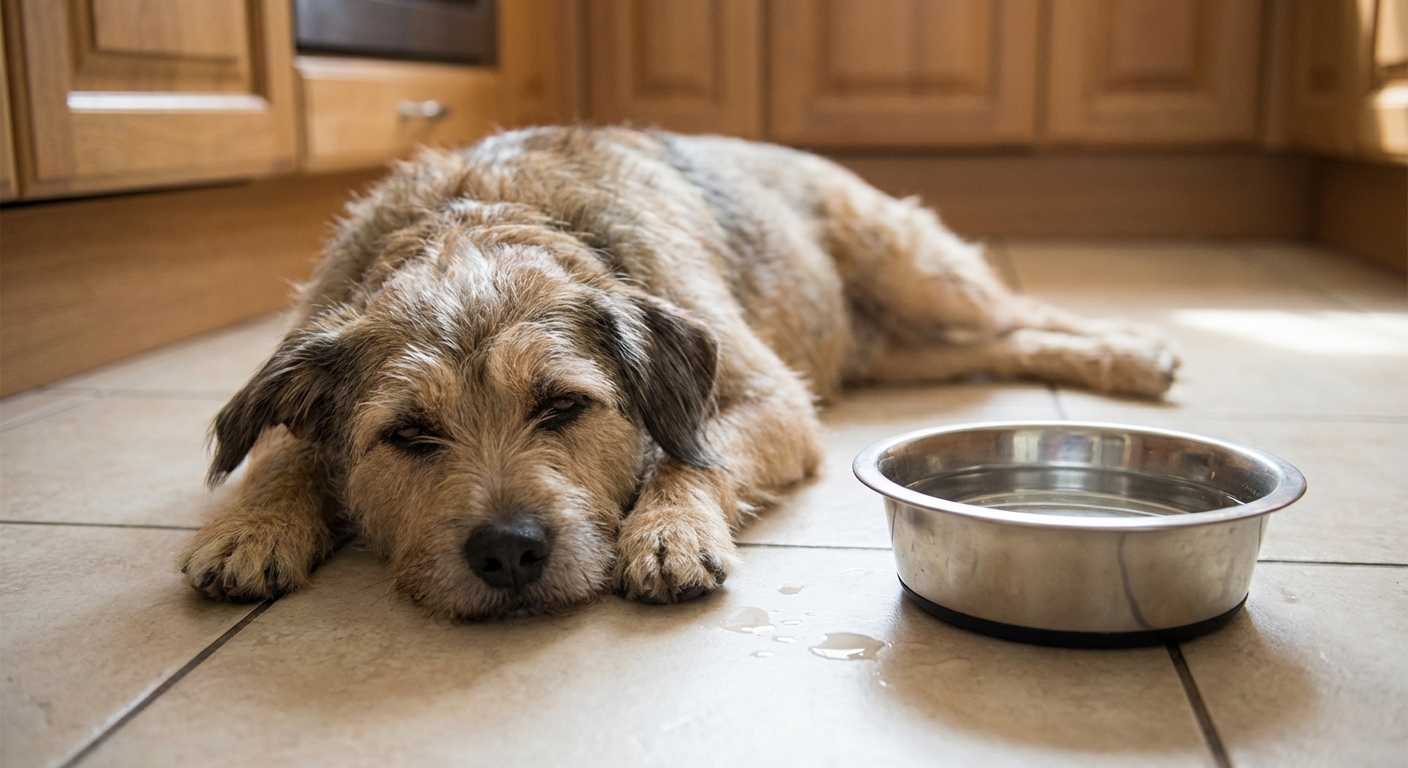
- Signs of dehydration (tacky gums, sunken eyes, very low energy)
- Distended abdomen, repeated unproductive retching, or extreme restlessness (possible bloat, especially in large breeds)
- Dark tarry stool, vomit with blood, or material that looks like coffee grounds
Also call right away if you suspect your dog ate a toxin, a foreign object, or medication not prescribed to them.
Cautions and interactions
Before your dog takes Cerenia, your veterinarian should know about:
- Liver disease or abnormal liver values (extra caution is needed in severe hepatic dysfunction)
- Seizure history (not always a contraindication, but important context)
- Pregnancy or nursing (safety is not fully established, so use is typically based on a risk-benefit decision)
- Any current medications or supplements
Interaction note, in plain language: maropitant is processed by the liver and is highly protein-bound, so your vet will be cautious when combining it with other drugs that are also heavily protein-bound or significantly hepatically metabolized. Rather than guessing at home, bring a complete medication and supplement list so your veterinarian can make a safe plan.
Another important caution: anti-vomiting medications can sometimes mask the severity of conditions like gastrointestinal obstruction. If there is any chance your dog ate something they should not have, your vet may recommend imaging instead of simply suppressing vomiting.
Motion sickness tips
Cerenia can reduce vomiting from car sickness, but a complete plan often works best. Here are clinic-tested tips:
- Time it right: give it at least 2 hours before travel (and do not exceed the prescribed frequency, typically once daily).
- Keep trips calm: cool air, minimal strong scents, smooth driving.
- Use a secure setup: crash-tested harness or secured carrier can reduce anxiety and stabilize the body.
- Practice short, positive rides: quick drives that end somewhere pleasant can retrain the brain over time.
- Ask about anxiety support: some dogs need both anti-nausea and anti-anxiety help to truly improve.
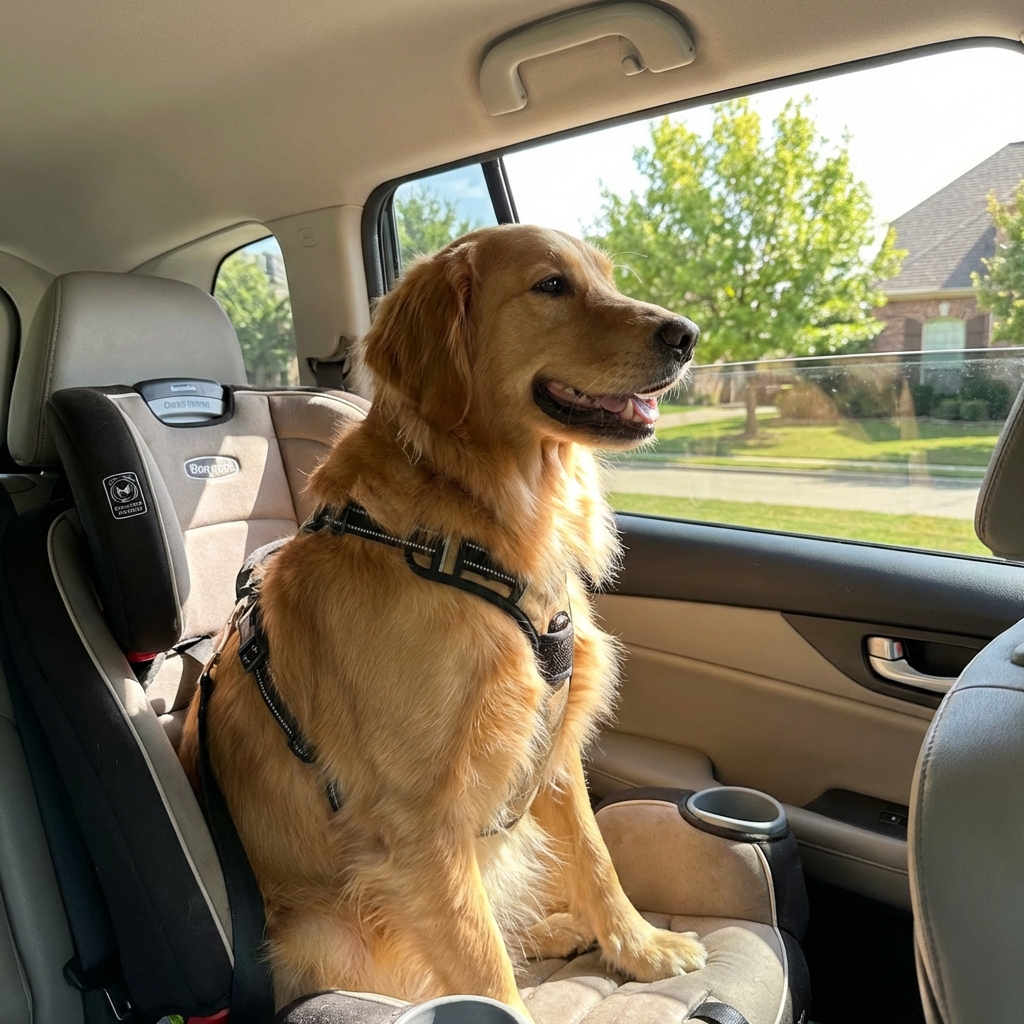
If your dog is drooling, lip-licking, yawning, or pacing in the car, that can be nausea or stress, or both. Tell your vet what you observe so the plan fits your dog.
Combining nausea meds
In some cases, vets combine Cerenia with other supportive medications such as antacids, gastrointestinal protectants, or appetite support. This is especially common with pancreatitis, kidney disease, and significant gastroenteritis.
Do not add over-the-counter nausea remedies without checking with your veterinarian. Some human products are unsafe for dogs, and others can hide important symptoms.
If it stops working
If Cerenia worked before but is not helping now, that is a clue, not a failure. Possible reasons include:
- The underlying condition has changed (foreign body, pancreatitis flare, infection, metabolic issue)
- Dehydration is worsening
- Vomiting is due to a cause that needs different treatment
- Dose timing was off or the tablet was vomited back up
Contact your veterinarian. Your dog may need fluids, diagnostics, diet changes, or a different medication plan.
Home care
When your veterinarian has ruled out emergencies and your dog is being treated at home, these supportive steps can help:
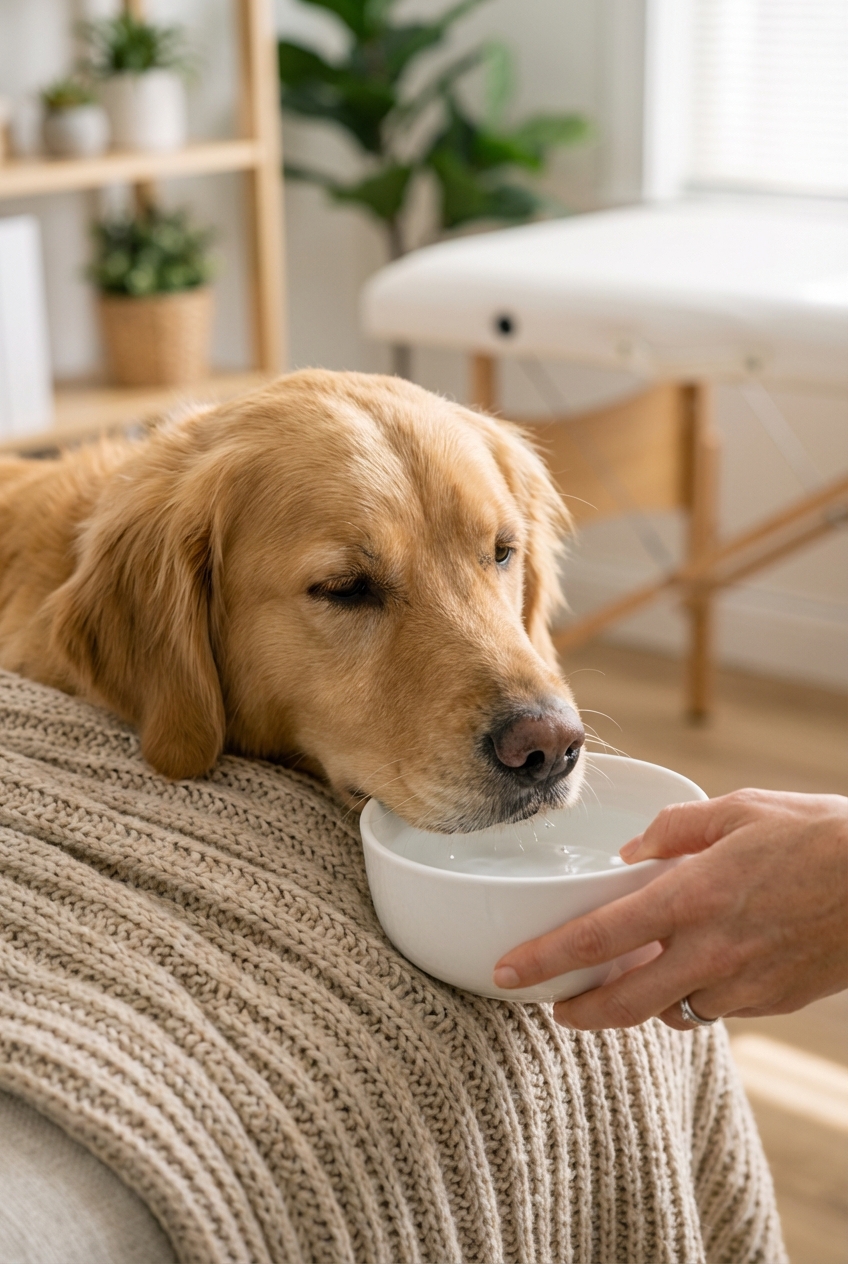
- Hydration first: offer small amounts of water frequently. If water triggers vomiting, call your vet.
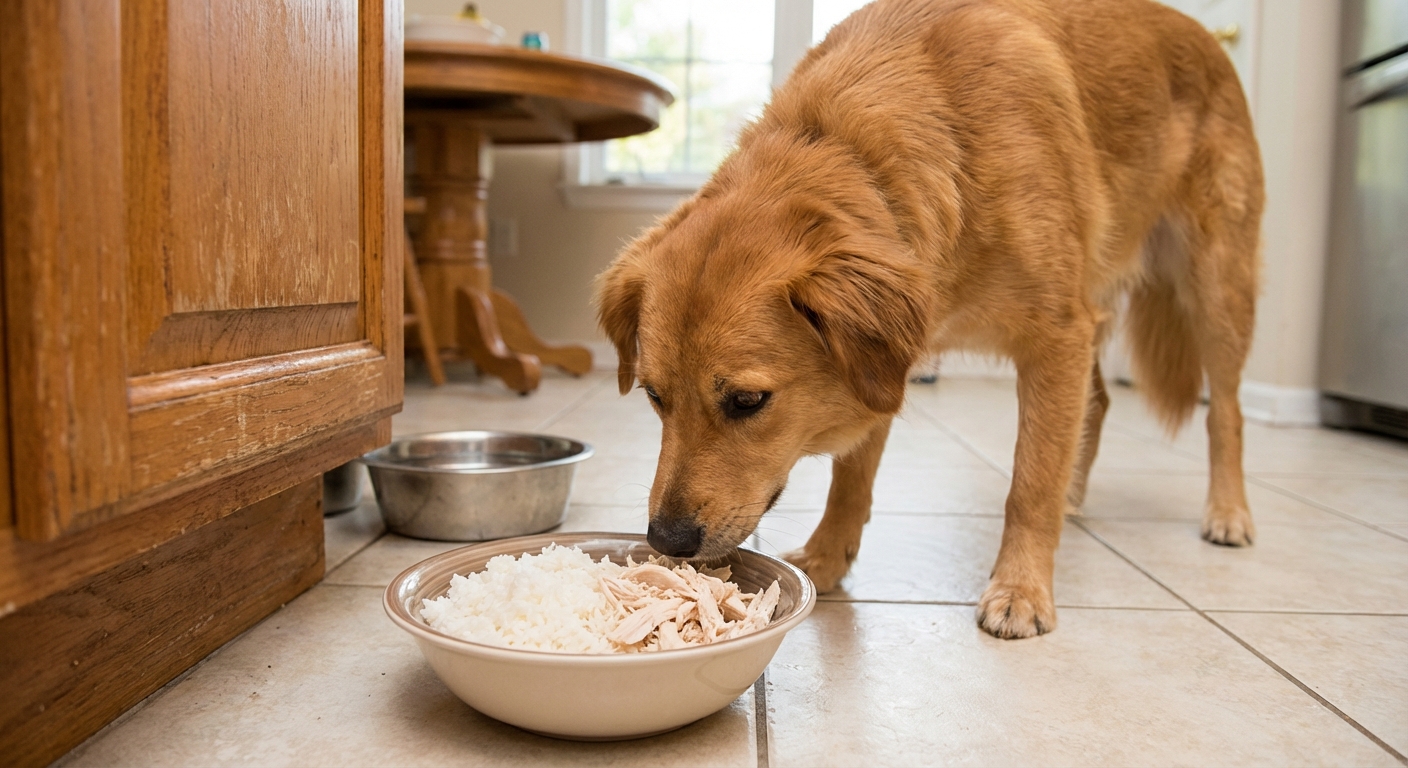
- Bland, vet-approved diet: many dogs do well on a short-term bland diet, but the best choice depends on the cause. Follow your vet’s recommendation.
- Small portions: tiny meals can be easier on an irritated stomach.
- Track symptoms: note vomiting times, stool quality, appetite, energy, and any new foods or chews.
If vomiting returns, or your dog becomes lethargic, painful, or refuses water, update your vet promptly.
FAQ
Can it be given with food?
Often yes. For motion sickness, many vets recommend a light meal or small snack, while avoiding a heavy meal right before travel. Always follow the instructions on your prescription label.
What if my dog has diarrhea too?
Sometimes it is still appropriate, but diarrhea plus vomiting increases dehydration risk. Call your vet so they can decide if your dog needs fluids, a fecal test, or additional medications.
Is it okay for every car ride?
Many dogs use it for travel. If your dog needs it constantly, ask your vet about a longer-term motion sickness and anxiety plan. Training, setup changes, and behavioral support can reduce reliance on medication over time.
What if my dog vomits right after the tablet?
Do not automatically give another dose. Call your veterinarian for advice, because timing matters and re-dosing can be unsafe in some situations.
Bottom line
Cerenia is a trusted, veterinarian-approved option for nausea and vomiting in dogs, from puppies to seniors, when used at the right dose for the right reason. The safest approach is to treat vomiting as a symptom worth investigating, not something to simply suppress.
If you are unsure whether Cerenia is appropriate for your dog’s age or condition, call your veterinarian and describe what you are seeing. Your observations at home are often the key to getting your dog comfortable quickly and safely.
Label note: Age guidance referenced above reflects the U.S. FDA-approved labeling for Cerenia (maropitant). Recommendations and labeling can vary by country and by formulation, so always follow your veterinarian’s directions and your prescription label.