Understand what to expect after Cerenia: sleepiness, drooling, diarrhea, appetite changes, and injection soreness—plus urgent red flags like allergic react...
Article
•
Designer Mixes
Cerenia for Dogs

Shari Shidate
Designer Mixes contributor
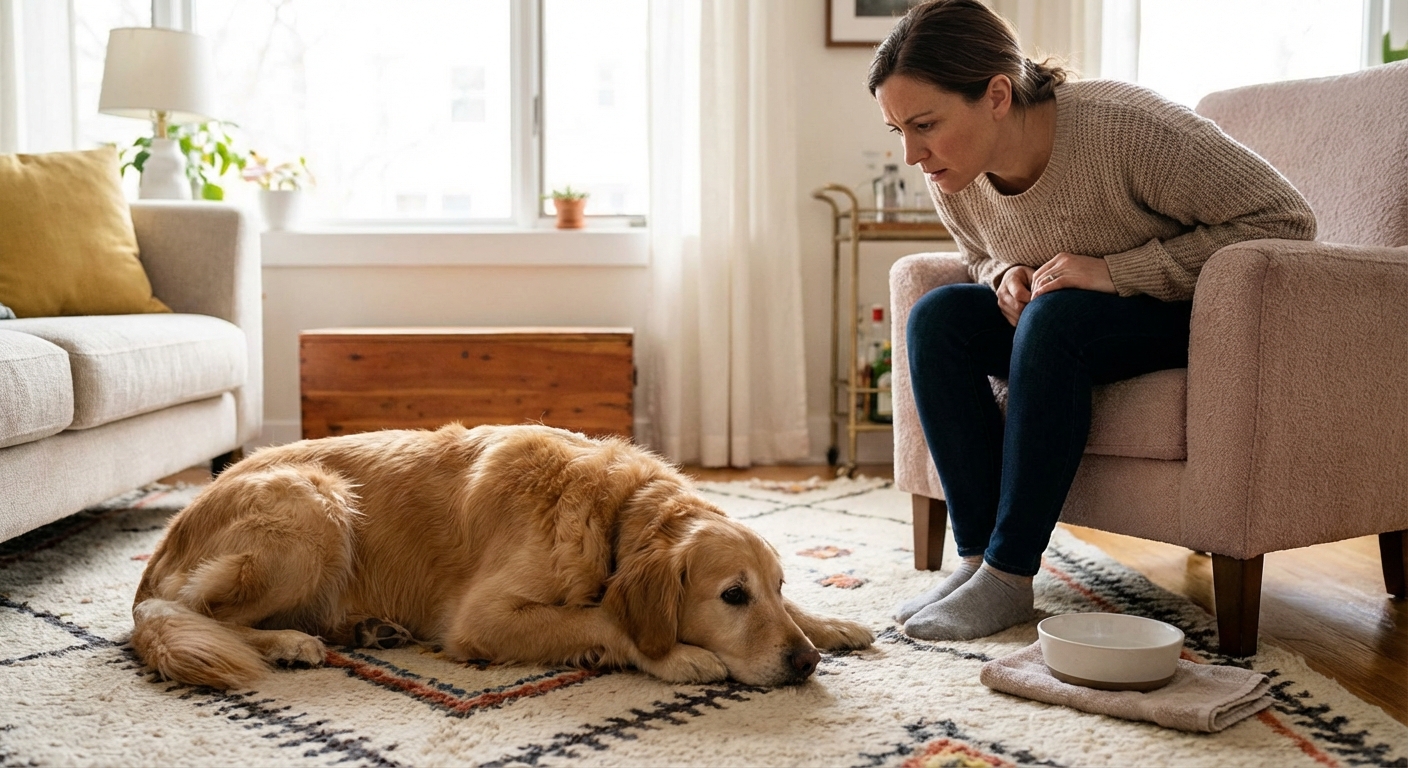
Watching your dog vomit is stressful for everyone. It can feel sudden and scary, especially if it happens in the car, at night, or right after starting a new medication. The good news is that we have a very effective veterinary medication for nausea and vomiting in dogs called Cerenia (maropitant citrate). When used correctly and for the right reason, it can make a meaningful difference in comfort, hydration, and recovery.
Quick note: This article is general education and not a substitute for an exam. If you are worried about your dog’s symptoms, contact your veterinary clinic or an emergency hospital.
What Cerenia is
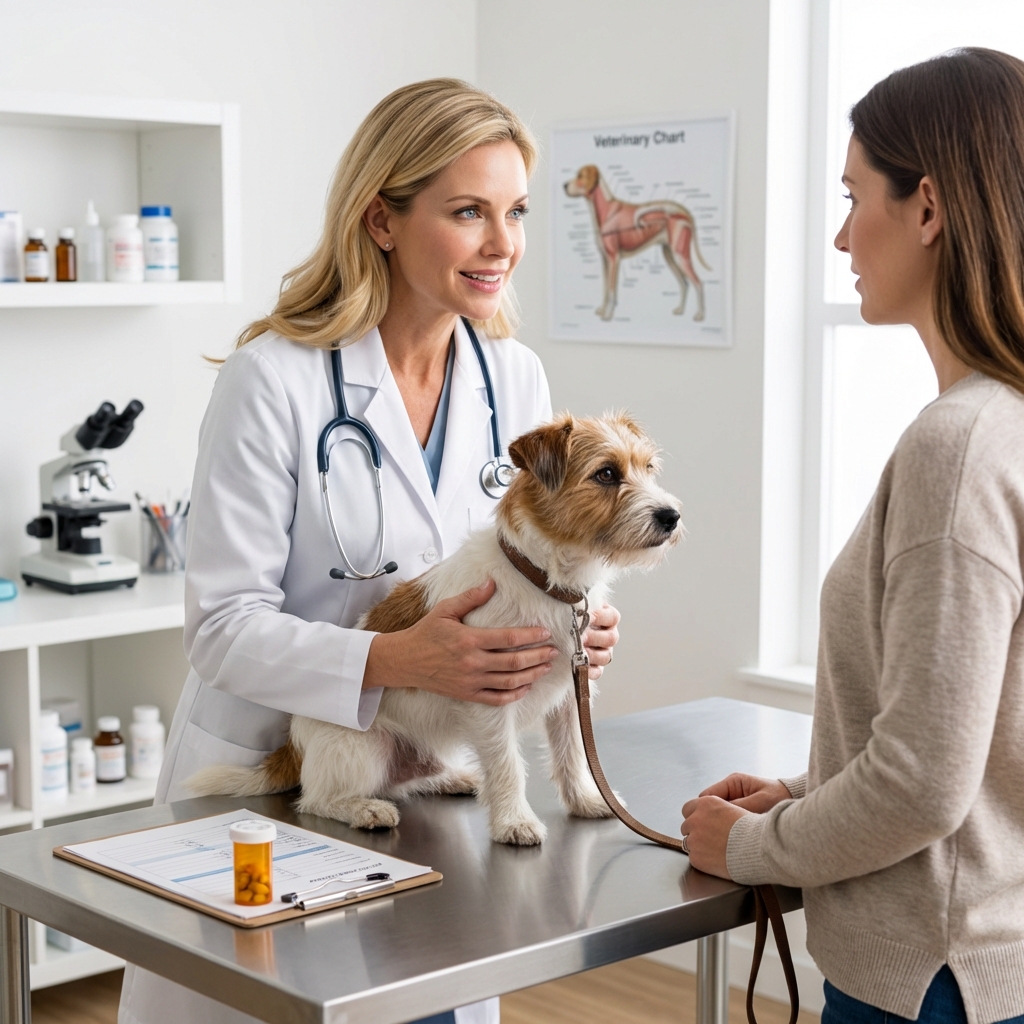
Cerenia is a prescription anti-nausea and anti-vomiting medication for dogs. It is also used in cats, but in the US this is typically extra-label use, meaning it is used under a veterinarian’s direction rather than being FDA-approved for cats.
It works by blocking a key pathway in the body that triggers vomiting, specifically the neurokinin-1 (NK1) receptor and a substance called substance P that helps transmit the “vomit” signal.
In plain language: Cerenia helps quiet the body’s urge to vomit, which often helps dogs feel well enough to rest, drink, and keep down food while the underlying problem is being addressed.
What it treats
Cerenia is commonly prescribed for:
- Acute vomiting from many causes (dietary indiscretion, gastroenteritis, medication-related nausea, and more)
- Motion sickness during car travel
- Nausea support during certain illnesses or treatments, as directed by your veterinarian
It is important to know what Cerenia does not do: it does not cure the underlying cause of vomiting. Vomiting can be caused by anything from eating something greasy to pancreatitis, intestinal parasites, toxin exposure, Addison’s disease, or a foreign body obstruction.
Cerenia can be a helpful tool, but your vet still needs to identify why your dog is vomiting, especially if it is severe, persistent, or paired with lethargy or abdominal pain.
Motion sickness
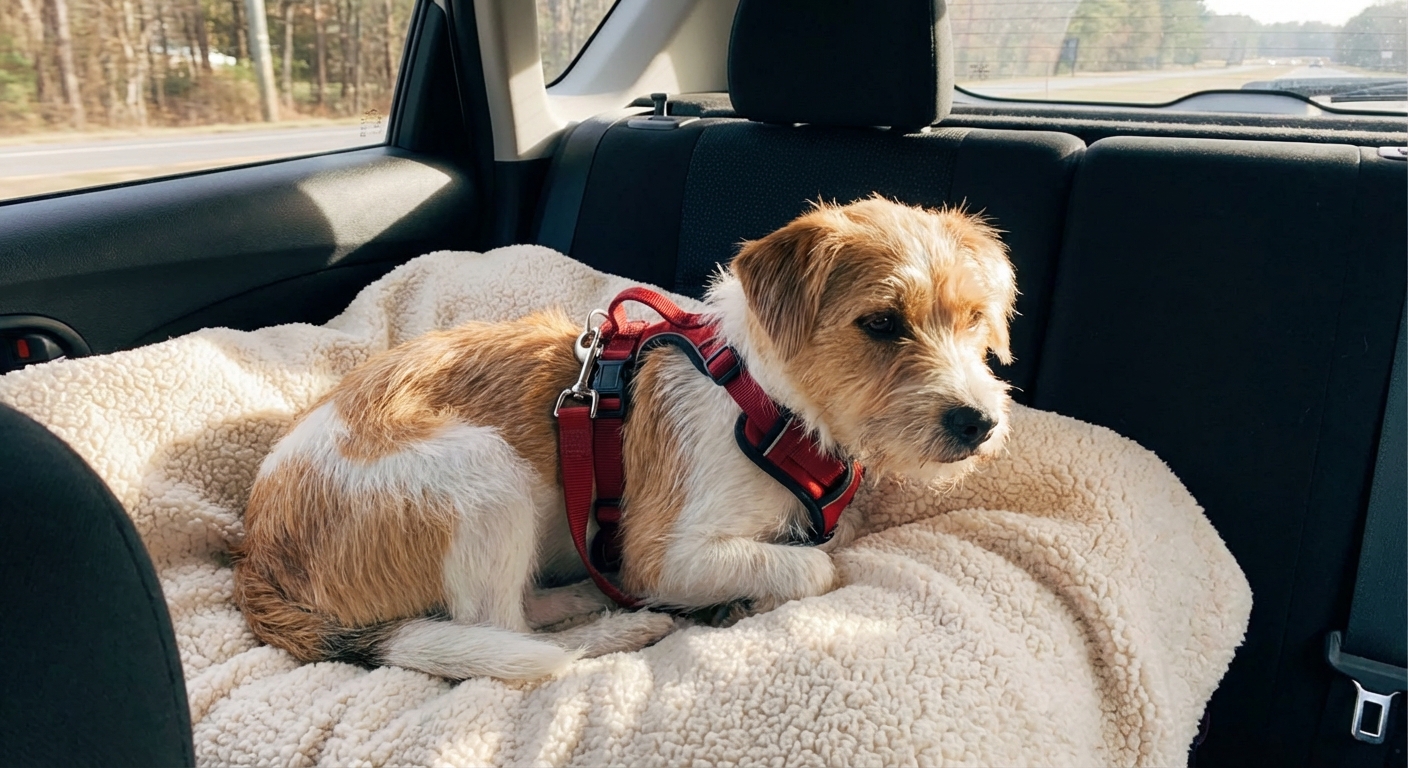
If your dog drools, licks their lips, whines, vomits, or becomes withdrawn in the car, motion sickness may be the culprit. Cerenia is FDA-approved to help prevent vomiting associated with motion sickness in dogs. This motion sickness indication is for the tablet form.
Tips to improve results
- Timing matters. It is typically given ahead of travel, not right as you are pulling out of the driveway. Follow your veterinarian’s directions and the label instructions for your dog’s specific plan.
- Know the schedule. Motion sickness dosing is usually once daily for travel days, and there may be limits on how many days in a row it should be used. Your veterinarian can advise what is appropriate for your dog.
- Ask about food. Some dogs do better with a small amount of food, while others feel worse with a fuller meal. Follow your clinic’s guidance on giving it with or without food.
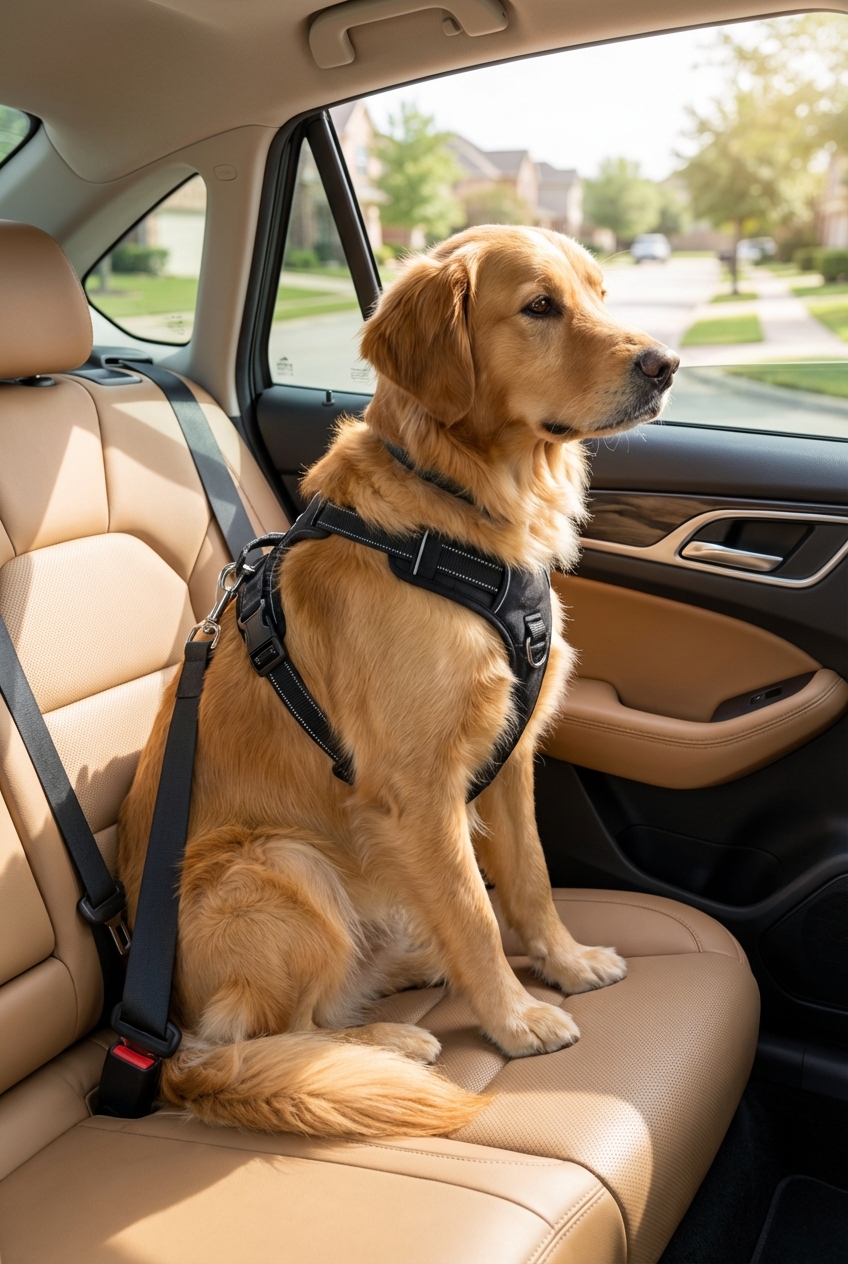
- Use calmer car routines. Fresh air, stable seating, and gradual conditioning to short rides can reduce stress nausea.
Forms and onset
Cerenia is most commonly prescribed as:
- Tablets for home use, especially for motion sickness prevention and some cases of nausea control
- Injectable Cerenia given at the veterinary clinic, often used when a dog is actively vomiting and cannot keep pills down
Many dogs feel noticeably better once nausea is controlled. How quickly it works can vary by the form used and the reason it is prescribed. Your veterinarian can help set expectations for your dog’s situation.
If vomiting stops but your dog still refuses water, seems painful, has diarrhea that is worsening, or becomes very lethargic, that is not a “wait and see” situation. Contact your veterinarian promptly.
Side effects and safety
Most dogs tolerate Cerenia very well, but any medication can have side effects. Your veterinarian weighs the benefits and risks for your dog’s age, weight, and medical history.
Possible side effects
- Sleepiness or being a bit quiet
- Drooling (sometimes nausea related, sometimes medication related)
- Diarrhea or soft stool
- Decreased appetite
- Pain at the injection site when given as a shot (this can happen in some dogs)
- Rare reactions such as facial swelling, hives, or trouble breathing (seek urgent care)
Important cautions
- Puppies: There are minimum age cutoffs that depend on why it is being used and which form is prescribed. Your veterinarian will determine whether it is age-appropriate.
- Liver disease: Cerenia is processed by the liver, so dosing and monitoring may need adjustment.
- Pregnant or nursing dogs: Use only if your veterinarian recommends it.
- Drug interactions: Tell your vet about all medications and supplements your dog takes.
- Obstruction and toxins: If a dog has a foreign body obstruction or toxin exposure, stopping vomiting can delay diagnosis and treatment. Vomiting in these situations needs urgent evaluation, not just symptom control at home.
Veterinary assistant note: If your dog is vomiting repeatedly, cannot keep water down, has a swollen or painful belly, vomits blood, or seems weak or “not themselves,” please do not rely on leftover nausea meds. Call your veterinarian or an emergency clinic.
When it is an emergency
Vomiting is common, but certain signs raise concern for dehydration, obstruction, pancreatitis, toxin exposure, or internal disease. Seek veterinary care urgently if you notice:
- Repeated vomiting or vomiting that continues longer than about 24 hours
- Vomiting plus bloody diarrhea or black, tarry stool
- Blood in vomit or vomit that looks like coffee grounds
- A painful, bloated abdomen or repeated unproductive retching
- Suspected toxin ingestion (chocolate, xylitol, grapes and raisins, medications, household chemicals)
- Lethargy, collapse, pale gums, or signs of dehydration (sticky gums, sunken eyes)
- Puppies, seniors, and dogs with chronic disease vomiting even once or twice and then refusing water

Home support
If your veterinarian has examined your dog and confirmed it is safe to manage at home, these gentle steps often help recovery alongside medication:
- Hydration first: Offer small, frequent amounts of water. Your vet may recommend an oral rehydration approach or even subcutaneous fluids depending on the situation.
- Simple, bland meals: Many dogs do well with a temporary bland diet (your vet can advise what is best for your dog).
- Rest the gut when appropriate: Some cases benefit from brief food withholding, but this is not right for every dog, especially small breeds and puppies. Ask your vet before doing this.
- Skip rich treats: No fatty chews, table scraps, or new foods while the stomach is settling.
- Give meds as directed: Follow your veterinarian and label instructions about whether to give the tablet with food, and do not change the form (such as crushing) unless your veterinarian says it is OK.
Common questions
Can I give Cerenia if my dog is still vomiting?
Sometimes yes. If your dog cannot keep anything down, your veterinarian may recommend an injectable dose at the clinic and may treat dehydration at the same time. Persistent vomiting needs an exam so the underlying cause is not missed.
Will it help nausea too?
Many dogs act less nauseated once vomiting is controlled. However, nausea can be complex, and some dogs need additional support depending on the diagnosis.
Can I use it for every car ride?
Some dogs do, under veterinary direction. If motion sickness is frequent, also ask about car comfort training, anxiety support, and safe restraint, because stress and nausea often feed each other.
Bottom line
Cerenia is one of the most helpful tools we have in veterinary medicine for preventing vomiting and reducing nausea, especially for motion sickness and acute gastrointestinal upset. The key is using it safely and making sure vomiting is not a symptom of something more serious. If you are unsure, contact your veterinary team and describe what you are seeing. You know your dog best, and early action can prevent a mild upset from turning into a dehydration emergency.