
CCL Tear Surgery in Dogs: TPLO vs TTA vs Lateral Suture

If your dog was just diagnosed with a CCL tear, I know how fast your brain jumps to the biggest questions: Which surgery is best, how much will it cost, and what will recovery look like in real life.
CCL stands for cranial cruciate ligament. In people, the comparable ligament is called the ACL (anterior cruciate ligament). They are closely related structures and they do a similar job: keeping the knee stable. When the CCL tears (partially or completely), the knee becomes unstable. That instability often causes pain right away, although partial tears can cause a waxing and waning limp. Over time, instability also drives arthritis changes in the joint. The goal of treatment is to restore comfortable function and reduce ongoing damage as much as we can.
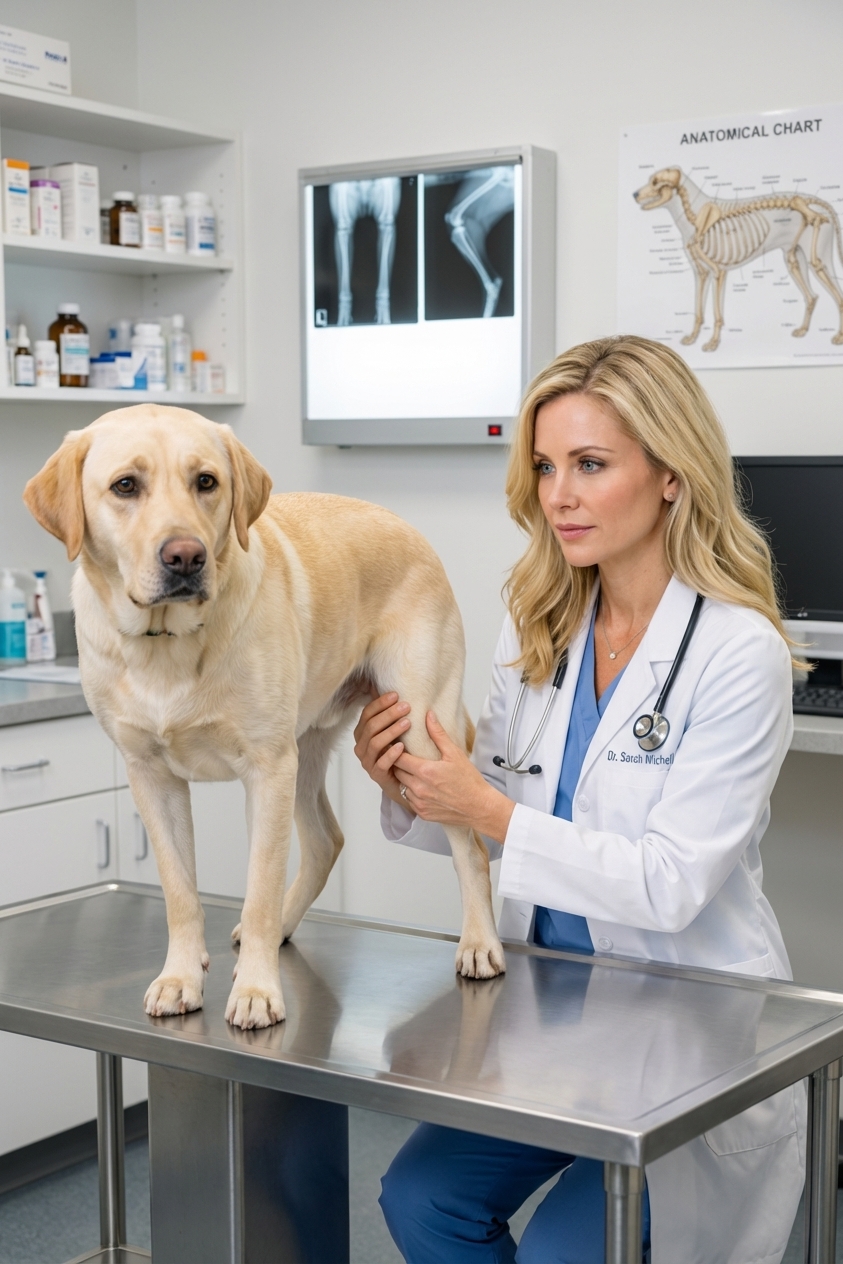
Quick overview: the 3 main CCL surgery options
Most dogs that need surgery are offered one of these procedures. They all aim to stabilize the knee, but they do it in different ways.
- TPLO (tibial plateau leveling osteotomy): changes the angle of the tibia so the knee is stable during weight-bearing.
- TTA (tibial tuberosity advancement): shifts the patellar tendon attachment forward to reduce shear forces and stabilize the knee.
- Lateral suture (extracapsular repair, “fishing line”): uses a strong suture outside the joint to mimic the ligament while scar tissue forms.
Not every dog is a good candidate for every option. Size, age, activity level, knee anatomy, surgeon preference, and any meniscus injury all matter. (The meniscus is the cartilage “cushion” inside the knee that can tear along with the CCL.)
TPLO vs TTA vs lateral suture
Cost and recovery can vary a lot by region, surgeon (board-certified vs general practice), implants used, and what’s included (x-rays, meds, rehab). The ranges below are common in the U.S. in recent years, but major metro areas and referral hospitals can exceed them.
TPLO
- Best fit: Medium to large dogs, athletic dogs, working dogs, many overweight dogs, and dogs with significant instability.
- Typical cost range: $3,500 to $6,500+ per knee (often higher with a board-certified surgeon, advanced imaging like CT in select cases, or formal rehab).
- Success expectations: Generally considered a top option for restoring strong function. Many dogs return to long walks, hiking, and play when rehab is followed. Arthritis can still progress, but stability is usually excellent.
- Recovery timeline: Strict rest early, then gradual strengthening. Bone healing is commonly evaluated around 8 to 12 weeks with follow-up radiographs. Many dogs look and feel much better within weeks, but higher-impact activity is often restricted longer. Depending on your surgeon’s protocol and your dog’s rehab progress, return to full off-leash running and jumping may be closer to 4 to 6 months.
- Common considerations: It is a bone-cutting procedure with plates and screws, so careful activity restriction and recheck x-rays are important until the bone heals.
TTA
- Best fit: Often used for medium to large dogs with knee anatomy that suits the technique. Some surgeons prefer it for certain conformation types and less steep tibial plateau angles.
- Typical cost range: $3,000 to $6,000+ per knee.
- Success expectations: Similar “goal” to TPLO: strong, stable function for many dogs. Outcomes can be excellent when the procedure is well matched to the dog and done by an experienced surgeon.
- Recovery timeline: Similar to TPLO in many clinics. Bone healing is often checked around 8 to 12 weeks. Some dogs can return to higher activity around 12 to 16 weeks, but full return to impact activities may take 4 to 6 months depending on surgeon guidance and conditioning.
- Common considerations: Also involves cutting bone and implants. Surgeon experience and patient selection matter.
Lateral suture (extracapsular repair)
- Best fit: Small dogs, many calm or moderately active dogs, and situations where budget is a major limiting factor. Sometimes used for cats as well.
- Typical cost range: $1,500 to $3,500 per knee (varies by clinic and what is included).
- Success expectations: Can work very well in smaller dogs. In larger or very active dogs, the suture can stretch or fail over time, and long-term stability can be less predictable.
- Recovery timeline: Often 8 to 12+ weeks of controlled activity, with improvement usually seen earlier but full conditioning taking longer.
- Common considerations: It avoids cutting bone, but it is still a real orthopedic surgery with meaningful recovery requirements. In large, high-energy dogs, the “best case” outcomes are generally less consistent than osteotomy-based surgeries.
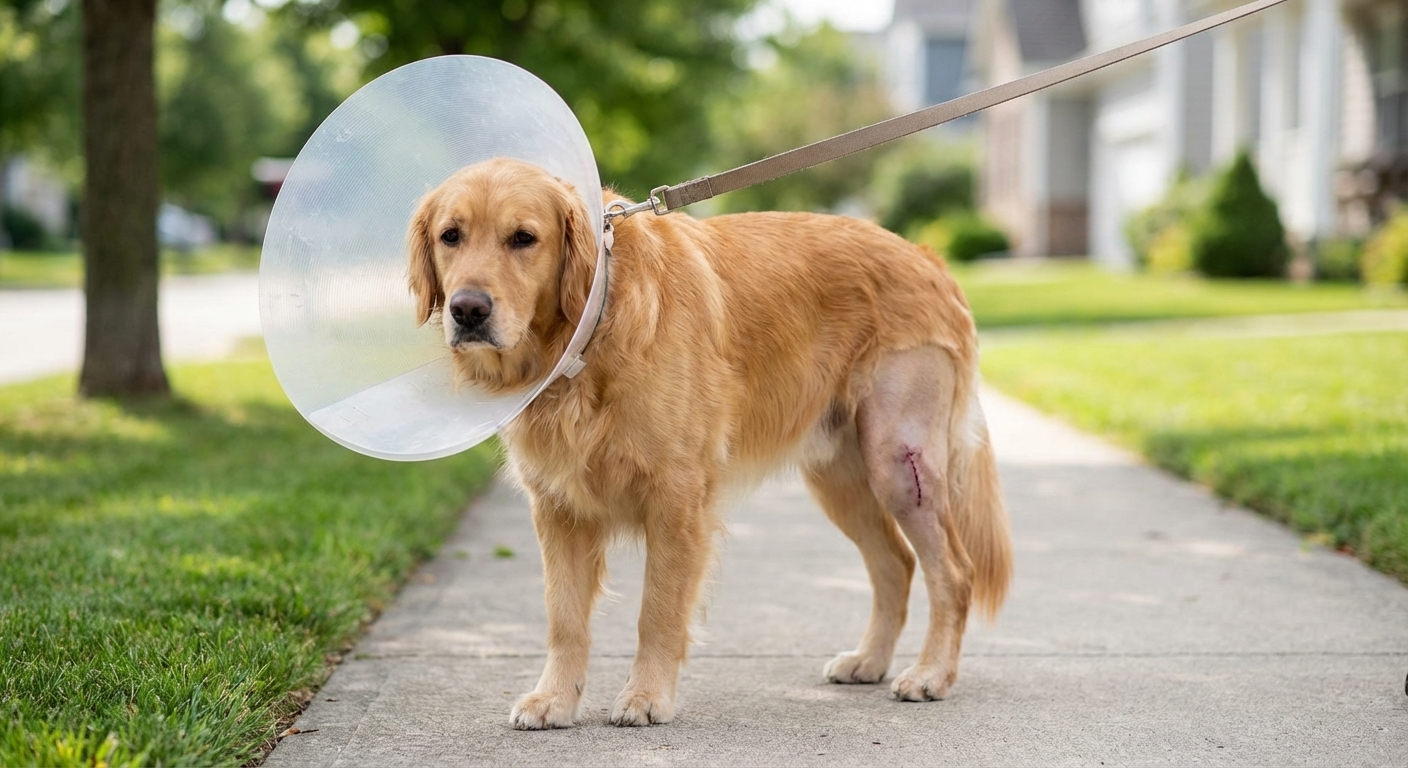
Which surgery fits by size?
This is where I like to keep it simple and practical. These are general trends, not hard rules, because every knee and every dog is different.
Small dogs (often under about 20 to 25 pounds)
- Lateral suture is commonly recommended and can have very good outcomes.
- TPLO or TTA can still be options in select cases, especially for very athletic small dogs or unusual anatomy, but they are not always necessary.
Medium dogs (about 25 to 60 pounds)
- Many do very well with TPLO or TTA, especially if they are active.
- Lateral suture may be considered for calmer dogs or partial tears, depending on the surgeon’s assessment.
Large and giant dogs (often over about 60 pounds)
- TPLO is very commonly chosen because it provides strong weight-bearing stability.
- TTA can also be excellent when the dog is a good candidate and the surgeon is experienced with the technique.
- Lateral suture is generally less favored in large, high-energy dogs due to higher risk of stretching or failure.
Non-surgical management
Non-surgical treatment can be reasonable for some dogs, especially:
- Older dogs with significant other health issues that make anesthesia risky.
- Very small dogs with mild instability, where the body can sometimes stabilize the knee with scar tissue.
- Families with strict budget limits who still want a structured plan to reduce pain and protect the joint.
Non-surgical management is not “do nothing.” It is a plan, and it works best when you truly commit to it. It also helps to understand that in many dogs, CCL disease is degenerative, not a one-time sports injury. That is a big reason weight control and conditioning matter so much.
What a good non-surgical plan includes
- Strict activity restriction early on: leash walks only, no running, no jumping on furniture, no stairs if possible.
- Weight management: even a few pounds makes a huge difference in knee load.
- Vet-guided pain control: often an NSAID if appropriate, sometimes additional pain meds depending on discomfort.
- Physical rehabilitation: controlled strengthening, range-of-motion work, underwater treadmill if available.
- Supportive tools: traction rugs, ramps, and sometimes a well-fitted orthopedic knee brace.
- Joint support: your vet may recommend omega-3 fatty acids, and in some cases specific joint supplements or injections depending on the dog.
A quick brace note: Custom knee braces can be expensive, and their effectiveness is still debated among veterinary surgeons. Some dogs do seem to benefit, especially with careful fitting and realistic activity limits, but braces are not a guaranteed substitute for surgery in many medium to large, active dogs.
If your dog is limping for more than a day or two, or the limp keeps returning, do not “wait it out” without guidance. The longer the knee stays unstable, the more arthritis and meniscus damage risk builds.
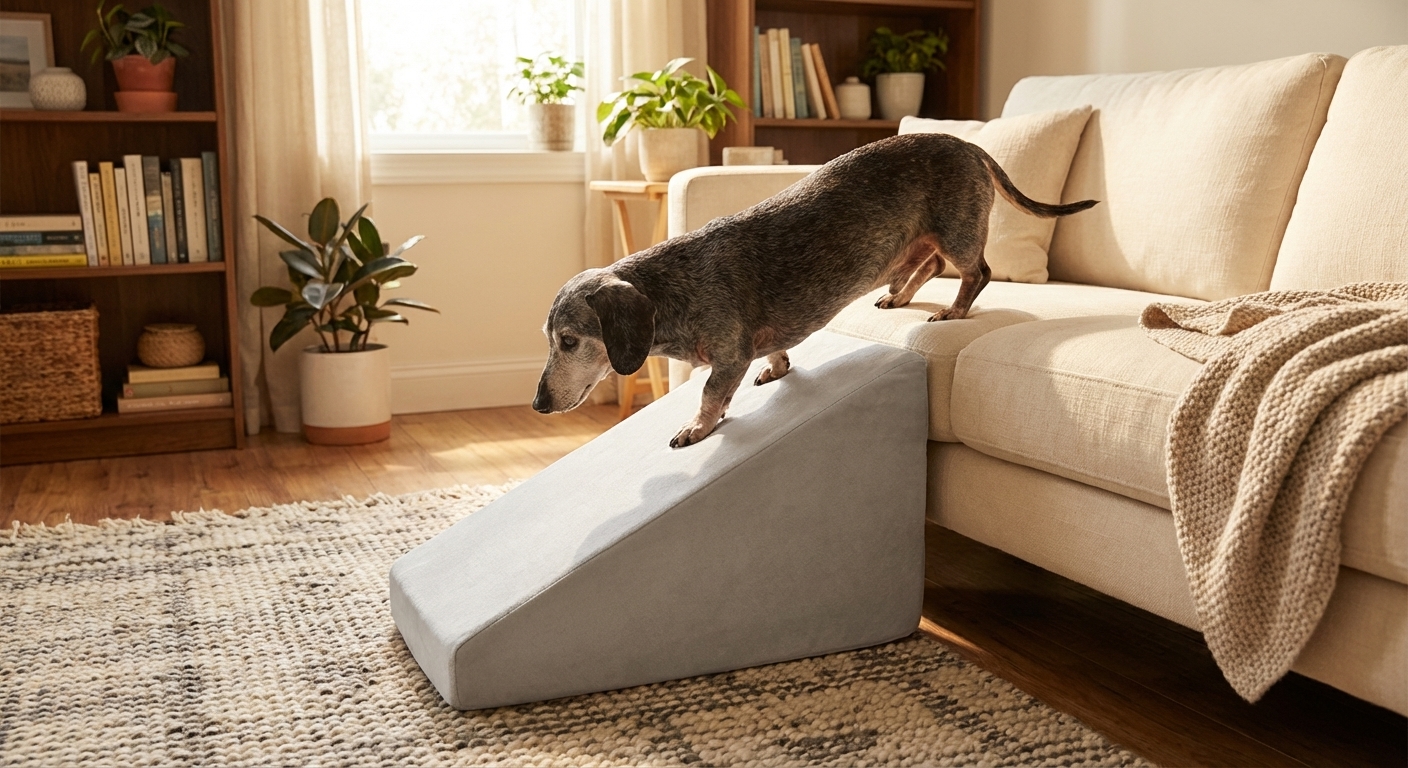
Recovery: stage by stage
Whether your dog has TPLO, TTA, or lateral suture, the biggest predictor of a smooth recovery is usually controlled activity and consistent rehab. Most complications I see happen when dogs feel better before they are actually healed and they do too much too soon. Exact timelines vary by surgeon protocol and, for TPLO and TTA, by what follow-up x-rays show.
Week 0 to 2: protect the repair
- Expect sleepiness from anesthesia for a day, then gradual return of appetite.
- Leash potty breaks only. No free roaming.
- Incision care matters: keep it clean and dry, prevent licking (e-collar helps a lot).
- Swelling and bruising can be normal, but increasing redness, discharge, odor, or fever is not.
Week 2 to 6: controlled walking
- Many dogs begin toe-touching and then more confident weight-bearing.
- Your veterinarian may remove staples or sutures around 10 to 14 days.
- Rehab often starts or increases here: gentle range-of-motion, sit-to-stands, slow leash walks, and targeted exercises.
Week 6 to 12: build strength
- Walking time gradually increases.
- Recheck x-rays are common after TPLO or TTA to confirm bone healing before advancing activity.
- This is often when dogs act “normal” but still are not ready for full-speed play.
Month 3 to 6: back to impact
- Many dogs return to longer walks and carefully reintroduced play after clearance from the surgeon.
- Running, jumping, and rough play are often reintroduced later, especially for athletic dogs, based on healing and conditioning.
- Some dogs need a longer conditioning period, especially if they lost muscle before surgery or have arthritis.
Costs: what is included?
When a clinic gives you an estimate, ask what the number includes. Common line items are:
- Pre-op exam and bloodwork
- Anesthesia, monitoring, and pain control
- Surgery and implants (TPLO and TTA implants can be a big portion of cost)
- Hospitalization or same-day discharge
- Post-op medications
- Recheck visits and follow-up radiographs
One important surprise cost: extensive physical therapy and structured rehab is often not included in the base surgical estimate. Some clinics include a brief post-op rehab instruction visit, but packages like underwater treadmill, multiple rehab sessions, or a long home exercise plan with follow-ups may be separate.
If finances are tight, ask about options like staged payments through third-party financing, or whether a lateral suture is medically reasonable for your dog. I always tell owners: we can usually find some path forward, but the plan needs to be safe and realistic.
Questions to ask your surgeon
- Is this a partial tear or a complete tear?
- Is there evidence of meniscus injury, and how will you evaluate it during surgery (for example, direct inspection, arthrotomy, or arthroscopy)?
- Which procedure do you recommend for my dog’s size, age, and activity level, and why?
- How many of these procedures do you perform each month?
- What complications do you see most often in your practice (infection, seroma, implant-related issues, late meniscus tears), and how are they handled?
- What is the exact recovery plan week by week, including stairs, jumping, and car rides?
- Do you recommend formal rehab, and what does that cost?
- What are the chances the other knee will tear?
That last question matters because studies suggest roughly 40 to 60% of dogs will tear the CCL in the opposite knee over time. Your vet can help you reduce risk with weight management and a safe conditioning plan. If the other knee is already showing signs, ask about staged planning and what to watch for.
When to call the vet
After any CCL surgery, contact your clinic promptly if you notice:
- Sudden worsening lameness after initial improvement
- Refusal to bear weight for more than a brief period
- Incision heat, swelling that is worsening, discharge, or a bad odor
- Loss of appetite lasting more than a day, vomiting, or severe diarrhea (especially on pain meds)
- Signs of significant pain that are not improving with prescribed medication
You know your dog best. If something feels off, it is always okay to ask.
The bottom line
For many medium to large dogs, TPLO or TTA are often the strongest long-term solutions. For many small dogs, a lateral suture can be a very reasonable, effective choice. And for select older or higher-risk dogs, a structured non-surgical plan can provide meaningful comfort.
The best decision is the one that matches your dog’s body, your dog’s lifestyle, and your ability to follow the recovery plan. If you want, bring the estimate and your dog’s weight, age, and activity level to your next appointment and ask your vet to help you compare options in a way that feels clear and doable.