
CCL Tear in Dogs: Non-Surgical Management

A sudden back-leg limp can be scary, especially when your dog yelps, refuses stairs, or sits with one leg extended out to the side. One common cause is a cranial cruciate ligament injury, often shortened to CCL tear. It is similar to an ACL injury in people, but in many dogs it behaves more like a progressive, degenerative problem than a one-time sports accident. (Acute, traumatic ruptures can happen too.)
It is also worth knowing that not every sudden hind-leg limp is a CCL problem. Other common possibilities include patellar luxation, muscle strains (like iliopsoas), hip injuries, fractures, and some neurologic issues. Your veterinarian can sort this out with an exam and imaging.
Some dogs do well with non-surgical (conservative) management, especially with partial tears, smaller body size, and an owner who can commit to strict activity restriction. Others ultimately need surgery because the knee remains unstable and painful.
This page walks you through the basics in a warm, no-panic way: what a partial tear means, what strict rest actually looks like, where braces fit in, what rehab generally targets, what “success” realistically looks like, and how to recognize when the non-surgical path is not working.
Quick CCL basics
The CCL is a key stabilizing ligament inside the knee (stifle). When it is damaged, the shin bone can slide forward abnormally, which triggers pain and inflammation. Over time, that abnormal motion can accelerate arthritis and can injure the meniscus, a tough fibrocartilage cushion inside the knee that helps absorb shock.
Common signs owners notice
- Sudden limp in a back leg, often after running or jumping
- “Toe touching” (touching the toe to the ground without fully bearing weight)
- Difficulty rising, reluctance to jump, slower on stairs
- Sitting with the injured leg held out or slightly to the side
- Thigh muscle shrinking on the sore leg over weeks
- Clicking in the knee in some cases (possible meniscus involvement)
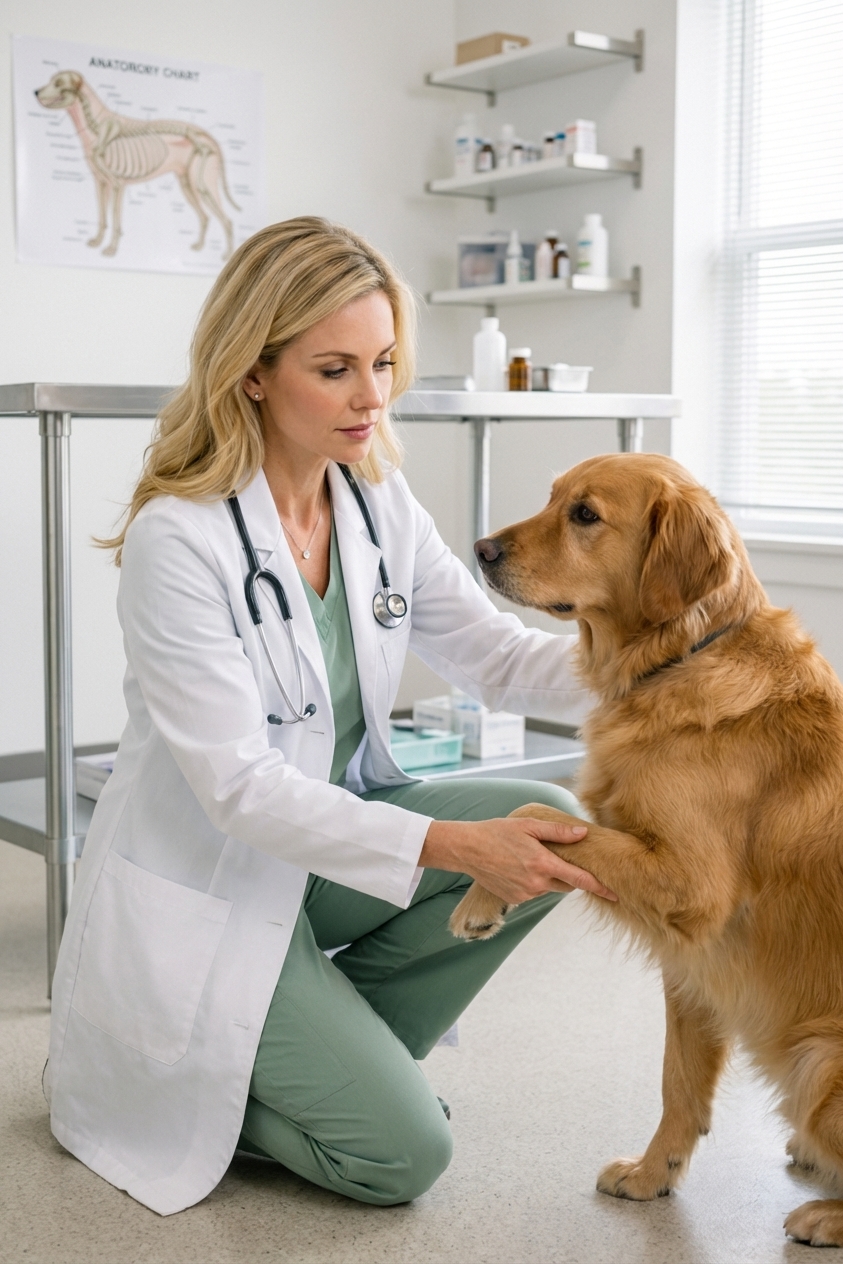
Diagnosis usually involves a hands-on orthopedic exam, sometimes sedation for accuracy, and often x-rays to look for joint swelling and arthritis. X-rays do not show the ligament itself, but they help rule out other problems and show secondary changes that support the diagnosis.
What your vet may do next
Here is what an appointment often includes, so you know what to expect:
- Orthopedic exam of the hip, knee, and toes, plus a gait check
- Stifle stability tests (often called the cranial drawer test and tibial thrust test). Some dogs need light sedation to relax enough for an accurate exam.
- X-rays to look for joint effusion (swelling), early arthritis changes, and other causes of limping
- Follow-up plan that matches your dog’s size, stability on exam, pain level, and your goals
In some cases, your vet may discuss advanced options like arthroscopy or advanced imaging. These are not needed for every dog, but they can be helpful when the diagnosis is unclear or when meniscus injury is strongly suspected.
Partial tear vs full rupture
CCL injuries are not always all-or-nothing. Many dogs start with a partial tear and progress to a complete rupture over time. That is one reason conservative care can succeed in some dogs and fail in others.
Partial tear
- Some ligament fibers still function, so the knee may be only mildly to moderately unstable.
- Limping can come and go, especially after activity.
- With strict rest, controlled strengthening, and weight management, some dogs regain good function.
Complete rupture
- The ligament is no longer providing stability, so the knee often has significant abnormal motion.
- Limping is usually more consistent, and pain flares are common with activity.
- Non-surgical care can still help certain dogs, but the risk of ongoing instability, meniscus injury, and arthritis progression is higher.
Important nuance: even if your dog starts improving, a CCL injury still deserves respect. Dogs often feel better before the knee is truly stable, which is why “they seem fine now” can lead to a setback when activity increases too quickly.
Who may do well without surgery
There is no one-size-fits-all answer, and your veterinarian or a boarded surgeon is the best guide for your dog’s specific knee. In general, conservative management tends to be considered when:
- The tear is suspected to be partial
- Your dog is small to medium in size, or has lower athletic demands
- You can truly commit to strict rest and controlled rehab
- There are medical reasons surgery is higher risk, or the family is not ready for surgery
Many clinics also use practical “rule of thumb” thinking: conservative care is often more successful in smaller dogs, and less predictable in larger, very active dogs or dogs with clearly unstable knees. That said, individual dogs can surprise us in both directions, so the exam findings matter more than any single number.
Conservative management is not “doing nothing.” It is an active plan that hinges on restricting the exact movements that make the knee unstable: sprinting, jumping, twisting, and slippery surfaces.
What conservative care includes
Plans vary, but non-surgical CCL care commonly includes:
- Strict activity restriction early on
- Pain control and anti-inflammatory medication as directed by your veterinarian
- Weight management if your dog is even slightly overweight
- Traction and home safety to prevent slips
- Rehab (at-home and or professional) once cleared
- Optional bracing in select cases, with careful fitting and monitoring
- Rechecks to assess pain, function, and stability and to adjust the plan
Strict rest: what it really means
When vets say strict rest, they mean protecting the knee from sudden load and rotation while inflammation calms down and the surrounding muscles start to stabilize the joint. This is the cornerstone of non-surgical CCL care.
Common rest rules (general framework)
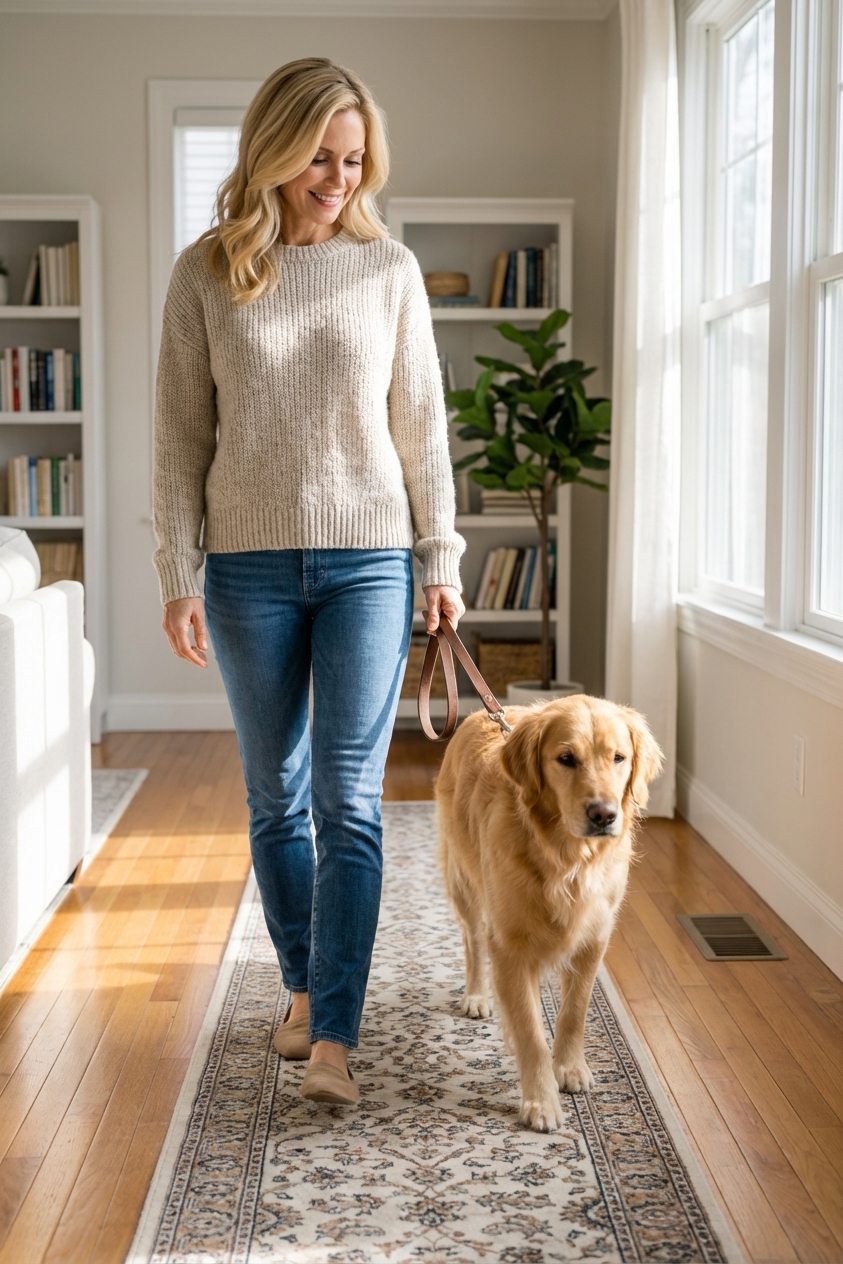
- Leash walks only for potty, then back inside
- No running, no dog park, no fetch, no rough play
- No jumping on furniture or in and out of the car
- No stairs when possible, or use support and short, controlled trips
- No slippery floors, use runners or yoga mats for traction
The timeline varies by severity, body size, and whether the tear is partial. Many conservative plans use an initial 8 to 12 weeks of very restricted activity as a common starting point, with gradual progression only if your dog is consistently improving. Some dogs need longer, and some smaller dogs may progress a bit sooner under close veterinary guidance.
Home setup tips that make rest possible
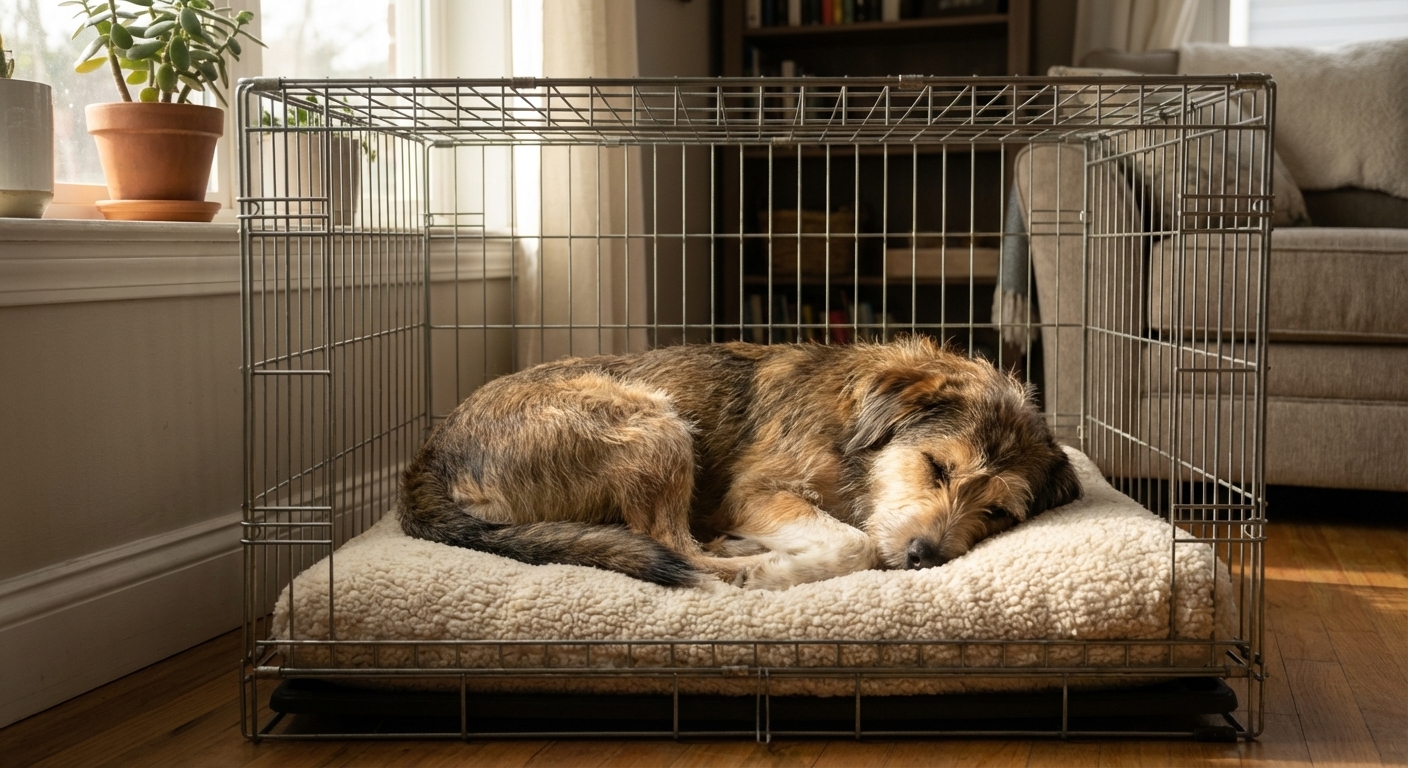
- Create a small, cozy recovery zone with a crate or exercise pen
- Use baby gates to block stairs
- Use a harness and short leash even in the yard
- Consider a rear support sling for bathroom breaks if your vet recommends it
- Keep nails trimmed and add traction rugs for safety
If your dog is high-energy, ask your veterinary team about safe enrichment options during rest, like food puzzles, lick mats, scent games in a small space, or basic training that does not involve jumping or fast turns.
Brace basics
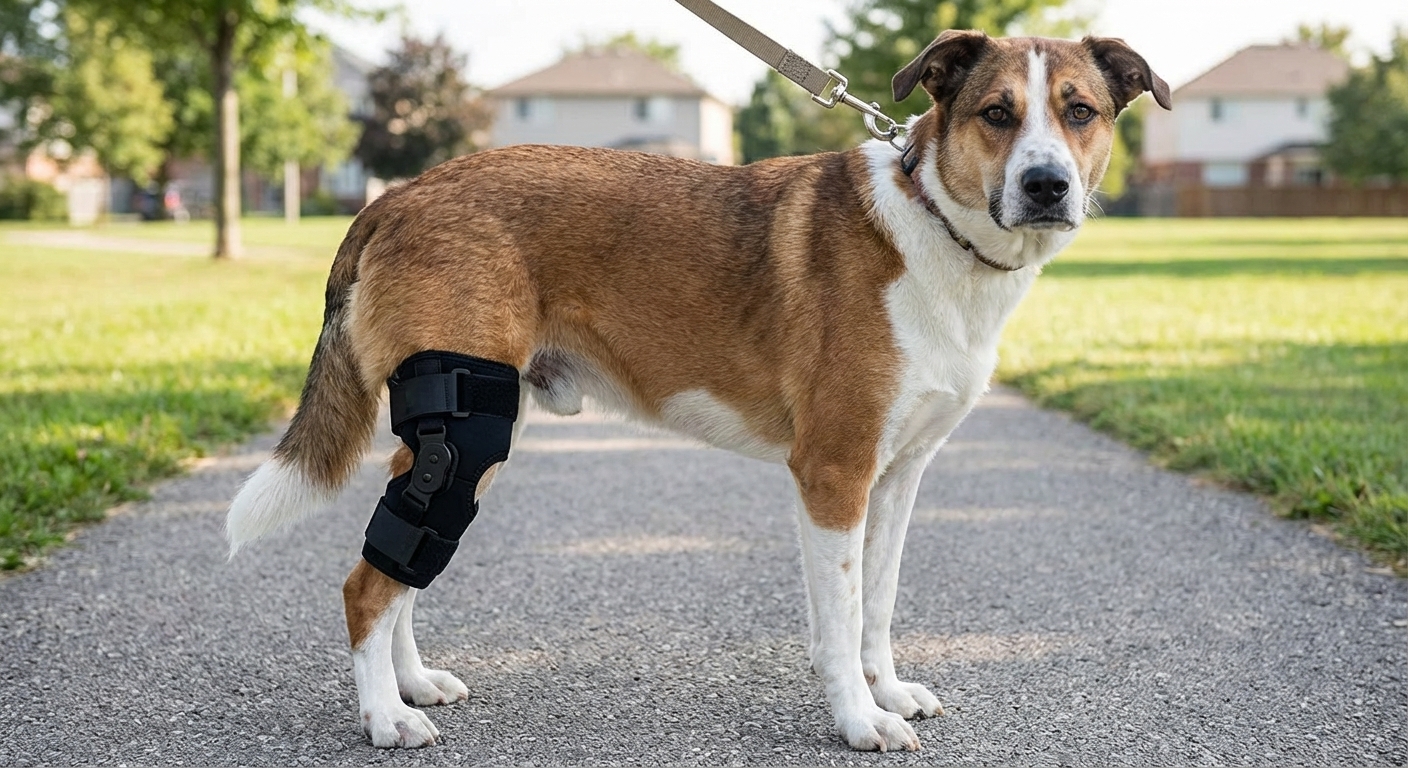
A properly fitted knee brace can sometimes improve comfort and confidence by limiting certain motions and supporting the joint during controlled activity. Braces are most often used as part of a broader plan, not as a magic fix. Results are variable, and the research on functional bracing in canine CCL disease is mixed.
Potential benefits
- May offer added support during walking in some dogs
- May improve confidence on the limb in select cases
- Can be useful during rehab and gradual return to activity
Important limitations
- A brace cannot replace the ligament or match surgical stabilization in many complete ruptures
- Fit matters a lot. Poor fit can cause rubbing, sores, or slipping
- Dogs can still overdo it because they feel supported, which can backfire
Questions to ask before buying a brace
- Is my dog’s injury partial or complete based on the exam?
- Should we consider custom fitting versus off-the-shelf sizing?
- How many hours per day should it be worn, and when should it be removed?
- What skin checks should I do daily to prevent pressure sores?
- How will we measure whether it is helping?
If you use a brace, take daily note of comfort, gait, and skin condition. Any rubbing, swelling, heat, or worsening limp is a reason to pause and call your veterinary team.
Physical therapy overview
Once your veterinarian clears your dog to begin rehab, physical therapy aims to do something very specific: build strength and control around an unstable joint while protecting it from high-risk movements.
Common rehab goals
- Reduce pain and inflammation
- Maintain or restore knee range of motion
- Rebuild muscle, especially the quadriceps and hamstrings
- Improve balance and limb loading
- Support safe, gradual return to daily activities
Rehab plans can include a mix of controlled leash walking progressions, targeted exercises, and in-clinic modalities such as underwater treadmill. Your clinic’s offerings vary, and the strength of evidence varies by modality. The key is that progression should be based on how your dog is doing, not the calendar alone.
Rehab should never increase limping or pain from one day to the next. If it does, that is valuable feedback that the knee needs less intensity, more rest, or a recheck.
Pain and progress at home
Owners play the biggest role in conservative CCL care because you see the day-to-day changes. Keep simple notes so you can give your vet clear updates.
Signs your dog is improving
- Limp is decreasing week to week
- Your dog is placing the foot more consistently
- Getting up is easier with less hesitation
- Muscle loss slows or begins to reverse
- Less stiffness after rest
Signs your dog may be struggling
- Limp is worsening, or suddenly returns after a slip or jump
- Increased panting, restlessness, or irritability
- Reduced appetite or trouble settling
- New swelling around the knee
- A new clicking sound or sudden sharp pain (possible meniscus injury)
Medication note: pain control is often part of a veterinary plan, but dosing and drug selection must be individualized. Avoid mixing over-the-counter human pain relievers unless your veterinarian explicitly instructs you to, since several are dangerous for dogs.
Timeline: a realistic view
Healing is not always linear. Many dogs have good days and frustrating days, especially early on. A common conservative path looks like this:
Weeks 0 to 2
- Very strict rest, short leash potty breaks
- Focus on comfort, preventing slips, and getting a clear diagnosis
Weeks 3 to 8
- Continued restriction with carefully progressed, controlled activity if improving
- Rehab exercises may begin if cleared
- Rechecks to assess stability and pain
Weeks 8 to 12 and beyond
- Gradual return to more normal leash walks and daily life activities
- Ongoing strengthening and weight management
- Long-term arthritis prevention strategies may be discussed
Some dogs regain comfortable function without surgery, but many will develop some degree of arthritis over time with CCL disease, even with excellent care. That is why long-term management often includes conditioning, keeping weight lean, traction at home, and smart activity choices.
What success looks like
With conservative care, “success” usually means your dog can do normal, comfortable daily life activities such as walking, getting up easily, and enjoying calm outings.
It does not always mean the knee becomes perfectly stable. Some dogs compensate well by building strength and control, and your vet can help you decide what level of function is a good, humane outcome for your specific dog.
When it is failing
This is the part I always want to say gently but clearly: non-surgical management is not a moral test. It is simply one path. If it is not working, it is kinder to your dog to pivot sooner rather than later.
Common signs conservative management is not enough
- Persistent lameness after the initial strict rest period
- Repeated flare-ups with even small increases in activity
- Progressive muscle loss in the affected leg
- Ongoing pain that limits normal daily function
- Suspected meniscal injury, often a sudden worsening or a new “click”
- Significant knee instability on recheck exams
In these cases, your veterinarian may recommend an orthopedic consult to discuss surgical stabilization options such as TPLO, TTA, or extracapsular repair, depending on your dog’s size, anatomy, and activity level.
Extra support
Weight management
If your dog is even a little overweight, reducing excess pounds can dramatically lower stress on the injured knee and the other hind leg. Your vet can help you choose a safe target weight and calorie plan.
Protect the other knee
Dogs with a CCL tear in one knee have a higher risk of injuring the other knee later. Controlled activity, strength building, and keeping your dog lean are protective.
Floor traction and nail care
Many setbacks happen on slick floors. Add rugs and runners, keep nails and paw hair trimmed, and consider supportive paw grips if recommended by your vet.
Call your vet urgently
- Your dog cannot bear weight at all, or the leg looks abnormal
- Severe swelling, heat, or sudden intense pain
- Signs of illness like vomiting, weakness, collapse, or pale gums
- A sudden setback after a slip or jump during recovery
If you are unsure, call. Early guidance can prevent a minor flare from turning into a major setback.
The takeaway
Non-surgical management of a CCL tear can be a valid, effective option for some dogs, especially with partial tears and dedicated strict rest plus rehab. The keys are consistency, careful progression, and honest check-ins about pain and function.
You are not failing your dog if you start conservatively and later choose surgery. You are responding to what your dog’s knee is telling you. And that is exactly what a thoughtful, evidence-based caregiver does.