A calm, step-by-step home check to spot paw injuries (thorn, foxtail, broken nail) vs knee CCL tears. Learn urgent warning signs, what not to do, and vet nex...
Article
•
Designer Mixes
CCL Tear in Dogs Care Tips

Shari Shidate
Designer Mixes contributor
A torn cranial cruciate ligament (CCL) is one of the most common causes of knee-related hind-limb lameness in dogs, and it can feel scary, fast. One day your dog is running like normal, and the next they are toe-touching, limping, or refusing to put weight on a back leg. The good news is that with the right plan, most dogs can get back to a happy, active life.
As a veterinary assistant, I want to help you focus on what truly moves the needle: safe pain control, protecting the joint while it heals or awaits surgery, rebuilding strength thoughtfully, and supporting long-term knee health.
Quick note: This article is for education and support. It cannot replace an exam and diagnosis from your veterinarian.
What a CCL tear is and why it matters
The CCL is a key stabilizing ligament inside the knee (stifle). When it partially tears or fully ruptures, the shin bone (tibia) can slide forward abnormally. That instability is painful and causes inflammation.
Without good treatment and a smart recovery plan, the knee can develop arthritis quickly. Many dogs also strain their other back leg as they compensate, which is one reason second-side injuries are so common.
Common signs owners notice
- Sudden limp on a back leg, especially after running or jumping
- “Toe-touching” where only the toes touch the ground
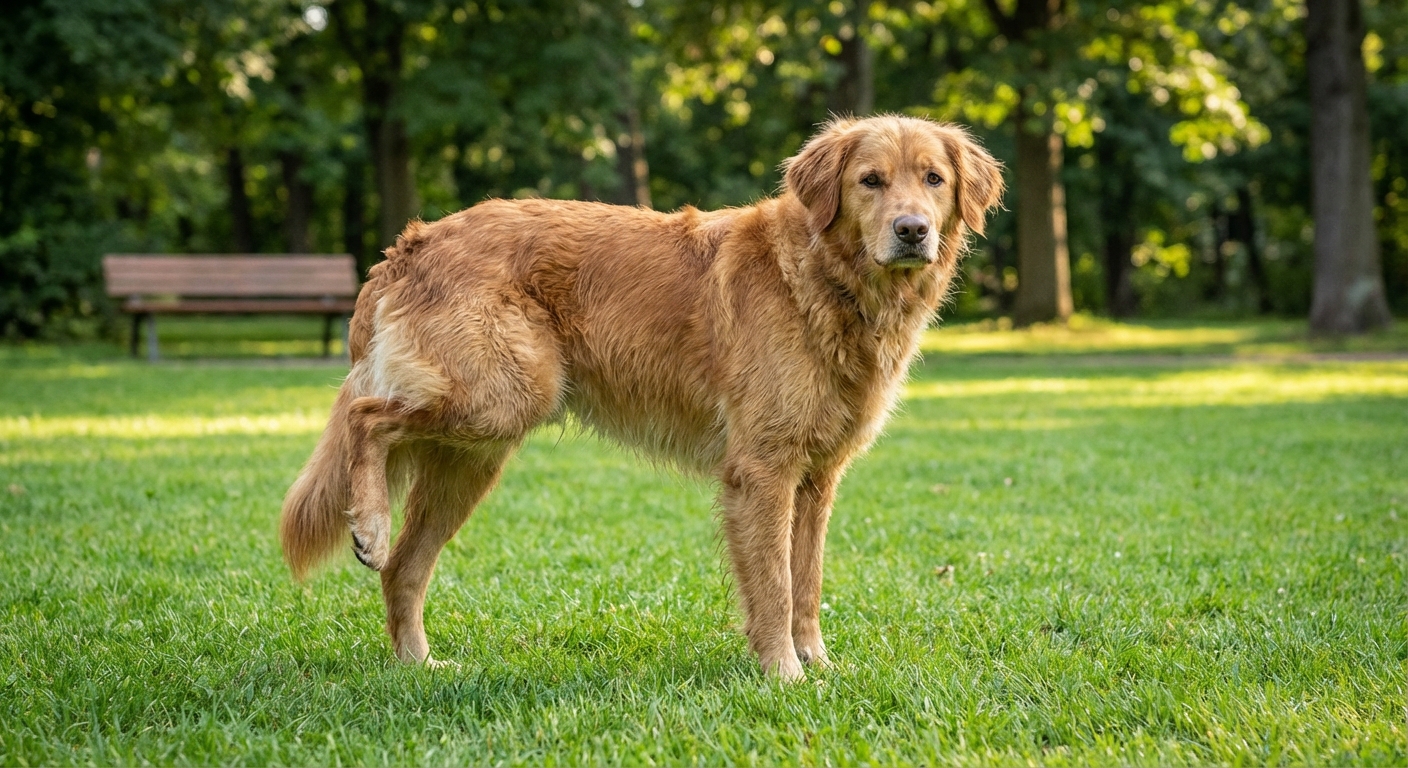
- Sitting with one leg kicked out to the side
- Stiffness after rest that improves slightly after a few steps
- Swelling around the knee or thigh muscle loss over time
Important: A limp can also come from hip issues, a luxating patella, a muscle injury, or even a spinal problem. A proper veterinary exam matters.
First 72 hours: calm, protect, and get seen
If you suspect a CCL injury, think “protect the knee” right away. The biggest early mistake I see is letting a limping dog continue normal activity because they still seem cheerful.
At-home steps that are usually safe
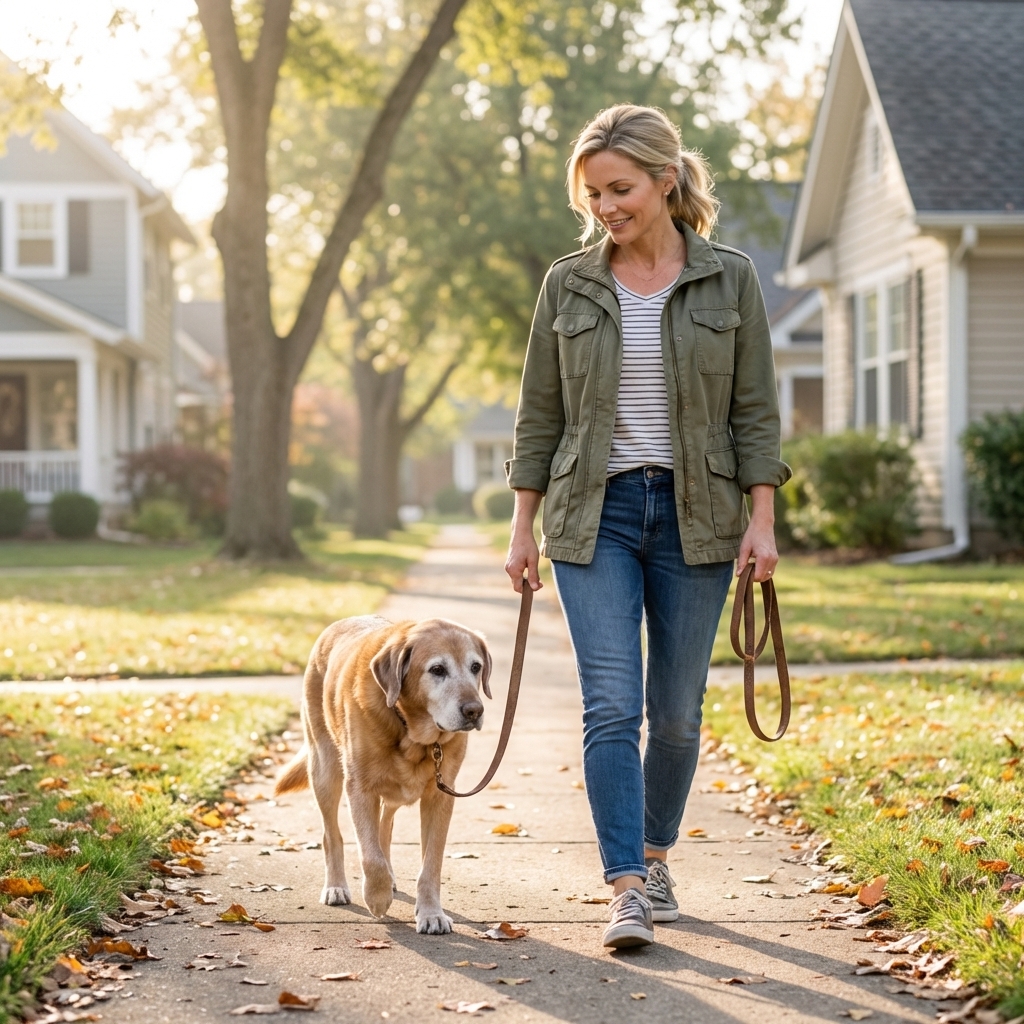
- Strict rest: leash walks only for potty breaks, no running, no stairs, no jumping on furniture.
- Block slipping: use rugs or yoga mats on slick floors.
- Support: use a towel sling under the belly for larger dogs to help them stand and potty safely.
- Cold compress: 10 to 15 minutes, 2 to 3 times daily for the first couple of days if swelling is present.
What not to do
- Do not give human pain medications (ibuprofen, naproxen, aspirin, acetaminophen) unless your veterinarian specifically instructs you. These can be dangerous for dogs, and dosing errors happen easily.
- Do not “test it out” at the dog park once they seem a little better. CCL injuries can wax and wane while damage continues.
If your dog cannot bear weight, cries when moving, has significant swelling, or you suspect a full rupture, schedule an exam as soon as possible.
Diagnosis: what your vet may recommend
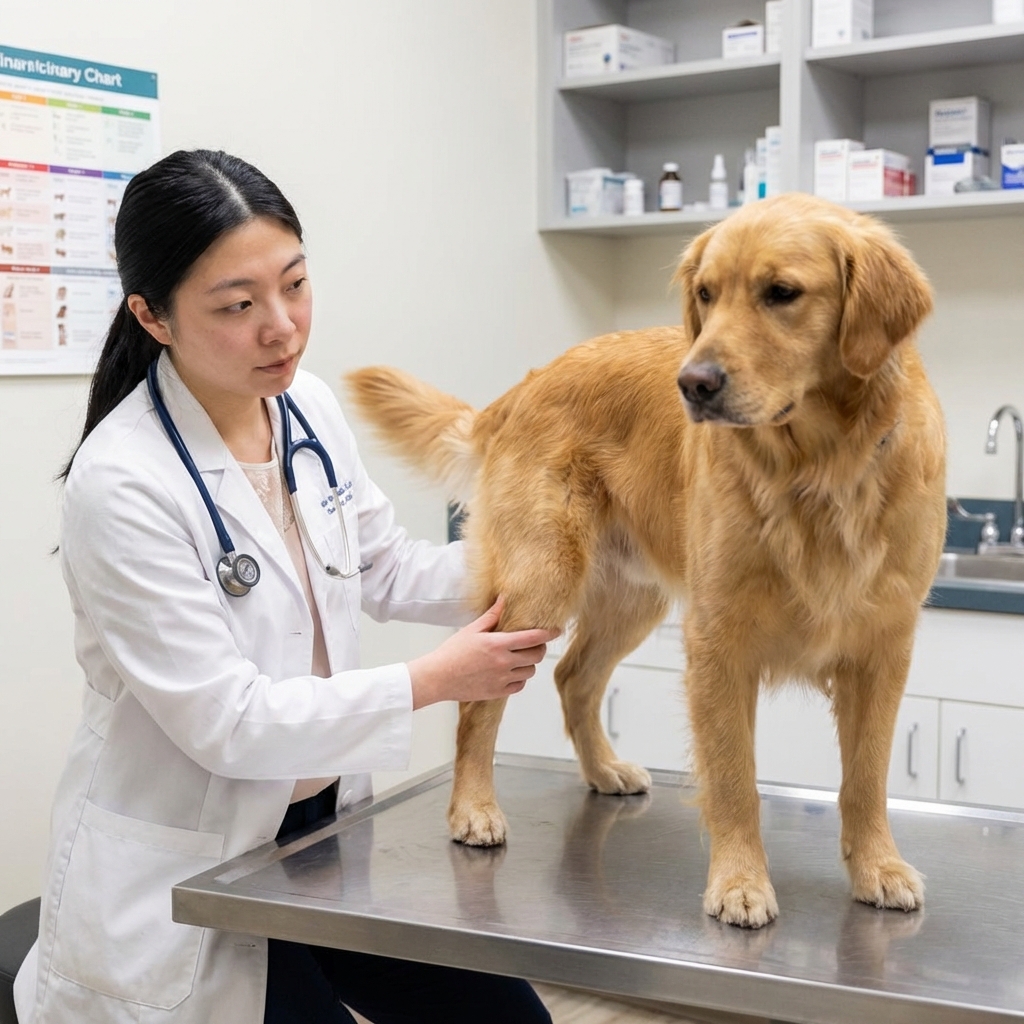
Many CCL tears are diagnosed with a hands-on orthopedic exam. Your vet may check for knee instability (often called a cranial drawer sign or tibial thrust). Some dogs are too tense or painful, so mild sedation can help the exam be more accurate and more comfortable.
X-rays do not show the ligament itself, but they help rule out other problems and show joint swelling, early arthritis, or bone changes.
Your vet may also talk to you about meniscal injury. The meniscus is cartilage inside the knee, and it is commonly damaged along with a CCL tear. A sudden worsening of limping after your dog seemed to be improving can be one clue that a meniscus is involved.
In some cases, advanced imaging or referral to an orthopedic surgeon is recommended.
Treatment options: surgery vs conservative care
The best plan depends on your dog’s size, age, activity level, the degree of tear, and your budget. Here is a clear, evidence-based overview.
Surgical options
Surgery aims to stabilize the knee so your dog can move comfortably and return to function. Arthritis is still common over time, but improved stability, rehab, and keeping your dog lean may help slow joint wear and improve long-term comfort.
The most common procedures you may hear about include:
- TPLO: changes the tibia angle to neutralize the instability during weight bearing.
- TTA: changes the mechanics of the knee by advancing the tibial tuberosity.
- Extracapsular repair (lateral suture): a stabilizing suture technique often used for smaller dogs, or in select larger dogs.
Your surgeon will recommend what fits your dog best based on anatomy and lifestyle.
Conservative management
Conservative care can work, especially for smaller dogs, less active dogs, and some partial tears. It typically includes:
- Strict rest and controlled leash walks
- Veterinary-prescribed pain relief and anti-inflammatory medication when appropriate
- Physical therapy and gradual strengthening
- Weight management
- Joint-support strategies for long-term comfort
Reality check: conservative care is not “do nothing.” It is structured, consistent management. Some knees become more stable over time through scar tissue and muscle strengthening, but arthritis risk remains.
Also important: for many medium to large, active dogs with a complete rupture or clear instability, surgery often offers the best chance at a strong functional outcome. Your vet can help you compare options based on what they see on exam and x-rays.
Home care essentials
1) Strict activity control
For the first phase of recovery, your dog’s job is to heal, not to entertain themselves. Overactivity is a top cause of setbacks after both surgical and non-surgical plans.
Typical time frame: many dogs need at least 6 to 8 weeks of strict restriction, sometimes longer, depending on the plan and your veterinarian’s instructions.
- Use a crate, x-pen, or small room to limit movement.
- Leash walks only, and keep them short and calm.
- Use baby gates to block stairs.
- Stop jumping: place a mattress on the floor, use ramps, or lift your dog when needed.
2) Pain control and inflammation support
Pain control helps healing because it encourages appropriate, gentle movement and reduces stress. Your vet may prescribe an NSAID, additional pain medication, or recommend a multimodal plan based on your dog’s health history.
If your dog has vomiting, diarrhea, loss of appetite, black stool, extreme lethargy, or seems “not themselves” on medication, call your veterinarian right away.
3) Set up your home for safer movement
- Non-slip floors: rugs or traction runners prevent painful slips.
- Support harness: especially for larger dogs or seniors.
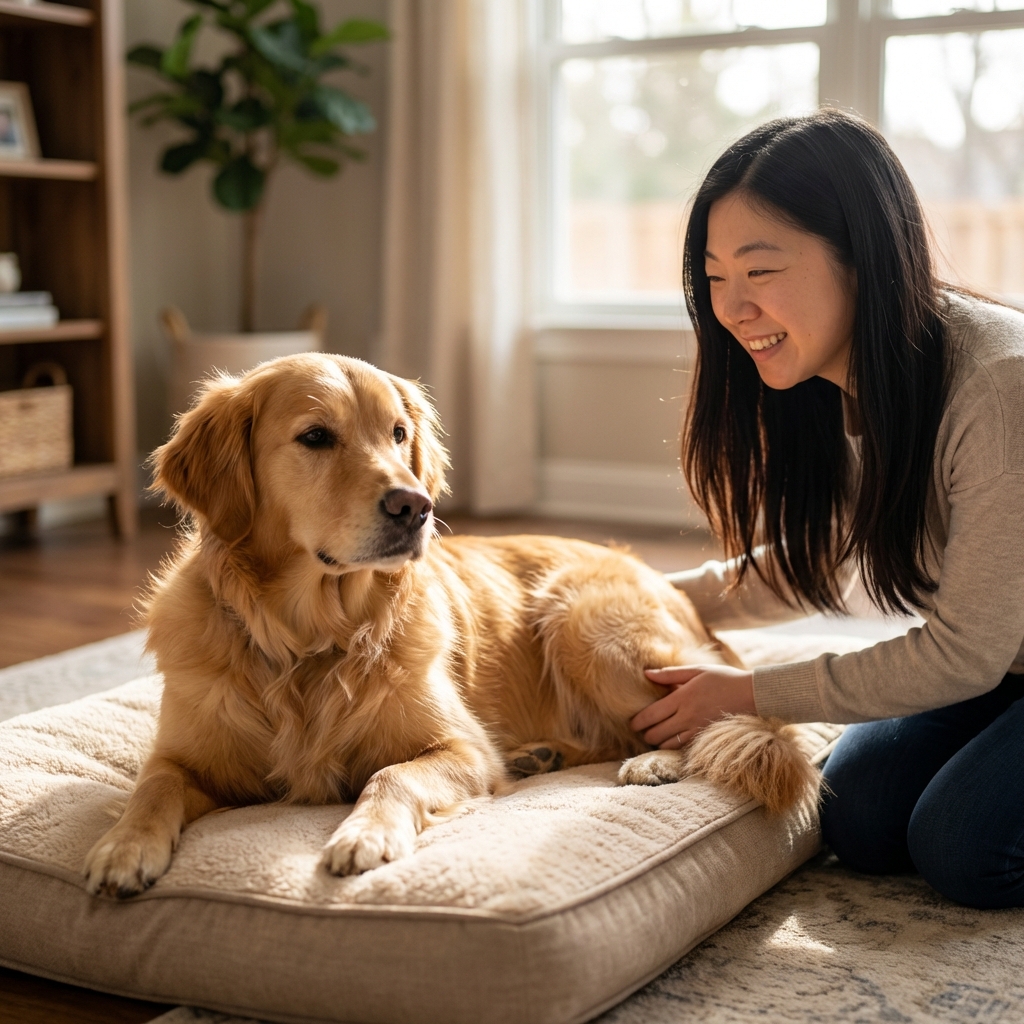
- Orthopedic bed: helps joint comfort and reduces pressure points.
- Raised bowls (optional): may help some dogs feel steadier while eating, but it is not essential for CCL recovery. If you try it, make sure your dog is not leaning, twisting, or slipping.
4) Nail and paw care
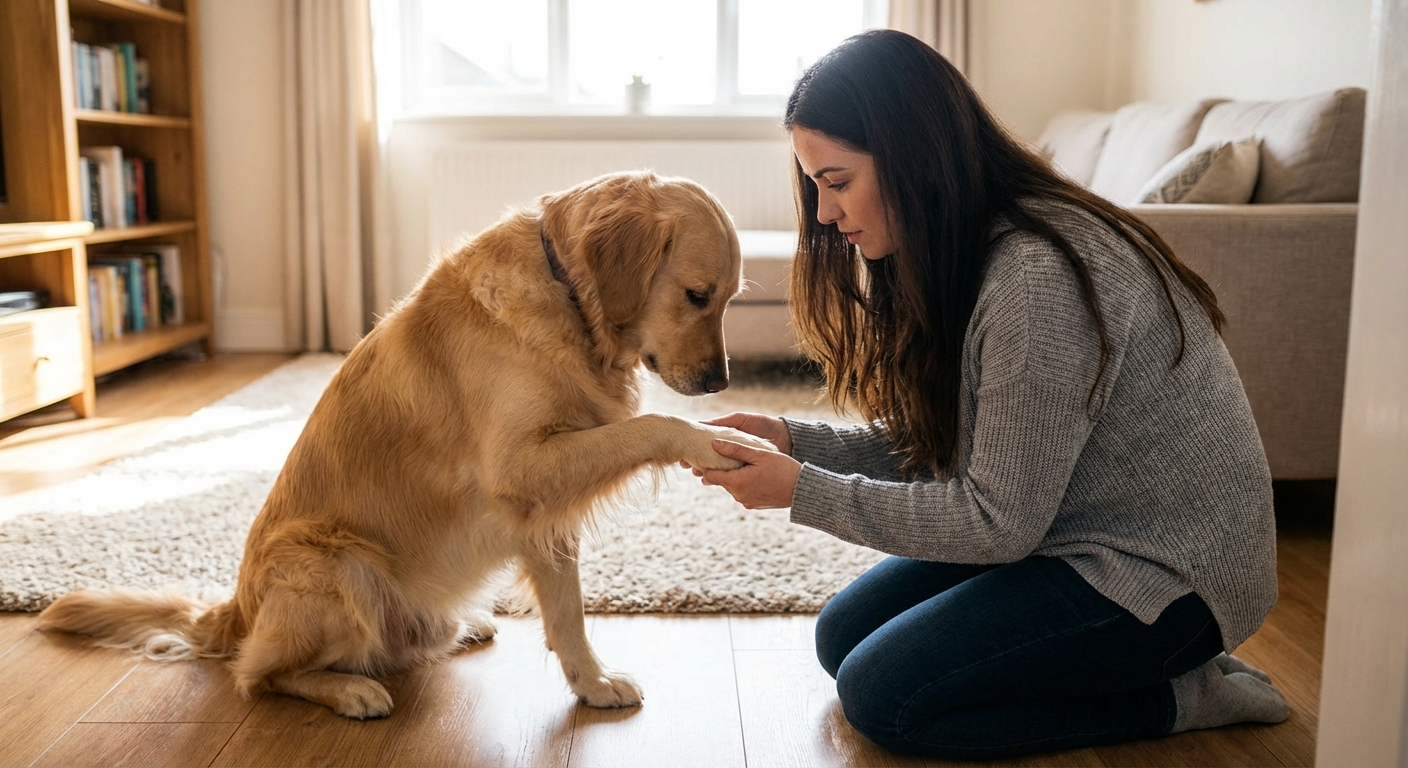
Long nails reduce traction and can worsen slipping. Keep nails trimmed and consider paw pads with better grip, like non-slip dog socks, if your dog tolerates them.
5) Braces: a quick, honest note
Many owners ask about stifle braces. A brace may help select cases (often as part of conservative management or for dogs who cannot have surgery), but fit and timing matter. I strongly recommend discussing braces with your veterinarian or a rehab professional rather than buying one online and hoping for the best.
Rehab and strengthening
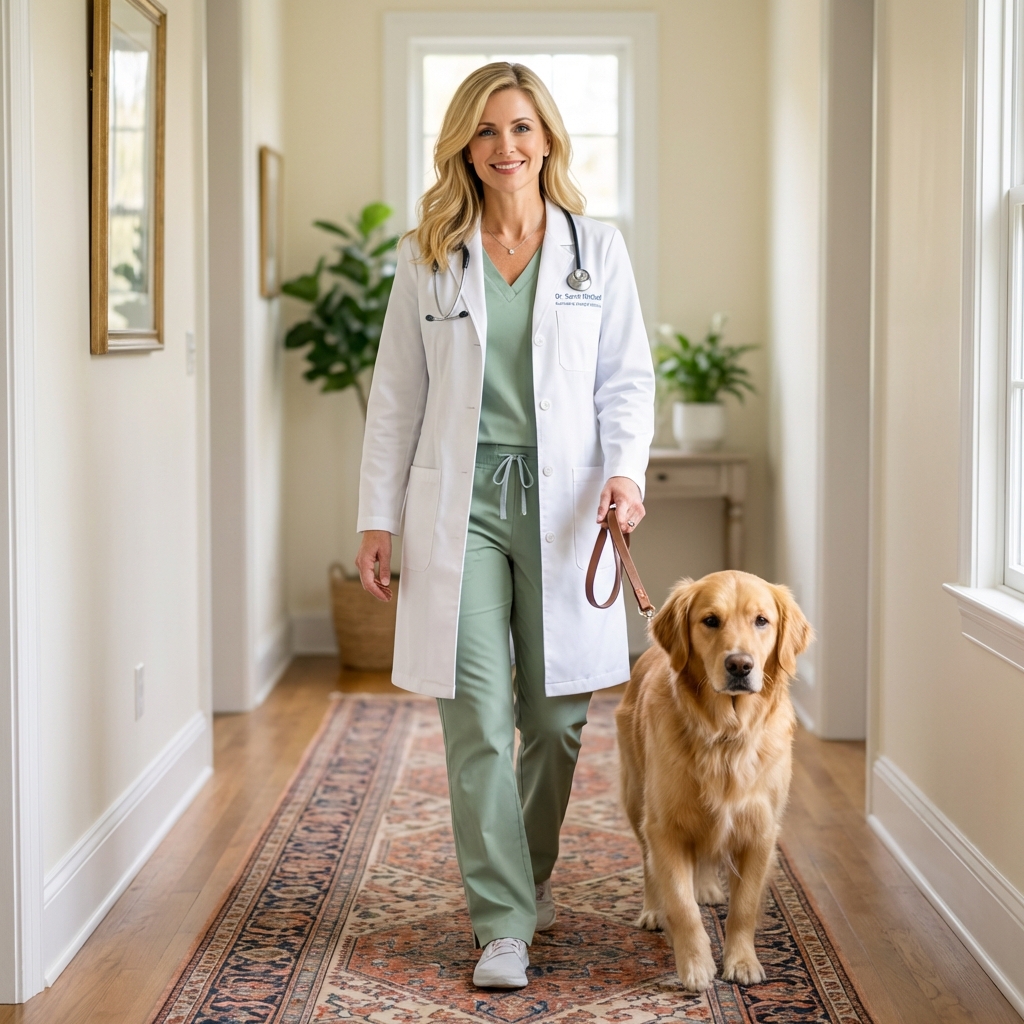
Whether your dog has surgery or conservative care, rehabilitation is where function returns. A veterinary rehab therapist can tailor exercises to your dog’s stage and comfort, and that guidance is worth it if it is available to you.
General rehab principles
- Go slow: “too much too soon” causes inflammation and setbacks.
- Short and frequent beats long and exhausting: several small sessions per day often work best.
- Watch the next-day limp: if your dog is more sore the following day, reduce intensity.
Examples of commonly used rehab tools
- Controlled leash walks progressing in time and terrain
- Sit-to-stand exercises for controlled strengthening (only when approved)
- Cavaletti poles at low height to encourage careful stepping
- Underwater treadmill or swimming for low-impact conditioning (not all dogs are safe swimmers)
- Massage and gentle range-of-motion when recommended by your veterinary team
Safety note: never start rehab exercises on your own right after injury or surgery without the green light from your veterinarian or surgeon.
Recovery timeline: typical milestones
Every clinic and every dog is a little different, so use this as a general map and follow your vet’s plan.
- Weeks 0 to 2: strict rest, short leash potty breaks, pain control, incision care if surgical, focus on calm routine.
- Weeks 2 to 6: gradually increasing controlled leash walks, early guided strengthening or therapy if cleared.
- Weeks 6 to 12: more structured conditioning, strengthening, and steadier return to normal daily activity (still avoiding wild sprinting and sharp turns).
- After 12 weeks: many dogs are building back toward higher activity, with your vet’s approval, and with smart long-term habits to protect both knees.
Nutrition and supplements
Food cannot “reattach” a torn CCL, but nutrition can absolutely support recovery, body composition, and inflammation control.
Weight management is joint protection
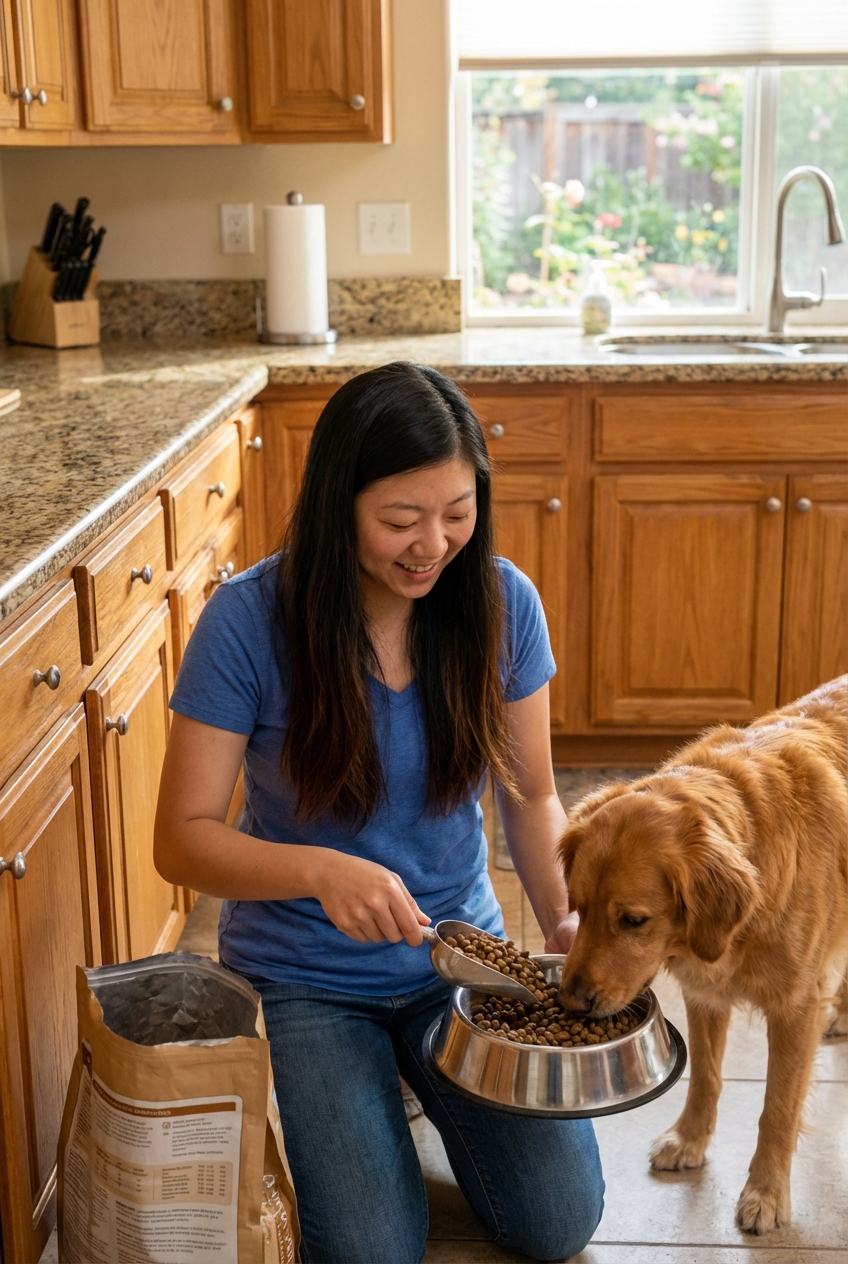
If your dog is even a little overweight, trimming down is one of the most powerful ways to reduce stress on the knee. Ask your vet for a target weight and a safe calorie plan. Small changes add up quickly.
Protein matters for muscle
During rest and rehab, dogs can lose muscle fast, especially in the thigh. Adequate, high-quality protein supports rebuilding.
Common joint supplements to discuss with your vet
- Omega-3 fatty acids (EPA and DHA): evidence supports benefit for osteoarthritis comfort in many dogs.
- Glucosamine and chondroitin: mixed evidence, but some dogs improve and it is often used as part of a broader plan.
- Green-lipped mussel: has data supporting joint support in some dogs.
- Undenatured type II collagen (UC-II): may help joint comfort for some dogs.
Always check dosing and product quality with your veterinary team, especially if your dog is on prescription medications or has a history of pancreatitis.
Protecting the other knee
After a CCL injury, the other knee is at increased risk. You cannot eliminate that risk completely, but you can stack the odds in your dog’s favor.
Daily habits that help
- Keep your dog lean: the single most consistent, practical protection.
- Build steady muscle: once cleared, keep a routine of low-impact conditioning.
- Warm up: a few minutes of easy walking before higher activity.
- Avoid repetitive high-impact: nonstop ball chasing, slippery fetch, and sharp turns are common triggers.
- Use ramps: especially for dogs that launch on and off furniture.
When to call the vet
- Your dog suddenly cannot bear weight or the limp worsens dramatically
- Swelling increases quickly or the knee feels hot
- Your dog cries out, pants excessively, or seems distressed
- After a period of improvement, your dog suddenly looks much worse (possible meniscus issue)
- Incision issues after surgery: redness, discharge, gapping, or licking that you cannot stop
- Medication side effects: vomiting, diarrhea, black stool, refusal to eat, severe lethargy
Progress is rarely perfectly linear. A small flare-up does not mean failure, but it is a sign to slow down and check in with your veterinary team.
Simple daily schedule (early phase)
If you are feeling overwhelmed, a routine can help both you and your dog.
- Morning: calm potty break on leash, give medications as prescribed, 5 to 10 minutes of quiet enrichment (snuffle mat, lick mat, frozen food toy).
- Midday: short leash potty break, gentle mental activity like basic training with treats while lying down.
- Evening: leash potty break, cold compress if recommended, settle on an orthopedic bed with a chew.
- All day: no stairs, no jumping, no rough play.