Not sure if your senior dog hurts? Learn subtle pain signs, what vets check, safe treatments (NSAIDs, injections, rehab), and what to avoid—especially huma...
Article
•
Designer Mixes
CBD Oil for Dogs: Safety, Pain Relief, and Anxiety

Shari Shidate
Designer Mixes contributor
As a veterinary assistant here in Frisco, Texas, I get asked about CBD for dogs almost weekly, especially for anxious pups and seniors who seem stiff or sore. The interest makes sense. Many families want gentler options, and CBD products are everywhere. But “natural” does not automatically mean “safe,” and the quality of pet CBD on the market varies a lot.
In this guide, I’ll walk you through what we actually know about CBD oil for dogs, what research suggests for pain and anxiety, what can go wrong (including THC toxicity), and how to choose a product your veterinarian is more likely to feel comfortable with.
What CBD is (and what it is not)
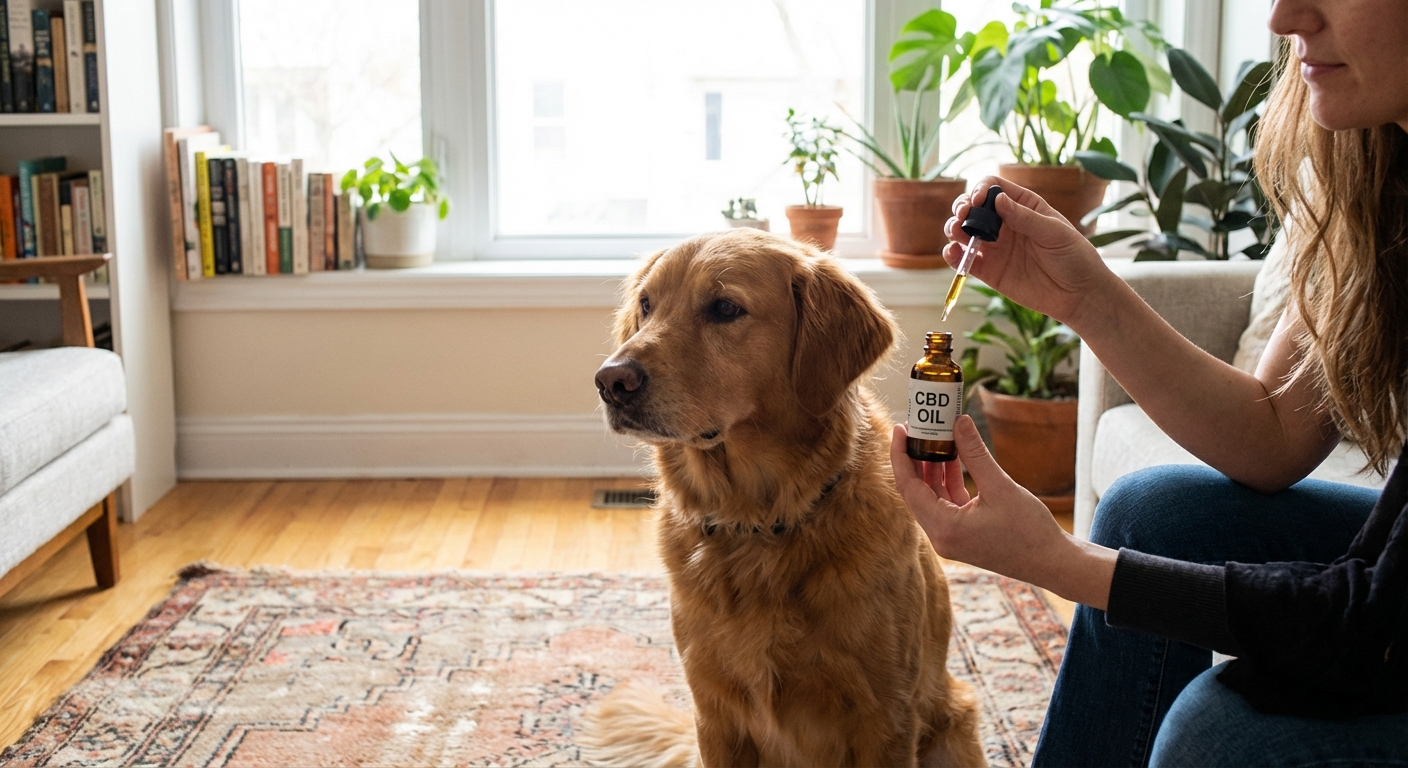
CBD stands for cannabidiol, one of many cannabinoids found in hemp and cannabis plants. CBD itself is not intoxicating. In dogs, it is thought to interact with the endocannabinoid system, which plays a role in pain signaling, inflammation, stress response, and appetite.
THC (tetrahydrocannabinol) is the cannabinoid most associated with the “high.” Dogs are much more sensitive to THC than people, and THC exposure is a common reason pets end up at emergency clinics after an edible gets left on a counter.
Most pet CBD products are derived from hemp and are intended to contain only trace THC, but labeling and testing matter a lot.
Is CBD safe for dogs?
For many dogs, CBD appears to be reasonably well-tolerated when sourced from a reputable manufacturer and used thoughtfully, but it is not risk-free and it is not right for every pet.
What studies and clinical experience suggest
Veterinary research is still developing. We do have a small but growing body of studies looking at CBD in dogs, especially for osteoarthritis pain. Overall, the data suggests potential benefit for some conditions, with side effects that are usually mild but still important to monitor.
Common side effects seen in dogs
- Sleepiness or sedation, especially at higher doses
- GI upset (loose stool, vomiting, decreased appetite)
- Increased thirst
- Wobbly walking if the product contains too much THC or the dose is too high
- Elevated liver enzymes on bloodwork in some dogs, often ALP. This may be dose-related and reversible, but it is worth monitoring.
Dogs who need extra caution
Please talk with your veterinarian before starting CBD if your dog:
- Is on other medications (especially seizure meds, sedatives, NSAIDs, or behavior meds). CBD can affect how some drugs are processed in the liver (often discussed as CYP450 interactions), so your vet may recommend extra monitoring.
- Has known liver disease or is a senior with unknown baseline lab work
- Is pregnant, nursing, very young, or very small
- Has a history of pancreatitis (some oils and high-fat treats can be risky)
My practical clinic-style advice: If you are going to try CBD, start low, go slow, track changes, and consider baseline and follow-up bloodwork for older dogs or long-term use.
What research shows for pain relief
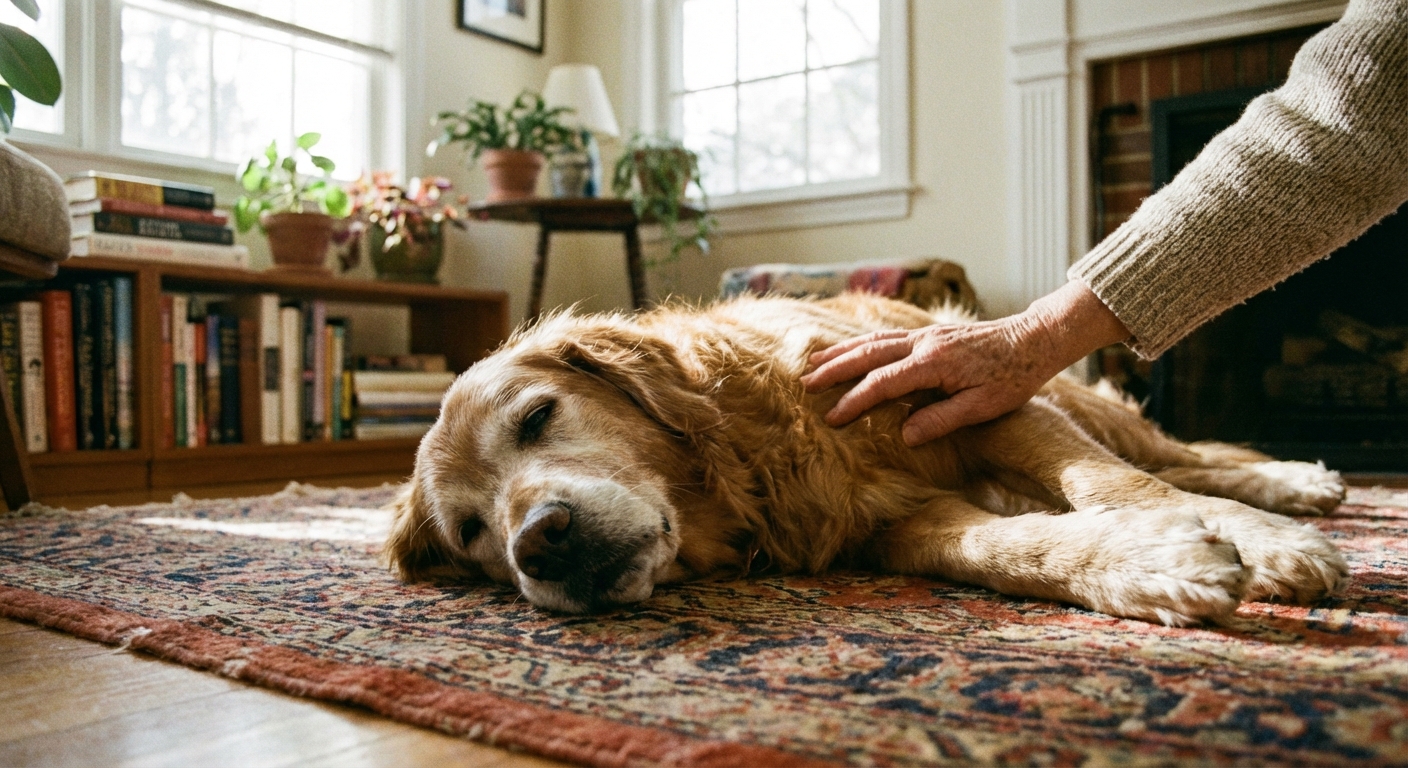
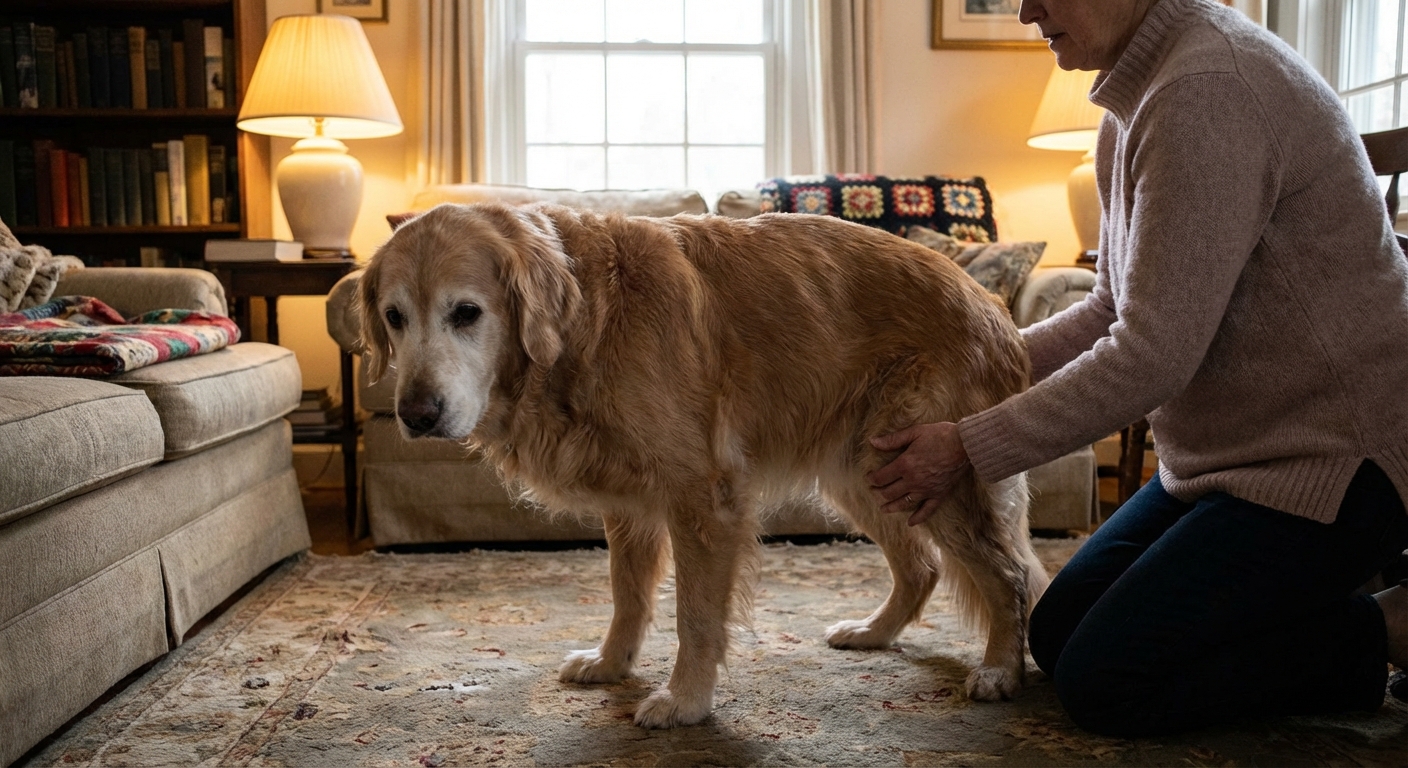
The strongest area of interest in veterinary medicine is chronic pain, particularly osteoarthritis. Some published studies have reported improved comfort and activity in dogs with arthritis when given CBD at certain doses, although study sizes are typically small and products vary.
CBD is not the same as a proven pain medication like an NSAID, and it should not automatically replace a plan that includes weight management, joint-friendly exercise, physical therapy, and veterinarian-approved medications or supplements.
When CBD may help the most
- Osteoarthritis and mobility issues in seniors
- Post-exercise soreness in some active dogs (with vet guidance)
- Inflammation-related discomfort, as part of a broader plan
When CBD is not a substitute
- Severe pain (crying, limping, refusing to eat, sudden behavior change)
- Acute injury (possible fracture, torn ligament)
- Suspected disc disease or neurologic signs
If pain is new or worsening, treat that as a medical problem first. CBD can be a “maybe,” but a diagnosis is a “must.”
What research shows for anxiety
This is where I see the most hope and also the most misunderstanding. Families often want CBD to work like a fast-acting sedative. In reality, many dogs who respond to CBD show milder, gradual changes, such as taking the edge off, improving relaxation, or helping with recovery after a stressful event.
Timing matters: some dogs seem to benefit within hours for situational use, while others do better with daily use and may take several days (sometimes a couple weeks) to show a clearer pattern. It is very individual, and product type and dose play a role.
Anxiety situations people commonly try CBD for
- Noise anxiety (thunderstorms, fireworks)
- Travel stress
- New environments (guests, moving, schedule changes)
- Separation-related distress (though this often needs a structured behavior plan)
Important reality check
For true separation anxiety, CBD alone is rarely enough. The best results usually come from combining:
- Behavior modification (a step-by-step desensitization plan)
- Environmental management (safe confinement, enrichment)
- Sometimes prescription anxiety medication from your veterinarian
- Adjuncts like pheromones, calming training, and possibly CBD
CBD may be one tool, but it is not a replacement for a behavior plan.

CBD dosage by weight (starting ranges)
Important: there is no one universally accepted CBD dose for every dog, and there are no FDA-approved CBD products for pets. Think of the ranges below as common starting points discussed in veterinary settings, not a guaranteed or “official” dose. Your veterinarian should guide dosing, especially for arthritis, seizures, or complex medical cases.
That said, many veterinary discussions use a ballpark of 0.1 to 0.2 mg CBD per pound to start, given once or twice daily, then adjusted slowly based on response and side effects.
For osteoarthritis specifically, some published trials have used around 2 mg/kg twice daily with certain formulations. Owners should not assume that same number applies to every product or every dog without veterinary guidance.
Simple starting guide (mg of CBD per dose)
- Under 10 lb: 1 to 2 mg
- 10 to 25 lb: 2 to 5 mg
- 26 to 50 lb: 5 to 10 mg
- 51 to 75 lb: 10 to 15 mg
- 76 to 100 lb: 15 to 20 mg
How to adjust: Give the same dose for 3 to 7 days, then observe energy, stool quality, appetite, and comfort. If there is no benefit and no side effects, increase gradually. If your dog becomes overly sleepy, nauseated, or wobbly, reduce the dose and call your veterinarian.
How to calculate drops (avoid guessing)
Ignore “dropper full” directions unless the product tells you mg per mL. You want math you can trust:
- Example: a 30 mL bottle with 600 mg CBD total equals 20 mg/mL.
- If your dog’s starting dose is 5 mg, that would be 0.25 mL.
If a label does not clearly state total CBD mg and volume, I consider that a red flag.
Giving it with food
Some dogs do better taking CBD with a small meal or treat, especially if they get nausea on an empty stomach. Also remember oils and treats add calories, and many CBD oils use carrier fats. If your dog has a pancreatitis history, that is a conversation to have with your vet before choosing a product.
THC toxicity risks
Most CBD safety scares I see in real life are not from CBD itself. They are from THC exposure, mislabeled products, or dogs getting into human edibles.
Signs of THC toxicity in dogs
- Wobbly walking, weakness, acting “drunk”
- Extreme sleepiness or, less commonly, agitation
- Urinary accidents
- Drooling, vomiting
- Slow heart rate or low body temperature
- Tremors or seizures in severe cases
If you suspect THC exposure: call your veterinarian, local ER, or Pet Poison Helpline right away. Do not “wait it out.” Dogs can recover well with supportive care, but prompt guidance matters.
Also watch for xylitol and chocolate
Many human gummies and baked edibles contain xylitol (highly toxic) or chocolate. Even if the THC dose seems small, these ingredients can make the situation much more serious.
How to choose a safer CBD product
This is where you can protect your dog the most. When families bring me a CBD bottle to look at, I focus on transparency, testing, and consistency.
Look for these quality markers
- Third-party lab testing (COA) for every batch, easy to access via QR code or website
- Clear cannabinoid profile, including the THC amount
- Contaminant testing for pesticides, heavy metals, mold, and residual solvents
- Accurate labeling with total CBD mg per bottle and mg per mL
- Pet-appropriate ingredients (no xylitol, no questionable essential oils)
Broad-spectrum vs full-spectrum vs isolate
- Isolate: CBD only. Lowest THC risk, but some dogs may respond less.
- Broad-spectrum: multiple cannabinoids and aims to remove THC. Still, confirm with a COA because “broad-spectrum” is not a guarantee of zero THC.
- Full-spectrum: includes THC (typically within legal hemp limits). Potentially more “entourage effect,” but higher THC risk if the product is poorly made, mislabeled, or overdosed.
If you have a tiny dog, a senior with health issues, or you are anxious about THC, ask your vet about starting with a tested broad-spectrum product or isolate.
Oil vs treats
- Oils allow more precise dosing and are easier to adjust.
- Treats are convenient but can be harder to dose accurately. They also add calories and sometimes higher fat.
Legal and FDA basics
In the United States, hemp is defined federally as cannabis containing no more than 0.3% THC by dry weight. That is why you will often see “hemp-derived” on CBD labels, but state laws and enforcement still vary. Rules also vary around how veterinarians can discuss or recommend CBD depending on the state.
It is also important to know that availability is not the same as FDA approval. Regulation of CBD in foods, supplements, and animal products is still evolving.
My suggestion: ask your veterinarian what they can legally advise where you live, then choose products that provide transparent lab reports and ship legally to your location.
If you travel with your dog, check the rules for your destination. Even if a product is legal in one state, it may be restricted in another.
When vets may consider CBD
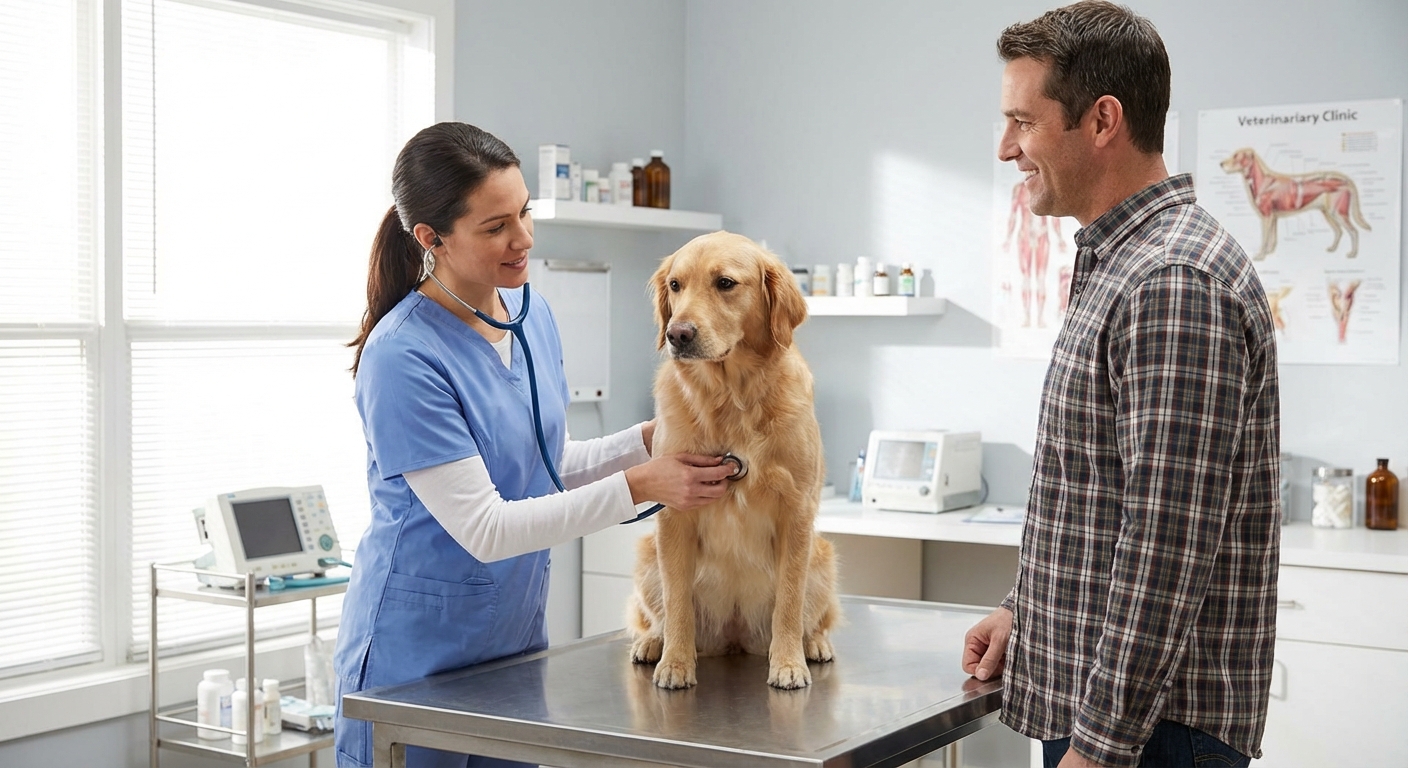
Veterinarians tend to be cautious, and for good reason. Evidence and quality control are still catching up to demand. That said, many vets will discuss CBD as an adjunct for certain situations, especially when conventional care is not enough on its own.
More common adjunct uses
- Osteoarthritis pain and decreased mobility in senior dogs
- Situational anxiety (storms, travel), along with behavior strategies
- Decreased appetite in some chronic conditions, when appropriate
Seizures
You may hear about CBD for seizures because there is human data and a lot of interest. In dogs, seizure management should be guided by a veterinarian or veterinary neurologist. Do not stop or replace seizure medication with CBD without medical supervision.
Cancer
CBD is sometimes marketed heavily for cancer. At this time, it should not be viewed as a cure. Some dogs may use CBD to support comfort, appetite, or relaxation as part of a broader oncology plan, but this is a conversation to have with your vet team.
How to start safely (checklist)
- Talk to your veterinarian, especially if your dog is on medications or has liver issues.
- Pick one goal (less limping, calmer during storms, better sleep). Be specific so you can measure success.
- Choose a tested product with a COA and clear mg/mL.
- Start low using the starting ranges above.
- Keep a simple 7-day log of pain signs, anxiety triggers, appetite, and stool quality.
- Adjust slowly every 3 to 7 days as needed.
- Recheck with your vet if you are using CBD daily long-term, especially for seniors. Ask whether periodic bloodwork makes sense.
If your dog is anxious or painful, you do not have to figure it out alone. The best plan is usually a blend of medical care, lifestyle changes, and supportive tools that are matched to your dog’s unique needs.
When to skip CBD and call the vet
CBD is not the right first step if your dog has:
- Sudden severe pain, crying, or collapse
- Trouble breathing
- Repeated vomiting or diarrhea
- New seizures or fainting
- Suspected toxin ingestion (including THC edibles)
- Rapid behavior change, confusion, or extreme lethargy
In those cases, please treat it as urgent. You can always revisit supplements later after your dog is stable and properly diagnosed.
Bottom line
CBD may be a helpful add-on for some dogs with chronic pain or mild to moderate anxiety, but the safest results come from good product selection, cautious dosing, and veterinarian guidance. If you remember just one thing, let it be this: quality control and THC risk matter as much as the CBD dose.
If you decide to ask your vet about CBD, bring a few basics to the appointment: your dog’s weight, age, primary goal (pain, anxiety, or both), current meds and supplements, and photos of the product label or COA you are considering. That simple prep helps your vet give you much clearer, safer guidance.