
CBD Oil for Cats: Safety, Uses, and What Vets Say

CBD oil for cats is increasingly common right now, from pet boutiques to online ads promising calmer days and pain-free naps. As a veterinary assistant in Frisco, Texas, I love when pet parents ask questions before trying something new. Cats are not small dogs, and their bodies process supplements differently. That means “safe for dogs” does not automatically mean “safe for cats.”
Here’s an evidence-based, practical breakdown of what we know, what we do not know yet, and how to make the safest choice if you are considering CBD for your cat. This is general information, not a substitute for veterinary care.
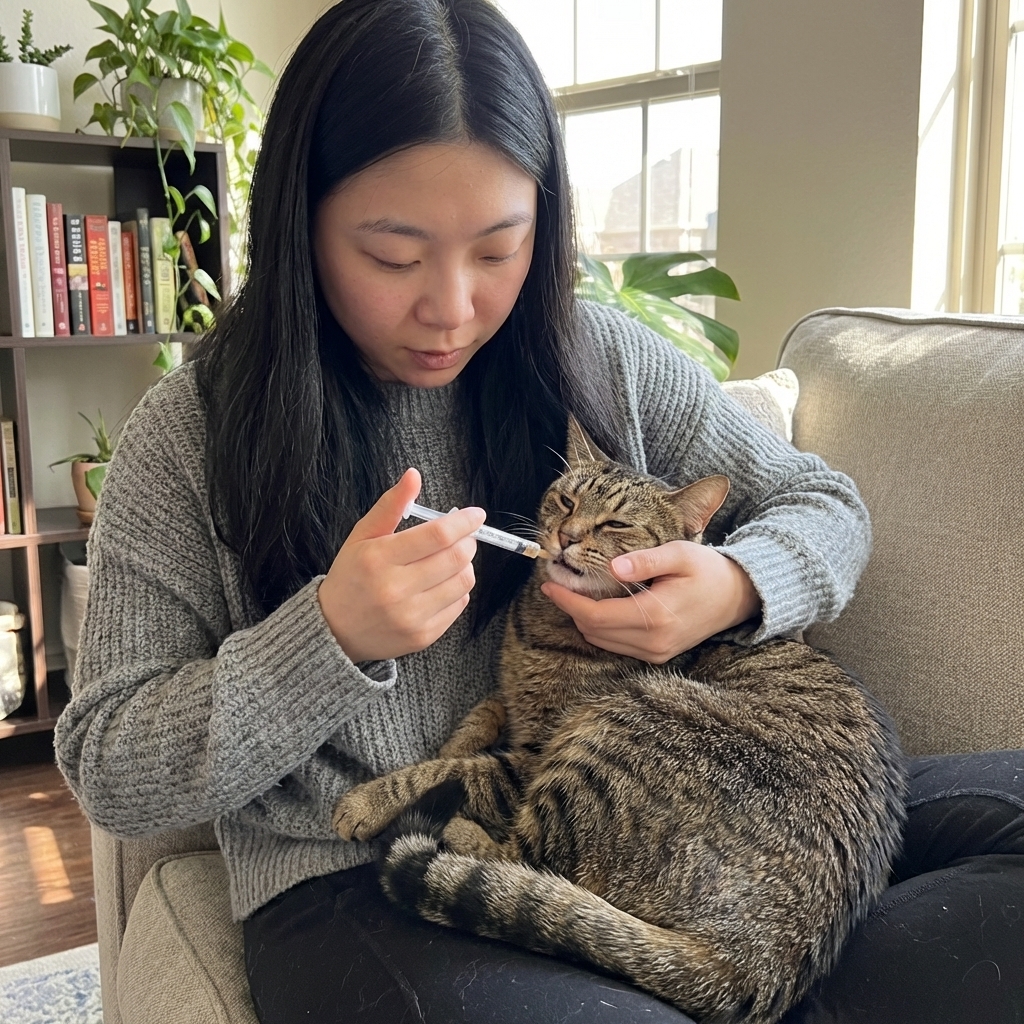
What CBD is (and what it is not)
CBD is short for cannabidiol, a compound found in the hemp plant. It is not the same thing as THC, the compound in cannabis that causes a “high.” Most pet CBD products are derived from hemp and are marketed as non-intoxicating.
That said, “non-intoxicating” depends on the product. Some oils contain small amounts of THC, and any pet can be affected by THC. Cats can show pronounced neurologic signs at relatively low exposures. This is one reason quality control matters so much.
Is CBD oil safe for cats?
We do not yet have large, long-term clinical trials in cats that answer every safety question. What we do have is a growing body of early research, veterinary experience, and pharmacology basics that point to a cautious approach.
What early studies and real-world use suggest
- Many cats tolerate CBD at low doses, but side effects are possible.
- Product variability is a major risk. Two bottles with the same label can still differ if manufacturing is inconsistent, which is why batch-specific third-party lab reports matter.
- Cats can be more sensitive to certain ingredients and to the sedating effects of cannabinoids.
Common side effects reported in cats
- Sleepiness or sedation
- Wobbly walking or acting “off”
- Drooling (often from the taste of the oil, not necessarily toxicity)
- Vomiting or diarrhea
- Increased or decreased appetite
Rare but serious concerns are usually linked to THC exposure, very high dosing, or underlying disease. If your cat has liver disease, is elderly, or takes prescription meds, you should treat CBD as a medical decision and involve your veterinarian.
If side effects happen
Stop the product and call your veterinarian for guidance, especially if your cat seems very sleepy, wobbly, is vomiting, or will not eat. Keep the packaging and bring the label and COA (certificate of analysis) if you have it.
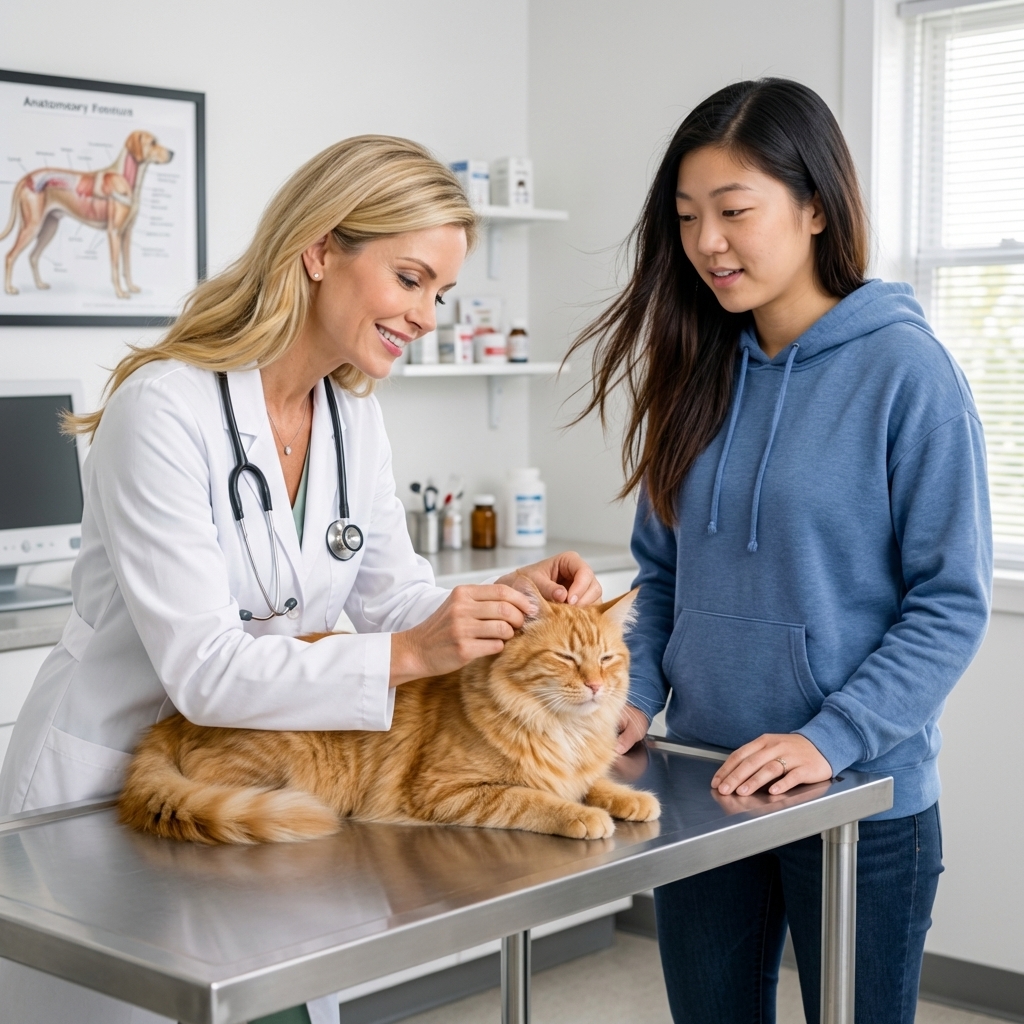
How cat CBD differs from dog CBD
Even if the ingredient sounds the same, feline products should be formulated with cats in mind.
Key differences that matter
- Concentration and dosing: Many dog oils are too concentrated to measure safely for a cat. With cats, tiny measurement errors can make a big difference.
- Flavoring and additives: Some dog products include ingredients that are not ideal for cats. Avoid essential oils and strong flavor additives. Also avoid xylitol. It is highly toxic to dogs and best avoided for cats as well.
- Carrier oils: CBD is usually suspended in oils like MCT, hemp seed, or salmon oil. Some cats get GI upset from certain carriers, especially at higher amounts.
- Metabolism: Cats have unique liver metabolism compared with dogs, and they can respond differently to supplements and medications. This is why a cat-specific approach is safer.
Potential uses: anxiety, pain, inflammation
Most pet parents are looking at CBD for a few common reasons. Here is what the evidence and veterinary consensus tend to say today.
Anxiety and stress
Cats can get stressed by changes that seem small to us: a new baby, remodeling noise, visitors, travel, or even a new litter brand. Some owners report calmer behavior with CBD, but controlled feline research is still limited.
If anxiety is the main concern, I usually encourage starting with proven, low-risk options first, such as routine and environmental changes, pheromone diffusers, puzzle feeders, and vet-recommended behavior plans. CBD can be considered as an add-on, not a replacement for a real anxiety plan.
Chronic pain and arthritis
Chronic pain is a big one, especially in older cats. Arthritis is underdiagnosed because cats are masters at hiding discomfort. Early data in other species suggests CBD may help with pain modulation and inflammation, but feline-specific proof is still emerging.
If your cat may be painful, the best first step is a veterinary exam. There are excellent pain-control options that are well-studied for cats, and sometimes CBD is used alongside them. It should never delay proper pain management.
Appetite and nausea
Some owners notice appetite changes. However, cats who are not eating can get sick quickly, and appetite loss can signal serious disease. If your cat is skipping meals, treat that as urgent and call your veterinarian before trying supplements.
Dosage: start low, go slow
There is no universally accepted, FDA-approved CBD dosing chart for cats. Because products vary and cats vary, the safest general approach is:
- Choose a cat-specific product with clear mg of CBD per mL listed.
- Start with a very low dose.
- Increase slowly, only if needed, while watching appetite, alertness, and litter box habits.
- Track responses in a simple notes app: dose, time, behavior changes, side effects.
A practical measuring tip
Look for products that make it easy to measure tiny amounts, like a dropper marked in 0.25 mL increments or a pump with consistent dosing. For many cats, “a little extra” is not harmless, it is just less predictable.
Medication interactions
CBD can affect how the liver metabolizes certain drugs (via CYP enzymes). Interaction data in cats is still limited, so caution matters. This is especially important for cats taking seizure medications (like phenobarbital) or other long-term prescriptions. Bring the product label and COA to your vet so they can help evaluate risk.
Timing and expectations
Some owners notice effects within an hour or two, while others only notice changes after several days of consistent use. Either way, keep expectations realistic. CBD is not a cure, and it should not replace proven treatments when your cat is truly uncomfortable.
THC toxicity: a serious risk
If there is one CBD safety point I want every cat parent to remember, it is this: THC is not safe for cats, and cats can become very ill from relatively small exposures.
How cats are exposed
- CBD products that are mislabeled or contaminated with THC
- Human cannabis edibles, vape liquids, or flower in the home
- Accidental ingestion of gummies, baked goods, or oils
Signs of THC toxicity in cats
- Severe lethargy or unresponsiveness
- Wobbliness, weakness, or collapse
- Vomiting
- Dilated pupils, unusual vocalizing, agitation
- Slow heart rate or low body temperature
- Urinary accidents
If you suspect THC exposure, call your veterinarian or a pet poison hotline immediately. Quick care can make a huge difference.
What vets say (and why it sounds complicated)
Many veterinarians are open to discussing CBD, but the legal and regulatory landscape can limit what they can recommend, depending on the state and the clinic’s policies.
Why it is not a simple yes or no
- Limited feline research compared with conventional medications
- No FDA-approved CBD products for pets, so dosing and purity are not guaranteed across brands
- State rules vary on how veterinarians can discuss cannabis-derived products
Still, most veterinary teams want the same thing you do: safe choices and fewer suffering days for your cat. If your vet cannot directly prescribe CBD, they can often still help you think through risk factors, drug interactions, and what symptoms to monitor.
How to choose a safer CBD product
If you decide to try CBD, product selection is where you can protect your cat the most.
Shopping checklist
- Third-party lab testing (COA) that matches the batch you are buying
- Clear THC information: ideally non-detectable THC for cats (keeping in mind “non-detectable” depends on the lab’s limits)
- Accurate labeling: mg CBD per mL, not just “hemp extract”
- Simple ingredients: avoid essential oils, sweeteners, and unnecessary additives
- Cat-appropriate strength so dosing is measurable
- Transparent company: address, contact info, and manufacturing standards listed
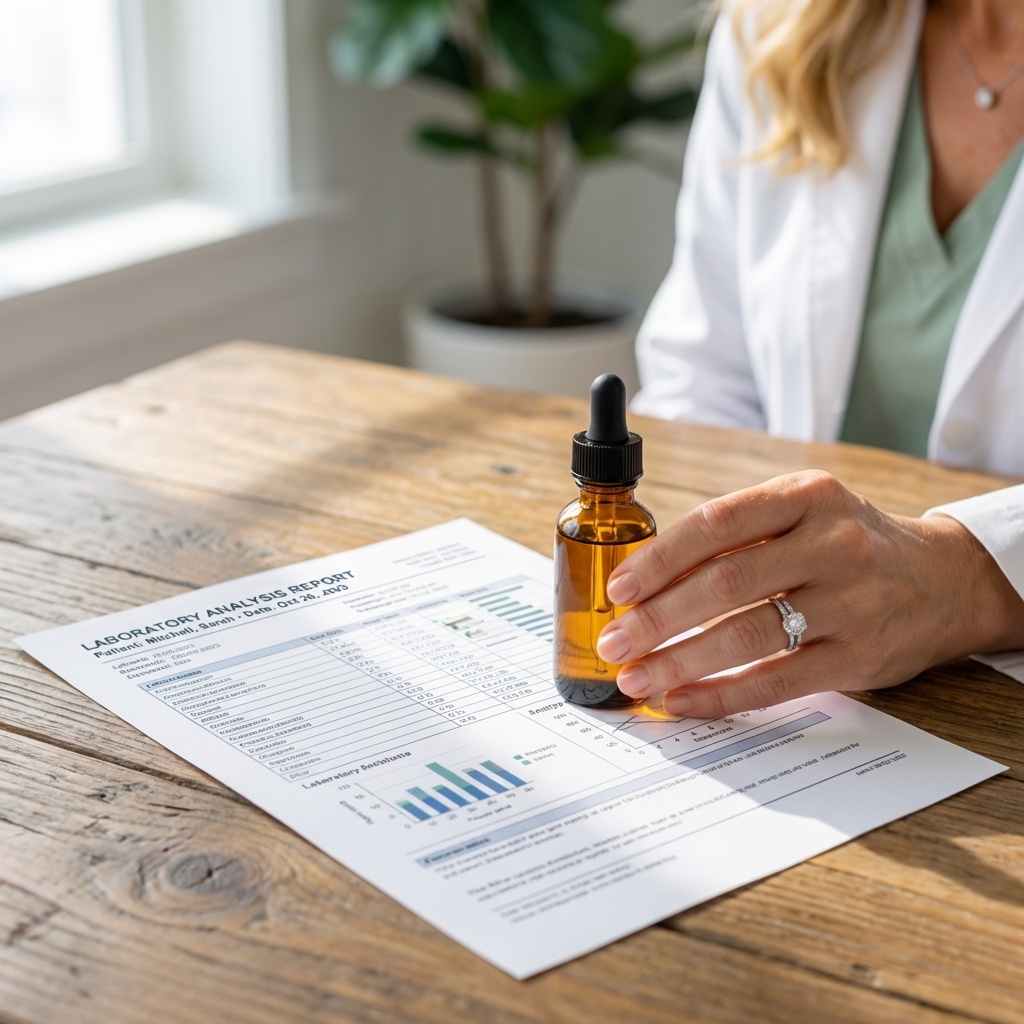
How to give CBD (without a fight)
Cats do best when we keep things calm and predictable.
- Oil vs treats: Oils allow more precise dosing, while treats can be easier but vary more by piece and can include extra ingredients.
- Try mixing first: If your vet says it is appropriate, you can try mixing the dose into a small amount of a favorite wet food or a lickable treat.
- Avoid forcing it: If dosing turns into a wrestling match, the stress can outweigh the benefit. Talk with your vet about other options.
When CBD is not a good idea
CBD is not the right fit for every cat. I recommend extra caution or avoiding CBD altogether in these situations unless your veterinarian is closely guiding you:
- Kittens and very small cats
- Pregnant or nursing cats
- Cats with known liver disease
- Cats on multiple medications or with complex chronic illness
- Any cat with sudden symptoms like vomiting, trouble walking, or not eating
A simple plan to talk to your vet
If you want a productive appointment, bring specific details. This helps your vet help you.
- The exact product name and a photo of the label
- The COA or a link to it
- Your cat’s weight and medical history
- Your goal: anxiety, pain, appetite, or mobility
- Current medications and supplements
My goal is always the same: fewer bad days and more comfortable, confident cats. CBD might be part of that for some cats, but it should be used thoughtfully, not casually.
If you are considering CBD for your cat, start with safety: pick a tested product, avoid THC, measure carefully, and keep your veterinarian in the loop. Your cat is counting on you to be the calm, careful one.
Sources worth reading
- Cornell University College of Veterinary Medicine: Cannabis and pets (client education overview)
- FDA: Consumer updates and warning letters related to CBD product labeling and quality concerns
- Peer-reviewed feline CBD pharmacokinetic and tolerance studies (ask your veterinarian for current recommendations)