A vet assistant explains how omega-3s (EPA and DHA) support dogs’ skin, coat, joints, and some heart conditions—plus how to dose by weight, read labels, ...
Article
•
Designer Mixes
Cavapoo Health Issues and Common Conditions

Shari Shidate
Designer Mixes contributor
Cavapoos are lovable, people-focused dogs, and many enjoy long, happy lives. But like all designer mixes, they can inherit health risks from both parent breeds, the Cavalier King Charles Spaniel and the Poodle. Knowing what to watch for helps you choose a responsible breeder, plan smart vet care, and catch problems early when treatment tends to work best.

Cavapoo lifespan expectations
Most Cavapoos live about 12 to 15 years. Some may reach the mid to late teens, especially when they stay lean, get consistent preventive care, and avoid or effectively manage chronic issues. Lifespan varies based on genetics, size (smaller dogs often live longer), dental health, and whether conditions like heart disease develop.
From my perspective as a veterinary assistant, your best “longevity plan” is simple: start with a good breeder, keep up with routine screening, and stay proactive about weight, teeth, and exercise.
Most common Cavapoo health problems
Below are conditions that come up most often in Cavapoos. Not every Cavapoo will develop these issues, but they are important to understand, especially when planning breeder questions and long-term veterinary care.
Mitral valve disease (MVD)
Mitral valve disease is one of the most important health concerns to know about. It is very common in Cavalier King Charles Spaniels, and Cavapoos can inherit that increased risk. (For context, myxomatous mitral valve disease is also seen in many small breeds, but Cavaliers are particularly predisposed.) MVD occurs when the mitral valve in the heart degenerates over time, allowing blood to leak backward. This can progress to congestive heart failure.
Signs you might notice at home
- A new cough, especially at night or after activity
- Fast or labored breathing
- Lower energy or not wanting to exercise
- Fainting or weakness (urgent)
- Reduced appetite or weight loss in later stages
How vets screen and diagnose it
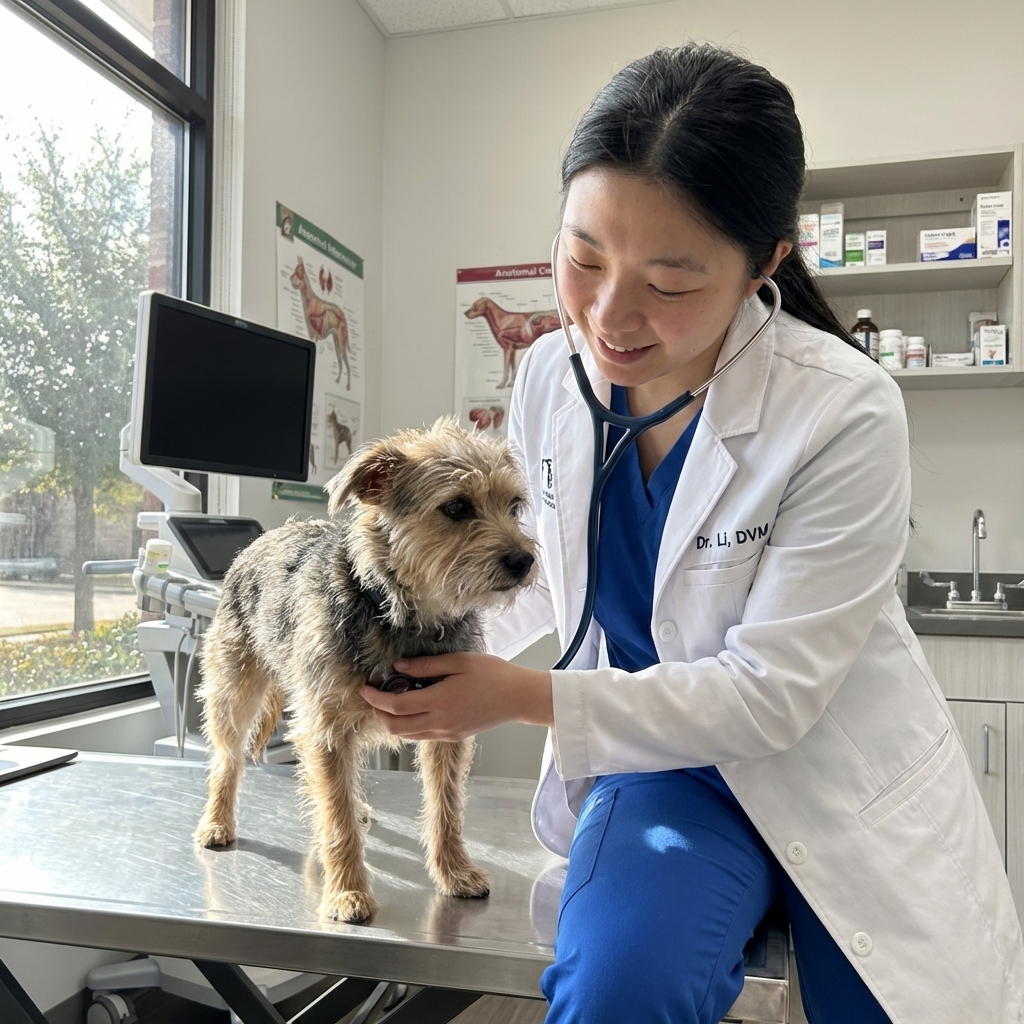
- Heart auscultation at wellness visits to listen for a murmur
- Chest X-rays to evaluate heart size and lungs
- Echocardiogram (ultrasound of the heart) for staging and treatment planning
Why breeder testing matters
Look for breeders who do cardiac screening on their Cavalier and Poodle breeding dogs. In strong programs, this means an exam (auscultation) performed by a veterinary cardiologist. Some programs also include an echocardiogram, and re-checks over time matter because MVD often appears later in life.
Syringomyelia (SM)
Syringomyelia is a painful neurological condition most strongly associated with Cavaliers. It involves fluid-filled cavities forming within the spinal cord, often related to skull and brain anatomy (commonly discussed as Chiari-like malformation). Cavapoos can be affected due to Cavalier lineage.
Common symptoms
- Neck or shoulder pain
- Sensitivity when touched around the head, neck, or ears
- “Air scratching” near the neck or shoulder without touching the skin
- Yelping suddenly when picked up or when turning the head
- Reluctance to jump, play, or go on walks
Diagnosis and care
The primary diagnostic tool is an MRI. Treatment varies by severity and may include pain control and other medications, plus lifestyle adjustments. In some cases, surgery is discussed with a neurologist.
If your Cavapoo shows consistent pain behaviors, do not wait it out. Pain is a quality-of-life issue, and earlier evaluation can make a big difference.
Luxating patella
Luxating patella means the kneecap slips out of place. This is common in small breeds and mixes. Some dogs have mild cases that are mostly managed with weight control and strengthening, while others need surgery.
What you might see
- A skipping gait or a quick “hop” for a few steps
- Intermittent limping that comes and goes
- Reluctance to run, climb stairs, or jump onto furniture
Helpful prevention and management
- Keep your Cavapoo lean (extra weight increases joint stress)
- Ask your vet about safe exercise and strengthening
- Use ramps or steps for frequent jumping up and down
Progressive retinal atrophy (PRA)
Progressive retinal atrophy is an inherited eye disease that causes gradual degeneration of the retina and can lead to blindness. Poodles have known hereditary PRA forms, so Cavapoos may be at risk depending on the genetic lines involved.
Early clues at home
- Night blindness or hesitation in dim light
- Bumping into objects in unfamiliar spaces
- Wider pupils or eyes that look more reflective in certain lighting
Screening and genetic testing
- Eye exams by a veterinary ophthalmologist can detect changes early
- DNA testing of breeding dogs can reduce the risk of producing affected puppies, depending on the specific mutation tested
There is no cure that reverses PRA, so prevention through responsible breeding and planning your home environment if vision declines are key.
Hip dysplasia
Hip dysplasia is a developmental condition where the hip joint does not fit together properly, which can lead to arthritis and chronic pain. While it is more common in large breeds, it can affect smaller dogs too. It can also occur in Poodles, including some miniature and standard lines.
Signs to watch for
- Stiffness, especially after rest
- Difficulty rising or climbing stairs
- Bunny-hopping gait when running
- Decreased interest in play or longer walks
Diagnosis and treatment
Diagnosis is usually based on a physical exam plus X-rays. Treatment may include weight management, targeted exercise, joint-support medications, physical therapy, and sometimes surgery depending on severity.
Ear infections
Ear infections (otitis) are one of the most frequent, day-to-day issues Cavapoo owners deal with. Floppy ears, hair in the ear canal, moisture from bathing or swimming, and underlying allergies can all set the stage for recurrent infections.
Common signs
- Head shaking or ear scratching
- Redness, odor, or debris in the ear
- Ear sensitivity, especially when touched
- Recurring infections that clear up, then come right back
What helps
- Ask your vet about a safe maintenance ear cleaner if your dog is prone to wax or infections
- Keep ears dry after baths and swimming
- If your Cavapoo has lots of ear hair, ask your groomer and vet what is appropriate for your dog (not every dog should have canals aggressively plucked)
Skin allergies
Skin allergies are also extremely common in Poodle crosses. Triggers can include environmental allergens (atopy), food sensitivities, and flea allergy dermatitis. Allergies often show up as skin and ear issues together, which is why repeat ear infections deserve a closer look.
Signs to watch for
- Itchy paws, face rubbing, or frequent licking
- Redness on the belly, armpits, or between toes
- Hot spots or recurrent skin infections
- Chronic ear problems
How it is managed
Allergy care is usually a plan, not a single fix. Depending on your dog, your vet may recommend parasite prevention, medicated shampoos, diet trials, allergy medications, or allergy testing and immunotherapy.
Dental disease
Dental disease deserves its own spotlight for Cavapoos. Both parent breeds are prone to tartar buildup, gum inflammation, and periodontal disease, and small dogs often have crowded teeth that trap plaque. Beyond bad breath, dental pain can affect comfort, appetite, and overall quality of life. Severe infections can also be associated with systemic inflammation.
Signs you might miss
- Bad breath that keeps coming back
- Red or bleeding gums
- Tartar buildup, especially on the back teeth
- Dropping food, chewing on one side, or avoiding hard treats
What helps most
- Daily brushing with dog-safe toothpaste (even 4 to 5 days per week helps)
- Veterinary dental cleanings when recommended
- Talk to your vet before relying on dental chews, especially if your dog is a power chewer or has tooth issues
Health testing to look for in breeders
If you take just one thing from this page, let it be this: a Cavapoo’s health starts with the breeding dogs. “Vet checked” is not the same as health tested. Ask for documentation and be comfortable walking away if it is vague.

Core tests that matter for Cavapoos
- Cardiac evaluation (ideally auscultation by a veterinary cardiologist, with re-checks over time)
- Patellar evaluation (luxating patella screening)
- Hip evaluation (OFA or PennHIP style screening where appropriate)
- Eye exam by a veterinary ophthalmologist (ACVO-style exam) and/or relevant genetic tests
- PRA genetic testing when applicable based on the Poodle line
Questions I would ask a breeder
- Can I see the actual test results for both parents (not just a statement)?
- What does your cardiac screening include, and how often are the breeding dogs re-checked?
- Have any relatives had early heart murmurs, syringomyelia symptoms, or orthopedic surgery?
- Do you provide a written health guarantee, and what does it cover?
Everyday care that supports a healthier Cavapoo
Even with great genetics, lifestyle matters. These simple habits support the heart, joints, skin, and overall wellness.
- Stay lean: Ask your vet for your dog’s ideal weight range and body condition score.
- Protect the joints: Daily walks, gentle play, and traction on slippery floors help.
- Keep up with dental care: Brushing and routine cleanings can prevent a lot of pain and expense later.
- Support healthy ears and skin: Dry ears after water exposure, and address itching early before it turns into an infection cycle.
- Schedule routine wellness visits: Heart murmurs, patellar changes, early arthritis, and dental problems are often caught at checkups.
- Know your normal: Track breathing rate at rest, energy level, appetite, and activity tolerance.
When to call your vet right away
Trust your instincts. If something feels off, it is always okay to call. Seek prompt veterinary care if your Cavapoo has:
- Fainting, collapse, or sudden weakness
- Labored breathing or breathing faster than normal at rest
- A persistent cough
- Sudden pain, yelping, or sensitivity around the neck
- Limping that lasts more than a day, or any non-weight-bearing lameness
- Ear swelling, intense head shaking, or an ear that seems very painful (especially if the ear flap puffs up)
One of the kindest things you can do for a Cavapoo is to treat health changes as information, not inconvenience. Early care is often simpler, less expensive, and much easier on your dog.