Tight mats can hurt and hide skin problems. Follow a vet assistant’s step-by-step method to remove small mats safely, avoid scissors, and know when a groom...
Article
•
Designer Mixes
Cavapoo Breed Guide

Shari Shidate
Designer Mixes contributor
The Cavapoo is one of those dogs that seems to fit into almost any lifestyle, and there is a reason they are so popular. This designer mix combines the Cavalier King Charles Spaniel and the Poodle, often resulting in a small companion dog with a friendly temperament, a soft coat, and a strong desire to be near their people.
As a veterinary assistant here in Frisco, Texas, I see Cavapoos of all ages come through clinics for everything from puppy vaccines to senior wellness exams. When families do well with this mix, it is usually because they understand two things upfront: Cavapoos are social, and they need consistent grooming and preventive care to stay comfortable and healthy. In day-to-day clinic life, the most common “surprise” issues I see are heavy matting behind the ears and early dental buildup in young adults, both of which are much easier to prevent than to fix.

Quick facts
- Group: Designer mix (Cavalier King Charles Spaniel x Poodle)
- Typical size: Small, with variation depending on Poodle size used (Toy or Miniature most common)
- Typical weight: Commonly about 7 to 25 pounds, but some lines run larger and can exceed 25 pounds
- Typical height: Often about 9 to 14 inches at the shoulder (varies by genetics)
- Coat: Wavy to curly; low-shedding tendencies vary by individual
- Temperament: Affectionate, people-oriented, usually gentle with kids
- Energy level: Moderate
- Best fit: Homes wanting a close companion and willing to groom regularly
What is a Cavapoo?
A Cavapoo, sometimes called a Cavoodle, is a cross between a Cavalier King Charles Spaniel and a Poodle. Breeders may produce first-generation pups (often written as F1) or multi-generation Cavapoos. Genetics matter because they influence coat type, shedding, adult size, and which health risks a pup is more likely to inherit.
If you are choosing a puppy, ask what size Poodle was used (Toy, Miniature, or a smaller Standard), whether the parents were health tested, and what the expected adult weight range is. A well-run breeder should be comfortable talking through this in plain language.
Appearance and size
Most Cavapoos have a compact, teddy bear look with expressive eyes and a soft coat. Adult size varies because Poodles come in different sizes and because “Mini” can mean different things depending on breeder lines.
Typical weight and height
- Toy Poodle mix: often roughly 7 to 15 pounds
- Miniature Poodle mix: often roughly 12 to 25 pounds
- Height: commonly about 9 to 14 inches at the shoulder
Those ranges overlap and are not guarantees. Nutrition, genetics, and how big the parents are all play a role. Some Cavapoos, especially those from larger lines, may be over 25 pounds.
Temperament and personality
Cavapoos are affectionate, eager to please, and deeply bonded to their families. Many inherit the Cavalier’s gentle, snuggly nature and the Poodle’s intelligence. That combination can be wonderful, but it also means they can get bored easily and may struggle if left alone for long stretches.
Common traits
- Social: often friendly with visitors, kids, and other pets when well socialized
- Sensitive: they respond best to calm, positive training
- Velcro-dog tendencies: may follow you from room to room
If you work long hours away from home, plan ahead with a dog walker, daycare, or enrichment routines to prevent stress-related behaviors.
Exercise and enrichment
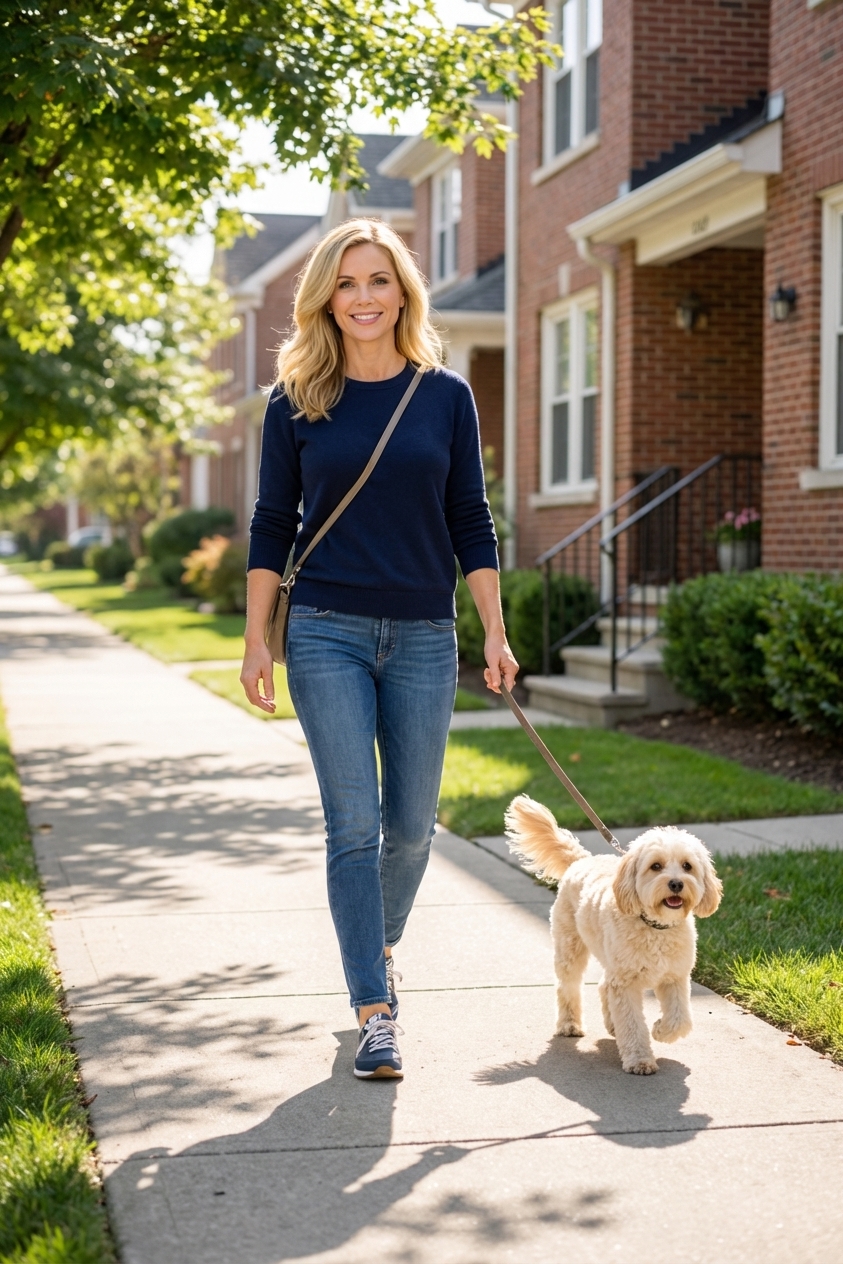
Cavapoos need daily activity, but they are not usually endurance dogs. Think consistent, moderate exercise plus brain work.
What most Cavapoos do well with
- Two to three short walks per day (tailor to age and fitness)
- Fetch or gentle tug in the living room or backyard
- Food puzzles and slow feeders for mental stimulation
- Basic training sessions, 5 to 10 minutes at a time
Puppies need structured play and rest. Too much forced exercise, especially lots of stairs or repetitive jumping, can be hard on developing joints.
Training and socialization
Cavapoos are highly trainable, but early socialization is what turns that sweet puppy into a confident adult. Pair new experiences with treats, praise, and calm exposure.
Focus areas for puppies
- House training: consistent schedule, frequent potty breaks, reward immediately
- Separation skills: practice short, positive alone-time sessions to reduce separation anxiety risk
- Handling: gentle practice touching paws, ears, and mouth to make grooming and vet visits easier
- Leash manners: reward check-ins and walking near you, avoid yanking on the leash
Positive reinforcement works beautifully for this mix. Harsh corrections can backfire and create fear or avoidance behaviors.
Grooming and coat care
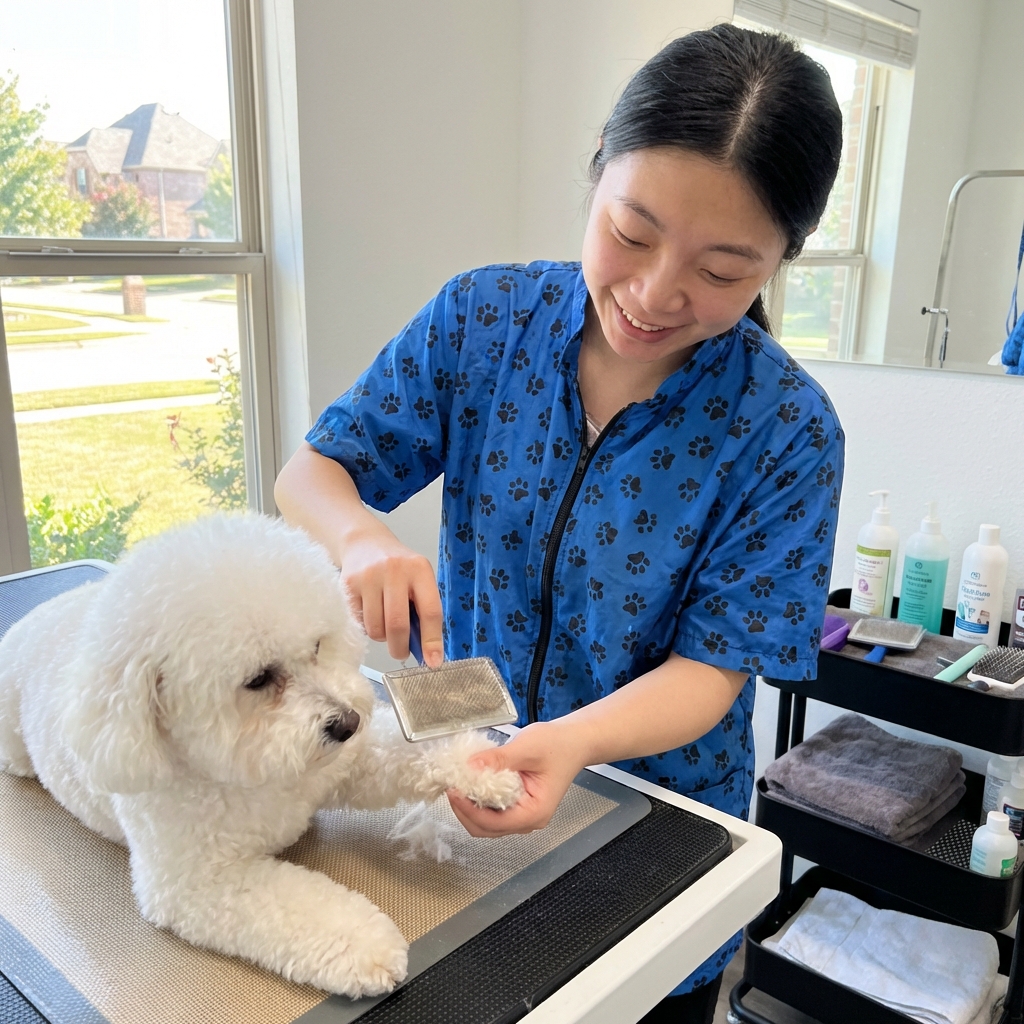
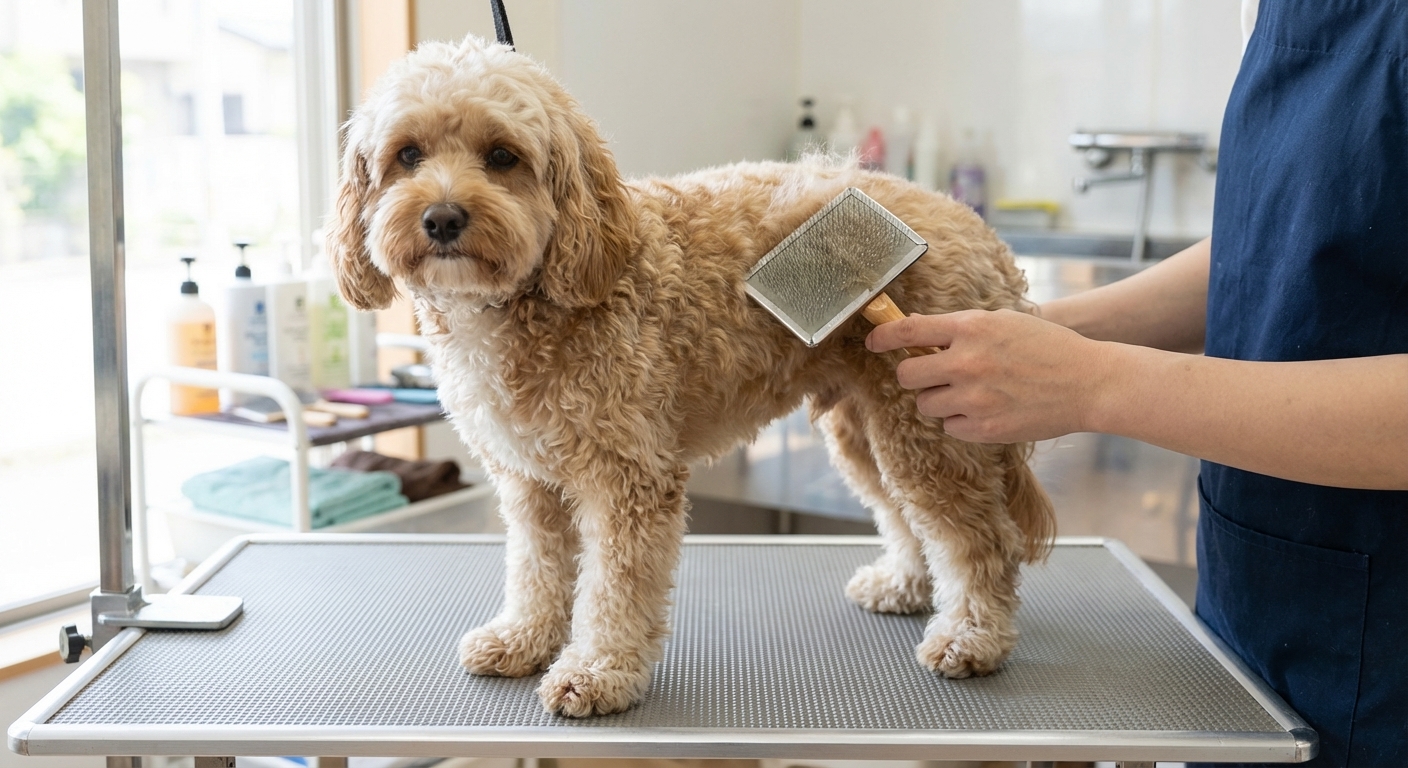
This is where many families get surprised. Cavapoos are often marketed as low-shedding, but low-shedding does not mean low-maintenance. Their coats can mat close to the skin, especially behind the ears, under the collar, in the armpits, and around the tail.
A realistic grooming routine
- Brushing: at least 3 to 5 times per week, daily for curlier coats
- Professional grooming: usually every 4 to 8 weeks depending on coat length and lifestyle
- Bathing: about every 3 to 6 weeks, or as needed
- Ear care: check weekly and clean if recommended by your veterinarian
- Nails: trim every 2 to 4 weeks
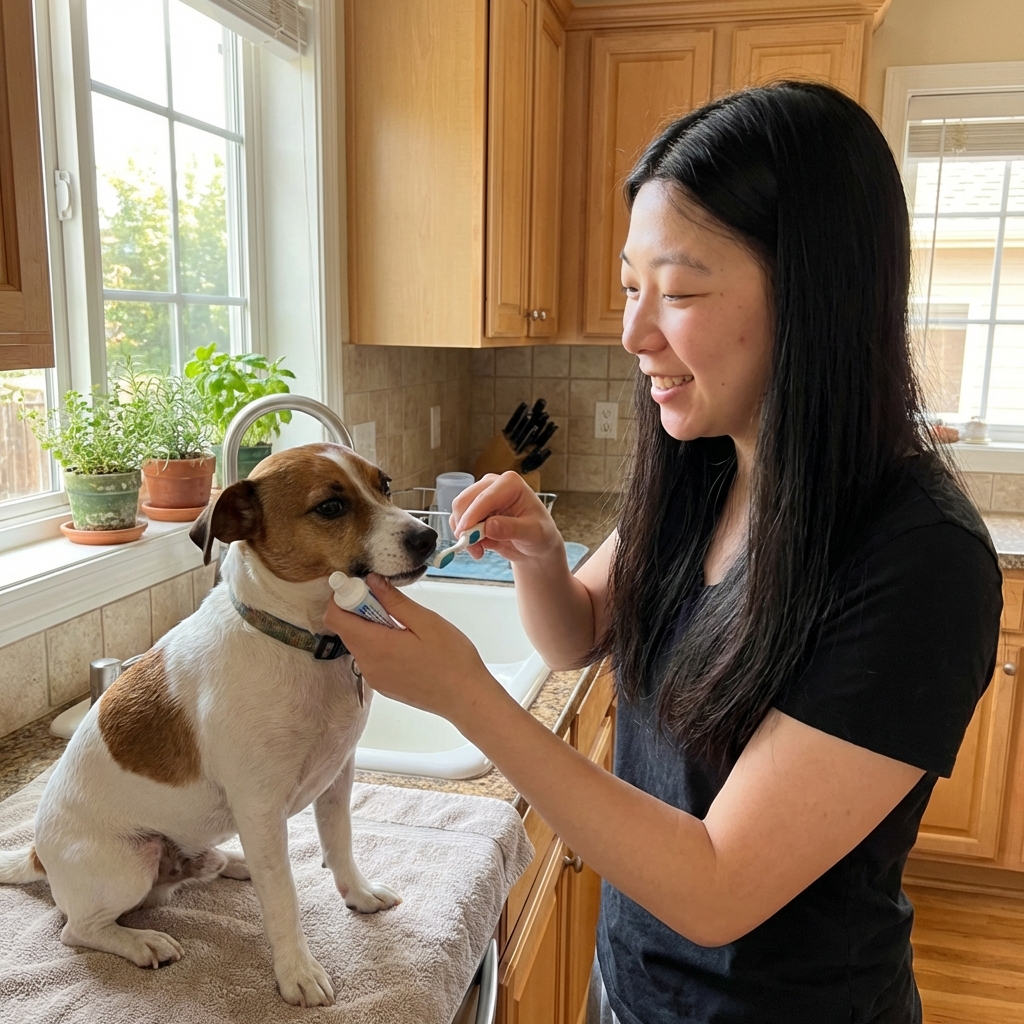
- Teeth: daily brushing is ideal, plus vet-recommended dental support
Matting is more than cosmetic. Tight mats can trap moisture and bacteria, contribute to skin infections, and be painful. If you cannot comb down to the skin, it is time to book a groom.
Note on ears: Floppy ears plus moisture and limited airflow can increase infection risk. Some Cavapoos also have heavy hair growth around the ear opening, which can make drying and cleaning harder. Your vet or groomer can tell you what is appropriate for your individual dog, and whether any hair trimming is helpful.
Health considerations
No dog breed or mix is “guaranteed healthy.” Cavapoos can inherit health issues common in Cavaliers and Poodles. Responsible breeding and preventive veterinary care make a meaningful difference.
Concerns to discuss with your veterinarian
- Heart disease: Cavaliers are known for mitral valve disease; ask your vet about heart auscultation at every visit and when an echocardiogram is appropriate
- Patellar luxation: kneecap issues are common in small dogs; maintain a healthy weight and watch for skipping or limping
- Dental disease: small breeds and mixes often crowd teeth; plan for dental cleanings as recommended
- Ear infections: floppy ears, moisture, and reduced airflow can contribute
- Allergies and itchy skin: may show as licking paws, ear redness, or recurrent infections
- Eye issues: tear staining and irritation can occur; sudden squinting or redness is always a prompt vet visit
- Hip dysplasia: more of a concern in larger individuals or larger lines
- Neurologic concerns: Cavaliers are predisposed to Chiari-like malformation and syringomyelia; talk to your vet if you notice sensitivity around the neck, unexplained pain, or “air scratching”
- Inherited eye disease: Poodles can carry progressive retinal atrophy (PRA), so eye screening and clear genetic testing in breeding dogs matter
Evidence-based tip: Keeping your Cavapoo lean is one of the most powerful health tools you have. Healthy weight supports joints, heart function, and long-term comfort.
This list is not exhaustive, but it covers several of the big topics I see owners ask about in clinic.
Preventive care basics
Preventive care is what keeps small problems from turning into expensive, painful ones. Here in North Texas, parasites are a year-round reality for most dogs.
A practical checklist
- Wellness exams: at least yearly, and often every 6 months for seniors
- Vaccines: follow your veterinarian’s schedule based on age and lifestyle
- Heartworm prevention: consistent, year-round prevention and routine testing as recommended
- Flea and tick prevention: use an effective product recommended by your vet, especially if you spend time in grass, parks, or boarding facilities
- Dental plan: daily brushing plus professional cleanings when your vet recommends them
- Spay and neuter timing: ask your veterinarian what timing makes sense for your dog’s size and health profile
Nutrition and feeding
A Cavapoo thrives on balanced nutrition, portion control, and consistency. Whether you choose a commercial diet that meets AAFCO standards or work with your veterinarian on a carefully balanced homemade plan, the goal is the same: complete and appropriate nutrition for your dog’s life stage.
Feeding tips that help in real life
- Measure meals: use a measuring cup or kitchen scale to prevent accidental overfeeding
- Limit treats: keep treats to about 10% or less of daily calories
- Support dental health: prioritize tooth brushing and vet dental guidance over relying on chews alone
- Go slow with diet changes: transition over 7 to 10 days to reduce stomach upset
If you are interested in adding fresh foods, start small. A spoonful of plain cooked lean protein or a little steamed vegetable can be a gentle entry point, as long as the main diet stays nutritionally complete.
Costs to plan for
Cavapoos can be a very manageable dog day-to-day, but they are not a low-cost dog. The two budget categories families underestimate most are grooming and dentistry.
- Grooming: professional grooming every 4 to 8 weeks, plus at-home tools and coat upkeep
- Dental care: supplies for brushing at home and periodic professional cleanings as recommended
- Preventives: heartworm, flea, and tick prevention adds up, but it is still cheaper than treating the diseases they prevent
- Training and enrichment: puppy classes, sitters, daycare, and puzzle toys can be worth it for a social, people-focused dog
Living with a Cavapoo
Cavapoos do well in apartments, suburbs, and family homes, as long as they have daily companionship and a predictable routine. They are not the best match for households that want a very independent dog.
Great matches
- Families who want a friendly companion dog
- First-time dog owners who are willing to learn grooming basics
- Seniors or remote workers who enjoy a dog that stays close
Potential challenges
- Separation anxiety or nuisance barking if under-stimulated
- Coat matting if grooming is inconsistent
- Picking up bad habits quickly if boundaries are unclear
Choosing a Cavapoo responsibly
If you are set on a Cavapoo, take your time finding an ethical source. It protects the puppy, and it protects your heart and budget, too.
What to look for
- Health testing with proof: ask for documentation, not just verbal assurances
- OFA and CHIC participation: look for relevant parent-breed screenings (common examples include cardiac evaluation for Cavaliers, patella and hip evaluations, and eye exams). Your vet can help you interpret what you are seeing.
- Poodle-related screening: ask about PRA status and eye testing
- Cavalier-related screening: ask about cardiology evaluation and discussion of Chiari-like malformation and syringomyelia risk in the lines
- Clear contract and return policy: ethical breeders take responsibility for the dogs they produce
- Transparent parenting info: meet the mother, ask about temperament, and confirm the puppies are raised with positive human interaction
- No pressure: reputable breeders welcome questions and do not rush decisions
Adoption is also worth exploring. Cavapoos and similar mixes do end up in rescues, and adult dogs can be wonderful because you often get a clearer picture of size and temperament.

FAQ
Do Cavapoos shed?
Many Cavapoos shed less than heavy-shedding breeds, but shedding varies. Coat type depends on genetics, and even low-shedding coats can mat if not brushed consistently.
Are Cavapoos hypoallergenic?
No dog is truly hypoallergenic. Some people with allergies do better with Poodle mixes, but reactions are individual. If allergies are a concern, spend time with adult Cavapoos before committing.
Are Cavapoos good with kids?
Often, yes. The best outcomes happen when kids are taught gentle handling and dogs are given space to rest. Supervision is important with any breed, especially with small dogs.
How long do Cavapoos live?
A commonly cited range is roughly 12 to 15 years, with some living longer. Lifespan depends on genetics, preventive care, dental health, weight management, and overall lifestyle.
The bottom line
A Cavapoo can be a joyful, affectionate companion with a family-friendly temperament and a manageable exercise level. Your success with this mix usually comes down to three commitments: regular grooming, ongoing training and enrichment, and consistent veterinary preventive care. If you can offer those, a Cavapoo will very likely offer you years of closeness, sweetness, and that famous “always by your side” devotion.