
Cavapoo
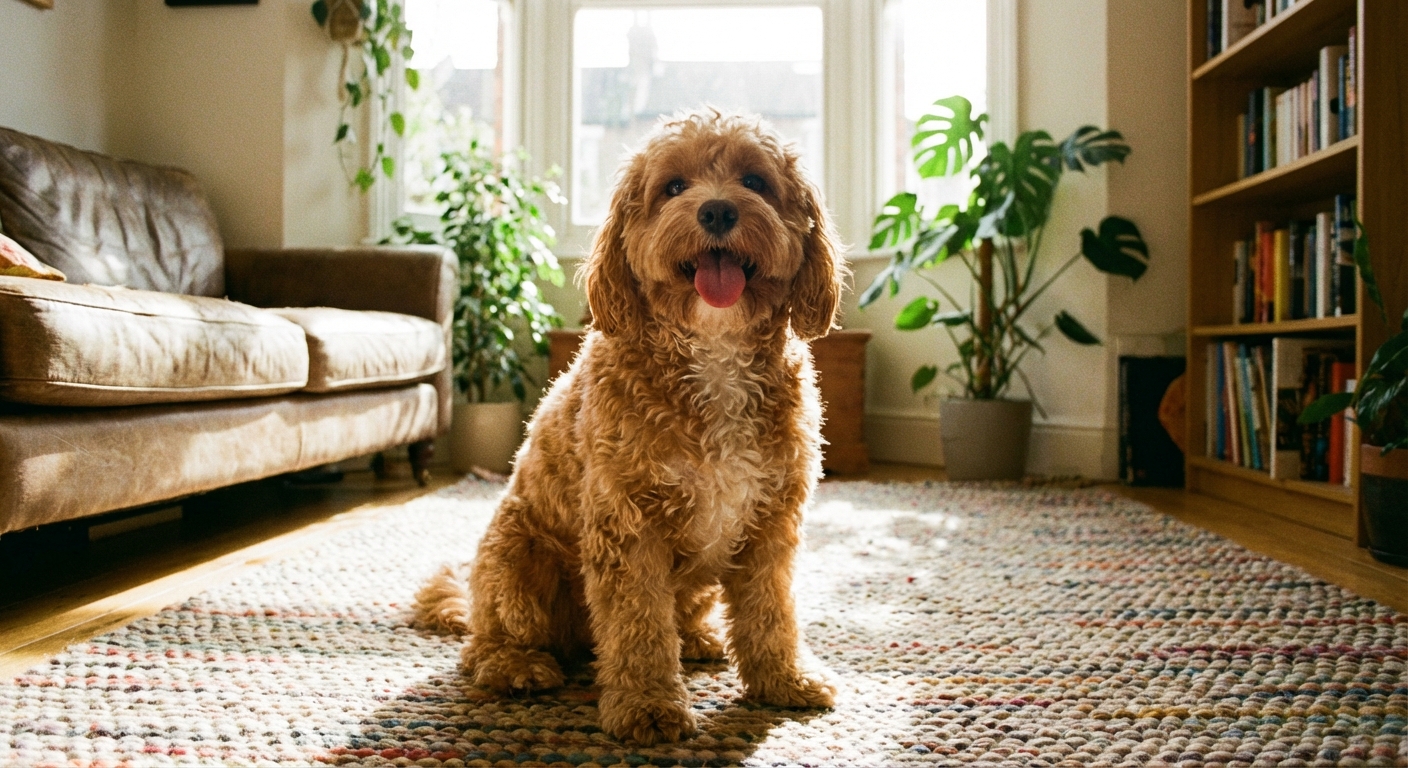
Meet the Cavapoo
The Cavapoo is a popular “designer mix” created by crossing a Cavalier King Charles Spaniel with a Poodle (most often a Miniature or Toy Poodle). People are drawn to Cavapoos for their affectionate temperament, teddy bear looks, and coats that can be lower-shedding than many other breeds.
That said, no dog is truly “hypoallergenic.” If allergies are a concern, it helps to spend time with adult Cavapoos (not just puppies) and consider allergy testing with your healthcare provider. In my work in lifestyle medicine, I often remind families that a pet should support your well-being, not quietly strain it. A little planning goes a long way.
What Cavapoos Are Like: Temperament and Personality
Most Cavapoos are known for being social, people-oriented, and eager to please. Many fit well into family life because they enjoy gentle play, routines, and close companionship. They often bond closely to their favorite people, which is lovely, but it can also mean they are prone to separation anxiety if left alone for long stretches.
Common personality traits
- Affectionate: Many Cavapoos love lap time and staying near you.
- Friendly: Often good with kids and visitors when properly socialized.
- Smart: Poodle influence can make training easier, but they also need mental stimulation.
- Sensitive: They usually respond best to calm, consistent, reward-based training.
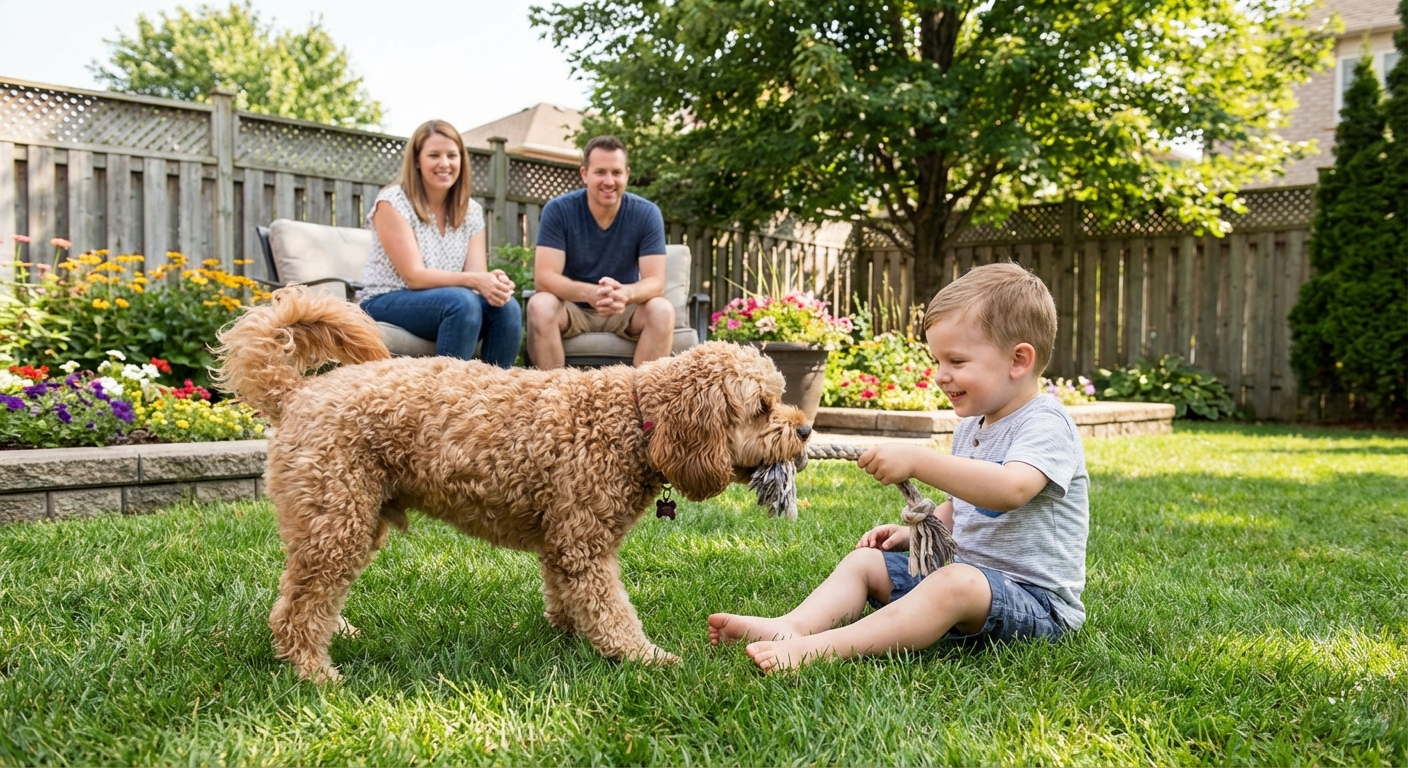
Size, Coat, and Appearance
Cavapoos vary in size depending on the Poodle parent. Many are small to medium, making them appealing for apartments or smaller homes, as long as they still get daily exercise and enrichment.
Typical size range: Many adult Cavapoos fall around 9 to 25 pounds and roughly 9 to 14 inches tall at the shoulder. Some may be smaller or larger depending on genetics, especially whether the Poodle parent is Toy or Miniature.
Coat types you might see
- Wavy or curly coats: Often associated with Poodle genetics and may shed less.
- Softer, looser coats: Can be easier to brush but may still mat without consistent grooming.
- Colors: Common shades include cream, apricot, red, black, chocolate, and combinations like parti or tri-color.
Because Cavapoo coats can mat quickly, regular brushing is not optional. It is a comfort issue, not just a cosmetic one. Mats can pull on the skin and hide irritation.
Exercise and Daily Enrichment
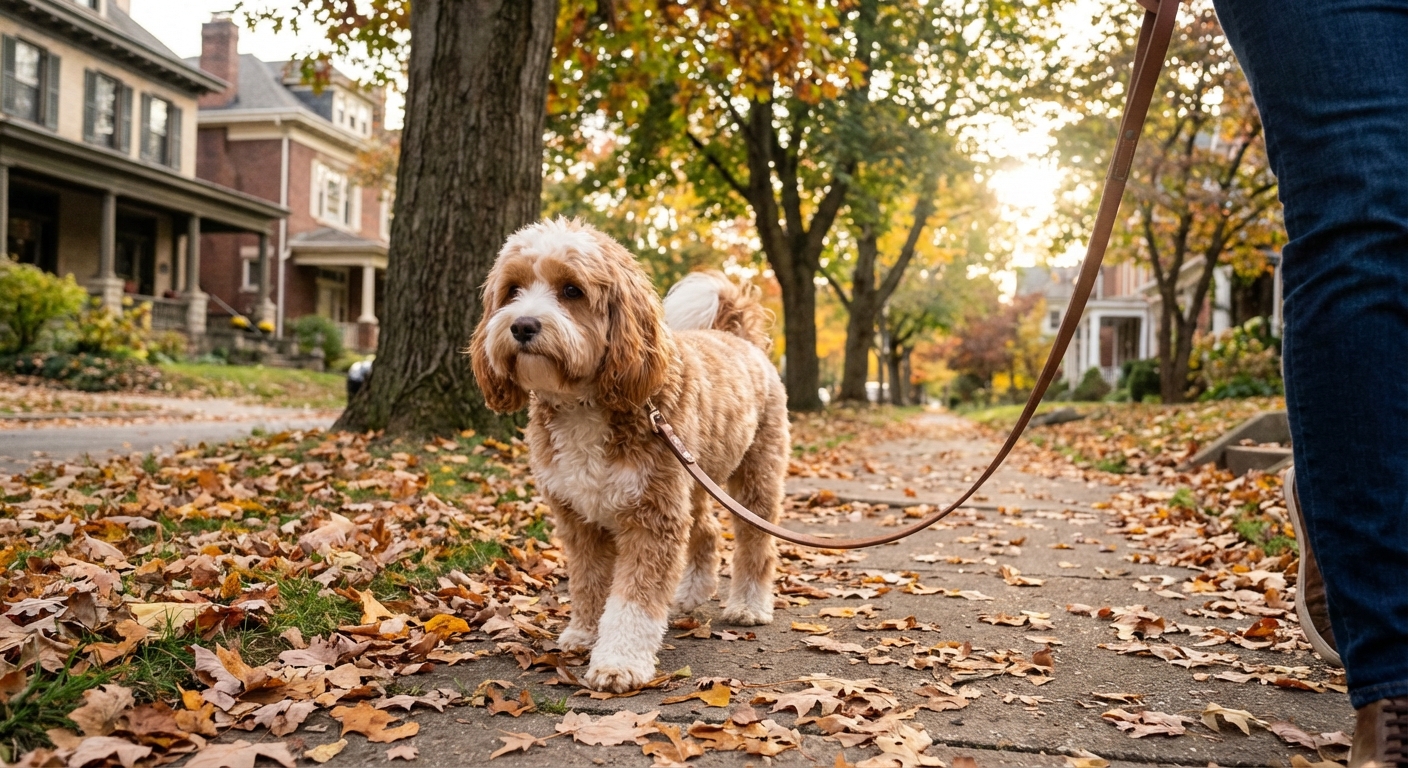
Cavapoos typically do well with moderate daily exercise. Many families find that a couple of walks plus a little playtime meets their needs, but the exact amount varies by age, health, and individual energy level.
Simple daily routine ideas
- Walks: Two shorter walks can be easier than one long one, especially for young or older dogs.
- Play: Gentle fetch, tug (with rules), or supervised backyard exploration.
- Brain games: Treat puzzles, sniffing games, and basic training sessions.
- Social time: Safe, positive experiences with people and friendly dogs.
Training and Socialization: Setting Them Up for Success
Cavapoos often thrive with reward-based training, clear routines, and lots of positive reinforcement. Start early with socialization that is gentle and structured, especially during puppyhood. A well-socialized Cavapoo is more likely to feel calm in new environments, around kids, and during grooming or vet visits.
Training tips that work well
- Keep sessions short: Five to ten minutes, a few times per day.
- Reward what you want: Use treats, praise, and play to reinforce calm behavior.
- Practice alone time: Gradually build tolerance with brief departures, then longer ones.
- Prevent problem behaviors: Boredom often leads to barking or chewing, so add enrichment.
Grooming Needs and Coat Care
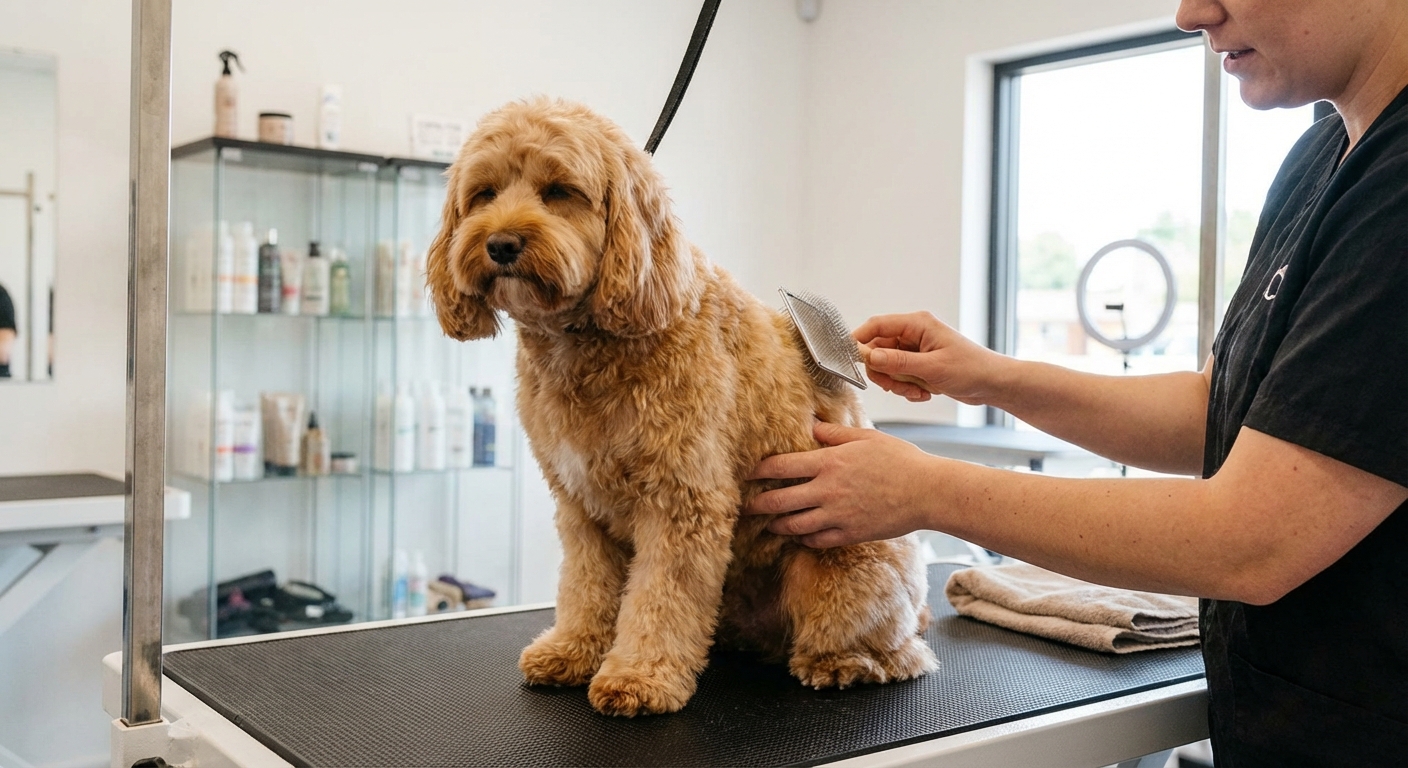
Grooming is one of the biggest commitments with a Cavapoo. Even lower-shedding coats can be high-maintenance because they tangle easily. A consistent routine helps keep your dog comfortable and keeps grooming appointments less stressful.
Typical grooming checklist
- Brushing: Several times per week, and often daily for curlier coats.
- Professional grooming: Many need a trim every 6 to 8 weeks.
- Ear care: Cavapoos can be prone to ear issues. Keep ears clean and dry and ask your vet what is appropriate.
- Dental hygiene: Regular tooth brushing supports long-term health.
- Nail trims: Usually every few weeks, depending on activity level.
Health Considerations to Know
As a mix, Cavapoos may inherit health tendencies from either parent. Responsible breeding and proactive veterinary care make a meaningful difference. If you are considering a Cavapoo puppy, ask for health testing information for the parents and a clear veterinary plan for the litter.
Life expectancy: Many Cavapoos live around 12 to 15 years, with genetics, dental care, weight management, and regular vet visits playing a major role.
Conditions sometimes seen in Cavapoos
- Heart concerns: Cavaliers are known for a higher risk of mitral valve disease.
- Joint issues: Such as patellar luxation or hip problems, depending on lineage.
- Eye conditions: Some lines have a higher risk of inherited eye issues.
- Ear infections: Floppy ears and hair growth in the ear canal can contribute.
- Dental crowding: Small dogs are often prone to tartar buildup and gum disease.
Preventive care matters here. Routine checkups, dental care, a healthy weight, and prompt attention to itching, head shaking, or changes in energy can catch small problems before they become big ones.
Nutrition and Healthy Weight: A Lifestyle Medicine Lens
One of the most powerful ways to support a Cavapoo’s long-term health is maintaining a healthy body condition. Extra weight can strain the joints and may worsen heart and breathing issues. I encourage pet parents to think of food as daily healthcare, not just a convenience.
Practical feeding tips
- Choose a complete diet: Look for foods that meet AAFCO standards for your dog’s life stage.
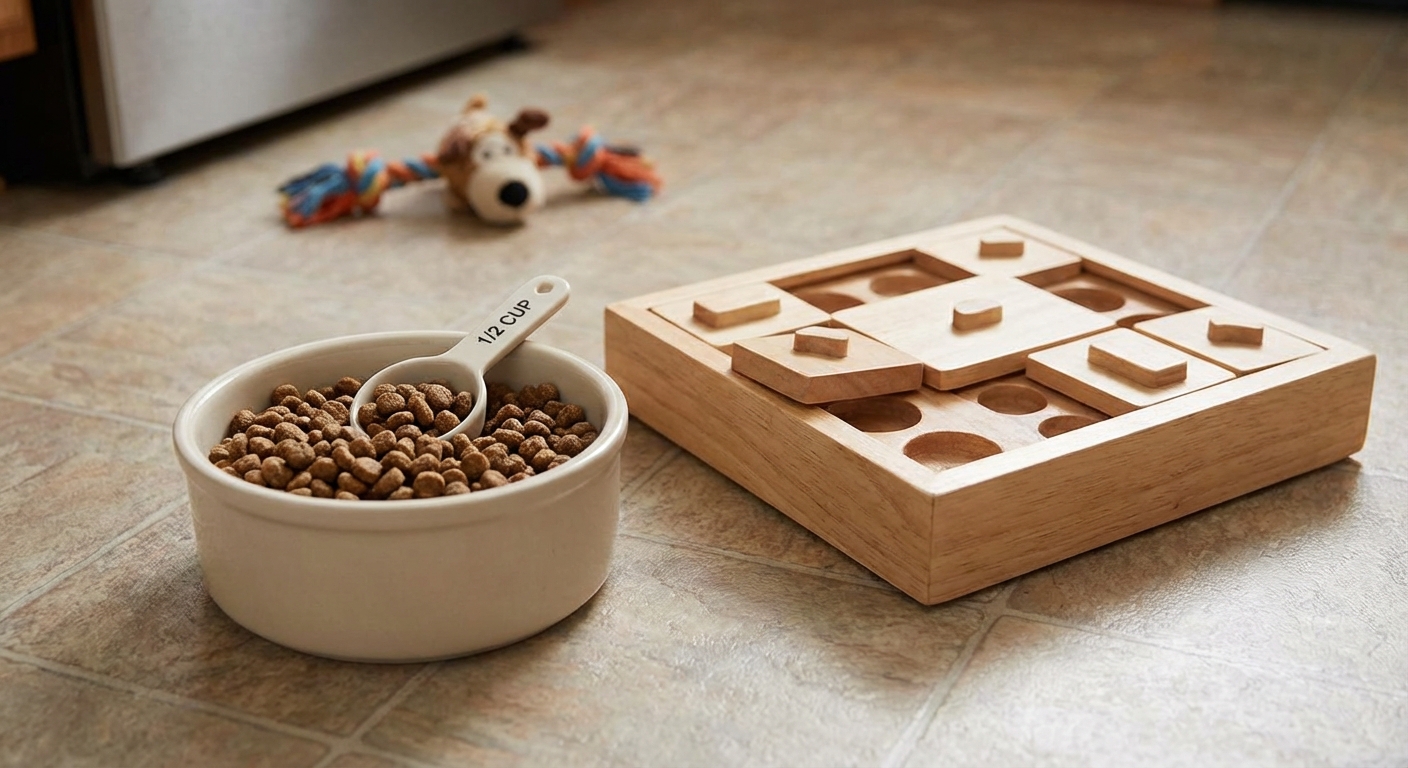
- Measure meals: Use a measuring cup or scale rather than “eyeballing.”
- Limit treats: Keep treats to a small portion of daily calories.
- Use enrichment feeding: Puzzle feeders or scatter feeding can slow fast eaters and provide mental stimulation.
- Ask about portions: Your veterinarian can tailor recommendations to age, activity, and body condition.
Is a Cavapoo Right for You?
Cavapoos tend to do best with people who want a close companion and can provide consistent attention, grooming, and gentle structure. If your lifestyle includes long workdays away from home with limited support, you may need a plan for dog walkers, daycare, or family help to prevent stress and problem behaviors.
A Cavapoo may be a great fit if you want
- A friendly companion that enjoys being involved in daily life
- A dog that can thrive with moderate exercise and enrichment
- A cuddly, social pet with a playful side
- A smaller dog that still enjoys training and activity
You may want to think twice if
- You prefer a very independent dog
- You cannot commit to regular grooming and brushing
- You expect “no shedding” or “no allergies” guarantees
- Your home is quiet and you are away most of the day without support
Starting your morning right sets the tone for the entire day. I always tell my patients that small, consistent habits compound into remarkable results over time. The same mindset applies to Cavapoos: daily walks, simple training, and regular grooming create a calmer, healthier dog and a more enjoyable home.
Adoption and Breeder Tips
Whether you adopt or buy, prioritize transparency and the dog’s long-term well-being.
If you are considering a breeder
- Ask for documented health testing for the Cavalier and Poodle parents
- Meet the puppy’s mother when possible and observe temperament
- Look for clean, calm environments and thoughtful socialization
- Avoid anyone who will not answer questions about health and care
If you are considering adoption
- Check breed-specific rescues and local shelters
- Ask about grooming needs, behavior history, and veterinary records
- Plan for an adjustment period with predictable routines