
Cavalier King Charles Spaniel: Heart Health, Temperament, and Care

The Cavalier King Charles Spaniel is one of those breeds that seems to look right into your soul. They are gentle, affectionate, and wonderfully people-focused, which is exactly why so many families fall in love quickly. As a veterinary assistant, I also have to say this clearly and kindly: Cavaliers are also a breed where health planning matters, especially when it comes to the heart.
This guide will walk you through what Cavaliers are like to live with, how to care for them day to day, and the big genetic health concerns to understand before you bring one home or if you already share your couch with one.
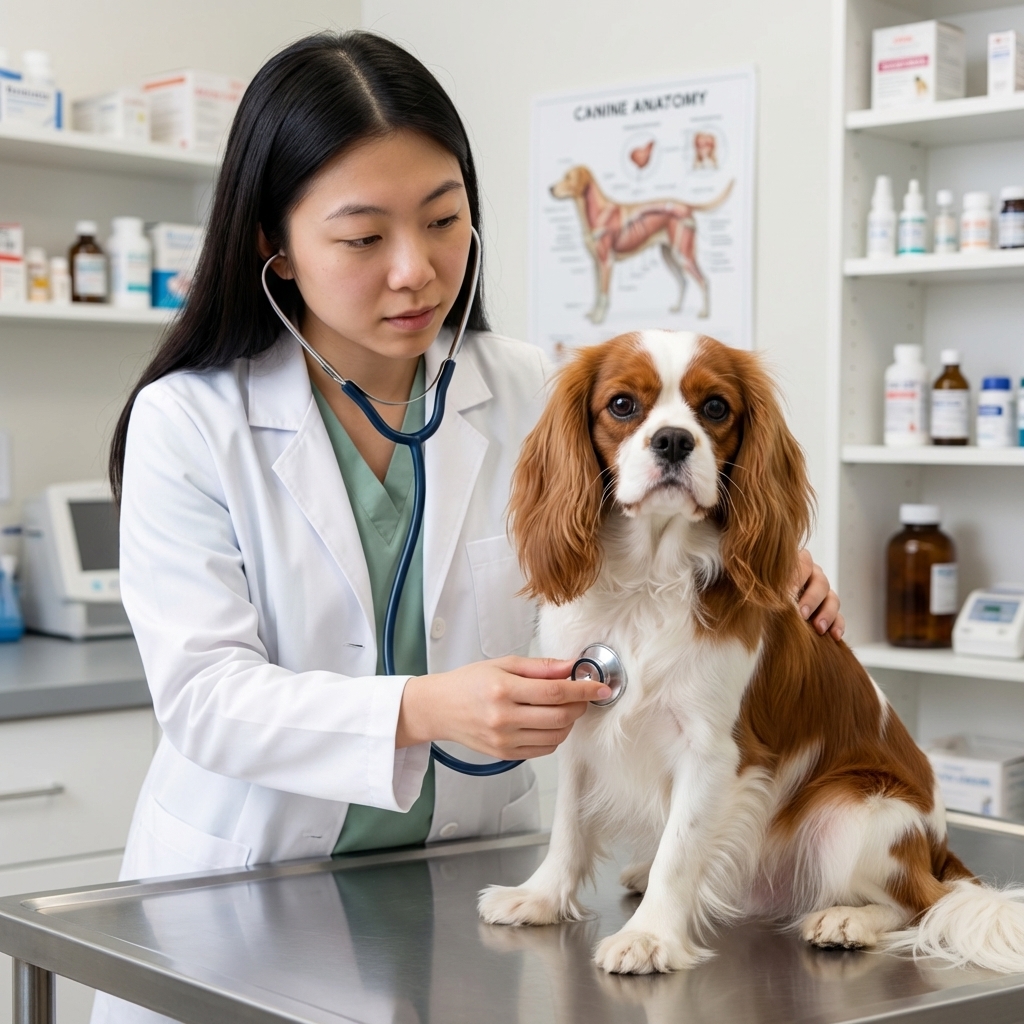
Quick facts
- Size: Small (typically 13 to 18 lb)
- Height: About 12 to 13 inches at the shoulder
- Personality: Affectionate, social, sensitive, eager to please
- Exercise needs: Moderate, daily walks and play
- Grooming: Moderate, regular brushing, ear care is important
- Life expectancy: Often around 10 to 14 years, with wide variation influenced by genetics and heart health
- Major inherited risks: Mitral valve disease (MVD), syringomyelia (SM), eye issues (including dry eye), patellar luxation, ear infections, and several DNA-testable conditions (EFS and Dry Eye/Curly Coat Syndrome)
Temperament: the classic “velcro” companion
Cavaliers are famous for being sweet, gentle, and emotionally tuned in. Many Cavaliers want to be wherever you are, whether that is on a walk, in the kitchen, or tucked beside you on the couch. They tend to do well with respectful kids, friendly dogs, and even cats, especially when properly socialized.
What owners love
- They are typically very affectionate and thrive on companionship.
- They are often easy to train with positive reinforcement and short, fun sessions.
- They can fit many lifestyles, including apartments, as long as they get daily exercise and attention.
Potential challenges
- Separation stress: Their people-focused nature can lead to anxiety if they are alone for long stretches.
- Sensitivity: Harsh training methods can shut them down. Gentle consistency works best.
- Food motivation: Many gain weight easily, so portion control and treats that “count” matter.

Exercise and enrichment
Cavaliers are not marathon runners, but they are not couch-only dogs either. Think of them as “happy little walkers” who do best with steady, moderate activity.
- Daily walks: 20 to 45 minutes total per day for many adults, split into 2 walks if needed.
- Play: Gentle fetch, sniff games, and short training sessions can be just as tiring as a long walk.
- Weather awareness: Their small size means they can struggle in hot, humid weather. Walk early or late, bring water, and watch for overheating.
If your Cavalier has diagnosed heart disease or you suspect pain or weakness, ask your veterinarian for an individualized exercise plan. With MVD, the right amount of movement is usually helpful, but the intensity may need adjusting.
Grooming and routine care
That silky coat is part of the Cavalier charm, but it also needs regular upkeep to prevent matting, skin irritation, and ear problems.
Coat and skin
- Brush 3 to 5 times per week to reduce tangles, especially behind ears, under the collar, and on feathering.
- Bathing: About every 4 to 6 weeks for many dogs, or as needed. Use a gentle dog shampoo.
- Feet and feathering trims: Light trimming can help keep them cleaner and reduce slipping on floors.
Ears, teeth, and nails
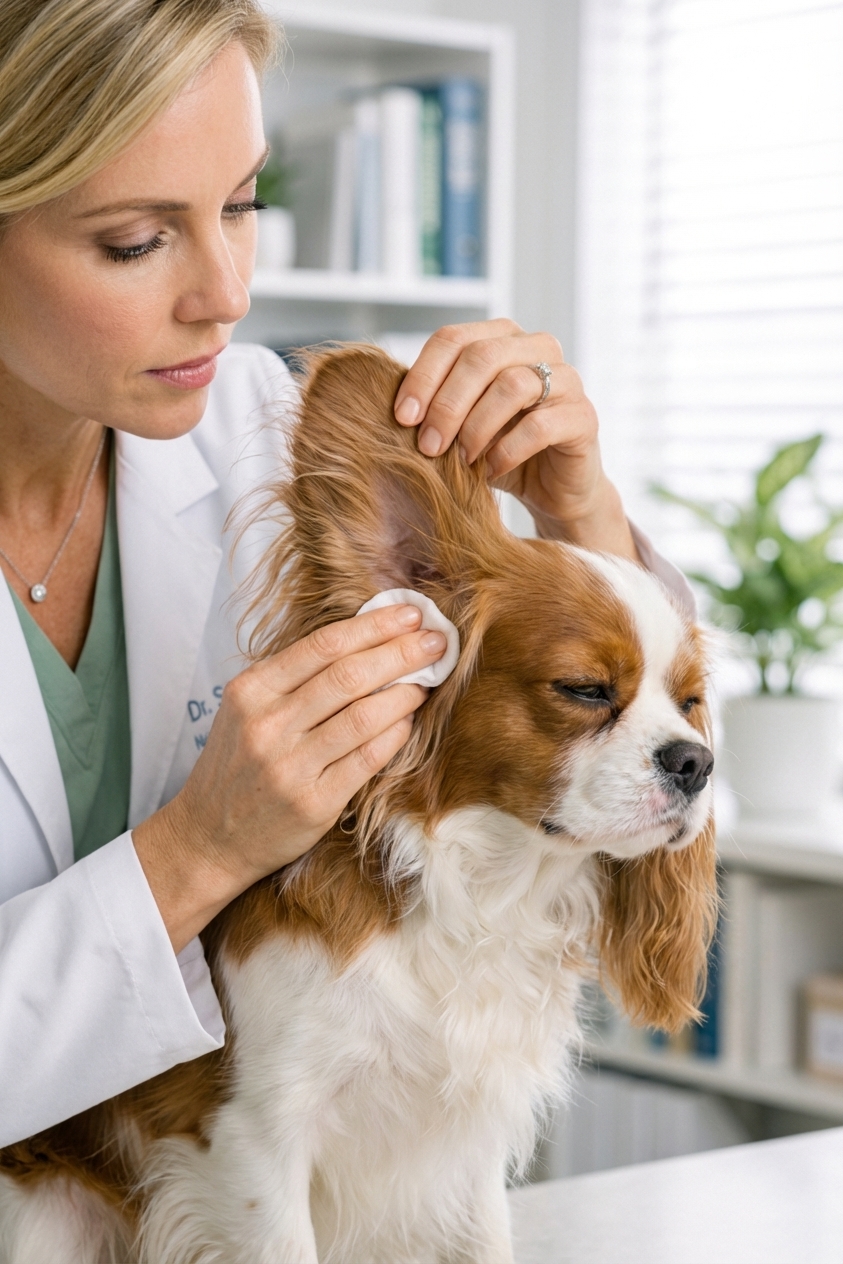
- Ear checks weekly: Cavaliers have drop ears that can trap moisture. Redness, odor, head shaking, or frequent scratching deserves a vet visit.
- Dental care: Small breeds are prone to dental disease. Daily brushing is ideal, plus professional cleanings as recommended.
- Nail trims: Usually every 2 to 4 weeks depending on activity and nail growth.
Heart health: mitral valve disease (MVD)
If you learn one medical topic for this breed, make it this one. Degenerative mitral valve disease is the most common acquired heart disease in small-breed dogs, and it is extremely common in Cavaliers with a tendency toward earlier onset. MVD is a condition where the mitral valve in the heart degenerates over time, leading to a heart murmur and, in some dogs, progression to congestive heart failure.
Why Cavaliers are high risk
MVD occurs in many small breeds, but Cavaliers have a strong genetic predisposition. That means prevention is not as simple as feeding well and exercising, although those habits still support overall health. The biggest power you have is early detection and smart breeding choices.
Common signs to watch for at home
- A new or worsening cough, especially at night or after excitement
- Breathing changes: faster breathing at rest, more effort, or panting that seems unusual
- Reduced stamina: tiring faster on walks or playing less
- Fainting or collapse episodes
- Restlessness at night, trouble getting comfortable
Important note: many dogs with early MVD feel totally normal. A murmur can be present long before obvious symptoms, which is why routine exams are so valuable.
Monitoring that truly helps
- Veterinary checkups: at least yearly for adults, often every 6 months for middle-aged and senior Cavaliers.
- Ask about murmur grading and whether a cardiology consult is appropriate.
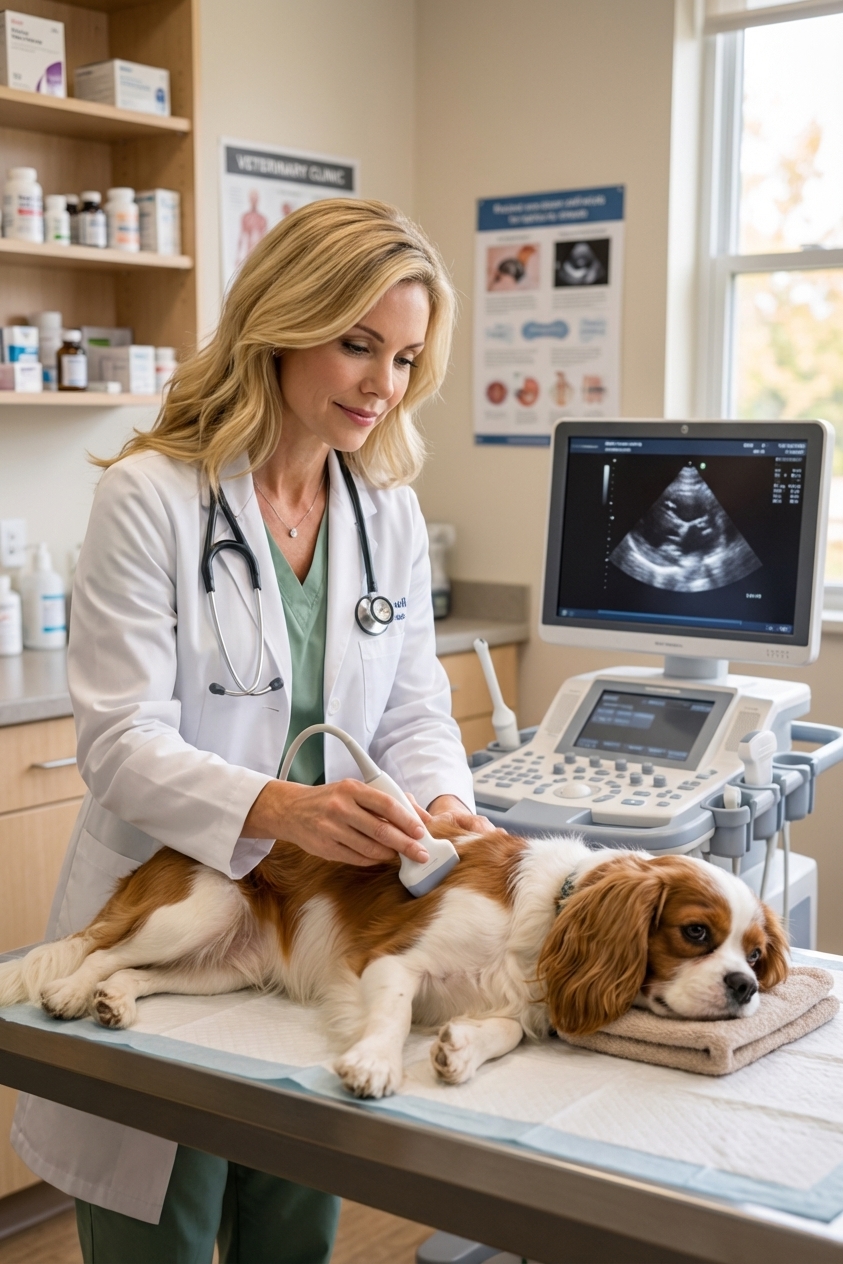
- Echocardiogram: ultrasound of the heart. This is the gold standard for understanding severity and staging.
- Chest X-rays may be recommended to assess heart size and lungs.
- Resting respiratory rate: count breaths per minute while your dog is asleep. A commonly used rule of thumb is that consistently above 30 breaths per minute can be a reason to call your vet, but your dog’s normal and your veterinarian’s threshold may differ. When in doubt, ask for your dog’s target range.
Treatment overview
Treatment depends on stage and symptoms. Many Cavaliers live happy years with a murmur before needing medication. When appropriate, medications can slow progression and improve quality of life. Your veterinarian or a board-certified veterinary cardiologist will tailor a plan, often including drugs that support heart function and reduce fluid buildup if heart failure develops.
My practical advice: if you own a Cavalier, make “listen to the heart” a non-negotiable part of every wellness visit, even when everything seems fine.
Syringomyelia (SM) and Chiari-like malformation
Syringomyelia is another major concern in Cavaliers. It is commonly associated with a skull and craniocervical junction issue called Chiari-like malformation, where there is not enough room for normal brain and fluid flow at the back of the skull. This can disrupt normal cerebrospinal fluid flow and lead to painful fluid-filled cavities in the spinal cord.
Signs that deserve prompt veterinary attention
- “Air scratching” at the neck or shoulder without making skin contact
- Neck pain, yelping when picked up, or avoiding touch around the head and neck
- Head rubbing or sensitivity when wearing a collar
- Weakness, wobbliness, or changes in gait
- Sleeping with the head elevated or seeming unable to get comfortable
Diagnosis and management
Diagnosis typically requires an MRI. Treatment may include pain management, medications to reduce fluid pressure, lifestyle adjustments, and in some cases surgery. If you suspect SM, do not wait it out. Earlier intervention can mean better comfort and function.
Simple day-to-day comfort changes can help some dogs, such as using a harness instead of a collar to reduce pressure on the neck, keeping nails trimmed for better footing, and maintaining a lean body condition.

Other health concerns
Eye problems
Cavaliers can be prone to issues like dry eye, cataracts, and corneal ulcers. Early signs include squinting, redness, eye discharge, cloudiness, or pawing at the face. Eye problems can become emergencies, so call your veterinarian if something looks off.
Patellar luxation
This is when the kneecap slips out of place. You may notice skipping, a sudden hop, or intermittent lameness. Weight management and appropriate exercise are key, and some dogs benefit from surgery depending on severity.
Ear infections
Drop ears plus feathering can reduce airflow. If your Cavalier has recurring infections, ask your vet about underlying allergies, chronic inflammation, or resistant yeast or bacteria.
Dental disease
Because Cavaliers have small mouths, crowding can lead to plaque buildup. Dental disease is not just a mouth issue. It can impact appetite, comfort, and overall health. Home brushing is one of the best gifts you can give this breed.
Episodic falling syndrome (EFS)
EFS is a breed-associated neurologic condition that can cause episodes of muscle stiffness and collapse, often triggered by excitement or exercise. Dogs are typically alert during episodes, which can look scary. The key takeaway is that responsible breeders can DNA test for EFS. If you see collapse-like events, your veterinarian should help you sort out whether this is EFS, a heart issue, or something else.
Dry eye and curly coat syndrome
This is another inherited condition Cavaliers can be DNA tested for. Affected dogs may have a dry, curly coat and significant eye dryness that needs lifelong management. If you are choosing a puppy, ask whether the parents were tested so you understand the risk.
Feeding for lifelong health
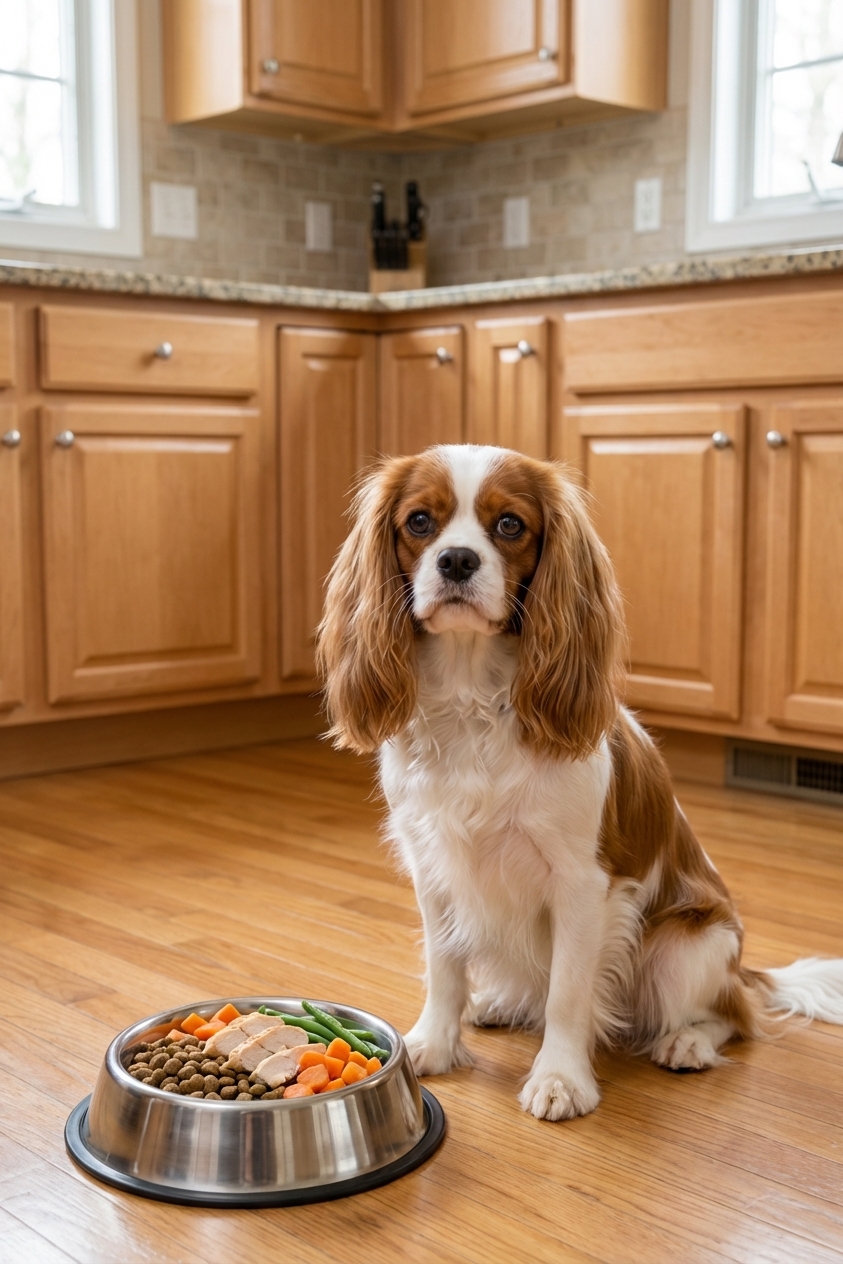
Cavaliers tend to be enthusiastic eaters, and they can gain weight quickly. Extra pounds make the heart work harder and can worsen joint issues. Aim for a lean, athletic shape where you can feel ribs easily with light pressure.
Smart nutrition basics
- Choose a complete and balanced diet that meets AAFCO standards for your dog’s life stage.
- Measure meals instead of free-feeding to prevent weight creep.
- Use treats strategically: keep treats to about 10 percent or less of daily calories.
- Ask your vet about omega-3s if your dog has heart disease, skin issues, or inflammation. Dosing matters, so get guidance.
If you are interested in homemade food, it can be a wonderful option, but it should be done with a veterinary-approved recipe or a board-certified veterinary nutritionist to ensure the diet is balanced, especially for minerals and essential fatty acids.
Health screening and breeders
With Cavaliers, the difference between “cute puppy” and “well-bred puppy” can be the difference between manageable medical issues and heartbreaking early disease. If you are shopping for a puppy, slow down and ask for proof of health testing.
Screenings to ask about
- Cardiac evaluation: ideally regular heart screening by a veterinary cardiologist, with documentation. Ask when the parents were last examined.
- Patella evaluation for kneecap stability.
- Eye examination by a veterinary ophthalmologist.
- MRI information related to syringomyelia risk, depending on breeder practices and lines.
- DNA testing: ask specifically about EFS and Dry Eye/Curly Coat Syndrome, since these are well-known DNA-testable conditions in the breed.
- Registry participation: if available in your region, ask about OFA or CHIC listings and whether you can verify results.
Green flags
- They provide written test results, not just verbal reassurance.
- They talk openly about MVD, SM, and DNA-tested conditions and how they are reducing risk.
- They interview you, require a contract, and will take the dog back if needed.
- Puppies are raised in the home with gentle handling and early socialization.
If you are adopting, you can still be proactive. Ask for any available prior records, schedule a baseline exam soon after adoption, and discuss whether a cardiology referral makes sense even if your new friend seems perfectly fine.
Is this breed right for you?
Cavaliers are at their best with people who genuinely like having a shadow. If you want a cuddly, social dog that fits into family life, they are often a wonderful match. If your household has long workdays away from home with little flexibility, plan ahead for dog walkers, daycare, or a support person so separation stress does not become a daily struggle.
Also be honest about the health-planning side. Some Cavaliers only need routine care, but others may need advanced testing or ongoing medications over a lifetime. Pet insurance (started young) can be worth considering, and it is wise to budget for the possibility of cardiology visits and, in rare cases, neurologic imaging like MRI.
When to call the vet right away
Cavaliers are good at acting cheerful even when something is wrong. Trust your gut and get help if you notice:
- Labored breathing, open-mouth breathing at rest, or blue-tinged gums
- Fainting, collapse, or sudden weakness
- Persistent cough or a sudden change in breathing rate while sleeping
- Severe neck pain, yelping, or new neurologic symptoms like wobbliness
- Refusal to eat for more than a day, vomiting repeatedly, or signs of severe pain
Living well with a Cavalier
Cavaliers give a lot of love. The best way to honor that love is with thoughtful, preventive care. Keep them lean, protect their neck with a harness, brush those ears and teeth into your routine, and do not skip heart checks. If a murmur is found, do not panic. Just get the right follow-up and stay consistent with monitoring.
One more practical note from the clinic side: if your Cavalier ever needs a dental cleaning or surgery, ask about pre-anesthetic testing and how any known heart disease changes the plan. It is not about fear. It is about smart preparation.
With attentive care and early screening, many Cavaliers enjoy wonderful quality of life for years. Your job is not to predict the future perfectly. It is to show up early, ask good questions, and build a support team you trust.