Learn what it’s really like to live with a Cavapoo (Cavalier x Poodle): adult size ranges, personality, exercise, training, grooming schedule, and key heal...
Article
•
Designer Mixes
Cavachon

Shari Shidate
Designer Mixes contributor
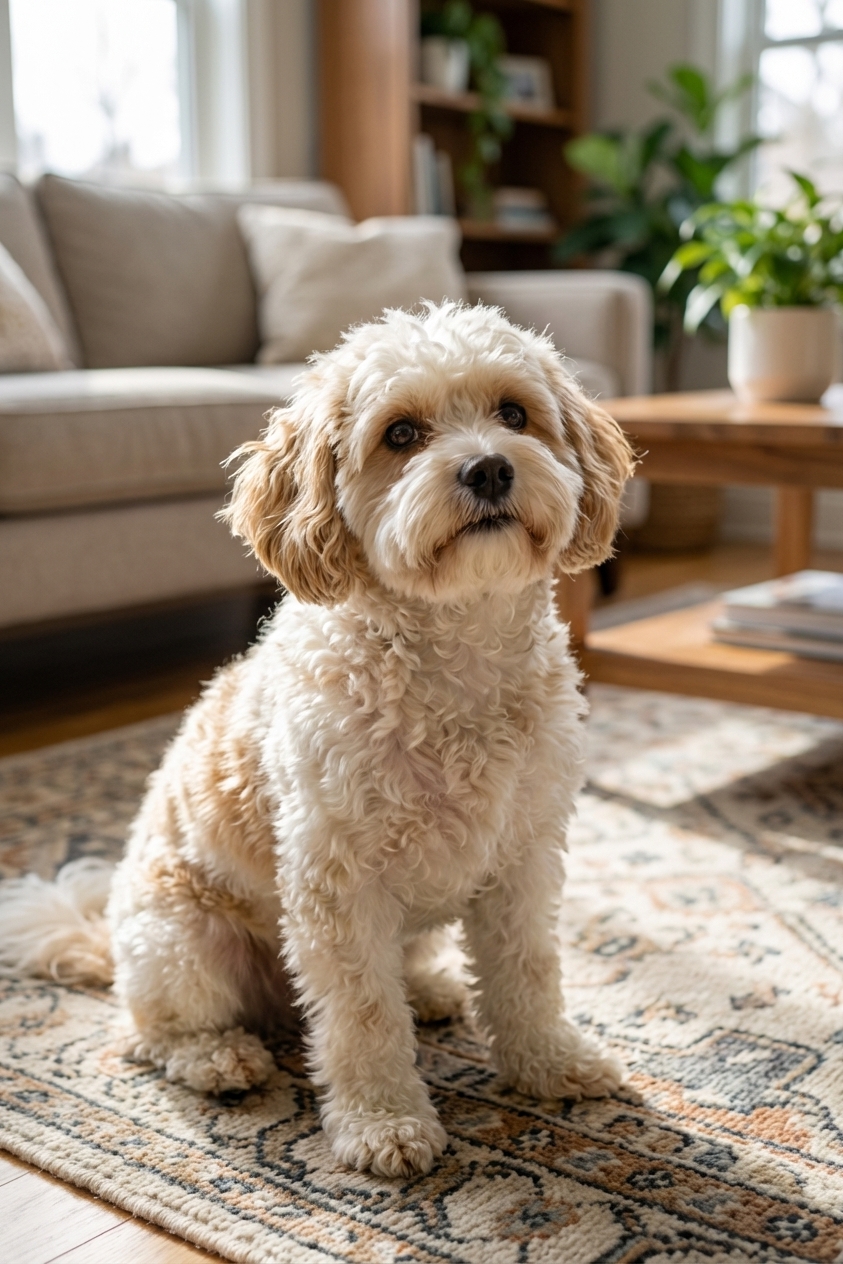
The Cavachon is a small, affectionate mix of the Cavalier King Charles Spaniel and the Bichon Frise. In my experience as a veterinary assistant, this is one of those “people-first” companion dogs who truly wants to be where you are, on the couch, at your feet, or following you from room to room. They tend to be friendly, playful, and adaptable, which is why they are popular with first-time dog owners and families.
Quick note: A Cavachon is a mixed-breed dog, so there is no one-size-fits-all guarantee on coat type, adult size, or temperament. Good breeding practices, early socialization, and consistent care matter a lot.
At a glance
- Group: Companion dog (mixed breed)
- Typical size: Small
- Common weight range: About 10 to 20 pounds (some can be closer to 8 to 25 pounds depending on parent size)
- Common height range: About 10 to 13 inches at the shoulder (varies by lineage and parents)
- Energy level: Moderate
- Life expectancy: Often 12 to 15 years, occasionally longer with excellent care
- Coat: Usually soft and wavy, sometimes curlier like a Bichon or silkier like a Cavalier
What Cavachons are like
Temperament
Most Cavachons are social, gentle, and eager to please. They often do well with respectful kids and can coexist nicely with other pets when introduced properly. Many are naturally cuddly, but they still enjoy play and short bursts of zoomies.
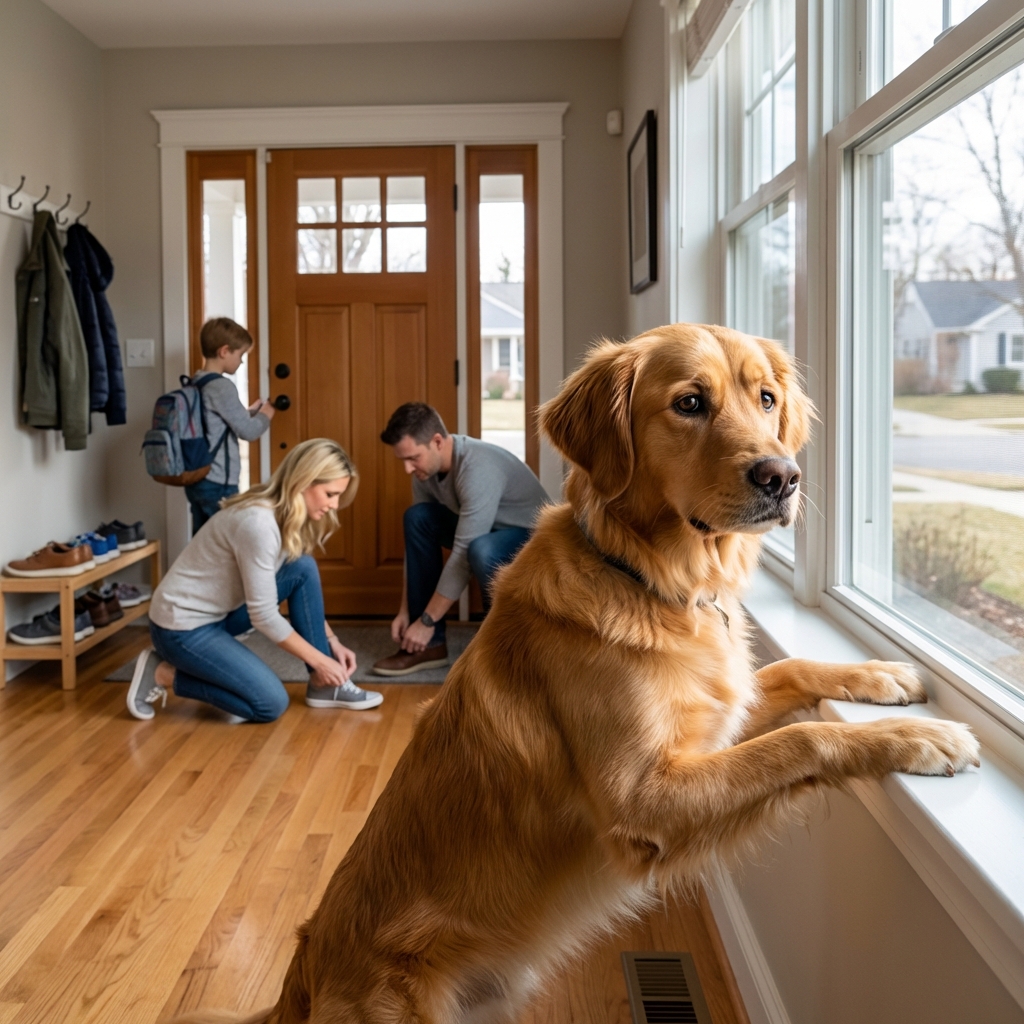
Because Cavachons typically bond closely with their people, they can be prone to separation anxiety if left alone for long stretches without training and enrichment.
Separation anxiety basics
This is one of the most common “surprises” I see with velcro-type companion dogs. A little prevention early can go a long way.
- Practice alone time: Start with seconds to minutes and build up gradually. Keep departures low-key.
- Create a predictable routine: A brief potty break, a snack, then a quiet rest period helps many dogs settle.
- Use enrichment strategically: Rotate safe chews, food puzzles, and snuffle-style games so alone time feels rewarding (and not just “goodbye forever”).
Energy and exercise needs
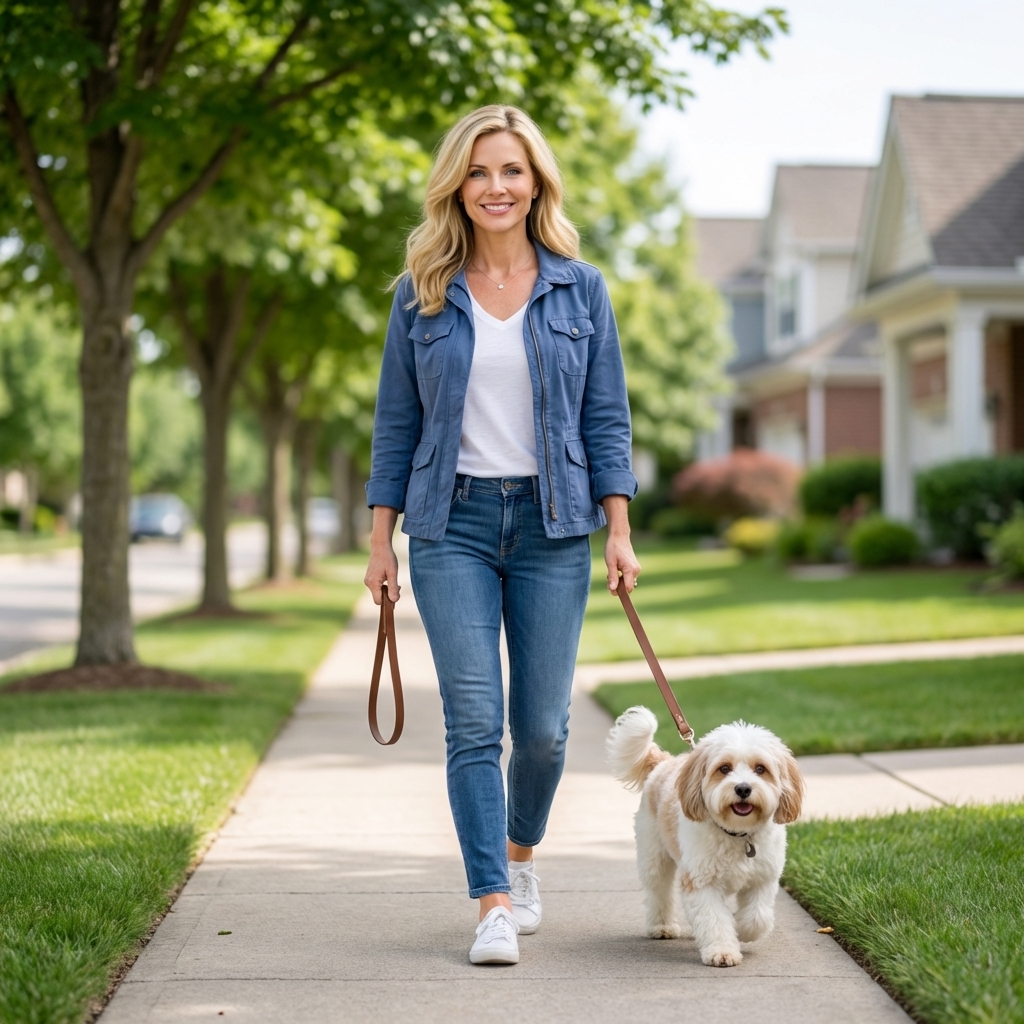
This is usually not a “marathon dog,” but they do need daily activity for healthy weight, joint health, and mental well-being. Think two to three short walks plus playtime and a little training.
- Daily goal for many adults: 30 to 60 minutes total activity split up through the day
- Great low-impact options: sniffy walks, gentle fetch, food puzzles, short training sessions
Safety note: Small dogs can overheat faster than you think, especially in warm weather or on hot pavement. For puppies, keep exercise age-appropriate and avoid forced long walks or repetitive jumping while they are still growing.
Trainability
Cavachons are often motivated by praise, treats, and closeness. Positive reinforcement works beautifully. Keep sessions short and upbeat, and focus on consistency.
- House training: Can take time in small breeds. Use a schedule, reward outside potty, and supervise indoors.
- Crate training: Helpful for routine and safety, especially for puppies.
- Barking: Some will alert bark. Teach a “thank you” cue and reward calm.
Coat, grooming, and shedding
Many Cavachons are marketed as “low shedding,” and it is true they often shed less than some breeds. But no dog is truly non-shedding, and coat type varies widely in mixes. If your Cavachon has a curlier, denser coat, you will likely have more grooming needs.
Grooming routine
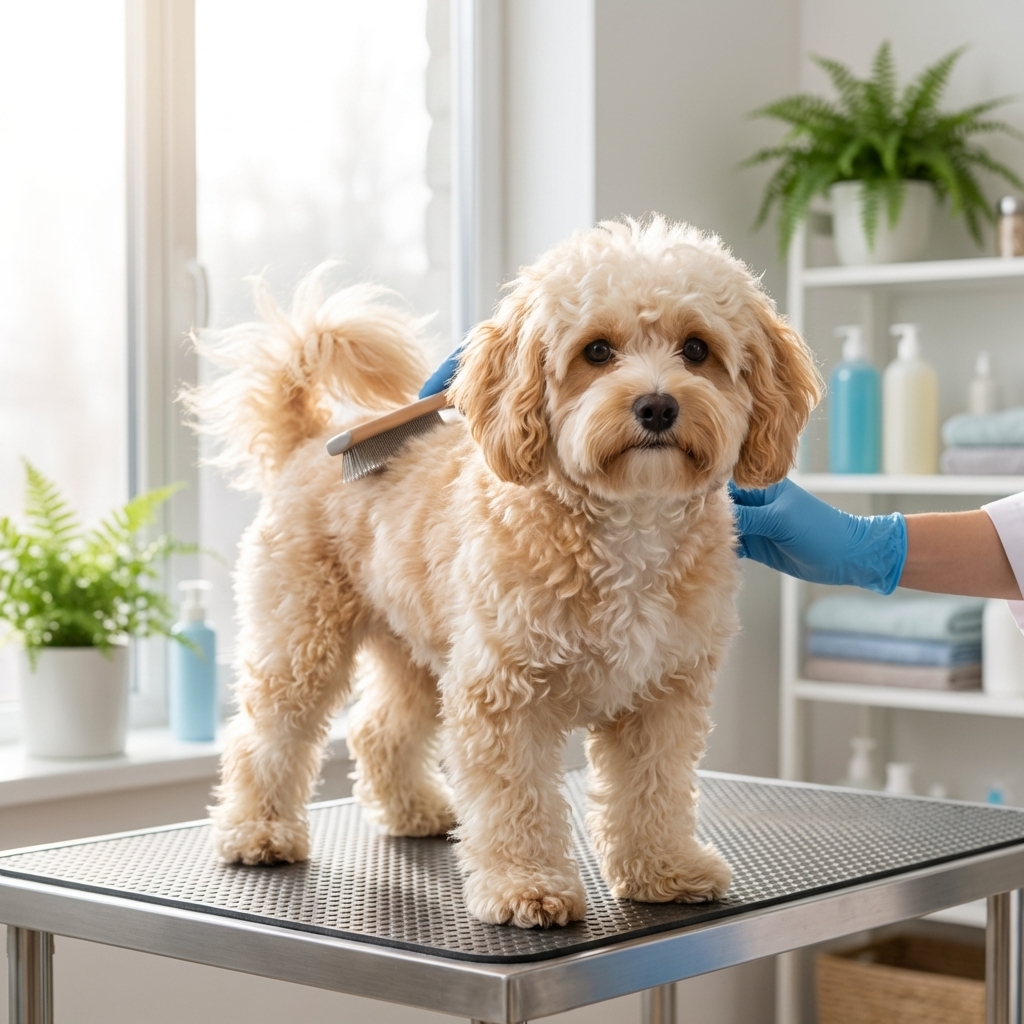
- Brushing: 3 to 5 times per week for many Cavachons, daily for curlier coats
- Professional grooming: Often every 4 to 8 weeks
- Bathing: About every 3 to 6 weeks, or as needed (use a dog-appropriate shampoo and adjust if your dog has sensitive skin)
- Ears: Check weekly for redness, odor, or wax buildup
- Nails: Trim every 2 to 4 weeks for most dogs
- Teeth: Daily brushing is ideal, with veterinary dental cleanings as recommended
If your Cavachon inherits the Cavalier’s feathering around ears and legs, mats can sneak up quickly. I always tell pet parents: mats are not just cosmetic. They can pull on skin, trap moisture, and contribute to irritation.
Practical add-on: Tear staining is common in many small dogs, especially lighter-coated pups. A gentle daily face wipe (and keeping the hair trimmed around the eyes) can help, and it is worth mentioning to your vet if you see squinting, redness, or thick discharge.
Health considerations
Mixed-breed dogs can be very healthy, but they can also inherit conditions from either parent breed. Choosing a responsible breeder who does appropriate health testing can significantly reduce risk. Regular veterinary visits, good nutrition, and weight management also make a real difference.
Common health issues in parent breeds
- Mitral valve disease (Cavalier): A common heart condition in Cavaliers. Ask your vet about heart auscultation at checkups and whether an echocardiogram is warranted based on findings.
- Patellar luxation: Kneecap instability common in small dogs. Maintaining lean body weight helps reduce stress on joints.
- Hip dysplasia: Less common than in large breeds but still possible.
- Eye issues: Cataracts, dry eye, and other inherited concerns can occur.
- Ear infections: Floppy ears plus moisture and, in some dogs, extra hair around the ear opening can increase risk.
- Allergies and skin sensitivity: Environmental or food-related itching can show up, especially in dogs with a denser coat.
- Chiari-like malformation and syringomyelia (Cavalier): A significant inherited concern in Cavaliers. Not every Cavachon will be affected, but it is worth asking what the breeder is doing to reduce risk and what signs to watch for (like unexplained neck sensitivity or scratching).
Health testing to ask a breeder about
If you are buying a puppy, do not be shy about asking for documentation. A responsible breeder should be comfortable walking you through it.
- Cardiac evaluation: A vet exam with a documented heart check, and ideally cardiology screening for the Cavalier side (some breeders also pursue echocardiograms depending on lines and recommendations).
- Patella evaluation: Screening for patellar luxation.
- Eye exam: A current exam (often through a veterinary ophthalmologist) for inherited eye disease risk.
- Hips: Hip evaluation may be recommended depending on the breeding program and family history.
Preventive care that pays off
- Keep your Cavachon lean. Extra pounds can worsen joint problems and reduce energy.
- Prioritize dental care. Small dogs commonly develop dental disease, and that can impact overall health.
- Use year-round parasite prevention as recommended by your veterinarian.
- Schedule routine wellness visits so your vet can catch subtle changes early.
Warm, evidence-based truth: the “best” Cavachon health plan is boring in the best way. Consistent vet care, a healthy weight, dental hygiene, and daily enrichment go further than any trendy supplement.
Feeding your Cavachon
Because Cavachons are small, a little overfeeding goes a long way. Focus on quality nutrition and portion control. Many do great on a complete and balanced commercial diet that meets AAFCO standards for their life stage. Some families also explore homemade diets, but those should be formulated with professional guidance to prevent nutrient gaps.
How much to feed
Needs vary with age, activity, and metabolism. Use your dog’s body condition score as your north star, not just the scoop size. Your vet team can show you what “ideal” looks and feels like.
Helpful tips for small breeds
- Measure meals and limit high-calorie treats. Treats should generally stay under about 10% of daily calories.
- Consider dental-friendly kibble size or dental chews approved by your vet.
- If your dog is picky, avoid creating a “short-order cook” pattern. Offer the meal for a set time, then pick it up and try again at the next meal.
If you want to try homemade: Start slowly and work with a veterinarian or board-certified veterinary nutritionist. Homemade can be wonderful, but it needs the right calcium, essential fatty acids, and vitamins and minerals to be safe long-term.
Home life: good fit?
Great match for
- Families wanting a friendly, companion-oriented dog
- Apartment or suburb living, as long as daily walks happen
- People who enjoy grooming or can commit to professional grooming
- First-time owners who want an eager-to-please pup
May not be ideal for
- Homes where the dog is alone most of the day without support
- People who want a very low-maintenance coat
- Owners who prefer an independent dog that does not follow them around
Bringing home a puppy
The first month sets the tone for years, so go gently and be consistent. Cavachons thrive when their world feels predictable and safe.
Your first-week checklist
- Vet visit: Set up a wellness exam within the first few days to review vaccines, deworming, and prevention. This is also a great time to ask about a dental plan and what your vet hears on heart auscultation as a baseline.
- Routine: Same potty times, same meal times, same sleep spot.
- Socialization: Positive exposure to sounds, surfaces, friendly people, and safe dogs. Keep it controlled and rewarding.
- Handling practice: Brief, gentle touches to paws, ears, mouth, and brushing. Reward calm behavior.
- Alone-time training: Work in short separations from day one so “solo time” becomes normal, not scary.
Breeder red flags
- No proof of health testing for the parent dogs
- Multiple litters always available
- Puppies offered without questions about your home and schedule
- Unwillingness to allow you to see living conditions or meet the mother (when appropriate)
Adopting an adult Cavachon
Adult Cavachons can be an absolute joy, and adoption is a wonderful option. Many adult dogs are already past the hardest puppy phases.
- Ask about prior grooming tolerance and any history of ear infections or allergies.
- Plan for a decompression period of a few weeks while your new dog settles in.
- Book a baseline vet visit so you can start fresh with dental, heart, and weight assessment.
Frequently asked questions
Do Cavachons bark a lot?
Cavachons are often moderate barkers. Some bark when excited, when someone knocks, or when they are bored. Training, enrichment, and not reinforcing barking with attention can help a lot.
Are Cavachons hypoallergenic?
No dog is truly hypoallergenic. Many Cavachons shed less, which can reduce allergens, but dander and saliva still trigger allergies. If allergies are a concern, spend time with an adult Cavachon and talk with your allergist before committing.
How big will my Cavachon get?
Most are small, but size varies based on the parents. Ask for the parents’ weights, look at growth patterns, and remember that puppies can surprise you.
Do Cavachons do well with kids?
Often yes, especially with gentle, supervised interactions. Teach kids to avoid picking the dog up, pulling ears, or interrupting eating and sleeping.
The bottom line
If you want a small dog with a big heart, the Cavachon is easy to love. They tend to bring a sweet mix of the Cavalier’s cuddle factor and the Bichon’s cheerful energy. The key to a thriving Cavachon is simple and very doable: consistent grooming, daily enrichment, preventative veterinary care, and a healthy weight.
If you are considering one, take your time choosing a source you trust, ask to see health testing documentation, and set up a strong routine from day one. You will be amazed how quickly this little mix becomes part of your everyday life.