Understand why dog yeast infections keep coming back: allergies, moisture, oily skin, hormones, and antibiotics. Learn symptoms, how vets confirm yeast, and ...
Article
•
Designer Mixes
Causes of Yeast Infections in Dogs

Shari Shidate
Designer Mixes contributor
Yeast infections in dogs are common, and they can be frustrating for both pups and people. The good news is that yeast overgrowth is often not random, especially when it keeps coming back. There is usually an underlying trigger you can find and address with your veterinarian.
As a veterinary assistant, I like to think of yeast as an “opportunist.” A small amount of yeast can live on the skin and in the ears without causing trouble. Problems start when the skin barrier is irritated, the immune system is stressed, or the ear canal becomes warm and moist.
What it looks like
Most canine yeast infections involve the skin, ears, or paws. You might notice:
- Itching, rubbing the face on carpet, or constant paw licking
- Red, inflamed skin especially in skin folds, armpits, groin, or between toes
- Greasy or flaky coat, sometimes with darkening of the skin over time
- A musty, “corn chips” smell on paws or in ears (a common clue, but not a diagnosis by itself)
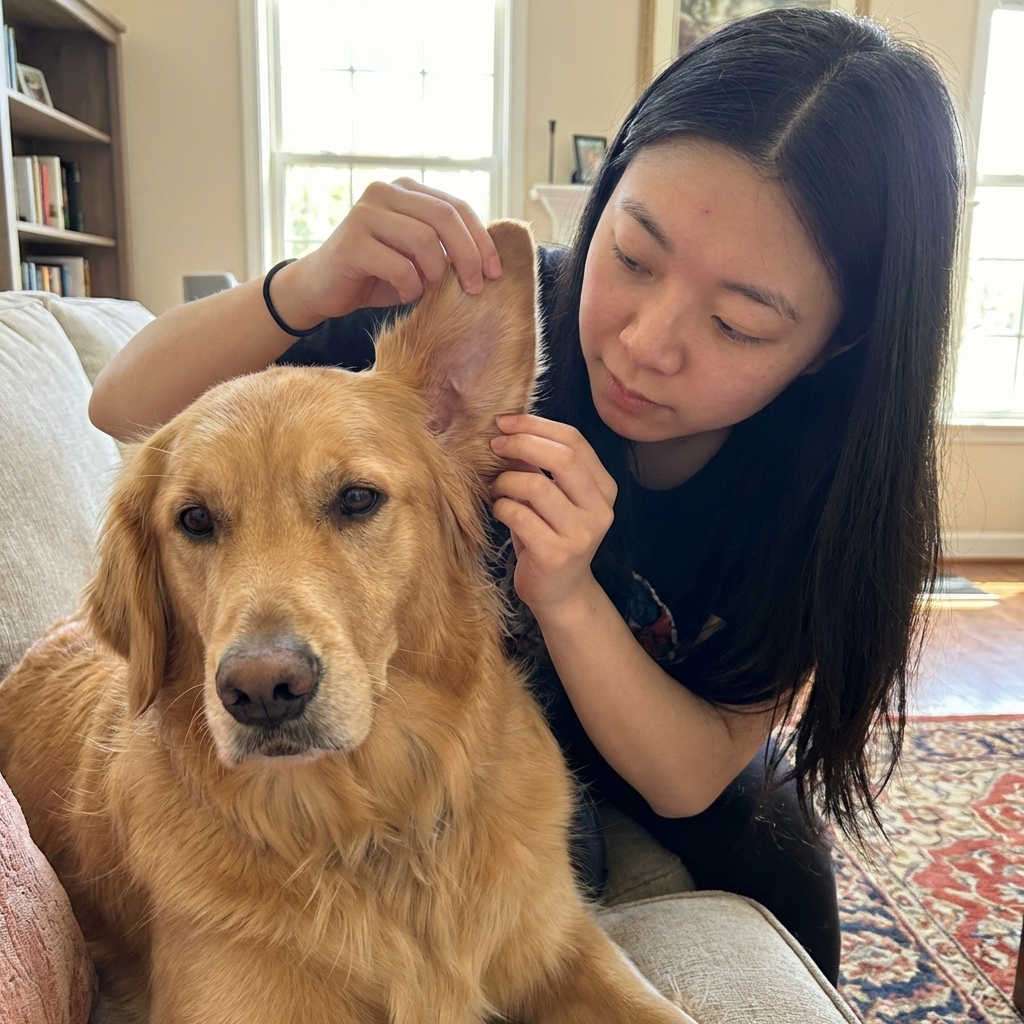
- Ear debris that looks brown and waxy; darker, crumbly “coffee-ground-like” debris can also happen with ear mites
These signs can also happen with mites, bacteria, allergies, or other skin conditions. A quick vet visit for an ear cytology or skin impression often saves time and money because it confirms what is actually growing.
Common causes
1) Allergies (a top driver)
Allergies are one of the most common underlying causes of recurrent yeast, especially when yeast keeps returning after treatment. Allergies inflame the skin, weaken its protective barrier, and change the local environment so yeast can multiply.
- Environmental allergies like pollen, dust mites, and mold can cause seasonal or year-round flare-ups.
- Food allergies can also contribute, often showing up as chronic ear infections, paw chewing, or itchiness that does not follow a seasonal pattern.
- Flea allergy dermatitis is another big itch trigger, and even a few bites can set off a flare in sensitive dogs.
Insight: If your dog improves with medication but flares again quickly, ask your vet about allergy management options (prescription diets, flea control, medicated bathing, immunotherapy, or targeted anti-itch medications).
2) Moisture and poor airflow
Yeast loves warm, humid spaces. Dogs can develop overgrowth after:
- Swimming or frequent baths without fully drying the ears and coat
- Dogs with floppy ears where air does not circulate well
- Skin folds that stay damp (wrinkles, lip folds, vulvar folds, tail pocket)
- Paws that stay wet from licking or from walking on wet grass
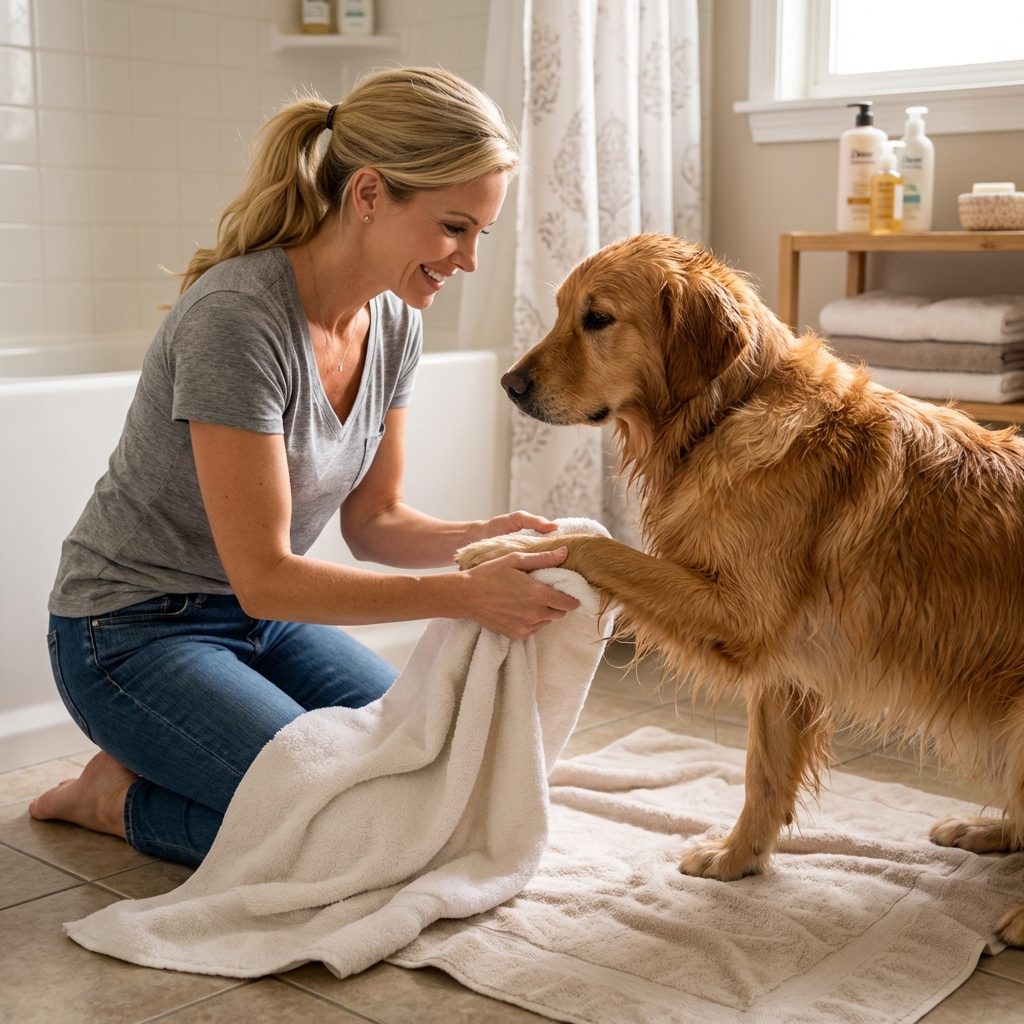
Actionable tip: After bathing or swimming, gently dry the ears (outer ear only) and thoroughly dry between toes and in skin folds. If your dog has recurrent ear problems, ask your vet whether a drying ear rinse is appropriate for routine maintenance.
3) Antibiotic use (changing the balance)
Antibiotics can be necessary and lifesaving, but prolonged or repeated courses can sometimes disrupt normal skin flora. When bacteria are reduced, yeast may have less competition and can overgrow, especially if allergies or dermatitis are already in the picture.
Insight: If yeast flares after antibiotics, it does not mean the antibiotic was “bad.” It may mean your dog needs additional skin support during and after treatment, such as medicated baths or ear care, guided by your veterinarian.
4) Hormonal and metabolic disease
Some health conditions make yeast more likely by affecting the immune system, skin integrity, and oil production. Two big ones are:
- Hypothyroidism
- Cushing’s disease (hyperadrenocorticism)
Diabetes can also increase susceptibility to infections in general. If yeast infections are frequent, severe, or paired with other signs like weight changes, increased thirst, or thinning coat, ask your vet if screening bloodwork is appropriate.
5) Immune suppression and certain medications
Dogs taking immune-suppressing medications may be more prone to yeast overgrowth. This includes some steroids and other drugs used for allergies or autoimmune disease.
Do not stop medications on your own. Instead, talk with your veterinarian about adjusting the plan or adding preventive skin and ear care.
6) Skin barrier damage and overgrooming
When dogs lick, chew, or scratch, the skin becomes inflamed and leaky. That damaged barrier can allow yeast to multiply. This becomes a cycle: itch leads to licking, licking leads to more yeast, yeast leads to more itch.
Breaking the cycle often requires a combined plan: treat the yeast, reduce itch, and address the root cause (often allergies).
7) Breed and body factors
Some dogs are simply more prone because of anatomy and coat characteristics. Common risk factors include:
- Floppy ears or narrow ear canals
- Wrinkled skin and skin folds
- Thick undercoats that trap moisture
- Dogs who are overweight, which increases skin fold friction and moisture
This does not mean yeast is inevitable. It means routine care matters more for these pups.
8) Diet factors (often misunderstood)
People often ask if “sugar feeds yeast.” In real life, most yeast infections in dogs are more about inflammation and skin barrier health than one single ingredient.
- If a food allergy is suspected, your vet may recommend a strict elimination diet trial.
- Some dogs benefit from diets with appropriate omega-3 fatty acids to support skin health.
- Focus on a complete-and-balanced diet that agrees with your dog’s digestion and keeps them at a healthy weight.
If you want to add fresh, whole foods, start slowly and keep it simple. The goal is steady improvement, not a sudden overhaul that upsets digestion.
Why it keeps coming back
When yeast infections recur, it is often because:
- The yeast was treated, but the underlying allergy or moisture issue was not addressed
- The infection is mixed, meaning yeast plus bacteria, and only one piece was treated
- Medication was stopped too soon (symptoms can improve before yeast is fully controlled)
- The wrong product was used (for example, treating yeast like bacteria, or vice versa)
Clinical tip: Your veterinarian can confirm yeast by looking at a simple slide under the microscope. That one step helps avoid guesswork and speeds up relief.
How vets diagnose and treat
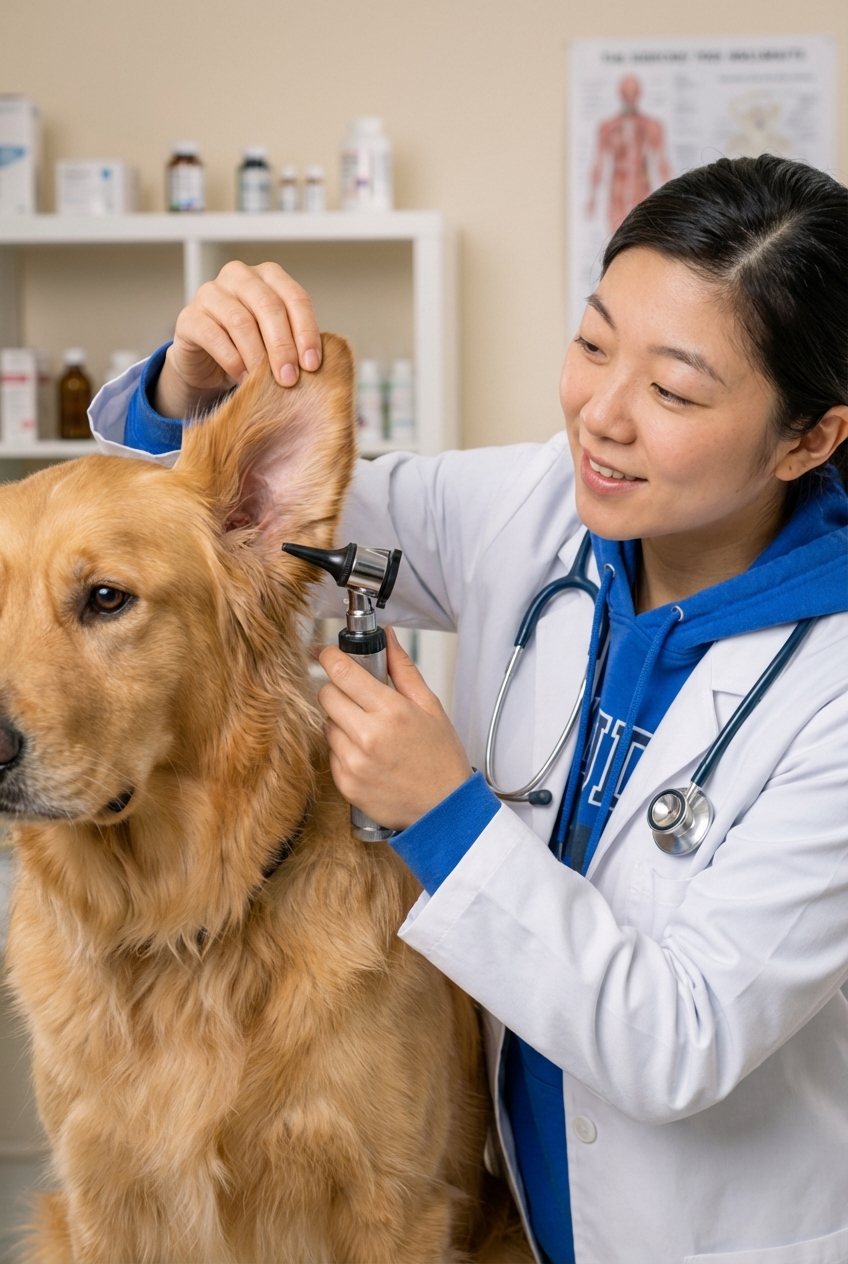
If your dog is uncomfortable, your veterinarian will usually start with a physical exam plus quick, in-clinic tests such as:
- Cytology (ear swab or skin sample examined under the microscope) to look for yeast, bacteria, or both
- Skin testing for parasites when indicated
- Culture in stubborn cases or when infections do not respond as expected
Treatment often includes topical antifungals for ears or skin, and sometimes combination medications that treat both yeast and bacteria. In more severe or widespread cases, oral antifungals may be needed, along with a plan to control the underlying trigger (very often allergies).
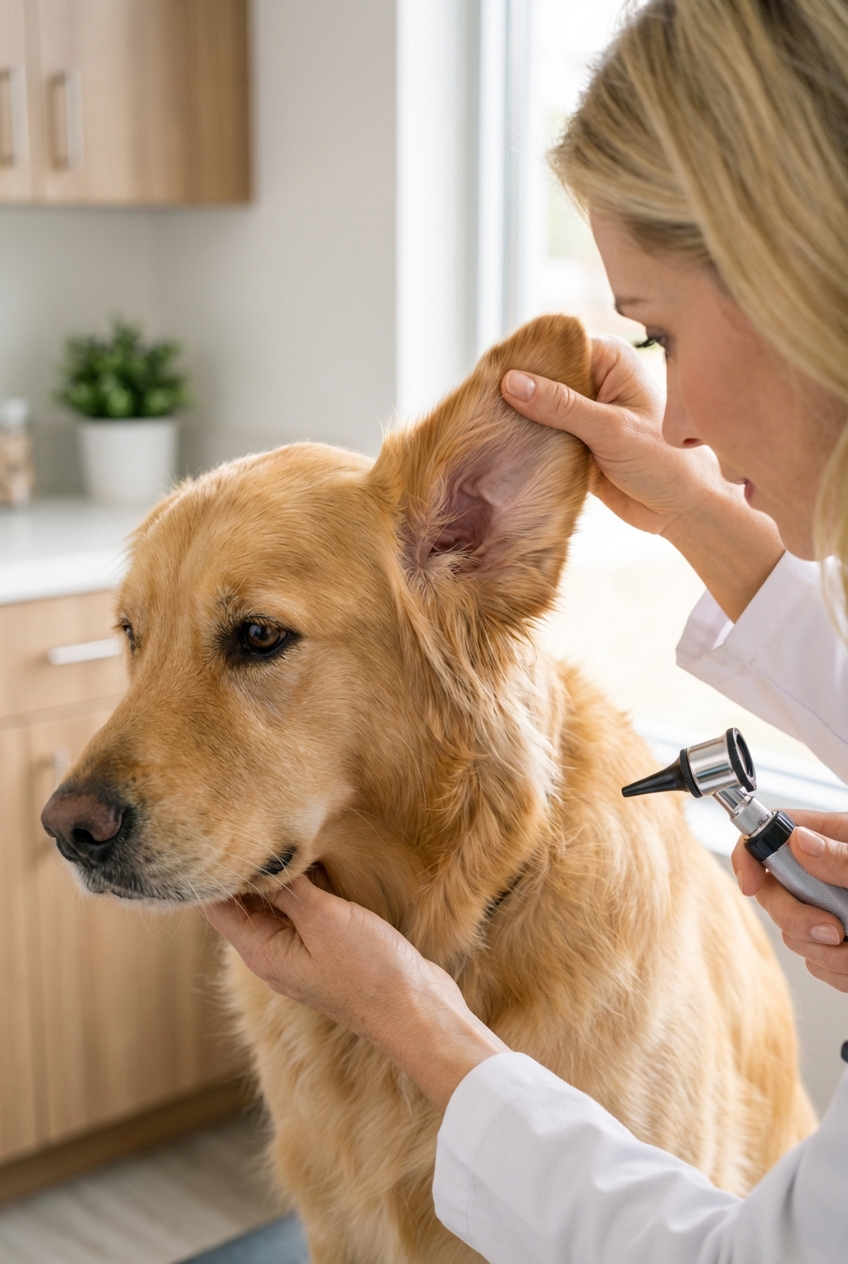
If your dog has a very painful ear, a swollen ear canal, or head tilt, your vet may also assess for deeper ear infection. In those situations, it is especially important not to put anything into the ear until your dog has been examined.
At-home steps (and what to avoid)
Smart, safe support
- Keep ears and paws dry after baths, swimming, and rainy walks.
- Use vet-approved medicated shampoos or wipes when recommended. Common active ingredients for yeast include chlorhexidine and miconazole or ketoconazole.
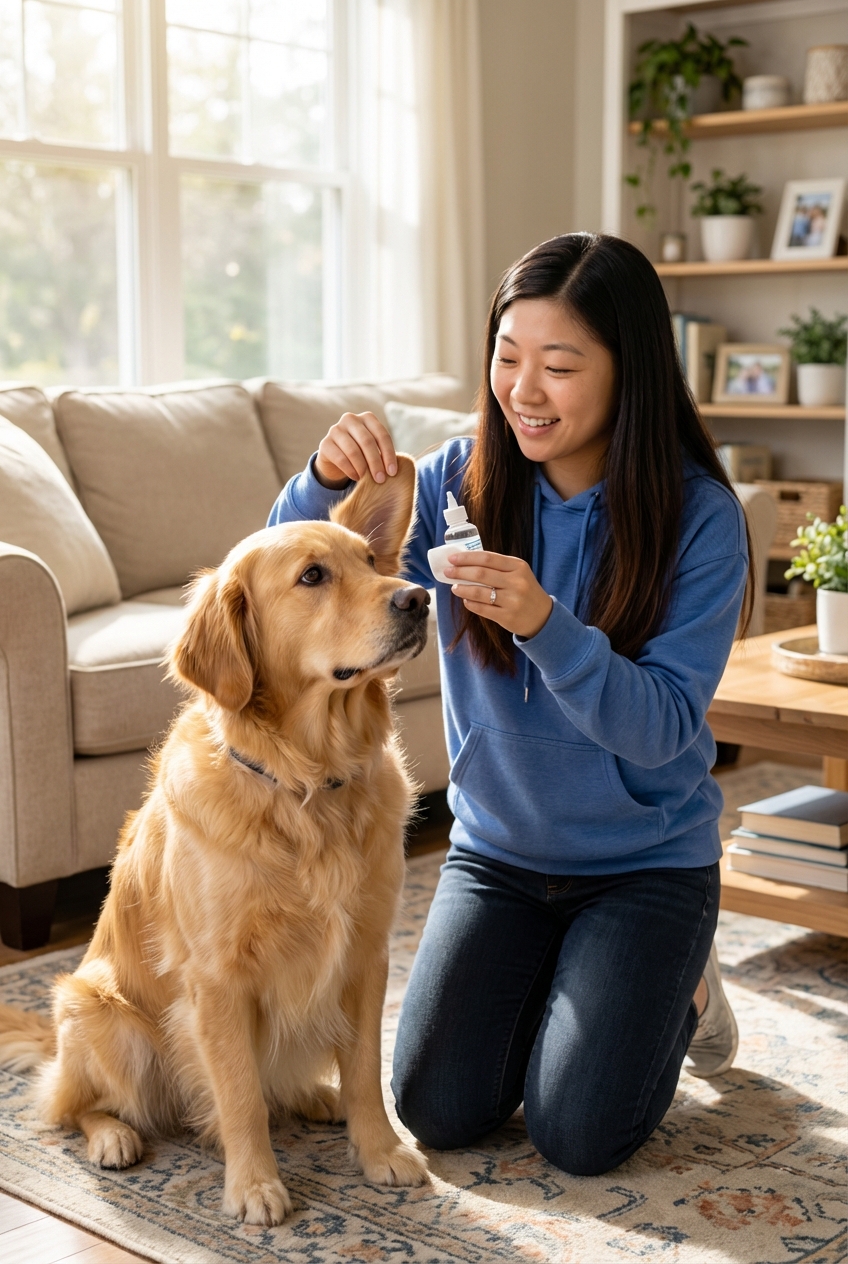
- Use only ear cleaners recommended by your veterinarian, and follow instructions carefully.
- Manage allergies with your vet’s plan. This is often the long-term game changer.
- Maintain a lean body condition to reduce skin fold moisture and inflammation.
What to avoid
- Do not pour vinegar, peroxide, or essential oils into ears. These can irritate already inflamed tissue and can be dangerous if the eardrum is compromised.
- Do not use human antifungal creams without veterinary guidance, especially on large areas or near the eyes.
- Do not assume every itchy ear is yeast. Ear mites, bacteria, foreign material, and allergies can look similar.
- Do not aggressively clean a painful ear at home. If your dog is yelping, head-shaking nonstop, or the ear looks very swollen, get it checked first.
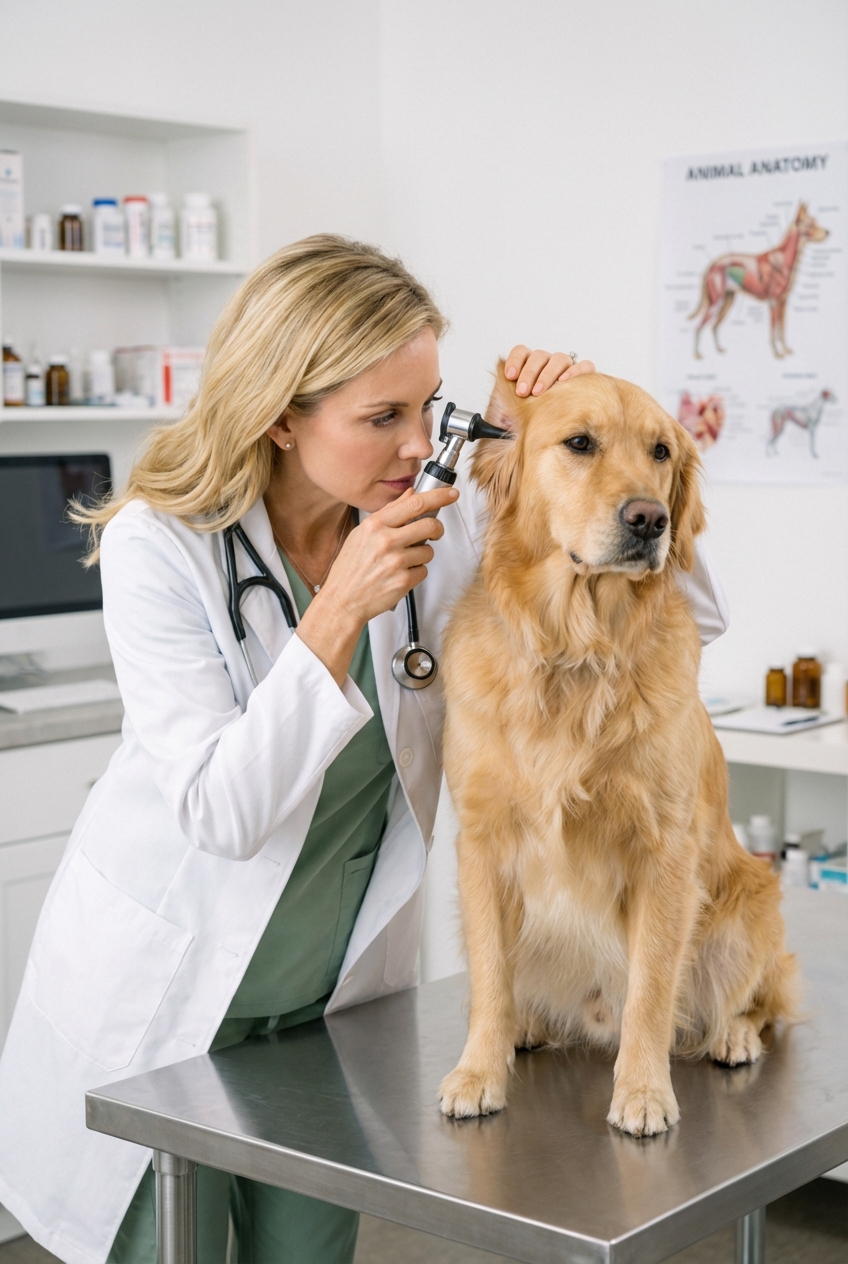
When to call your veterinarian
Please reach out promptly if you notice:
- Head tilting, loss of balance, or severe ear pain
- Bleeding, swelling, or a strong odor from the ears
- Open sores, oozing skin, or widespread hair loss
- Recurring infections more than a couple of times per year
- Your dog seems lethargic, feverish, or not themselves
With the right diagnosis and a plan that targets the root cause, most dogs get real relief. And once you understand your dog’s personal triggers, prevention becomes much easier.
Comfort is the goal. If your dog is itchy, that is a signal, not a personality trait. Let’s find out why.