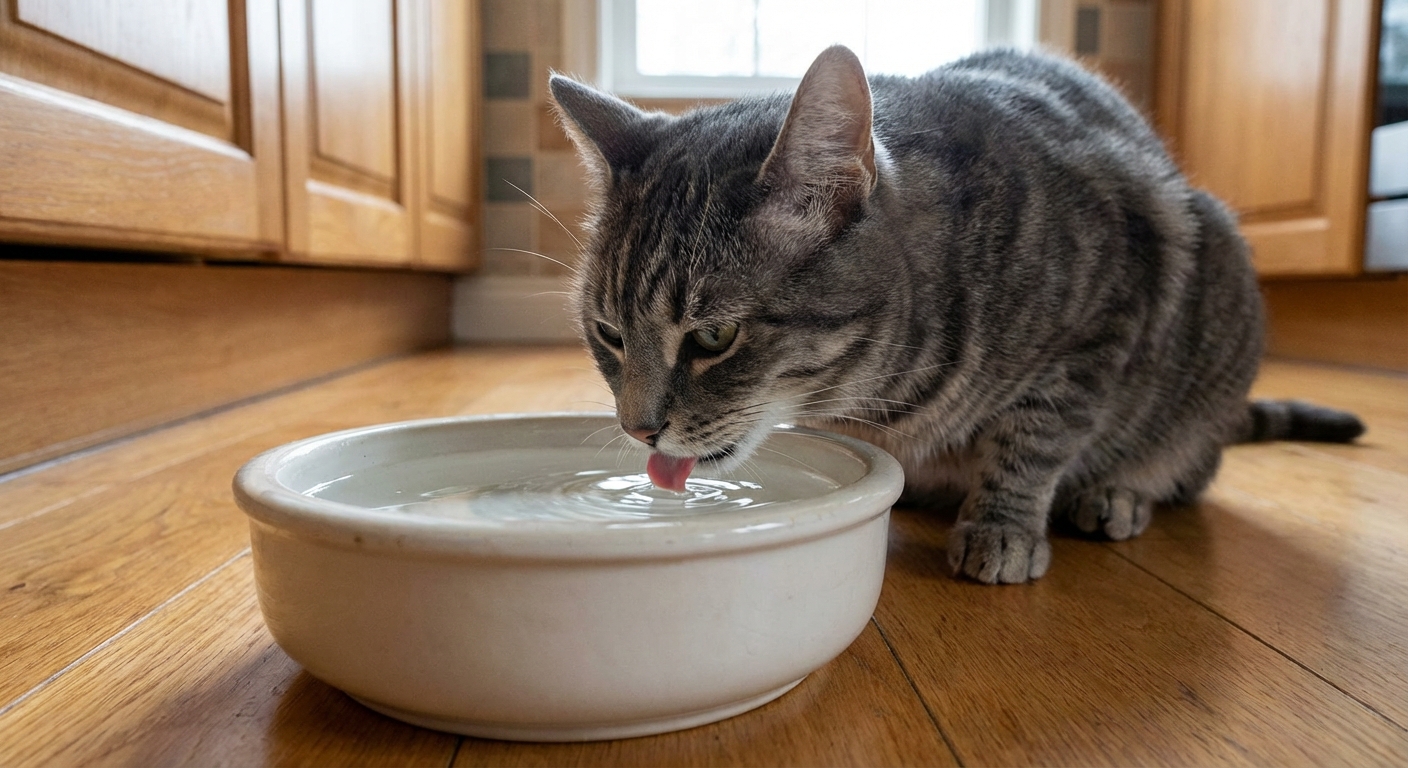
Spot early cat diabetes signs at home—more thirst and peeing, increased appetite with weight loss, low energy, coat changes—and learn vet tests, treatmen...
Article
•
Designer Mixes
Causes of Lethargy in Cats

Shari Shidate
Designer Mixes contributor
When a cat who normally follows you from room to room suddenly seems “flat” (more withdrawn than usual), sleeps even more than usual, or stops greeting you at the food bowl, it can be genuinely scary. Lethargy is not a diagnosis. It is a sign that something is draining your cat’s energy, affecting comfort, or changing their ability to function normally.
As a veterinary assistant, I like to start with a simple truth: cats are experts at hiding illness. So when you notice lethargy, it is worth taking seriously, even if your cat is still eating a little or purring.
What lethargy looks like
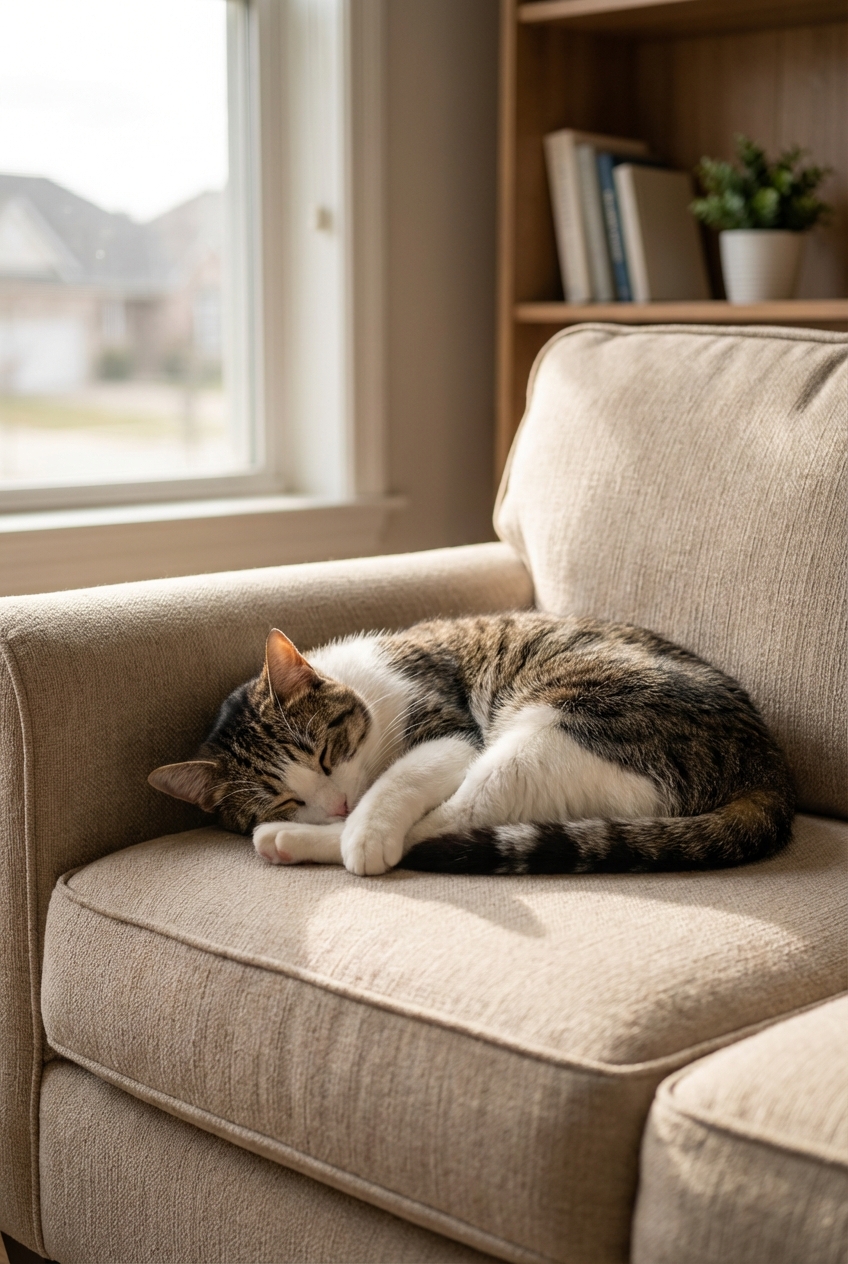
Lethargy can be obvious, but it can also be subtle. Common signs include:
- Sleeping much more than usual or being difficult to wake
- Less interest in play, window watching, or exploring
- Hiding more, avoiding family members, or seeming withdrawn
- Moving slowly, hesitating to jump, or acting stiff
- Reduced grooming, messy coat, or mild “unkempt” look
- Low appetite or walking away from favorite treats
If your cat is lethargic and not eating, vomiting, breathing faster than normal (especially at rest), or showing signs of pain, that combination is especially important to address quickly.
Top causes of lethargy in cats
There are many reasons a cat may seem low-energy, and several can look similar at home. The sections below cover common causes and practical clues to watch for. Because symptoms overlap, a vet exam and basic lab work can help you get answers faster.
1) Pain (including arthritis and dental disease)
Pain is one of the most under-recognized causes of a “quiet” cat. Cats often do not cry out. They simply do less.
- Common clues: reluctance to jump, hiding, irritability, reduced grooming, changes in litter box posture, bad breath or dropping food
- Why it matters: pain increases stress hormones, reduces appetite, and can snowball into more serious issues
2) Dehydration and not eating enough
Even mild dehydration can make a cat feel weak. And when cats stop eating, they can develop serious metabolic complications. Cats are not like dogs in this regard. They do not tolerate fasting well.
- Common clues: tacky gums, less urine, constipation, dry stool, sunken eyes, reduced appetite
- Important note: overweight cats who stop eating are at risk for hepatic lipidosis, a dangerous liver condition
3) Infection or fever
Viral or bacterial infections commonly cause lethargy. Fever alone can make a cat stop eating and sleep constantly.
- Common clues: sneezing, runny nose, watery eyes, coughing, decreased appetite
- Fever tip: “warm ears” is not a reliable way to tell. A true fever needs a thermometer reading, usually at the vet.
- Examples: upper respiratory infections, dental root infections, abscesses from bites
4) Anemia (including blood loss and parasites)
Anemia can look like “my cat is just tired and not themselves.” Heavy parasite burdens can contribute, but anemia can also be caused by chronic disease, immune problems, toxins, or internal bleeding.
- Common clues: pale gums, rapid breathing, weakness, hiding, reduced play, weight loss
- Parasite note: heavy flea burdens can cause anemia, especially in kittens or small cats. Intestinal parasites can also contribute.
- Why it matters: significant anemia can become an emergency
5) Kidney disease
Chronic kidney disease is common in older cats, and acute kidney injury can happen at any age. Both can cause lethargy, nausea, and appetite changes.
- Common clues: drinking more, peeing more, weight loss, vomiting, poor appetite, dehydration
6) Diabetes and blood sugar problems
Diabetes can start subtly, with increased thirst and urination, then progress to lethargy, appetite changes, and dehydration. Low blood sugar can also cause weakness and collapse, especially in cats receiving insulin.
- Common clues: increased thirst, increased urine, weight loss, acting “off,” hind-end weakness
7) Thyroid disease
Hyperthyroidism often causes weight loss with a good appetite, but cats can also have periods of fatigue, high blood pressure, and restlessness. Some cats treated for hyperthyroidism can develop thyroid levels that go too low as a complication, which is why follow-up labs matter.
- Common clues: weight loss, increased appetite, vomiting, fast heart rate, agitation or fatigue
8) Heart disease
Some cats have underlying heart disease with few outward signs until they become tired, breathe faster than normal, or avoid activity.
- Common clues: rapid breathing at rest, open-mouth breathing, weakness, collapse, reduced activity
- Urgent: any breathing difficulty warrants immediate veterinary care
9) Toxins and medication reactions
Cats are sensitive to many household products and human medications. Even small exposures can cause lethargy, vomiting, drooling, wobbliness, or worse.
- Common culprits: lilies, essential oils, rodent bait, flea products meant for dogs, acetaminophen, ibuprofen
- Common clues: sudden onset lethargy, drooling, vomiting, tremors, unsteady walking
10) Digestive emergencies (foreign body, obstruction, pancreatitis)
GI issues can move from “just not themselves” to serious quickly. Cats with a blockage or pancreatitis may simply look quiet at first, then stop eating, hide, or vomit.
- Common clues: vomiting (especially repeated), refusing food, painful belly, hunched posture, hiding, constipation or diarrhea
- Why it matters: some obstructions require urgent imaging and surgery
11) Stress and environmental changes
Not all lethargy is medical, but stress is still a health issue. A new pet, moving, construction noise, schedule changes, or conflict with another cat can reduce activity and appetite.
- Common clues: hiding, decreased appetite, overgrooming or undergrooming, litter box changes

When to call the vet
Use your instincts. If your cat feels “not right,” it is okay to call. These signs are especially urgent:
- Lethargy plus open-mouth breathing, labored breathing, or breathing faster than normal at rest
- Not eating for 24 hours (or noticeably reduced eating for more than a day). Call sooner for kittens, seniors, cats with chronic disease (including kidney disease or diabetes), or overweight cats.
- Repeated vomiting, vomiting with inability to keep water down, or vomiting plus weakness
- Collapsing, severe weakness, or inability to stand
- Suspected toxin exposure (including lilies or human medications)
- Pale gums, yellow gums, or blue-tinged gums
- Straining to urinate, crying in the litter box, or frequent small trips (especially in male cats). A urinary blockage can cause sudden pain and lethargy and is an emergency.
If you are ever unsure, a quick call to your veterinarian or a pet poison hotline can help you make a safe plan. In the US, common options include ASPCA Animal Poison Control and Pet Poison Helpline (fees may apply).
What your vet may recommend
In clinic, we usually start with a full history and physical exam, then choose tests based on your cat’s age, symptoms, and risk factors. Common next steps include:
- Temperature, heart rate, and respiration: helps identify fever, dehydration, pain, and heart or lung stress
- Bloodwork (CBC and chemistry): screens for anemia, infection, kidney and liver issues, blood sugar problems
- Urinalysis: very important for kidney disease, urinary tract issues, and diabetes
- Thyroid testing: common in older cats and important for monitoring treatment
- X-rays or ultrasound: evaluates lungs, heart size, intestinal problems (including obstruction), masses, and pain sources
- Fecal testing: looks for intestinal parasites
These tests are not about “running everything.” They help us find the cause so your cat gets the right treatment, faster.
What you can do at home
While you are arranging care, a few calm observations can give your vet valuable clues.
Quick home checklist
- Food and water: how much did they eat and drink in the last 24 hours?
- Litter box: normal urine clumps? diarrhea? constipation? straining?
- Breathing: are they breathing comfortably? faster than normal while resting?
- Resting breathing rate: count breaths while asleep or resting calmly for 30 seconds and multiply by two. If it is consistently above about 30 to 40 breaths per minute, or if breathing looks strained, call your vet urgently. Any open-mouth breathing is an emergency.
- Gums: pink and moist, or pale, sticky, or yellow?
- Movement: any limping, hesitation to jump, or pulling away when touched?
- Recent changes: new foods, new meds, flea product, plants, home renovations, guests, new pet
Supportive steps that are generally safe
- Keep your cat warm, quiet, and stress-free in a comfortable room
- Offer fresh water and, if your vet approves, a wet food option for extra moisture
- Do not give human pain relievers or leftover pet medications unless your vet specifically directs you
My gentle rule: if lethargy is paired with appetite loss, vomiting, breathing changes, or hiding that is out of character, it is time to call your veterinarian.
Preventing future episodes
Not every cause of lethargy can be prevented, but you can lower the odds of a crisis by building a few habits:
- Annual exams for adult cats and twice-yearly exams for seniors
- Routine dental care, including professional cleanings when recommended
- Parasite prevention that fits your cat’s lifestyle (even indoor cats can get fleas)
- Keep lilies and risky essential oils out of the home
- Track appetite and weight. Subtle changes often show up there first
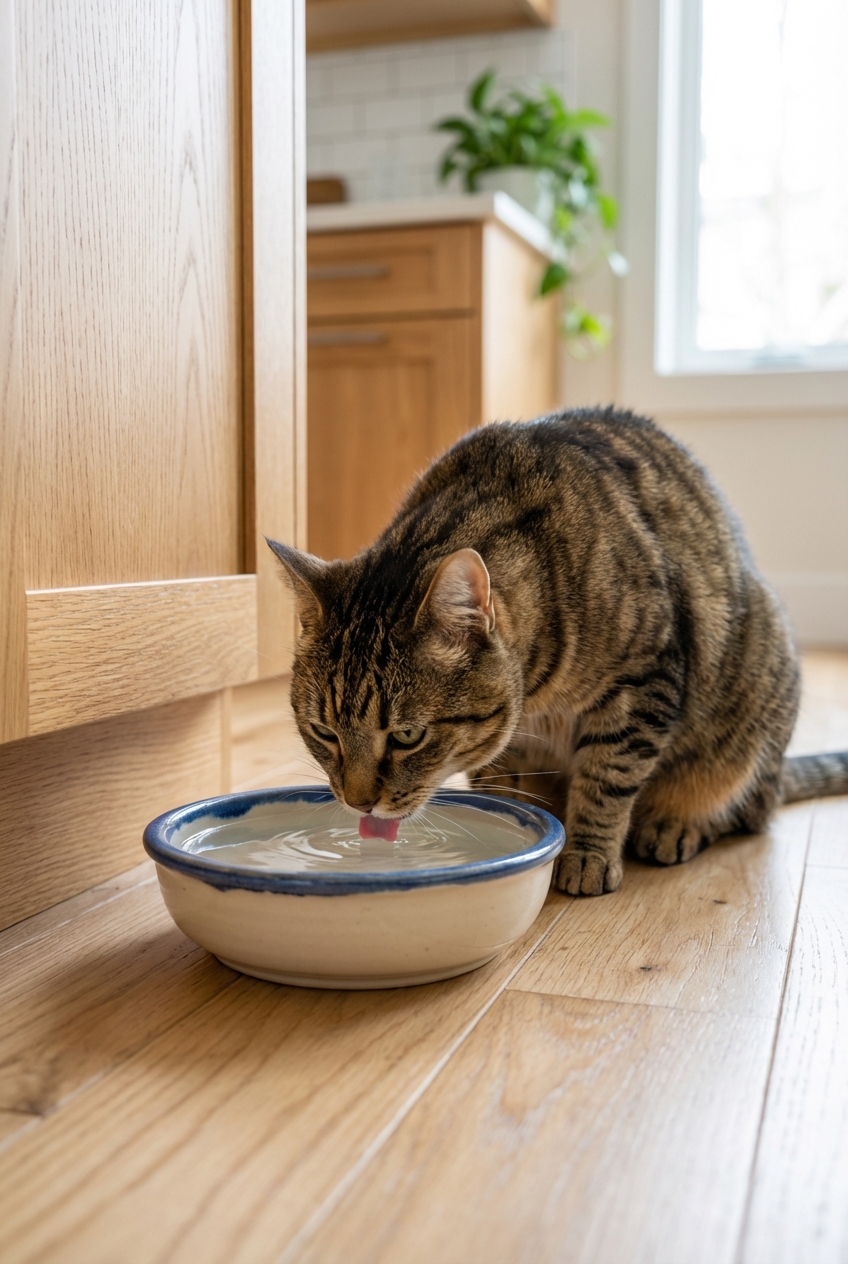
- Hydration support, especially for cats prone to urinary or kidney issues (wet food can help)
Cats do not need to be “high energy” to be healthy, but they should have a normal rhythm: eating, using the litter box, grooming, interacting in their usual way, and moving comfortably. When that rhythm changes, your attention can make all the difference.