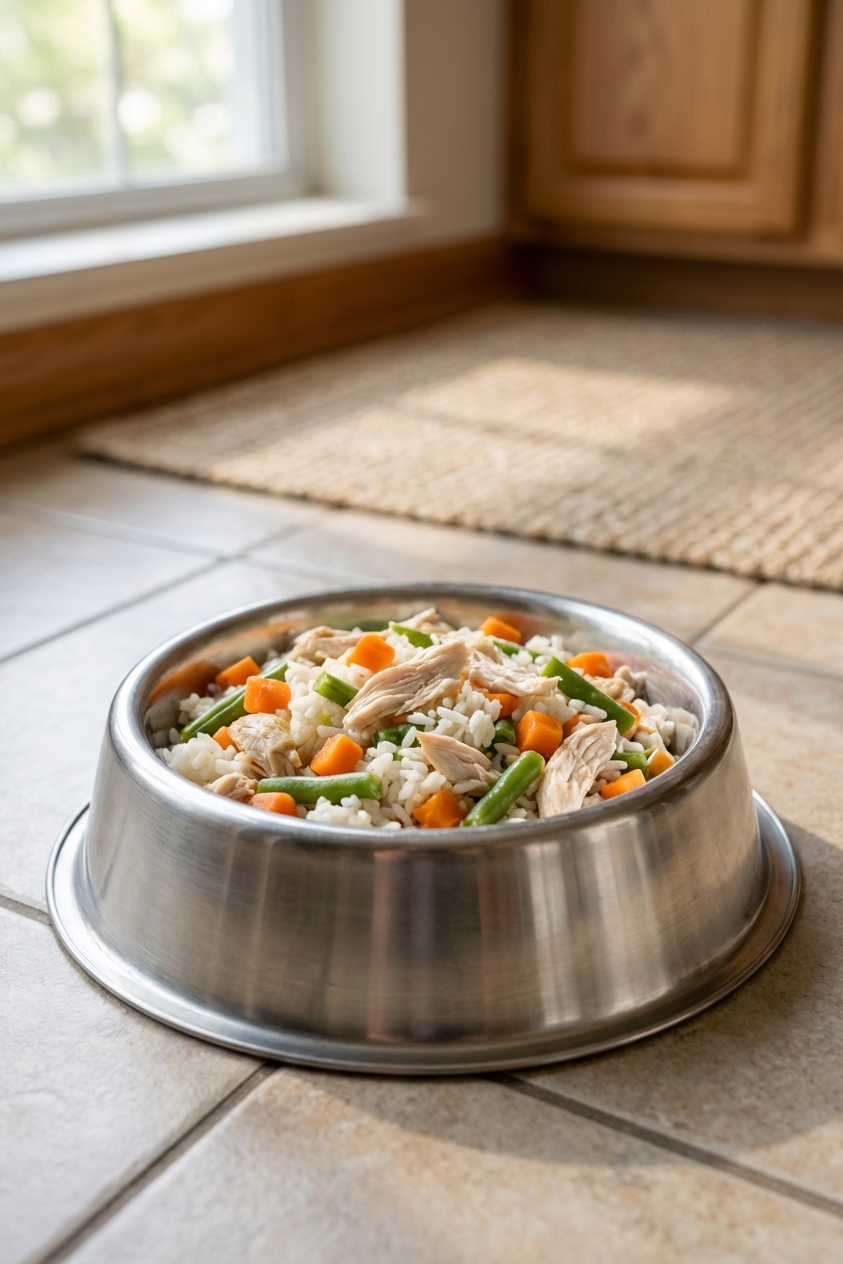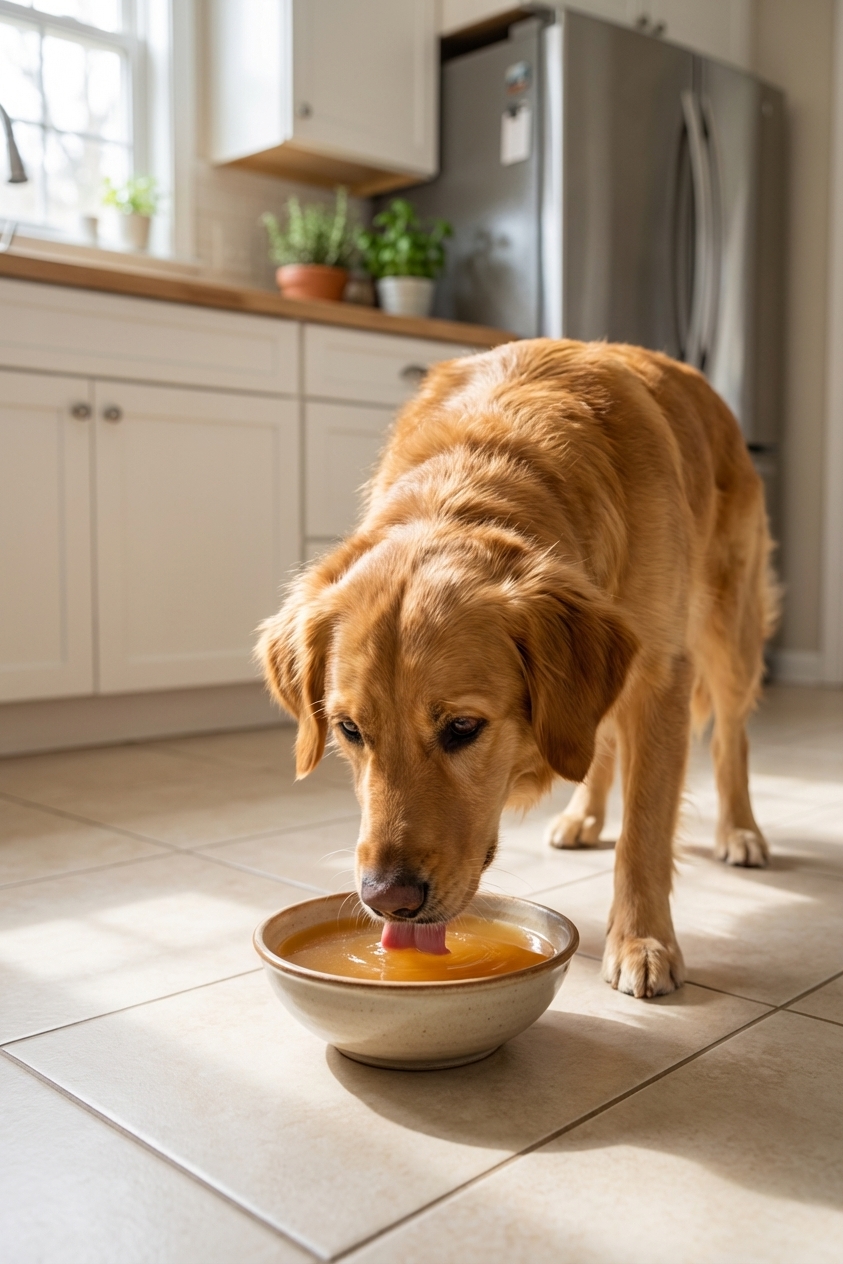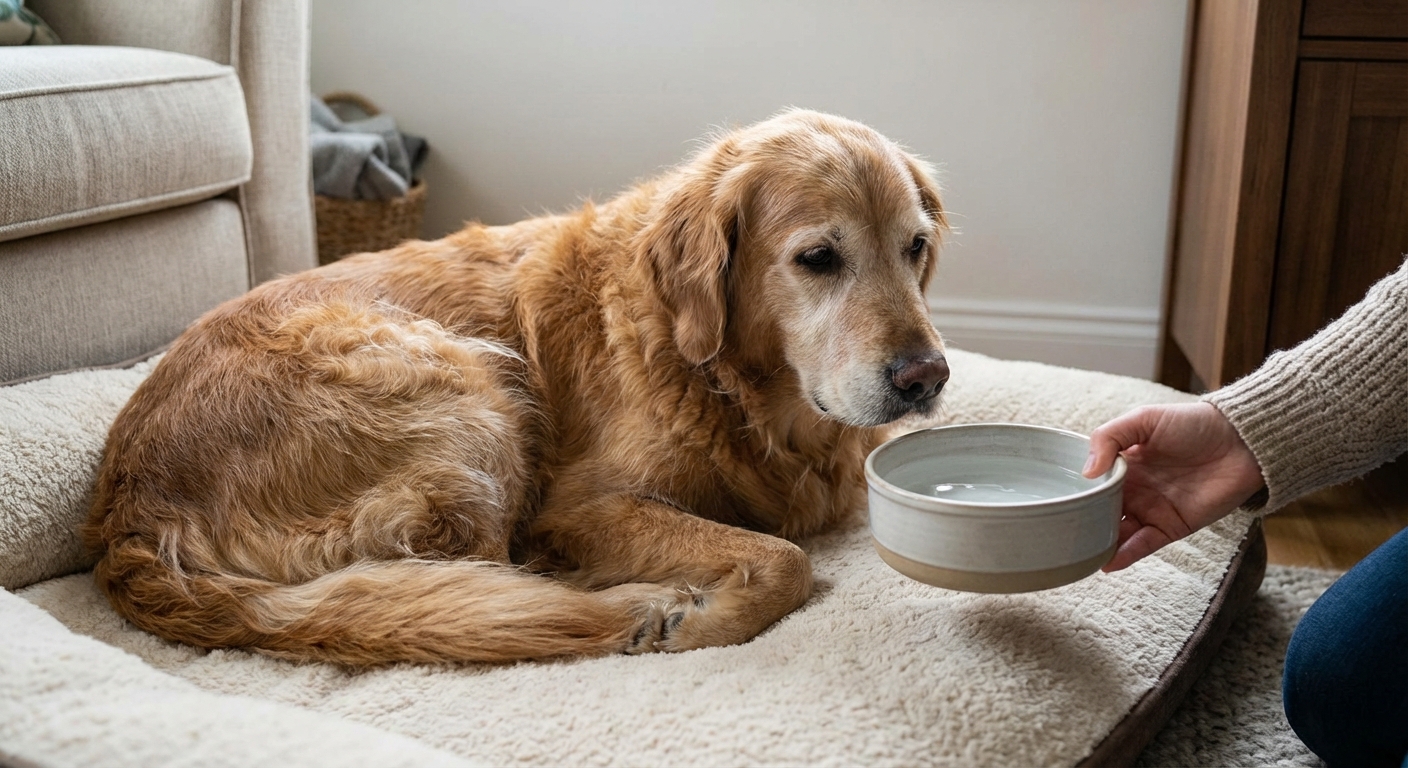
A practical 24–72 hour diet and hydration plan for mild dog diarrhea, with bland food options, safe add-ons like probiotics, foods to avoid, and clear red ...
Article
•
Designer Mixes
Causes of Diarrhea in Puppies

Shari Shidate
Designer Mixes contributor
Puppy diarrhea is one of the most common reasons pet parents call their vet, and I get it. It is messy, stressful, and sometimes scary. The good news is that many cases are mild and short-lived. The important part is knowing what can cause it, what you can do at home, and when it is time to go in right away.
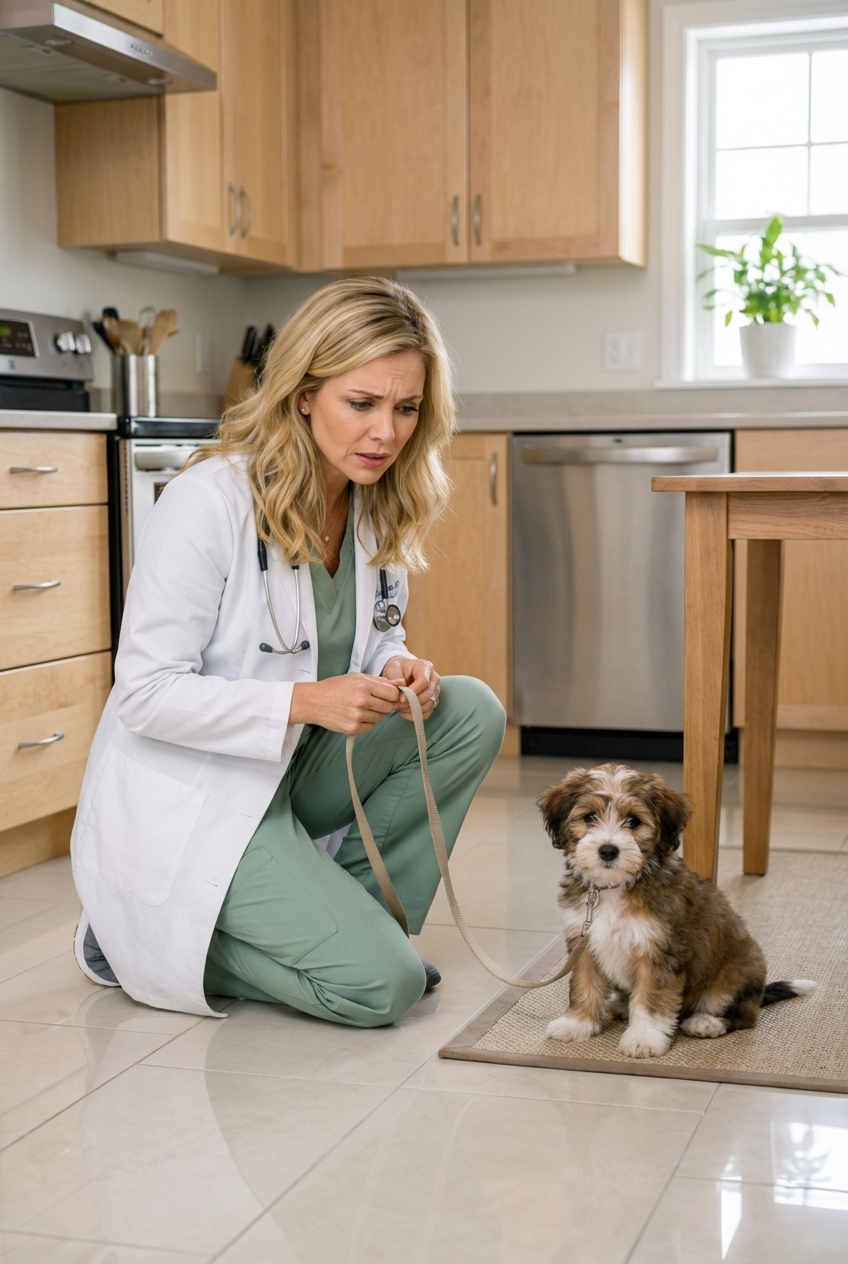
Because puppies are still growing, they can dehydrate faster than adult dogs, especially very young puppies and small or toy breeds. They have less reserve if something is wrong. So while we can absolutely talk about practical home care, we also want to keep safety front and center.
Quick triage: what to watch first
Before you focus on the cause, take a minute to observe your puppy and the poop. Those clues matter.
Check your puppy
- Energy: bright and playful, or weak and listless?
- Appetite: still wants food and water, or refusing both?
- Hydration: gums should be moist, not tacky or dry.
- Vomiting: diarrhea plus repeated vomiting is more urgent.
Check the stool
- Frequency: once or twice vs. every hour
- Volume: large puddles vs. small, frequent amounts
- Blood or mucus: jelly-like mucus or red streaks are important details to report
- Color: black, tarry stool can signal digested blood and needs prompt vet attention
Helpful tip: if you can, take a quick photo of the stool (and any vomit) to show your veterinarian. It can be surprisingly helpful.
Common causes of diarrhea in puppies
Diarrhea is a symptom, not a diagnosis. Puppies can have loose stool for many reasons, and sometimes more than one is happening at the same time.
1) Diet change or food intolerance
This is one of the biggest culprits. Puppies have sensitive GI tracts, and sudden changes can overwhelm their digestive system.
- Switching brands or formulas too quickly
- New treats, chews, or training rewards
- Rich people foods, greasy foods, dairy, or table scraps
- Food intolerance or sensitivity to a particular protein or ingredient
Tip: if you are changing foods, aim for a gradual transition over 7 to 10 days. Slower is fine for sensitive pups.
2) Eating something they should not
Puppies explore with their mouths. A surprising number of diarrhea cases come down to scavenging.
- Garbage, compost, cat litter, fallen fruit, or spoiled food
- Sticks, mulch, toys, socks, and other foreign material
- Yard chemicals, some plants, or contaminated standing water
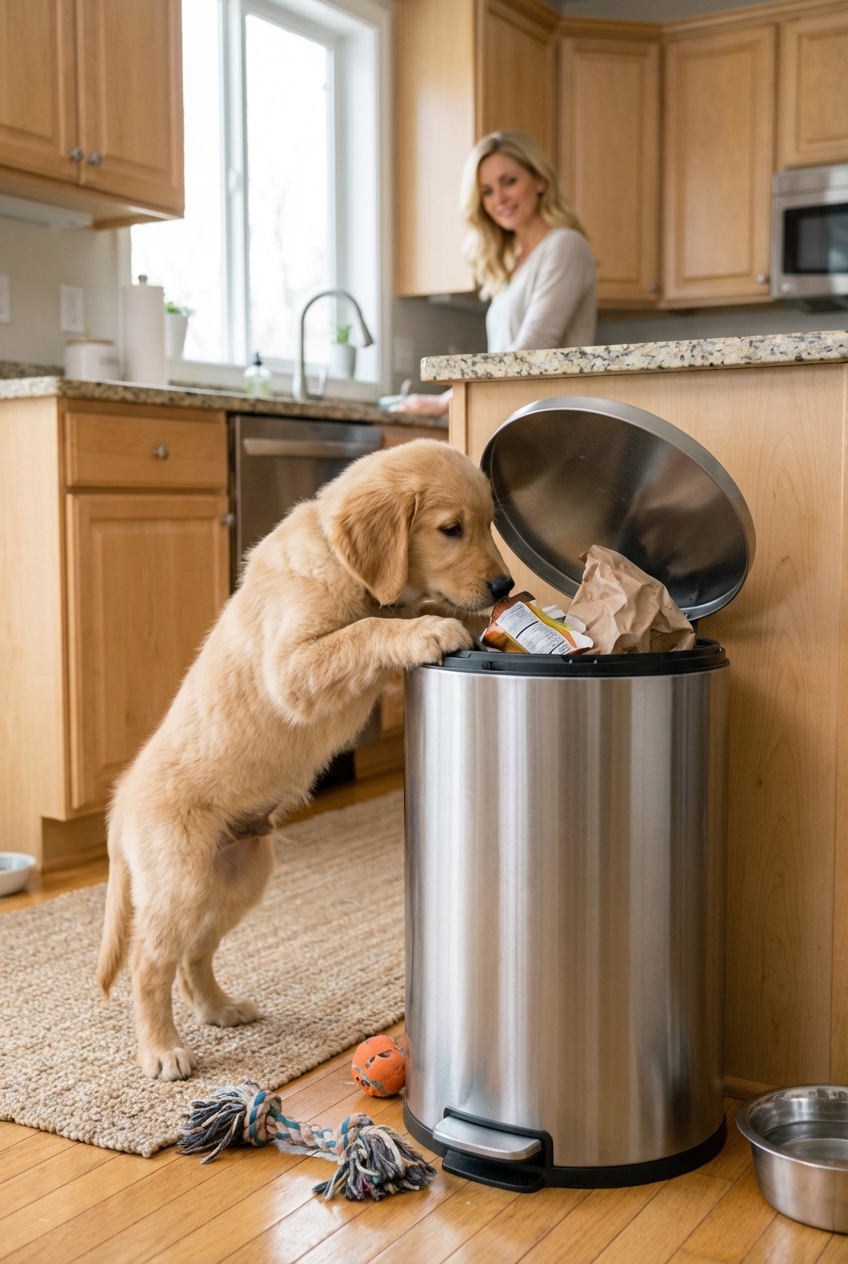
If your puppy may have eaten a non-food item or a toxin, call your veterinarian or a pet poison hotline right away.
3) Intestinal parasites
Parasites are extremely common in puppies, even in well-cared-for homes. Many are picked up from mom, the environment, or other dogs.
- Roundworms and hookworms are common in young pups
- Giardia often causes soft, foul-smelling stool and can come and go
- Coccidia can cause diarrhea, mucus, and dehydration
- Tapeworms are less likely to cause diarrhea but can still irritate the gut
Why this matters: deworming schedules help, but they are not perfect. Your vet may recommend a fecal test, sometimes repeated, because some parasites shed intermittently.
4) Viral and bacterial infections
Infectious causes range from mild to life-threatening. Puppies are more vulnerable, especially if they are under-vaccinated or recently exposed to many dogs.
- Parvovirus: can cause severe, often bloody diarrhea, vomiting, and rapid dehydration
- Canine enteric coronavirus: a dog GI virus (not the human COVID-19 virus)
- Bacterial overgrowth or bacterial infections such as certain strains of E. coli, Salmonella, or Campylobacter
Important: do not give leftover antibiotics. Using the wrong medication can worsen diarrhea and complicate diagnosis.
5) Stress and routine changes
Stress diarrhea is real. Think of it like nervous stomach in people, only puppies cannot tell you they are anxious.
- Going to a new home
- New pets, new people, travel, or boarding
- Big schedule changes or loud events
If your puppy otherwise seems well and the diarrhea is mild, stress can be part of the picture. Still, monitor closely because stress can also lower resistance and make infections easier to catch.
6) Overfeeding and too many treats
Puppies grow fast, and it is easy to accidentally overdo calories, especially during training.
- Meals that are too large for the puppy’s age and size
- Treats making up more than about 10 percent of daily calories
- High-fat chews or rich rewards
7) Medications and supplements
Some puppies get diarrhea after starting a new medication or supplement.
- Antibiotics can disrupt the gut microbiome
- Some dewormers and other medications can cause GI upset in certain puppies
- New supplements or abrupt diet add-ins
Let your veterinarian know what your puppy started and when, including any over-the-counter products. Never give human pain relievers (like ibuprofen or naproxen) unless your veterinarian specifically instructs you to. They can be dangerous to dogs.
8) Vaccination timing and coincidental illness
Some puppies have mild GI upset around the time of vaccines due to stress, excitement, or temporary appetite changes. That said, if diarrhea is significant, persistent, or paired with vomiting, do not assume it is “just the shots.” Coincidental infections can occur in the same week as a vaccine visit.
9) Underlying health issues
Less common in very young puppies, but still possible.
- Congenital issues or poor digestion
- Pancreatitis (more likely with fatty foods, can happen in young dogs)
- Inflammatory bowel conditions
- Liver or kidney concerns
When to call the vet right away
With puppies, I would always rather you call early and be told “let’s monitor” than wait too long. Contact your veterinarian promptly if you notice any of the following:
- Diarrhea in a puppy under 12 weeks, especially toy breeds
- Blood in the stool or black, tarry stool
- Repeated vomiting or cannot keep water down
- Marked lethargy, weakness, collapse, or painful belly
- Signs of dehydration: tacky or dry gums, sunken eyes, prolonged skin tent, weakness, reduced urination, or cool extremities
- Known exposure to parvo or an unknown vaccination status
- Possible toxin ingestion or foreign object ingestion
- Diarrhea that continues longer than 24 hours, or sooner if your puppy is small
Trust your gut. If your puppy looks “not right,” it is worth a call.
At-home care for mild diarrhea
If your puppy is bright, drinking, not vomiting, and the stool is loose but not constant, your vet may suggest supportive care at home. As a rough guide, “mild” often looks like 1 to 2 loose stools (or slightly soft stool) with normal energy and appetite.
Important: do not fast very young puppies unless your veterinarian specifically tells you to. Puppies can get into trouble faster than adult dogs.
If infectious causes are possible, keep your puppy away from other dogs, pick up stool promptly, and clean soiled areas well.
Step 1: Simplify the diet
For many puppies, a short bland diet helps calm an irritated gut. Common vet-approved options include:
- Boiled, skinless chicken breast, shredded, with plain white rice
- Boiled turkey with rice
- Plain canned pumpkin (not pie filling), added in small amounts
Feed small portions 3 to 5 times per day for a day or two, then transition gradually back to the regular diet.
Note: chicken and rice is not nutritionally complete, so keep this short-term unless your veterinarian directs otherwise. In some cases, a prescription GI diet is a better option.
Step 2: Hydration support
Offer fresh water at all times. Some puppies do better with frequent small drinks. If your vet approves, an oral electrolyte solution formulated for pets can help in mild cases.
Step 3: Consider a veterinarian-approved probiotic
Some veterinary probiotics may help shorten the duration of acute diarrhea in dogs, but results depend on the specific product and strain. Ask your veterinarian which option and dose are best for your puppy’s age and weight.
Step 4: Pause the extras
Stop all treats, chews, rawhides, bully sticks, and people food until stool is normal again.
Step 5: Monitor and write it down
Keep a simple log for 24 hours: stool frequency, stool appearance, appetite, water intake, and energy. If you end up at the vet, those notes help a lot.
What the vet may recommend
Depending on your puppy’s age, vaccine status, and symptoms, your veterinarian may suggest:
- Fecal testing for parasites like giardia and coccidia
- Parvo testing for at-risk puppies
- Supportive care such as fluids, anti-nausea medication, and gut protectants
- Deworming even if you have already done a routine dewormer, since protocols vary
- Prescription GI diet for easier digestion
Bring a fresh stool sample if you can. It is one of the simplest ways to get answers quickly.
Preventing diarrhea in puppies
Not every upset tummy can be prevented, but you can reduce the odds with a few consistent habits.
- Stick to slow food transitions over 7 to 10 days.
- Keep treats simple and limit quantity, especially during training phases.
- Stay current on vaccines and talk with your vet about lifestyle risk.
- Follow a veterinarian-guided deworming plan, plus fecal checks.
- Puppy-proof your home and yard to reduce scavenging and foreign object risk.
- Reduce stress with routine, calm crate training, and predictable potty breaks.
Bottom line
Puppy diarrhea is common, but it should never be ignored. Many cases are caused by simple things like diet changes, stress, or parasites, and they improve quickly with the right plan. If your puppy is very young, seems unwell, has blood in the stool, or is vomiting, call your vet right away. Acting early can prevent dehydration and catch serious problems like parvo before they escalate.