Vet-assistant guidance for mild cat diarrhea: fluids, bland meals, cat-specific probiotics, pumpkin, stress tips, hygiene, what to avoid, and when to see you...
Article
•
Designer Mixes
Causes of Diarrhea in Cats

Shari Shidate
Designer Mixes contributor
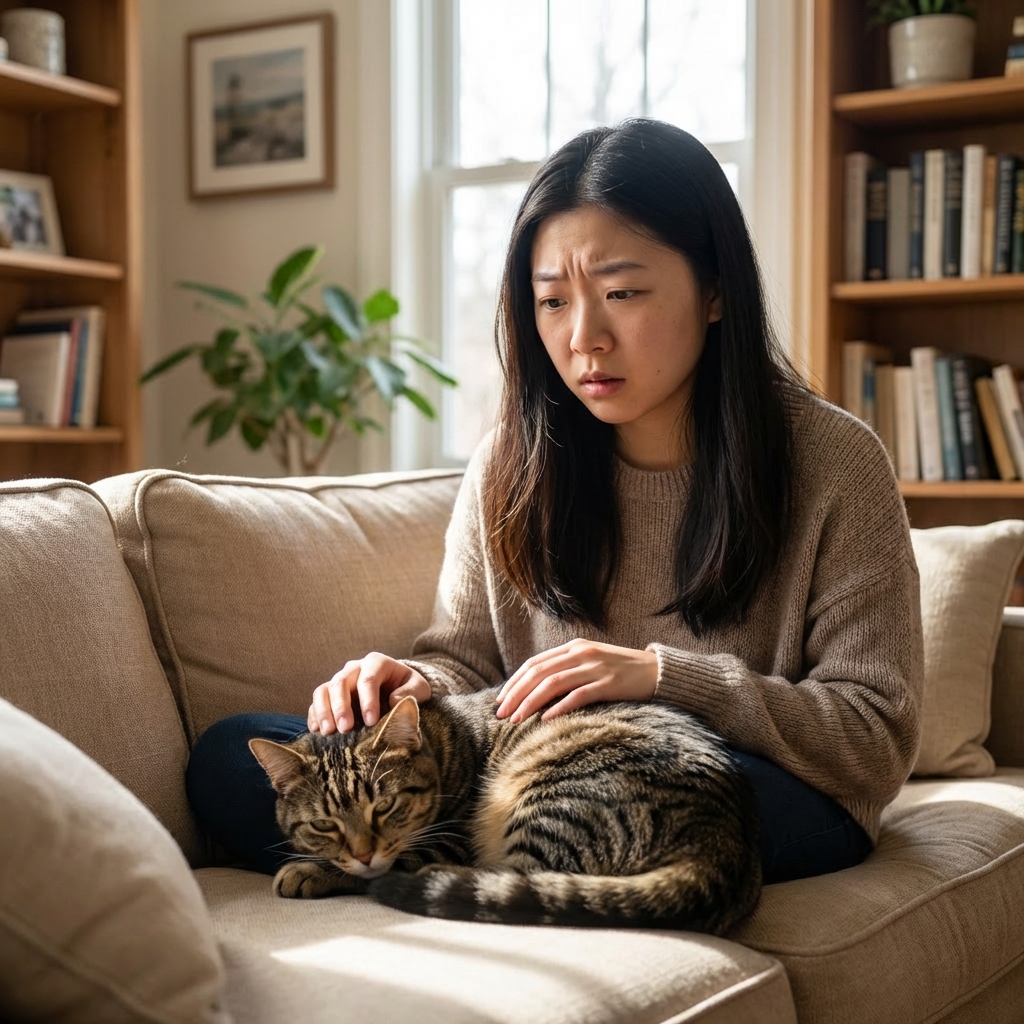
Seeing diarrhea in your cat is stressful, and I get it. In clinic, one of the first things we look at is whether this is a mild, short-lived upset or a sign of something that needs urgent care. The good news is that most cases have a clear cause once you know what to watch for and what questions to ask.
This guide gives a practical overview of the most common causes of diarrhea in cats, what you can do at home safely, and when it is time to call your veterinarian.
Medical note: This article is for general education and cannot replace an exam. If your cat seems painful, weak, or “not right,” call your vet or an urgent care clinic.
What counts as diarrhea?
Diarrhea is stool that is looser or more frequent than your cat’s normal. It can range from soft-serve texture to watery stool, and it may happen once or many times a day.
Small bowel vs large bowel clues
- Small bowel: larger volumes, watery stool, weight loss, possible vomiting.
- Large bowel: frequent small stools, straining, mucus, and sometimes fresh red blood.
These patterns can help your vet narrow down where the problem may be coming from, but they are not perfect. Some cats show mixed signs, and the cause cannot be confirmed from appearance alone.
Common causes
There’s often more than one contributing factor. Cats can have diarrhea from diet, infections, parasites, stress, medication side effects, or chronic disease. Here are the most common categories.
Diet and food triggers
The digestive tract is sensitive. Even a “better” food can cause diarrhea if switched too fast.
- Sudden food change (new brand, new protein, new treats).
- Dietary indiscretion: stealing human food, getting into trash, eating spoiled food.
- Too many rich treats, especially fatty foods.
- Milk and dairy: many adult cats are lactose intolerant.
- Food intolerance (digestive upset from a specific ingredient) vs food allergy (immune-driven, may also cause itching or ear issues).
Parasites
Parasites are a big one, and they are not always obvious. Kittens, outdoor cats, and multi-cat homes are higher risk. Indoor cats can still pick up parasites, especially through fleas, a new pet in the home, or exposure to contaminated material that gets tracked inside.
- Giardia: often foul-smelling, soft to watery stool.
- Coccidia: common in kittens, shelters, multi-cat homes.
- Roundworms and hookworms: can cause diarrhea, pot-belly in kittens, poor growth.
- Tapeworms: more often cause “scooting” or visible segments, but GI upset can happen.
Most of the time, diagnosis starts with a fecal test. Sometimes repeat testing is needed because shedding can be intermittent.
Infections
Infections can inflame the gut and trigger diarrhea quickly.
- Viruses: feline panleukopenia (particularly severe in unvaccinated kittens). Feline enteric coronavirus is common and usually causes mild or no signs, but it can contribute to GI upset in some cats. This is not the same as FIP, which is a different disease process.
- Bacteria: Salmonella, Campylobacter, Clostridium, and others (more likely with raw diets, hunting, or exposure to contaminated food).
- Fungal disease: uncommon, but systemic infections like histoplasmosis can include diarrhea along with other signs.
If there is fever, lethargy, dehydration, or bloody diarrhea, infectious disease moves higher on the list.
Stress and routine changes
Cats are routine-loving animals. Stress can change gut motility and the microbiome, leading to loose stool.
- Moving homes, new baby, visitors, construction noise.
- New pet, conflict with another cat.
- Travel, boarding, or even a change in litter.
Medications and toxins
Many medications can cause GI upset, and cats are especially sensitive to certain toxins.
- Antibiotics: may disrupt normal gut bacteria.
- NSAIDs and human meds: many are dangerous for cats.
- Dewormers or new supplements: sometimes cause temporary loose stool.
- Toxins: lilies (life-threatening kidney toxin), rodenticides, some essential oils, household cleaners, and more.
If you suspect toxin ingestion, contact your veterinarian or a pet poison hotline immediately.
Hairballs and foreign material
Hairballs usually cause vomiting, but they can occasionally irritate the gut and contribute to loose stool. Foreign material like string, ribbon, foam, or plastic can cause diarrhea, vomiting, pain, and loss of appetite.
Important: string and ribbon are emergencies. Never pull string you see coming from the mouth or rectum.
Chronic intestinal disease
If diarrhea is recurring or lasts more than a couple of weeks, chronic conditions become more likely.
- Inflammatory bowel disease (IBD): chronic inflammation of the GI tract.
- Food-responsive enteropathy: improves with a diet trial.
- Intestinal lymphoma: can look similar to IBD at first.
- Exocrine pancreatic insufficiency: uncommon in cats but possible.
Other medical causes
Sometimes the gut is not the primary problem. These conditions can include diarrhea among other signs:
- Hyperthyroidism: often weight loss with increased appetite, vomiting, and diarrhea.
- Kidney disease: nausea and GI upset can occur.
- Liver disease: may cause poor appetite, vomiting, and abnormal stool.
- Diabetes: can have GI changes, especially with concurrent pancreatitis.
Acute vs chronic
Acute diarrhea usually means sudden onset and lasting less than 2 to 3 weeks. It is often tied to diet changes, stress, parasites, or a short-term infection.
Chronic diarrhea typically lasts longer than 3 weeks or keeps coming back. That is when your vet is more likely to discuss diet trials, bloodwork, ultrasound, and chronic intestinal disease.
Emergency red flags
Call your veterinarian promptly or seek urgent care if you notice any of the following:
- Diarrhea that is very watery or happening many times in a day
- Blood (more than a small streak) or black, tarry stool
- Vomiting along with diarrhea, especially repeated vomiting
- Not eating for more than 24 hours in an adult cat, or any appetite loss in a kitten
- Your cat is overweight, has other medical conditions, or seems to be declining quickly
- Lethargy, weakness, fever, or hiding more than usual
- Signs of dehydration (sticky gums, sunken eyes, very low energy)
- A kitten, senior cat, or immunocompromised cat with diarrhea
- Suspected toxin exposure or foreign body (string, ribbon, toys)
My in-clinic rule of thumb: if your cat looks “off” in addition to diarrhea, it is worth a call. Waiting can turn a manageable upset into dehydration and a much bigger problem.
Safe home care
For a bright, alert adult cat with mild diarrhea and no red flags, supportive care can help while you monitor closely.
1) Hydration first
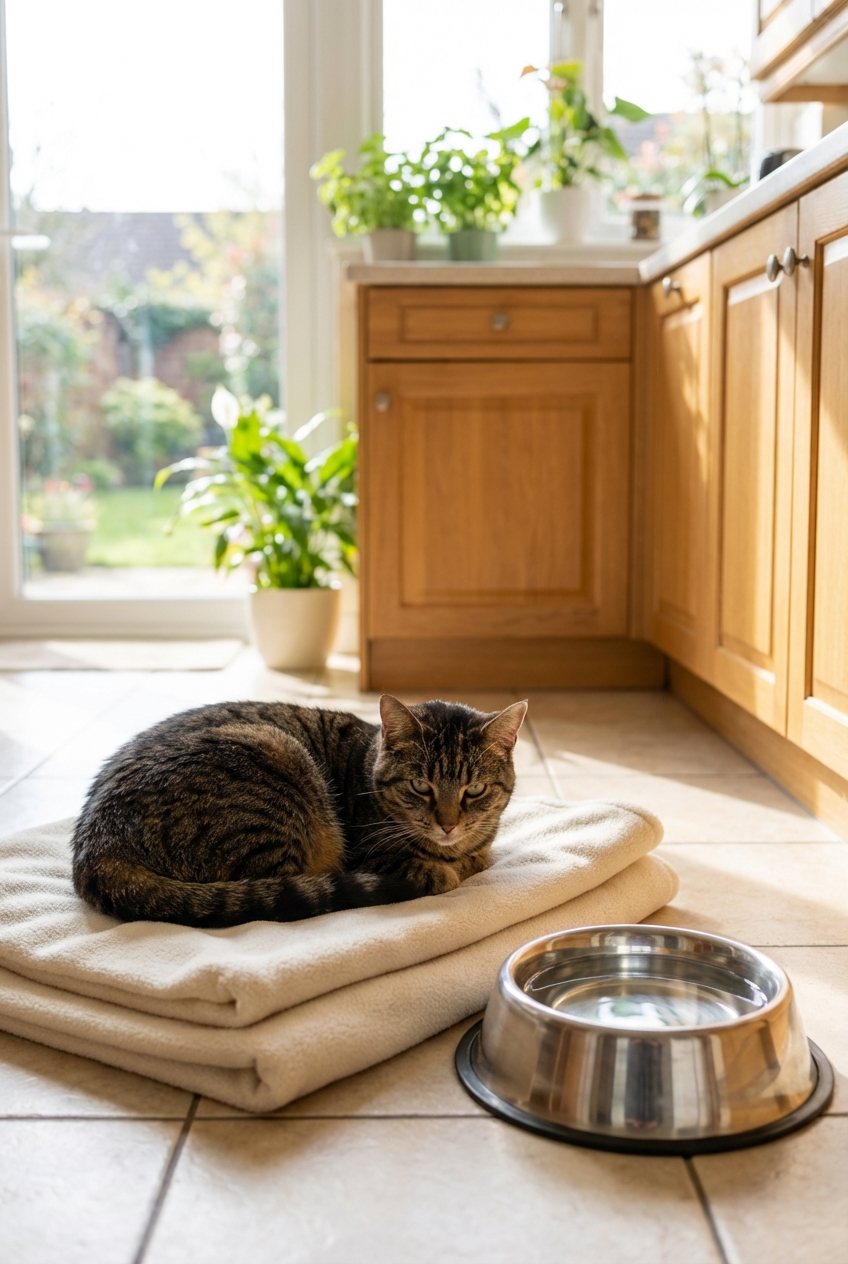
- Offer fresh water in multiple locations.
- Consider a cat water fountain to encourage drinking.
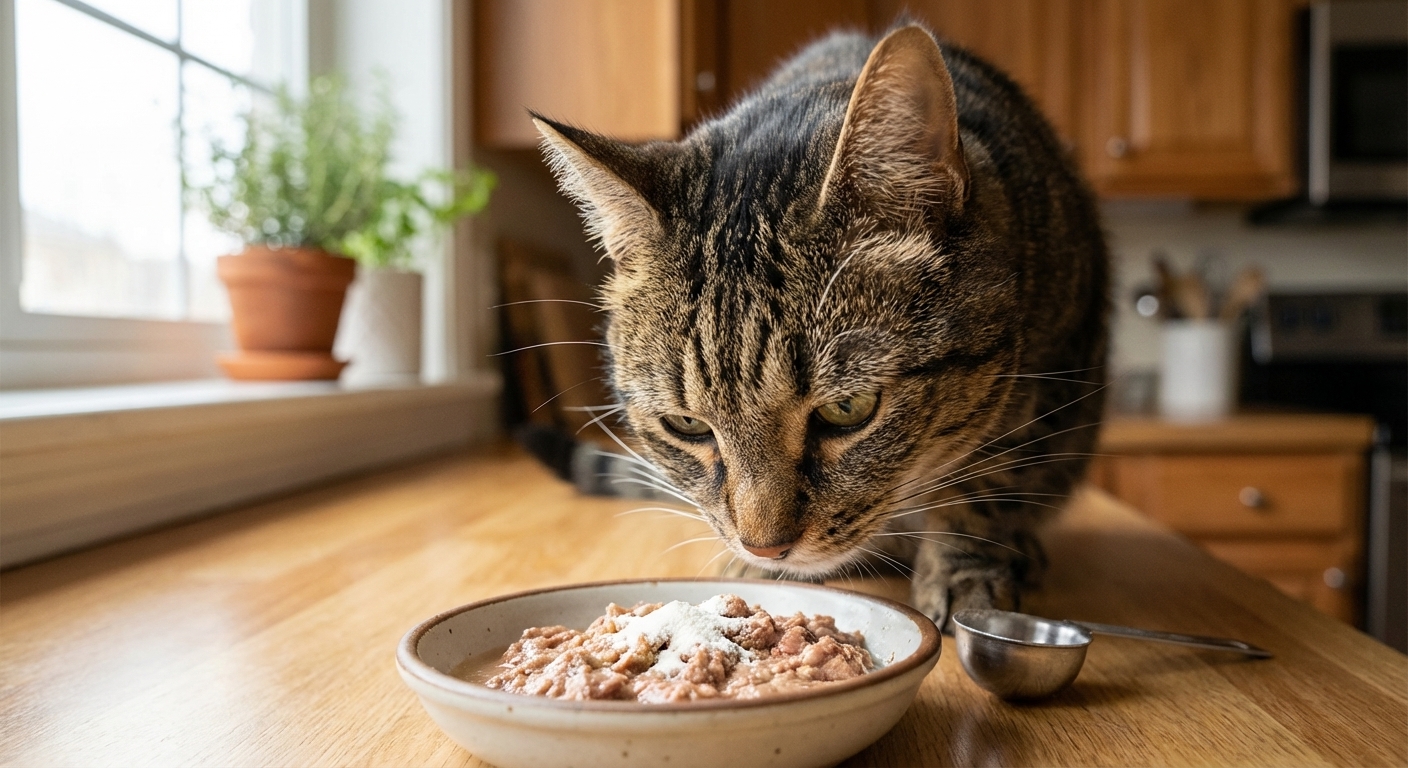
- If your cat likes it, offer wet food to increase fluid intake.
2) Keep food simple
In adult cats, your veterinarian may recommend a short-term bland, easily digestible diet or a GI prescription diet. Do not start a fast without veterinary guidance, and never fast kittens.
- Ask your vet about a GI prescription diet option.
- Avoid fatty foods, rich treats, and sudden diet changes.
3) Consider cat-specific probiotics
Some feline-specific probiotics may help support normal stool quality, especially after stress or antibiotics. Check with your vet on brand and dosing.
4) Track the basics for 48 hours
- How many stools per day
- Stool consistency and any mucus or blood
- Appetite, energy, water intake
- Vomiting, weight changes
This information is incredibly helpful if you end up needing an appointment.
What to avoid
- Do not give human anti-diarrheal medications unless your veterinarian specifically instructs you. This includes loperamide (Imodium) and bismuth subsalicylate (Pepto-Bismol), which can be risky for cats.
- Do not use leftover antibiotics or random dewormers without a diagnosis.
- Do not switch foods repeatedly in a panic. Too many changes can keep the gut irritated.
What your vet may do
If diarrhea is persistent, recurring, or paired with other symptoms, your veterinarian may recommend testing to find the cause instead of guessing.
Common diagnostics
- Fecal testing: flotation, Giardia testing, PCR panels in some cases
- Bloodwork: checks hydration, infection, organ function, thyroid in older cats
- Urinalysis: helps assess kidney function and overall health
- Imaging: X-rays or ultrasound if foreign body, thickened intestines, or masses are suspected
- Diet trial: novel protein or hydrolyzed diet for suspected food sensitivity
Typical treatments
- Fluids (subcutaneous or IV) to correct dehydration
- Targeted deworming or parasite medication
- Antibiotics only when indicated
- Anti-nausea medication if vomiting is present
- GI-support diets, fiber support for large bowel diarrhea
- Longer-term management for IBD or other chronic conditions
Hygiene and family safety
Some causes of diarrhea can affect people too, especially young children, seniors, pregnant people, and anyone immunocompromised. If your cat has diarrhea:
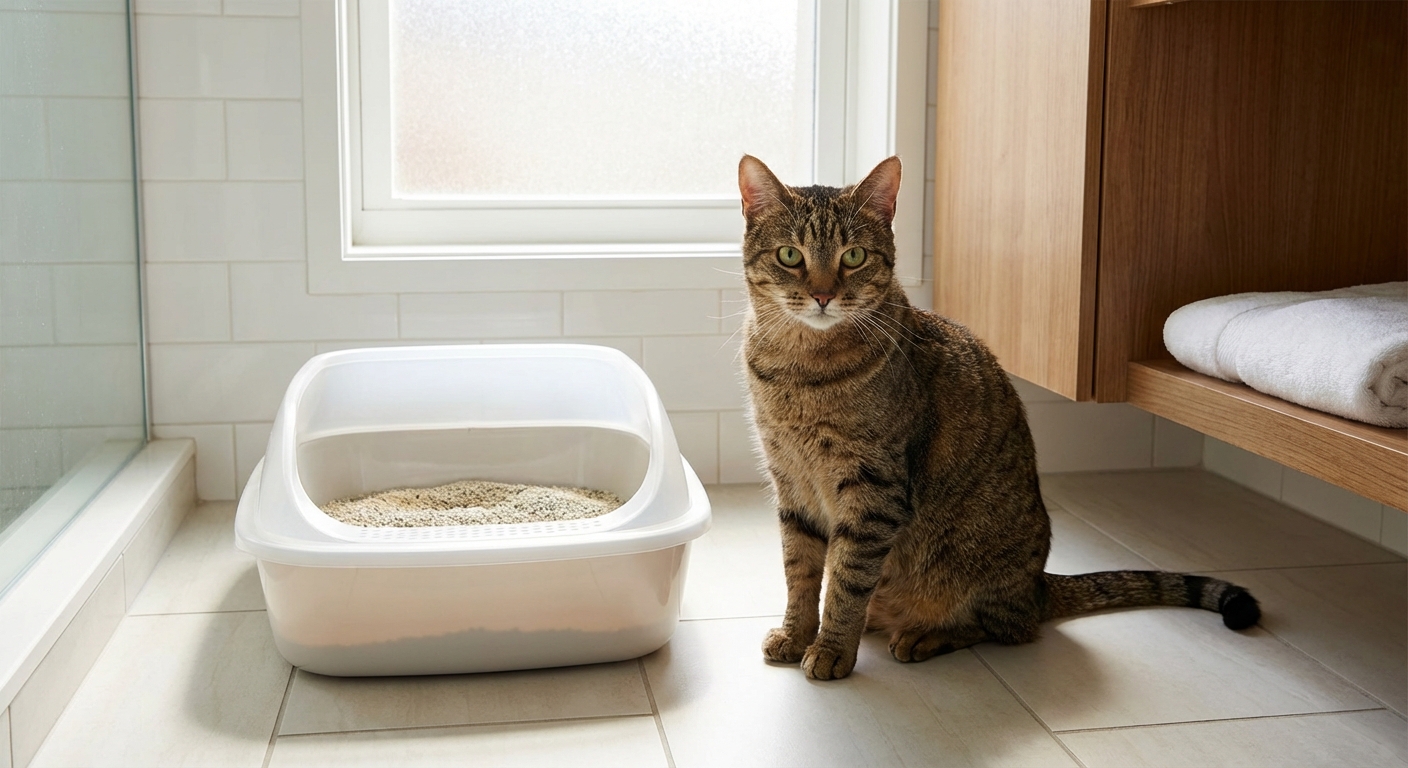
- Wash hands after litter box duty and cleaning accidents.
- Clean contaminated areas promptly and keep kids away from the litter box.
- Avoid raw diets during active GI illness unless your veterinarian has advised otherwise.
Prevention tips
You cannot prevent every upset stomach, but you can reduce risk in a few meaningful ways.
- Transition foods slowly over 7 to 10 days when possible.
- Use parasite prevention recommended by your vet, including flea control and deworming guidance when appropriate.
- Keep toxins out of reach and avoid using essential oils around cats unless cleared by your veterinarian.
- Reduce stress with consistent routine, enrichment, and enough litter boxes (generally one per cat plus one extra).
- Keep vaccines current and discuss risk-based testing and prevention with your veterinarian, especially for kittens and newly adopted cats.
- Schedule wellness visits so issues like hyperthyroidism are caught earlier.
Before you call the vet
If you are calling your veterinary office, having these answers ready can speed up care:
- How long has the diarrhea been happening?
- Any vomiting, appetite loss, lethargy, or fever?
- Any blood or black stool?
- Any recent diet changes, new treats, or human food?
- Indoor or outdoor? Any hunting?
- Current medications and parasite prevention?
- Vaccination and deworming history (if known)?
- Any household changes or stressful events?
Stool sample tips
If you can, bring a fresh stool sample to your appointment in a clean, sealed container.
- Aim for a sample that is less than 12 hours old when possible.
- If you cannot bring it right away, refrigerate it (do not freeze) and bring it within 24 hours.
- Try to avoid litter contamination. If your litter makes this hard, ask your vet about non-absorbent litter options for sampling.