
cats
Browse articles in cats on Designer Mixes
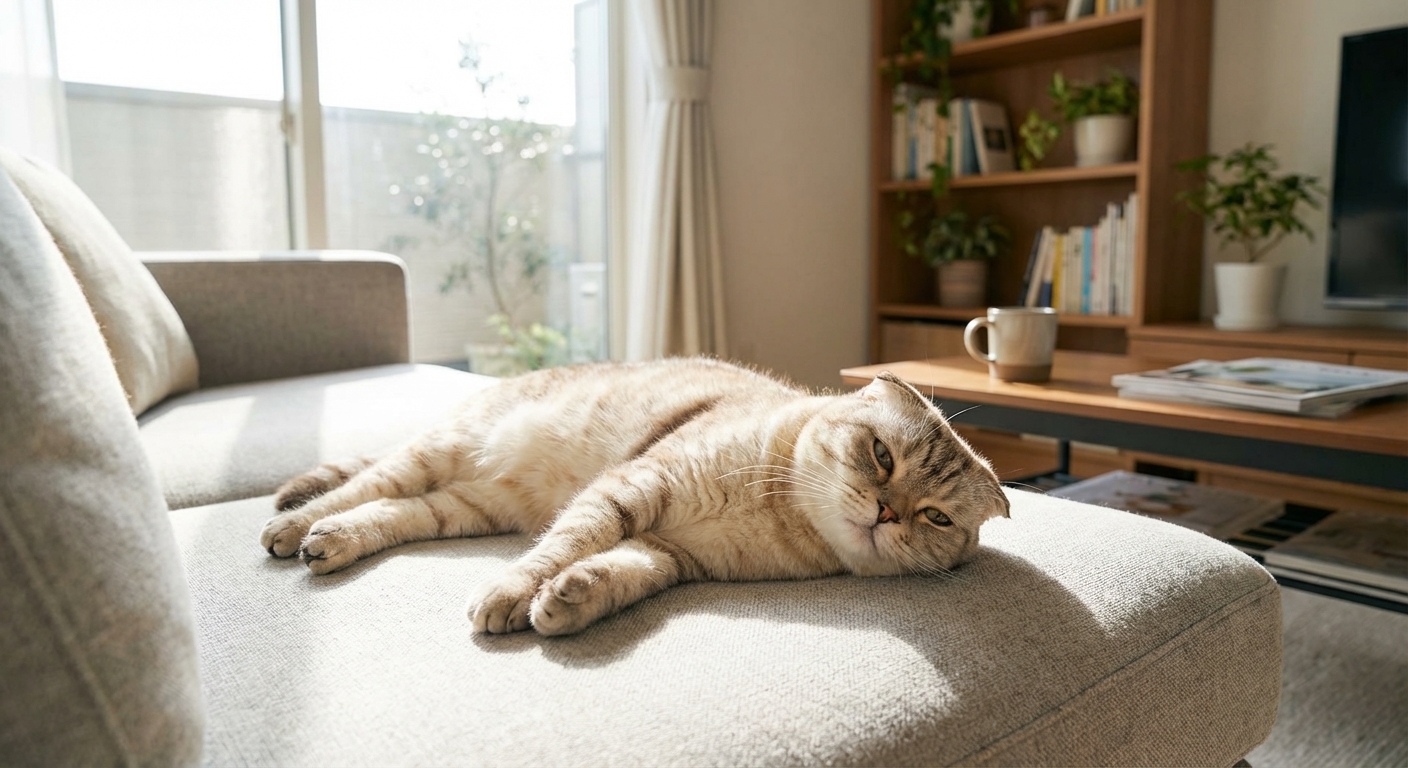
Scottish Fold Cat: Personality, Health Risks, and Care
The Scottish Fold is one of those cats people fall for fast: sweet face, quiet presence, and those famously folded ears. But as a veterinary assistant in Frisco, Texas, I also want you to know the full story. The ear fold is linked to a genetic cartilage problem, and that means this breed can come...
Read more →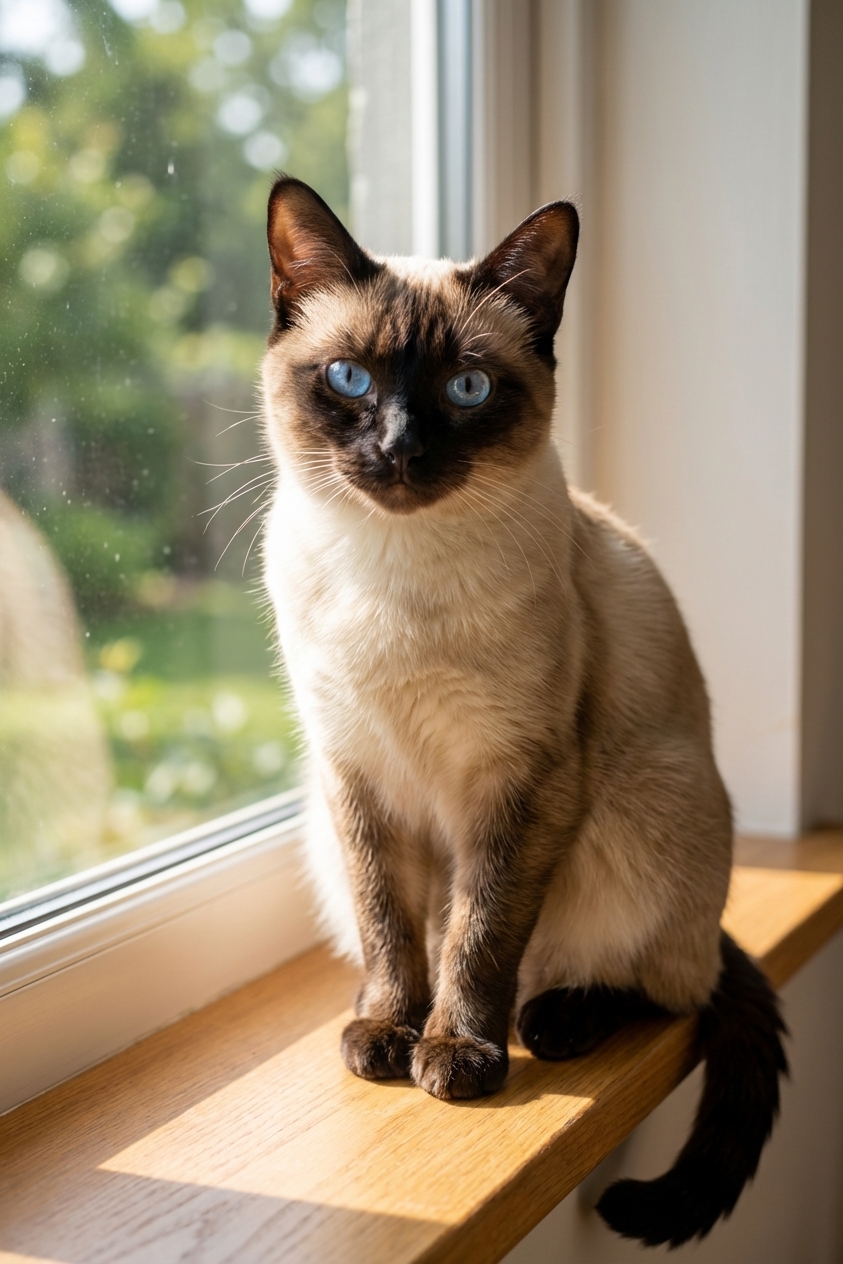
Siamese Cat Guide
Siamese cats are famous for their striking color points, bright blue eyes, and big personalities. They are also known for being very people-focused. If you love a “talkative best friend” who wants to be involved in everything you do, this breed may feel like a perfect match. As a veterinary...
Read more →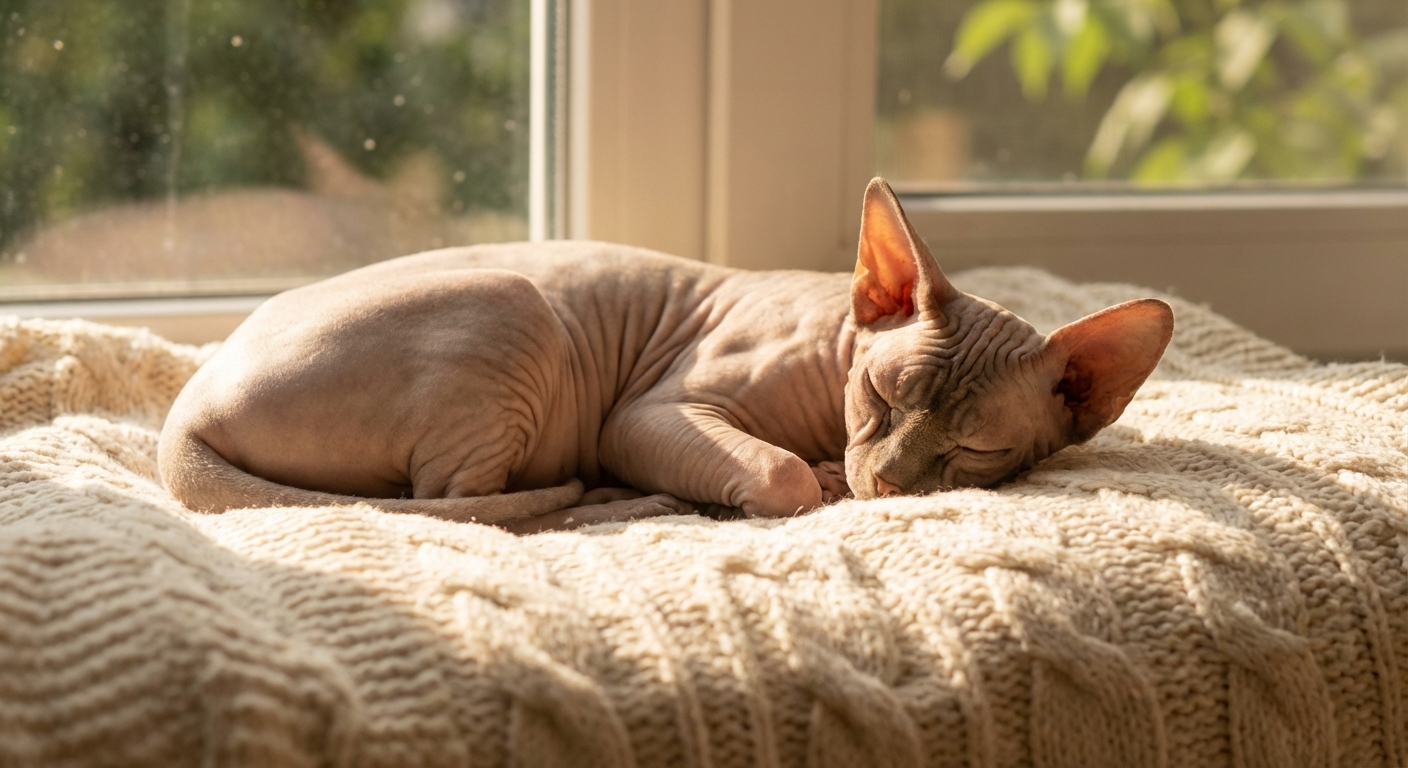
Sphynx Cat Care and Health
The Sphynx is one of the most recognizable cats in the world, with its “hairless” look, big ears, and soulful eyes. But what surprises many new owners is that Sphynx cats are not low-maintenance. They tend to be affectionate, social, and downright funny, but their skin, ears, nails, and temperature...
Read more →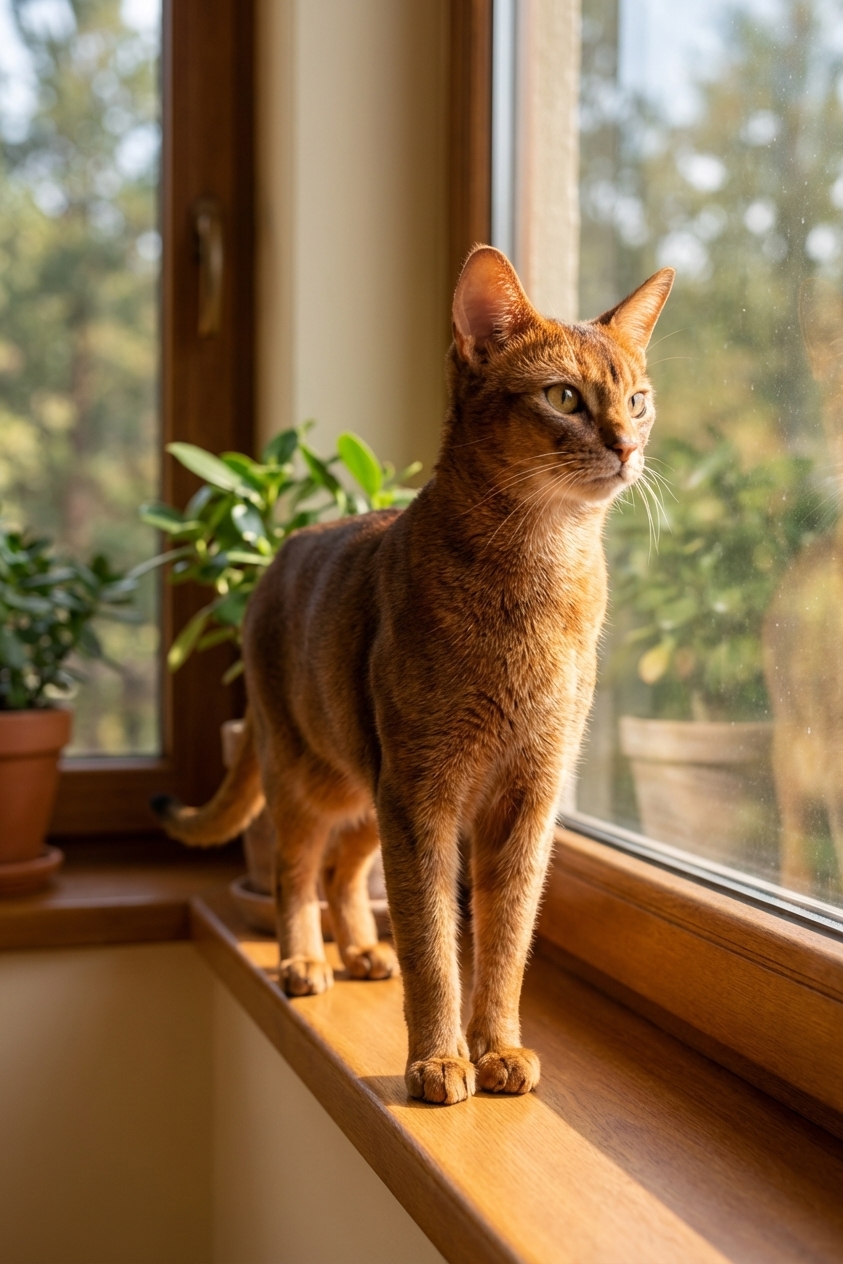
Abyssinian Cat: Energy, Personality, and Health
If you have ever met an Abyssinian cat, you probably remember it. These cats are bright, athletic , and deeply curious, with a personality that often feels more like a busy little teammate than a “sit and look pretty” lap cat. As a veterinary assistant, I love helping families understand what makes...
Read more →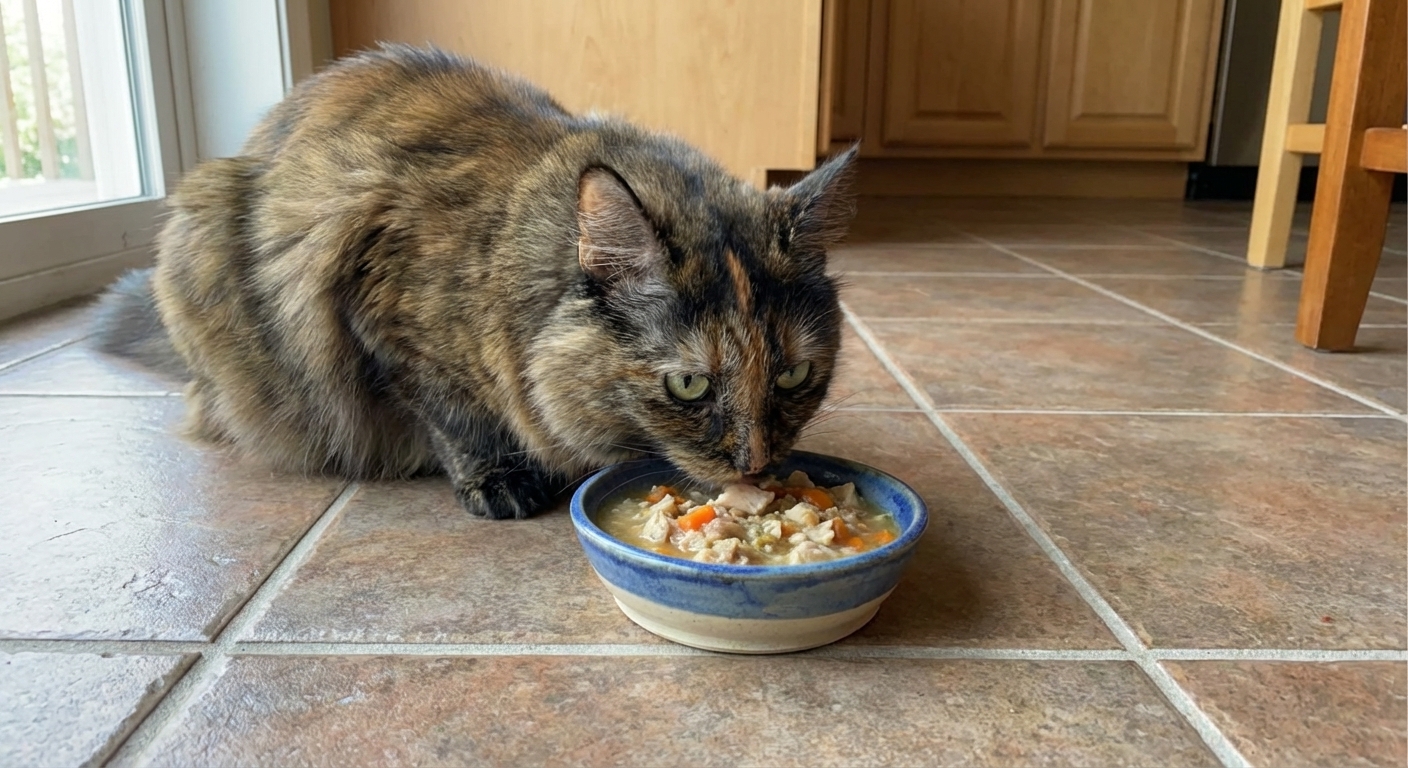
Homemade Cat Food for Kidney Disease: Low-Phosphorus Meals
If your cat has kidney disease, food becomes more than “just dinner.” Nutrition can help support appetite, hydration, and overall comfort, especially when the diet is designed to be lower in phosphorus with an appropriate protein level and sodium content. As a veterinary assistant, I have seen how...
Read more →
Instant Pot Homemade Cat Food
As a veterinary assistant here in Frisco, Texas, I love how an Instant Pot can take homemade cat food from “I want to do this” to “I can actually do this.” You can cook a big batch, portion it, freeze it, and feel good knowing exactly what went into your cat’s bowl. That said, cats are not small...
Read more →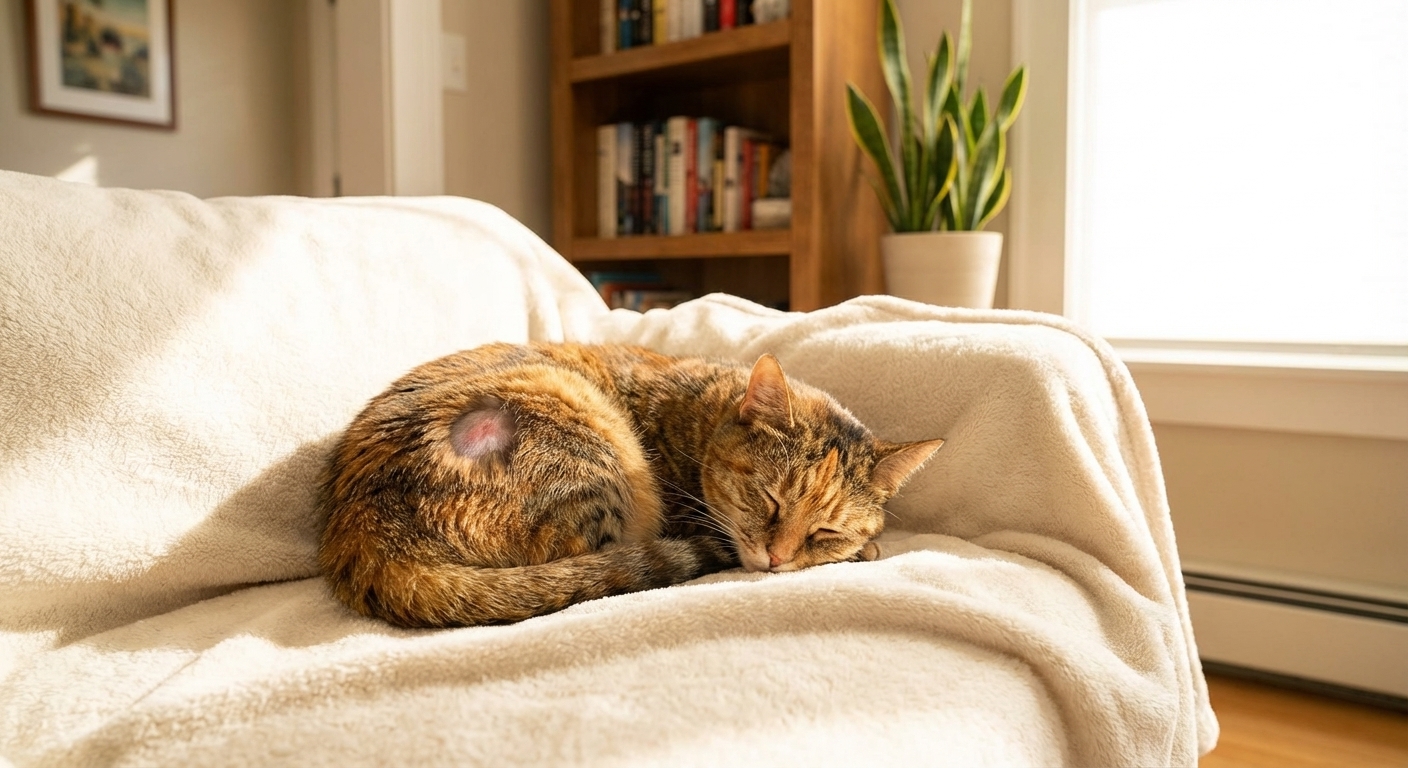
Ringworm in Cats: Symptoms, Treatment, and Home Care
Ringworm can be alarming because it often looks dramatic and it spreads easily, but the good news is that it is very treatable with the right plan. As a veterinary assistant, I like to remind families of one key fact right up front: ringworm is not a worm at all. It is a fungal skin infection...
Read more →
Norwegian Forest Cat: Personality, Size, Lifespan, and Care
The Norwegian Forest Cat, often nicknamed the Wegie , is one of those breeds that feels both rugged and gentle at the same time. They are widely believed to have been shaped by Norway’s cold climate and centuries of living alongside people, which helps explain the powerful build, plush...
Read more →
Slow Cooker Homemade Cat Food
As a veterinary assistant here in Frisco, Texas, I hear the same thing from caring cat parents all the time: you want to feed better, but you also need it to be realistic. That is where the slow cooker can help. You can batch cook a simple, whole-food recipe, portion it out, and make weekday...
Read more →
Ragdoll Cat: Personality, Size, Lifespan, and Care
Ragdolls are famous for their calm, affectionate nature and their soft, plush coats with striking blue eyes. Many people fall in love with the breed because some will relax deeply when held, which is part of the classic “ragdoll” lore that inspired the name. That said, a relaxed body is not the...
Read more →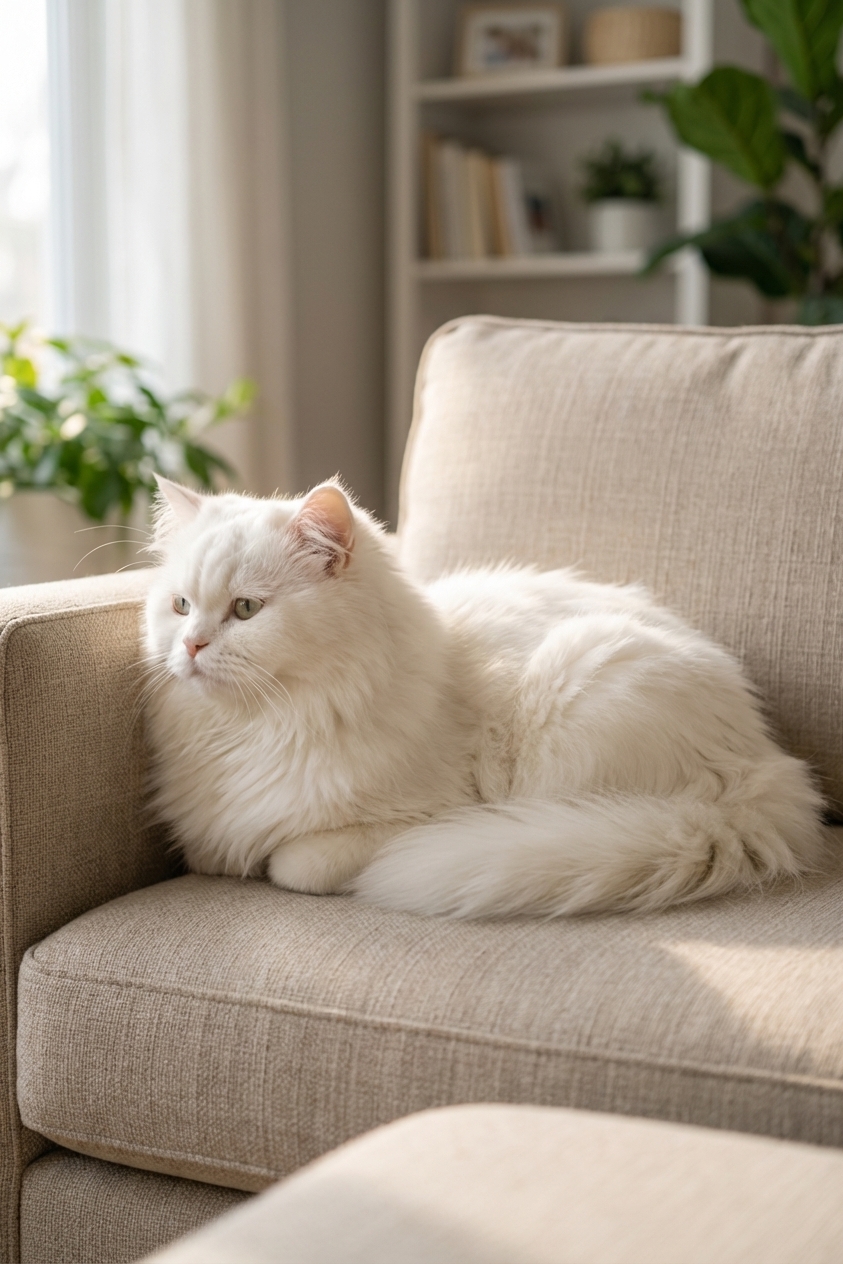
Persian Cat: Personality, Grooming, and Health
Size: Medium Weight: About 7 to 12 pounds (some may be larger) Lifespan: Often 12 to 16 years, sometimes longer with excellent care Coat: Long, dense, high grooming needs Energy level: Low to moderate Persian cats are famous for their sweet, calm presence and their beautiful, flowing coats. If you...
Read more →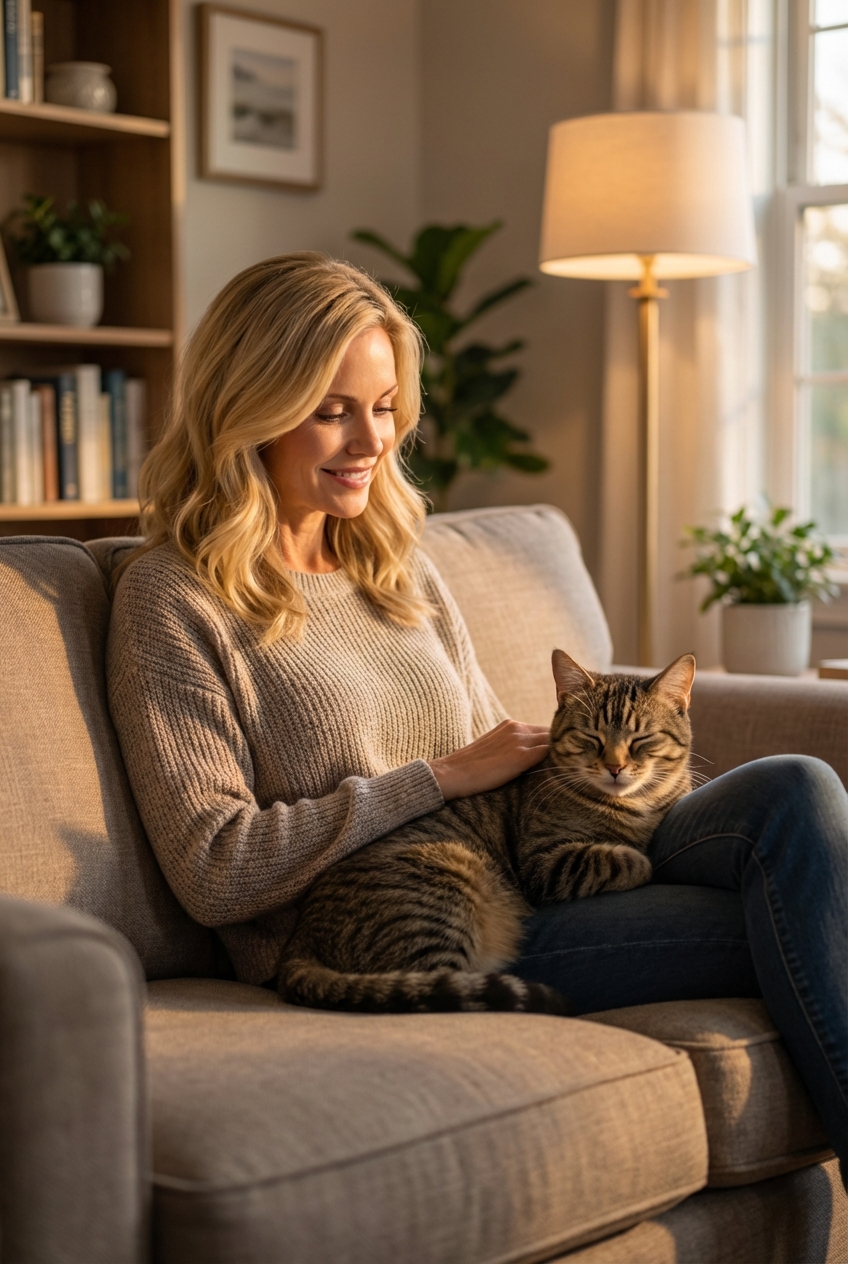
Vet-Informed Signs Your Cat Loves You
Cats are subtle communicators. As a veterinary assistant here in Frisco, Texas, I hear this worry all the time: “My cat doesn’t act like a dog, so how do I know she actually loves me?” The good news is that feline affection is real, and there are clear, behavior-based indicators that your cat...
Read more →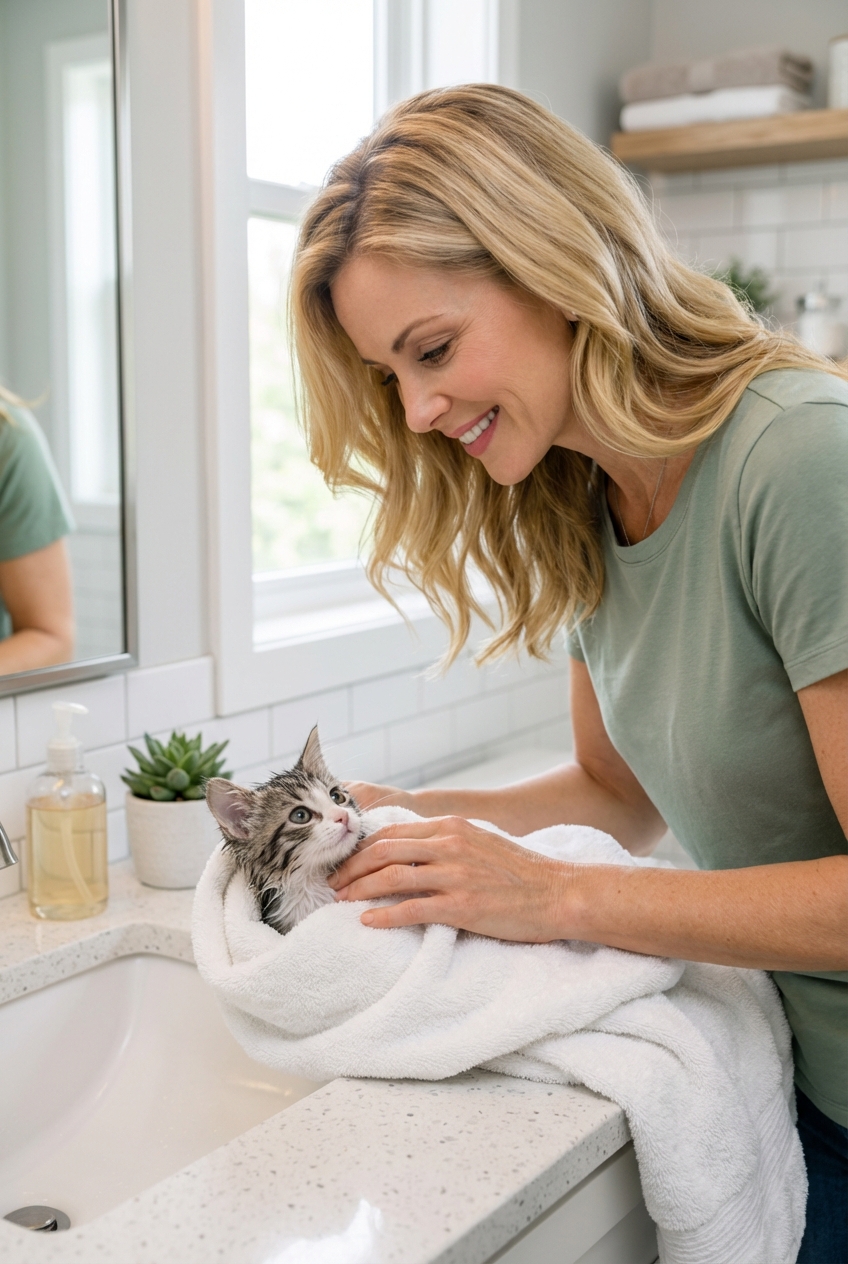
How to Bathe a Kitten
As a veterinary assistant here in Frisco, Texas, I get it: the idea of bathing a tiny kitten can feel intimidating. The good news is that most kittens do not need frequent baths. When they do, a calm setup and a gentle, step-by-step plan can make the experience safer, quicker, and far less...
Read more →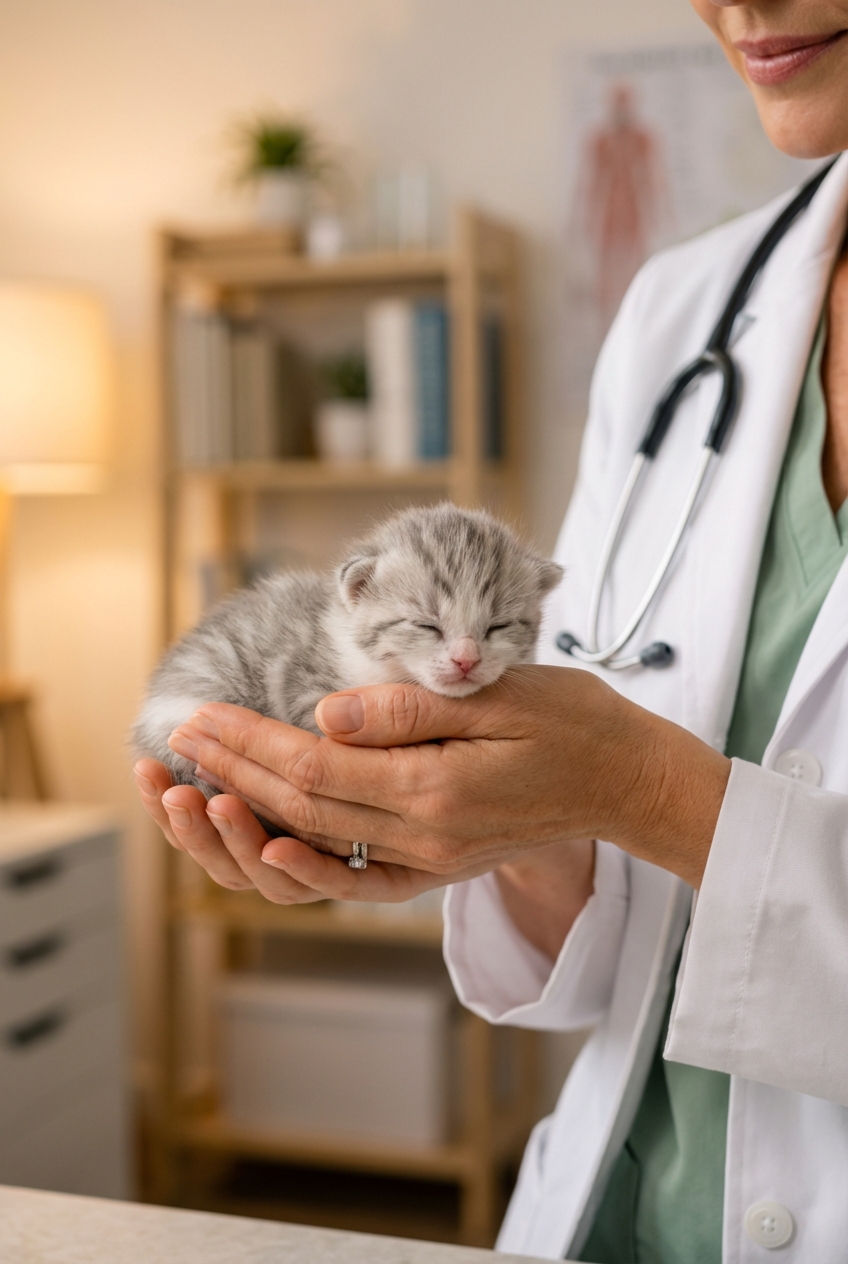
Fading Kitten Syndrome: Symptoms and Solutions
Fading Kitten Syndrome (often shortened to FKS) is not one single disease. It is a serious, fast-moving situation where a newborn kitten declines over hours to days and may pass away without quick support. As a veterinary assistant, I have seen how quickly a “sleepy” kitten can become an emergency....
Read more →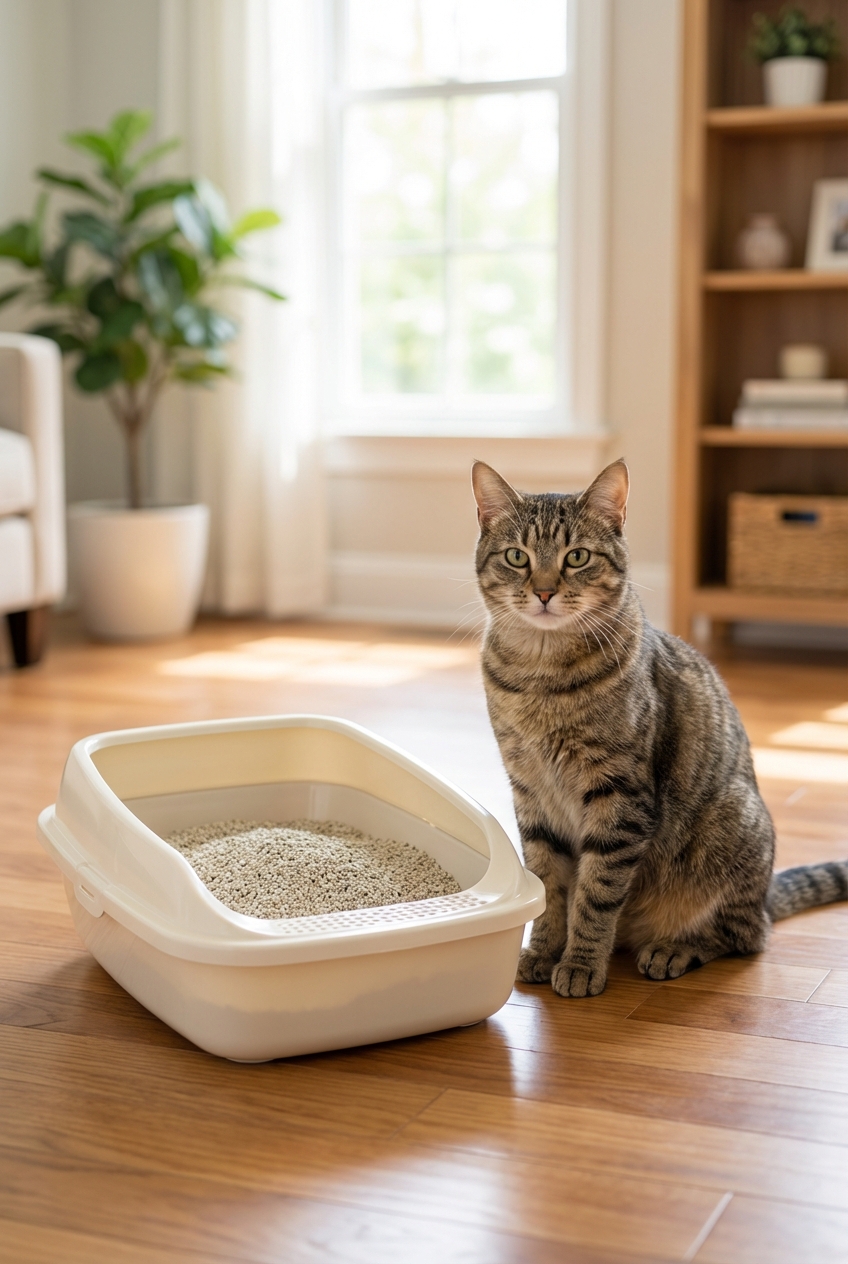
IBS in Cats Symptoms
When people say a cat has “IBS,” they are usually talking about long-term, recurring digestive upset. In everyday clinic conversations, IBS is often used as a catch-all phrase for chronic diarrhea, vomiting, gassiness, or appetite changes. But here is the important nuance: true IBS (irritable bowel...
Read more →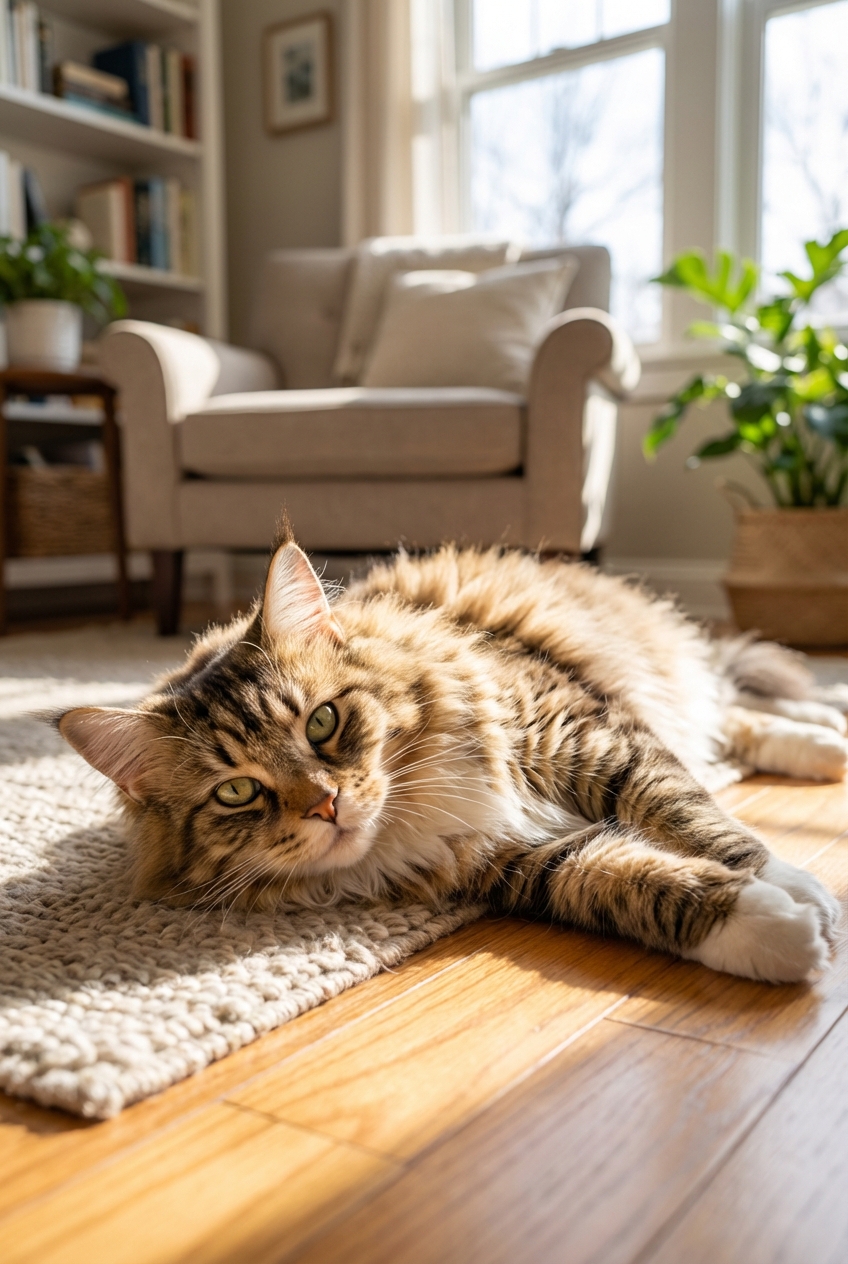
Daily Maine Coon Cat Care
Maine Coons are famous for their tufted ears, shaggy coats, and social, dog-like personalities. They are also a “high maintenance in the best way” breed: more fur, more body mass, and often more curiosity. Daily care does not have to be complicated, but it does need to be consistent. This handbook...
Read more →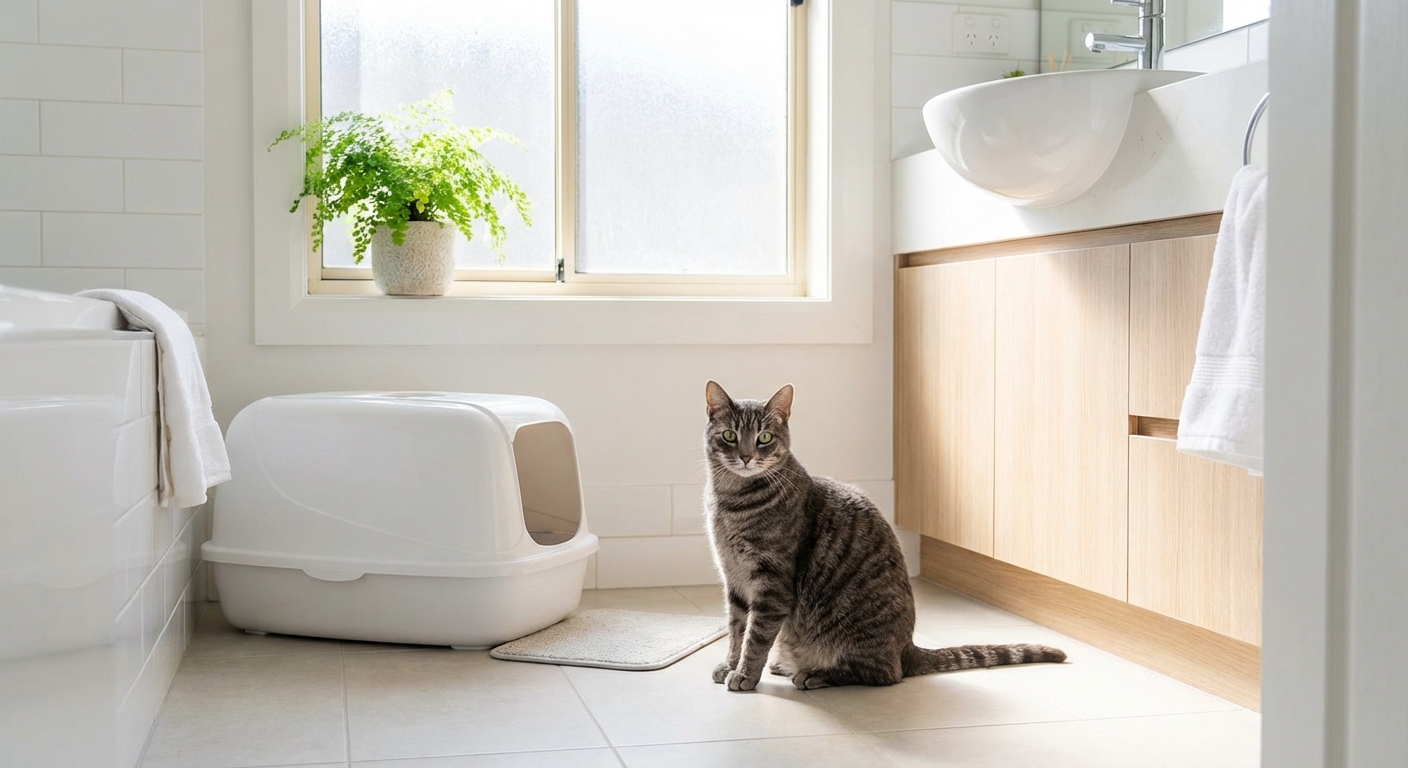
What to Give a Constipated Cat
If your cat is straining in the litter box, producing tiny dry stools, or going less often than usual, constipation can be the culprit. The good news is that many mild cases improve with safe, simple support at home. However, constipation can also be a sign of dehydration, pain, intestinal...
Read more →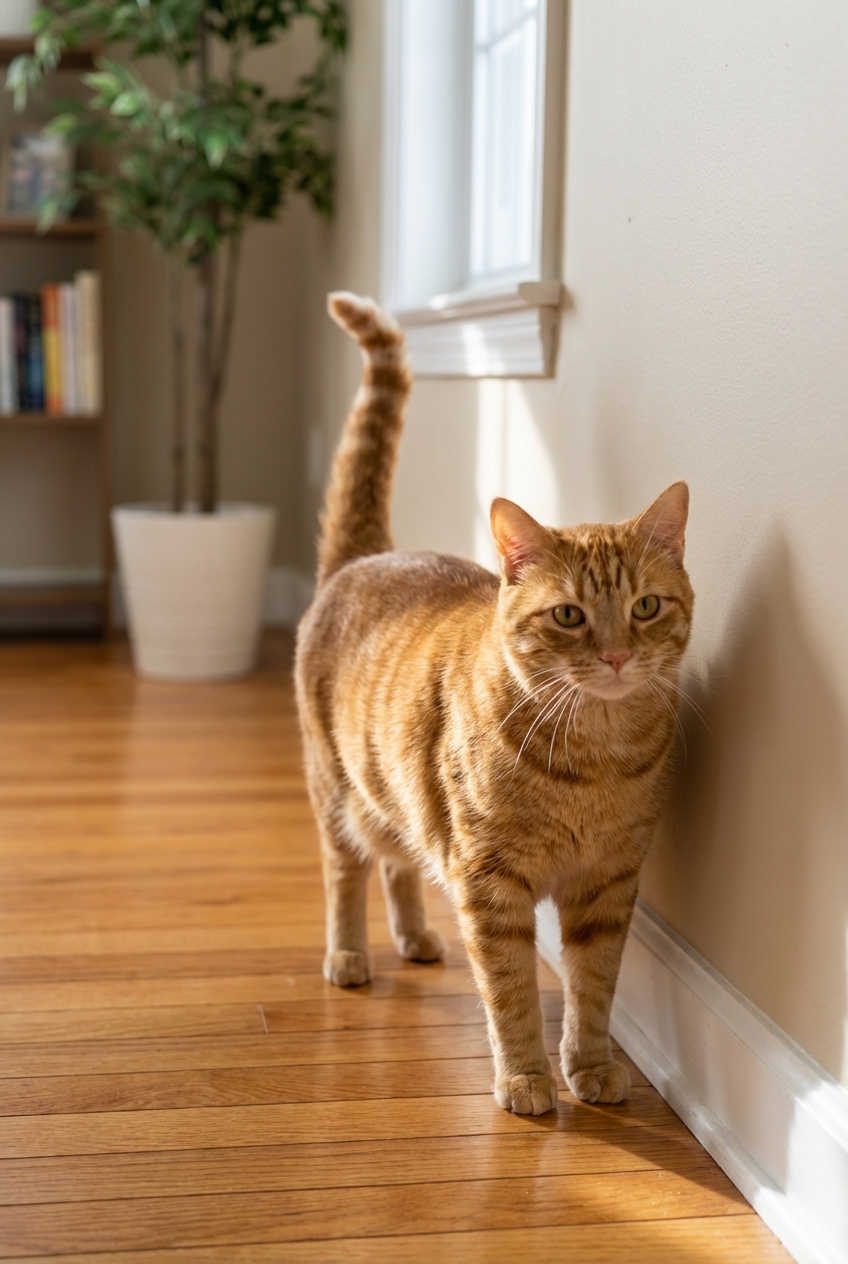
Male Cats Spraying in the House
As a veterinary assistant, I hear this all the time: “My male cat is peeing on everything.” First, take a deep breath. Spraying is common, it is usually fixable, and it is not your cat being “spiteful.” Spraying is communication, and your job is to figure out what message your cat is trying to...
Read more →
Why Cats Poop on the Bed
Finding cat poop on your bed can feel personal, but in most cases it is not “spite.” As a veterinary assistant here in Frisco, Texas, I can tell you that this behavior is usually your cat’s way of communicating a problem: medical discomfort, stress, litter box aversion, or a change in their...
Read more →
Itchy Skin in Cats
If your cat seems itchy all the time, you are not imagining it. Persistent scratching, licking, chewing, head shaking, and over-grooming are some of the most common reasons cat parents end up at the vet. And while “dry skin” gets blamed a lot, ongoing itch in cats usually has an underlying trigger...
Read more →