
cats
Browse articles in cats on Designer Mixes
Lymphoma In Cats Treatment Guide
If your cat has just been diagnosed with lymphoma, I want you to know two things right away. First, you are not alone. Second, there are real, evidence-based treatment options that can help many cats feel better and live longer with good quality of life. These options are commonly used in...
Read more →
Can You Teach a Cat to Fetch?
Yes, you really can teach many cats to fetch , and it can be a wonderful little wellness habit for indoor cats who need more movement and mental stimulation. As a veterinary assistant, I love fetch because it is low-cost, low-space, and easy to tailor to your cat’s personality. The key is to think...
Read more →
How to Trim a Cat’s Nails
Trimming your cat’s nails is one of those small habits that can make a big difference in day-to-day comfort for both of you. It can help reduce painful snagging, protect furniture, and prevent scratches that happen during normal play. And when it is done gently and consistently, most cats learn to...
Read more →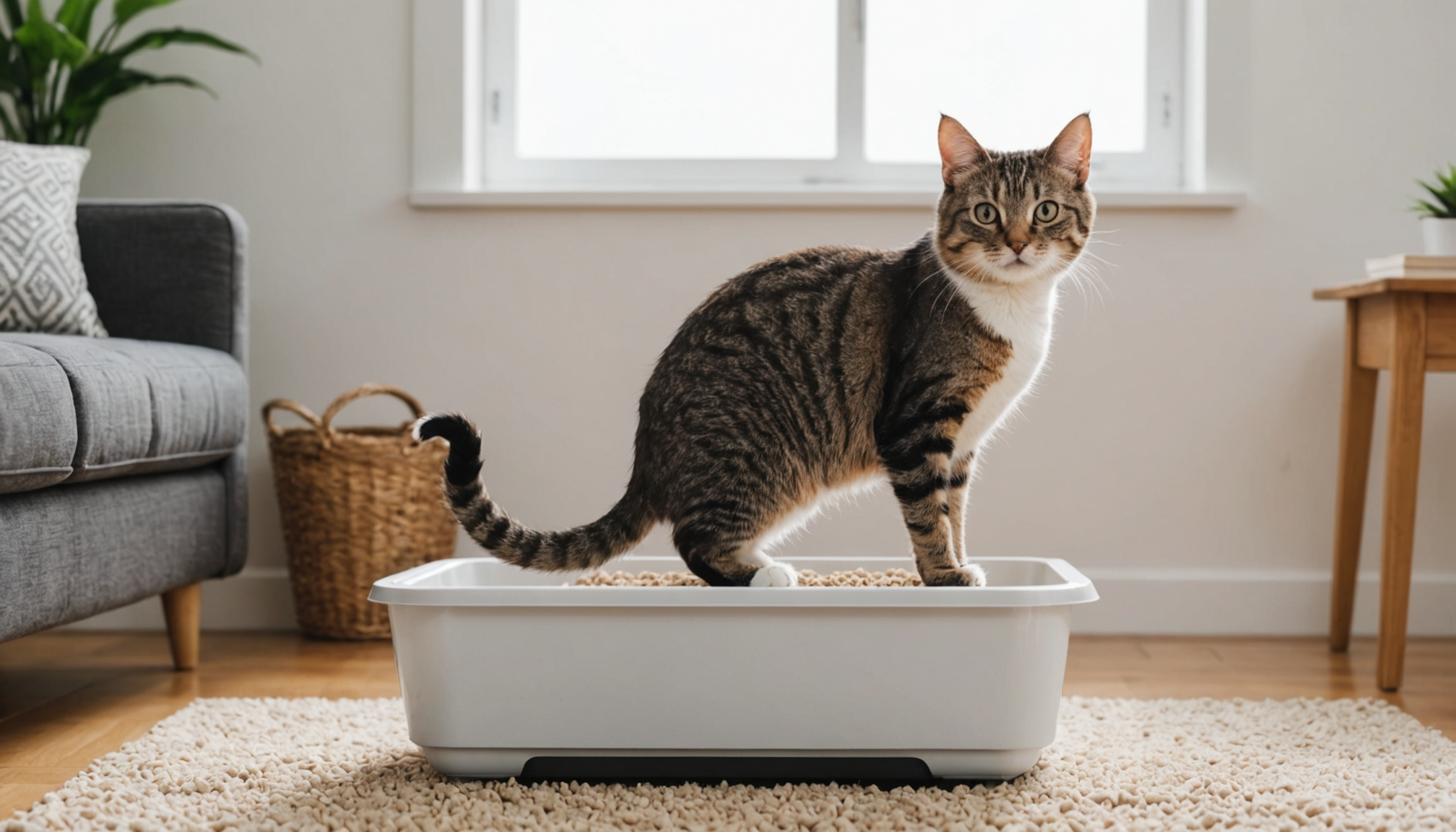
Loving Constipated Cat Home Remedies and Behavior Guide
If your cat is constipated, it can feel heartbreaking to watch them strain, cry, or keep visiting the litter box with little to show for it. The good news is that many mild cases improve with simple, sensible steps at home. The key is knowing what constipation looks like, what changes actually...
Read more →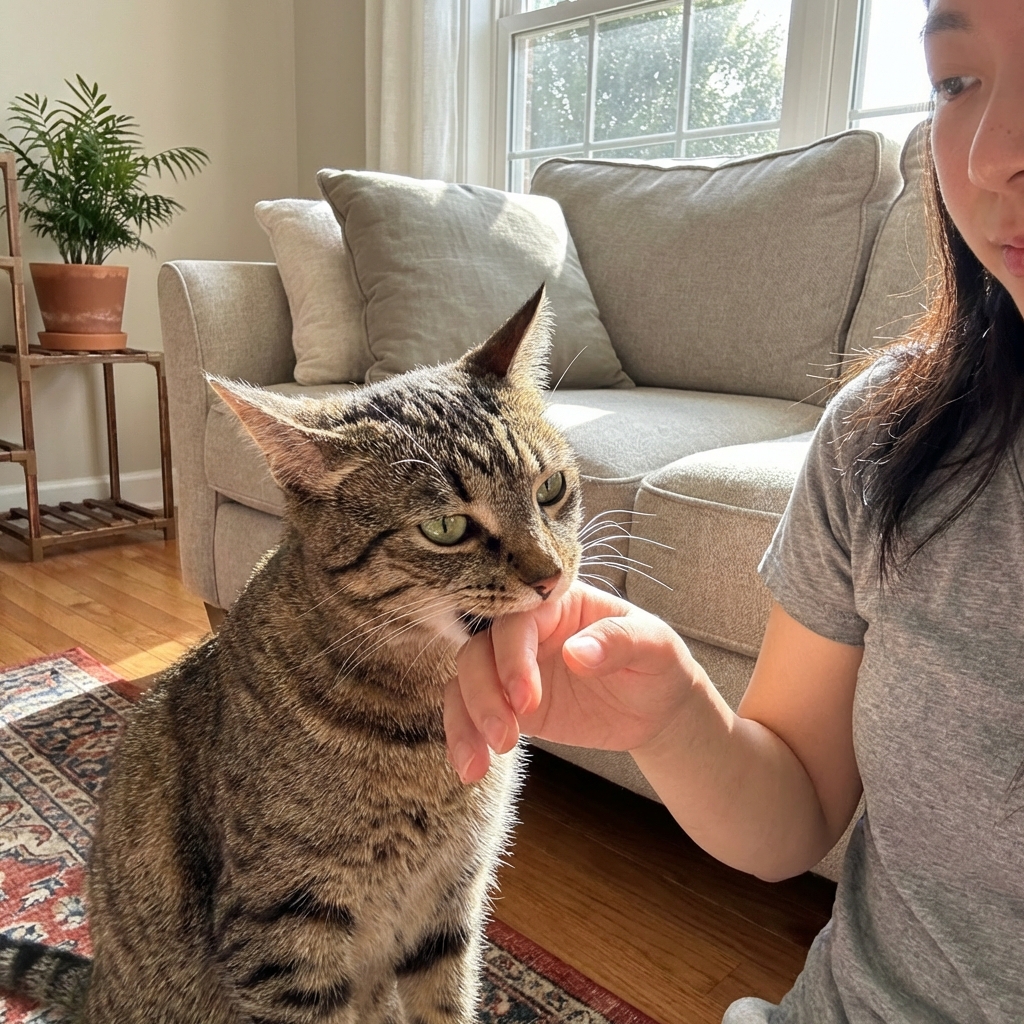
Clever Cats That Bite: Care Tips
Some cats bite because they are frightened. Some bite because they are overstimulated. And some very clever cats bite because it works . If biting gets them attention, makes the petting stop, or speeds up dinner, they learn fast. As a veterinary assistant, I want you to know two things can be true...
Read more →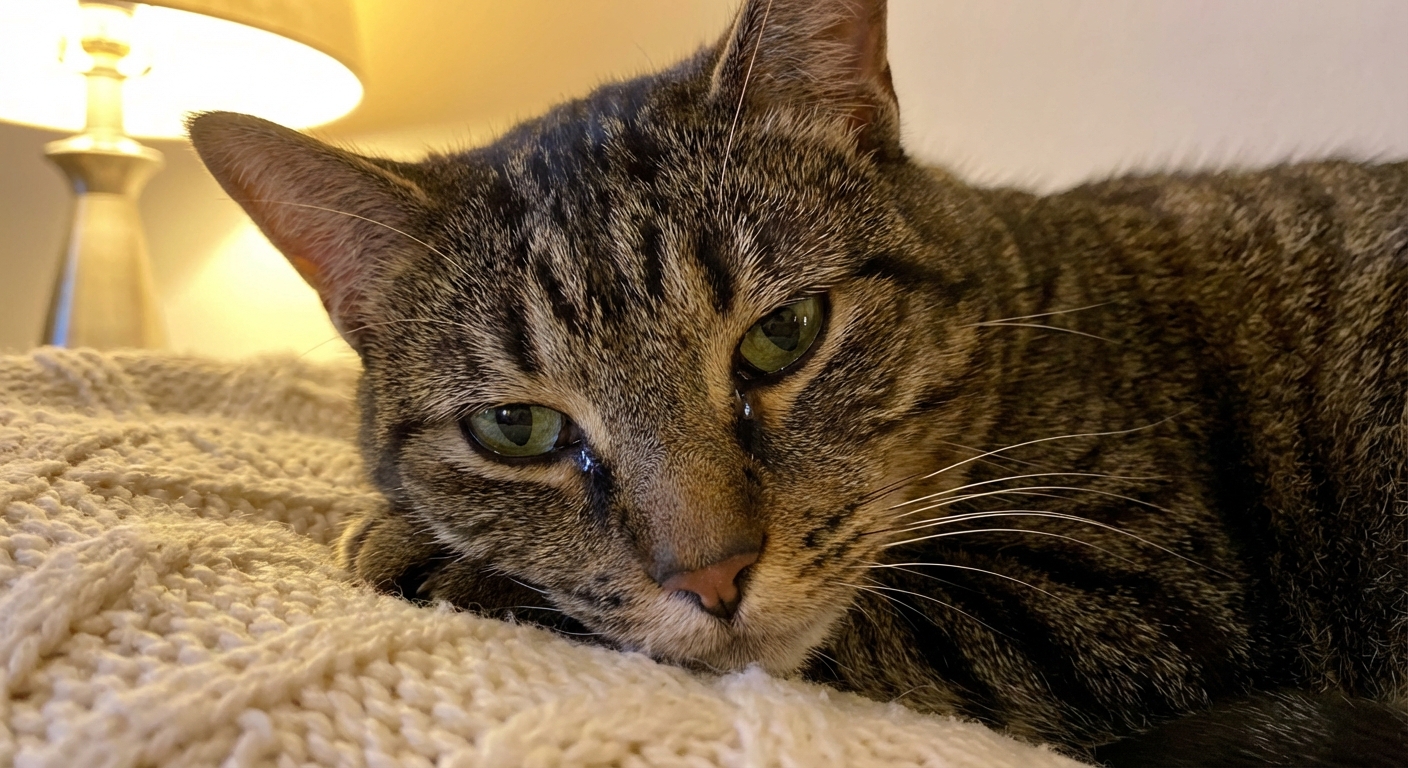
How to Treat a Cat’s Cold
If your cat is sneezing, has watery eyes, or sounds a little congested, it is natural to worry. The good news is that many “cat colds” are mild upper respiratory infections (URIs) that improve with supportive care at home. The important part is knowing what you can safely do, what you should never...
Read more →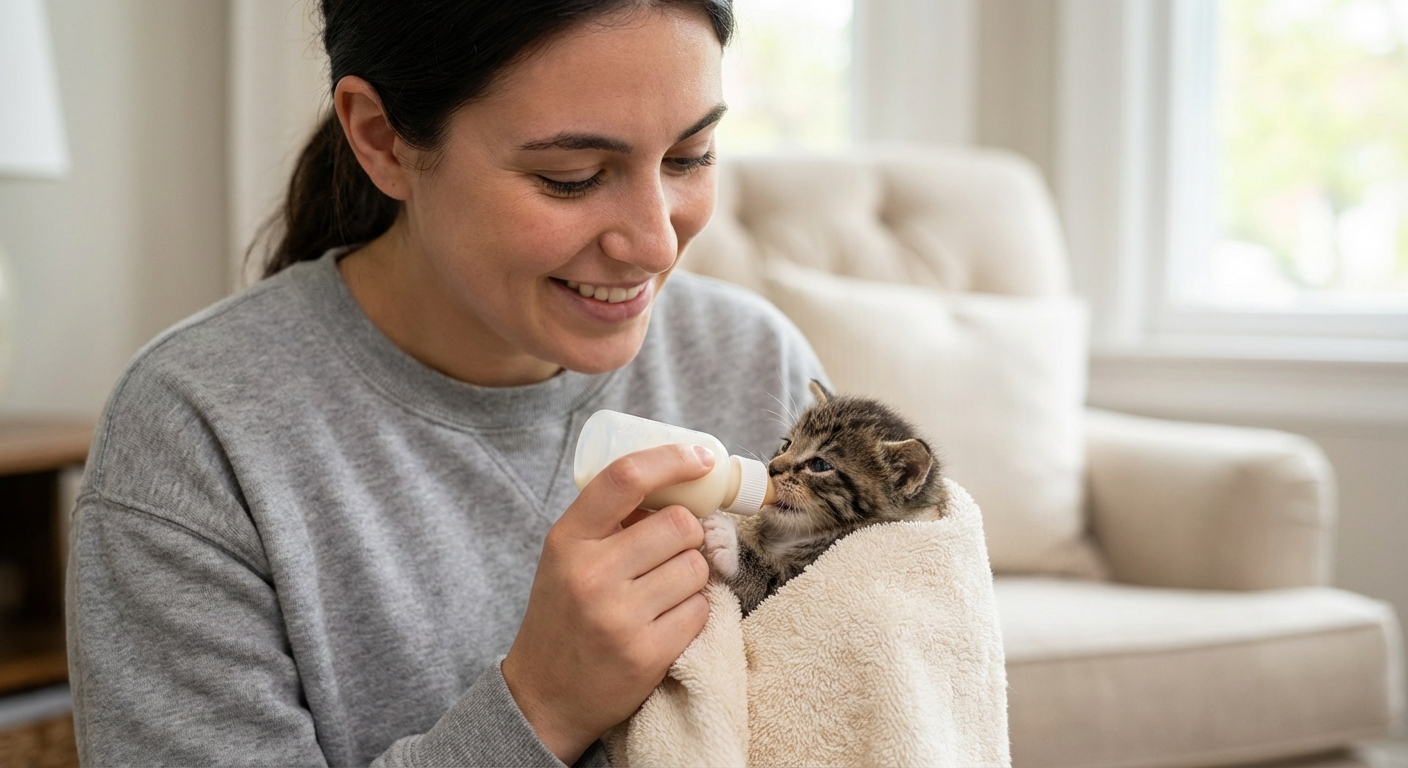
How Often Do 2 Week Old Kittens Eat?
At around 2 weeks old, kittens are still true babies. Their tummies are tiny, they cannot regulate their body temperature well, and they rely on frequent, consistent feedings to stay hydrated and keep their blood sugar stable. If you are caring for an orphaned kitten or supplementing a very young...
Read more →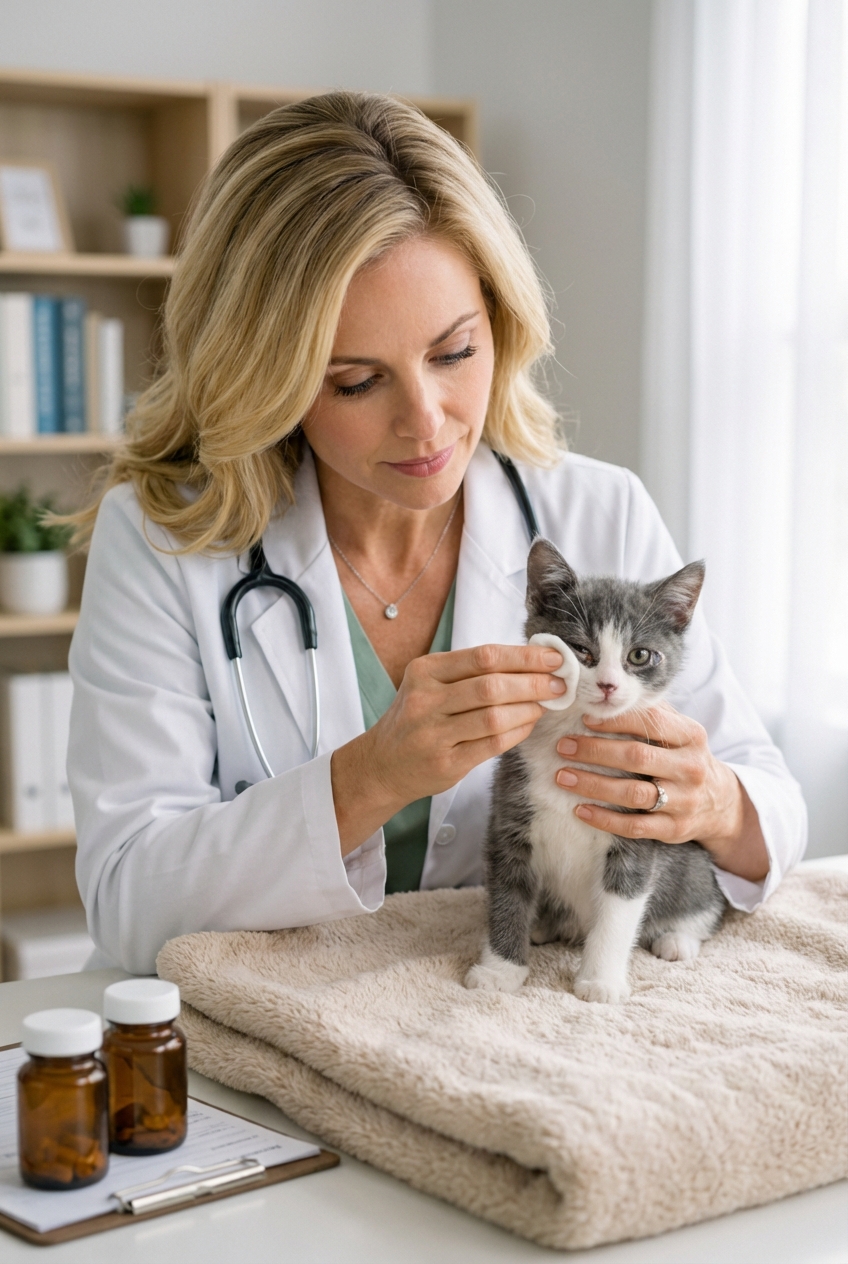
Kitten Cold Symptoms: What to Watch For
If your kitten is sneezing, sniffling, or has watery eyes, it can feel a lot like a “cold” in people. In kittens, these signs are most often caused by an upper respiratory infection (URI). The good news is that many mild cases improve with supportive care. The important part is knowing when it is...
Read more →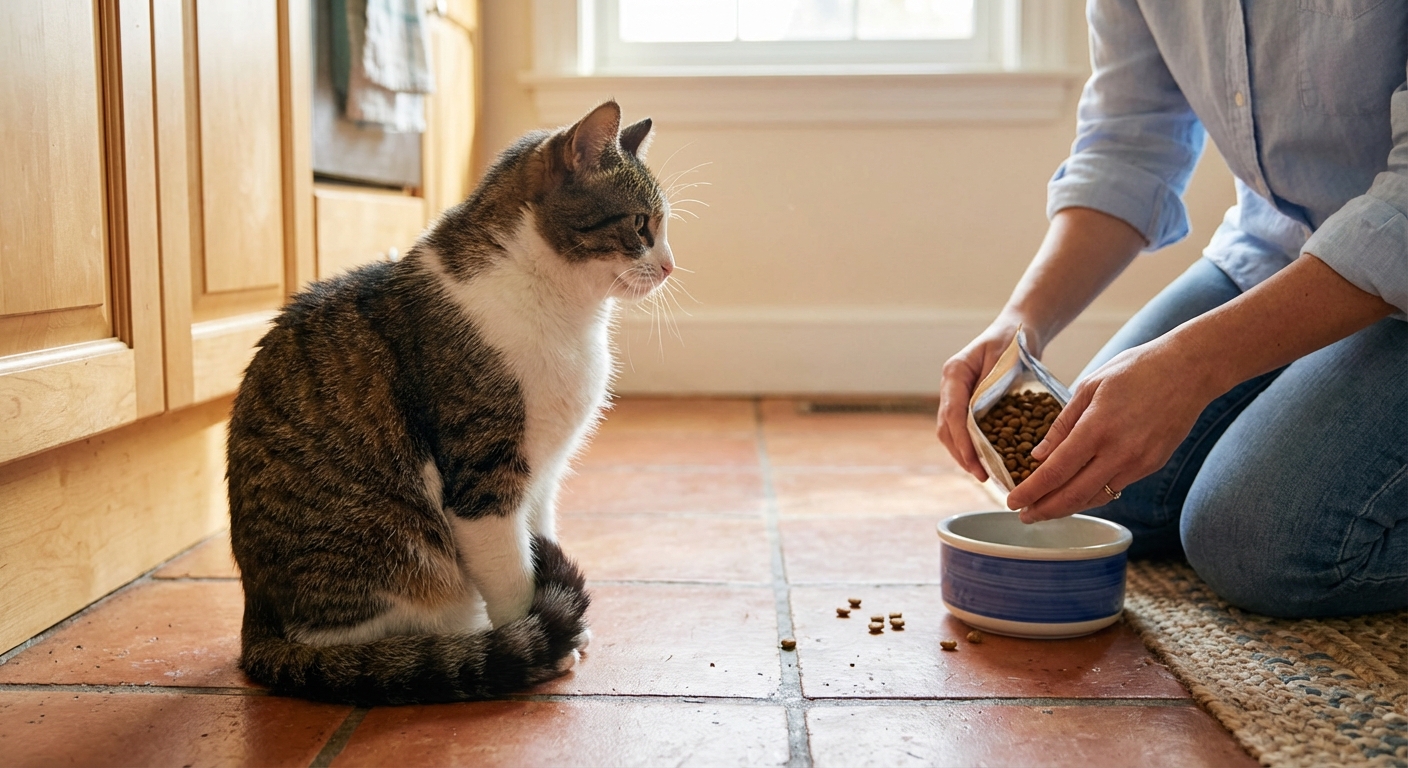
Diabetes in Cats: Signs and Step-by-Step Care
Hearing the word diabetes can feel scary, especially when it is your cat. The good news is that feline diabetes is manageable, and many cats go on to feel like themselves again with the right routine. In this guide, I will walk you through what to look for, what the vet will test, and how to build...
Read more →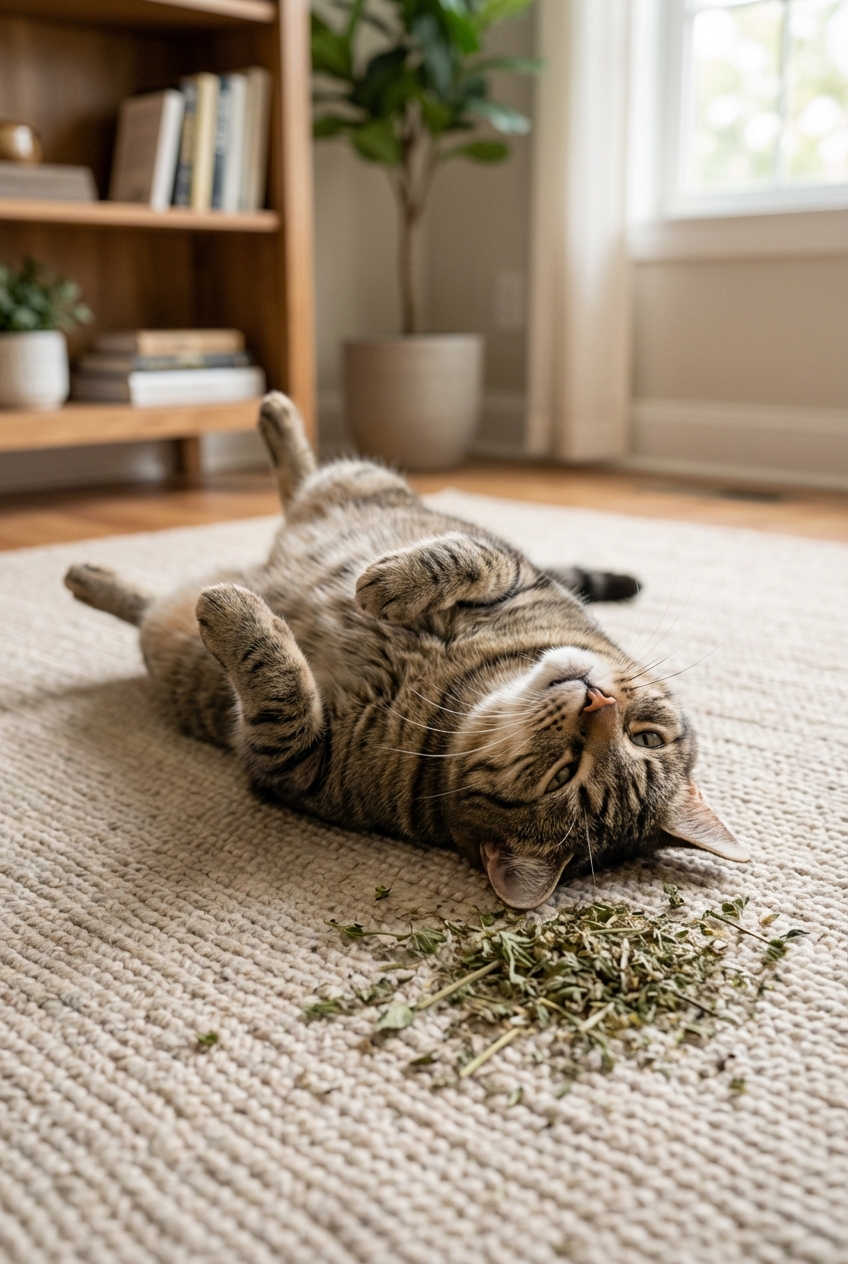
What Is Catnip and What Does It Do to Cats?
Catnip is one of those pet care topics that feels like magic until you understand the science behind it. As a veterinary assistant, I’ve seen everything from a calm senior cat suddenly rolling like a kitten again, to a confident kitty turning into a wiggly goofball for a few minutes. The good news...
Read more →
How to Tell if Your Cat Is Depressed
Cats are masters at quietly coping, so low mood and depression-like behavior can be easy to miss until it starts affecting appetite, litter box habits, grooming, or social behavior. The tricky part is that many signs people label as “depression” can also be a medical problem or pain. So the goal is...
Read more →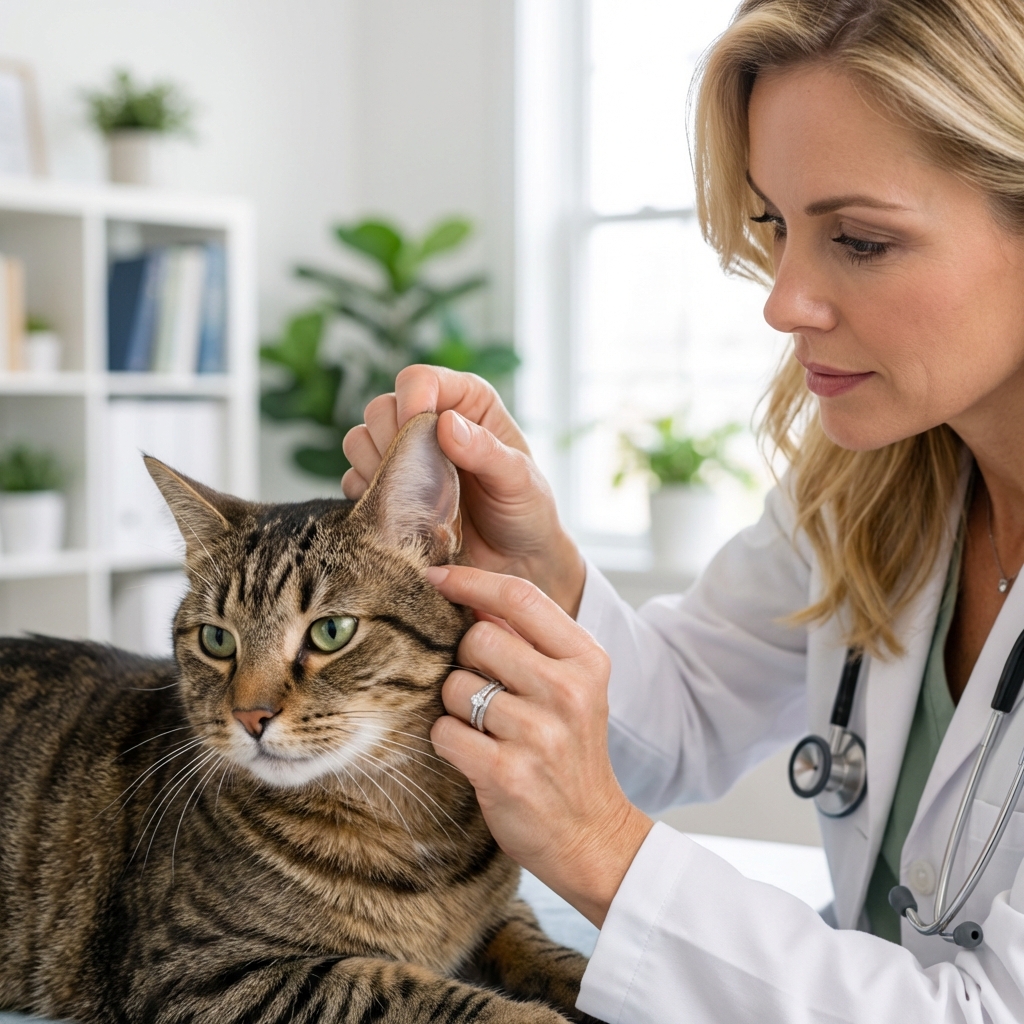
How to Treat Ear Mites in Cats at Home
If you've ever seen a cat shake their head nonstop or scratch their ears until they yelp, you know how miserable ear mites can be. The good news is that ear mites are very treatable. The tricky part is that they are also easy to misread. Yeast, bacteria, allergies, foreign material, and even ear...
Read more →
Depression in Cats: Signs, Causes, and Care
Cats can show depression-like signs such as withdrawal, low interest in play, or changes in sleep and appetite. While it can look similar to human depression, it is not a formal mood diagnosis in the same way, and it can be hard to confirm as a primary issue in cats. The practical goal is to notice...
Read more →
Trusted Homemade Hairball Remedy For Cats
Hairballs are one of those “normal” cat things that can still be stressful. You hear the coughing, gagging, or retching, and you immediately wonder if your cat is okay. The good news is that many mild hairball issues improve with simple, vet-common home care habits that support hydration,...
Read more →
Cats and Vomiting: Pet-Friendly Guide
As a veterinary assistant here in Frisco, Texas, I can tell you this with a lot of compassion: vomiting is one of the most common reasons cat parents worry, and it is also one of the most misunderstood. Some vomiting is occasional and manageable. Some is your cat’s way of waving a big red flag that...
Read more →
Hairball Home Remedies for Cats
Hairballs can look dramatic, but most of the time they are a common grooming side effect, especially for long-haired cats, heavy shedders, and cats that love to self-soothe by overgrooming. The good news is that many hairball problems improve with simple, evidence-based changes at home. As a...
Read more →
Natural Cat Laxatives: Loving Care Tips
If your cat is constipated , it can feel upsetting fast. One day they are their usual curious self, and the next they are making repeated trips to the litter box with little or no stool to show for it. The good news is that many mild cases improve with gentle, natural support and a few smart home...
Read more →
Cat Urinates on the Bed: Care and Training Tips
When a cat urinates on the bed, it feels personal. But in my experience as a veterinary assistant, it is rarely “spite.” It is your cat communicating a problem, and your bed is often a soft, comforting place that smells strongly like you. The good news is that most bed-peeing cases improve a lot...
Read more →
Male Maine Coon Names and Health Guide
As a veterinary assistant here in Frisco, Texas, I get asked a surprisingly common question: “Do names matter?” For male Maine Coons, the answer is yes in a practical way. A name that is easy to say, easy for your cat to recognize, and easy for your vet team to document can actually make day-to-day...
Read more →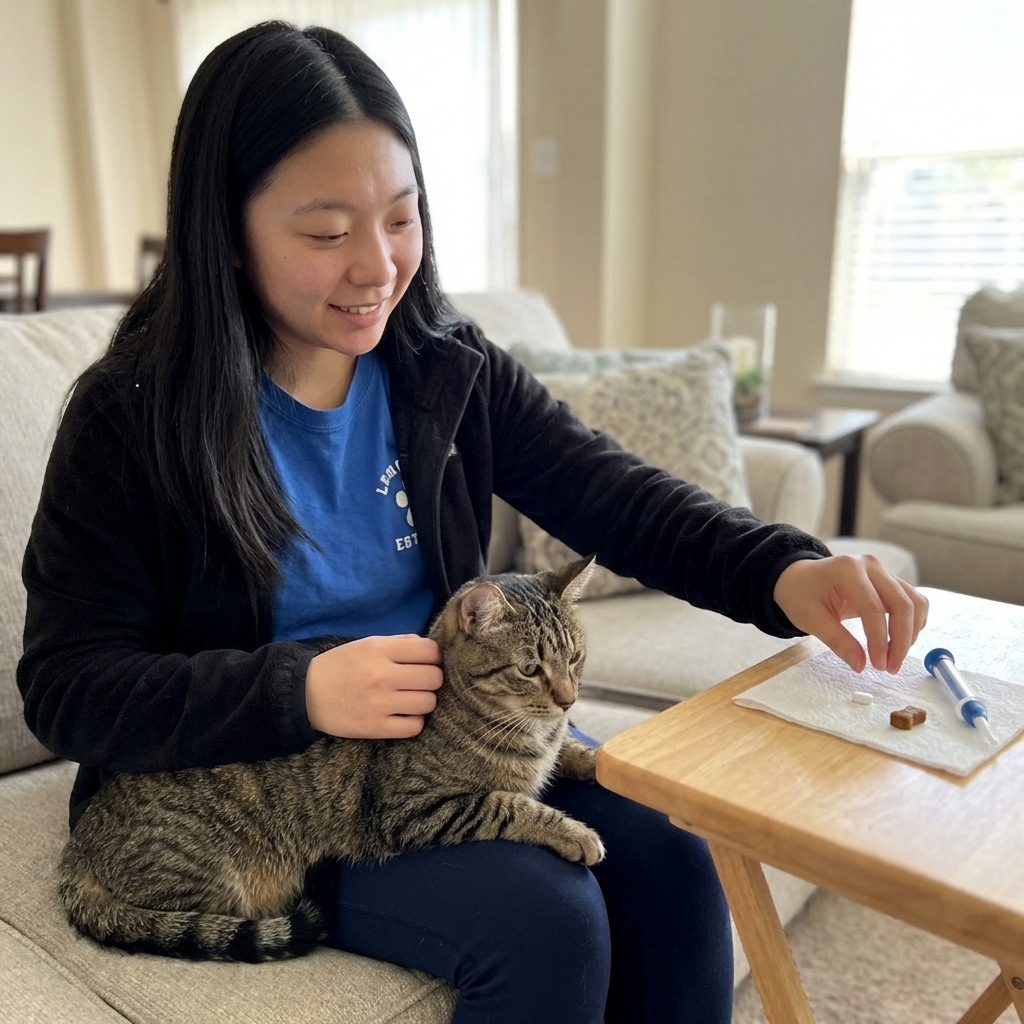
How to Give a Cat a Pill by Mouth
Giving a cat a pill can feel like a tiny wrestling match you did not sign up for. I get it. As a veterinary assistant, I have helped a lot of families through this, and the good news is that many cats can learn to accept medication when you use the right technique, the right timing, and a calm...
Read more →