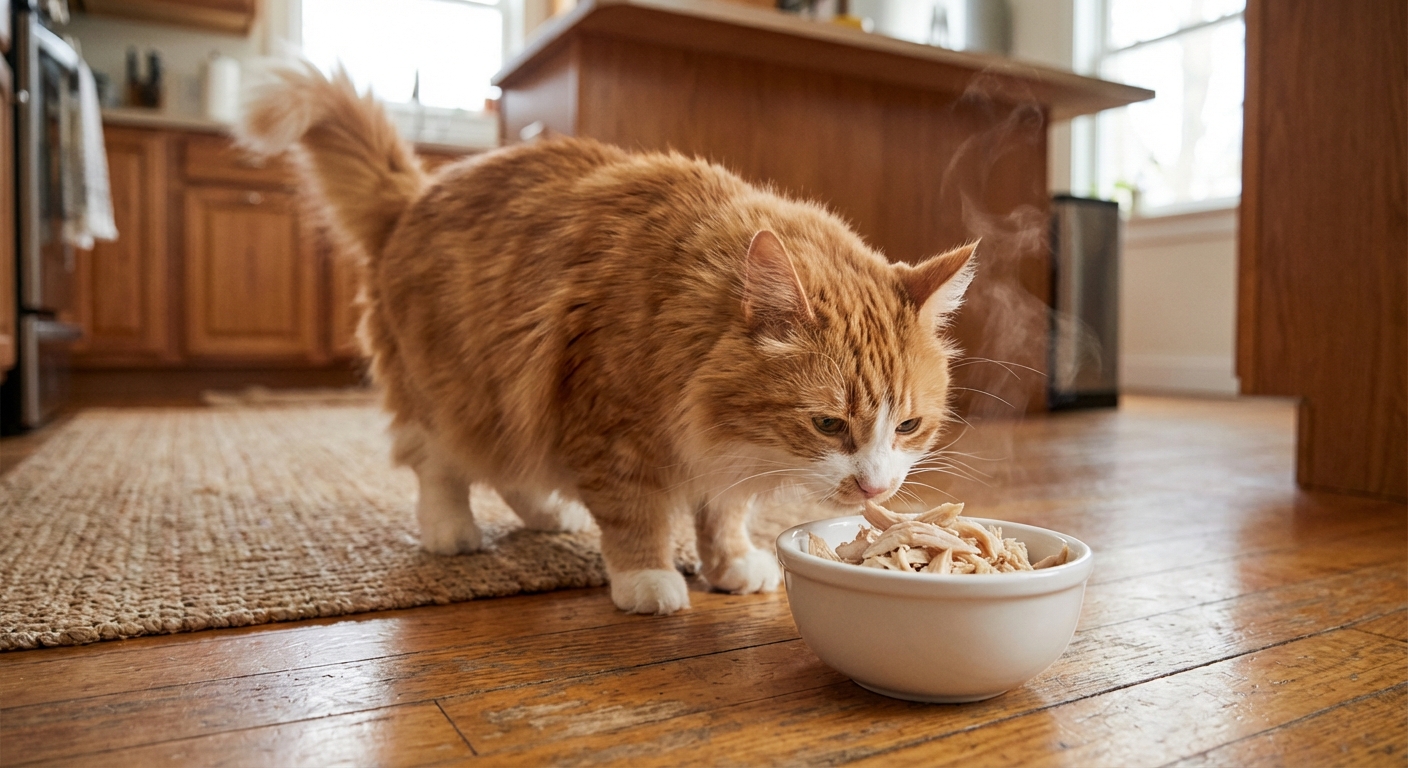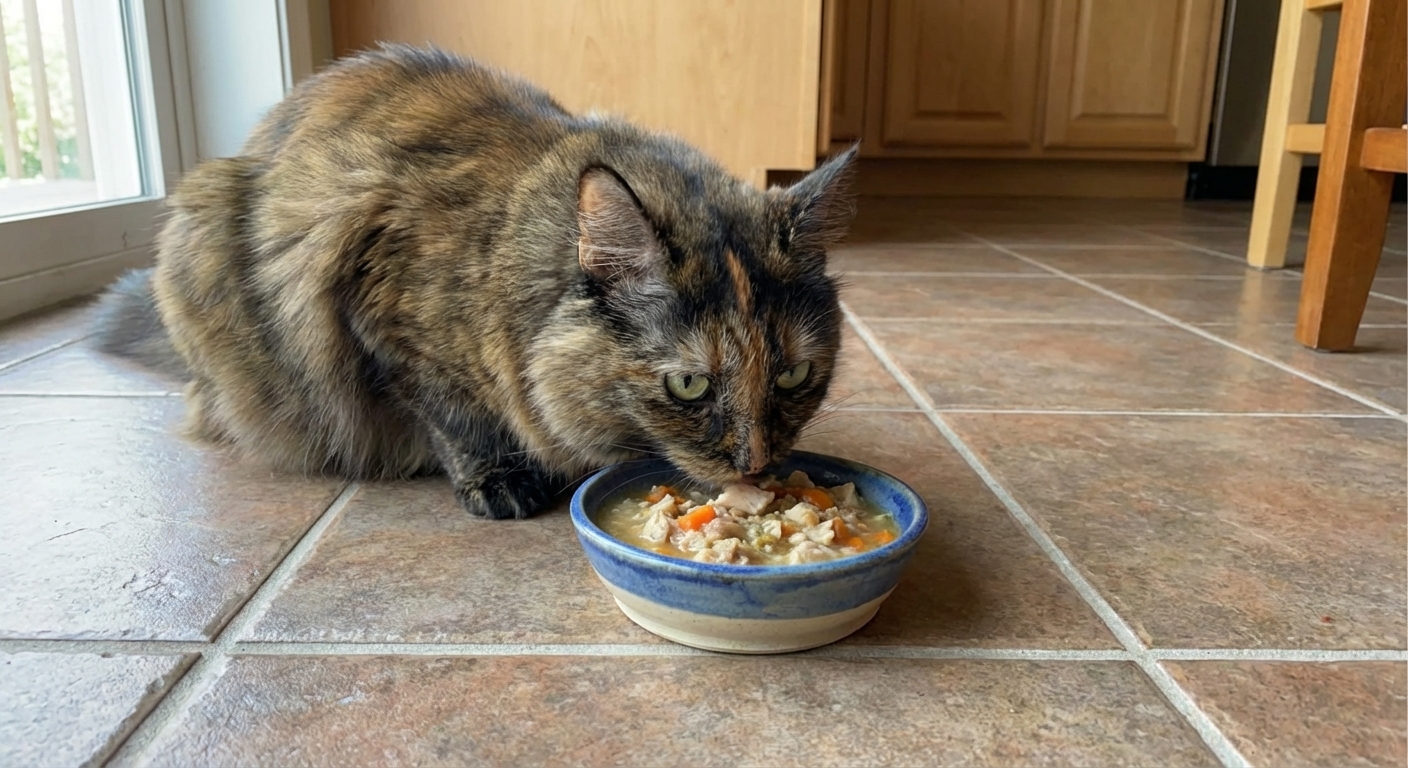
A practical guide to low-phosphorus homemade meals for cats with CKD—what to avoid, safer ingredient building blocks, starter meal frameworks, and must-hav...
Article
•
Designer Mixes
Cats With Kidney Problems

Shari Shidate
Designer Mixes contributor
If your cat has kidney problems, you are not alone. Chronic kidney disease, often called CKD, is one of the most common chronic diseases we see in senior cats. And while it can feel scary at first, there are many evidence-based ways to support your cat’s comfort, appetite, hydration, and quality of life.
As a veterinary assistant, I always tell families this: kidney disease is often a long journey, not a sudden cliff. Small, consistent steps at home, paired with the right veterinary care, can make a meaningful difference.
Quick note: This article is for general education and is not a substitute for veterinary diagnosis or treatment. Your veterinarian will tailor a plan to your cat’s stage, lab values, and other health conditions.
What kidney disease means
Your cat’s kidneys do a lot behind the scenes. They help filter waste products from the blood, maintain hydration and electrolytes, support blood pressure, and contribute to red blood cell production. When the kidneys lose function, waste products can build up and your cat may start to feel nauseated, tired, or less interested in food.
There are two broad categories:
- Acute kidney problems (acute kidney injury or acute kidney dysfunction/azotemia): sudden changes, sometimes from toxins, dehydration, infection, certain medications, or post-renal causes like urinary obstruction. This is an emergency.
- Chronic kidney disease (CKD): gradual, progressive loss of kidney function over time. This is most common in senior cats.
Most of this article focuses on CKD, but many supportive strategies overlap.
Common signs at home
Cats are masters at hiding discomfort, so the early signs can be subtle. Contact your veterinarian if you notice any of the following:
- Drinking more water and urinating more
- Weight loss or muscle loss along the back and hips
- Decreased appetite, picky eating, or walking away after a few bites
- Vomiting or nausea signs like lip-smacking and drooling
- Bad breath that smells “chemical” or like ammonia
- Signs of dehydration, a dull coat, or constipation
- Hiding more, seeming less social, or lower energy
Diagnosis and staging
Diagnosis usually includes bloodwork, urinalysis, and blood pressure. Many clinics also recommend imaging such as ultrasound or X-rays depending on the case.
Key lab values
- Creatinine and BUN: waste products that rise as kidney filtration decreases
- SDMA: can increase earlier than creatinine in some cats
- Urine specific gravity (USG): helps show how well kidneys concentrate urine
- Phosphorus: may be normal in early CKD but often rises as CKD progresses and needs to be controlled
- Potassium: can be low in some CKD cats and contribute to weakness
- Blood pressure: high blood pressure can worsen kidney damage and affect eyes and brain
- Protein in the urine: may change medication choices
Many veterinarians use IRIS staging to guide treatment. Staging helps you and your vet make a plan, track trends, and adjust care as your cat’s needs change. Targets (like phosphorus goals) are often based on IRIS stage and the full clinical picture.
What helps most
Kidney care is not one magic trick. It is a supportive system. Here are the areas that tend to help the most.
1) Hydration
Dehydration can make cats with kidney disease feel worse quickly. Your veterinarian may recommend one or more of these strategies:
- Feed more moisture-rich food: canned food and hydration-focused diets are often helpful.
- Add water to food: even a tablespoon or two can help, especially if your cat accepts it.
- Use a pet water fountain: many cats drink more when water is moving.
- Offer multiple water stations: quiet, easy-to-reach bowls in favorite hangouts.
- Subcutaneous fluids: some cats benefit greatly, especially in later stages, and many families learn to do this comfortably at home with guidance. They are not right for every cat (for example, some cats with heart disease need extra caution), so follow your veterinarian’s dosing and monitoring plan.
2) Kidney-friendly nutrition
Nutrition is one of the most studied interventions for feline CKD. Prescription kidney diets are typically designed to reduce phosphorus and adjust protein quality and quantity, while supporting calories and omega-3 fatty acids. In studies, these diets are associated with longer survival and better quality of life compared with standard diets.
That said, the “best” diet is one your cat will reliably eat. If your cat refuses a kidney diet, talk with your veterinarian about transitions and alternatives rather than letting your cat stop eating.
3) Phosphorus control
High phosphorus can contribute to feeling sick and can worsen CKD progression. The first step is usually a kidney diet. If phosphorus remains above your vet’s target for your cat’s stage, your veterinarian may add a phosphate binder mixed into food.
Important note: binders must be used correctly and matched to lab work. Do not start over-the-counter binders without your veterinarian’s guidance.
4) Nausea and appetite
Nausea is common in CKD and is a major reason cats stop eating. If your cat is sniffing food and walking away, vomiting, or drooling, ask your veterinarian about:
- Anti-nausea medications such as maropitant or ondansetron
- Appetite stimulants such as mirtazapine, used under veterinary direction
- Acid suppressants (only if your veterinarian thinks they are appropriate for your cat)
At home, you can also try gentle, practical steps:
- Warm food slightly to boost aroma
- Offer small, frequent meals
- Reduce stress at mealtimes, including separating pets if needed
- Try different textures: pâté, minced, shredded, or mousse styles
5) Blood pressure and urine protein
High blood pressure is treatable and worth treating. Uncontrolled hypertension can damage the eyes and can contribute to kidney decline. Many cats are treated with medications such as amlodipine for hypertension. If your cat has protein in the urine, medications such as ACE inhibitors or ARBs may be recommended. This is individualized medicine, so follow your veterinarian’s plan and recheck schedule.
6) Potassium, constipation, anemia, and muscle loss
Some CKD cats have low potassium, which can contribute to weakness and poor appetite. If your cat’s potassium is low, your veterinarian may recommend a supplement and will recheck levels to keep dosing safe.
Constipation is also common, especially if your cat is dehydrated or eating less. Hydration helps, and your veterinarian may suggest specific options like fiber changes or a cat-safe stool softener or laxative.
Some cats develop anemia in later-stage CKD, which can cause weakness and lethargy. Your veterinarian may monitor packed cell volume and consider therapies when needed. Muscle loss is also common, so the care plan often includes calorie support and highly palatable, nutrient-dense foods that your cat will actually eat.
Other issues to watch
CKD does not always happen in isolation. Many veterinarians also look for problems that can affect kidney values, appetite, and treatment choices, such as urinary tract infection, hyperthyroidism (which can sometimes mask CKD), dental disease, and heart disease. This is one reason regular rechecks matter so much.
Homemade diets
I love how empowering it can feel to feed real, wholesome foods. But kidney disease is one of those situations where homemade needs extra caution because phosphorus, calcium balance, sodium, and overall nutrient completeness matter a lot.
If you want to go the homemade route, I recommend doing it the safe, evidence-based way:
- Ask your veterinarian for a referral to a board-certified veterinary nutritionist.
- Use a recipe formulated specifically for your cat’s lab values and stage.
- Do not rely on general online recipes for CKD cats.
For many families, a realistic middle ground is using a veterinary kidney diet as the base and working with your vet on safe toppers, texture changes, and appetite support.
Home setup
Kidney cats do best when life is predictable, comfortable, and low stress.
- Litter boxes: add extra boxes and make them easy to access, especially for arthritic seniors.
- Warm, cozy resting spots: soft bedding in quiet areas.
- Easy hydration: water in multiple locations.
- Gentle grooming: many CKD cats stop grooming as well when they feel unwell.
- Keep a weekly log: appetite, weight, vomiting, water intake, urination, and energy.
What success can look like: a stable weight (or slower weight loss), a cat who eats reliably most days, fewer vomiting episodes, better hydration, and steady trends on recheck labs. Progress is often about patterns over time, not one perfect day.
Preventing sudden kidney crises
Even if your cat has CKD, preventing avoidable kidney stressors can help. Keep common toxins and risky medications out of reach, and call your vet right away if exposure is possible. Big ones include lilies (highly toxic to cats), antifreeze (ethylene glycol), and human pain medications like ibuprofen or naproxen.
When to call the vet
Please seek veterinary care promptly if you notice:
- Not eating for 12 to 24 hours, or eating far less than normal (sooner for kittens, seniors, or overweight cats)
- Repeated vomiting, especially with lethargy or dehydration
- Collapse, extreme weakness, or hiding and not responding normally
- Open-mouth breathing or respiratory distress
- Sudden blindness signs like bumping into objects
- Very little urine output or straining in the litter box
Kidney cats can change quickly when they are dehydrated, nauseated, or dealing with blood pressure problems. It is always okay to call and ask if your cat should be seen.
FAQs
Can kidney disease be cured?
Chronic kidney disease typically cannot be cured, but it can often be managed for months to years. The goal is to slow progression when possible and keep your cat feeling good day to day.
Should I switch to a kidney diet right away?
Many cats benefit from a kidney diet once CKD is confirmed and staged, especially when phosphorus needs to be controlled. Your veterinarian will guide you based on labs, blood pressure, appetite, and overall health. If your cat is a finicky eater, transition slowly and prioritize calorie intake while you troubleshoot.
How often are rechecks needed?
It depends on stage and stability. Some cats need checks every few months, while others need closer monitoring during medication or diet changes. Ask your veterinarian for a written recheck schedule so you do not have to guess.
A hopeful path
Living with a kidney cat can feel like a lot, but you do not have to do everything perfectly. Focus on the biggest wins: hydration, a kidney-focused nutrition plan your cat will eat, phosphorus control, nausea support, and regular monitoring.
And please remember, you know your cat best. If something feels off, trust that instinct and reach out to your veterinary team. With the right support, many kidney cats continue to enjoy sunny naps, cozy cuddles, and good days for a long time.