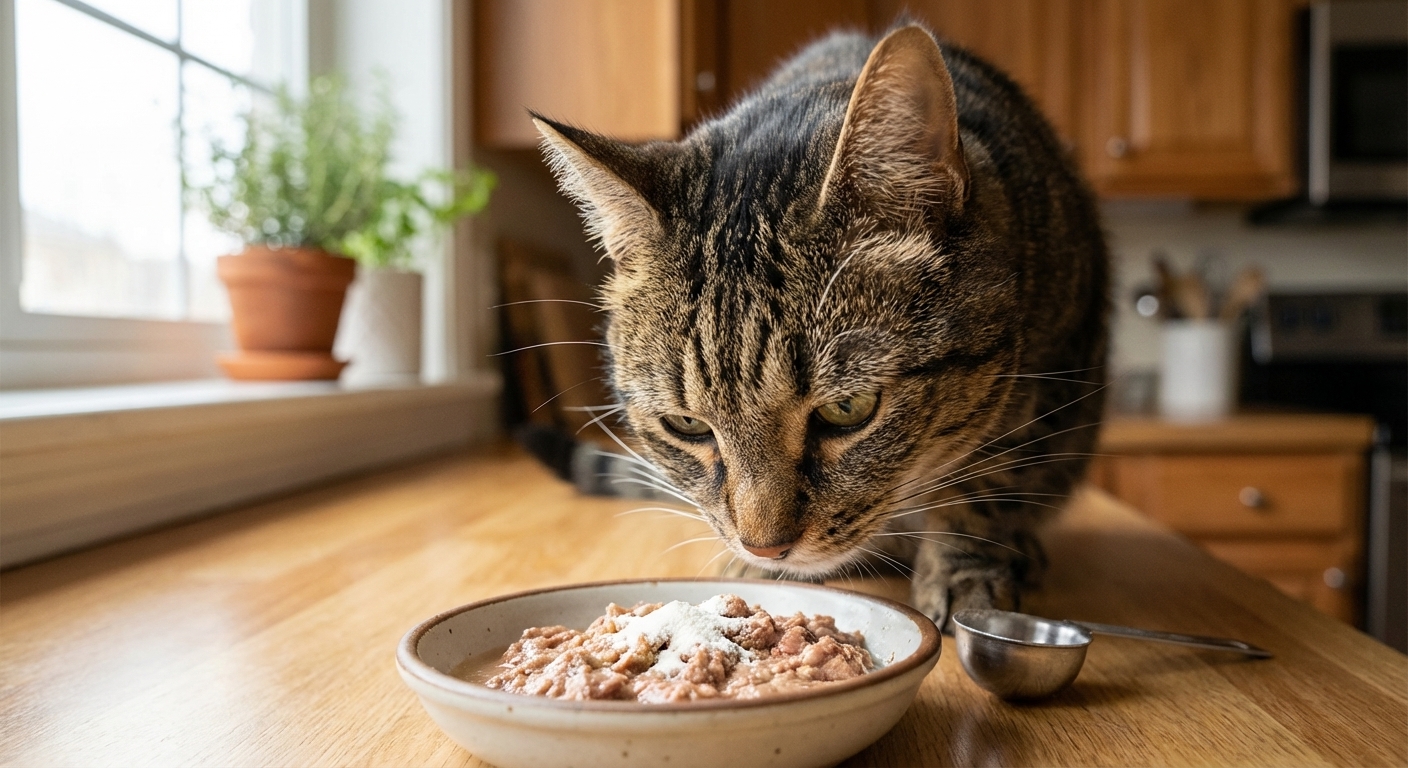
Vet-assistant guidance for mild cat diarrhea: fluids, bland meals, cat-specific probiotics, pumpkin, stress tips, hygiene, what to avoid, and when to see you...
Article
•
Designer Mixes
Cats With Diarrhea: Need-to-Know Tips

Shari Shidate
Designer Mixes contributor
Diarrhea in cats is common, but it is something you should not ignore, especially if it persists or comes with other symptoms. Sometimes it is a simple upset tummy that resolves quickly. Other times, it can lead to dehydration or be your cat’s early clue that something is off, like parasites, infection, food intolerance, stress, or inflammation. As a veterinary assistant, I always tell families the same thing: your job is to notice the details and act early. That can prevent a small issue from turning into an emergency.
First, what counts as diarrhea?
Diarrhea means stools that are looser, wetter, or more frequent than your cat’s normal. It can be:
- Soft-serve or pudding-like
- Watery
- Mixed with mucus (a slippery, jelly-like coating)
- Streaked with blood (bright red) or black and tarry (digested blood)
A single loose stool can happen from stress or a minor dietary change. Ongoing diarrhea, especially with other symptoms, deserves a closer look.
Quick clue: small vs large bowel
This is not a perfect rule, but the pattern can help your vet:
- Small bowel diarrhea often means larger volume stools, fewer trips, and sometimes weight loss or vomiting.
- Large bowel diarrhea often means frequent small amounts, urgency, straining, and mucus. Bright red blood is more commonly seen with large bowel irritation.
Either type can be serious if your cat is not acting normal, is dehydrated, or the diarrhea is not improving.
Why diarrhea happens in cats
Diarrhea is a symptom, not a diagnosis. Here are some of the most common reasons we see in clinic:
Diet-related causes
- Sudden food change (new kibble, new treats, new wet food)
- Food intolerance (certain proteins or additives can be triggers)
- Rich foods or people food
- Milk and dairy (many adult cats are lactose intolerant)
- Scavenging (getting into trash, plants, or another pet’s food)
Parasites and infections
- Giardia and coccidia (common, especially in kittens and multi-cat homes)
- Roundworms and hookworms
- Enteric infections or dysbiosis (a gut bacteria imbalance or infection, which is diagnosed and treated with your vet’s guidance)
- Viral illness (risk depends on age, vaccine status, and exposure)
Stress and environment
Cats can develop stress-related diarrhea from changes like moving, new pets, new litter, house guests, or even construction noise. Stress also impacts the gut microbiome, which can make loose stools more likely.
Chronic conditions
- Inflammatory bowel disease (IBD)
- Pancreatitis
- Hyperthyroidism (often in older cats)
- Kidney or liver disease
- Some cancers
Red flags: when to call the vet today
Diarrhea can become serious quickly because cats are small and can dehydrate fast. Call your veterinarian promptly if you notice any of the following:
- Diarrhea lasting more than 24 to 48 hours
- Blood in the stool (bright red streaks) or black, tarry stool
- Vomiting, especially repeated
- Lethargy, hiding, or weakness
- Refusing food or not drinking
- Signs of dehydration (dry gums, sticky saliva, sunken eyes)
- Straining or frequent trips to the litter box with little output (this can mimic urinary blockage)
- Kitten, senior cat, or an immunocompromised cat
- Known toxin exposure (plants, medications, essential oils, pesticides)
If your cat seems painful, collapses, has very pale gums, or you suspect a urinary blockage, treat it as an emergency.
Also call if diarrhea is intermittent for weeks or you notice weight loss, even if your cat seems mostly “fine.” Chronic patterns deserve a workup.
What you can do at home
If your cat is bright, alert, still eating, and the diarrhea just started, these steps can help while you monitor closely. If you are unsure, call your vet and describe what you are seeing.
1) Protect hydration
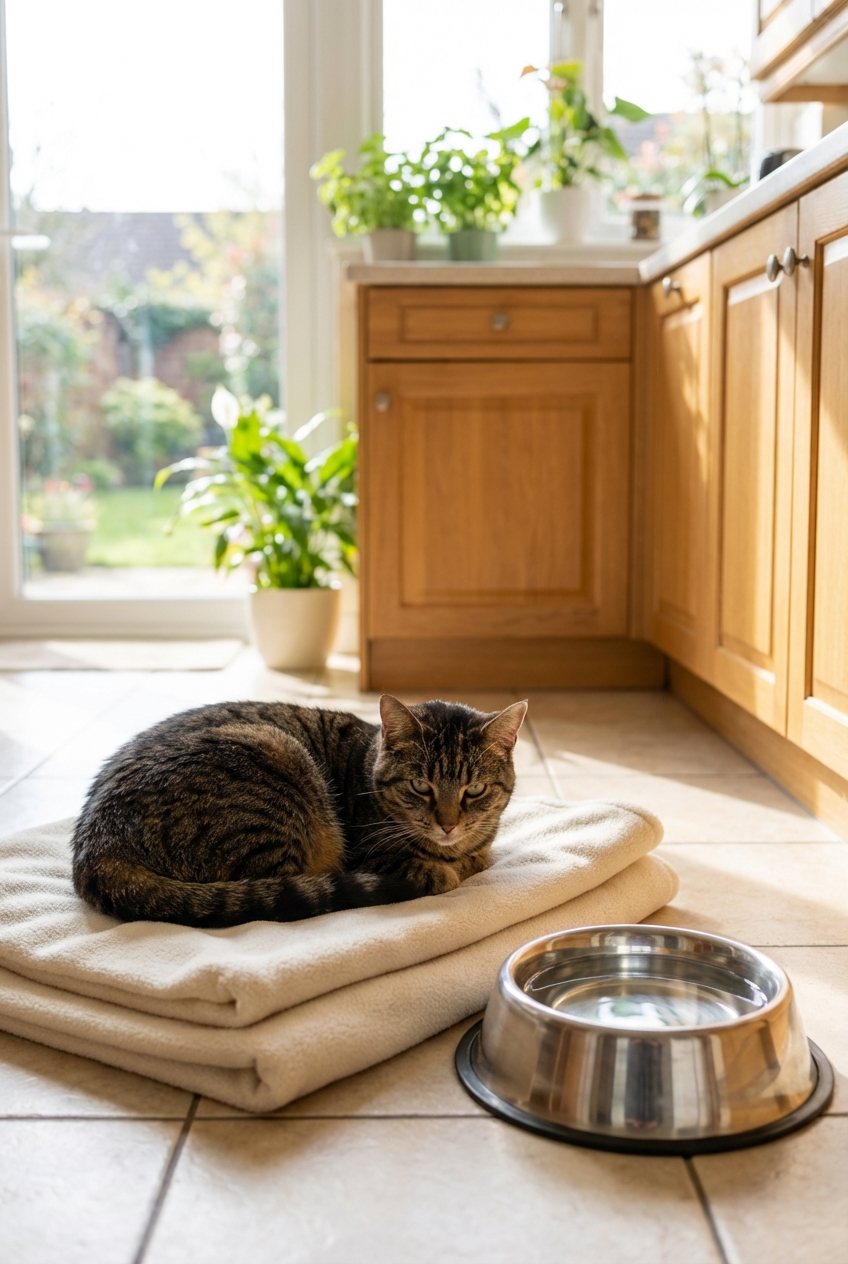
- Offer fresh water in multiple spots.
- Consider adding more wet food if your cat tolerates it, since it boosts fluid intake.
- Ask your vet before using electrolyte solutions. Many human products are not ideal for cats.
2) Pause the extras
Stop treats, table food, and new supplements for now. The goal is to keep the diet simple and consistent.
3) Keep changes gentle
Abrupt food changes can worsen diarrhea. If your veterinarian recommends a change, transition slowly unless directed otherwise. Many cats do best short-term on a veterinary gastrointestinal diet because it is designed for digestibility and consistent nutrients.
4) Probiotics might help
Some veterinary probiotics may help in some cases by supporting stool quality and helping the gut microbiome recover. Use a veterinarian-recommended probiotic for cats and follow the label directions.
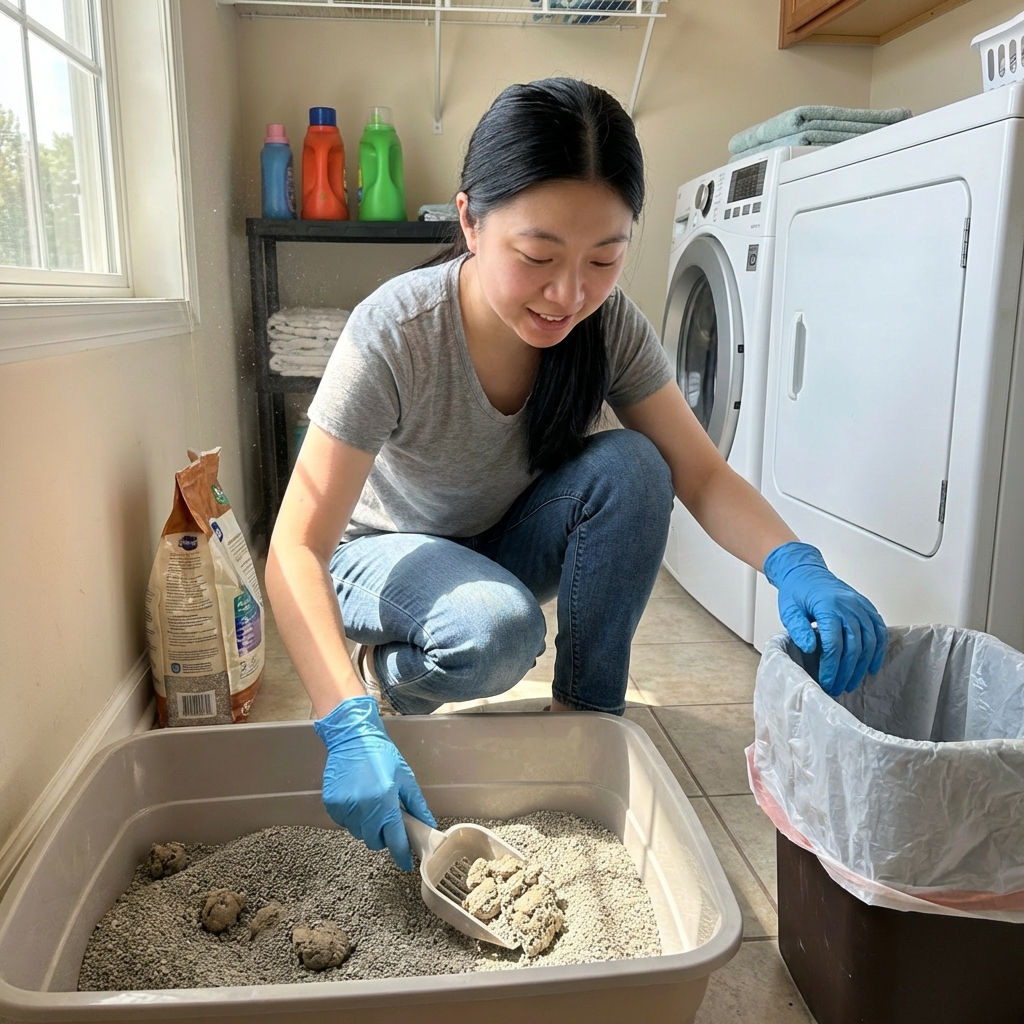
5) Track symptoms and keep the box clean
It sounds simple, but it matters. A clean box helps you notice changes, and it can reduce the chance of spreading parasites in multi-cat homes.
What not to do
- Do not give human anti-diarrheal medications (like loperamide) unless your veterinarian specifically tells you to. Some are dangerous for cats or can worsen certain conditions.
- Do not withhold food for long periods without veterinary guidance. Fasting is rarely recommended for cats the way it sometimes is for dogs. Prolonged fasting can increase the risk of hepatic lipidosis in some cats.
- Do not assume it is just hairballs. Hairballs can be part of the story, but chronic loose stool is not normal.
- Do not switch foods repeatedly trying to find “the one.” Rapid changes can keep the gut irritated.
How your vet will find the cause
Veterinary teams typically start with the least invasive, most informative steps. Depending on your cat’s history and exam, your vet may recommend:
- Fecal testing for parasites (often more than one test, since shedding can be intermittent)
- Fecal PCR panels for certain infections
- Bloodwork to assess hydration, organ function, thyroid status, inflammation
- Urinalysis if there is straining or litter box changes
- Abdominal imaging (x-rays or ultrasound) if obstruction, inflammation, or masses are suspected
- Diet trial (hydrolyzed or novel protein) if food sensitivity or IBD is on the list
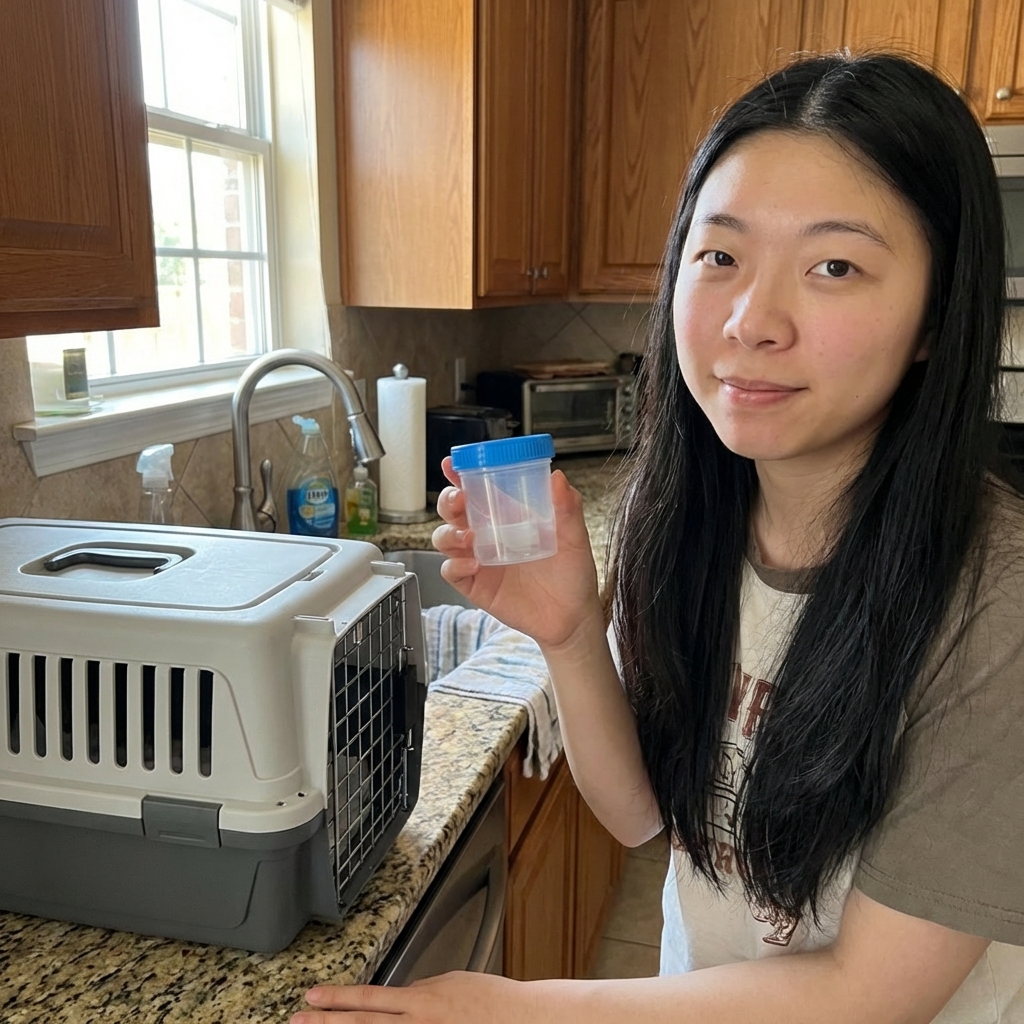
Bring a fresh stool sample if you can. A small amount in a clean container is usually enough.
Stool sample tip: If you cannot get to the clinic right away, seal the sample and refrigerate it. Ideally, bring it in within a few hours, but same day is often still helpful. Do not freeze it unless your clinic instructs you to.
Special situations
Kittens with diarrhea
Kittens are at higher risk of dehydration and parasites, and diarrhea can progress quickly. If a kitten has diarrhea more than once, has a bloated belly, is not gaining weight, or seems quiet and “off,” call your veterinarian the same day.
Senior cats
In older cats, diarrhea can signal chronic disease (like hyperthyroidism or kidney disease) or be linked to medications. Any ongoing diarrhea in a senior cat deserves evaluation.
Multi-cat households
If one cat has diarrhea, treat it as potentially contagious until your vet rules out infectious causes. Parasites like Giardia can spread through shared litter boxes. Scoop frequently, wash hands, and talk with your vet about whether other cats need testing.
Prevention basics
- Transition foods slowly over 7 to 10 days when possible.
- Avoid dairy and rich people food, even if your cat begs.
- Use routine parasite prevention recommended by your vet, especially for cats with outdoor access.
- Keep up with fecal checks and deworming plans, particularly for kittens and newly adopted cats.
- Reduce stress where you can with a consistent routine, enough litter boxes, and a calm feeding setup.
Quick monitoring checklist
These details help your veterinarian narrow down the cause faster:
- How long has the diarrhea been happening?
- How many times per day?
- Is there blood or mucus?
- Any vomiting?
- Appetite normal, reduced, or none?
- Energy level normal or lower than normal?
- Any new foods, treats, medications, or stressors?
- Indoor only, or outdoor access?
- Any weight loss?
If you are ever torn between “wait and see” and “call the vet,” call. You are not overreacting. You are being a good cat parent.
Bottom line
Most cats with mild, short-lived diarrhea recover quickly with supportive care and a calm, consistent routine. The important part is knowing the red flags and acting early when something is not right. If diarrhea lasts longer than a day or two, or your cat is vomiting, lethargic, dehydrated, losing weight, or passing blood, it is time to involve your veterinarian.