From kittens to seniors, learn how to spot cat constipation, try safe at-home steps like wet food and added water, avoid risky remedies, and know when it’s...
Article
•
Designer Mixes
Cats With Constipation: Step-by-Step Facts

Shari Shidate
Designer Mixes contributor
If your cat is straining in the litter box, skipping their usual routine, or leaving behind small, dry nuggets, you are not being “too worried.” Constipation is common in cats, but it can become painful quickly and sometimes signals a bigger health issue. As a veterinary assistant, I have seen many cases improve with simple, step-by-step changes, and I have also seen cases where waiting too long turned a manageable problem into an emergency.
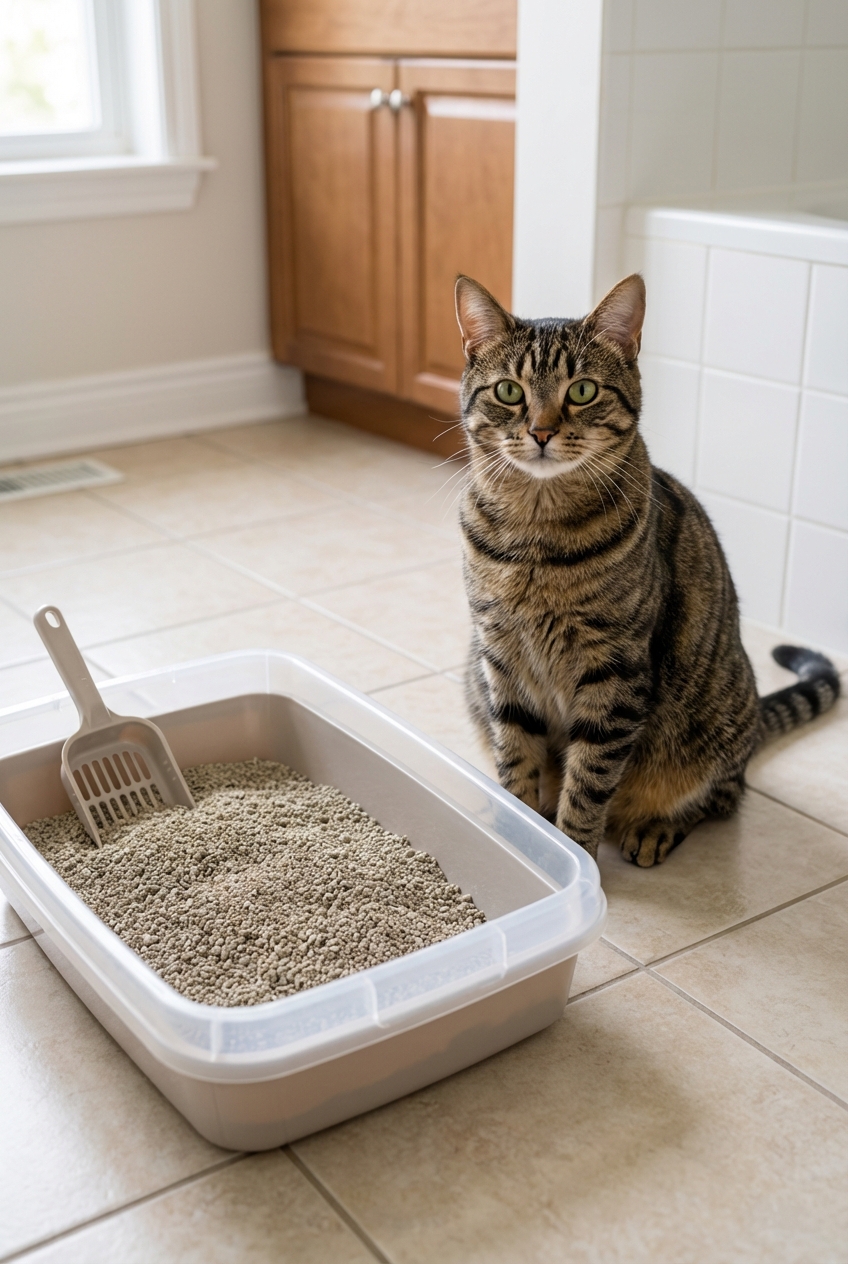
This guide walks you through what constipation really looks like, why it happens, what you can safely do at home, and when you should call your veterinarian. It is educational and not a substitute for an exam or diagnosis.
Step 1: Know what counts as constipation
Many healthy cats pass stool about once a day, but some normal cats go every 24 to 48 hours. Constipation is usually defined as infrequent, difficult, or painful defecation, often with hard, dry stool. What matters most is what is normal for your cat, and whether they seem uncomfortable.
Common signs
- Straining in the litter box (often multiple trips with little output)
- Hard, dry stools or small pebble-like stools
- Fewer stools than normal for your cat (especially if more than 48 hours is unusual for them)
- Crying in the litter box or signs of pain when trying to poop
- Poop stuck to fur around the rear end
- Decreased appetite, hiding, or low energy
- Vomiting (can happen when constipation is more severe)
Straining is not always constipation
Some cats strain with diarrhea or colitis (tenesmus). They may look like they “cannot go,” but they are actually passing frequent tiny amounts of soft stool, mucus, or even a bit of blood. If you are seeing repeated trips, discomfort, and little output of any kind, it is worth a vet call.
Constipation vs. urinary blockage (critical)
A cat that is straining can look constipated, but they may actually be unable to urinate. Urinary blockage is an emergency, especially in male cats.
- Likely constipation: you see stool or hard pellets, and the cat is attempting to defecate.
- Possible urinary emergency: frequent trips to the box, little or no urine, crying, licking the genital area, restlessness, or a firm, painful, distended abdomen.
If you are not sure whether your cat is trying to poop or pee, call an emergency veterinarian right away.
Step 2: Understand common causes
Constipation is usually a “why” problem, not just a “poop” problem. Here are the most common contributors veterinarians see.
Dehydration and low moisture diets
Cats are designed to get much of their water from food. Cats eating mostly dry kibble often take in less total water, which can lead to drier stool that is harder to pass.
Hair and grooming
Hair swallowed during grooming can mix with stool and may contribute to firmer stools and slower transit, especially in long-haired cats or heavy groomers. Hairballs more commonly cause vomiting, but a high hair load can still play a role in constipation for some cats.
Low activity or obesity
Movement helps keep the gut moving. Sedentary indoor cats and overweight cats can be more prone to constipation.
Litter box issues and stool holding
If the box is dirty, in a stressful location, hard to access, or shared with a bullying housemate, some cats hold it. Stool holding leads to more water being absorbed from stool in the colon, which makes the stool harder and larger.
Pain or mobility problems
Older cats may avoid the box if stepping in hurts. Straining may be mistaken for constipation when the real issue is discomfort getting into position.
Medications and diet changes
Some medications can contribute to constipation, including opioid pain medications and some antihistamines. Sudden diet changes can also upset the GI tract and make litter box habits harder to interpret. If your cat started a new medication or food recently, mention it to your veterinarian.
Medical causes that need veterinary care
- Megacolon (a colon that becomes weak and stretched, leading to chronic constipation)
- Kidney disease (often linked with dehydration)
- Intestinal blockage from string, bones, toys, or severe hair accumulation
- Pelvic injuries or narrowing
- Neurologic issues affecting bowel function
- Thyroid disease (hyperthyroidism usually causes increased stool volume or diarrhea, but constipation can occur indirectly in some cats, such as from dehydration or muscle loss)
Step 3: Check basics at home
Before you try any “fix,” do a short, calm check-in. This helps you decide whether you can start with gentle home care or need a veterinary visit.
What to look for
- When was the last normal stool? If you do not know, start tracking today.
- Is your cat eating and drinking? Appetite loss plus constipation can be a red flag.
- Any vomiting? Repeated vomiting is a strong reason to call a veterinarian.
- Does the abdomen seem painful or swollen? If your cat cries, growls, or tries to bite when you touch the belly, stop and call a veterinarian.
- Is there any stool in the litter box at all? A complete lack of stool for 2 to 3 days, especially with discomfort, is concerning.
Start a simple tracking note
- Date and time of bowel movements
- Stool appearance (hard pellets, dry log, normal, soft, mucus)
- Straining episodes
- Food and water intake
- Any vomiting, lethargy, hiding, or behavior changes
- Any new foods, treats, or medications in the last 1 to 2 weeks
This information is incredibly helpful if you need to see your veterinarian.
Step 4: Safe home support
For a cat who is bright, eating, not vomiting, and only mildly constipated, these steps are often reasonable to try for a short period. If your cat has other health conditions or you are unsure, call your veterinarian first.
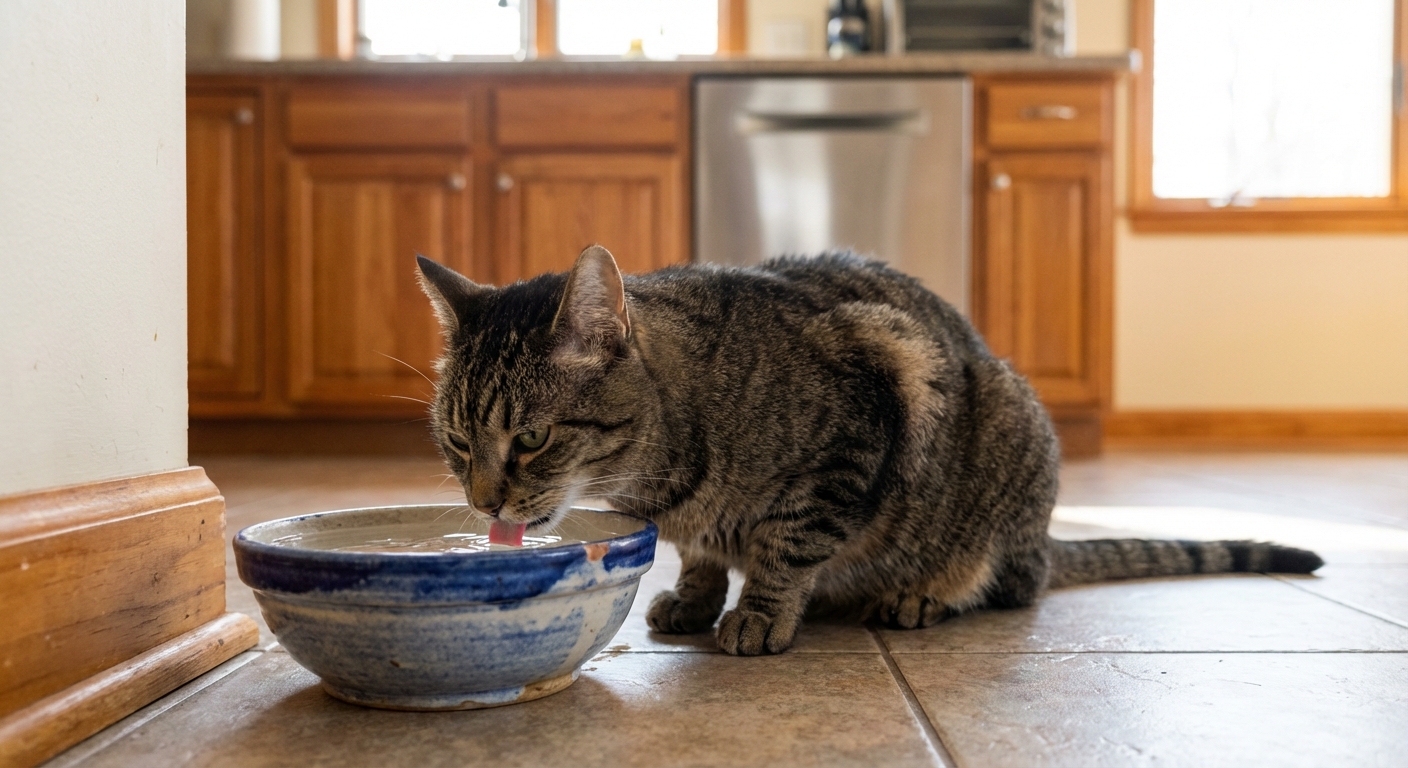
Increase moisture
- Switch to or add canned food for higher water intake.
- Add a small amount of warm water or low-sodium broth (no onion or garlic) to wet food to make a “gravy.”
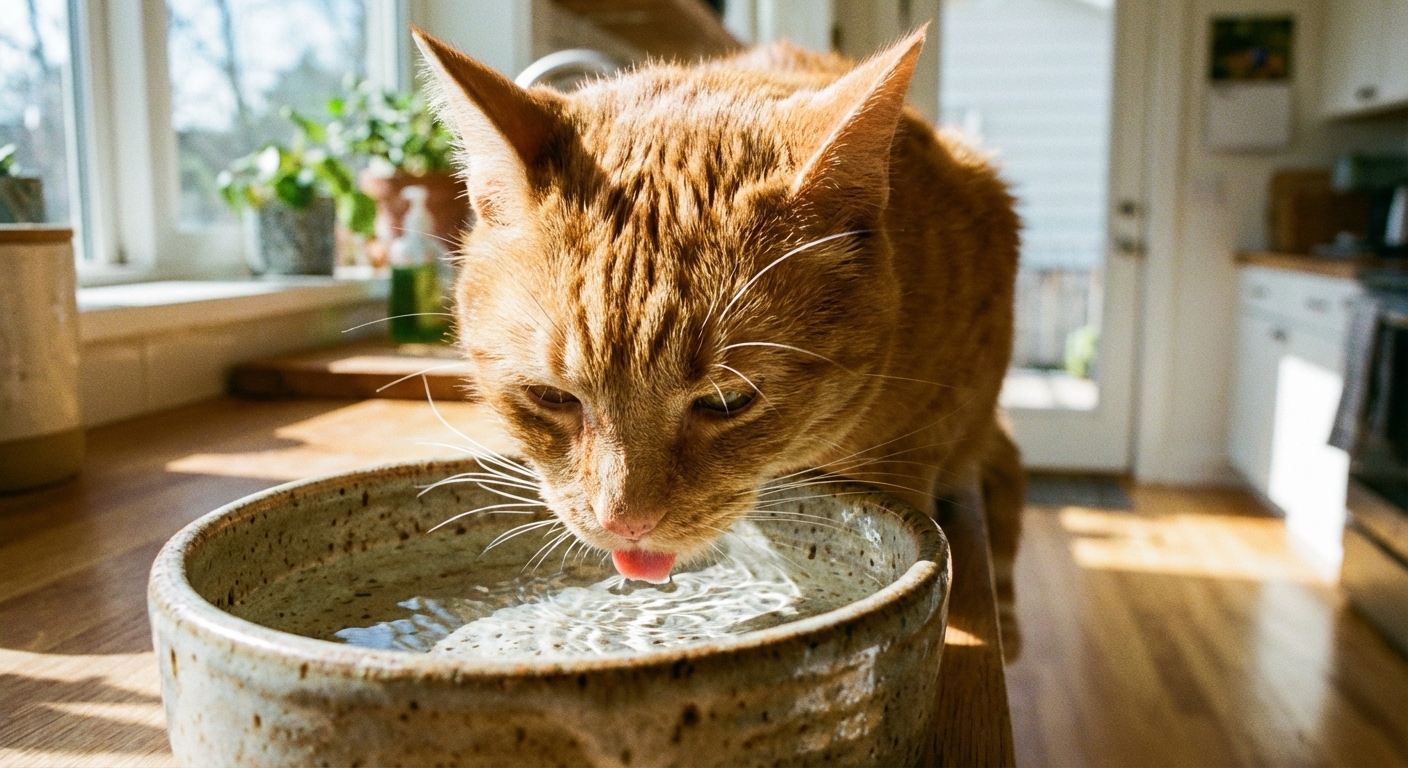
- Try a cat water fountain, and place bowls in quiet locations away from the litter box.
Support the litter box routine
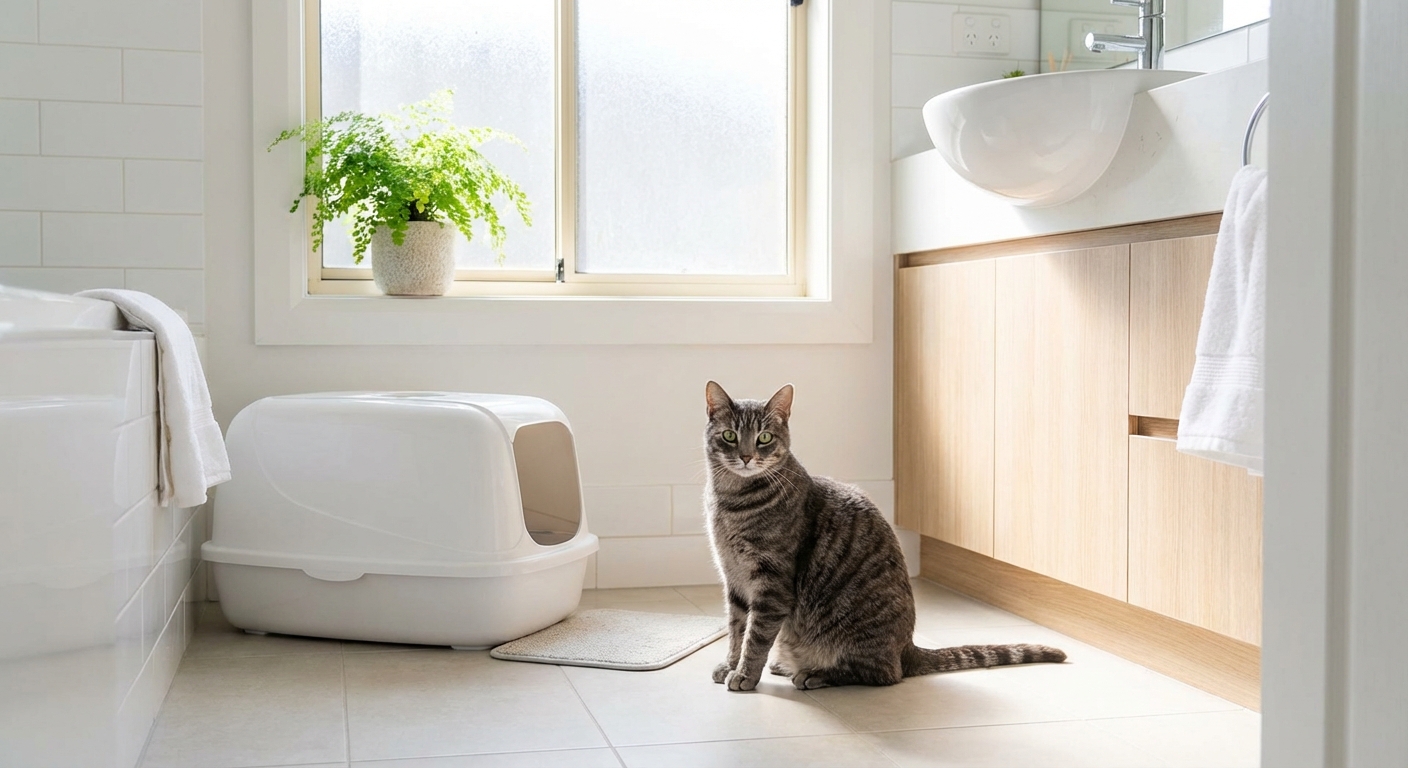
- Scoop daily, and add an extra box in multi-cat homes (a common guideline is one box per cat plus one extra).
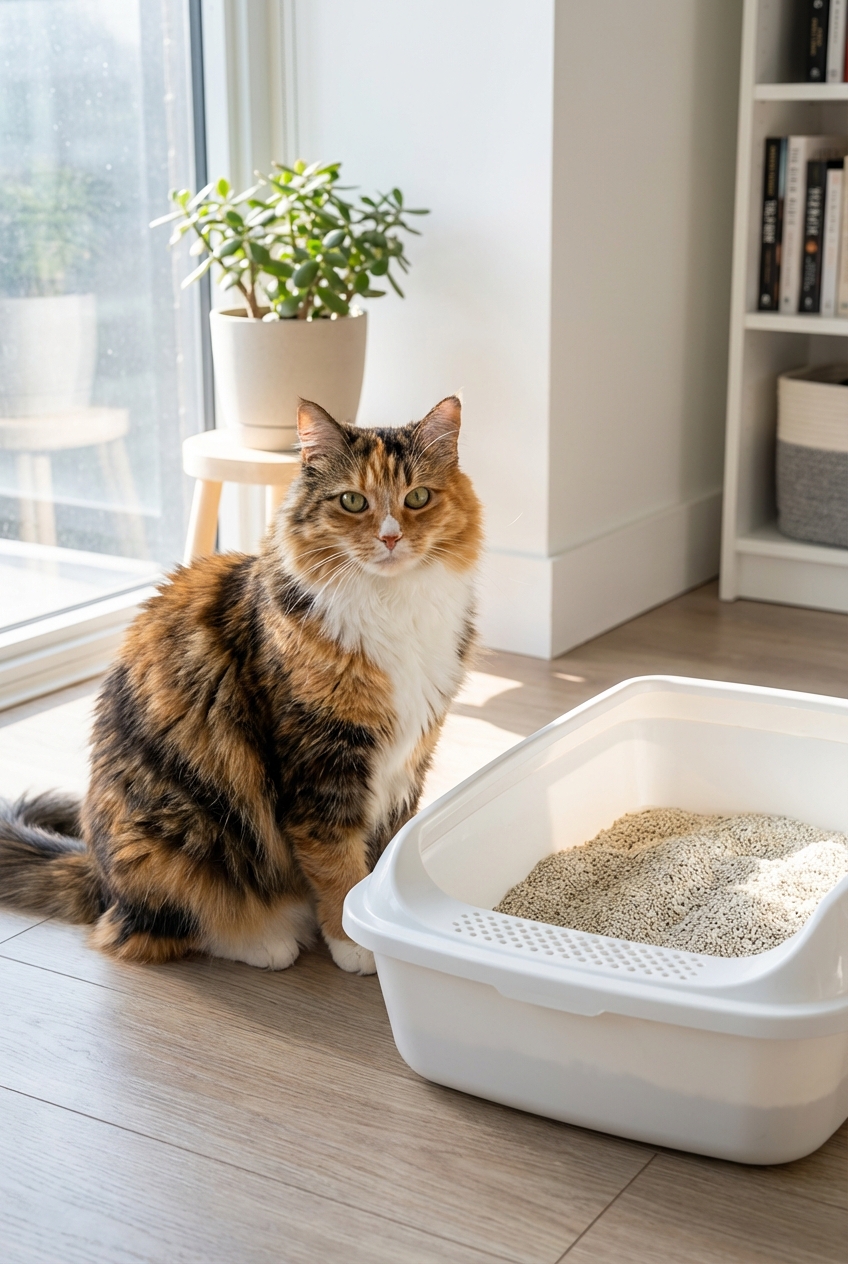
- Use a low-entry box for seniors or cats with arthritis.
- Make sure the box is in a calm, accessible spot.
Gentle fiber options (ask your veterinarian)
Some cats do well with small, measured amounts of fiber. Others get worse, especially if they are dehydrated. Always introduce changes slowly.
- Canned pumpkin (plain, not pie filling) is often used in small amounts.
- Prescription or veterinarian-recommended GI diets can be helpful for recurrent issues.
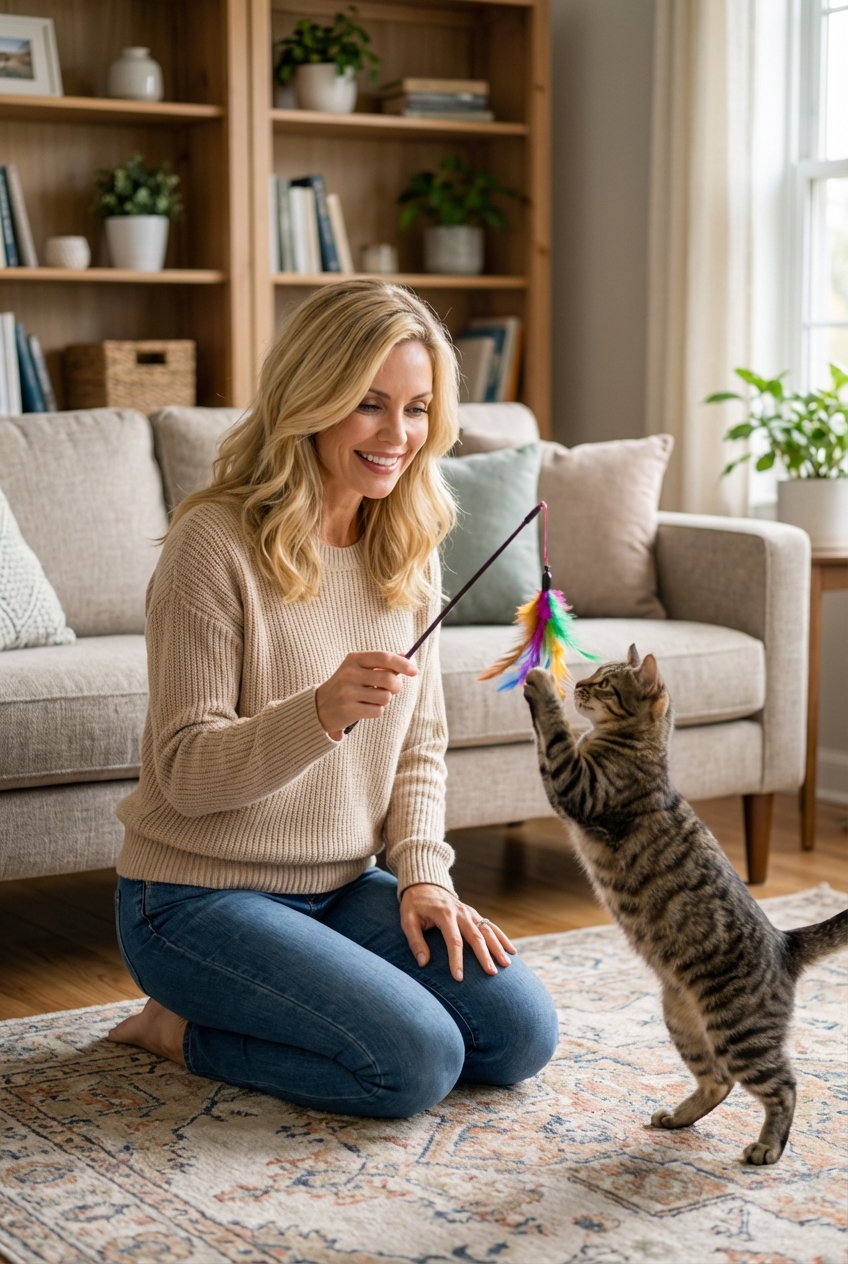
Encourage movement
- Two short play sessions daily can help gut motility.
- Food puzzle toys and climbing opportunities can boost activity.
Important safety note: Do not give human laxatives, mineral oil by mouth, enemas, or stool softeners unless your veterinarian specifically instructs you. Some products are dangerous for cats. In particular, sodium phosphate (Fleet) enemas can be toxic and potentially fatal to cats. Oils can also be aspirated into the lungs if given incorrectly.
Common vet options (do not dose on your own)
Owners often ask about products they have seen online. Two medications veterinarians commonly prescribe for feline constipation are polyethylene glycol 3350 (often known by the brand name Miralax) and lactulose. These can be very helpful, but dosing depends on your cat’s size, hydration status, and underlying cause, so use them only under veterinary guidance.
Step 5: When it is urgent
Constipation is not always an emergency, but it can become one. Call your veterinarian promptly if you see any of the following.
Call your veterinarian today if
- No stool for more than 48 hours and your cat seems uncomfortable, or this is unusual for your cat
- Repeated straining with little or no stool
- Vomiting or refusing food
- Lethargy, hiding, or behavior changes
- Blood, mucus, or a strong foul odor with repeated straining
- You suspect dehydration (tacky gums, low energy, poor appetite)
Go to emergency care now if
- You suspect a urinary blockage or you cannot tell if your cat is trying to pee or poop
- Severe abdominal pain, a distended belly, collapse, or extreme weakness
- Repeated vomiting, especially with no stool production
- Known ingestion of string, ribbon, bones, or a toy
Step 6: What the vet may do
If your cat needs medical help, your veterinarian will focus on three things: relieving discomfort, clearing the colon safely, and identifying the root cause so it does not keep happening.
Common diagnostics
- Physical exam and abdominal palpation
- Hydration assessment
- X-rays to check stool burden, pelvic shape, and potential blockage
- Bloodwork and urinalysis if dehydration, kidney disease, or other illness is suspected
Common treatments
- Fluids (under the skin or IV) to correct dehydration
- Veterinarian-prescribed laxatives or stool softeners
- Enemas administered by veterinary professionals when appropriate
- Manual deobstipation under sedation for severe cases
- Long-term management plans for chronic constipation or megacolon (some cats need ongoing medication, prescription diets, and sometimes motility support)
If constipation is recurring, ask your veterinarian about a prevention plan that fits your cat’s age, mobility, diet, and any underlying health conditions.
Step 7: Prevention habits
The best constipation plan is the one you can do consistently. Here are practical habits that support healthy bowel movements over time.
- Prioritize hydration: canned food, added water, fountains, and multiple water stations.
- Maintain a healthy weight: extra weight can reduce activity and worsen mobility issues.
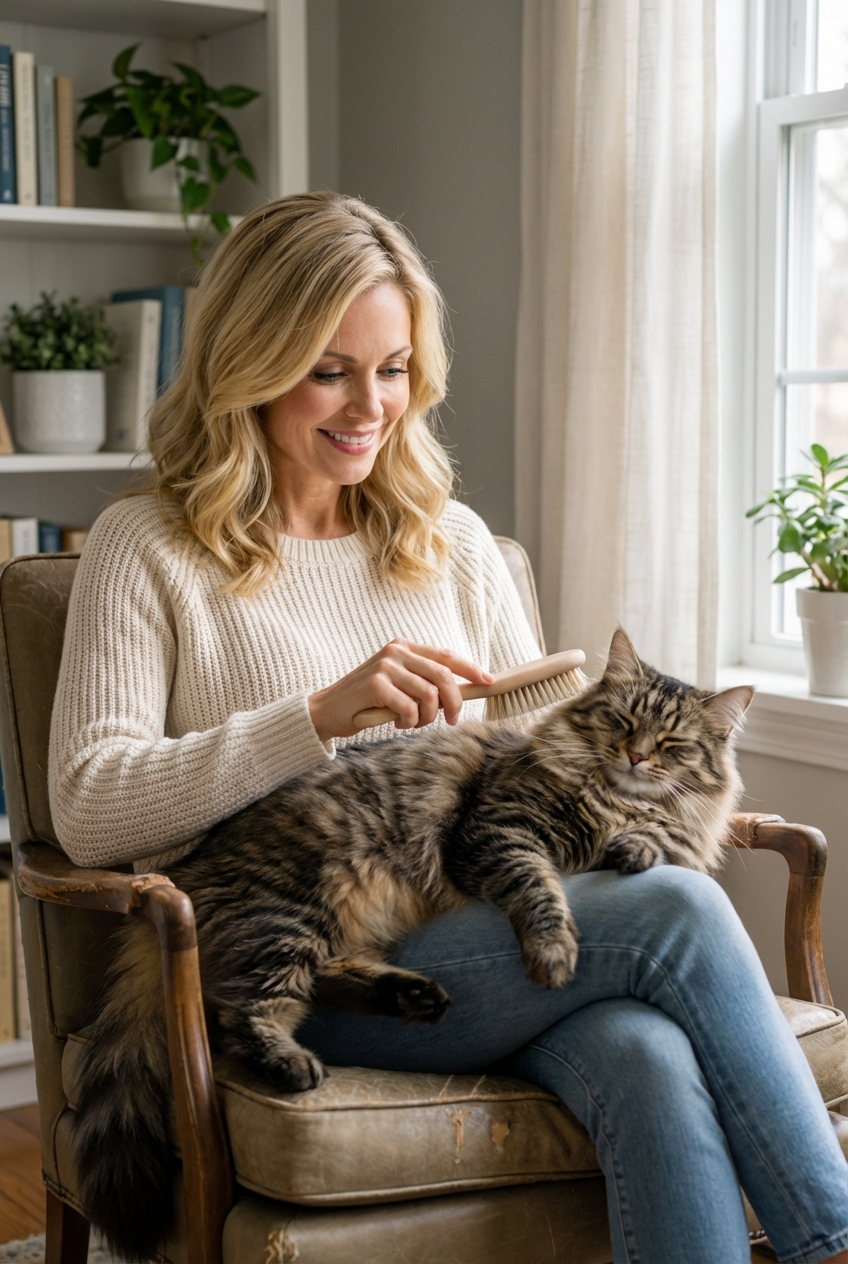
- Grooming support: regular brushing for long-haired cats to reduce hair intake.
- Stress reduction: predictable routines, safe hiding spots, and enough litter boxes.
- Senior-friendly setup: low-entry boxes, non-slip rugs, and easy access to food and water.
- Avoid risky chew items: do not offer bones, and keep string-like items (ribbon, thread, hair ties) out of reach.
Chronic constipation tends to be easier to manage when you catch it early. If your cat has recurrent episodes, increasingly large or painful stools, frequent vomiting with constipation, weight loss, or declining energy, bring it up with your veterinarian sooner rather than later.