A practical CKD guide for cat owners: early signs, how vets diagnose and stage kidney disease, and daily care steps that help most cats feel better—food, f...
Article
•
Designer Mixes
Cats Kidney Disease Stages and Care Tips

Shari Shidate
Designer Mixes contributor
Chronic kidney disease (CKD) is one of the most common long-term illnesses we see in older cats. And while it can feel scary at first, there is a lot you can do at home to keep your cat comfortable and feeling like themselves. The key is understanding the stage of kidney disease and matching your care to what their kidneys can handle right now.
As a veterinary assistant, I always tell families this: CKD care is a marathon, not a sprint. Small, steady changes in hydration, nutrition, and monitoring can add up to more good days.
What kidney disease means in cats
Your cat’s kidneys do more than make urine. They help balance water, electrolytes, blood pressure, and they remove waste products from the bloodstream. With CKD, kidney function slowly declines over time. Because cats are masters at hiding discomfort, signs often show up gradually and can be easy to miss.
Common early signs at home
- Drinking more water and urinating larger clumps (or urinating more often if you do not use clumping litter)
- Weight loss or a pickier appetite
- Mild vomiting or nausea (lip smacking, walking away from food)
- Dull coat, less grooming
- More sleeping, less playful energy
These signs can also happen with other conditions, so a veterinary exam and lab work are essential.
CKD stages (IRIS) in plain language
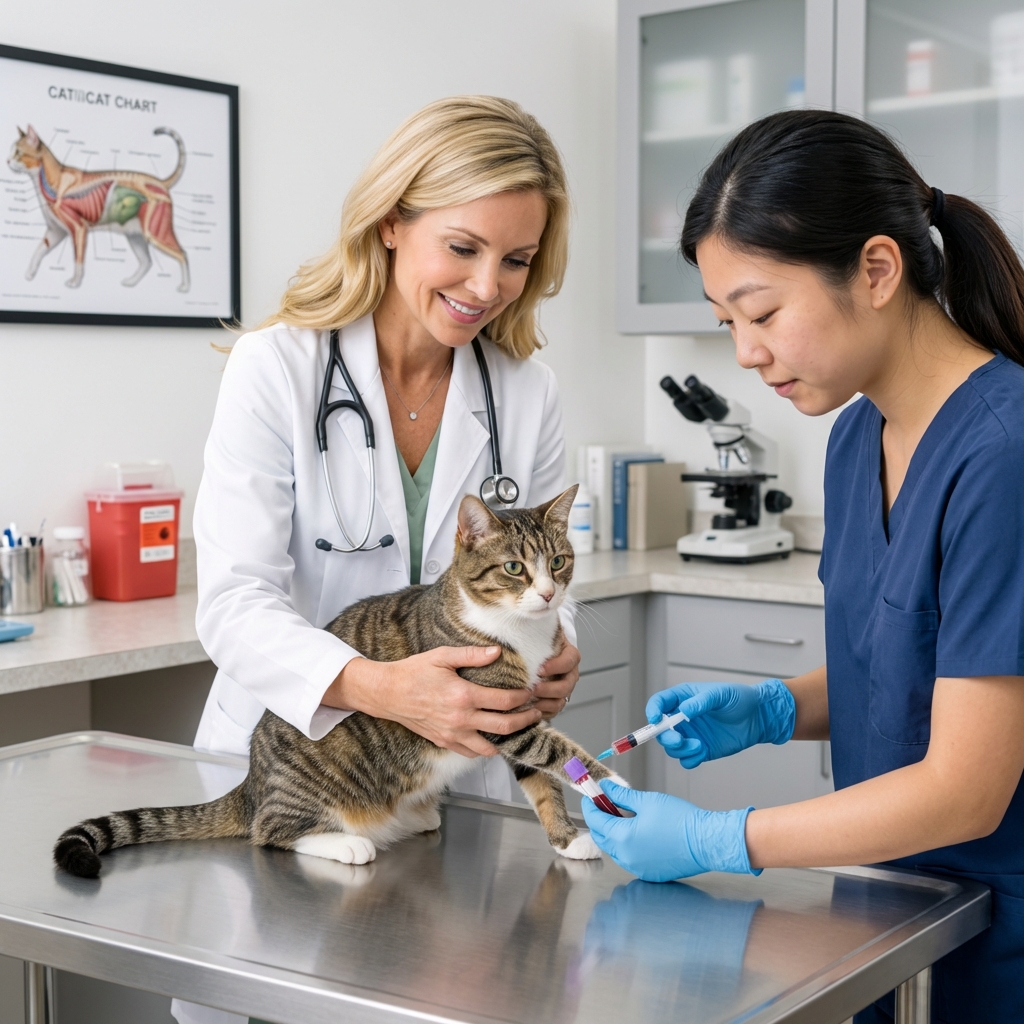
Most veterinarians use the IRIS staging system (International Renal Interest Society). The IRIS stage is based mainly on fasting bloodwork values like creatinine (or SDMA as an alternative marker). Cats are then sub-staged by protein in the urine (often measured as UPC) and blood pressure.
Urine concentration (urine specific gravity), urine culture results, and imaging like ultrasound help confirm CKD, look for contributing problems, and guide the care plan. They support the diagnosis, even though they are not the staging cutoffs themselves.
Two cats can share the same stage but need different care depending on blood pressure, phosphorus level, hydration, anemia status, and symptoms. That is why follow-up lab work matters so much.
Stage 1: Early CKD, often no symptoms
What it looks like: Stage 1 is typically non-azotemic (meaning creatinine is not elevated), but there is evidence of kidney disease or declining function. That might include persistently dilute urine without another explanation, elevated SDMA, renal proteinuria, or imaging changes consistent with kidney disease.
Home focus:
- Hydration habits: Add water stations, try a pet fountain, offer water mixed into wet food.
- Baseline data: Ask your vet about checking SDMA, urine specific gravity, urine protein (UPC), and blood pressure.
- Protect kidney health: Avoid toxins and only use NSAIDs under veterinary supervision. Bring a list of all supplements to your vet.
Stage 2: Mild to moderate CKD
What it looks like: Many cats begin showing classic signs like increased thirst and urination and gradual weight loss. Lab work may show mildly elevated creatinine and or SDMA.
Home focus:
- Start nutrition planning: A kidney-support diet is often recommended in Stage 2, especially if phosphorus is trending high. Transition slowly over 2 to 4 weeks.
- Keep phosphorus in target range: Higher phosphorus can make cats feel worse over time, and it can contribute to secondary problems in the body.
- Track weight weekly: Early weight loss is easier to address than advanced muscle wasting.
- Ask about anti-nausea support: Many cats feel better when nausea is controlled, which improves appetite.
Stage 3: Moderate to advanced CKD
What it looks like: Symptoms usually become more noticeable: reduced appetite, nausea, vomiting, dehydration, constipation, and low energy. Lab work often shows higher waste products, and electrolyte or acid-base changes can appear. Some cats also start to develop anemia (low red blood cells), which can add to weakness and fatigue.
What to prioritize:
- Fluids and hydration support: Some cats benefit from subcutaneous fluids at home. Your veterinary team can teach you step-by-step.
- Phosphorus binders: If phosphorus remains high despite diet changes, your vet may add a binder mixed with food.
- Blood pressure management: High blood pressure is common and can worsen kidney damage and affect the eyes.
- Protein loss support: If your cat is losing protein in the urine, your vet may prescribe medication to reduce that loss.
- Constipation plan: Hydration, fiber strategies, and vet-approved laxatives can make a big difference.
Stage 4: End-stage CKD
What it looks like: Cats may have significant weight loss, dehydration, poor appetite, nausea, ulcers in the mouth, and weakness. Anemia is also more common in late stages. Some still have good days, but they are more fragile and can decompensate quickly.
Comfort first:
- Prioritize comfort: Appetite support, nausea control, pain relief if needed, and easy access to litter boxes and favorite resting spots.
- Keep food goals realistic: In late stages, “any calories” can become the priority if your cat will not eat a kidney diet.
- Discuss quality of life: Your vet can help you use a quality-of-life scale and plan ahead for tough decisions.
Daily care for every stage
Hydration: the simplest home strategy
Dehydration makes CKD symptoms worse. Small hydration upgrades can help many cats:
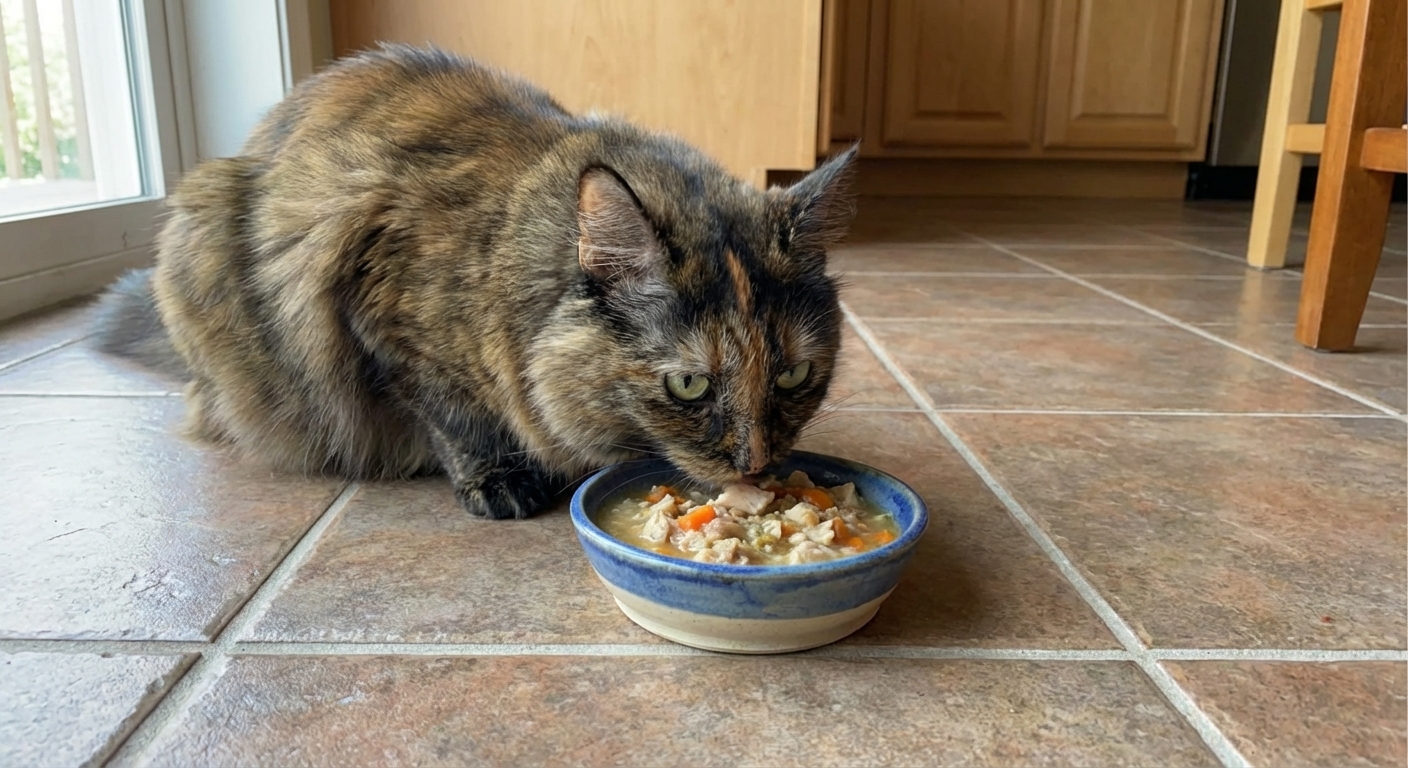
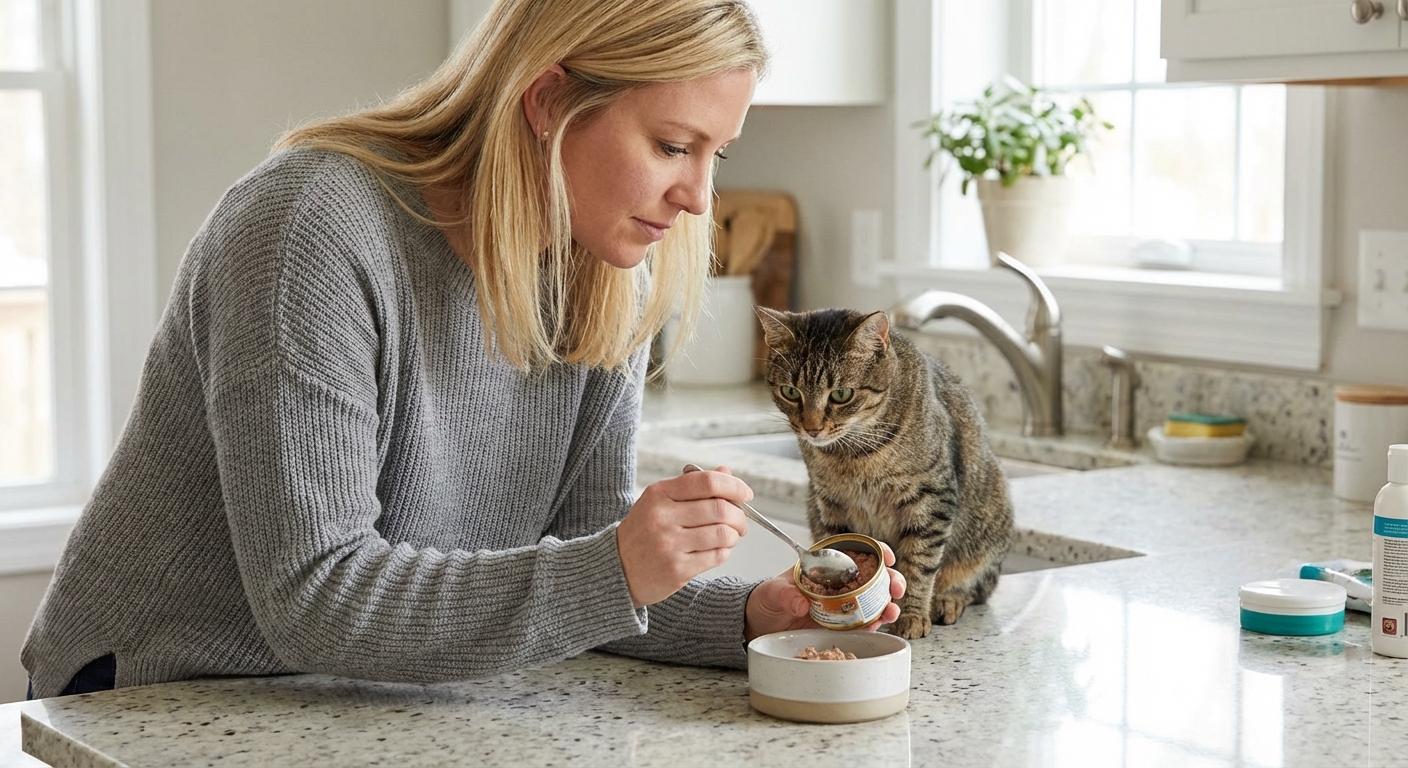
- Feed mostly or all wet food when possible
- Mix 1 to 3 teaspoons of water into meals (start low and increase slowly)
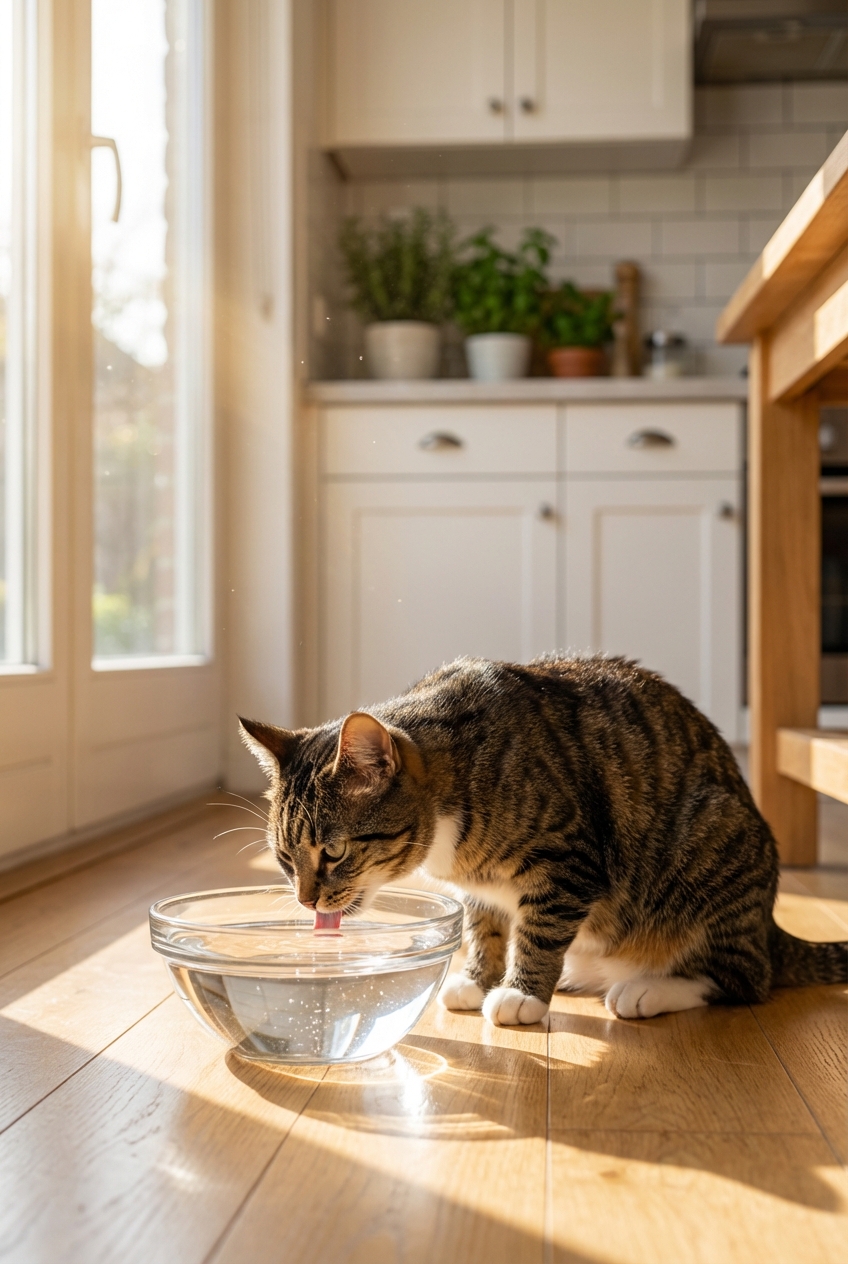
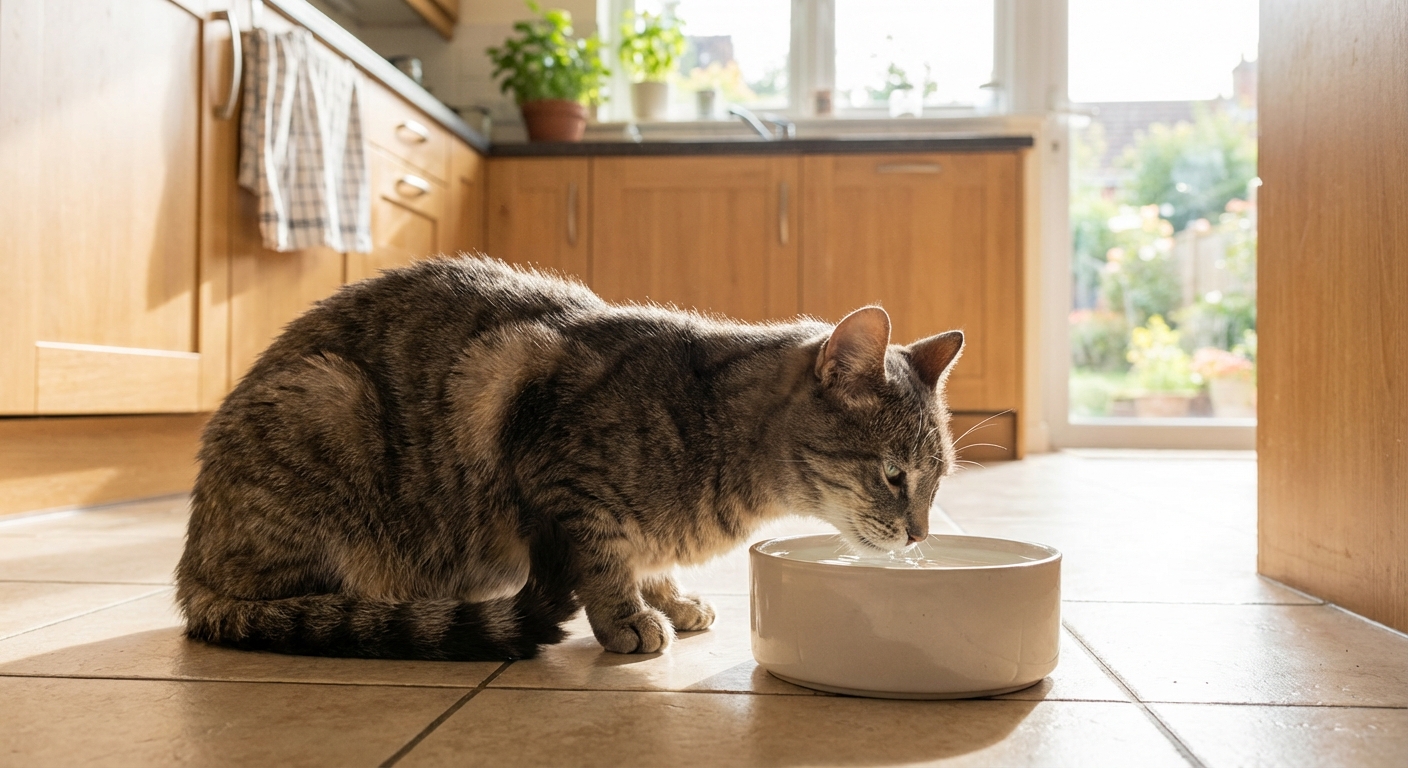
- Offer a fountain, wide bowls, and fresh water in multiple rooms
- Flavor water with a little tuna water (in moderation) if your vet approves. Choose low-sodium options when possible, and avoid this trick if your cat needs sodium restriction or has hypertension.
Nutrition: why kidney diets are recommended
Prescription kidney diets are designed to be lower in phosphorus, include controlled protein (not zero protein), and support overall calorie intake. Clinical studies suggest cats eating kidney diets often have fewer uremic symptoms and may live longer compared with cats on standard adult maintenance diets.
If your cat refuses a kidney diet, do not give up. Try:
- Slow transitions (mixing old and new)
- Warming the food slightly to increase aroma
- Trying different textures (pate, chunks, stew)
- Offering small meals more often
Medications and supplements your vet may use
Every plan is individualized, but common CKD supports include:
- Anti-nausea meds to help appetite and reduce vomiting
- Appetite stimulants when needed
- Phosphorus binders if phosphorus is high
- Potassium supplementation if blood potassium is low (weakness can be a clue)
- Blood pressure medication if hypertensive
- Medications to reduce protein loss in the urine if proteinuria is present
- Omega-3 fatty acids in some cases, based on your vet’s guidance
Please do not start supplements without your veterinarian’s input. “Natural” products can still be risky for CKD cats, especially anything high in phosphorus, sodium, or unknown herbs.
Monitoring at home
You know your cat best, and your observations matter. Write things down so you can spot trends early.
Simple at-home checklist
- Appetite: eating normally, nibbling, or refusing
- Water intake: noticeably increased or decreased
- Litter box output: larger urine clumps, more frequent urination, accidents, constipation
- Weight: weekly weigh-ins (a baby scale works well)
- Vomiting: how often and what it looks like
- Energy and grooming: hiding, less grooming, less jumping
Senior-friendly home setup
- Use a low-entry litter box (or one with a cut-down side) if jumping is harder
- Add an extra box on each level of the home
- Consider a night light near litter boxes and water stations
- Keep food, water, and favorite beds easy to access
When to call your veterinarian urgently
- Not eating for 24 hours, or eating very little for 48 hours
- Repeated vomiting or signs of dehydration (tacky gums, sunken eyes)
- Sudden weakness, wobbliness, or collapse
- Straining in the litter box or no urine output (possible urinary blockage, which is an emergency)
- Sudden blindness or dilated pupils (possible high blood pressure emergency)
Questions for your next CKD visit
If you feel overwhelmed, bring this list to your appointment. You do not have to remember everything in the moment.
- What IRIS stage is my cat, and what values was that based on?
- How are phosphorus, potassium, and hematocrit (anemia) looking?
- Is my cat’s blood pressure normal?
- Is there protein in the urine, and do we need treatment for it?
- Should we consider subcutaneous fluids or diet changes now?
- How often should we recheck labs and urine?
Hope and comfort can coexist
CKD is not curable, but it is very often manageable. Many cats live months to years with good quality of life when we keep them hydrated, nourished, and comfortable, and when we adjust the plan as their needs change.
If you are caring for a kidney cat right now, you are doing an important, loving thing. Focus on the next small step: one hydration upgrade, one food win, one recheck scheduled. Those steps build stability.