A practical guide to low-phosphorus homemade meals for cats with CKD—what to avoid, safer ingredient building blocks, starter meal frameworks, and must-hav...
Article
•
Designer Mixes
Cats Kidney Disease: Overview & Care

Shari Shidate
Designer Mixes contributor
Chronic kidney disease (CKD) is one of the most common chronic illnesses in older cats. The good news is that with early detection, smart nutrition, and consistent at-home care, many cats live comfortably for years after diagnosis.
This overview will walk you through what CKD is, what to watch for, how vets diagnose and stage it, and the practical steps that make the biggest difference day to day.
Note: I’m writing from a veterinary assistant perspective. This is educational and not a substitute for care from your veterinarian.
What kidney disease means in cats
Your cat’s kidneys do more than make urine. They help remove metabolic waste, balance fluids and electrolytes, regulate blood pressure, and support red blood cell production. When kidneys are damaged over time, they lose the ability to do those jobs efficiently. That’s chronic kidney disease, and it tends to be progressive.
CKD is different from acute kidney injury (AKI). AKI happens suddenly, often from toxins (like lilies), severe dehydration, obstruction, or infection. It’s an emergency and can sometimes be reversed. CKD usually develops slowly and is managed, not cured.
How common is CKD?
Risk increases markedly with age. Many cats don’t show obvious symptoms early on because cats are very good at masking subtle illness. That’s why routine wellness lab work matters so much, especially in middle-aged and senior cats.
Early signs you can spot at home
In early CKD, signs can be subtle. If you notice any of the following patterns, it’s worth scheduling a vet visit and asking about kidney screening.
- Increased thirst and a water bowl that empties faster
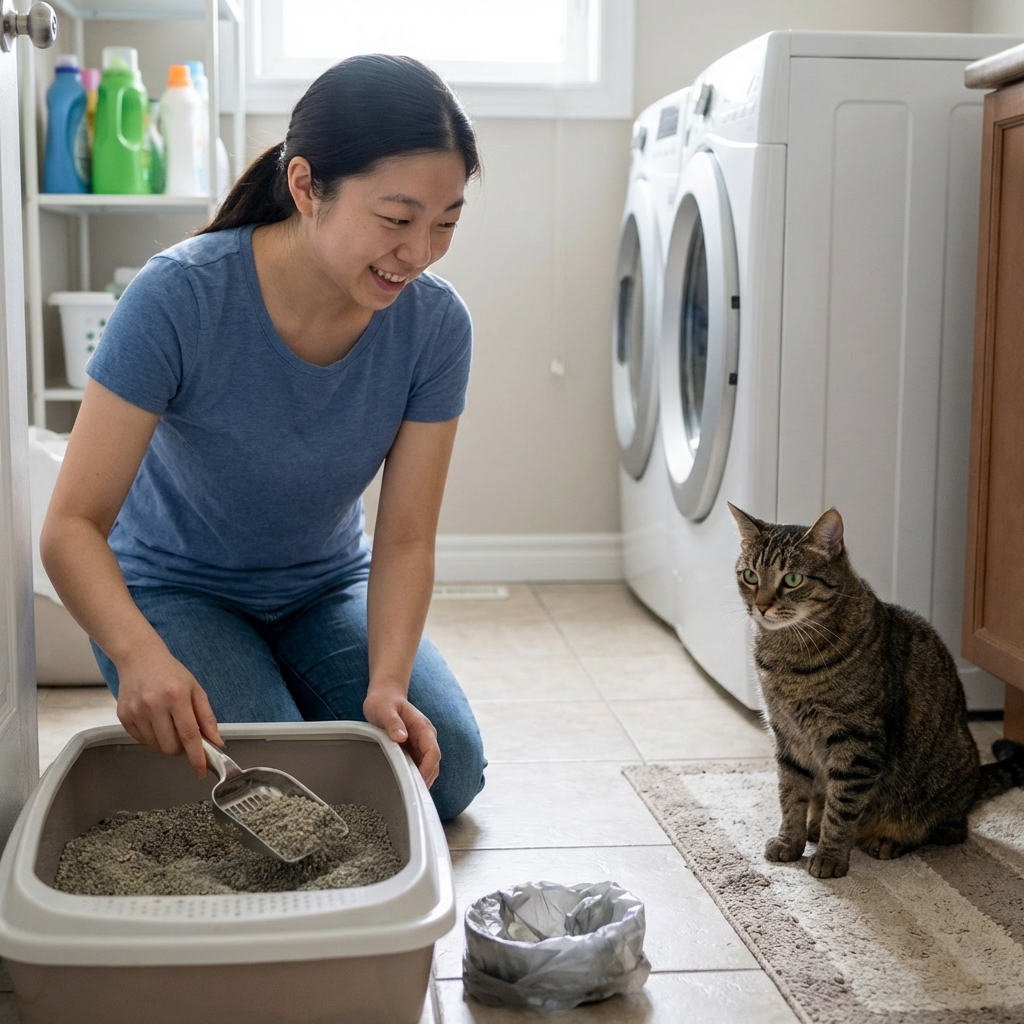
- More urine, larger clumps in the litter box, or more frequent box visits
- Weight loss even if appetite seems “okay” at first
- Picky appetite, eating less, or walking away from meals
- Nausea signs like lip smacking, drooling, or hiding around mealtime
- Vomiting or hairballs that are suddenly more frequent
- Constipation or drier stools
- Lower energy and less interest in play
- Dull coat or less grooming
- Bad breath that smells ammonia-like (later-stage sign)
If your cat stops eating for 24 hours, treat that as urgent. Cats can become seriously ill from prolonged appetite loss, and CKD cats are especially vulnerable.
How vets diagnose and stage kidney disease
Diagnosis is typically based on a combination of bloodwork, urinalysis, and blood pressure. Your veterinarian may also recommend imaging if there’s concern for stones, masses, or other structural issues.
One important point for peace of mind: a single abnormal kidney value does not always equal lifelong CKD. Dehydration, recent illness, and other factors can temporarily affect labs. Your vet may recommend repeat testing, trending urine specific gravity over time, and ruling out reversible causes before confirming CKD.
Common tests used
- Blood tests: creatinine and BUN (waste products), SDMA (may rise earlier in some cats), phosphorus, potassium, calcium, and more
- Urinalysis: urine specific gravity (concentration), protein levels, and screening clues for infection
- Urine culture: often recommended when infection is suspected or results are unclear, since urinalysis alone can miss some UTIs
- Urine protein-to-creatinine ratio (UPC): checks for protein loss, which can worsen progression
- Blood pressure: high blood pressure is common and can damage kidneys, eyes, brain, and heart
- Thyroid testing: hyperthyroidism can mimic or complicate kidney disease in older cats
Staging and why it matters
Most vets use IRIS staging (International Renal Interest Society). Staging helps guide treatment and monitoring frequency. It considers markers like creatinine or SDMA, plus sub-staging based on protein in the urine and blood pressure.
Ask your vet: “What stage is my cat, and what’s the plan for monitoring labs, urine, and blood pressure?” A clear plan reduces anxiety and catches changes early.
As a general example, many stable early-stage cats are rechecked every 3 to 6 months, while later-stage cats may need more frequent visits. Your vet will tailor this to your cat’s numbers and how they’re feeling.
The care plan that helps most cats feel better
CKD care isn’t one magic trick. It’s a handful of supportive steps done consistently. The goal is to reduce kidney workload, control nausea, maintain hydration and calories, and manage complications like high phosphorus or high blood pressure.
1) Hydration
Dehydration makes CKD feel worse. Your vet may recommend strategies such as:
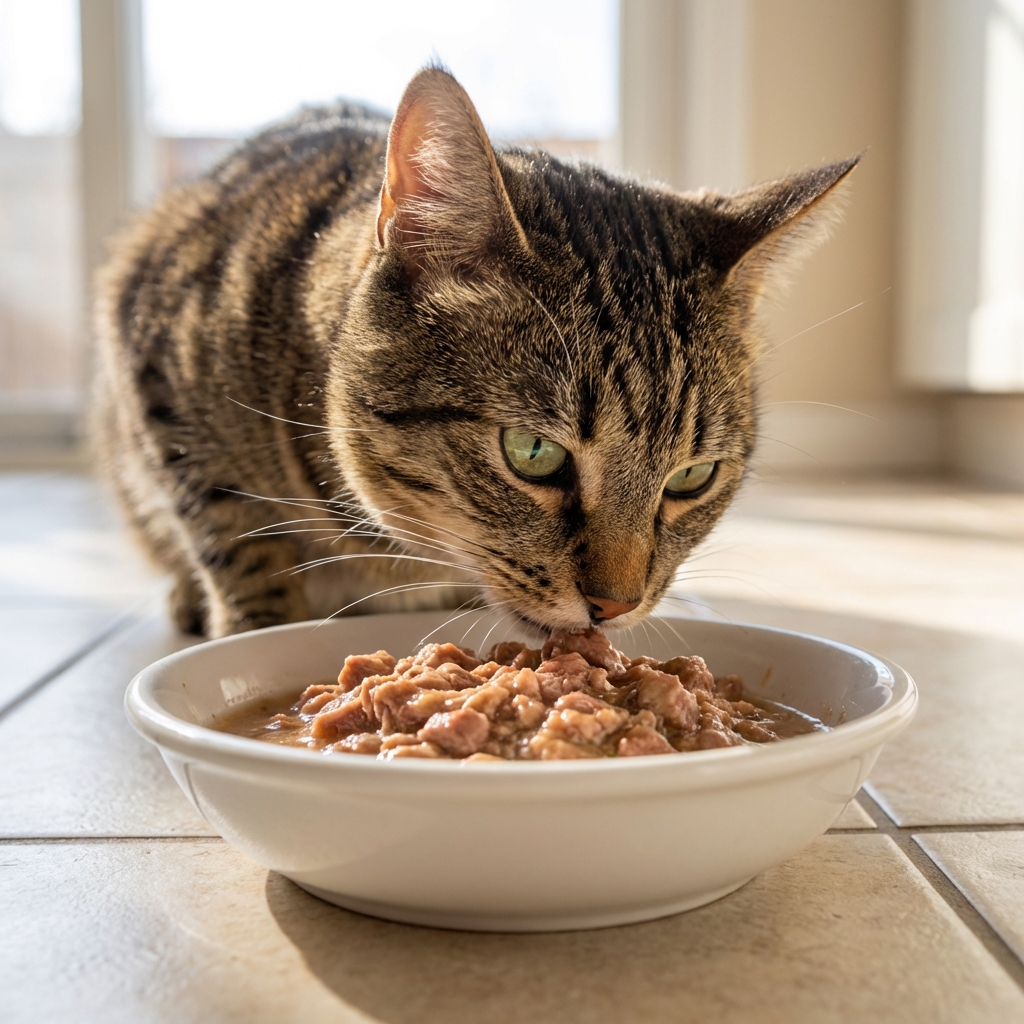
- Switching to more wet food (often a big win)
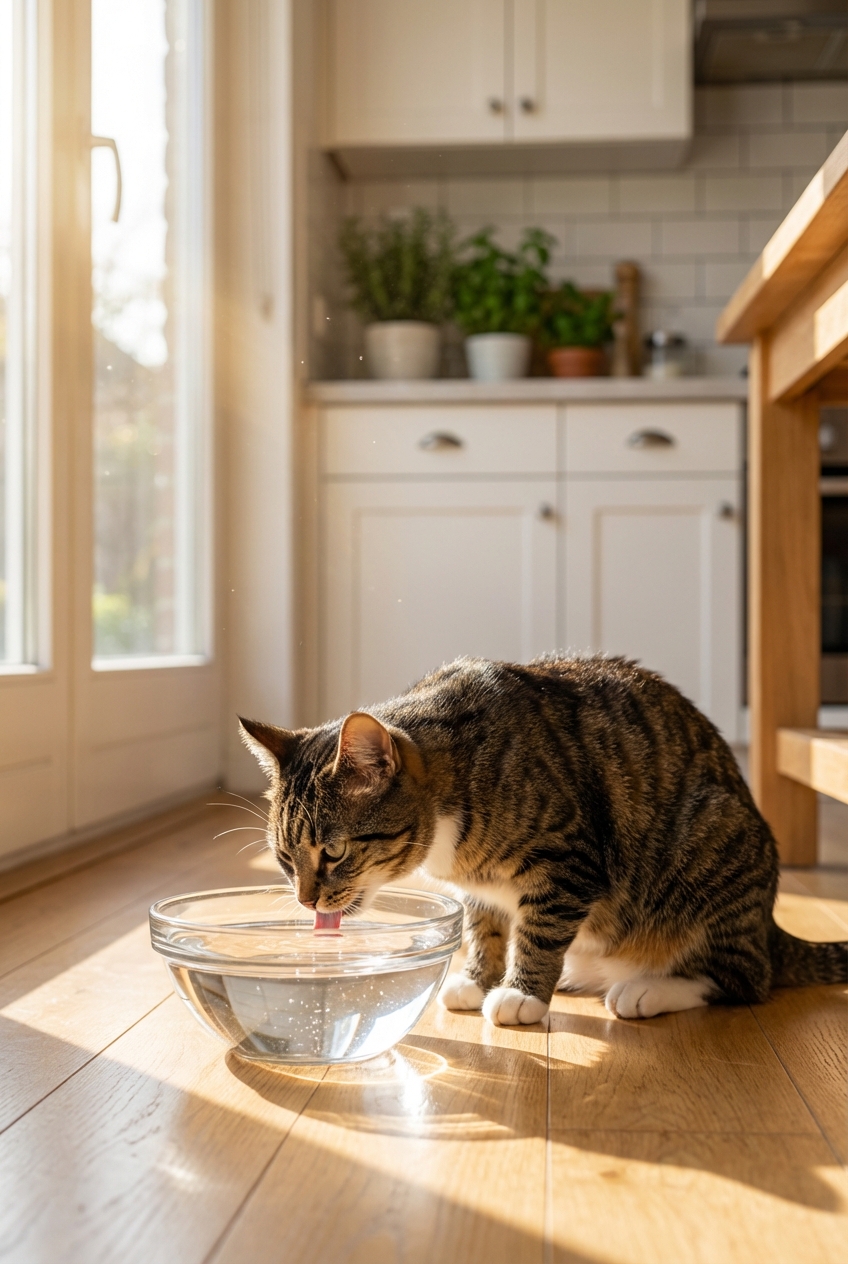
- Multiple water stations around the home
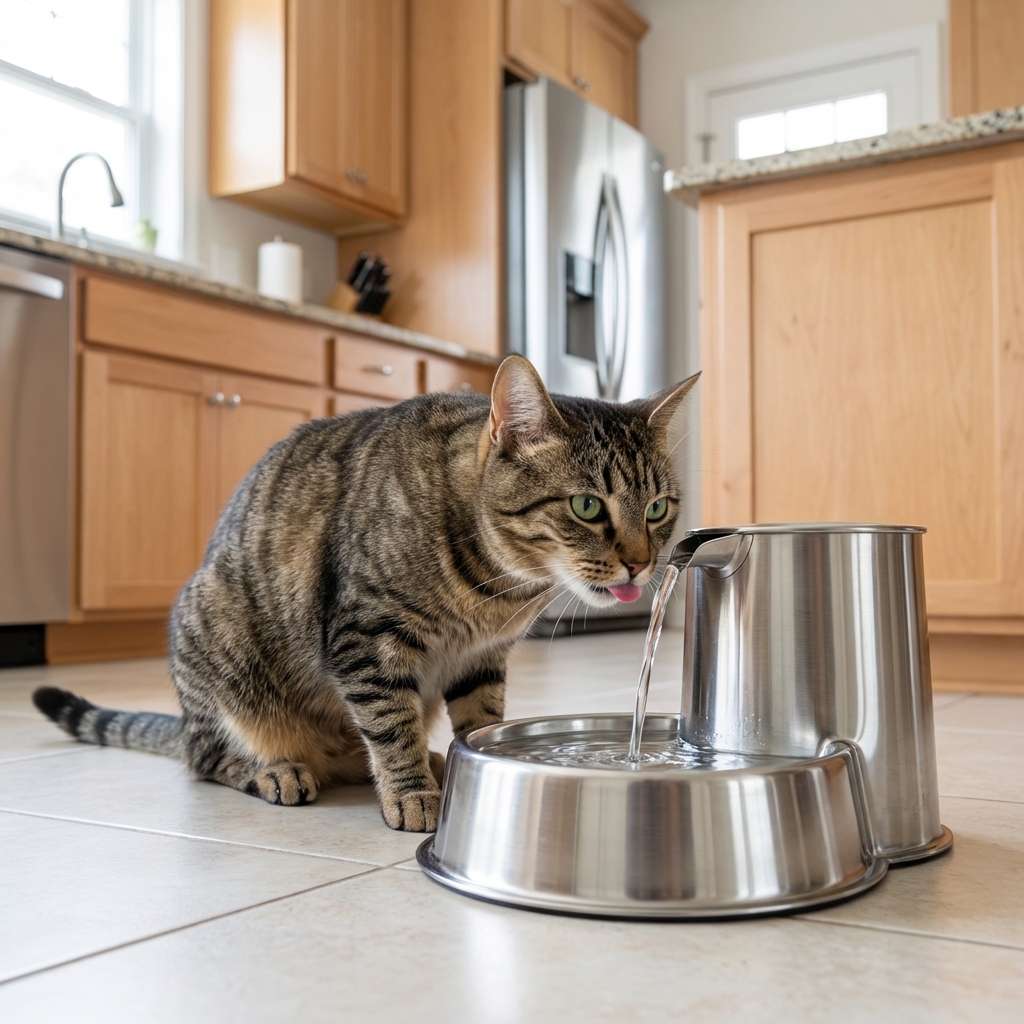
- A cat water fountain to encourage drinking
- Flavoring water with a little tuna water (no onions or garlic), or adding extra water to meals
- Subcutaneous fluids at home for some cats, if your veterinarian prescribes and trains you
Important note: don’t start subcutaneous fluids without veterinary guidance. The volume and frequency should match your cat’s stage, heart status, and lab values.
2) Nutrition
Nutrition is one of the most evidence-supported ways to support quality of life in CKD cats. Prescription renal diets are formulated to help with:
- Lower phosphorus to reduce CKD-related complications and support appetite
- Controlled, high-quality protein to reduce uremic toxin buildup while still supporting muscle
- Added omega-3 fatty acids and supportive nutrients
- Adjusted sodium depending on the cat’s needs
That said, the “best” food is the one your cat will reliably eat. If your cat refuses renal diets, talk with your veterinarian about a step-down plan, appetite support, or other balanced options. In practice, adequate calories and consistent eating are critical, especially for cats who are losing weight.
A quick tip that can prevent food aversion: transition slowly when you can. Mixing a small amount of the new diet into the old and increasing gradually over 7 to 14 days is easier on many cats. If your cat is nauseous, it’s often best to treat nausea first before pushing a big diet change.
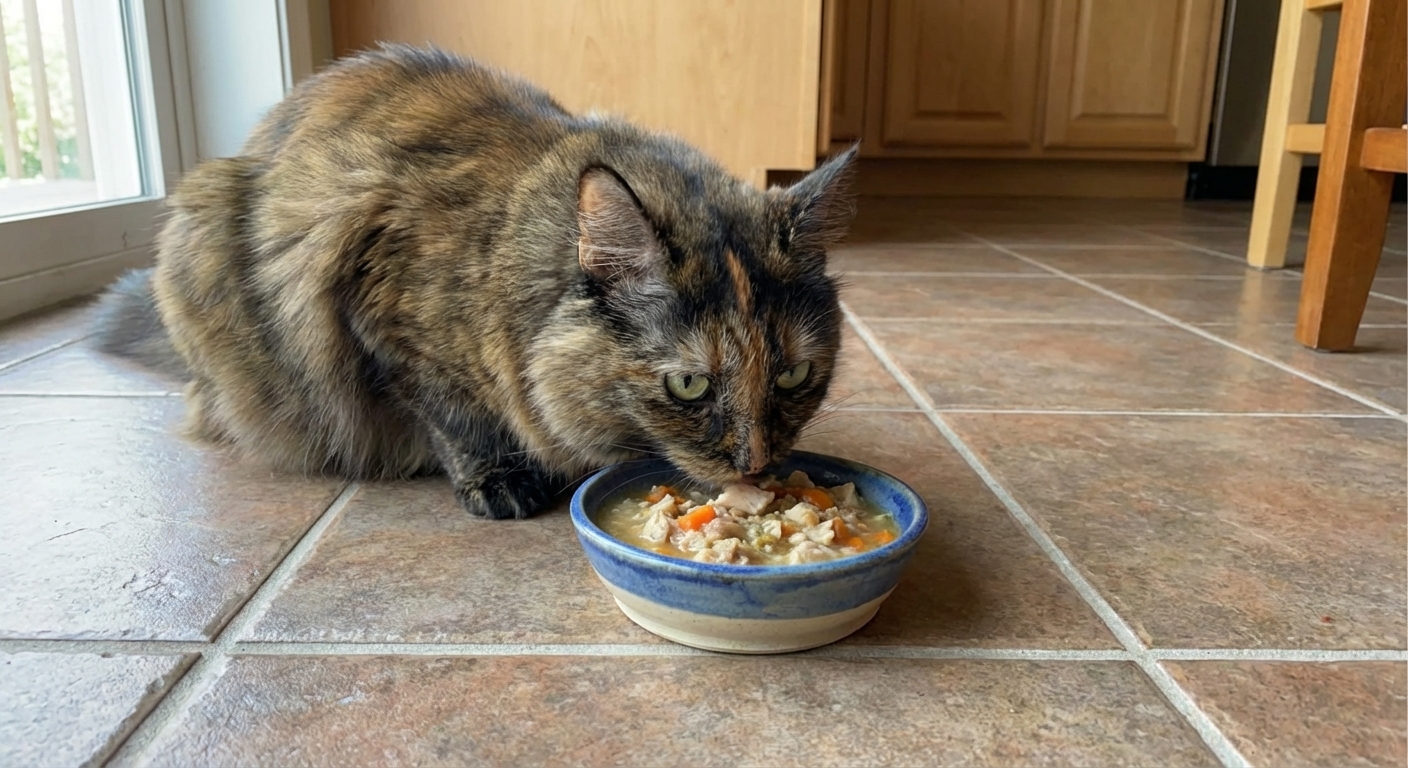
If you’re interested in homemade food, it must be properly formulated for CKD. It’s easy to accidentally create a diet that’s too high in phosphorus or unbalanced in minerals. Ask your vet for a referral to a board-certified veterinary nutritionist (DACVIM [Nutrition], DACVN, or ECVCN), or use a veterinary-formulated recipe system.
3) Phosphorus control
High phosphorus is common in CKD and is associated with worse uremic signs (like poor appetite and nausea) and faster progression. Many cats benefit from:
- Renal diets (first-line)
- Phosphate binders mixed into food if phosphorus remains high despite diet
Never add a binder without lab work and dosing instructions, since overcorrection can create other problems.
4) Nausea and appetite support
Nausea can be one of the sneakiest reasons CKD cats stop eating. Your veterinarian may prescribe:
- Anti-nausea medication (for example, maropitant or ondansetron)
- Appetite stimulants (such as mirtazapine, when appropriate)
- Antacids or GI protectants if ulcers or reflux are suspected
- B12 supplementation for some cats
At home, gentle feeding strategies help too: warm wet food slightly, offer small frequent meals, use wide shallow dishes, and reduce stress around the feeding area.
5) Blood pressure and urine protein
High blood pressure is common and treatable. Controlling it protects the kidneys and can prevent sudden blindness from retinal damage. Protein loss in urine can also accelerate kidney decline. Your vet may recommend medications such as amlodipine for blood pressure and additional therapies if proteinuria is present.
6) Other complications
As CKD progresses, some cats develop anemia, low potassium, acidosis, or recurrent urinary tract infections. This is where regular rechecks shine, because many of these issues are manageable with targeted treatment and can significantly improve how your cat feels.
7) Constipation support
Constipation is common in CKD, especially if a cat is a little dehydrated or not eating well. Helpful steps may include:
- Boosting hydration (wet food, added water in meals)
- Keeping litter boxes easy to access and very clean
- Asking your vet about safe stool softeners or laxatives (like polyethylene glycol or lactulose), and whether fiber is appropriate for your cat
Don’t use human enemas or laxatives unless your veterinarian tells you to, since some products are dangerous for cats.
What to feed and what to avoid
Every cat is different, so your veterinarian’s plan should lead. In general, these guidelines help many CKD cats:
Helpful habits
- Prioritize wet food and hydration strategies.
- Keep food highly palatable and consistent enough to prevent food strikes.
- Ask your vet about omega-3s and whether they fit your cat’s case.
- Track weight weekly and report loss early.
Use caution with
- High-phosphorus foods like many fish-based meals and organ-heavy treats
- High-sodium human foods (deli meats, chips, salty broths)
- Over-the-counter supplements that may contain hidden minerals
- NSAID pain meds unless specifically prescribed for your cat
And a quick safety reminder from the vet assistant side of my heart: lilies are extremely toxic to cats and can cause acute kidney failure. If you have cats, it’s safest not to have lilies in the home at all.
Monitoring at home
You don’t need fancy equipment to support your CKD cat. Consistency and observation are powerful.
- Weekly weights using a baby scale or a human scale method
- Daily appetite notes, including “eating less but still begging,” which can signal nausea
- Litter box trends like size and frequency of clumps
- Energy and grooming changes
- Medication and fluid log if your cat is on a treatment plan
If something feels “off” for more than a day or two, trust your gut and call your veterinary team. CKD cats do best when small issues are handled early.
When to seek urgent care
Please contact your veterinarian or an emergency clinic right away if you notice:
- Not eating for 24 hours, or eating almost nothing for 48 hours
- Repeated vomiting or inability to keep water down
- Severe lethargy, collapse, or weakness
- Open-mouth breathing or respiratory distress
- Sudden blindness, dilated pupils, or bumping into objects
- Very little urine or straining in the litter box
- Suspected toxin exposure (especially lilies)
Living well with CKD
A kidney disease diagnosis can feel scary, but I want you to hear this clearly: many CKD cats still enjoy a wonderful quality of life. The cats who do best usually have three things in place:
- Regular monitoring and a clear plan with the vet
- Nutrition and hydration support that the cat will actually accept
- Comfort care for nausea, appetite dips, constipation, and stress
You don’t have to do everything perfectly to help your cat. Start with one step today, then build. Small changes like more wet food, extra water stations, or addressing nausea can be surprisingly life-changing.