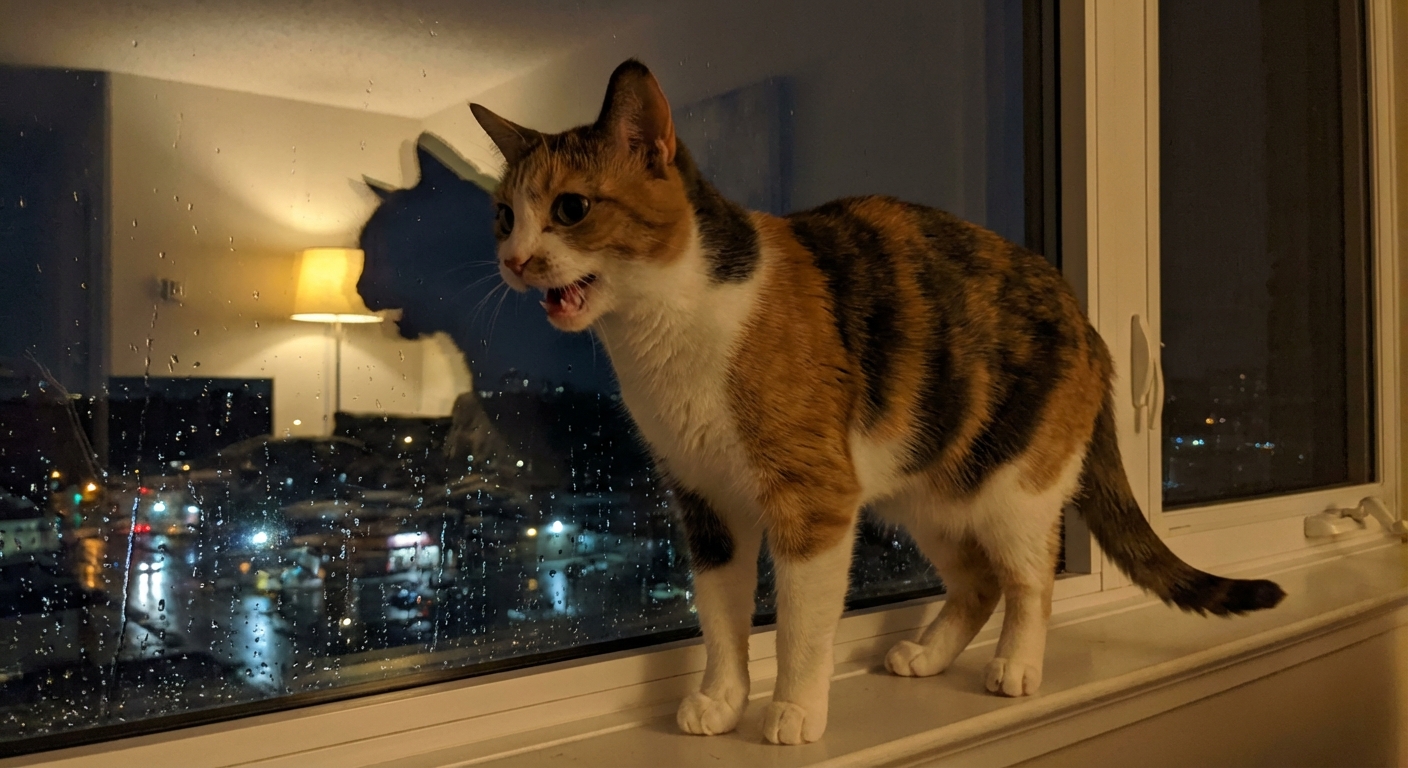
Wondering how long your cat will be in heat? Most heats last 4–7 days (sometimes 10–14) and can repeat every 2–3 weeks. Learn signs, comfort tips, and ...
Article
•
Designer Mixes
Cats in Heat: How Long It Lasts

Shari Shidate
Designer Mixes contributor
As a veterinary assistant here in Frisco, Texas, I hear the same worried question every spring and summer: “My cat is acting so strange. Is she in heat, and how long is this going to last?”
You are not alone. A cat in heat can be loud, restless, and surprisingly persistent. The good news is that once you understand the timeline and what is normal, you can keep her safe, protect your home from accidental pregnancy, and know when it is time to call your veterinarian.
What “in heat” means
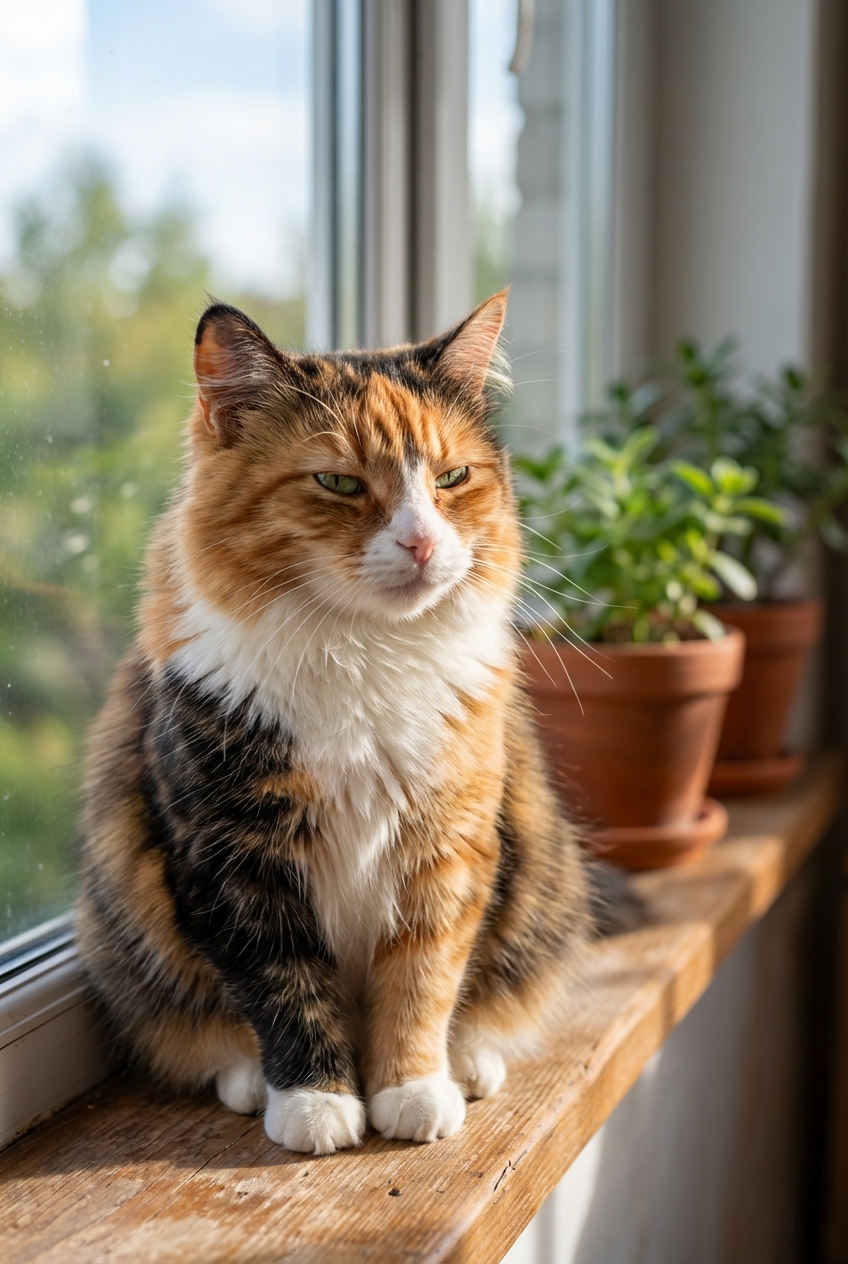
When a female cat is “in heat,” she is in estrus, the fertile phase of her reproductive cycle. During this time, she is hormonally driven to seek a mate. Cats are different from dogs in one key way: most female cats are seasonally polyestrous, meaning they can go into heat repeatedly during the breeding season, especially when days are longer (often spring through early fall for many indoor-outdoor cats).
One detail we see a lot in North Texas: indoor cats exposed to longer daylight or artificial light can cycle at almost any time of year, which surprises many apartment and indoor-only families.
Another important detail: cats are typically induced ovulators. In plain language, many cats ovulate only after mating. If they do not mate, they may cycle into heat again and again.
Cats in heat: how long it lasts
Typical length
For most cats, a heat (estrus) lasts about 3 to 7 days. It can be shorter in some cats, and it can occasionally stretch longer (up to around 2 to 3 weeks) depending on the individual cat and whether she mates.
- Most common: 3 to 7 days
- Sometimes: up to 10 to 14 days
- Occasionally: up to about 2 to 3 weeks
If she mates and ovulates, heat behaviors often fade within 24 to 48 hours, although some cats may continue calling briefly.
How often it happens
If a cat does not mate, she may return to heat again in as little as 2 to 3 weeks. Some cats seem like they are “always in heat” during peak season because the breaks can be short.
Quick timeline
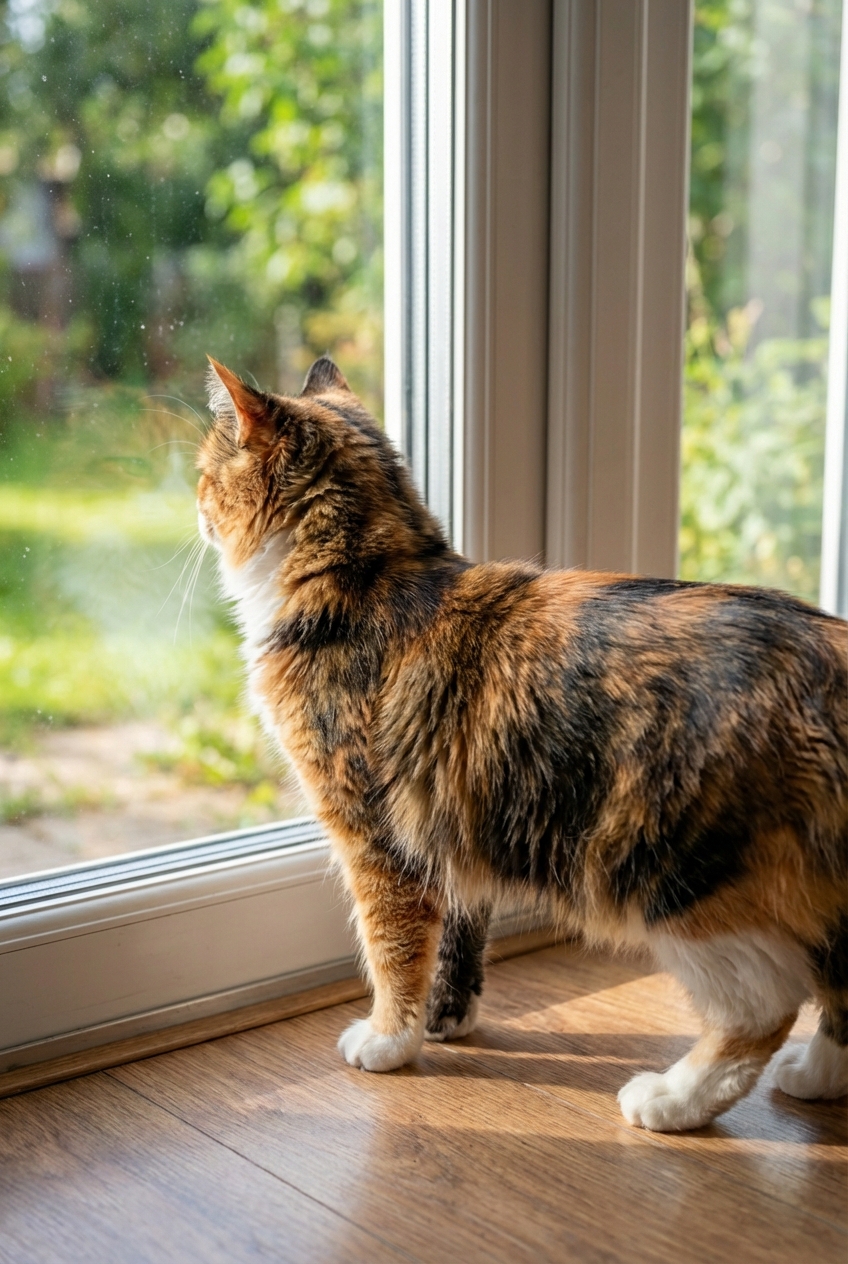
Here is a simplified timeline so you know what you are seeing.
Proestrus (about 1 to 2 days)
- Increased affection, rubbing, mild restlessness
- May attract male cats, but usually not receptive yet
Estrus, or “in heat” (often 3 to 7 days)
- Very vocal (loud yowling is common)
- Rolling, rubbing, pacing
- Holding tail to the side, rear raised (lordosis posture)
- Trying to escape outdoors
- Increased affection, sometimes agitation
Interestrus (about 2 to 3 weeks if she does not mate)
- Heat signs fade and behavior returns closer to normal
- Cycle may repeat quickly during breeding season
Anestrus (variable)
- “Quiet” phase when cycling slows or stops, often associated with shorter daylight hours
When cats start going into heat
Many kittens reach puberty and have their first heat around 4 to 6 months of age, though some can start earlier (especially if they are growing fast, in warm climates, or exposed to long daylight). If you have a young female kitten and you are hearing sudden yowling plus “tail to the side” behavior, heat is a common explanation.
Common signs
Some people expect to see bleeding like a dog in heat, but most cats do not bleed during estrus. Instead, the signs are behavioral. Heat is not an illness, but it can look and sound like distress, which is why it worries so many families.
- Persistent vocalizing that sounds urgent or distressed
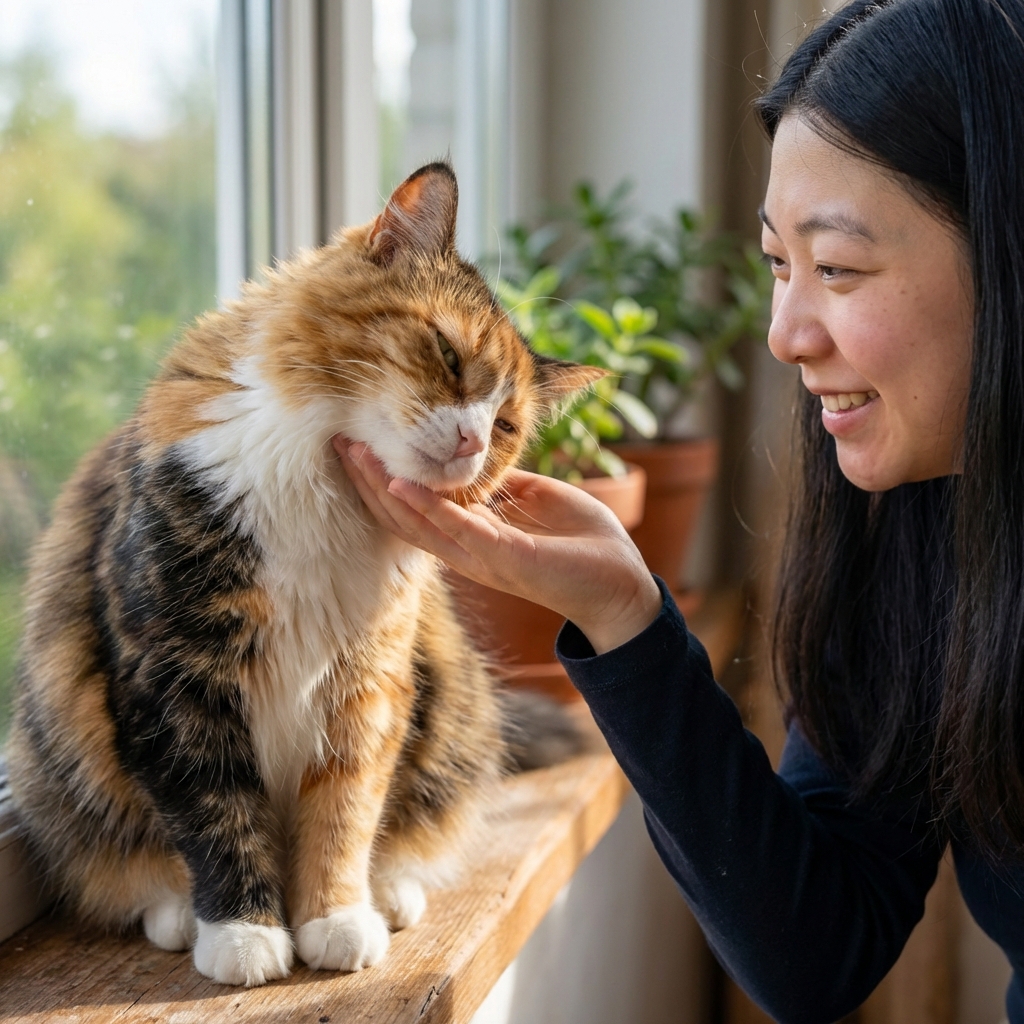
- Extra affection, rubbing on people and furniture
- Rolling on the floor, especially when petted
- Tail held to the side when touched along the back
- Restlessness, pacing, decreased interest in food in some cats
- Escape behaviors, darting for doors and windows
- Spraying or marking in some cats (yes, females can spray)
How to help at home
Heat is not an illness, but it can be stressful for cats and their families. These steps can help your cat feel calmer while reducing the chance of an accidental pregnancy.
1) Prevent escape first
- Keep her strictly indoors.
- Check window screens, patio doors, and garage entry points.
- Ask family members to be extra careful during entries and exits.
2) Add comfort and distraction
- Play sessions (wand toys, puzzle feeders) to burn off restlessness.
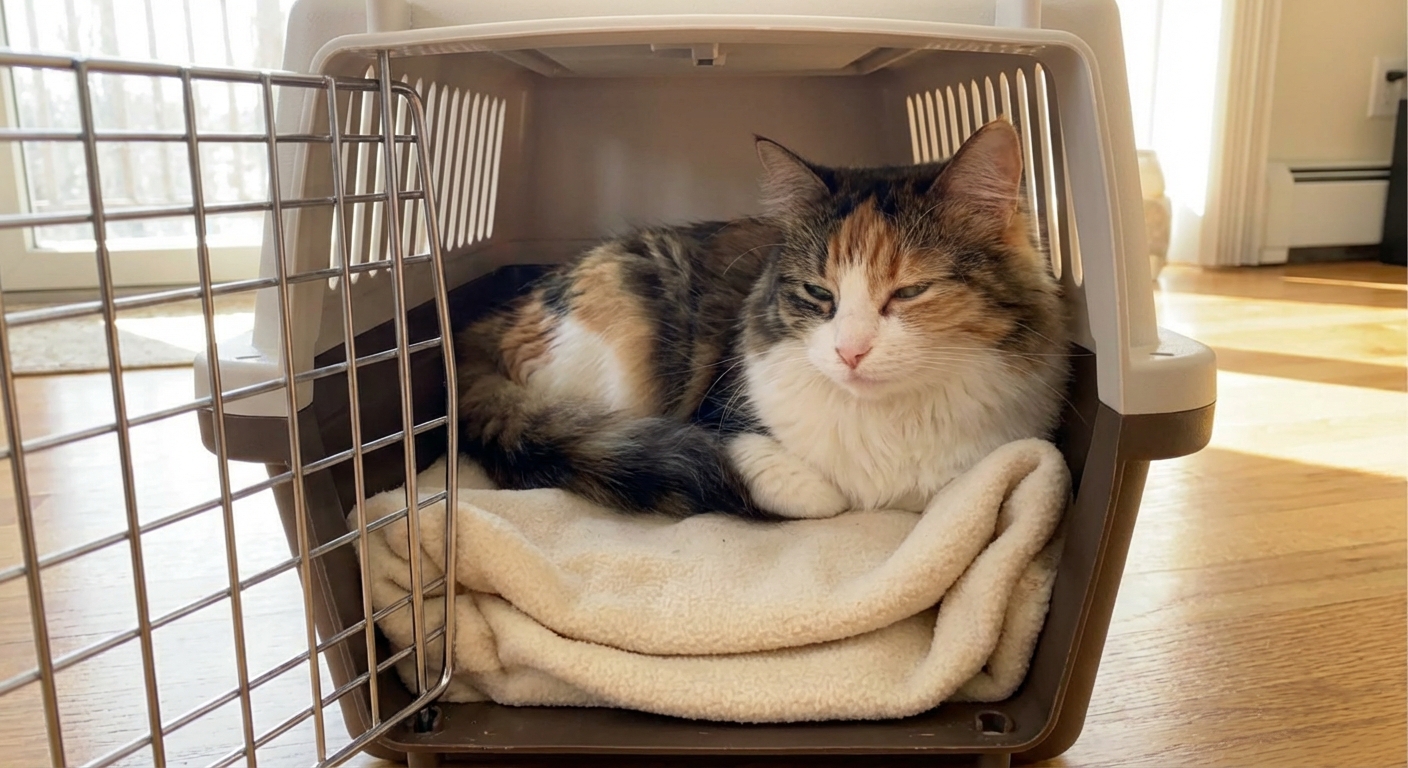
- Warmth can be soothing. A warm blanket or a covered cat bed often helps.
- Consistent routine for feeding and quiet time.
3) Reduce triggers
- Close blinds if neighborhood cats are visible outside.
- Clean any urine marking with an enzymatic cleaner designed for pet urine.
4) Consider calming support
Some cats respond to feline pheromone diffusers or sprays. These are not a cure for heat, but they may take the edge off for certain cats. If your cat is extremely distressed, talk with your veterinarian about safe options.
5) Avoid unsafe medications
Do not give human medications or over-the-counter sedatives unless your veterinarian specifically instructs you to. Many common products are dangerous for cats, and the risk is not worth it.
Tip from the clinic: if your cat seems frantic or is trying to bolt outside, treat it like a serious safety issue. One door dash can lead to a pregnancy fast.
If she mates: pregnancy basics
Cats can become pregnant very quickly during heat. A female may mate multiple times, and it is also possible for kittens in the same litter to have different fathers.
If mating results in pregnancy, a cat’s gestation is typically about 63 to 65 days (roughly 9 weeks), though normal can range from about 58 to 72 days.
If you suspect your cat may have mated, call your veterinarian promptly. Early confirmation and guidance matters, especially if you are considering spay options (including a spay during early pregnancy) or need prenatal care planning.
When to call the vet
Many heat behaviors are normal, but these situations deserve a call.
- Heat signs lasting longer than 2 to 3 weeks without a break
- Vaginal discharge or bleeding (not typical for heat)
- Lethargy, fever, vomiting, or loss of appetite
- Swollen belly or signs of pain
- Behavior changes that seem extreme or unsafe, such as nonstop vocalizing plus refusing food and water
One condition we take seriously in unspayed females is pyometra, a uterine infection that can be life-threatening. It does not look like a normal heat. If your cat seems sick, do not wait it out.
Long-term solution: spaying
If you are not planning to responsibly breed your cat, spaying is the most reliable way to prevent heat cycles and accidental litters. It also reduces the risk of serious health issues later, including uterine infections, and it significantly lowers the risk of mammary cancer when done early.
When to spay
Many veterinarians recommend spaying around 5 to 6 months of age, but timing can vary. Some clinics also offer pediatric spay for healthy kittens (often 8 to 16 weeks). Your vet can help you choose what is best for your cat’s health and lifestyle.
If your cat is currently in heat, spaying is sometimes still possible. Some clinics prefer to wait until heat ends because the tissues can be more vascular, but it depends on the situation and the veterinarian’s judgment.
FAQ
Do cats go into heat after being spayed?
A fully spayed cat should not go into heat. If a spayed cat shows heat-like behavior, a veterinary exam is important. Rarely, ovarian tissue can remain and continue producing hormones.
Can my cat be in heat and still eat normally?
Yes. Some cats eat less due to restlessness, while others eat normally. Any major appetite drop or signs of illness should be checked out.
Do cats have a “period”?
No, not in the way humans do. Most cats do not visibly bleed during heat.
How do I know the heat is over?
Most owners notice a clear shift: vocalizing decreases, the tail-side posture stops, and the cat becomes less restless and less focused on escaping.
Bottom line
A typical cat heat lasts 3 to 7 days, but it can run shorter or occasionally stretch longer, and it can repeat every few weeks during breeding season if she does not mate. Your job during this time is to keep her indoors, offer comfort, and watch for anything that looks like illness.
If you want the most dependable way to stop the cycle, talk with your veterinarian about spaying. It is one of the kindest, most practical health decisions you can make for most companion cats.