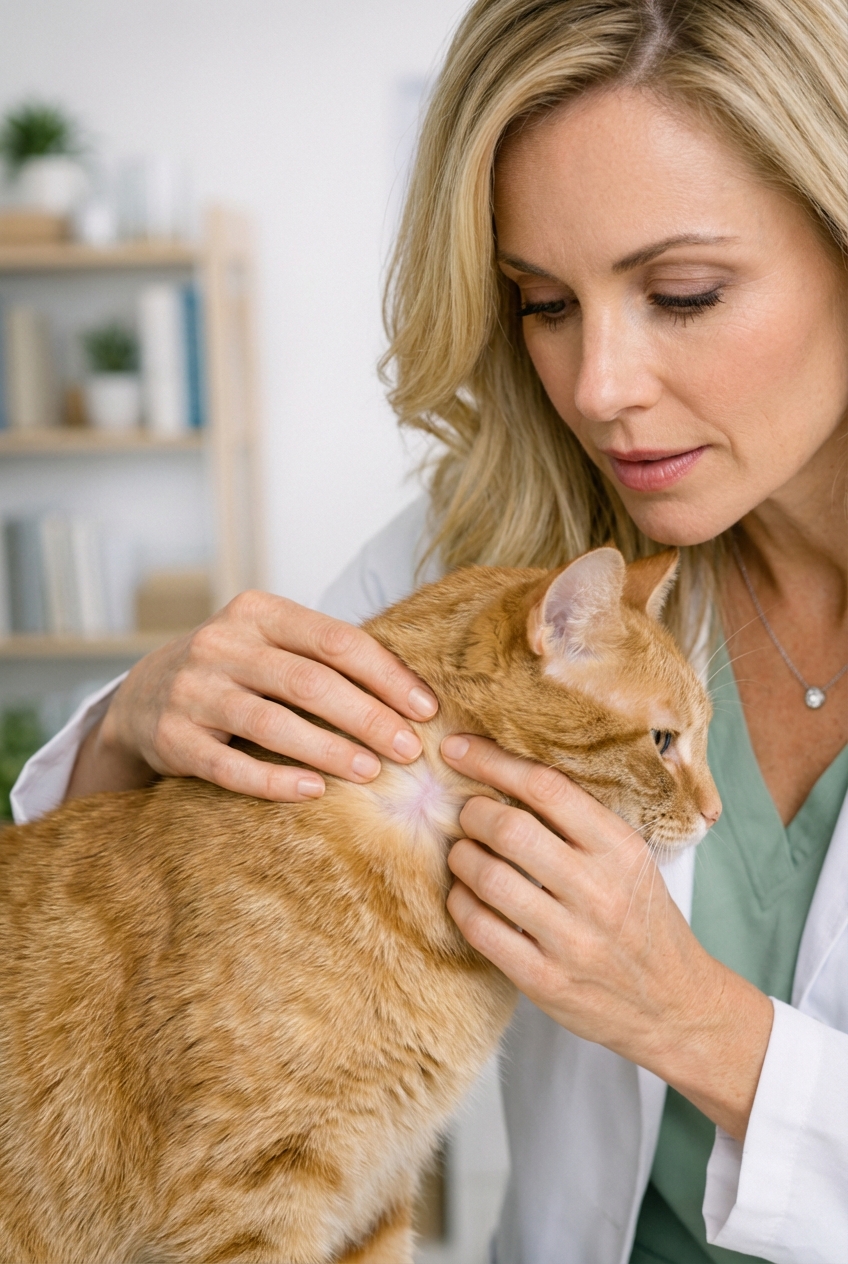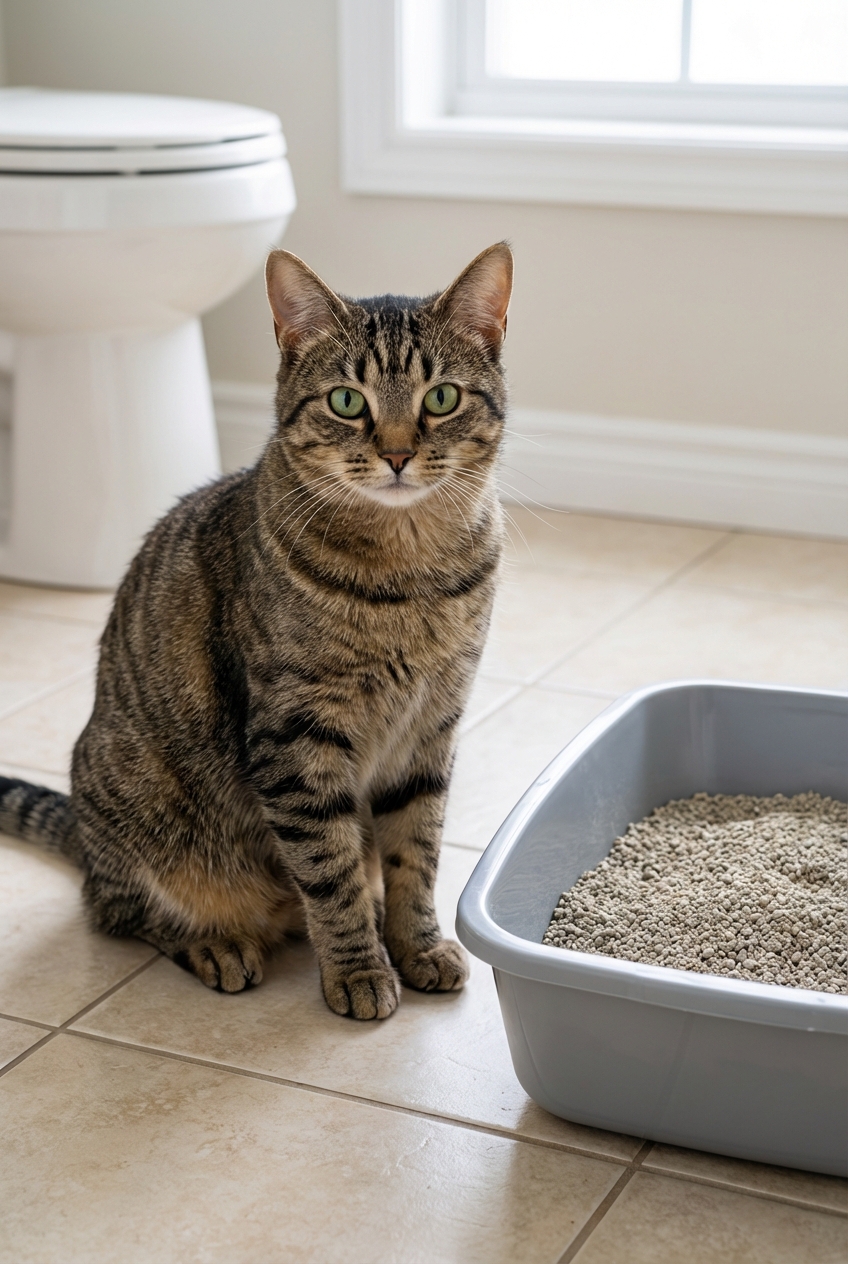
See rice-like segments in the litter box? Learn what cat tapeworms are, how fleas and hunting spread them, the best meds (praziquantel), aftercare, and preve...
Article
•
Designer Mixes
Cats and Worms

Shari Shidate
Designer Mixes contributor
As a veterinary assistant here in Frisco, Texas, I can tell you this with a lot of confidence: worms are common in cats, treatable in most cases, and very preventable once you know how they spread.
The tricky part is that some cats with intestinal parasites look completely normal at first. Others show vague signs like a softer stool or a little weight loss that can be easy to brush off. This article will help you recognize the most common worms, understand what they mean for your cat and your family, and take clear next steps.
What “worms” in cats usually means
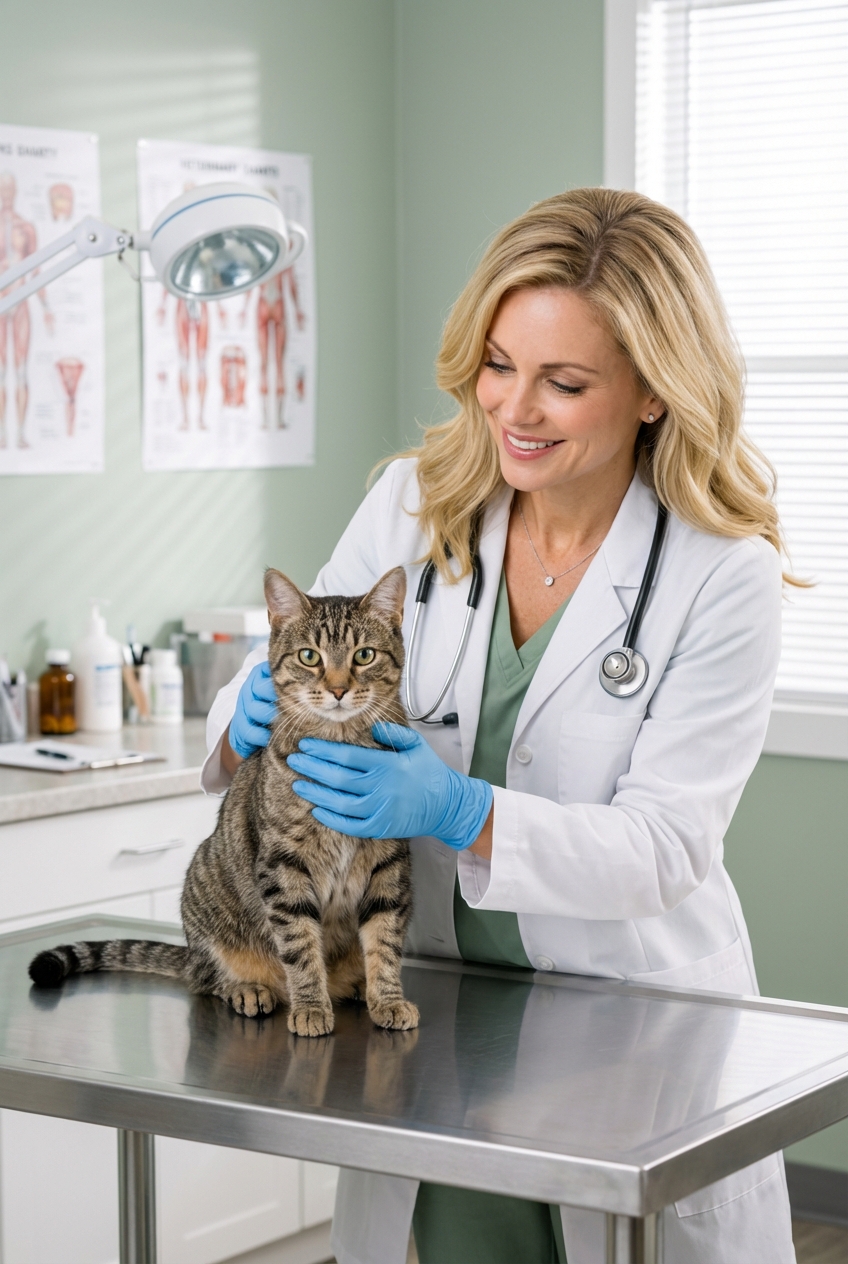
When people say “my cat has worms,” they are usually talking about intestinal parasites. The most common are:
- Roundworms (very common, especially in kittens)
- Hookworms (can cause anemia, more serious in small or young cats)
- Tapeworms (often linked to fleas)
- Whipworms (very rare in cats, but occasionally reported)
There are also protozoal parasites that are not technically worms, but cause similar stomach and stool issues, like Giardia and Coccidia. Treatment and prevention can differ, so a correct diagnosis matters.
Quick note: Heartworm is a different parasite and not an intestinal “worm.” This article focuses on the parasites that typically affect the GI tract.
How cats get worms
Parasites are annoyingly good at finding a way into a cat’s life. These are the most common routes:
From the mother (kittens)
Kittens often pick up roundworms through nursing (transmission through the milk). This is one reason vets deworm kittens on a schedule even if they look healthy.
From hunting and scavenging
Mice, birds, lizards, and insects can carry parasite stages. Outdoor cats and enthusiastic indoor “hunters” that catch bugs can be at higher risk.
From fleas
Tapeworm infections often happen when a cat swallows a flea while grooming. If you see tapeworm segments, think flea control immediately, even if you do not notice fleas.
From contaminated soil or litter
Roundworm eggs can survive in the environment. Cats can ingest microscopic eggs from paws, fur, or contaminated surfaces.
From other pets
Dogs and cats can share environments where parasite eggs and larvae are present. This is especially relevant in multi-pet households and shared yards.
Common signs of worms in cats
Some cats show no symptoms at all, especially early on. When signs do show up, they often include:
- Soft stool or diarrhea, sometimes with mucus
- Vomiting (occasionally with visible worms in roundworm cases)
- Pot-bellied appearance in kittens
- Weight loss or poor weight gain
- Dull coat or reduced energy
- Increased appetite or changes in appetite (including pickiness)
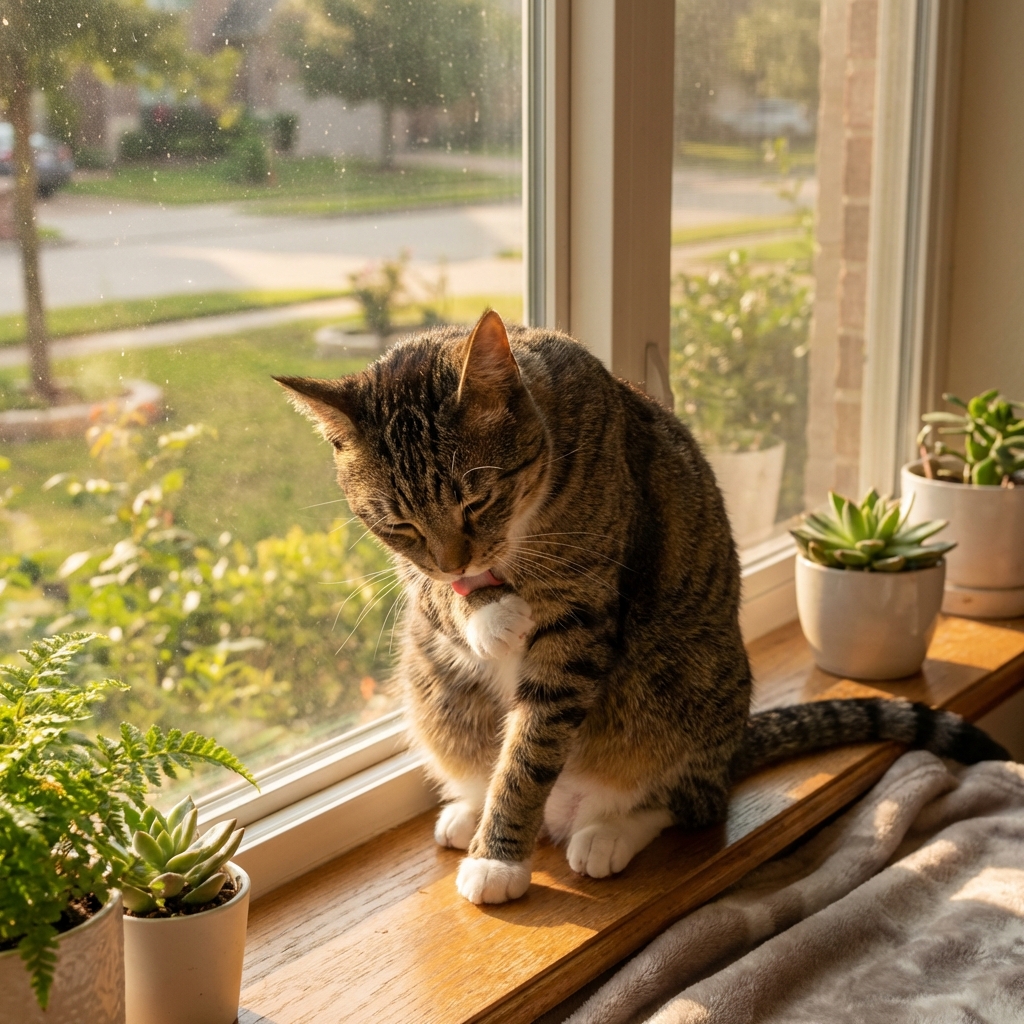
- Scooting or excessive licking around the rear (more common with tapeworm irritation)
- Small “rice-like” segments near the anus or in bedding (classic for tapeworms)
Red flag: pale gums, weakness, or rapid breathing can point to anemia, which can happen with hookworms. That needs prompt veterinary care.
What different worms look like
Roundworms
Often look like cooked spaghetti. They may be seen in vomit or stool.
Tapeworms
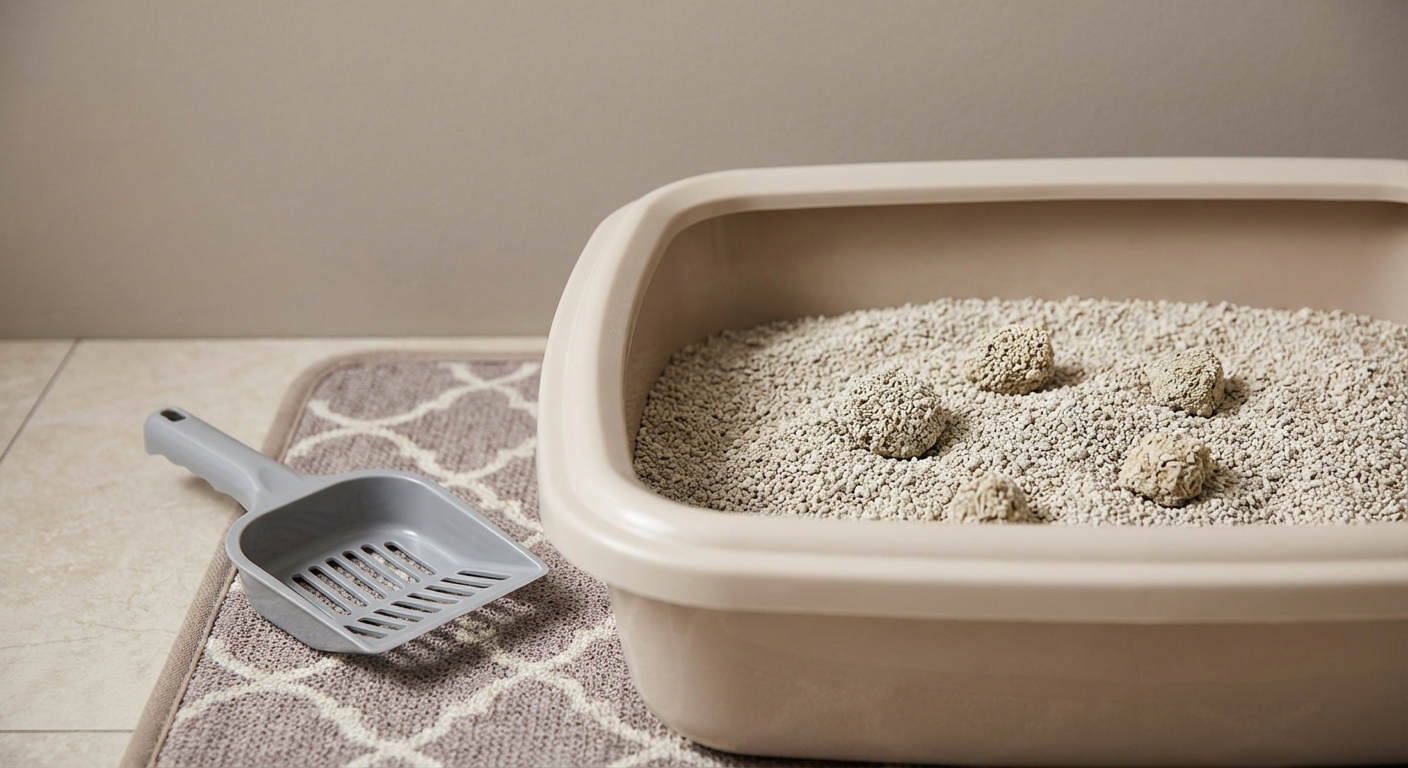
Usually show up as dried, rice-like segments near the tail, on bedding, or in litter. You might not see an entire long worm.
Hookworms
Usually not visible to the naked eye. They attach to the intestinal lining, so signs may include darker stools, diarrhea, and anemia.
Even if you do not see anything, your cat can still have parasites. That is why fecal testing is so important.
How vets diagnose worms
The go-to test for most intestinal parasites is a fecal test. Your veterinary team may use:
- Fecal flotation to look for eggs under a microscope
- Fecal antigen tests for certain parasites that are easier to miss
- Direct smear when diarrhea is fresh and organisms may be present
Diagnosis matters because dewormers are not one-size-fits-all. A product that treats roundworms may not touch tapeworms, and protozoa require different medication altogether.
One helpful heads-up: a single fecal sample can miss intermittent shedders (like Giardia) and tapeworm infections do not always show up reliably on routine fecal testing. Your vet may recommend repeat samples or additional testing depending on symptoms and risk.
Treatment: what to expect
Treatment is usually straightforward and often includes a few key pieces:
1) The right dewormer
Common medications include:
- Pyrantel for roundworms and hookworms (very commonly used, especially in kittens)
- Praziquantel for tapeworms (often given as a pill or injection)
- Fenbendazole for certain intestinal worms and sometimes Giardia protocols
- Other targeted medications depending on fecal test results
Many cats need a repeat dose in 2 to 3 weeks, especially for roundworms and hookworms, because dewormers typically target certain life stages. Your veterinarian will guide you on the correct schedule for your cat and the parasite involved.
2) Flea control
If tapeworms are present and fleas are not addressed, reinfection is common. Effective flea prevention is not just comfort care. It is part of parasite control.
3) Cleanup at home
- Scoop litter daily
- Wash bedding in hot water, and vacuum floors and furniture
- Promptly pick up feces in yards
- Keep kids’ sandboxes covered if cats have access to the yard
- Keep litter boxes out of reach for toddlers, and wash hands after litter box duty
Important: do not give over-the-counter or dog-only dewormers without guidance. Some products are ineffective for certain parasites, and others can be unsafe if used incorrectly.
Can humans catch worms from cats?
Some parasites are zoonotic, meaning they can spread from animals to people. The risk is generally low in well-cared-for households, but it is real enough to take hygiene and prevention seriously.
Roundworms
People, especially children, can accidentally ingest microscopic eggs from contaminated soil or surfaces. That is why handwashing after litter box duty and outdoor play is so important.
Hookworms
Hookworm larvae can penetrate skin in some circumstances, typically through contact with contaminated soil.
Tapeworms
Most human cases relate to ingesting infected fleas, which is uncommon, but flea control still matters.
What about toxoplasmosis?
Toxoplasmosis is a common concern, especially for pregnant people and immunocompromised family members. It is caused by a protozoal parasite, not a worm, but the prevention overlaps with good litter box hygiene: scoop daily, wash hands, and avoid handling litter if you are in a high-risk group.
If someone in the home is immunocompromised, pregnant, or very young, talk with your veterinarian and your healthcare provider about the safest household plan.
Prevention that works
Prevention is where you get the biggest payoff, and it does not have to be complicated.
Monthly prevention
Many monthly preventives help control common intestinal worms. Your vet can match the product to your cat’s lifestyle and local risks.
Flea prevention
This is key for preventing tapeworms and reduces itching and skin infections too.
Fecal checks
A common routine is at least yearly for healthy adult cats. For kittens, outdoor cats, or higher-risk cats, your vet may recommend testing 1 to 2 times per year or whenever digestive signs pop up.
Litter box hygiene
- Scoop at least once daily
- Wash hands after cleaning
- Keep litter boxes away from food prep areas
Reduce hunting
For outdoor cats, consider supervised outdoor time or enrichment indoors to reduce predation and scavenging.
When to call the vet
Please contact your veterinarian promptly if your cat has any of the following:
- Repeated vomiting or inability to keep food down
- Diarrhea lasting more than 24 to 48 hours, or any diarrhea in a young kitten
- Blood in stool
- Pale gums, weakness, or collapse
- Rapid weight loss
- A very swollen belly in a kitten
If you can, bring a fresh stool sample (your clinic can tell you the best way to collect and store it). It saves time and often speeds up treatment.
Quick FAQs
Do indoor-only cats get worms?
Yes, they can. Indoor cats can be exposed through fleas, new pets, contaminated shoes tracking in soil, or eating insects.
Can I just deworm without testing?
Sometimes vets will deworm based on risk or classic signs, especially in kittens. But testing is still valuable because different parasites need different medications, and chronic diarrhea is not always caused by worms.
Is seeing “rice” near the tail always worms?
It is highly suggestive of tapeworm segments, but confirm with your vet so the right medication is used and flea prevention is addressed.
If you take away one thing, let it be this: the best parasite plan is a three-part approach: confirm what you are dealing with, treat with the right medication, and prevent reinfection with consistent flea control and routine fecal checks.
If you are unsure what you are seeing in the litter box or on your cat’s fur, snap a clear photo and call your veterinarian. It is one of the fastest ways to get helpful guidance.