Cat throwing up after meals? Learn the difference between vomiting and regurgitation, common causes (fast eating, hairballs, diet issues, illness), home step...
Article
•
Designer Mixes
Cats and Vomiting: Pet-Friendly Guide

Shari Shidate
Designer Mixes contributor
As a veterinary assistant here in Frisco, Texas, I can tell you this with a lot of compassion: vomiting is one of the most common reasons cat parents worry, and it is also one of the most misunderstood. Some vomiting is occasional and manageable. Some is your cat’s way of waving a big red flag that they need care.
This guide will help you sort out what is normal, what is not, and what you can do at home to support your cat safely.
Quick note: This article is for education and triage, not a diagnosis. When you are unsure, it is always appropriate to call your veterinarian or an emergency clinic for guidance.
Vomiting vs. regurgitation
These can look similar on your floor, but they can mean very different things.
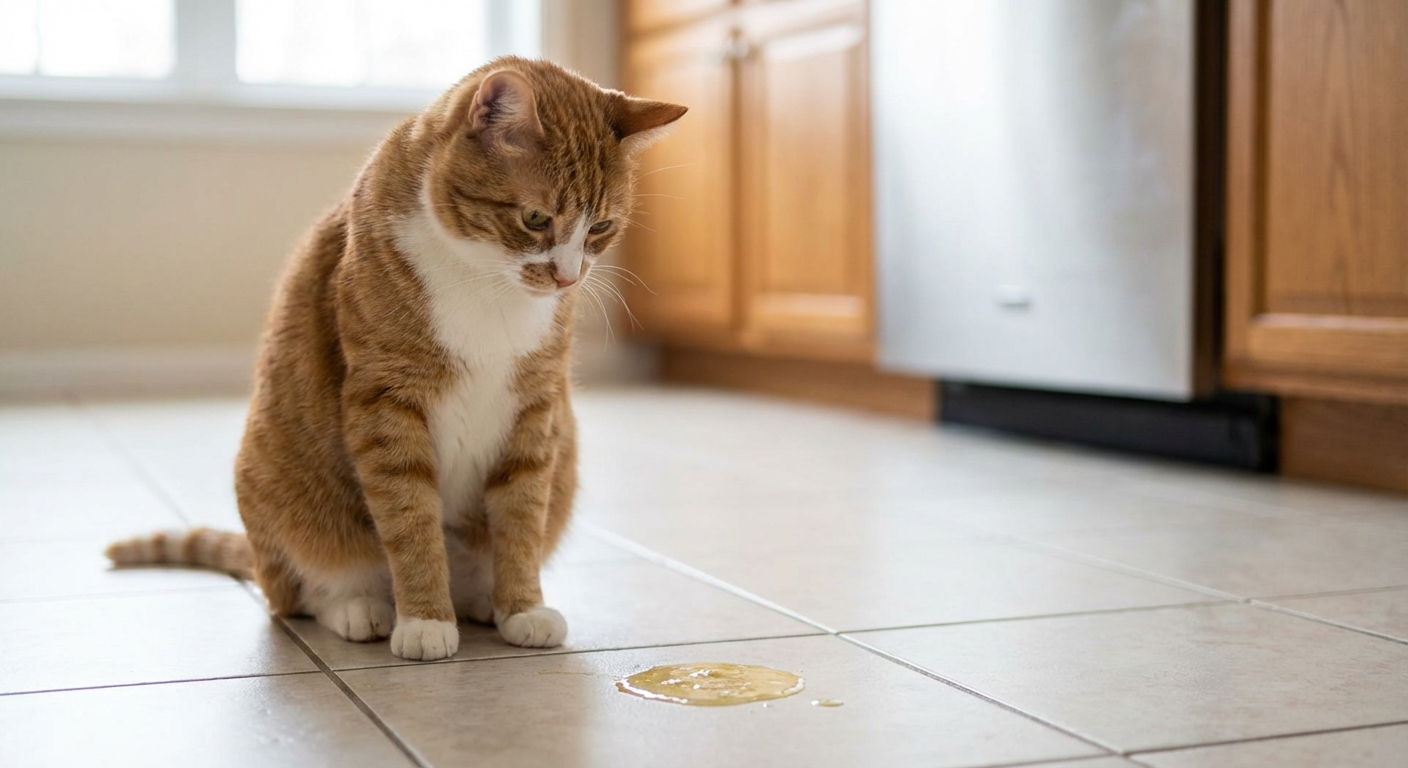
- Vomiting usually involves heaving and abdominal effort. You may see bile (yellow foam), partially digested food, or liquid. It can happen minutes to hours after eating.
- Regurgitation is more passive. Food comes back up soon after eating, often in a tube shape, and it looks less digested. Regurgitation can point toward esophageal issues and should prompt a veterinary call.
If you can safely observe, note whether your cat is retching or if food comes up with little effort. That detail helps your vet tremendously.
Common vs. concerning
More common, often mild causes
- Hairballs, especially in long-haired cats, heavy shedders, and cats that groom frequently.
- Eating too fast or overeating, sometimes after a long gap between meals.
- Diet changes introduced too quickly.
- Stress, new pets, moving, boarding, or even changes in litter box location.
- Minor stomach irritation from treats, table foods, or rich foods.
Concerning causes that need veterinary attention
- Foreign body (string, ribbon, hair ties, toys). Cats can swallow items quietly and get obstructed.
- Toxic exposure (lilies, certain cleaners, some essential oils, human medications).
- Parasites, especially in kittens or cats with outdoor exposure.
- Pancreatitis, inflammatory bowel disease, or other GI inflammation.
- Kidney disease, hyperthyroidism, or liver disease, particularly in older cats.
- Food intolerance or food allergy.
If vomiting is frequent, your cat is acting off, or you see blood, it is not something to wait out. Cats can go downhill quickly, especially if dehydration or obstruction is involved.
Red flags: call today
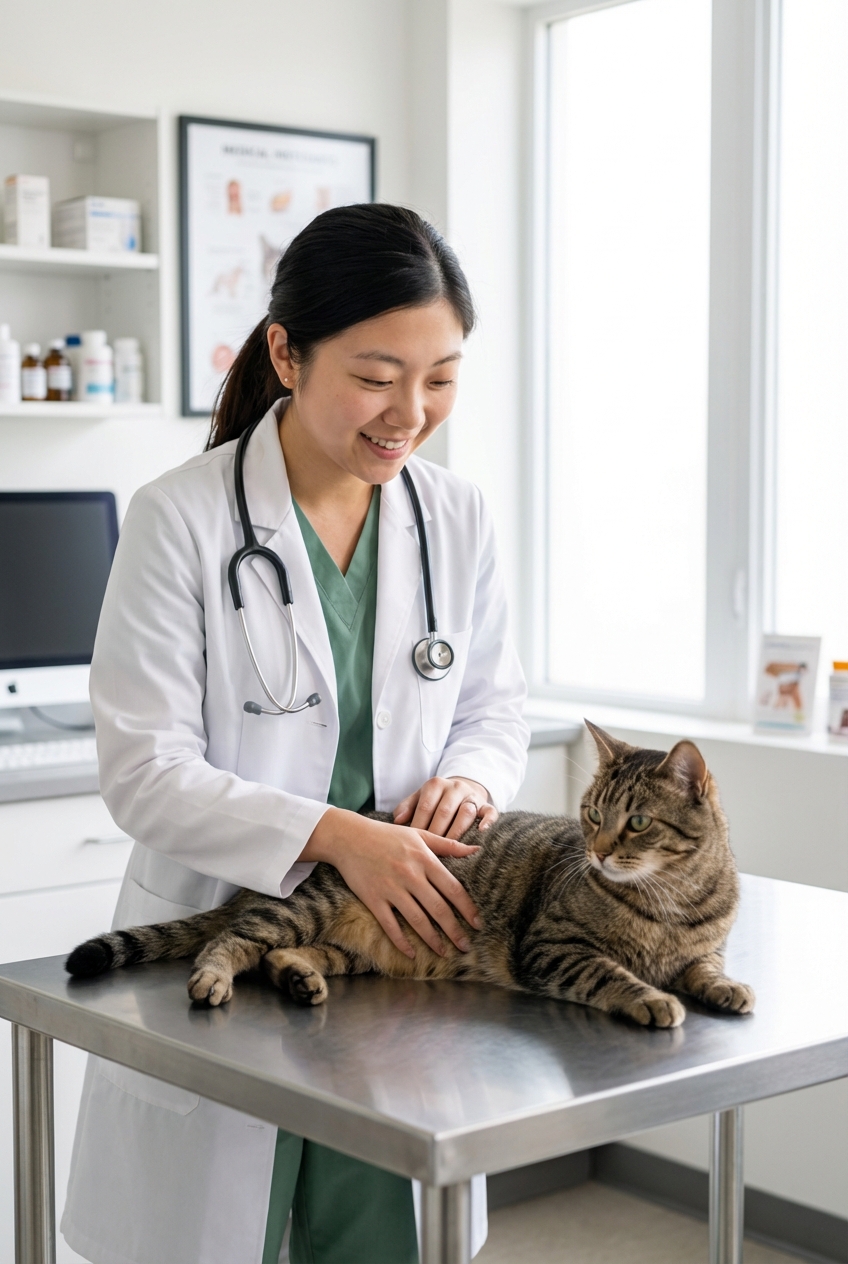
Please seek veterinary guidance promptly if you notice any of the following:
- Multiple vomiting episodes in 24 hours, or vomiting that keeps returning after you try small, gentle meals.
- Vomiting plus lethargy, hiding, weakness, wobbliness, or collapse.
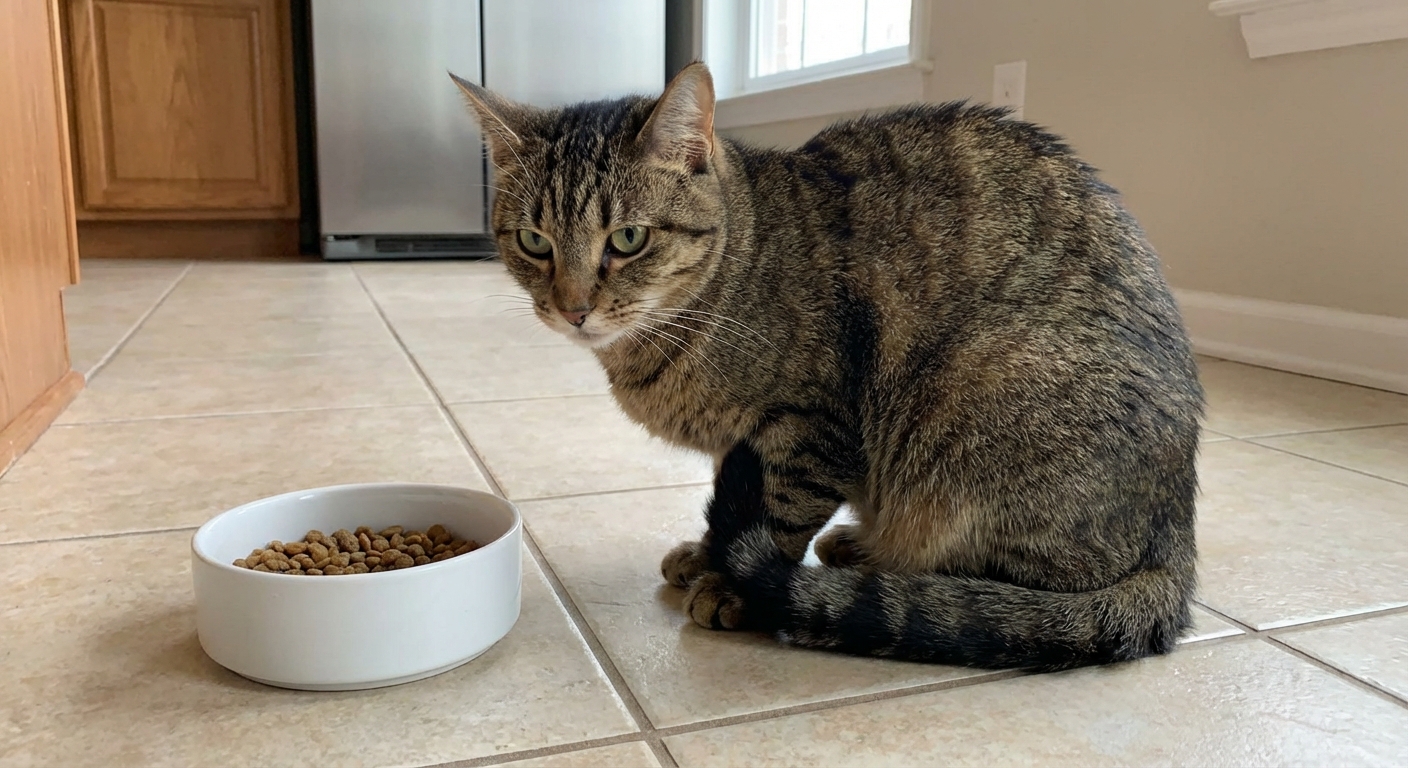
- Not eating (adult cat: about 24 hours, or sooner if they are declining). Kittens can get into trouble much faster, so call if a kitten skips meals or will not eat for 6 to 12 hours.
- Overweight cats that stop eating should be addressed early because prolonged appetite loss can increase the risk of hepatic lipidosis (fatty liver disease).
- Dehydration signs such as tacky or dry gums, very low energy, or worsening weakness.
- Blood in vomit (red or coffee-ground appearance).
- Distended abdomen or signs of pain when touched.
- Suspected ingestion of string, ribbon, needles, plants, or medications.
- Vomiting plus diarrhea that is severe or persistent.
- Older cat vomiting with weight loss, increased thirst, or increased urination.
Important safety note about string: If you see string hanging from your cat’s mouth or rear end, do not pull it. Keep your cat from chewing it further and go to a vet or ER right away.
What to note before you call
If you can, jot down these details. They help your veterinary team triage and decide next steps:
- Frequency: how many times and over what time period.
- Timing: right after eating, overnight, between meals, or random.
- Appearance: foam, bile, undigested food, hairball, blood.
- Behavior: appetite, energy, hiding, vocalizing, grooming changes.
- Stool and urination: normal, diarrhea, constipation, straining.
- Diet: brand, flavor, new treats, people food, recent change.
- Possible exposures: plants, strings, toys, chemicals, meds.
If it is safe to do so, a clear photo of the vomit can be helpful for your vet. It may feel unpleasant, but it can save time and guesswork.
Home care for mild, one-time vomiting
Now that you know the red flags, here is what to do if your cat vomited once, seems bright and comfortable, and has no concerning signs. When in doubt, call your vet first.
Please do not give human medications unless a veterinarian specifically instructs you.
When not to do home care
Skip the at-home approach and call a veterinarian promptly if your cat is a kitten, has diabetes, has known kidney or liver disease, is on important medications, or you suspect a toxin or foreign body (especially string).
Step 1: Offer water safely
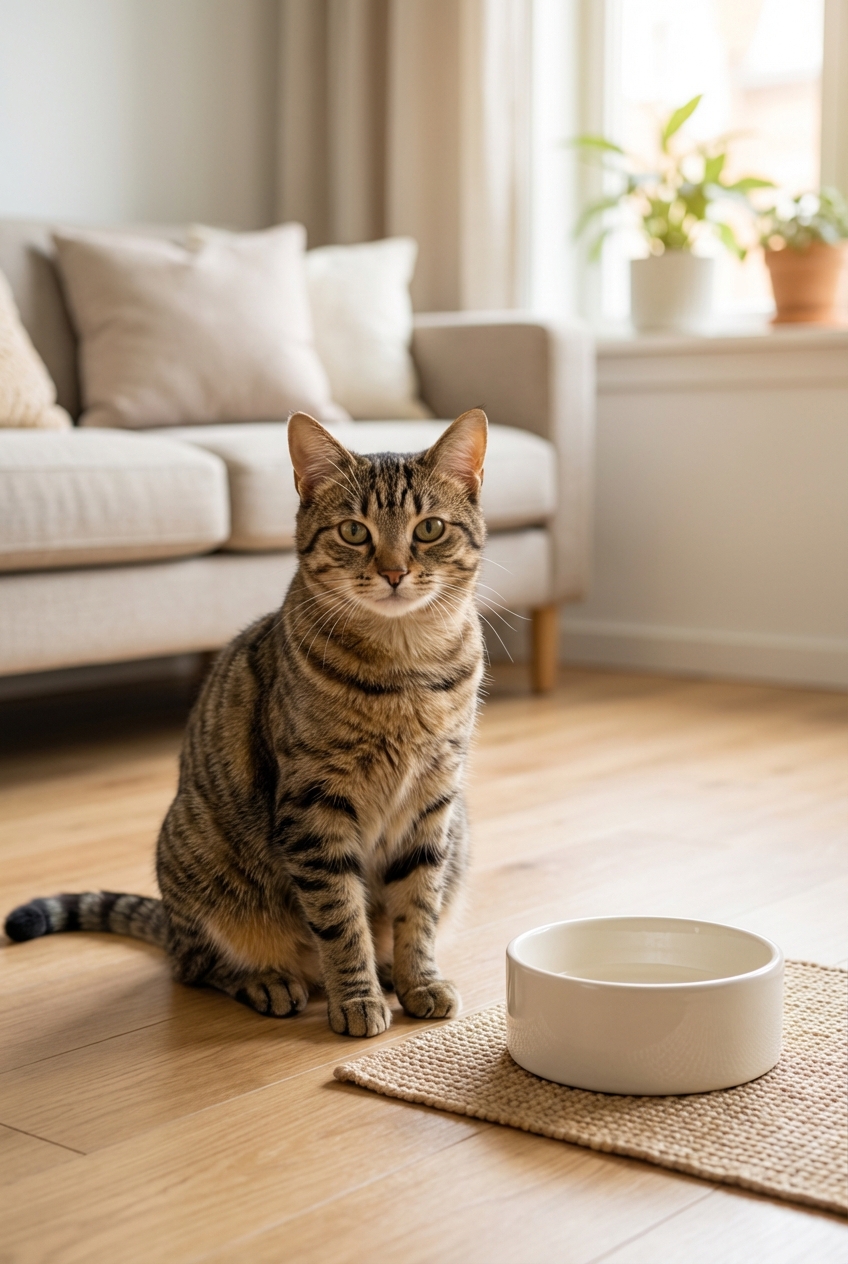
- Offer small amounts of water frequently.
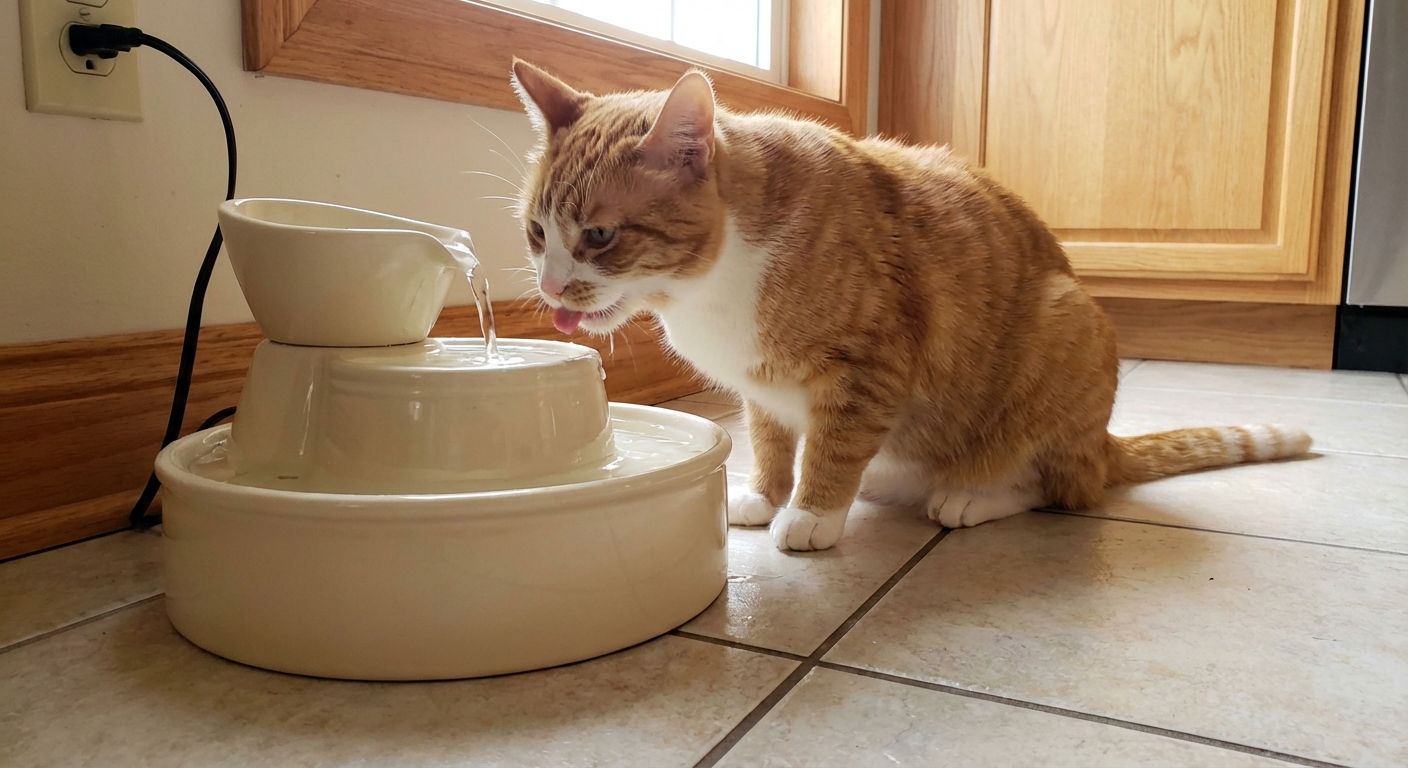
- If your cat prefers running water, a fountain can encourage sipping.
- If your cat vomits after drinking, pause water for 30 to 60 minutes, then offer very small amounts (like a teaspoon at a time). If vomiting continues or your cat cannot keep water down, call your vet.
Step 2: Feed small, simple meals
Once your cat has gone several hours without vomiting and seems interested in food, offer a small portion of a bland, easily digestible meal. Many veterinarians recommend a gastrointestinal support wet food for a day or two.
Avoid sudden diet overhauls. If you need to change foods, transition gradually over 7 to 10 days.
Step 3: Slow down speed eating
- Use a puzzle feeder or slow feeder bowl designed for cats.
- Split meals into 3 to 5 smaller portions per day.
- For multi-cat homes, feed separately to reduce competition.
Step 4: Hairball support
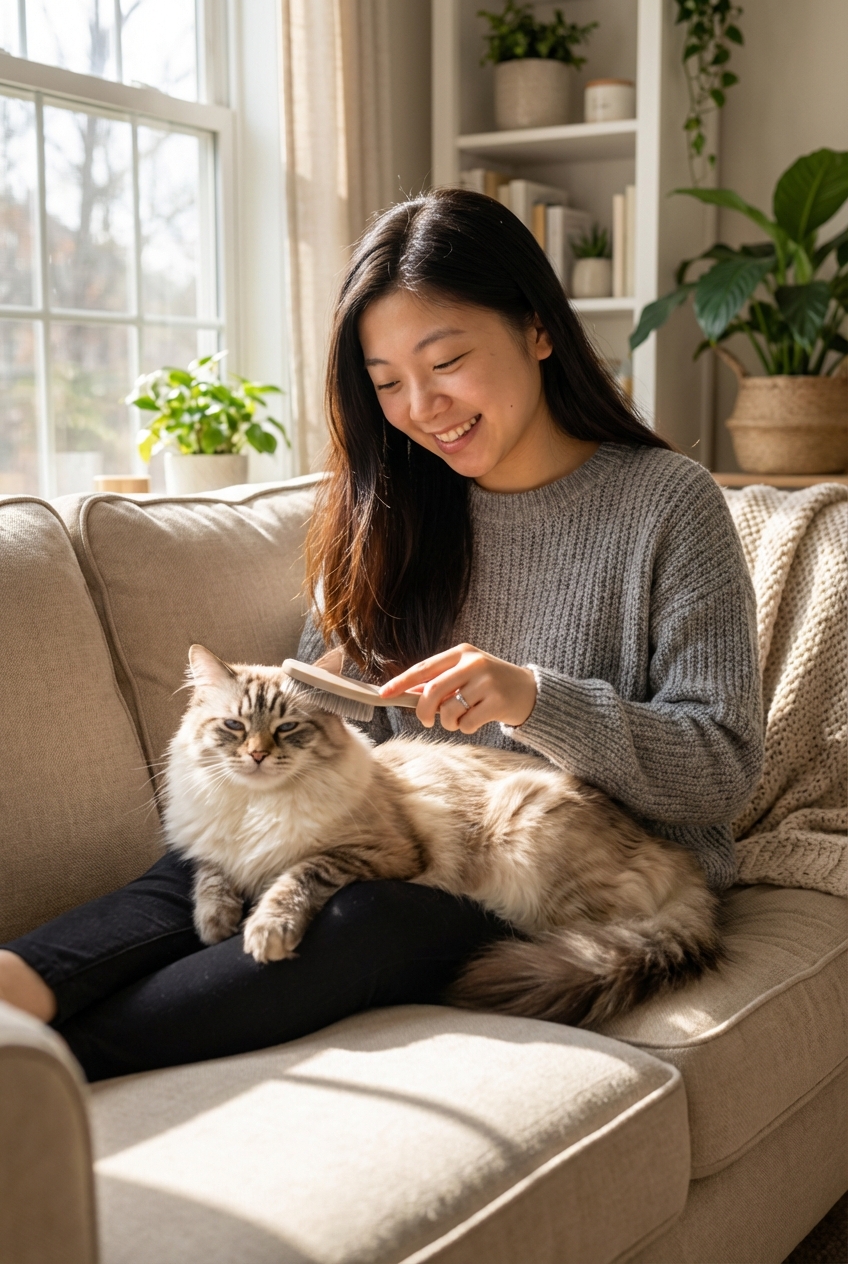
- Brush regularly, especially during seasonal shedding.
- Ask your vet about hairball gels or fiber support if hairballs are frequent.
- Consider a diet formulated for hairball control if your vet agrees.
Step 5: Lower stress
Stress can affect a cat’s GI system. Keep routines predictable, offer hiding spots, and ensure litter boxes are clean and easy to access. For some cats, pheromone diffusers can help during stressful transitions.
Nutrition notes
Vomiting is not always just a sensitive stomach. Food choices and feeding patterns can make a real difference, especially with chronic or recurrent episodes.
Wet food can help some cats
Many cats drink less than we think they do. Wet food increases moisture intake, which supports hydration. Some cats also do better with wet food from a palatability and digestibility standpoint, but it is not a one-size-fits-all fix.
Intolerance vs. allergy
- Intolerance can show up as vomiting or diarrhea after certain foods, without an immune reaction.
- Allergy is immune-mediated and may include skin itchiness, ear issues, and GI signs.
If your vet suspects food allergy, they may recommend a strict trial with a hydrolyzed or novel protein diet. The key is consistency for the full trial period.
Homemade diets
I love whole-food nutrition, but cats have very specific nutrient needs, especially taurine, certain fatty acids, and balanced minerals. If you want to explore homemade food, do it with a veterinary nutritionist or a veterinarian-approved recipe so it is complete and safe.
Common scenarios
Yellow foam or bile
This can happen when the stomach is empty, often early morning or between meals. However, bile vomiting is not always benign and can also be seen with GI inflammation, pancreatitis, obstruction, and other problems. If it is recurring, schedule an exam.
Vomiting right after meals
Sometimes this is speed eating or regurgitation. Sometimes it is nausea from underlying disease. A slow feeder and smaller meals are a great first step, but keep an eye on frequency and your cat’s overall comfort.
Hairball vomiting that is increasing
Occasional hairballs can be normal. Frequent hairballs can also signal excessive grooming from stress, parasites, allergies, or pain. Treat the cause, not just the symptom.
Chronic vomiting
If vomiting becomes a pattern, it is worth discussing with your veterinarian even if your cat seems okay otherwise. As a general guideline, vomiting more than once a month, or any steady increase over time, is a good reason to check in.
Older cat vomiting
In senior cats, chronic vomiting can be associated with kidney disease, hyperthyroidism, GI inflammation, or cancer. Early testing often makes management easier and more successful.
What your vet may do
Depending on your cat’s age, symptoms, and exam findings, your veterinarian may suggest:
- Fecal testing for parasites.
- Bloodwork to evaluate organs, inflammation, and thyroid function.
- Urinalysis to assess hydration and kidney health.
- X-rays or ultrasound to check for obstruction, masses, or inflammation.
- Prescription GI diet trial.
- Anti-nausea medication or stomach protectants when appropriate.
- Fluids if dehydration is present.
If you are worried about cost, tell your clinic. Many can prioritize the most useful first steps and build a plan from there.
Prevention checklist
- Brush regularly and support hairball management.
- Keep string, ribbon, rubber bands, and hair ties locked away.
- Use cat-safe plants only, and remember that lilies are dangerous for cats.
- Transition foods slowly over 7 to 10 days.
- Feed smaller meals and use slow feeders if needed.
- Keep up with parasite prevention as recommended by your veterinarian.
- Schedule regular wellness exams, especially for cats over 7 years old.
You know your cat best. If something feels different, trust that instinct and call your veterinary team. Most of the time, we would rather reassure you early than treat a bigger issue later.