A practical guide to low-phosphorus homemade meals for cats with CKD—what to avoid, safer ingredient building blocks, starter meal frameworks, and must-hav...
Article
•
Designer Mixes
Cats and Kidney Disease

Shari Shidate
Designer Mixes contributor
Kidney disease is one of the most common chronic diseases in older cats. The good news is that, with early support and steady routines, many cats with kidney disease can still enjoy good quality time for months to years with plenty of cozy naps, window watching, and play.
This guide is here to help you understand what is happening inside your cat’s body, what signs to watch for, and what you can do at home to keep life feeling as normal and fun as possible.
What it means
Your cat’s kidneys do a lot of quiet, behind-the-scenes work. They filter waste products from the blood, help regulate hydration, support blood pressure, and keep key minerals in balance. When the kidneys are damaged, those jobs become harder, and waste products can build up.
Most pet parents hear one of these terms:
- CKD (chronic kidney disease): A gradual, long-term decline in kidney function. This is the most common form in cats and is often age-related.
- AKI (acute kidney injury): A sudden kidney problem, sometimes due to toxins (like lilies), dehydration, infection, certain medications, or post-renal causes such as urinary obstruction. This can be an emergency, so contact your veterinarian urgently.
Many cats with CKD have no obvious symptoms at first. That is why routine bloodwork and urine testing are so important, especially for cats entering their senior years (often starting around 7 to 10 years old).
Early signs
Kidney disease can be sneaky. Cats are experts at acting “fine” until they are not. If you notice any of these, it is worth a call to your veterinarian:
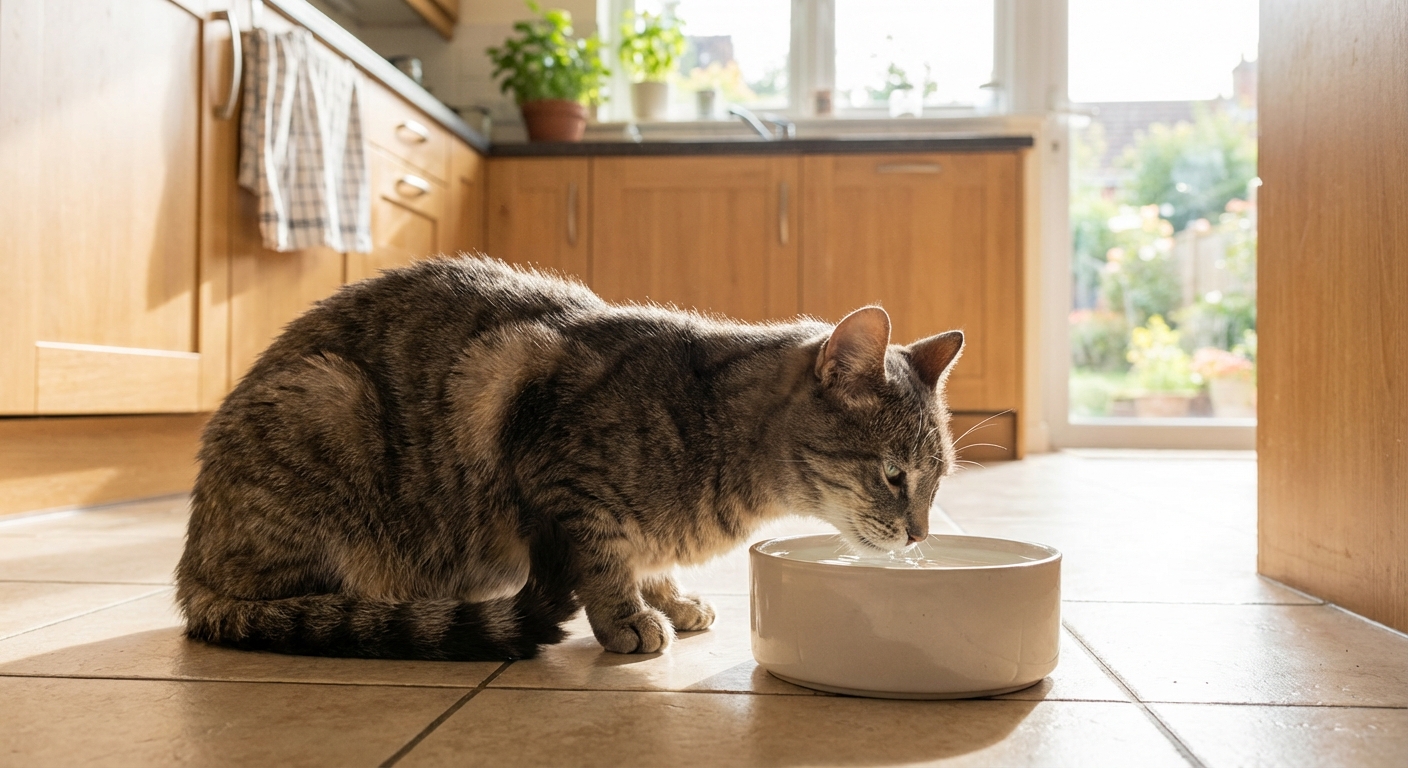
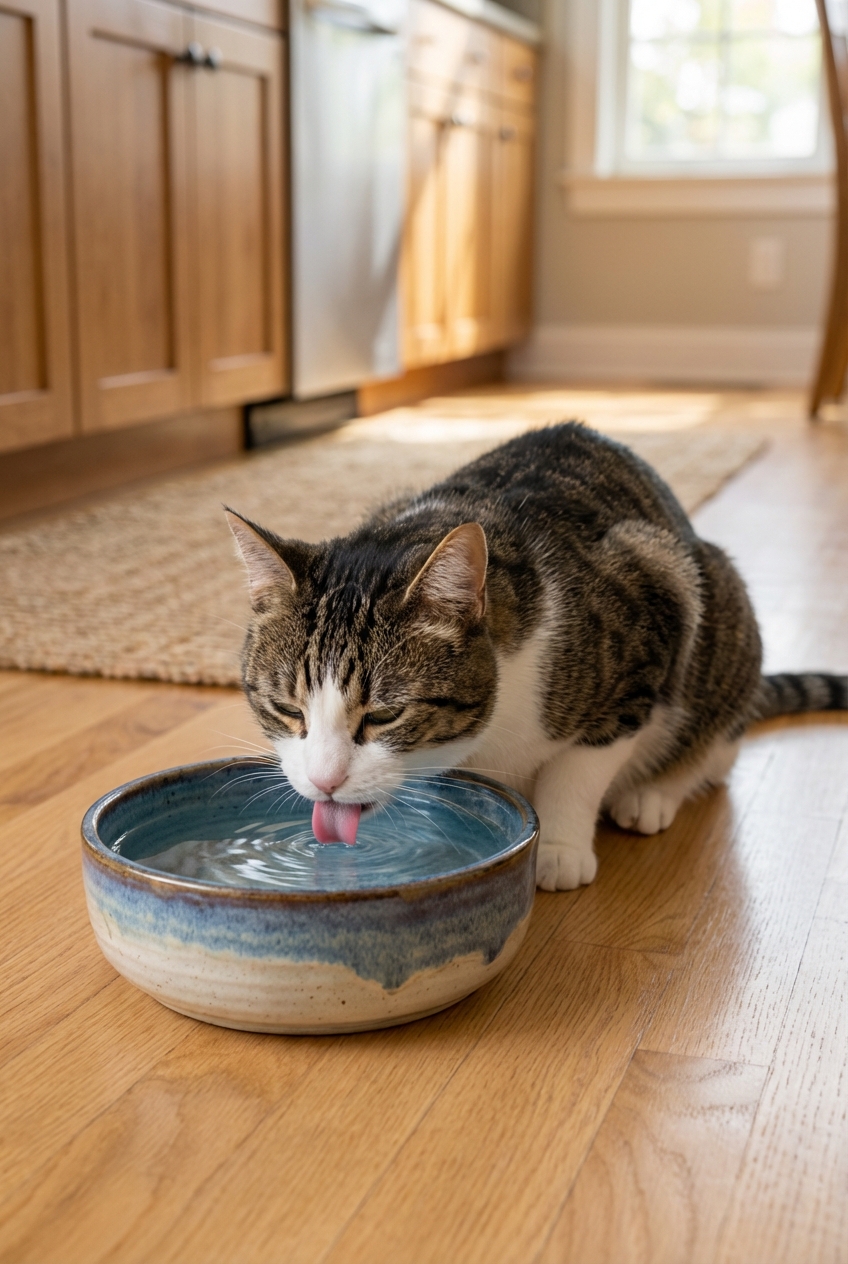
- Drinking more water or spending more time at the water bowl
- Urinating larger amounts or having a fuller litter box
- Weight loss, even if appetite seems okay at first
- Decreased appetite or becoming picky with food
- Vomiting, nausea, or lip smacking
- Bad breath that smells like ammonia or “chemical”
- Less grooming, dull coat, or mild dehydration
- Sleeping more, hiding more, or less interest in play
If your cat stops eating for 24 hours, that is never something to wait out. Cats, especially overweight cats, can develop hepatic lipidosis (fatty liver) after not eating, sometimes within a few days, and that can become serious quickly.
Diagnosis and staging
Diagnosis usually involves a combination of history, physical exam, and lab work. Common tests include:
- Bloodwork: Creatinine and BUN (waste products), SDMA (often rises earlier), phosphorus, potassium, and more
- Urinalysis: Urine specific gravity (how well kidneys concentrate), protein, sediment, and signs of infection
- Blood pressure: High blood pressure is common in CKD and can harm eyes, brain, heart, and kidneys
- Urine protein testing: Often a UPC ratio
- Imaging: Ultrasound or radiographs when needed
You may also hear your vet explain a few key concepts in plain language:
- Creatinine and SDMA: These are markers that rise as kidney filtration declines. SDMA can increase earlier in some cats.
- Phosphorus: When phosphorus runs high, it can make cats feel worse and is linked with faster CKD progression. Many treatment plans focus on keeping phosphorus in a target range for your cat’s stage.
- Urine concentration: Kidneys should concentrate urine. When they cannot, cats often urinate more and drink more.
- Anemia: Some cats develop low red blood cells as CKD progresses, which can contribute to low energy.
Many clinics use IRIS staging (International Renal Interest Society) to categorize CKD severity and guide treatment. IRIS staging is based on creatinine or SDMA, with sub-staging by blood pressure and protein in the urine. Staging helps you and your vet make a plan and track trends over time.
Common related issues
CKD rarely travels alone, especially in senior cats. Your vet may also screen for or discuss:
- Hyperthyroidism: Common in older cats and can affect weight, appetite, and kidney values
- Hypertension: Can be caused by CKD and can also worsen kidney damage
- Dental disease: Pain and inflammation can impact appetite and overall health
- Constipation: Common in CKD due to dehydration, appetite changes, and reduced activity
- Urinary tract infection: Less common than many people assume, but still important to rule out, especially if urine looks abnormal or your cat seems uncomfortable
Nutrition
If I could sit with every cat parent for one heart-to-heart about kidney disease, it would be this: getting nutrition and hydration right can make a huge quality-of-life difference.
Your cat’s best plan depends on their IRIS stage, appetite, body condition, and other medical conditions, so partner closely with your veterinarian.
Why kidney diets help
Prescription kidney diets are typically designed to:
- Reduce phosphorus to support kidney health and may help slow progression
- Provide moderate, high-quality protein (not “no protein,” just the right type and amount)
- Support calories so cats maintain weight
- Include omega-3 fatty acids and added B vitamins in many formulas
Talk with your veterinarian before changing diets, especially if your cat has other conditions like diabetes, pancreatitis, or food allergies.
If your cat refuses it
This is common, and it does not mean you failed. Cats have strong preferences, and nausea can make them food-avoidant. Helpful steps to discuss with your vet:
- Try a different brand or texture (pate versus chunks, dry versus wet)
- Warm the food slightly to increase aroma
- Offer small, frequent meals
- Address nausea early (anti-nausea meds can make a big difference)
- Prioritize calories first if appetite is low, then fine-tune diet
In kidney disease, “the best food” is the food your cat will reliably eat. Then we optimize from there.
Wet food and water
Cats with kidney disease tend to lose more water through urine. Increasing moisture intake helps support hydration. Many cats do well with:
- More canned food meals
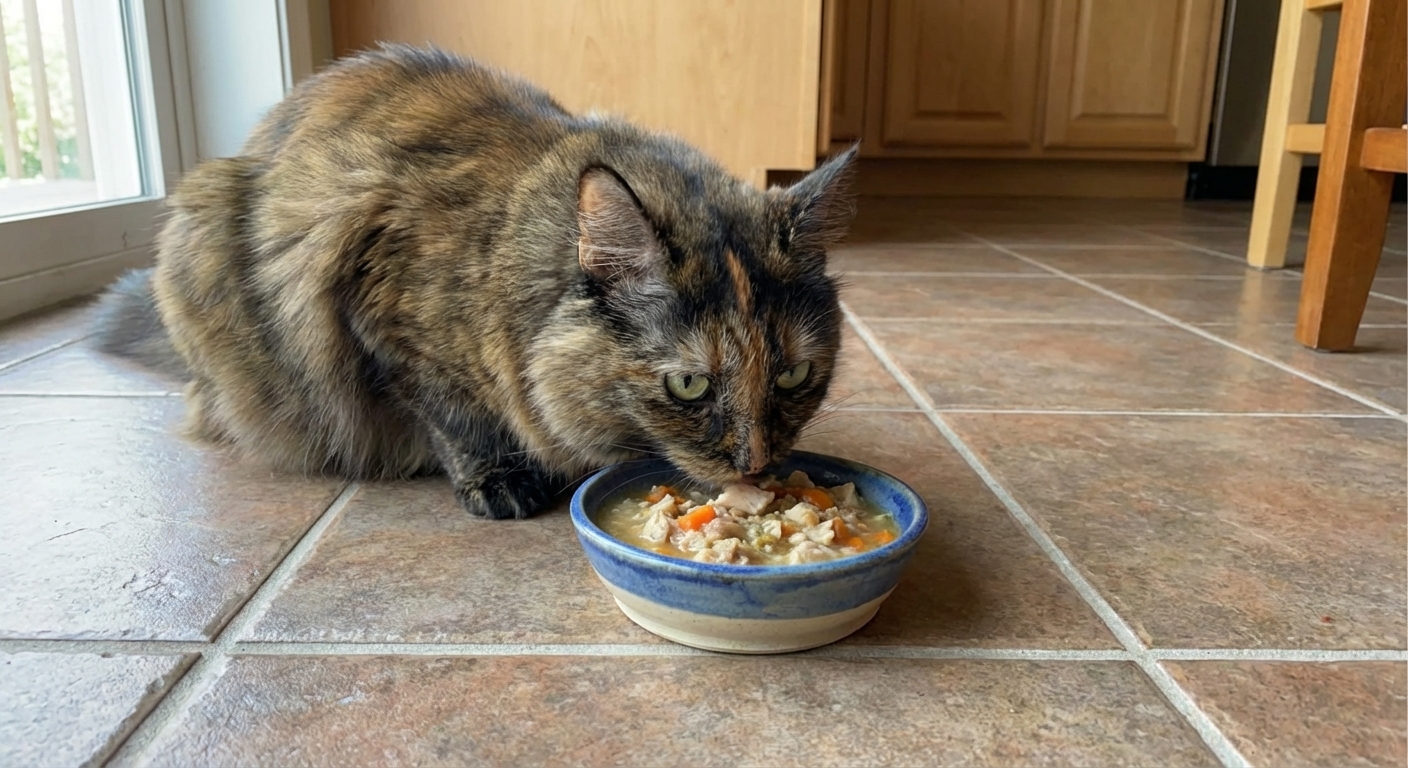
- Adding water to wet food to make a “gravy”
- Pet water fountains
- Multiple water bowls placed around the home
A quick caution: avoid salty broths, high-sodium toppers, and high-protein treats unless your veterinarian says they fit your cat’s plan. Also be careful with homemade diets. Unbalanced “renal recipes” can accidentally worsen mineral issues unless formulated by a veterinary nutritionist.
Hydration at home
Some cats need extra hydration beyond diet changes, and the right approach depends on stage and symptoms. Your veterinarian may recommend:
- Subcutaneous fluids: Fluids given under the skin at home for selected cats. Many families are nervous at first, then feel more confident once they learn. Your vet team can show you how and help you find a calm routine, including the right volume and frequency for your cat.
- Electrolyte and mineral monitoring: Potassium supplementation is sometimes needed, while phosphorus binders may be recommended when diet alone does not control phosphorus.
Never give human electrolyte drinks or supplements without veterinary guidance. Kidney cats have special needs, and the wrong product can cause harm.
Medications and add-ons
Every cat’s plan is individualized, but common tools include:
- Anti-nausea medication (to support appetite and comfort)
- Appetite stimulants when appropriate
- Phosphate binders (used with meals to reduce phosphorus absorption)
- Blood pressure medication if hypertensive
- Potassium supplementation if low
- Omega-3 fatty acids (ask your vet which type and dose)
- Constipation support (often stool softeners or other options chosen by your vet)
- Probiotics or renal-support supplements in select cases
Please avoid “detox” products marketed online. If something claims to cure kidney disease, that is a red flag. CKD is managed, not cured, and your cat deserves safe, evidence-based support.
Keeping life fun
Kidney disease management is not only lab numbers. It is also comfort, routine, and joy. You can keep things playful and enriching.
Easy enrichment
- Short play sessions: 2 to 5 minutes with a wand toy, a crinkle ball, or a laser used safely (always end with a physical toy “catch”)
- Window time: A perch near a window with bird videos or a view of the yard
- Food puzzles: Only if appetite is good, and keep it easy so it does not frustrate them
- Gentle grooming: Many CKD cats groom less. A soft brush session can be comforting and helps coat quality.
- Warm, quiet resting spots: Especially for older cats with arthritis plus CKD
Stress reduction
Stress can reduce appetite, worsen GI upset, and make medication routines harder. Consider:
- Predictable meal times
- Extra litter boxes (especially in multi-cat homes)
- Quiet feeding areas away from other pets
- Pheromone diffusers if your cat is anxious
Home monitoring
You do not need to become a laboratory technician at home. Simple trends are powerful. Keep a small note on your phone or a paper log and track:
- Body weight (weekly or biweekly)
- Appetite and interest in favorite foods
- Water intake changes
- Litter box output (more, less, accidents)
- Vomiting frequency
- Stool frequency and constipation signs
- Energy and social behavior
Bring your notes to rechecks. It helps your veterinarian adjust the plan faster and more accurately.
Follow-up timing varies by stage and stability, but many cats benefit from rechecks every 2 to 4 months, with more frequent monitoring if values are changing or symptoms flare.
When to call quickly
Kidney cats can have ups and downs. Call your veterinarian promptly if you notice:
- Not eating for 24 hours, or eating far less than usual
- Repeated vomiting, especially with lethargy
- Sudden weakness, wobbliness, or collapse
- Breathing changes such as open-mouth breathing, rapid breathing at rest, or increased effort
- Signs of dehydration (tacky gums, sunken eyes, very sleepy)
- Straining to urinate or no urine output (emergency)
- Possible toxin exposure, especially lilies
If your cat has access to flowers, please know this: lilies are highly toxic to cats, and even small exposures can cause severe kidney injury. If you suspect lily exposure, treat it as an emergency.
A hopeful note
Kidney disease can feel heavy at first. But once you get a plan in place, many cats settle into a new normal. The most important ingredients are consistent hydration support, a diet strategy your cat will actually eat, and regular check-ins with your veterinary team.
Your cat does not need perfection. They need steady care, comfort, and the kind of love that shows up every day in small ways.