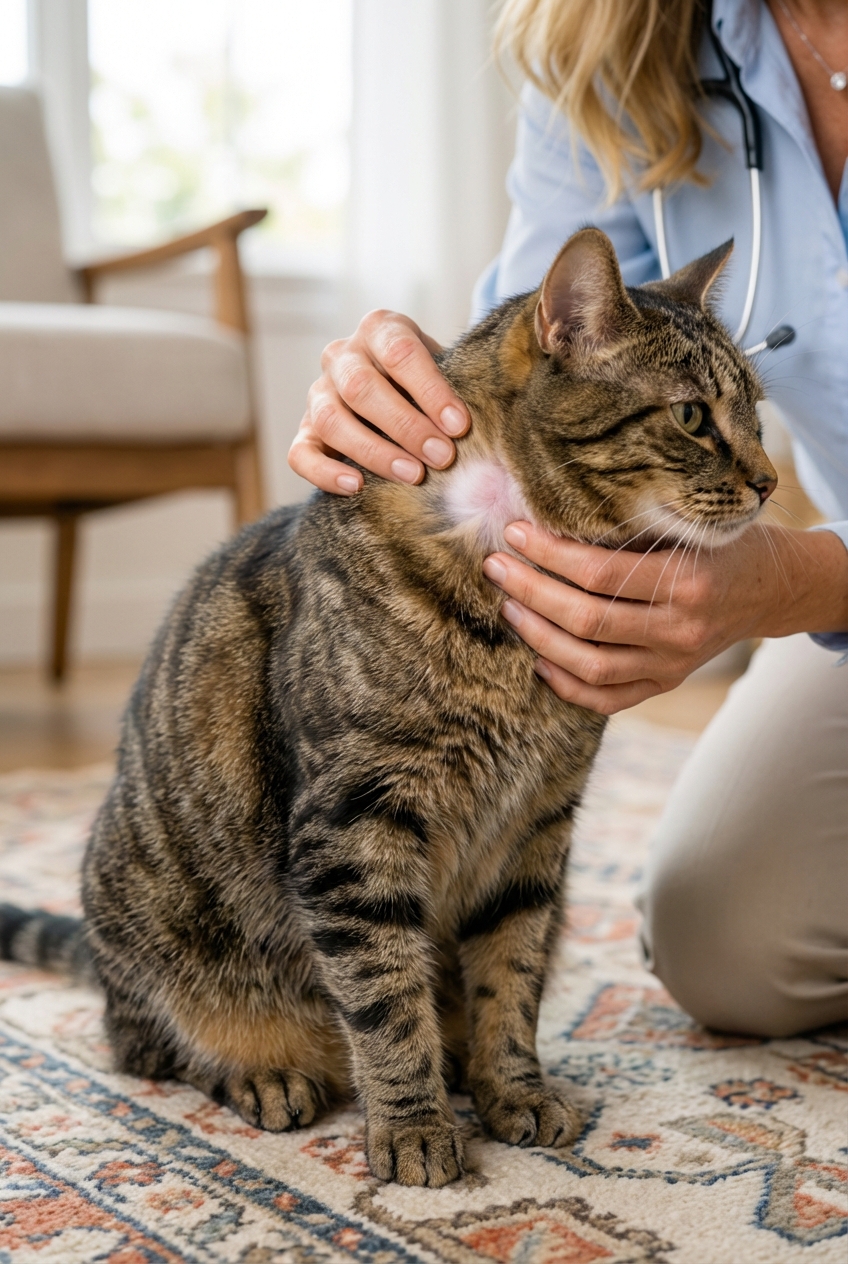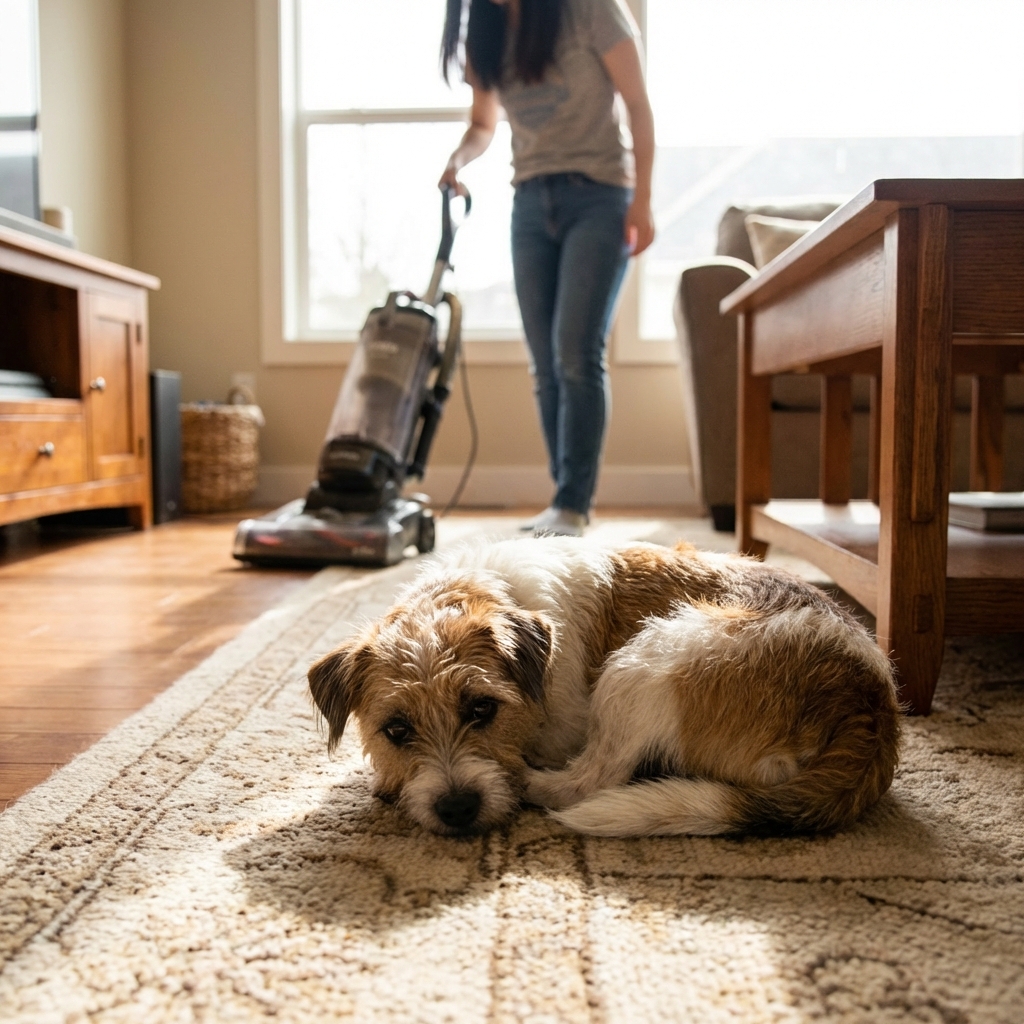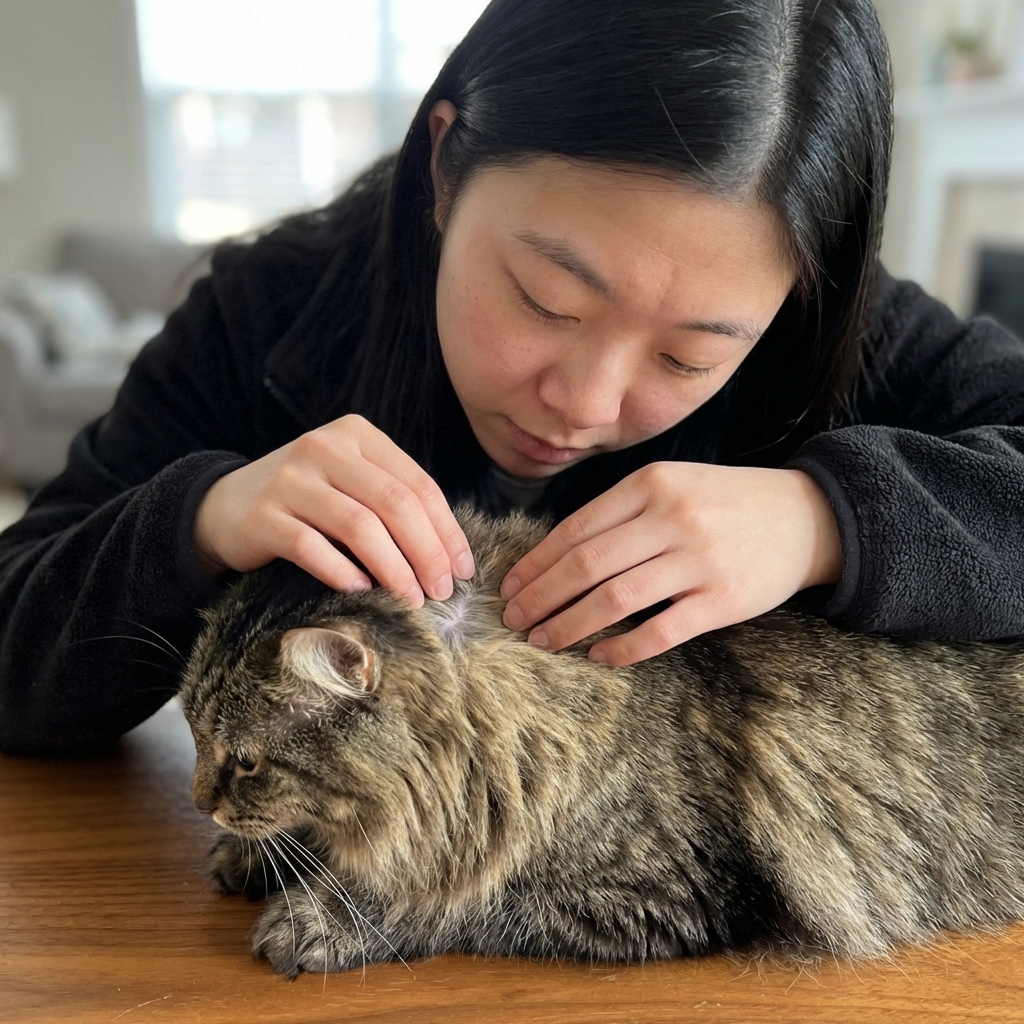
Stop the flea cycle with a proven plan: confirm fleas, use cat-safe vet-recommended treatments, treat every pet, and clean your home with vacuuming, laundry,...
Article
•
Designer Mixes
Cats and Fleas

Shari Shidate
Designer Mixes contributor
As a veterinary assistant, I can tell you fleas are one of the most common reasons cat families call in a panic. And I get it. Fleas feel like a small problem until they are suddenly everywhere. The good news is that with the right plan, most flea issues can be solved and prevented long-term.
This guide walks you through what fleas do, how to spot them, how to treat your cat safely, and how to clean your home so the problem does not keep restarting.
What fleas are and why they persist
The cat flea (Ctenocephalides felis) is the most common flea found on cats, dogs, and even in homes where pets live. Fleas are tiny, fast, and excellent at hiding in fur and carpet fibers.
Here is the tricky part: most of the flea population is not living on your cat. Adult fleas are only one piece of the life cycle. The rest is in the environment as eggs, larvae, and pupae. Many sources cite that only a small fraction of fleas are adults on the pet (often quoted around 5%), but the exact percentages vary by home and season.
- Adults live on the pet, bite, and lay eggs.
- Eggs fall off into bedding, carpet, and cracks in floors.
- Larvae hatch and hide in dark areas, feeding on flea dirt.
- Pupae form cocoons and can wait days to weeks (and sometimes longer) until conditions are right.
This is why a one-time bath or a single round of cleaning rarely fixes the problem. You have to treat the cat and the home, and you have to stay consistent long enough to break the cycle.
How cats get fleas
Fleas are excellent hitchhikers. Cats can pick them up from:
- Other pets in the home (dogs are common carriers)
- Rodents, stray cats, or wildlife around the home
- Shared hallways, patios, or common areas in apartments
- Visitors who have pets (fleas can occasionally be carried in on clothing or items, but this is less common than pet to pet or wildlife exposure)
Indoor-only cats are not immune. If fleas get into the environment, they can jump onto any warm-bodied host.
Signs your cat has fleas
Some cats show obvious itching. Others barely scratch, especially early on. Watch for these clues:
- Scratching, overgrooming, or chewing at the back, tail base, belly, or thighs
- Small scabs along the neck or lower back (often called miliary dermatitis)
- Hair loss from excessive grooming
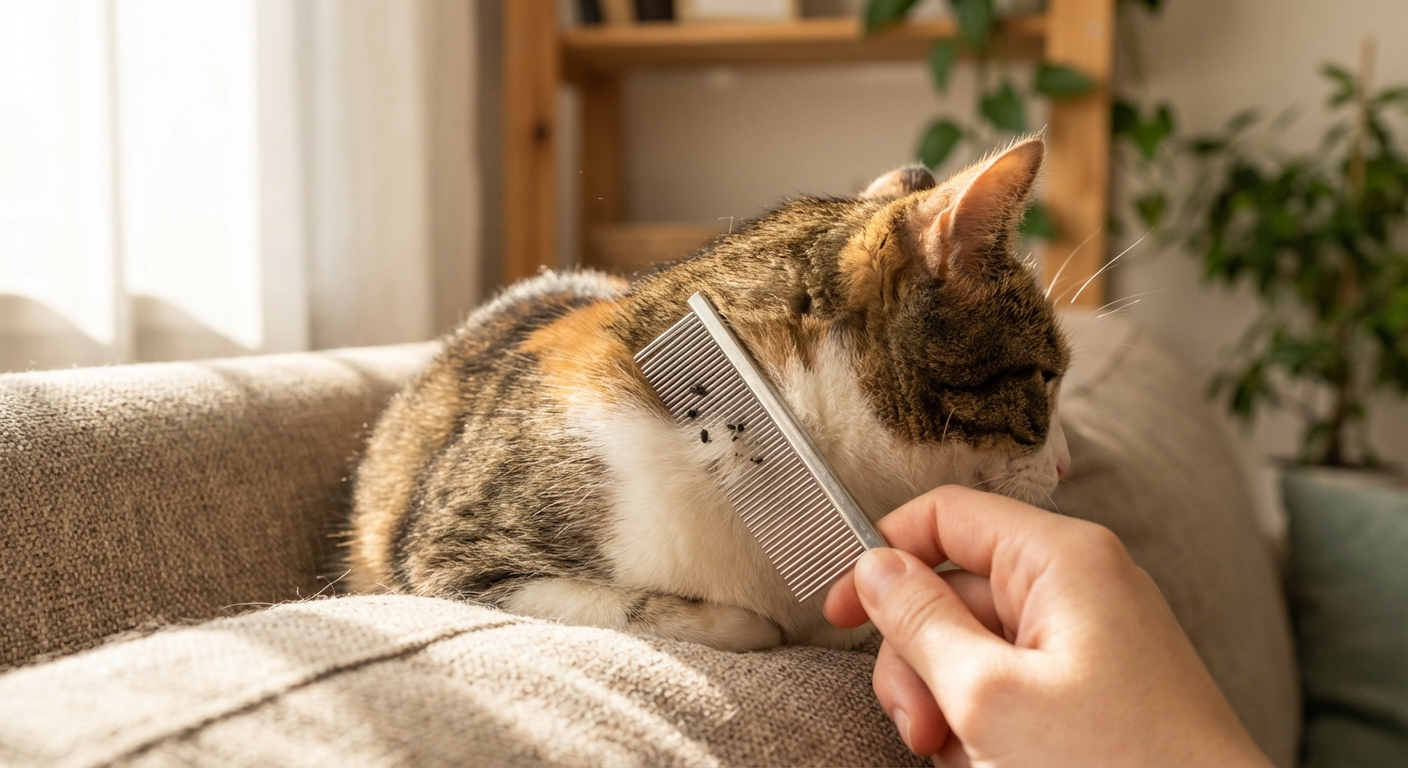
- Flea dirt, which looks like black pepper in the coat
- Restlessness or sudden sensitivity when touched
Quick at-home check: the flea dirt test
Use a flea comb over a white paper towel. If you see black specks, add a few drops of water. If the specks turn reddish-brown, that is digested blood and strongly suggests fleas.
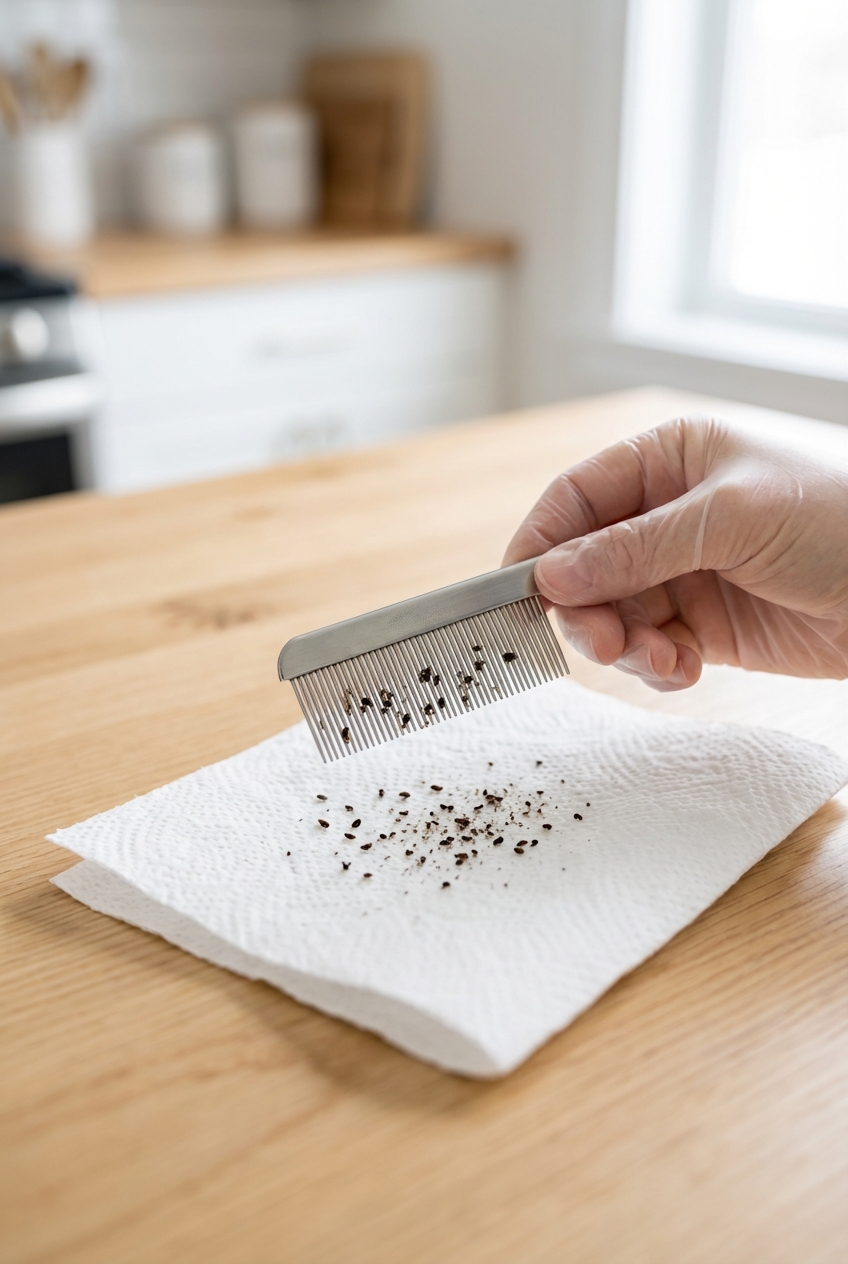
If you are not sure, your vet team can confirm fleas quickly and help you choose a safe plan for your cat’s age and weight.
Why fleas matter
Fleas are not just annoying. They can cause real medical problems.
- Flea allergy dermatitis: Some cats have an allergic reaction to flea saliva. One bite can trigger intense itching and skin infection.
- Anemia: Kittens and small cats can become dangerously anemic from heavy infestations.
- Tapeworms: Cats can get tapeworms by swallowing an infected flea during grooming.
- Bartonella (cat scratch disease): Fleas can help spread Bartonella between cats. People are typically infected when a scratch is contaminated (often by flea dirt), not usually from a flea bite itself.
People can get itchy bites too, especially around ankles and lower legs. Fleas prefer pets as their main host, but they will feed on humans if pets are not available or if the infestation is heavy.
Safe and effective treatment
If you want results, think in two lanes: treat the cat and treat the environment. Doing only one usually leads to repeat infestations.
1) Treat every pet
If you have a dog and a cat, both need effective flea control, even if only one is showing symptoms. Otherwise fleas simply hop between hosts. If you have other pets (like rabbits or ferrets), check with your veterinarian before using any flea product, since not all medications are safe across species.
2) Choose cat-safe medication
The most reliable treatments are veterinarian-recommended flea preventives labeled for cats. Options typically include:
- Topical spot-on products (applied to the skin at the back of the neck)
- Oral medications (given by mouth, depending on product and age)
- Flea collars (only certain vet-approved collars are consistently effective)
Important safety note: Never use a dog flea product on a cat. Many dog products contain permethrins, which can be toxic and potentially life-threatening to cats.
Also use caution with DIY products. Do not apply essential oils to cats and avoid products containing tea tree oil. Cats can be very sensitive to concentrated oils and solvents, and toxicity is a real concern.
3) Know what baths and combing can and cannot do
Bathing and flea combing can provide relief and remove some adult fleas. But they usually do not eradicate an infestation by themselves, because eggs, larvae, and pupae are living in the home. For most households, you still need a true preventive to break the cycle.
4) Extra guidance for kittens and seniors
Age, weight, pregnancy status, and medical conditions change what is safest. Your vet can recommend a product that matches your cat’s specific needs.
Top mistakes to avoid
- Stopping too soon: Seeing fewer fleas does not mean the life cycle is broken yet.
- Treating only one pet: This almost guarantees reinfestation.
- Using dog products on cats: This can cause serious poisoning.
- Relying on home remedies alone during an active infestation: Fleas reproduce too fast for most DIY-only plans.
- Skipping the home cleanup: Most stages are in the environment, not on the cat.
Home care that works
Environmental control is where most households fall short, so here is a simple, effective routine.
Vacuum often
- Vacuum carpets, rugs, baseboards, under furniture, and cat hangout areas.
- Focus on dark, quiet areas where larvae hide.
- Empty the canister outside immediately, or seal and discard the bag.
Vacuuming helps remove eggs and stimulates pupae to hatch, which makes them easier to kill once your cat is on effective medication.
Wash bedding hot
- Wash all pet bedding and soft blankets weekly during an outbreak.
- Use the hottest safe wash and dry settings for the fabric.
Use home sprays carefully
In severe cases, your veterinarian may recommend a home spray or professional pest control. If you use any household product, follow labels carefully and keep cats away until fully dry and ventilated. Cats are more sensitive than many people realize, especially to concentrated essential oils and solvents.

Most homes start seeing improvement after starting effective pet treatment, but complete control often takes several weeks because pupae can emerge later.
Do not forget outdoors (optional but helpful)
If fleas keep returning, the source may be outside. Consider limiting wildlife access, keeping grass trimmed, and focusing outdoor cleanup on shaded pet resting areas. Ask your veterinarian or a pest professional what is appropriate for your region and household, especially if you have cats that go outdoors.
How long it takes
With a proven flea preventive on all pets and consistent cleaning, many families notice fewer fleas within a few days. The exact timing depends on the product, how heavy the infestation is, and how much environmental exposure is still happening.
It commonly takes 4 to 12 weeks to fully break the life cycle in the home. In heavy infestations, it can take longer. Pupae can sometimes remain dormant for an extended time, so it may look like fleas are “back” even when you are doing everything right. Staying consistent is what wins.
When to call the vet
Please contact your veterinarian promptly if you notice:
- A kitten with fleas (risk of anemia can be serious)
- Pale gums, weakness, or fast breathing
- Open sores, swelling, or signs of skin infection
- Persistent itching even after starting treatment
- Any tremors, drooling, vomiting, or wobbliness after applying a flea product
Also ask your vet about deworming if fleas are present, since tapeworms are a common hitchhiker.
Quick note: This article is for education and general guidance, not a substitute for veterinary care. If you are unsure what is safe for your cat, your vet team can help you choose a plan.
Prevention
Prevention is always easier than eradication. In Texas and other warm climates, fleas can be a year-round problem, not just a summer issue.
- Use a veterinarian-recommended flea preventive consistently, especially if your cat goes outdoors or lives with a dog.
- Check your cat monthly with a flea comb, particularly around the tail base and neck.
- Keep up with routine vacuuming and wash pet bedding regularly.
- If you board pets or have frequent visitors with animals, be extra vigilant.
If you take just one thing from this article, let it be this: treat the pet and the environment at the same time, and stick with the plan long enough to outlast the flea life cycle.