Vet-informed guide to blood in cat poop: what bright red vs black stool can mean, common causes in kittens/adults/seniors, safe home care, and when to seek e...
Article
•
Designer Mixes
Cats and Diarrhea: Essential Advice

Shari Shidate
Designer Mixes contributor
Diarrhea in cats is common, but it is never something to ignore. Sometimes it is a simple food issue that settles quickly. Other times it is your cat’s body waving a red flag for dehydration, parasites, infection, inflammation, or something more serious.
As a veterinary assistant, I like to think of diarrhea as a symptom, not a diagnosis. Your job at home is to watch the details and act early, especially with kittens, seniors, and cats with chronic disease.
What counts as diarrhea in cats?
Most cat parents notice diarrhea as loose stool, watery stool, or stools that are soft and unformed. You may also see:
- More frequent trips to the litter box
- Urgency or accidents outside the box
- Mucus on the stool
- Blood (bright red streaks or darker, tarry stool)
- Straining that looks like constipation, but only liquid comes out
If you can, take a quick photo of the stool and note the time. It feels a little gross, I know, but it helps your veterinarian a lot.
Small bowel vs large bowel
This is not something you need to diagnose at home, but these patterns can help you describe what you are seeing:
- Small-bowel diarrhea often means larger volume stool, fewer trips, and sometimes weight loss or vomiting.
- Large-bowel diarrhea often means frequent small amounts, mucus, urgency, and straining.
Straining can also happen with true constipation or even urinary problems. If your cat is repeatedly straining with little to show for it, or seems painful, it is worth calling your vet.
Why cats get diarrhea
There are many causes, and more than one can be happening at once. Here are the most common categories I see at the clinic.
Diet changes and food intolerance
Cats have sensitive GI tracts. Diarrhea can happen after:
- Switching foods too quickly
- New treats, table food, or flavored medications
- Milk or dairy (many cats are lactose intolerant)
- Food intolerance or allergy (often includes vomiting, itchy skin, or ear issues too)
Parasites
Even indoor cats can pick up parasites from shoes, insects, or new pets in the home. Common culprits include roundworms, hookworms, coccidia, and Giardia.
A fecal test is often the fastest way to get useful answers, but it is not perfect. Some parasites shed intermittently, and Giardia may require a specific antigen test. Your vet may recommend repeat testing or deworming even if the first test is negative.
Stress and routine changes
Moves, visitors, construction noise, new pets, or even a new litter brand can trigger stress colitis. You may see mucus and frequent small stools.
If this keeps happening or does not improve, it is important to rule out medical causes too. Stress can also flare underlying GI disease.
Infections
Bacterial and viral infections can cause diarrhea, sometimes with fever, low appetite, or vomiting. Kittens are especially vulnerable.
Inflammation and chronic disease
Inflammatory bowel disease (IBD), pancreatitis, hyperthyroidism, and some liver conditions can all present with chronic or recurring diarrhea. These cases usually need a vet workup and a long-term plan.
Toxins and people medications
Some cats get diarrhea after ingesting plants, human foods, or medications. Never give human anti-diarrheal medications unless your veterinarian tells you to. Some can be dangerous for cats.

First: check for urgent signs
Diarrhea becomes urgent when dehydration or an underlying illness is likely. Contact your veterinarian or an emergency clinic right away if you notice any of the following:
- Kitten diarrhea (especially under 6 months)
- Diarrhea lasting more than 24 to 48 hours in an adult cat, even if it seems mild
- Blood in the stool, black tar-like stool, or large amounts of mucus
- Vomiting alongside diarrhea, especially repeated vomiting
- Lethargy, weakness, collapse, or hiding more than usual
- Refusing food for more than a meal or two, or not eating for 24 hours
- Signs of dehydration (tacky gums, sunken eyes, not peeing much)
- Known toxin exposure or possible foreign body ingestion (string, ribbon, toys)
- Chronic illness (kidney disease, diabetes, hyperthyroidism) or your cat is a senior
If your cat is small, young, or already medically fragile, diarrhea can dehydrate them faster than most people expect.
What you can do at home today
If your adult cat is bright, alert, still drinking, and has mild diarrhea with no red flags, you can often support them safely at home while you monitor closely.
1) Focus on hydration
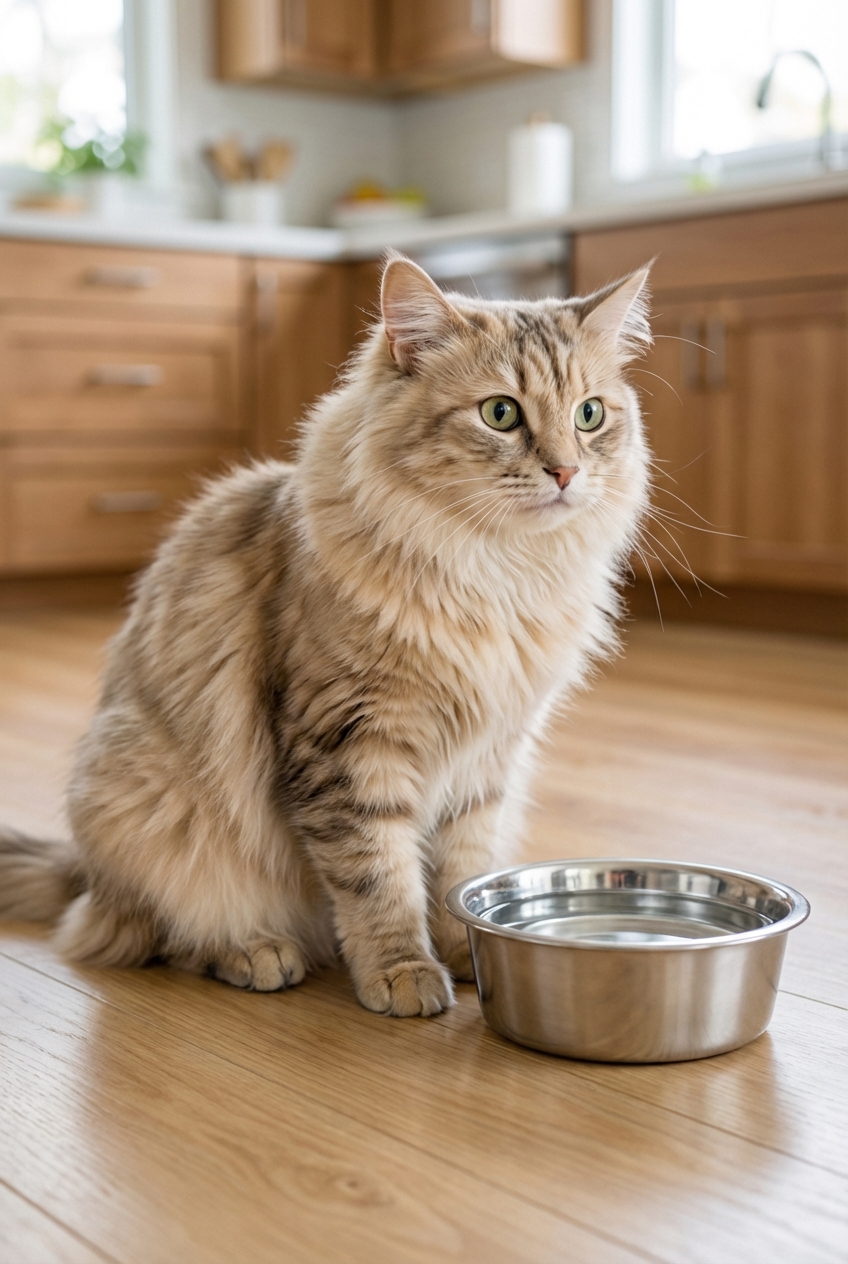
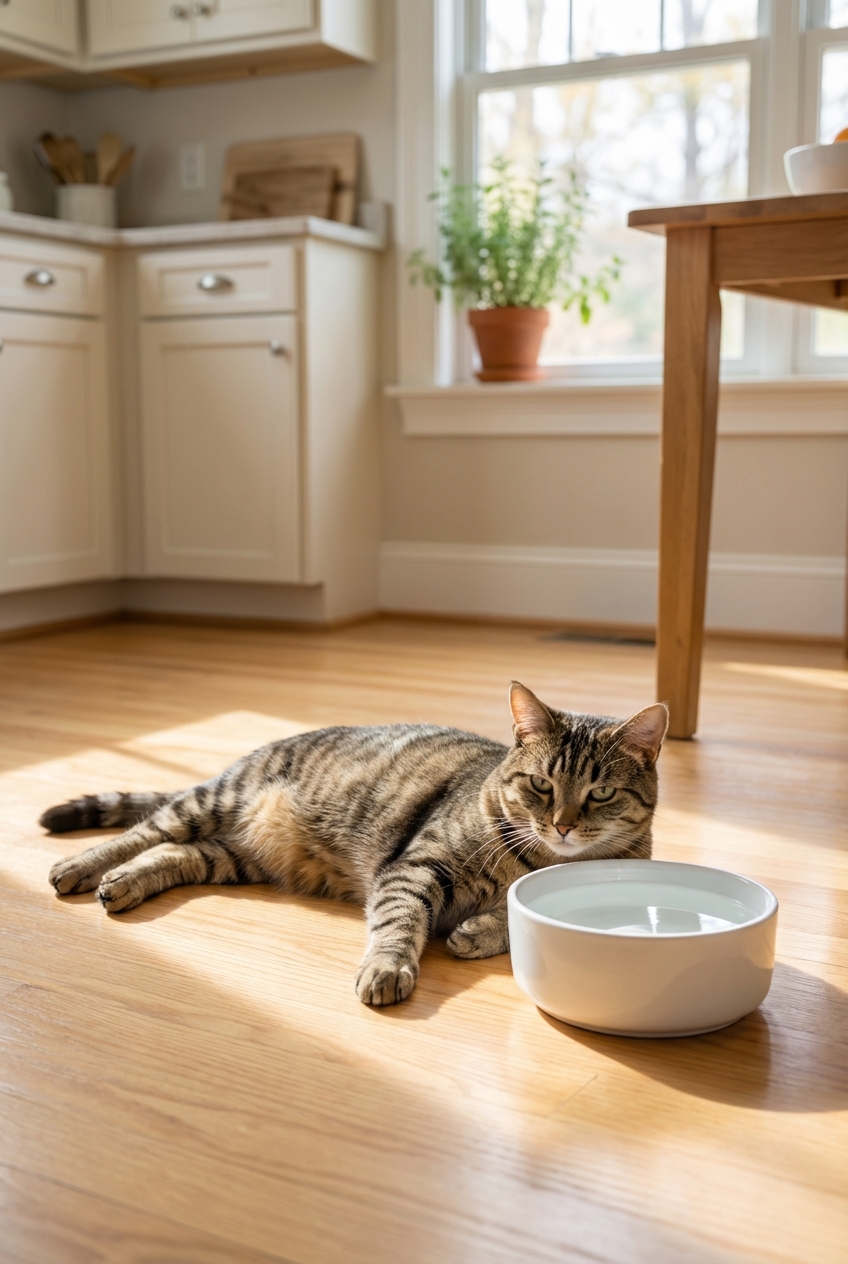
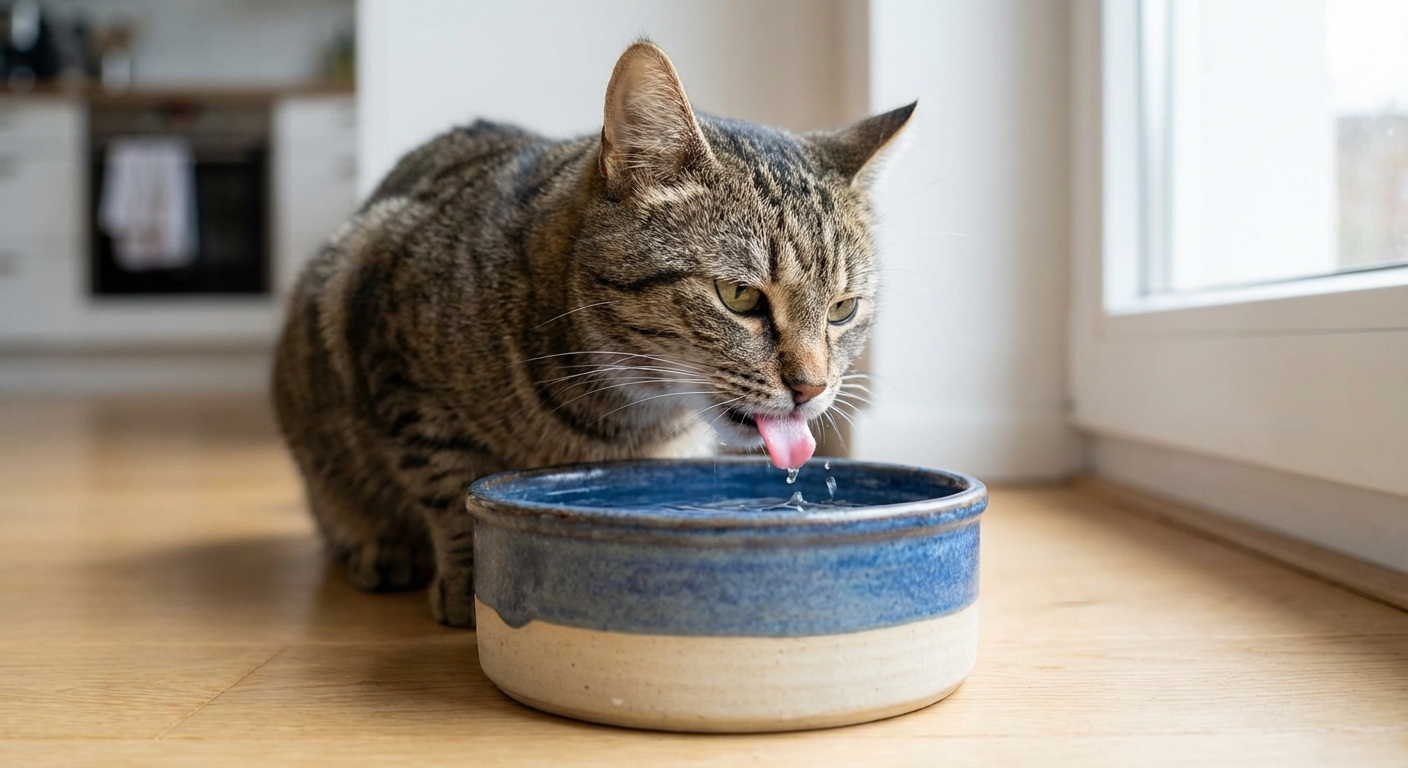
- Refresh water bowls and place a bowl in a second location.
- Consider a pet fountain if your cat prefers moving water.
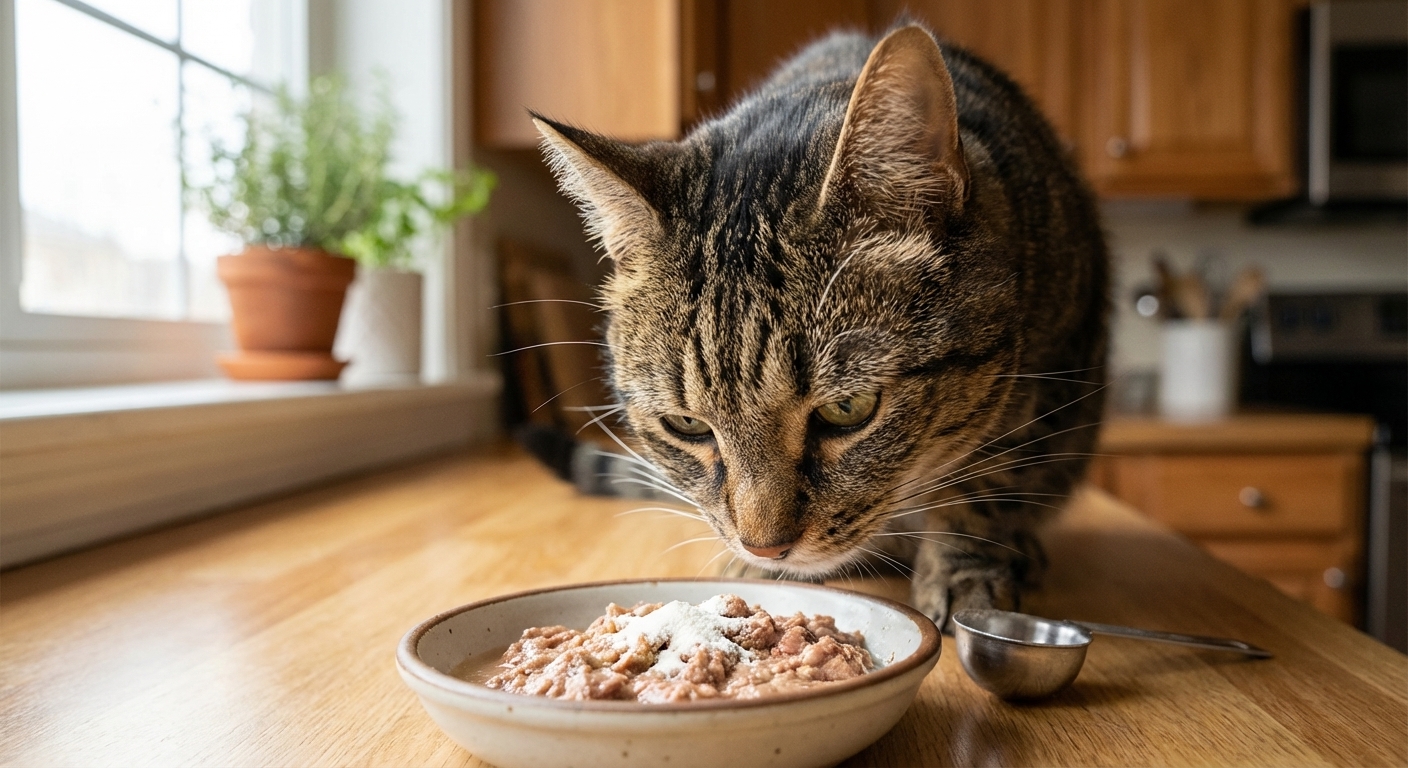
- Feed wet food to increase fluid intake, if your cat tolerates it.
Do not force water by syringe unless a veterinarian instructs you. Aspiration is a real risk.
If you are thinking about electrolyte solutions, skip sports drinks. If your vet wants electrolytes used, ask what type and how much is appropriate for cats.
2) Keep meals small and simple
For many cats, the gentlest approach is to feed small, frequent meals of a highly digestible diet.
- If your veterinarian has recommended a prescription GI diet in the past, this is a good time to use it.
- If you are switching foods, transition slowly over 7 to 10 days once stools improve.
Home cooking can be helpful in some situations, but cats have specific nutritional needs. If you feed a temporary bland diet, keep it truly temporary and ask your veterinarian what they recommend for your cat’s age and health history.
3) Reduce stress and litter box barriers
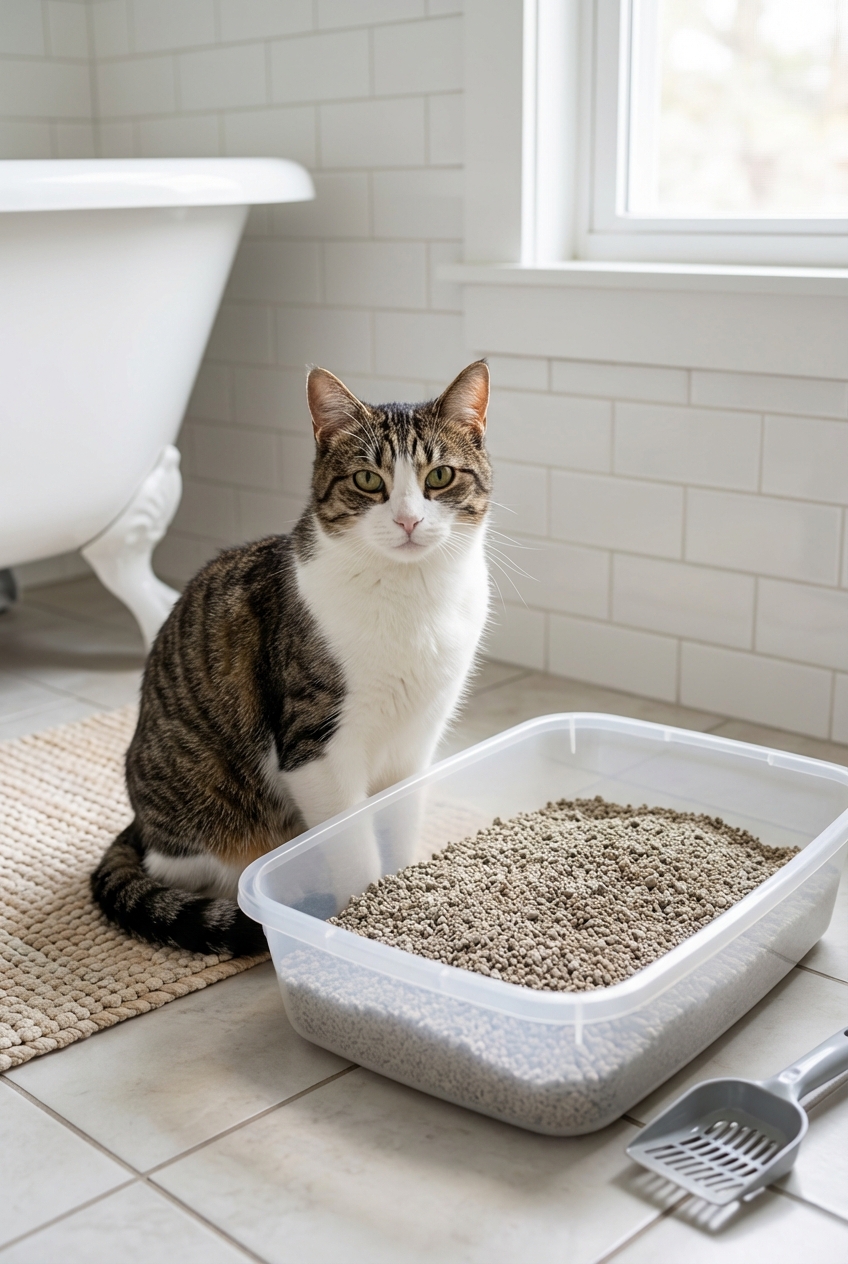
- Keep the litter box extra clean during diarrhea episodes.
- Make sure the box is easy to access, especially for seniors.
- Stick to your normal routine as much as possible.
4) Avoid common mistakes
- No people medications like loperamide or bismuth products unless directed by a vet.
- No sudden fasting without veterinary guidance. Cats that do not eat for 24 hours are at risk, and overweight cats are especially prone to serious complications.
- No milk, cream, or rich treats as “comfort food”.
- Be cautious with OTC add-ons like pumpkin or fiber. They can help some cases but worsen others, so use only if your veterinarian approves and gives you a target amount.
5) Keep things clean
Some causes of diarrhea are contagious to other pets, and a few are zoonotic. During a diarrhea episode:
- Scoop promptly and disinfect the litter box area when possible.
- Wash hands after cleaning the box.
- Be extra careful if there are young kids, seniors, pregnant people, or immunocompromised people in the home.
What to track before you call the vet
If diarrhea lasts more than a day or two, if it keeps returning, or if anything feels off, it is time to loop your veterinarian in. Having clear notes makes the appointment more efficient.
- When it started and how many episodes per day
- Whether stool is watery, soft, or pudding-like
- Any blood (bright red) or black tar-like stool
- Vomiting, appetite changes, or weight loss
- Diet details, including treats and supplements
- Any recent antibiotics or new medications
- Recent stressors or changes in the home
- Any new pets, boarding, grooming, or exposure to outdoor cats
- Current medications and flea or parasite prevention
Pro tip: If your clinic asks for a stool sample, collect a fresh one if possible and bring it in the same day. Use a clean disposable bag or container and wash hands well.
What your veterinarian may recommend
Depending on your cat’s age, exam findings, and how sick they seem, your veterinarian may suggest:
- Fecal testing for parasites and Giardia (sometimes more than one test)
- Bloodwork to check hydration, infection markers, kidney values, and thyroid (in older cats)
- Diet trial with a GI or hydrolyzed protein diet
- Probiotics formulated for cats
- Deworming even if parasites are not seen, because they can be missed
- Fluids under the skin or IV fluids if dehydrated
- Imaging (x-rays or ultrasound) if a foreign body or chronic disease is suspected
The goal is not just to stop the diarrhea today, but to prevent repeat episodes and protect the gut long-term.
How to prevent diarrhea
Not every case is preventable, but you can lower the odds with a few simple habits.
- Transition foods slowly over at least 7 to 10 days.
- Use routine parasite prevention recommended by your veterinarian.
- Keep trash and string-like items secured, especially ribbon, yarn, and dental floss.
- Choose treats wisely and keep them minimal during sensitive stomach periods.
- Support hydration with wet food, fountains, and multiple water stations.
- Reduce stress with predictable routines, hiding spaces, and gradual introductions to change.
Healthy digestion is usually boring. That is a good thing. If your cat’s stool suddenly changes, it is worth paying attention.
Quick FAQ
How long is “too long” for diarrhea?
For many adult cats, diarrhea that lasts longer than 24 to 48 hours is worth a veterinary call, sooner if there is vomiting, blood, lethargy, or poor appetite. For kittens, call right away.
Should I switch foods immediately?
Not usually. Sudden changes can worsen diarrhea. If your veterinarian recommends a GI diet, they may still advise a gradual transition unless the situation is urgent.
Can stress really cause diarrhea?
Yes. Cats can develop stress-related colitis, often with frequent small stools and mucus. The tricky part is stress can also flare underlying IBD, so recurring episodes should be evaluated.