Cat sneezing, congestion, or watery eyes? Learn common feline URI signs, how long they last, safe home care, vet treatments, what not to give, and when to se...
Article
•
Designer Mixes
Cats and Colds: Symptoms and Solutions

Shari Shidate
Designer Mixes contributor
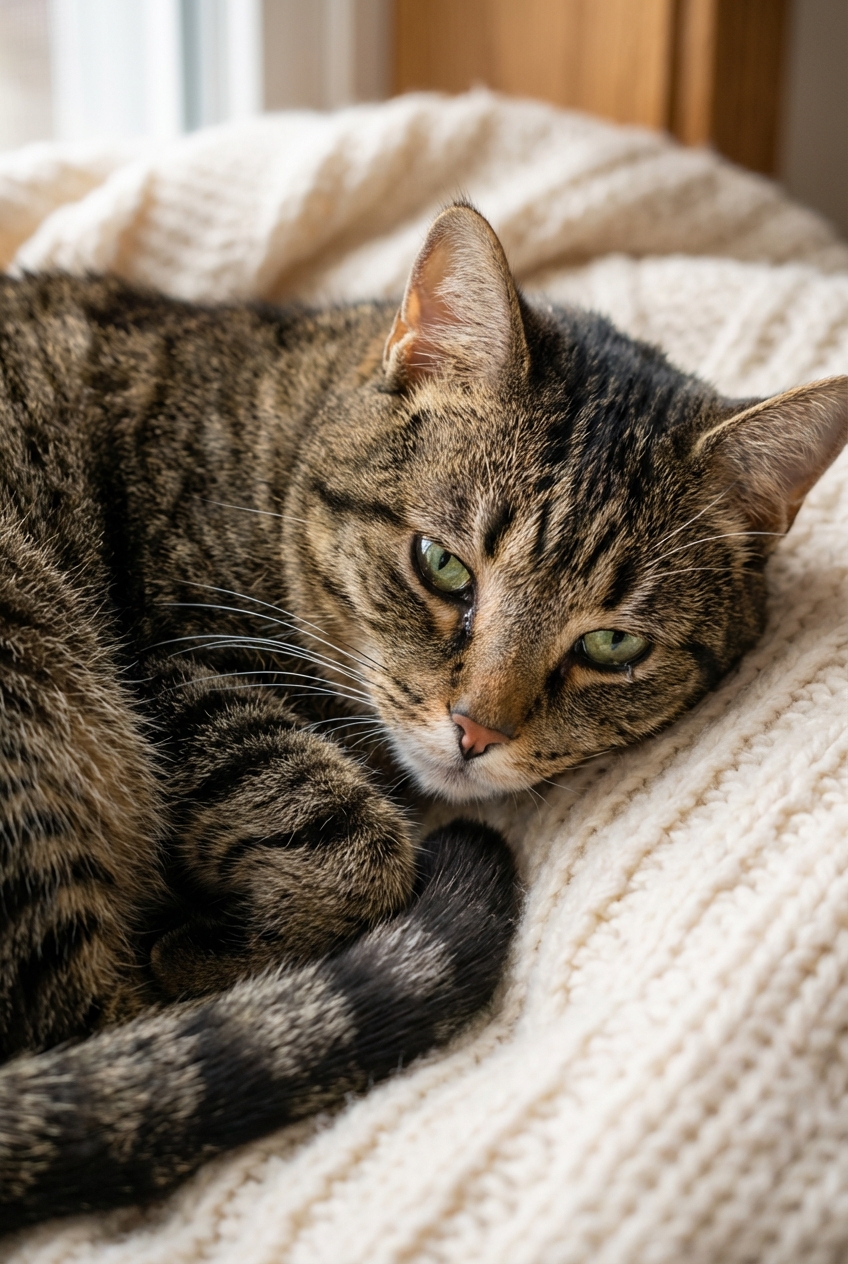
If your cat is sneezing, sniffling, or has watery eyes, it is natural to think, “Oh no, a cold.” The good news is that many mild kitty “colds” improve with supportive care at home. The important part is recognizing when it is a mild upper respiratory infection (URI) versus something that needs a same-day vet visit.
As a veterinary assistant, I always tell families this: cats can look “a little sick” one moment and feel much worse the next, especially kittens, seniors, flat-faced breeds, and cats with chronic conditions. Let’s walk through the most common symptoms, what they may mean, and what you can do right away.
What a “cat cold” usually is
Most cat colds are feline upper respiratory infections. They are commonly caused by viruses, especially:
- Feline herpesvirus-1 (FHV-1): often causes sneezing, eye discharge, and recurring flare-ups during stress
- Feline calicivirus (FCV): can cause sneezing and oral ulcers, and sometimes limping
Bacteria can be involved too, especially if symptoms linger or worsen, but colorful discharge alone does not prove a bacterial infection. Many URIs are contagious between cats, so if you have a multi-cat household, it is smart to take precautions early.
One more quick note: a URI is a description of symptoms, not a diagnosis. If signs are severe, unusual, or not improving, your veterinarian should evaluate your cat to rule out other causes (like asthma, dental disease, allergies, or a foreign body).
Common symptoms
URI symptoms can look a lot like human cold symptoms, but the stakes are different because cats can stop eating when they cannot smell well. That can lead to dehydration and other complications.
Typical signs
- Sneezing
- Nasal congestion and noisy breathing
- Runny nose (often clear at first, sometimes thicker later)
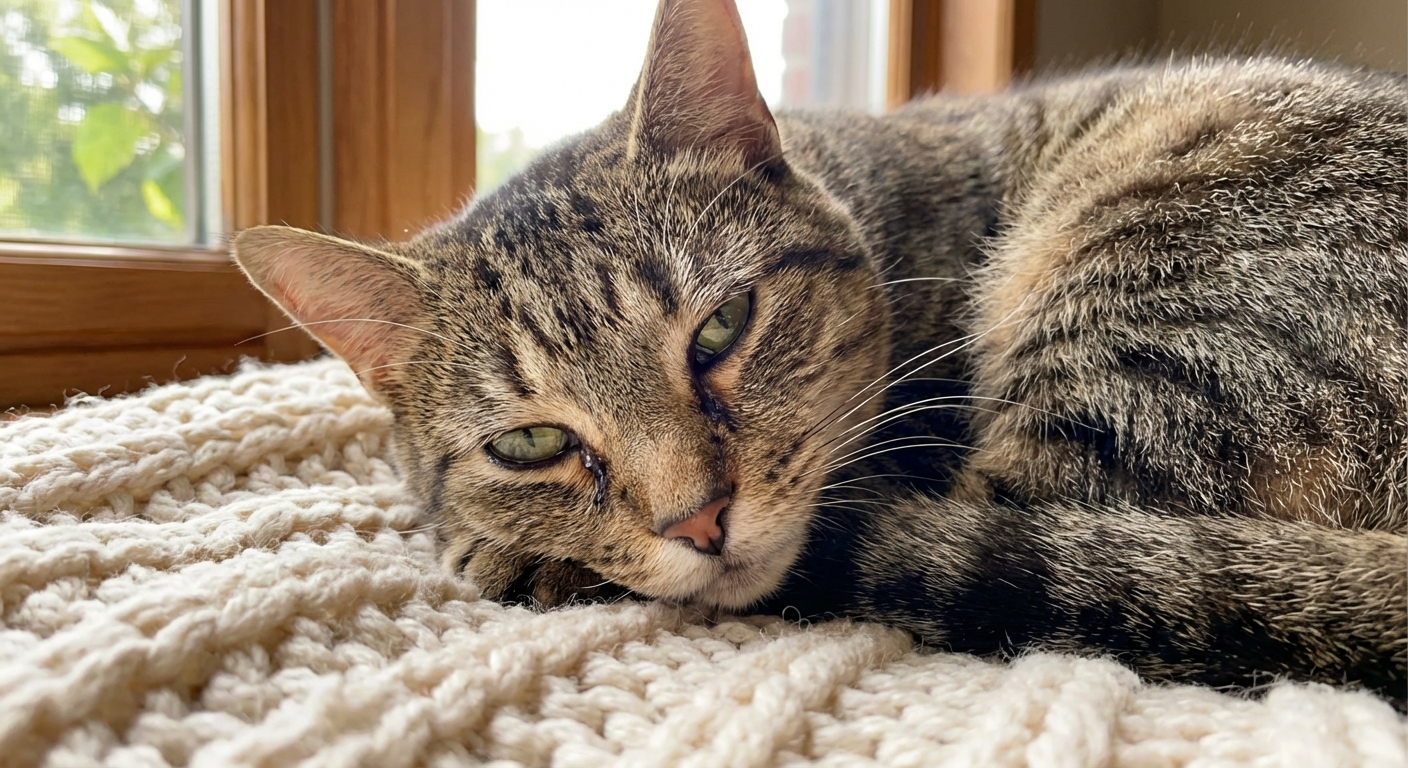
- Watery eyes or eye discharge
- Low energy, hiding, sleeping more
- Decreased appetite
- Mild fever
About coughing: coughing is less typical for an uncomplicated URI in cats. If you are seeing persistent coughing, wheezing, or coughing fits, I consider that a reason to call the vet because it can point to asthma, bronchitis, pneumonia, heart disease, or other lower airway issues.
Signs it may be more than a simple cold
- Open-mouth breathing or labored breathing
- Wheezing or persistent coughing fits
- Not eating (call if your cat will not eat, and do not wait if it has been close to 24 hours for adults or 12 hours for kittens)
- Drooling or bad breath with mouth ulcers
- Thick yellow or green discharge from nose or eyes (may suggest more severe inflammation or a secondary infection and needs a vet assessment)
- Eye squinting, eye redness, cloudiness, or keeping one eye closed
- Possible dehydration (tacky gums, dry nose, reduced skin elasticity, very low urine output)
If you see any of these, contact your veterinarian promptly.
How long it lasts
Many mild URIs improve within 7 to 14 days. Some cats, especially those with herpesvirus, can have symptoms that flare and fade over weeks, or recur during stressful times like moving, boarding, new pets, or schedule changes.
If your cat is not improving by day 3 to 5, or symptoms are worsening, it is time to call your vet. Lingering infections can lead to complications, especially in high-risk cats.
At-home care that helps
Supportive care is the foundation. Think of it as helping your cat breathe easier, stay hydrated, and keep eating while their immune system does the heavy lifting.
1) Encourage eating and drinking
Smell drives appetite. When the nose is plugged up, many cats simply refuse food.
- Offer strong-smelling wet food (pate often works well) or warmed food. Warm slightly to boost aroma (never hot).
- Try tuna water (in water, not oil) or low-sodium broth made for pets to boost interest.
- Make fresh water easy to access, and consider a cat fountain if your cat likes running water.
Important safety note: Do not force-feed or force water. If your cat is too congested, weak, or resisting, forcing can increase aspiration risk. If your cat is refusing food, call your vet early. Cats, especially overweight adults and kittens, can get into trouble quickly when they stop eating.
2) Add humidity and gentle decongestion
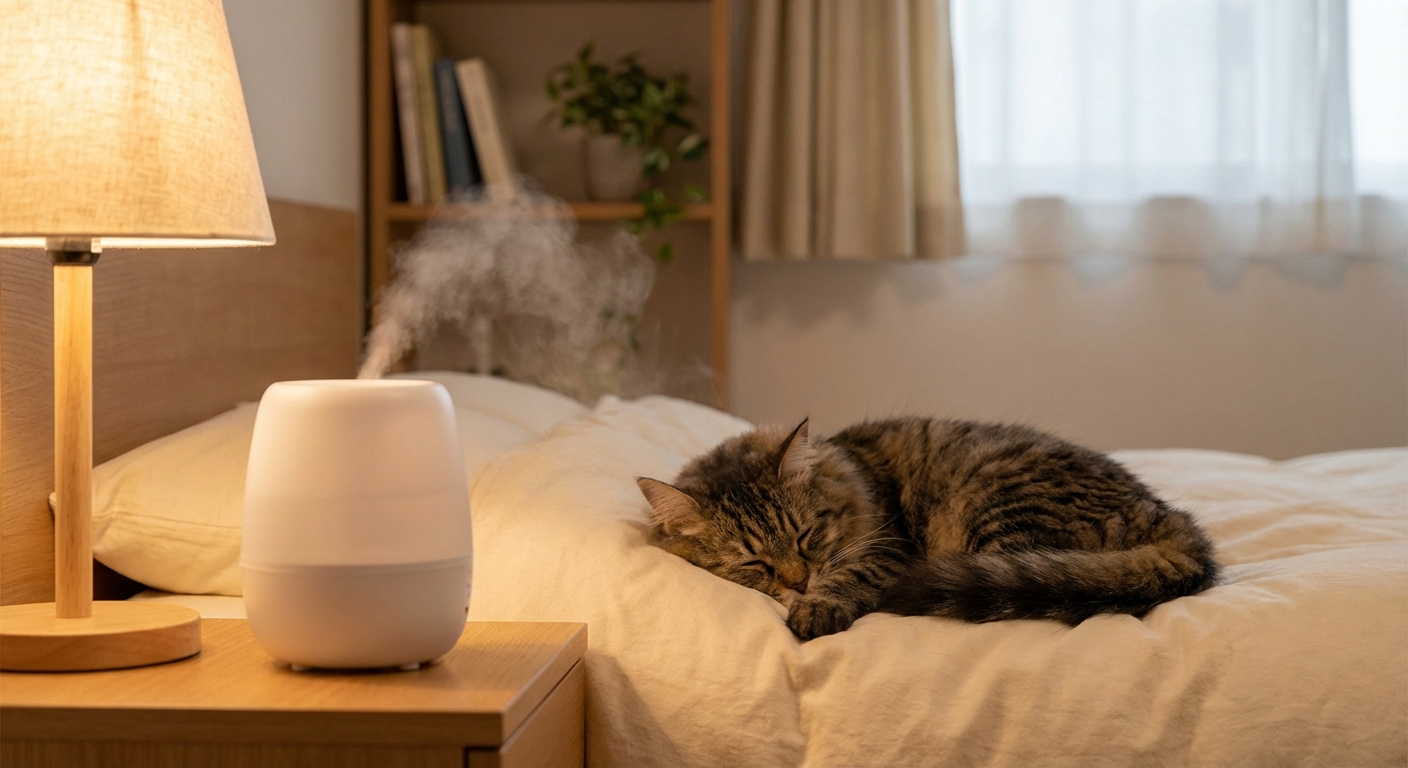
- Use a cool-mist humidifier near your cat’s resting area.
- Create a quick “steam room” by running a hot shower and sitting in the bathroom with your cat for 10 to 15 minutes, 1 to 2 times daily. Keep it calm and supervised.
- Wipe away nose crusts with a warm, damp cotton pad.
3) Keep eyes and nose clean
Discharge can irritate the skin and eyes.
- Gently clean eye discharge with a warm damp cotton pad, using a fresh pad for each eye.
- If discharge becomes thick or your cat is squinting, call your vet. Eye issues in cats can worsen quickly.
4) Reduce stress and limit spread
- Provide a quiet room, soft bedding, and predictable routines.
- If you have other cats, consider temporary separation. Do not share food bowls, water bowls, litter boxes, or grooming tools during illness.
- Wash bedding, wipe down commonly touched surfaces, and wash your hands after handling discharge. Crowding and stress make spread more likely.
5) What not to do
- Do not use human cold medicines, decongestants, or pain relievers unless your veterinarian specifically instructs you.
- Avoid Vicks, menthol products, essential oils, and diffusers around sick cats. Many are irritating or toxic to cats.
- Do not give leftover antibiotics or someone else’s prescription medications.
When to see the vet
Please call your veterinarian right away if your cat:
- Is breathing with effort, breathing very fast at rest, or breathing with an open mouth
- Will not eat, is eating far less than normal, or has gone close to 24 hours without food (or close to 12 hours for kittens)
- Has severe lethargy or seems painful
- Has eye squinting, eye cloudiness, or significant redness
- Seems feverish, is shivering, or feels very warm to the touch
- Is a kitten, senior, pregnant cat, immunocompromised cat, or a flat-faced breed (like Persian or Exotic Shorthair) with any moderate symptoms
Depending on what your vet finds, treatment may include prescription eye medications, antibiotics if a secondary infection is suspected, appetite support, fluids, nebulization, and in select cases vet-prescribed antivirals (treatment is case-by-case and not appropriate for every cat).
Can humans catch it?
In general, the viruses that cause feline URIs are not the same viruses that cause human colds. Your cat is far more likely to pass their URI to another cat than to you.
That said, good hygiene is still a best practice. Wash hands after wiping discharge, and clean shared surfaces if you have multiple pets.
Prevention
Vaccines
Core vaccines help reduce severity and spread of common URI viruses. Vaccines do not always prevent infection completely, but they often make illness milder and shorter.
Lower stress
Because stress can trigger flare-ups, especially with herpesvirus, focus on:
- Stable feeding schedules
- Plenty of hiding spots and vertical space
- Adequate litter boxes (a common guideline is one per cat plus one extra)
- Slow introductions for new pets
Healthy indoor air
- Avoid smoke, heavy fragrances, and aerosol sprays around cats
- Keep your home well-ventilated and consider a HEPA filter if you have triggers like dust
Quick home checklist
If your cat has mild symptoms and is otherwise stable, here is a simple plan for the next 24 hours:
- Check appetite and water intake, and offer warmed wet food
- Run a humidifier or do supervised bathroom steam sessions
- Gently wipe eyes and nose as needed
- Keep your cat warm, quiet, and stress-free
- Monitor breathing while resting
If anything feels “off,” trust your instincts and call your veterinarian. Early support can prevent a small URI from becoming a bigger, more expensive problem.