Spot subtle arthritis signs, get a proper diagnosis, and improve comfort with ramps, litter box tweaks, weight support, safe pain control, and progress track...
Article
•
Designer Mixes
Cats and Arthritis

Shari Shidate
Designer Mixes contributor
If your cat is slowing down, skipping the windowsill, or acting a little grumpy when you touch their back, it is easy to chalk it up to “just getting older.” But arthritis is very common in cats, and many cats suffer quietly because they are masters at hiding pain. In fact, studies commonly report that a large percentage of older cats show arthritic changes on X-rays, even when the signs at home are subtle.
As a veterinary assistant, I have seen how life-changing it can be when we recognize arthritis early and support a cat with the right mix of vet care, home adjustments, and gentle movement. This guide will help you spot the signs, understand what is happening in your cat’s joints, and take practical next steps you can feel good about.
What arthritis looks like in cats
Arthritis, most often osteoarthritis, is a degenerative joint condition where cartilage wears down and the joint becomes inflamed and painful. In cats, it commonly affects the hips, elbows, and spine, and it can also involve the knees (stifles) and other joints. The tricky part is that many cats do not limp. They simply change routines.
Common signs at home
- Less jumping onto counters, beds, or favorite perches
- Slower climbing on stairs or avoiding them altogether
- Stiffness after sleeping, especially in the morning or after long naps
- Litter box changes like accidents, going right outside the box, or avoiding high-sided boxes
- Grooming changes, including a scruffy coat or mats, often over the back end
- Touch sensitivity such as flinching, tensing, or leaving when you pet the back, hips, or shoulders
- Behavior changes like hiding more, playing less, or being more irritable
- Muscle loss over the hips or along the spine
If you are unsure, try recording a short video of your cat walking, jumping, and using the litter box. Videos are extremely helpful for your veterinarian.
Why cats get arthritis
Arthritis can develop for several reasons, and sometimes there is more than one factor involved.
- Age-related wear and tear: cartilage and joint structures change over time
- Old injuries: a past fracture, sprain, or joint trauma can lead to long-term joint degeneration
- Developmental issues: hip dysplasia can occur in cats and may be seen in some larger breeds
- Extra body weight: more load on joints plus an obesity-related inflammatory state can worsen discomfort
One important note: cats can have significant arthritis even when they still look “fine.” That is why subtle changes matter.
Getting a diagnosis
Your veterinarian will typically combine history, a physical exam, and sometimes imaging to diagnose arthritis and rule out other problems.
What your vet may do
- Orthopedic exam to evaluate range of motion, joint thickening, pain, and muscle loss
- Neurologic screening to help distinguish arthritis from nerve or spine issues
- X-rays to look for arthritic changes, though the severity on X-ray does not always match pain level
- Bloodwork before starting long-term medications, especially in older cats or cats with kidney disease, hyperthyroidism, diabetes, or GI issues
Because cats are sensitive to certain medications, it is especially important not to give over-the-counter human pain relievers at home. Common examples that can be dangerous for cats include ibuprofen, naproxen, and acetaminophen. Always check with your veterinarian first.
Vet-approved options
The best arthritis plan is individualized. Many cats do best with a multi-modal approach, meaning we combine several strategies to reduce pain, support joints, and keep the cat moving comfortably.
Pain control
There are several prescription options your veterinarian may consider based on your cat’s age, lab work, and other health conditions. In feline medicine, we often use carefully selected medications and dosing strategies because cats metabolize drugs differently than dogs.
- Anti-inflammatory medication: sometimes used cautiously and with monitoring, especially in cats with kidney concerns
- Non-NSAID pain relief: options may be recommended for chronic pain management
- Monthly injections for osteoarthritis pain: in many areas, monoclonal antibody therapy (for example, frunevetmab, also known as Solensia) is available. Your vet can tell you what is approved and accessible where you live, and whether it fits your cat’s health profile.
Joint support and supplements
Supplements can be helpful, especially as part of a broader plan. Evidence varies by product and individual response, and quality control matters, so ask your vet which brands and doses they trust.
- Omega-3 fatty acids (EPA and DHA): can support a healthier inflammation response
- Glucosamine and chondroitin: mixed evidence, but some cats show improvement
- Green-lipped mussel: may support joint function in some pets, but results and product quality can vary
Rehab and gentle movement
Yes, cats can benefit from physical therapy. Therapeutic exercise, stretching plans designed by a professional, laser therapy, or acupuncture may be available depending on your area. The goal is comfortable, consistent movement and maintaining muscle mass.
Home changes that help
You do not need a full home makeover. A few small adjustments can reduce daily pain triggers and help your cat feel confident again.
Litter box comfort
- Switch to a low-entry litter box or cut a lower doorway into a plastic storage bin
- Place boxes on each level of the home if you have stairs
- Use a soft, unscented litter if paws or joints seem sensitive
- Put the box in a quiet, easy-to-reach spot so your cat does not have to hurry or climb to get there
Easier access to favorite spots
- Add pet steps or a ramp to beds, couches, and sunny window perches
- Use sturdy footstools as intermediate “jump points”
- Keep essentials like food, water, and resting areas on one level if possible
Warmth and traction
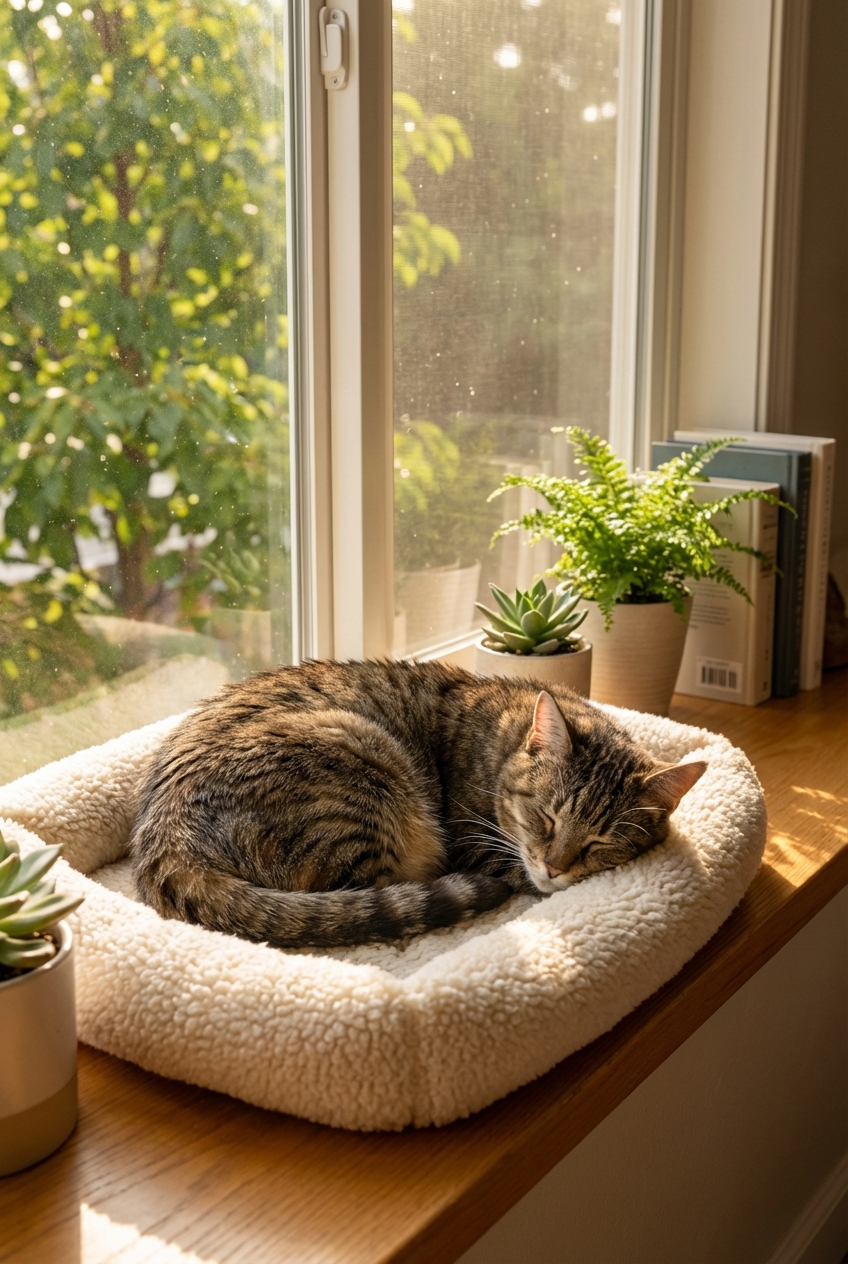
- Offer a warm, padded bed in a quiet area. A vet-approved low-heat warming pad can be wonderful.
- Add rugs or traction runners on slick floors so your cat does not slip
- Keep nails trimmed so your cat can grip surfaces more easily
Daily comfort extras
- Consider slightly raised food and water bowls if bending seems uncomfortable
- Set up a second water station so your cat does not have to travel as far on stiff days
Weight and nutrition
If your cat is overweight, even modest weight loss can reduce strain on joints and improve mobility. The key is slow, safe progress with your veterinarian’s guidance.
What helps most
- Portion control: measuring food is more reliable than “eyeballing”
- High-protein, calorie-controlled diets: many cats maintain muscle better with adequate protein, especially seniors
- Omega-3s: either via a veterinary diet formulated for joint support or a vet-recommended supplement
- Hydration: canned food or adding water can support overall health, especially in older cats
If your cat has kidney disease, diabetes, hyperthyroidism, or GI issues, nutrition needs to be customized. There is no one perfect arthritis diet for every cat.
Gentle activity
The goal is gentle, consistent movement. You want your cat to use their body, not avoid it. Think short sessions that end on a good note.
Easy ideas
- Two to five minutes of play with a wand toy, one to three times daily
- Treat trails to encourage slow walking between rooms
- Low-impact enrichment like puzzle feeders that do not require climbing
- “Easy wins” setups such as placing a stool by the couch so your cat can step up instead of launching
Signs you may be pushing too hard include limping, hiding after activity, decreased appetite, or reluctance to move later that day. If you notice these, scale back and talk to your vet about adjusting the pain plan.
What not to do
- Do not give human pain medications unless your veterinarian has specifically instructed you to do so
- Do not force stretching or “work out” a stiff joint. If rehab is appropriate, it should be guided by a professional plan.
- Do not ramp up play suddenly after a good day. Slow and steady is safer for sore joints.
Call the vet soon
Arthritis is usually chronic and gradual, but there are situations where you should seek veterinary care promptly.
- Sudden inability to use a leg or severe lameness
- Crying out in pain, panting, or rapid breathing at rest
- Not eating for 24 hours (or sooner for seniors or cats with other health issues)
- Dragging back legs, severe weakness, or loss of bladder control
- Swollen joints, fever, or extreme lethargy
Some conditions can mimic arthritis, including injuries, blood clots, nerve problems, infections, and other painful diseases. It is always better to check.
Living well with arthritis
Most arthritic cats can still enjoy a rich, cozy life, and many improve more than owners expect once pain is properly addressed. The most important mindset shift is this: arthritis support is not about “fixing” your cat, it is about helping them feel safe and comfortable doing the normal cat things they love.
Plan on follow-ups. Arthritis care is a process, and many cats need a recheck after a few weeks to assess comfort, mobility, and side effects, then occasional check-ins to fine-tune the plan. Keeping a simple mobility journal (and taking monthly videos) makes progress easier to see.
Pick one change to start this week: a low-entry litter box, a ramp to a favorite nap spot, or a vet visit to discuss a pain plan. Small steps add up fast.