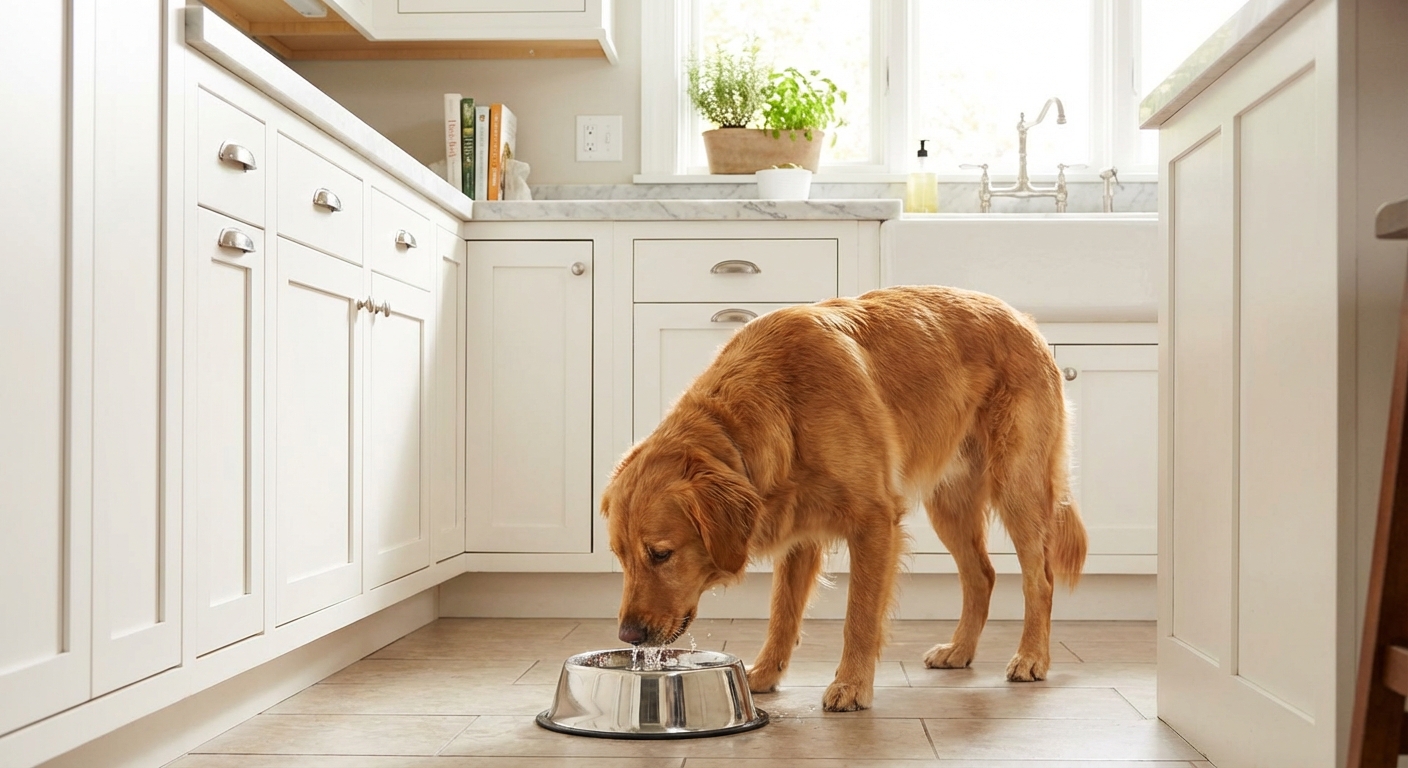
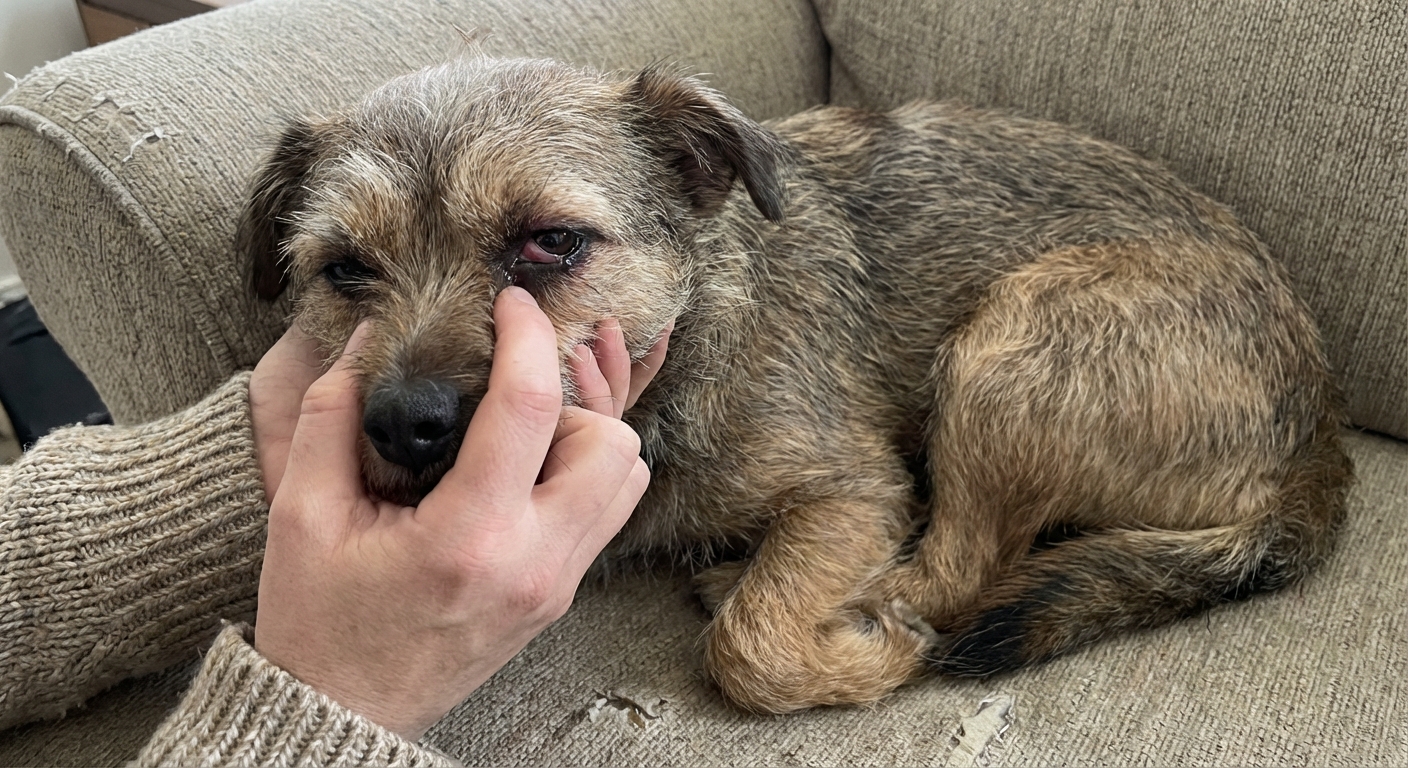
Spot canine diabetes early with this vet-style guide to classic signs: thirst, frequent urination, ravenous appetite, weight loss, fatigue, cataracts, infect...
Article
•
Designer Mixes
Cataracts in Dogs: Signs, Treatment, and Living With Vision Loss

Shari Shidate
Designer Mixes contributor
Cataracts are a common cause of cloudy-looking eyes and vision loss in dogs, especially as they age. The good news is that you can often spot them early, and many dogs do beautifully with treatment, monitoring, or simple lifestyle adjustments. As a veterinary assistant, I want you to feel confident about what you are seeing, what your vet will look for, and how to help your dog stay safe and happy at home.
Quick note: This article can help you understand what might be going on, but it cannot diagnose your dog. Any new eye cloudiness is worth an exam.
What cataracts are (and what they are not)
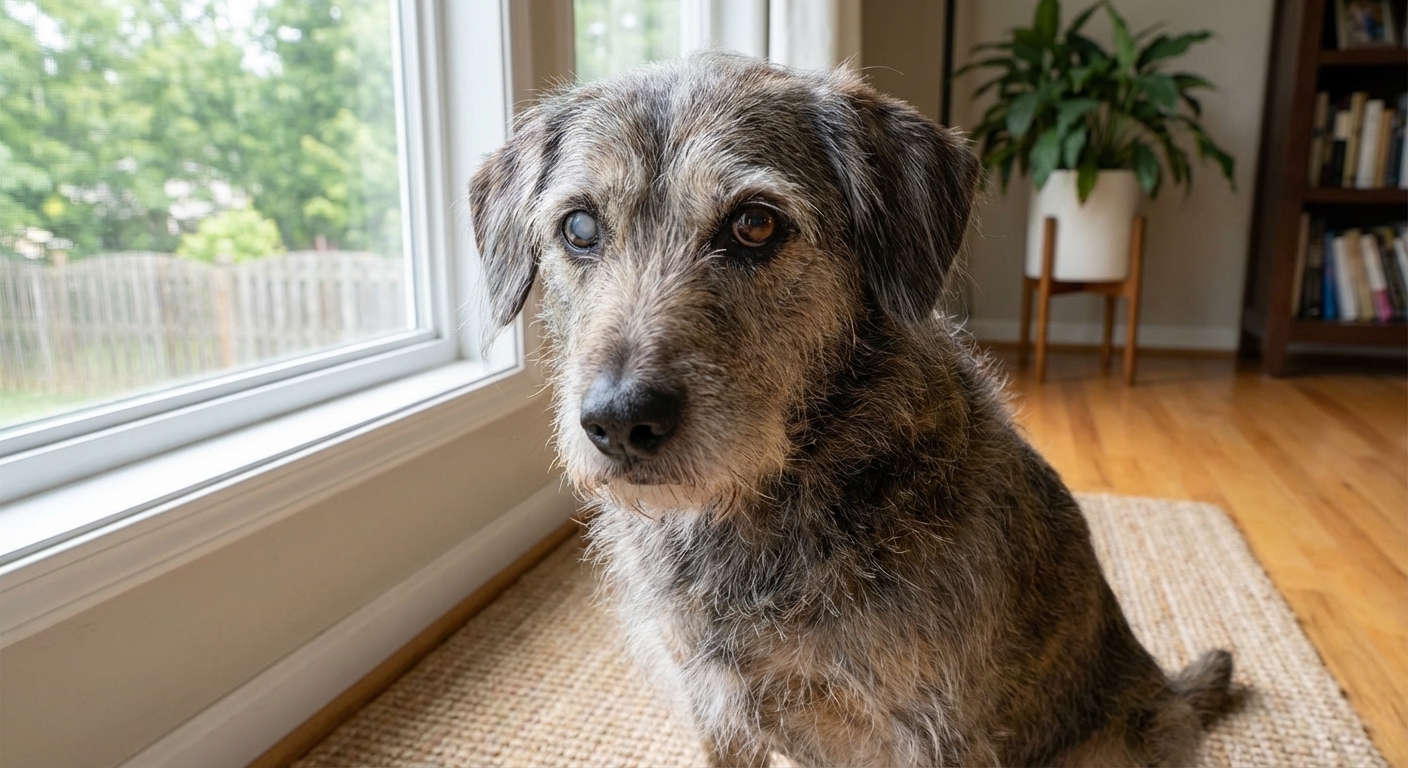
A cataract is a clouding of the lens inside the eye. The lens sits behind the colored part of the eye (the iris) and the pupil. When the lens turns opaque, light cannot pass through normally, so vision becomes blurred and can eventually be lost in that eye.
One helpful at-home clue is location: lens changes often look like a haze or white-gray change in the pupil area, while cloudiness on the surface of the eye can point more toward corneal disease (like an ulcer or edema). From across the room, though, these can look very similar.
One common look-alike is nuclear (lenticular) sclerosis, a normal age-related change that can make the eyes look blue-gray, especially in certain lighting. Nuclear sclerosis usually causes mild vision changes at most, while cataracts can cause significant vision loss.
Because several eye problems can look similar, any new cloudiness should be checked by a veterinarian, and sometimes an eye specialist called a veterinary ophthalmologist.
Early signs of cataracts in dogs
Some cataracts start small and are easy to miss. I always tell families to watch both the eye appearance and the behavior.
What you may see
- Cloudy, white, or gray “film” in the pupil area (center of the eye)
- A change that is more noticeable in certain lighting or in photos with flash
- One eye affected first, then the other over time
What you may notice at home
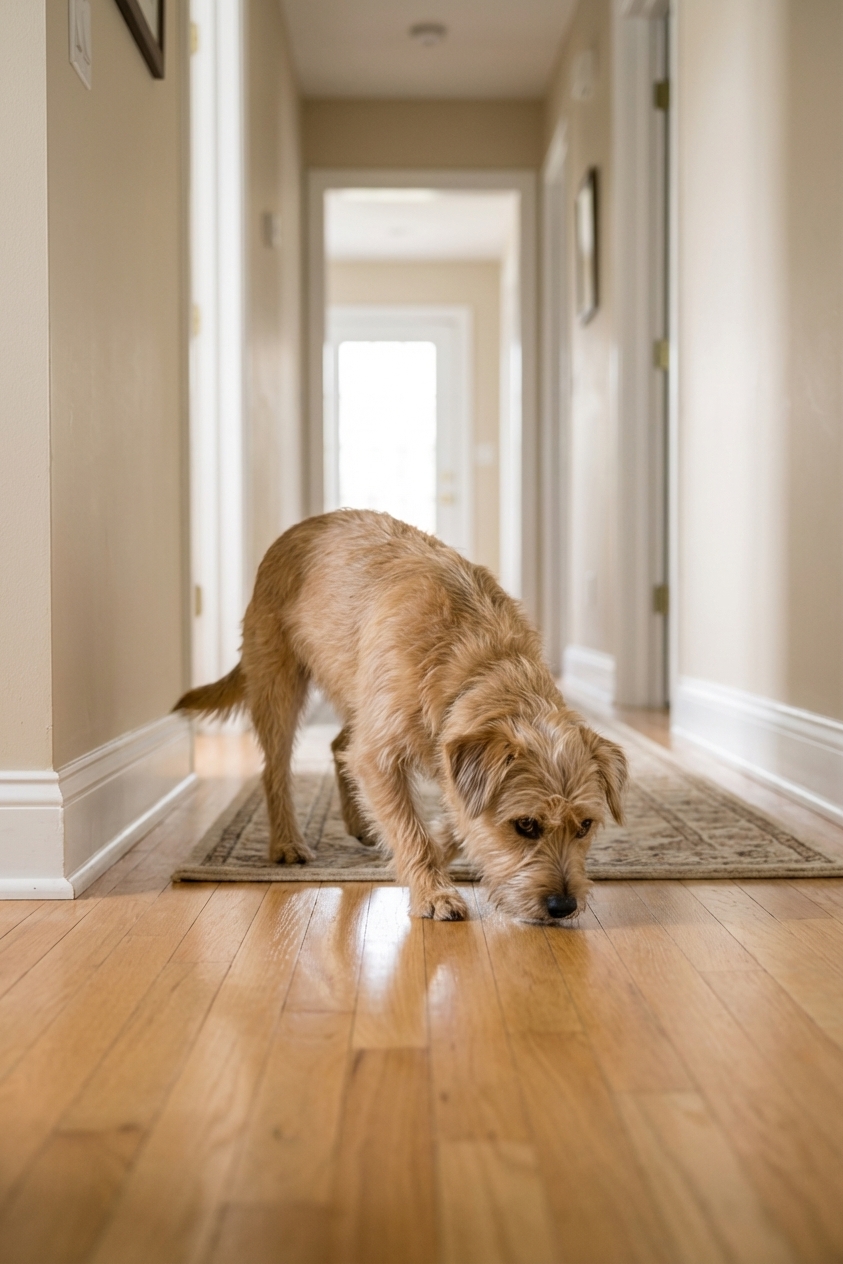
- Bumping into furniture or door frames, especially in dim light
- Hesitating on stairs or curbs
- Startling more easily when approached
- Trouble finding toys or treats on the floor
- Clinginess or anxiety in unfamiliar spaces
Call your vet the same day if there is squinting, redness, pawing at the eye, sudden vision loss, discharge, or a cloudy eye that appears quickly. Cataracts can be associated with painful complications like lens-induced uveitis (inflammation inside the eye) and, in some cases, glaucoma (high eye pressure). Both need prompt care.
Breeds at higher risk
Cataracts can happen in any dog, including mixed breeds, but some breeds have a higher genetic risk or are more likely to develop cataracts earlier in life. This list is not exhaustive, but common higher-risk breeds include:
- Poodles
- Cocker Spaniels
- Labrador Retrievers
- Boston Terriers
- Miniature Schnauzers
- Siberian Huskies
- Yorkshire Terriers
- West Highland White Terriers
- Australian Shepherds
- Border Collies
- Bichon Frise
If your dog is in a higher-risk group, it is smart to mention any eye changes at wellness visits, even if your dog seems to see fine.
Common causes and risk factors
Age is a big factor, but cataracts are not only a senior-dog issue. Depending on the dog, cataracts may be:
- Hereditary (genetic), sometimes appearing when dogs are young
- Diabetic, which can progress quickly
- Trauma-related (injury to the eye)
- Associated with inflammation inside the eye (uveitis)
Your veterinarian will help sort out what is most likely in your dog, since the underlying cause can affect both treatment and urgency.
How veterinarians diagnose cataracts
Your vet will start with a full eye exam. Many clinics and ophthalmologists use tools like a slit-lamp exam (to look closely at the front of the eye and lens) and ophthalmoscopy (to evaluate the back of the eye when possible).
They may recommend tests such as:
- Fluorescein stain to check for corneal ulcers
- Tear production testing (dry eye can worsen discomfort and cloudiness)
- Tonometry to measure eye pressure and screen for glaucoma
- Retinal evaluation to see if the back of the eye is healthy
If surgery is being considered, a veterinary ophthalmologist may perform additional testing. This often includes an electroretinogram (ERG) to confirm the retina is functioning well enough to support vision after surgery. If the lens is too opaque to view the retina, an ocular ultrasound may be recommended. Your vet will also typically recommend standard pre-anesthesia screening (bloodwork, and sometimes additional testing based on age and health).
Treatment options
The right plan depends on the cause of the cataract, how fast it is progressing, whether the eye is inflamed, and whether your dog is a good anesthesia candidate. Not every cataract needs immediate surgery. If your dog is still getting around well and the eye is comfortable, your vet or ophthalmologist may recommend monitoring and treating inflammation, with regular rechecks.
Surgery
Cataract surgery is typically done using a technique called phacoemulsification, where the cloudy lens is broken up and removed. Many dogs also receive an artificial lens implant, which can improve focus.
- Best candidates: dogs who are otherwise healthy, with controlled inflammation and a healthy retina
- Goal: restore functional vision, often very successfully with good case selection and aftercare
- Timing matters: earlier referral can help prevent complications and improve outcomes
Setting expectations: cataract surgery has a strong success rate in appropriately selected dogs, but it is still surgery. Possible complications can include persistent inflammation (uveitis), glaucoma, infection, corneal issues, and, more rarely, retinal detachment. Your ophthalmologist will talk you through your dog’s individual risk and the plan to monitor for complications.
Non-surgical care
There is no proven eye drop that can “dissolve” a cataract once it forms. However, non-surgical care can still be very valuable, especially when surgery is not an option or is not needed yet.
- Anti-inflammatory medications (often eye drops) may be used to reduce lens-induced inflammation
- Monitoring for glaucoma is essential because increased pressure can be painful and vision-threatening
- Routine rechecks help catch complications early
If you see supplements or drops marketed as a cure, please run them by your veterinarian first. Some products may irritate the eye or delay needed treatment.
After surgery
If your dog has cataract surgery, home care is a big part of success. It is absolutely doable, but it takes consistency.
Common aftercare needs
- Multiple eye drops several times per day at first (anti-inflammatory and antibiotic drops are common)
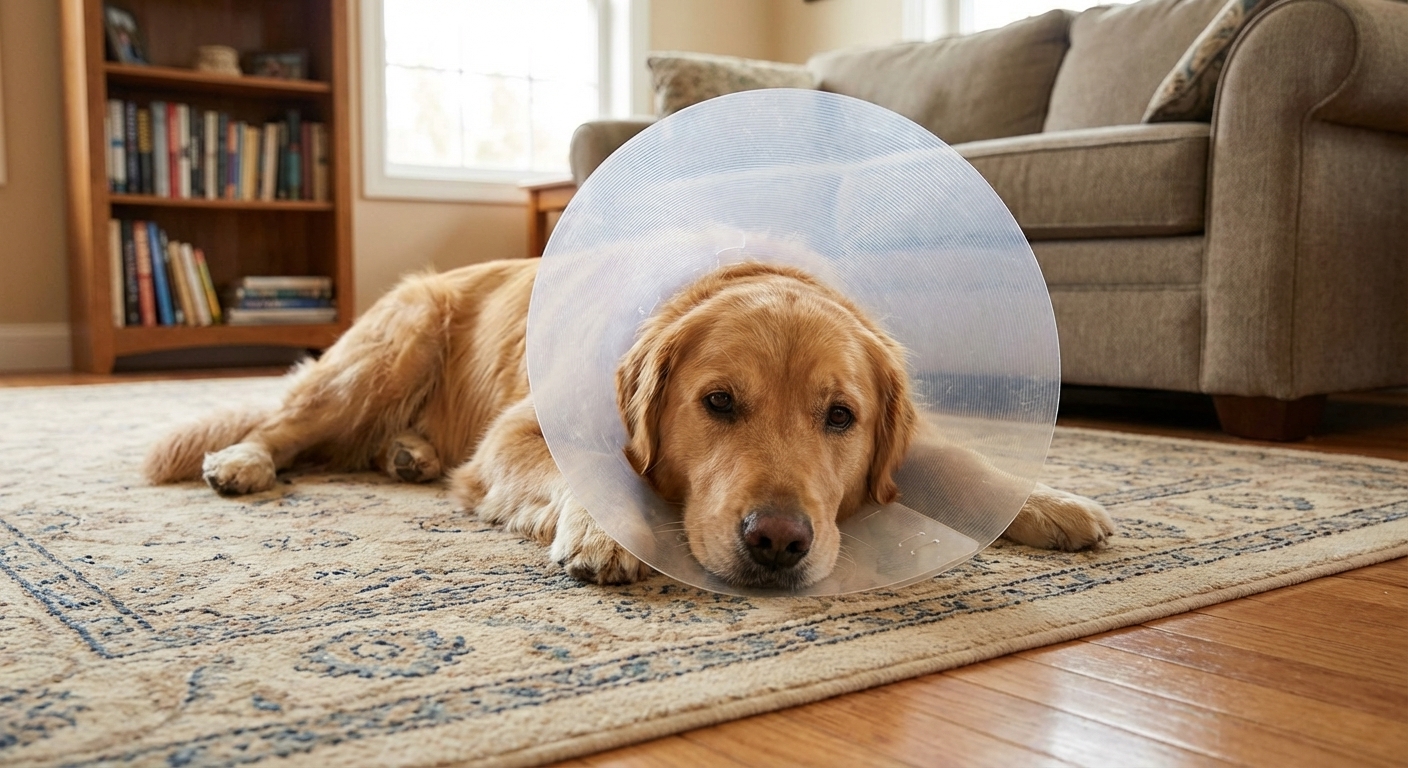
- E-collar to prevent rubbing or scratching
- Activity restriction for a period of time, often including no rough play
- Follow-up visits to monitor healing and eye pressure
Many dogs feel surprisingly normal quickly, which is wonderful, but it can also tempt them to play too hard too soon. Keeping restrictions is one of the kindest things you can do during recovery.
Living with vision loss
Dogs are incredible at adjusting. They rely heavily on scent, memory, and hearing, and many blind or low-vision dogs still enjoy walks, toys, and family life. Your job is to make the environment predictable and safe.
Simple home tips
- Keep furniture in consistent places whenever possible
- Block off stairs with baby gates if your dog is unsure on steps
- Use rugs or runners to prevent slipping and create “paths”
- Do not startle: speak before touching, especially during sleep
- Leash in new places and guide with calm, steady cues
- Try scent and sound enrichment: snuffle mats, treat puzzles, and gentle squeaky toys
If your dog is bumping into things, add corner guards to sharp furniture edges and keep floors clear of clutter. Think of it like child-proofing, just with a sweet senior dog instead.
The diabetes connection
This is one of the most important pieces to understand: diabetes can cause cataracts to form rapidly in dogs, sometimes over weeks or even days, especially if diabetes is newly developing or poorly controlled.
When blood sugar is high, extra glucose enters the lens and is converted into substances that pull water into the lens. That swelling disrupts the lens structure and can turn it cloudy. Diabetic cataracts can also trigger lens-induced uveitis, which is inflammation inside the eye and can be painful.
If your dog has diabetes
- Watch closely for new cloudiness in the eyes
- Keep diabetes management consistent (insulin, feeding schedule, vet-directed monitoring)
- Ask your vet whether a referral to an ophthalmologist is appropriate, even early
If your dog has not been diagnosed but you notice sudden cataracts plus increased thirst, increased urination, weight loss, or increased appetite, call your vet. Those are classic signs that diabetes may be present.
You can also read our related resource on diabetes to connect the dots on daily management and long-term health.
When to call the vet
Eye problems can go from mild to serious quickly. Seek urgent veterinary care if you notice:
- Sudden cloudiness or sudden vision change
- Redness, swelling, squinting, or discharge
- Pawing at the eye or rubbing the face on the floor
- A dilated pupil that does not respond normally to light
- Signs of pain like hiding, crying, or reluctance to open the eye
The bottom line
Cataracts can be scary because they affect something we all depend on: vision. But for many dogs, cataracts are manageable, and cataract surgery can be life-changing when it is the right fit. Whether your dog ends up with restored vision or learns to navigate the world with less sight, you can absolutely support them with smart vet care, a safe home setup, and a steady, reassuring routine.
If you are unsure what you are seeing, take a clear photo in good light and schedule an exam. Early evaluation is one of the best gifts you can give your dog.