Cats age rapidly in the first 2 years, then more steadily. Use this cat-to-human age chart, learn life-stage milestones, red-flag symptoms, and care tips fro...
Article
•
Designer Mixes
Cat Years to Human Years

Shari Shidate
Designer Mixes contributor
If you have ever looked at your cat and wondered, “How old are you really?”, you are not alone. As a veterinary assistant, I hear this question all the time because cat aging does not follow a simple one-year-equals-seven-years rule. Cats mature quickly in early life, then the pace slows down. Understanding where your cat truly is on the life-stage timeline helps you make smarter choices about nutrition, play, and preventive care.
Why cat years differ
Cats go from “baby” to “teen” to “young adult” in what feels like no time at all. Cats can be capable of reproduction well before one year of age, while a one-year-old human is still a baby. After the first two years, the aging curve becomes more gradual, and lifestyle, genetics, and health conditions start to influence “how old” a cat seems.
That is why veterinarians and cat organizations commonly use a model that accounts for rapid early development and slower aging afterward. It is still a rule of thumb, not a medical measurement.
Source note: The life-stage ranges and the conversion rule below align with commonly cited feline guidance from veterinary organizations such as the AAFP and AAHA, which many clinics use for client education.
Cat years to human years
There are a few versions of this conversion, but a commonly used rule of thumb is:
- 1 cat year ≈ 15 human years
- 2 cat years ≈ 24 human years
- After age 2: add about 4 human years for each additional cat year
Here is what that looks like in a simple table you can bookmark.
Conversion table
| Cat age | Human age (approx.) |
|---|---|
| 6 months | 10 |
| 1 year | 15 |
| 2 years | 24 |
| 3 years | 28 |
| 4 years | 32 |
| 5 years | 36 |
| 6 years | 40 |
| 7 years | 44 |
| 8 years | 48 |
| 9 years | 52 |
| 10 years | 56 |
| 11 years | 60 |
| 12 years | 64 |
| 13 years | 68 |
| 14 years | 72 |
| 15 years | 76 |
| 16 years | 80 |
| 17 years | 84 |
| 18 years | 88 |
| 19 years | 92 |
| 20 years | 96 |
Friendly reminder: this is an estimate. Two cats can be the same chronological age and look very different depending on dental health, weight, muscle tone, stress levels, environment, and chronic disease. (Unlike dogs, breed and size do not change the aging timeline as dramatically in cats.)
Think in life stages
In clinic settings, I find life stages are even more helpful than a single “human age” number, because they tie directly to care decisions.
- Kitten (0 to 6 months): rapid growth, vaccine series, socialization, parasite prevention, and spay or neuter is often done around 4 to 6 months to help prevent unintended pregnancies (your veterinarian will guide timing for your cat).
- Junior (7 months to 2 years): adolescence to young adulthood, continued routine care, maintaining a healthy weight, and keeping up with prevention habits.
- Prime (3 to 6 years): adult maintenance, weight management, dental care becomes more important.
- Mature (7 to 10 years): subtle changes start, baseline lab work is often recommended.
- Senior (11 to 14 years): higher risk of kidney disease, hyperthyroidism, arthritis, dental disease.
- Geriatric (15+ years): more frequent monitoring and comfort-focused care.
Estimating age in unknown cats
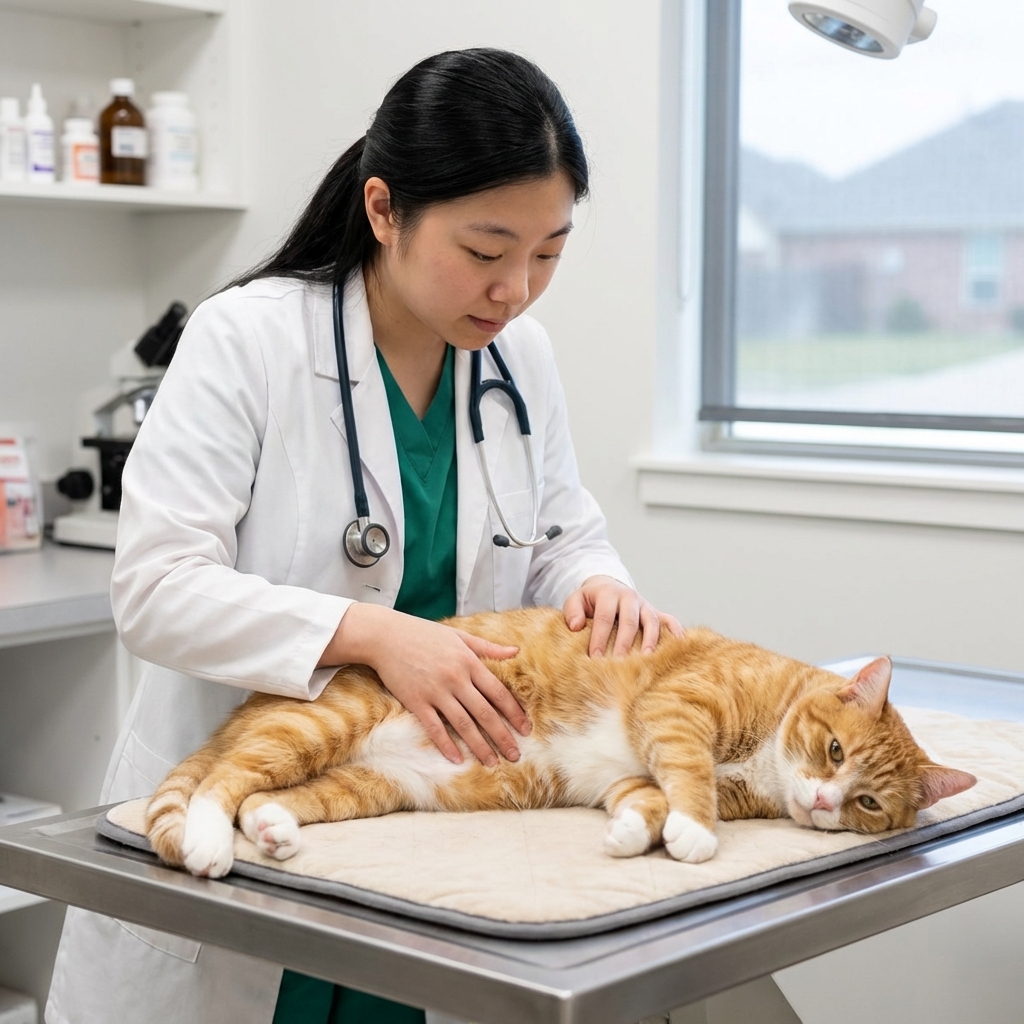
If you adopted a cat with an unknown history, your veterinarian can make an educated estimate. We often look at things like tooth eruption and wear, gum health, body condition and muscle tone, coat quality, and sometimes eye changes. It is not exact, but it can place a cat into the right life stage so care and screening make sense.
What changes with age
Cats are incredibly good at hiding discomfort. Many “normal aging” changes are actually early clues that something needs attention. If you notice any of the signs below, it is worth scheduling a vet visit rather than waiting.
Common issues
- Dental disease: bad breath, drooling, pawing at the mouth, dropping food.
- Kidney disease: increased thirst and urination, weight loss, poor appetite.
- Hyperthyroidism: weight loss despite a big appetite, restlessness, vomiting.
- Arthritis: reluctance to jump, stiffness, missing the litter box because getting in hurts.
- Cognitive changes: loud nighttime vocalizing, confusion, changes in sleep patterns.
- Obesity: low stamina and worsening arthritis risk, and some cats may groom less (though reduced grooming can also signal pain or illness).
Actionable tip: weigh your cat monthly if they allow it, and keep notes. Slow weight loss in an older cat can be one of the earliest red flags we see.
How often to see the vet
Even indoor-only cats benefit from routine exams because many common conditions are not obvious until they are advanced. Indoor cats also still need preventive care, which your veterinarian can tailor to risk level.
- Kittens: several visits in the first months for vaccines, growth checks, spay or neuter planning, and parasite control.
- Healthy adults (1 to 6 years): at least once a year, including vaccine planning and parasite prevention guidance.
- Mature and older (7+ years): often every 6 months, with bloodwork and urine testing as recommended by your veterinarian.
Those regular visits help catch treatable problems earlier, when you have more options and your cat can stay feeling like themselves.
Support healthy aging
The goal is not to “reverse” time. It is to protect comfort, mobility, and organ health for as long as possible.
- Keep cats lean: extra weight stresses joints and can worsen diabetes risk.
- Prioritize hydration: wet food, water fountains, and multiple water stations can help.
- Do dental prevention: dental diets or treats approved by your vet, and brushing if your cat tolerates it.
- Make the home senior-friendly: low-entry litter boxes, ramps or steps to favorite spots, soft bedding.
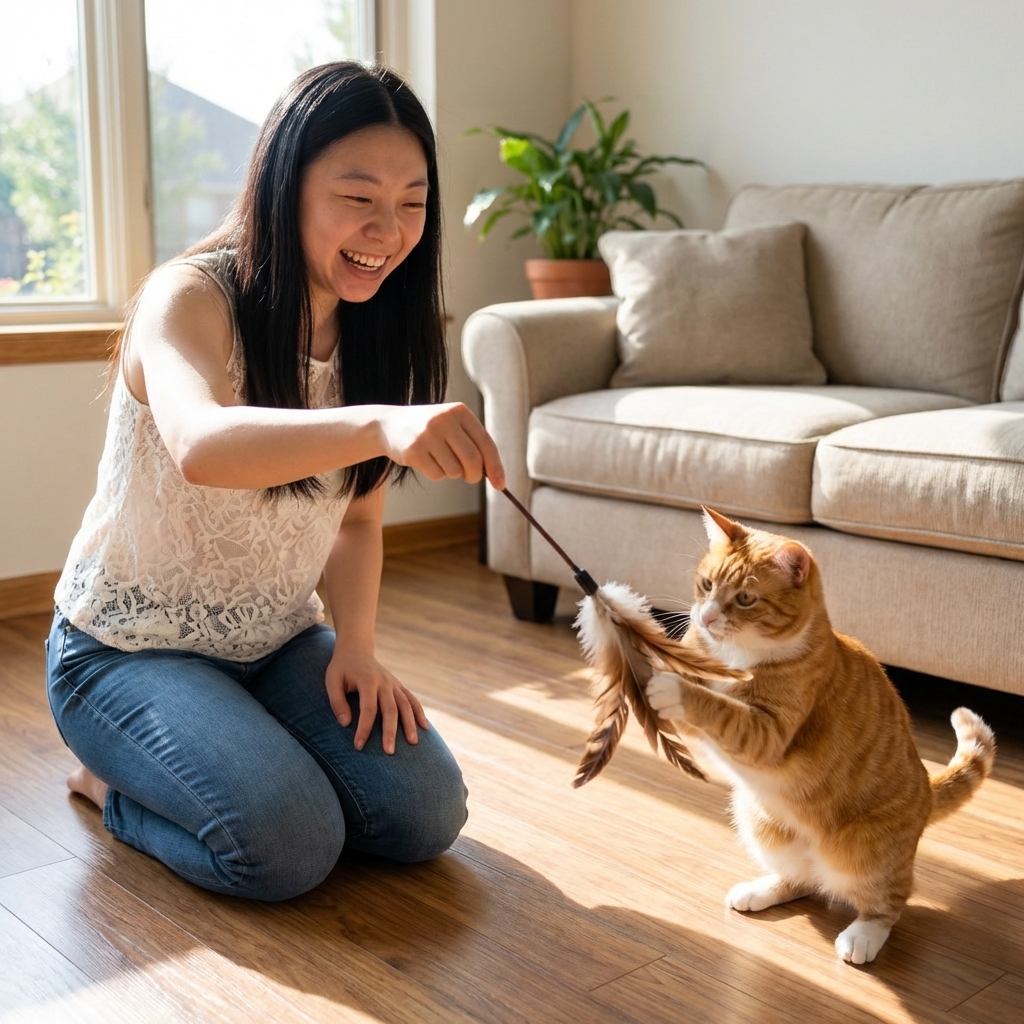
- Protect playtime: short daily play sessions help maintain muscle and mental health.
- Keep prevention up to date: vaccines and parasite prevention are not just for outdoor cats. Your vet can help you choose what your cat needs.
FAQ
Is the “multiply by 7” rule accurate?
No. Cats mature much faster in the first two years, then age more slowly. The 15, 24, then plus-4 method generally matches feline development better as a quick estimate.
Do indoor cats age slower?
Many indoor cats live longer on average because they avoid hazards like cars, predators, toxins, and infectious disease exposure. That said, indoor cats can still develop age-related illnesses, especially if they are overweight or sedentary.
What is “old” for a cat?
Many veterinarians consider cats senior around 11 and geriatric around 15+. But your individual cat’s health matters more than a number.
The bottom line
Converting cat years to human years is a helpful way to understand your cat’s life stage, but it is not just trivia. Knowing whether your cat is a “24-year-old adult” or a “72-year-old senior” can guide everything from diet choices to how often you schedule checkups. If you are unsure about your cat’s age, or you are noticing changes in weight, thirst, mobility, or behavior, your veterinarian can help you build a clear plan to support healthy aging.
Small changes now, like hydration support, weight management, and regular exams, can make a big difference in your cat’s comfort and longevity.
Medical note: This article is for general education and is not a substitute for veterinary diagnosis or treatment.