Learn why cats meow at night and what to do: a simple evening play-and-feed routine, how to avoid rewarding meows, stress fixes, automatic feeders, and vet r...
Article
•
Designer Mixes
Cat Won’t Stop Meowing at Night

Shari Shidate
Designer Mixes contributor
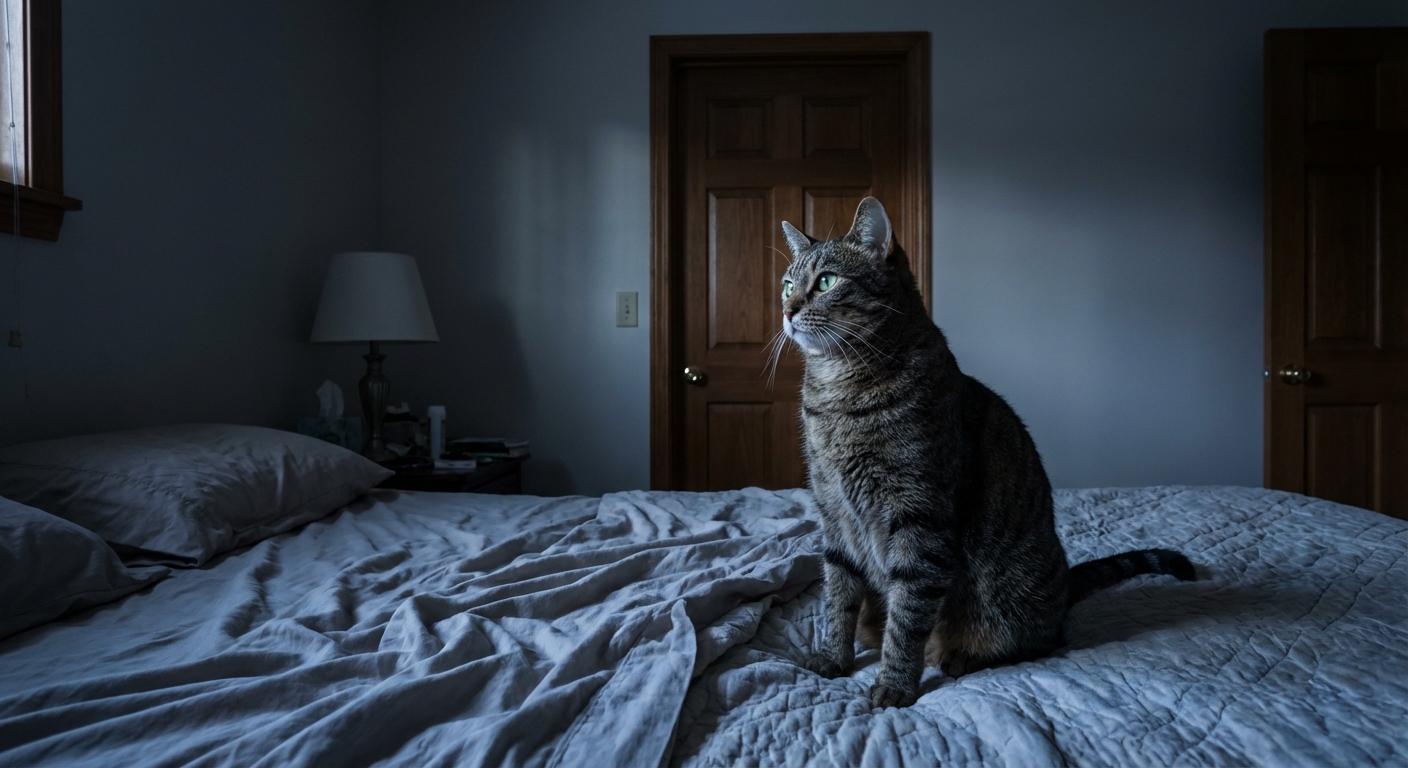
Nighttime meowing can feel personal, but in most homes it is a solvable mix of biology, habits, and a cat’s very real needs. Many cats are naturally more active at dawn and dusk, and if your cat has learned that vocalizing gets attention, food, or play, they will keep doing it.
The key is to approach this the same way we do in veterinary settings: rule out medical causes first, then adjust routine and environment, then train the new habit consistently.
First, rule out health issues
If the vocalizing is new, suddenly worse, louder than usual, or paired with other changes, it is worth a vet visit. Cats often vocalize because they feel uncomfortable, nauseated, hungry, or confused.
Common medical contributors
- Hyperthyroidism: increased appetite, weight loss, restlessness, louder yowling.
- Pain (arthritis, dental disease): pacing, trouble jumping, irritability, hiding, or crying when moving.
- Urinary issues (UTI, inflammation, blockage): frequent litter trips, straining, crying near the box. A blocked male cat is an emergency.
- GI upset: nausea and other digestive discomfort can cause nighttime restlessness and vocalizing and should be assessed by your vet.
- Cognitive dysfunction in seniors: disorientation, wandering, “lost” meows, sleep cycle changes.
- Hearing or vision loss: cats may vocalize more when they feel unsure of their surroundings.
When to call your vet urgently: straining to urinate, blood in urine, repeated trips to the litter box with little output, open-mouth breathing, sudden collapse, or a sudden dramatic behavior change.
Practice tip: if nighttime meowing started within the last few weeks, treat it like a symptom first, not “bad behavior.”
Figure out what your cat wants
Cats meow to communicate with people. At night, the most common triggers are hunger, boredom, attention-seeking, stress, or a disrupted day-night routine.
Quick detective checklist
- Hunger: vocalizing near the kitchen, licking bowls, waking you at the same time nightly.
- Play and prey drive: zoomies, pouncing, carrying toys while vocalizing.
- Loneliness: follows you, cries when you close the door, quiets when you interact.
- Stress: new home, new pet, new schedule, outdoor cats seen through windows, household tension.
- Litter box concern: vocalizing near the box, avoiding it, accidents, or sudden pickiness.
- Hormones (intact cats): roaming, calling, yowling, and restlessness, especially in unspayed females in heat and unneutered males.
A simple night routine that often helps
Think of this as helping your cat complete a “hunt, eat, groom, sleep” cycle. Many cats settle when their evening routine matches their instincts.
Step 1: Do a real play session
About 30 to 60 minutes before your bedtime, do 10 to 15 minutes of interactive play. Use a wand toy, a laser pointer (never shine it in eyes), or anything that gets your cat running and stalking. If you use a laser, end with a physical toy and a treat or meal so your cat gets a satisfying “catch.”
- Keep it bursty: short sprints with pauses feel natural to cats.
- Let your cat “win” at the end to reduce frustration.
Step 2: Feed the last meal after play
After play, offer a meal. A small wet food meal may help some cats feel satisfied longer than kibble alone, but calories and consistency matter most. If you can, shift calories toward evening gradually (and keep the total daily amount appropriate for your cat).
Step 3: Use a feeder for early-morning wakeups
If your cat wakes you at 4 or 5 a.m. for breakfast, an automatic feeder can remove you from the reward loop. For wet food households, consider a timed feeder designed for wet meals, or use a small pre-portioned dry snack overnight if your vet agrees it fits your cat’s diet plan.
Do not reward the meowing
This is the hardest part because you are tired. But it matters: if vocalizing leads to food, cuddles, or even angry talking, some cats interpret that as success.
What to do instead
- Do not respond to nighttime vocalizing with feeding or play.
- Reward quiet during the day and evening. Calm attention teaches what works.
- Be consistent for 10 to 14 days. Many cats escalate briefly (an extinction burst) before they improve.
- Use earplugs or white noise temporarily so you can stick with the plan.
If you must get up for a legitimate reason, keep it boring: no talking, no petting, low lights, and straight back to bed.
Make nights easier at home
Some cats vocalize because they are under-stimulated or anxious. A few small changes can make nighttime feel safer and less boring.
Helpful setup upgrades
- Safe nighttime “job”: puzzle feeder, treat ball, or scatter a small measured portion of kibble for foraging.
- Vertical space: cat tree or shelf so they can perch and feel secure.
- Window management: close blinds if outdoor cats trigger territorial yowling.
- Comfort stations: soft bed in a quiet area, plus a second cozy spot in a social area.
- Nightlight: for seniors or vision changes, a dim nightlight can reduce disorientation.
- Litter box tune-up: scoop daily, keep boxes in quiet locations, and consider adding boxes. A common guideline is one box per cat, plus one extra, in separate areas.
Multi-cat homes: reduce competition
If you have more than one cat, nighttime noise can be driven by resource stress, even when cats seem to “get along.” Make it easy for every cat to eat, rest, and use the litter box without being ambushed.
Simple fixes
- Separate key resources: put food, water, and litter boxes in more than one location.
- Add safe zones: a bedroom, office, or gated area where a cat can rest without being followed.
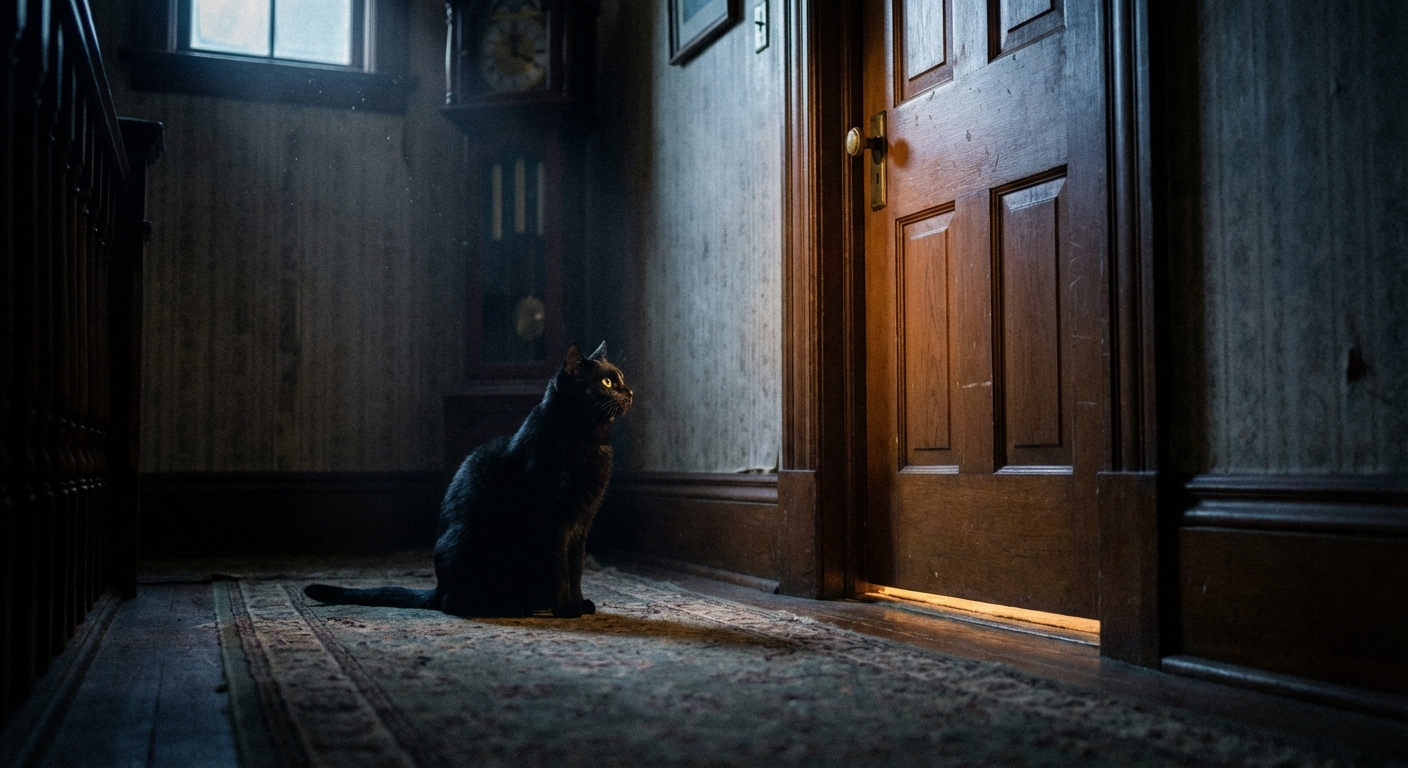
- Watch the hallway factor: narrow routes can become conflict zones at night. Provide alternate paths using cat trees, shelves, or open doors.
Door closed at night?
If the meowing mainly happens when you close the bedroom door, you have two workable options: allow access (if everyone sleeps better), or teach a gradual “door closed” routine.
If you want the door closed
- Build a bedtime station outside the room: a cozy bed, water, and a puzzle feeder.
- Practice when you are awake: close the door for 30 to 60 seconds, then open it while your cat is quiet. Slowly increase time.
- Do not reopen during loud meowing: wait for a brief pause, then reward that quiet moment.
Older cats: special considerations
Senior cats can develop sleep-wake changes, confusion, or anxiety that show up as nighttime yowling. This is common, and it deserves compassion and a medical plan.
Supportive steps
- Ask your vet about screening labs, blood pressure checks, and thyroid testing.
- Keep routines predictable: meals, play, and lights-out at the same times.
- Gentle lighting in hallways and near the litter box.
- Comfort and pain control: arthritis management can be a game-changer.
- Calming support: pheromones, supplements, or medication may help in some cases, but choose these with your vet’s guidance.
What not to do
- Do not punish (spray bottles, yelling). It increases stress and can worsen vocalization.
- Do not lock access to the litter box overnight.
- Do not drastically change food amounts without a plan. Sudden restriction can be dangerous, especially for overweight cats.
- Do not ignore red flags like litter box pain, vomiting, or weight loss.
A 10-day reset plan
If your vet has cleared medical causes, try this structured approach. Consistency is what makes it work.
Days 1 to 3
- Play 10 to 15 minutes nightly, then feed.
- Add a puzzle feeder or timed feeder for early morning.
- Scoop the litter box nightly and confirm easy access.
Days 4 to 7
- Begin fully ignoring nighttime meows (no food, no attention).
- Reward calm behavior during the day.
- Adjust the bedtime meal timing so your cat eats right before lights-out.
Days 8 to 10
- Evaluate progress: fewer wake-ups, shorter episodes, or a later wake time are all wins.
- If there is no improvement, reassess triggers (hunger vs stress vs pain), consider multi-cat dynamics, and schedule a follow-up consult if needed.
Many households see noticeable improvement within about 2 weeks when the routine is consistent and the cat’s needs are met, but some situations (anxiety, multi-cat tension, senior cognitive changes) can take longer.