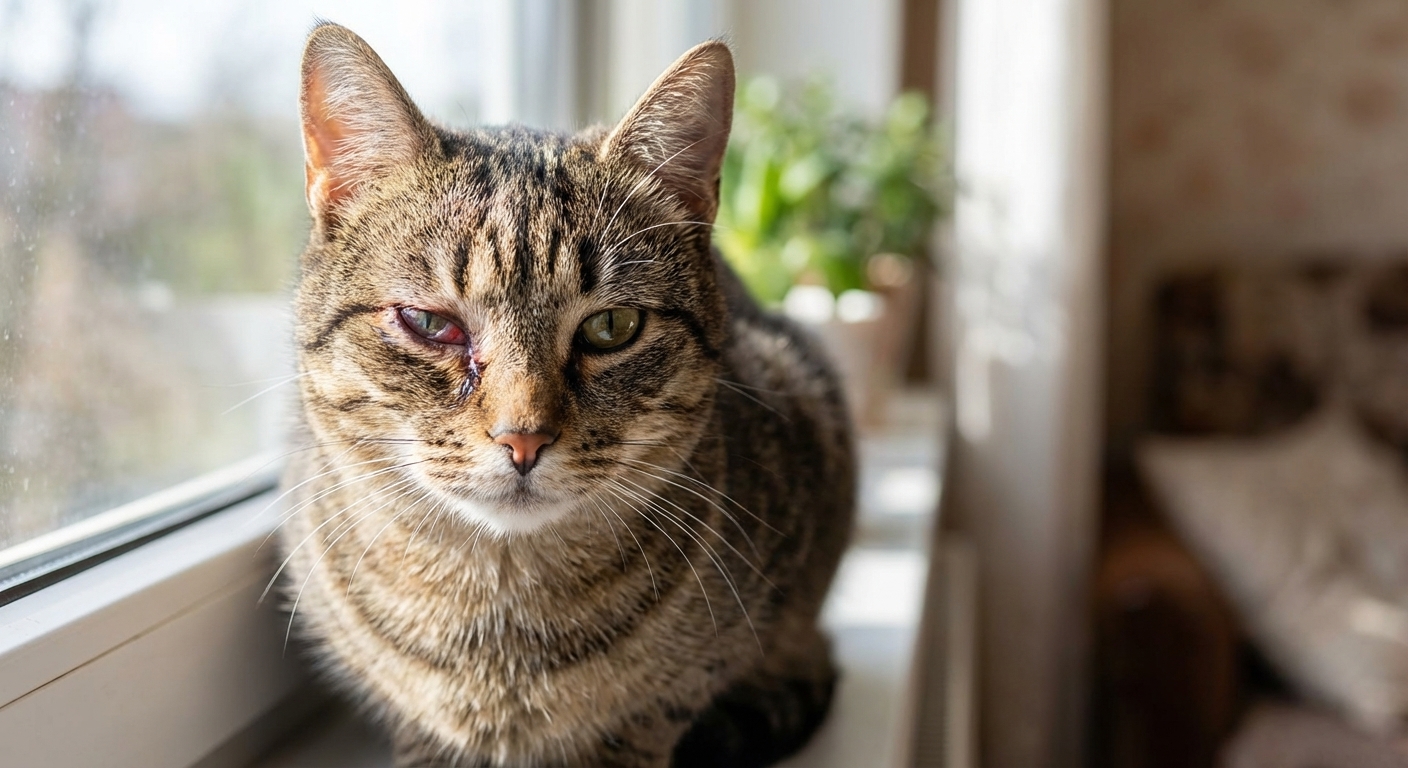
Redness, squinting, and goopy discharge can signal conjunctivitis—or a more serious eye problem. Learn common causes, safe home care steps, and urgent sign...
Article
•
Designer Mixes
Cat With Runny Eye Health Guide

Shari Shidate
Designer Mixes contributor
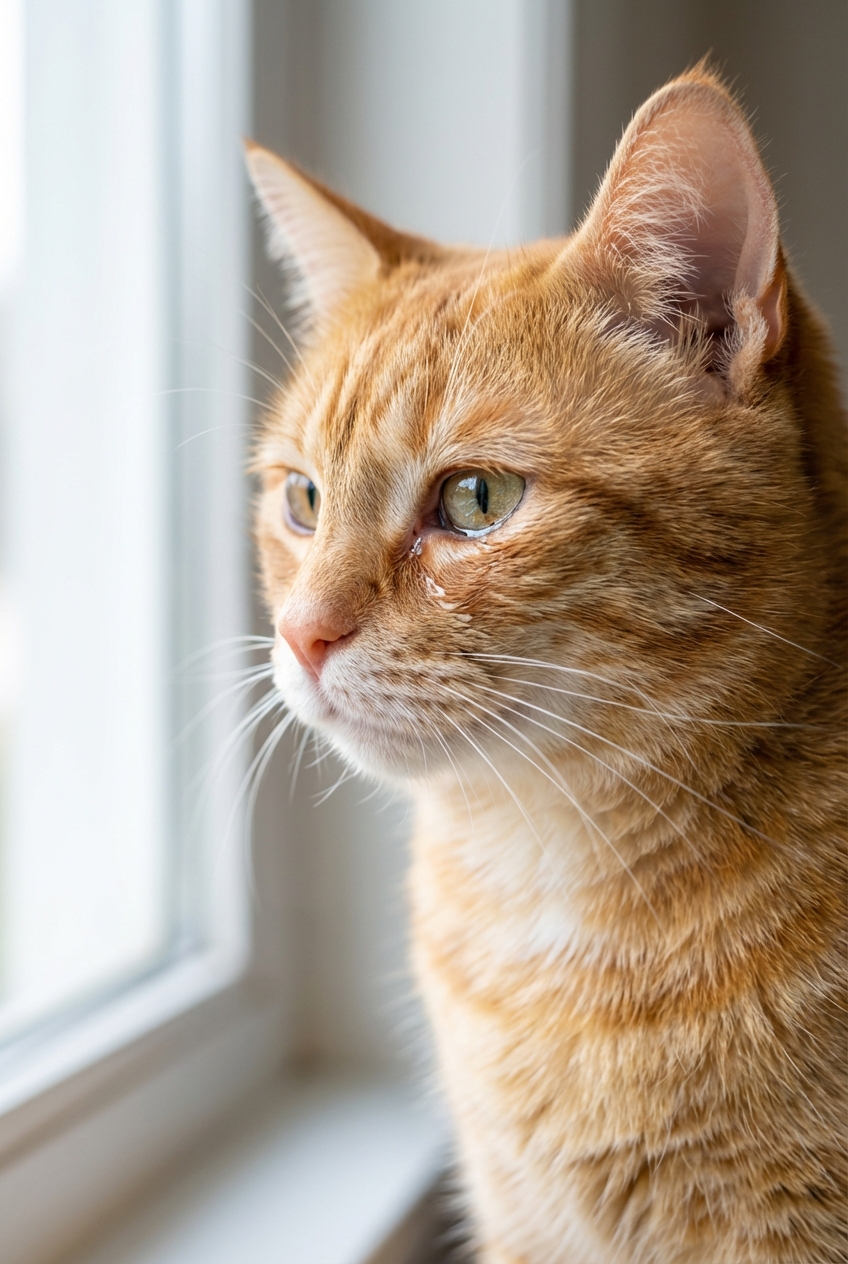
Seeing a wet, teary eye on your cat can be unsettling. Sometimes it is something simple like mild irritation, and other times it is an early sign of infection, allergies, or even an injury. As a veterinary assistant in Frisco, Texas, I have seen how quickly a “little watery eye” can turn into discomfort, squinting, and crusty buildup.
This guide will help you figure out what you are seeing, what you can safely do at home, and when it is time to call your veterinarian.
What “runny eye” can look like
Not all eye discharge is the same, and the look and feel can give useful clues.
- Clear, watery tears: often irritation, mild allergy, early viral infection, or a blocked tear duct.
- White or gray mucus: can occur with mild inflammation, early infection, or chronic irritation.
- Yellow or green discharge: more suggestive of bacterial infection, secondary infection on top of a virus, or significant inflammation.
- Brown tear staining: common with chronic tearing, facial structure, or long-term irritation.
- Crusts stuck to eyelids: dried discharge, often seen after sleep or during respiratory infections.
One eye vs both eyes matters. One watery eye often points to a local issue like a scratch, foreign material, or a problem with the tear duct on that side. Both eyes more often suggest allergies or an upper respiratory infection, but there are exceptions.
Common causes of a cat’s runny eye
1) Viral upper respiratory infections
Feline herpesvirus and calicivirus are common causes of watery eyes, squinting, and sneezing. Herpesvirus, in particular, can flare during stress and cause recurrent eye symptoms.
You may also notice: sneezing, nasal discharge, congestion, decreased appetite (often because smell is reduced), and low energy.
2) Conjunctivitis (inflammation of the eye’s surface tissues)
Conjunctivitis can be caused by viruses, bacteria, irritants, or allergies. The eye may look red and puffy, and cats often squint or paw at the face. In some cats, infectious causes like Chlamydia felis or Mycoplasma may be involved, especially when symptoms are persistent or keep coming back.
3) Corneal scratch or ulcer
This is one of the biggest reasons we take a runny eye seriously. Scratches can happen from play, cat fights, plant material, or rubbing the face. Corneal ulcers can be very painful and can worsen quickly without the right medication.
Red flags: squinting, keeping the eye closed, cloudiness, sudden light sensitivity, or your cat acting painful when you approach the face.
4) Allergies or irritants
Dusty litter, smoke, fragrances, cleaning sprays, pollen, and even grooming products can irritate feline eyes. Allergies are possible, and while many cats show allergy signs through the skin or ears, some cats can have seasonal or environmental allergy symptoms that include watery eyes and a runny nose.
5) Foreign material
A tiny piece of litter, dirt, or plant matter can cause intense tearing and squinting. Cats may rub their face, which can make the irritation worse.
6) Blocked tear ducts or anatomy-related tearing
Some cats, especially flat-faced breeds like Persians and Himalayans, can have chronic tearing due to facial structure. Tear ducts can also become narrowed or blocked.
7) Dental disease
It surprises many cat owners, but tooth root issues, especially upper teeth, can sometimes contribute to drainage near the eye and chronic watery discharge. This can happen when inflammation or infection affects nearby tissues and tear drainage.
Quick at-home check
If your cat is bright, comfortable, and not squinting, you can do a simple observation check for 12 to 24 hours before calling your vet.
- Discharge color: clear vs yellow-green.
- Amount: mild tear line vs dripping and soaking fur.
- Squinting: squinting strongly suggests pain, and painful eyes should be seen promptly even if discharge is minimal.
- Redness or swelling: check the eyelids and the pink tissue around the eye.
- Cloudiness: a hazy or blue-white look to the clear surface can indicate corneal involvement.
- Third eyelid: a pale membrane partially covering the eye can show up with pain or illness.
- Behavior: hiding, decreased appetite, pawing at the eye, head-shaking.
- Other symptoms: sneezing, coughing, nasal discharge, mouth odor, drooling.
Tip: Take a clear photo in good light. Changes over 12 to 24 hours can be subtle, and photos help you and your veterinarian track progression.
What you can do at home
Home care is only for mild cases where your cat is comfortable, the discharge is minimal, and there is no squinting or cloudiness. Home care is not a substitute for an exam if symptoms worsen or do not improve quickly.
Gently clean the eye area
- Use a soft cotton pad or clean gauze with sterile ophthalmic saline or sterile eye wash. Avoid “redness relief” drops and avoid multipurpose contact lens solutions, which may contain additives.
- Wipe from the inner corner outward using a fresh pad each pass.
- Warm compresses can help loosen crusts. Use warm (not hot) water, hold for 30 to 60 seconds, then wipe.
Reduce irritants
- Switch to a low-dust, unscented litter.
- Avoid perfumes, essential oil diffusers, smoke, and aerosol cleaning products near the cat.
- Vacuum and replace HVAC filters if you suspect environmental triggers.
Support comfort during mild URI symptoms
- If your cat tolerates it, run a hot shower and let your cat sit in the steamy bathroom for 10 to 15 minutes (do not put your cat in the shower). Steam can help loosen nasal congestion that often accompanies runny eyes. Stop if your cat seems stressed, and use extra caution with flat-faced cats or cats with breathing issues.
- Encourage hydration and eating with warm, smelly foods (warm canned food slightly to boost aroma).
Limit spread in multi-cat homes
If you suspect an upper respiratory infection, assume it may be contagious. Wash your hands between cats, avoid sharing bowls when possible, and keep sick cats separated if you can.
Important: If symptoms are not improving within 24 to 48 hours, or if you see pain signs at any point, contact your veterinarian.
What not to do
This is where I see well-meaning pet parents accidentally make things worse.
- Do not use human eye drops unless your veterinarian specifically tells you to. Some products can be dangerous, and steroid drops can worsen corneal ulcers.
- Do not use leftover pet medications from a previous eye issue. Eye conditions can look similar but require very different treatments.
- Do not use over-the-counter antibiotic eye products unless your veterinarian recommends them.
- Do not force the eye open if your cat is clamping it shut. That is a pain sign and should be evaluated.
- Do not delay care when you see squinting, cloudiness, or green discharge.
When to call the vet urgently
Please call your veterinarian the same day, or seek emergency care, if you notice any of the following:
- Squinting or keeping the eye closed (pain)
- Cloudy or blue-white appearance on the eye surface
- Eye looks suddenly enlarged, bulging, or very swollen
- Thick yellow or green discharge
- Blood in or around the eye
- Obvious injury, a cat fight, or trauma
- Your cat is lethargic, not eating, or hiding
- A kitten has eye discharge (kittens can worsen quickly)
- A flat-faced cat with sudden change in tearing or squinting
- Sudden severe pain or light sensitivity, which can occur with serious problems like uveitis or glaucoma
Eye problems can progress fast. When in doubt, it is safer to get an exam and a stain test than to “wait and see” with a painful eye.
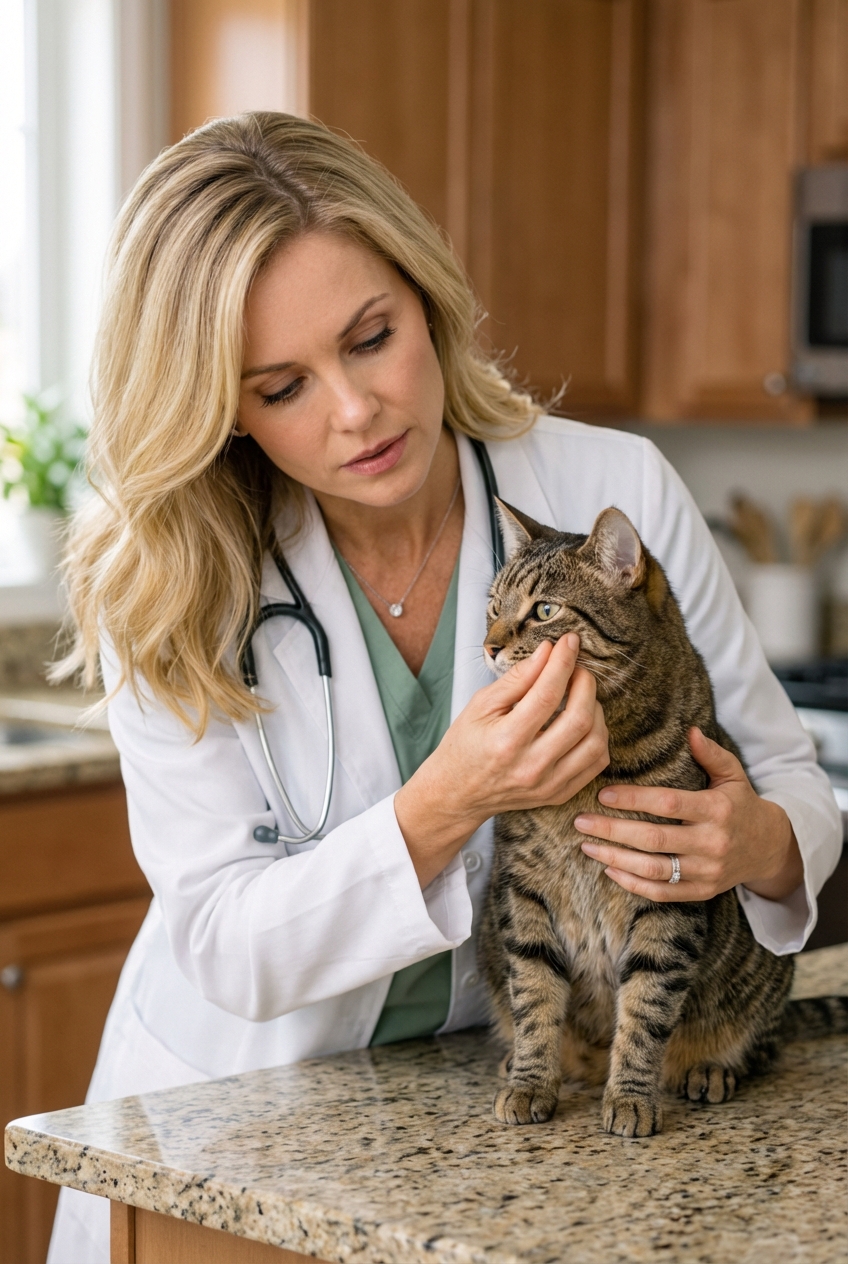
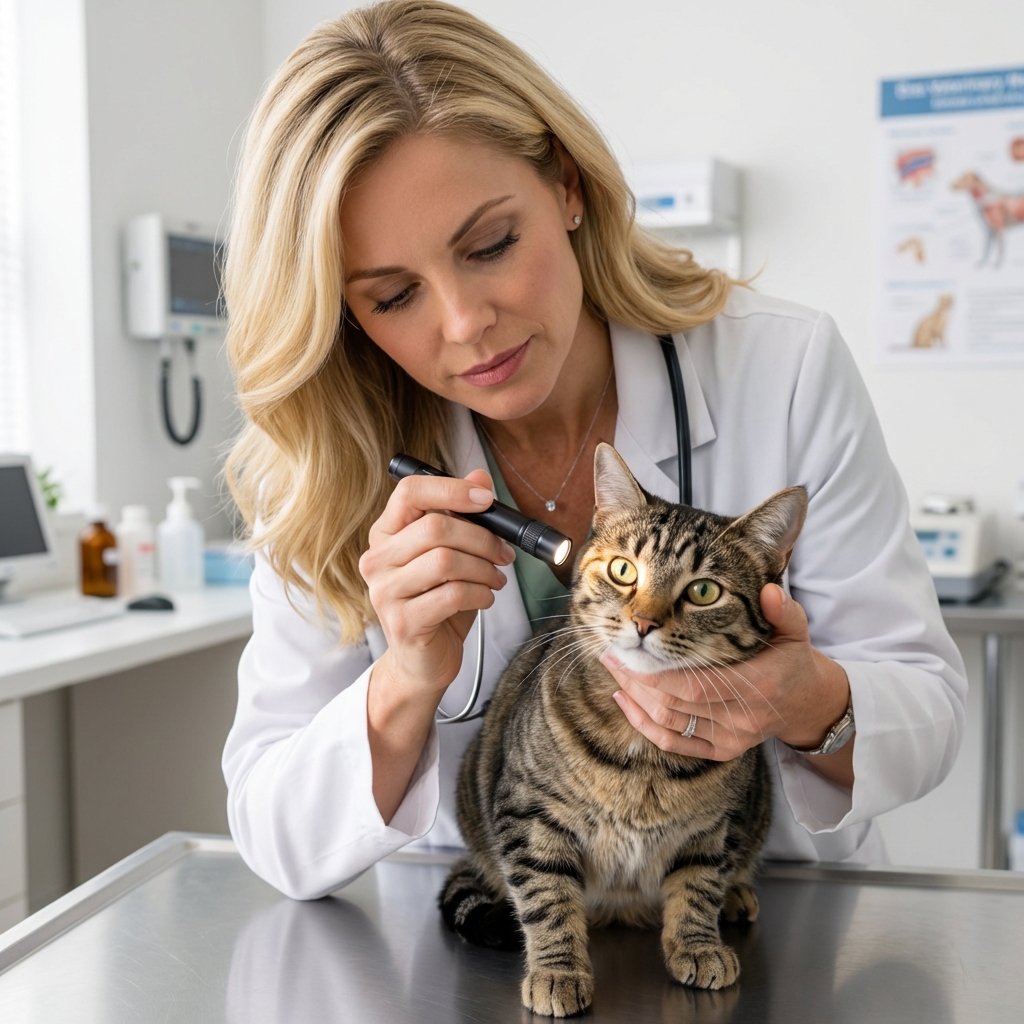
What your veterinarian may do
Knowing what to expect can make a vet visit feel less stressful.
Eye exam and fluorescein stain
A fluorescein stain helps detect scratches or ulcers on the cornea. This is a cornerstone test for a runny, painful, or squinting eye.
Check tear production and eye pressure
In some cases, your vet may check tear production and intraocular pressure to evaluate for conditions that can mimic simple conjunctivitis and may require urgent treatment.
Look for underlying causes
Your veterinarian may assess the nose, mouth, and teeth, especially if tearing is chronic or one-sided.
Treatment options
- Antibiotic eye drops or ointment if a bacterial infection is suspected or there is secondary infection.
- Antiviral management for herpes-related flares, depending on severity and history.
- Pain control if the eye is painful.
- E-collar if your cat is rubbing the eye.
- Supportive care for upper respiratory infection symptoms.
Special situations
Runny eye in kittens
Kittens can develop eye infections quickly, and severe infection can damage the eye. If a kitten has discharge, crusting, or swelling, schedule a veterinary visit promptly.
Chronic tearing and tear staining
If your cat has long-term watery eyes, your vet may discuss facial anatomy, tear duct function, low-grade inflammation, dental disease, or environmental triggers. Managing the cause is key, but daily gentle wiping and keeping the fur trimmed around the eyes can help reduce staining and skin irritation.
One watery eye that keeps coming back
Repeated one-sided tearing is a reason to investigate for tear duct blockage, a hidden foreign body, dental root issues, or chronic corneal irritation.
Prevention and everyday eye care
You cannot prevent every cause of watery eyes, but you can lower risk.
- Keep irritants low: choose low-dust litter and avoid scented sprays near your cat.
- Support respiratory health: reduce stress, keep vaccinations current as recommended by your vet, and isolate new cats before introductions.
- Trim nails: reduces accidental scratches during play and grooming.
- Address dental care: routine dental exams can prevent issues that affect the face and tear drainage.
- Watch for early signs: treating mild issues early is often easier and less expensive.
Frequently asked questions
Can a cat’s runny eye go away on its own?
Yes, mild irritation or mild viral symptoms can improve with gentle cleaning and time. But if there is squinting, thick discharge, or no improvement within 24 to 48 hours, your cat needs a veterinary exam.
Is green discharge always an infection?
Green or yellow discharge often suggests infection, but it can also occur when inflammation is severe. Either way, it is a strong sign you should call your vet.
Why does my cat have a watery eye but seems fine?
That can happen with mild irritants, early upper respiratory infection, facial anatomy, or tear duct issues. “Seems fine” is reassuring, but monitor closely for squinting, redness, or a change in discharge.
Can I use saline to rinse my cat’s eye?
Sterile ophthalmic saline can be used to gently wipe and loosen discharge on the eyelids and fur. If you suspect a foreign body or your cat is painful, it is better to see your vet rather than trying to flush the eye at home.
The bottom line
A runny eye is a symptom, not a diagnosis. The most important thing you can do is watch for pain signs like squinting and cloudiness, keep the eye area clean with safe products, and get a veterinary exam quickly when red flags appear. With prompt care, most cats feel better fast and avoid complications.
If you are unsure, take a photo, jot down when it started, and call your veterinarian. You are not “overreacting” when it comes to eyes.