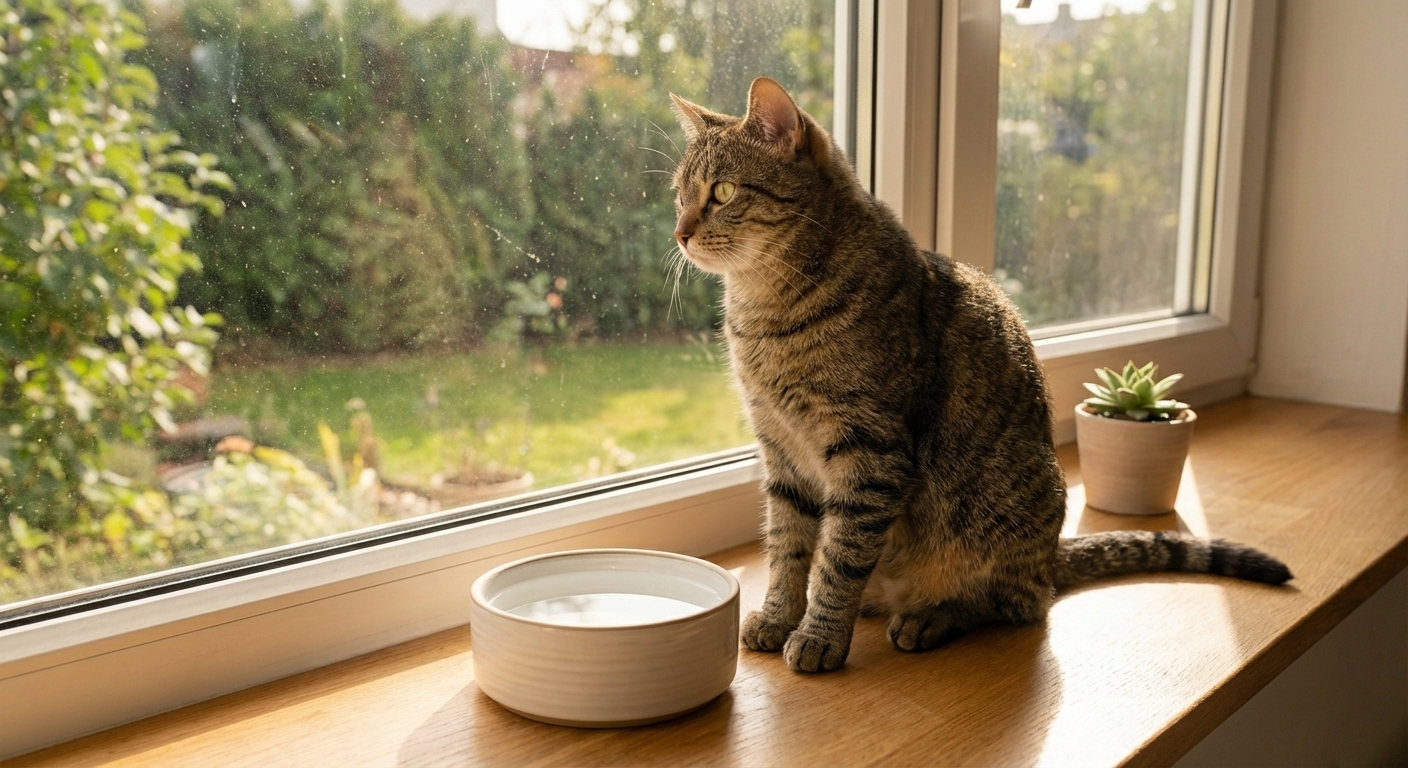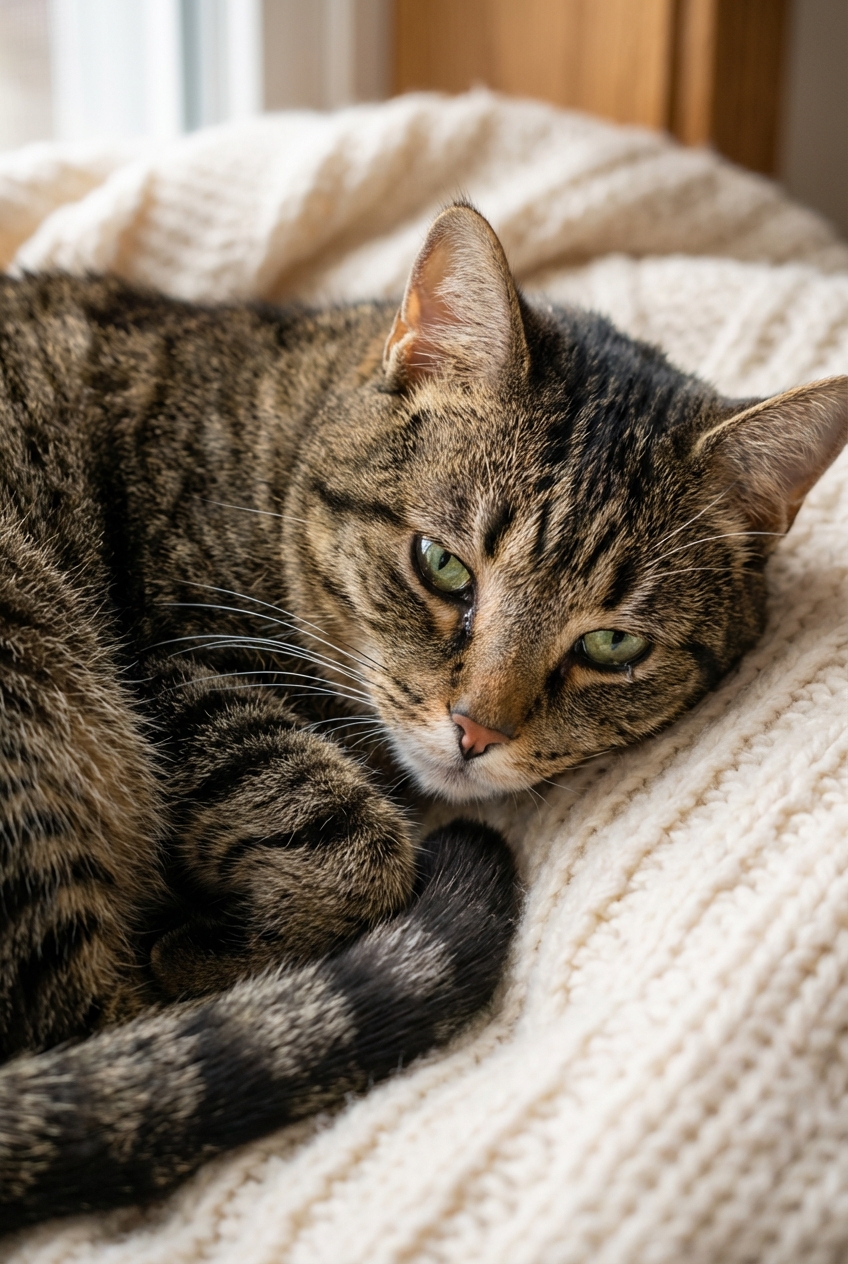
Help your cat feel better with safe, vet-backed cold care: appetite and hydration tips, humidity for congestion, gentle eye/nose cleaning, what to avoid, and...
Article
•
Designer Mixes
Cat With a Cold Home Remedies

Shari Shidate
Designer Mixes contributor
When your cat starts sneezing, gets watery eyes, or sounds a little congested, it is natural to want to help right away. The good news is that many mild “cat colds” (most often upper respiratory infections) can be supported at home with comfort care. The important part is knowing what actually helps, what can quietly make things worse, and when it is time to call your veterinarian.
As a veterinary assistant in Frisco, Texas, I always tell pet parents this: you are not trying to “cure” an infection at home. You are supporting hydration, nutrition, breathing comfort, and rest while your cat’s immune system does the heavy lifting.
Quick note: This article is general information and not a substitute for an exam and diagnosis. If your gut says something is off, call your vet.

First: Is it really a cold?
Most cat “colds” are upper respiratory infections (URIs). The most common causes are viral (especially feline herpesvirus and calicivirus), particularly in multi-cat homes, shelters, and boarding facilities. That said, bacterial causes (like Chlamydia felis, Bordetella, and Mycoplasma) can play a role too, and mixed infections are common.
Symptoms can look a lot like a human cold, but cats can get dehydrated or stop eating more easily than people do.
Common mild symptoms
- Sneezing
- Watery, clear, or slightly cloudy nasal discharge
- Watery eyes
- Mild congestion
- Lower energy than usual
- Decreased appetite (often because smell is reduced)
Signs it may be more than a cold
- Open-mouth breathing, rapid breathing, or obvious respiratory distress
- Gums or tongue looking pale or bluish
- Not eating for about a day (sooner for kittens)
- Repeated vomiting, severe diarrhea, or extreme lethargy
- Thick yellow or green discharge with worsening signs
- Eye squinting, eye pain, swelling, or thick eye discharge
- Suspected fever along with significant lethargy (fever cannot be confirmed without a thermometer, and warm ears or paws are not diagnostic)
When to call the vet now
Home care is only appropriate for mild symptoms in an otherwise stable adult cat. Call your veterinarian urgently if any of the following apply:
- Kittens (they can crash quickly)
- Senior cats or cats with heart, lung, kidney disease, diabetes, or immune compromise
- Breathing looks hard (belly pumping, flared nostrils, open-mouth breathing)
- Not eating for about a day (call earlier for kittens, cats who are already ill, or overweight cats)
- Not drinking, seems dehydrated, or is drooling excessively
- Eye issues like squinting or swelling (corneal ulcers can happen, especially with herpesvirus)
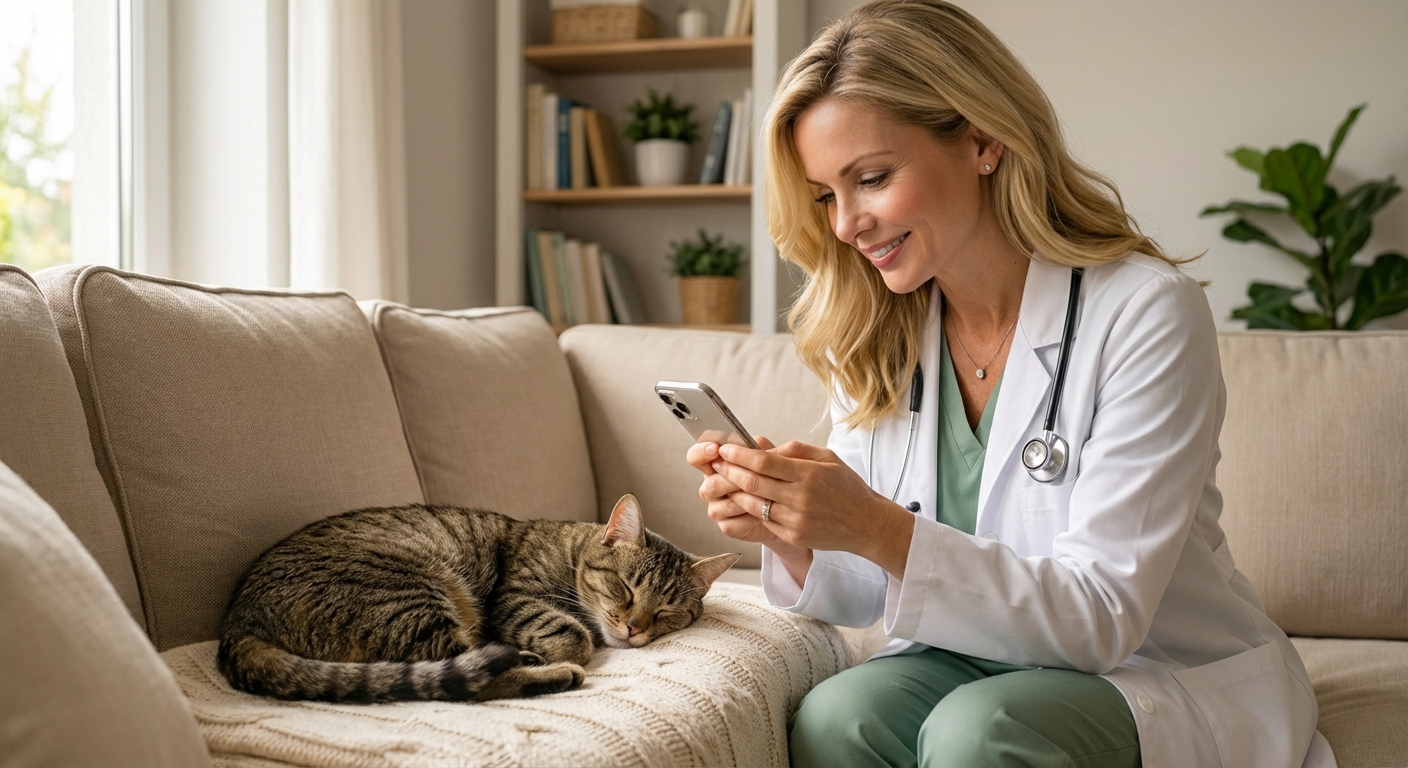
Tip: If you are unsure, record a 10 to 15 second video of your cat’s breathing and behavior. It helps your vet team triage you faster.
Step-by-step home care
Step 1: Set up a recovery room
Stress makes URI symptoms worse, especially in cats prone to feline herpes flare-ups.
- Choose a warm, quiet room away from other pets and kids.
- Provide a soft bed, fresh water, and a clean litter box nearby.
- Keep lighting calm and noise low.
Step 2: Reduce spread
Most URIs are contagious to other cats (but not to people). If you have multiple cats, assume it can spread.
- Separate the sick cat if possible.
- Wash your hands before and after handling.
- Do not share bowls between cats.
- If you can, use separate litter boxes during an outbreak.
- Wash bedding and wipe down high-touch surfaces.
Step 3: Boost hydration
Hydration keeps mucus thinner and supports recovery.
- Offer fresh water in multiple spots.
- Try a cat water fountain if your cat likes moving water.
- Add a little water to canned food to make a “gravy.”
- Ask your vet about a specific electrolyte product and amount if your cat is not drinking well. Do not improvise with sports drinks or flavored electrolyte mixes, and avoid products with xylitol.
Step 4: Help them eat
Cats often stop eating because they cannot smell well when congested. The goal is calories and protein, not “perfect” nutrition for a few days.
- Offer canned food over dry. It is smellier and adds moisture.
- Warm the food slightly to boost aroma (barely warm, not hot).
- Try strong-smelling options like pate textures.
- Offer small meals more frequently.
- If they will lick, try a vet-approved lickable topper.
- Optional: a small amount of plain meat baby food can tempt some cats, but only if it is strictly onion-free and garlic-free (check the label carefully).
Important: If your cat refuses food completely, do not wait it out. Cats are at risk for hepatic lipidosis (fatty liver) when they stop eating, especially if they are overweight.
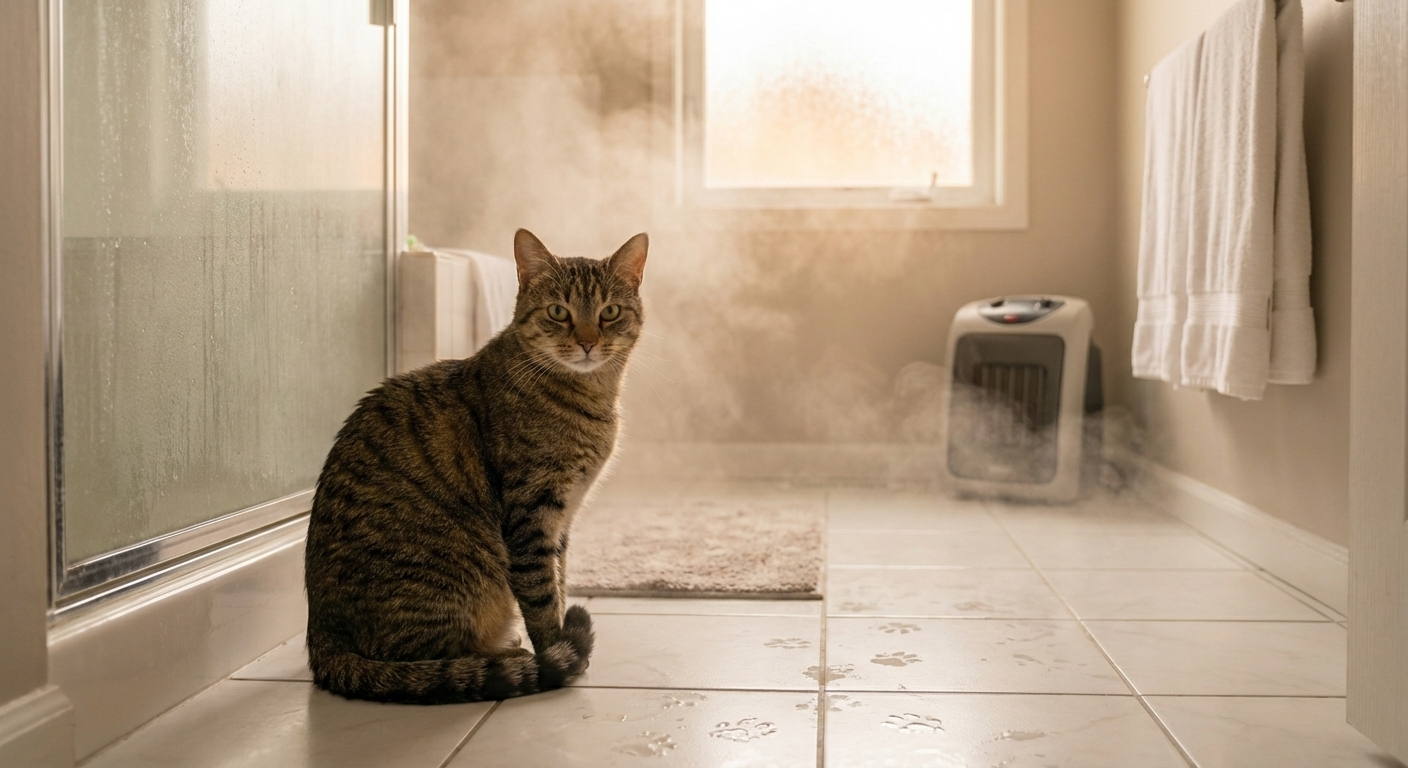
Step 5: Steam for congestion relief
Gentle humidity can loosen nasal congestion and make breathing easier.
- Run a cool-mist humidifier near the recovery area.
- Or do a bathroom steam session: run a hot shower with the door closed and sit with your cat in the bathroom for 10 to 15 minutes.
- Keep your cat safely on the floor or in a carrier, away from hot water.
- Do not add essential oils to humidifiers, diffusers, or steam routines. Even “natural” oils can be toxic to cats.
Nose and eye care
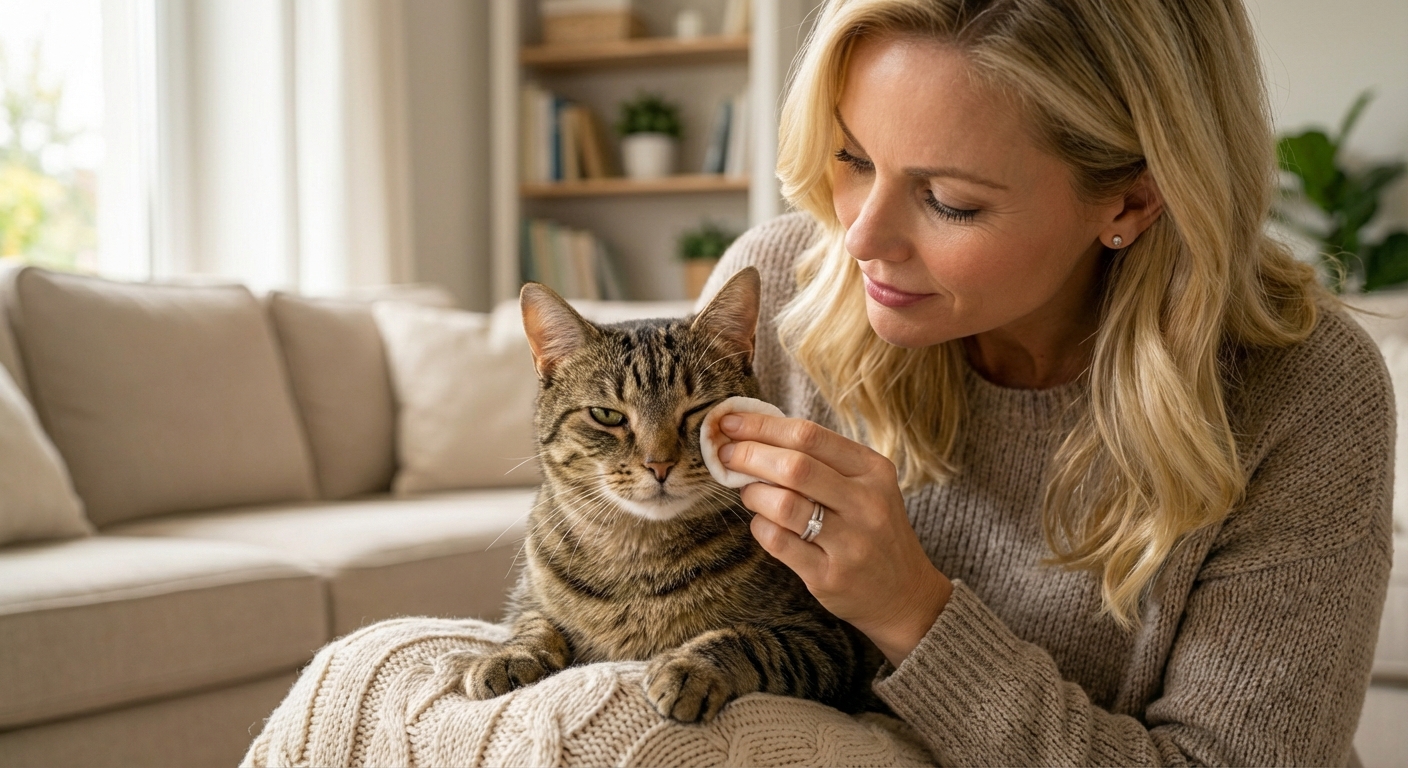
Step 6: Wipe discharge gently
Crusty discharge can irritate skin, block breathing, and make cats feel miserable.
- Use a soft cotton pad or clean washcloth with warm water or sterile saline.
- Hold it on the crust for a few seconds to soften, then wipe. Do not scrub.
- Use a fresh pad for each eye to reduce spread of infection.
Step 7: Keep the nose comfortable
If the nose looks irritated from wiping, ask your vet what is appropriate. Many human ointments and “natural” vapor products are not safe for cats.
- A humidifier plus gentle wiping is often enough.
- Avoid medicated rubs made for people. Cats can absorb and ingest them while grooming.
Safety rules
Some well-meaning home remedies can be dangerous for cats.
- No human cold medicine (decongestants, cough suppressants, acetaminophen, ibuprofen). Many are toxic to cats.
- No essential oils (diffusers, topical use, or “natural vapor” products). Cats metabolize many oils poorly and can be poisoned.
- No forced water by syringe unless your vet instructs you. Aspiration is a real risk.
- No onion or garlic as “immune boosters.” In cats, these can damage red blood cells.
- No dairy “because it soothes” unless you know your cat tolerates it. Many cats are lactose intolerant.
How long does it last?
Mild URIs often improve in 7 to 10 days, though feline herpes can cause on-and-off flare-ups during stressful periods. If symptoms are not improving by day 3 to 5, or if they worsen at any point, it is time to call your vet.
If signs linger beyond 10 to 14 days, keep coming back, or your cat is losing weight, your vet may want to look for underlying issues (like dental disease, nasal polyps, chronic rhinitis, asthma, or other conditions).
Check these daily
- Appetite: Are they eating enough to maintain energy?
- Water intake: Are they drinking or eating moist foods?
- Breathing: Any open-mouth breathing or increased effort?
- Energy: Are they responsive and able to rest comfortably?
- Litter box: Urination frequency can hint at hydration status.
Simple dehydration clues
Dehydration can sneak up during a URI. Call your vet if you notice:
- Tacky or dry gums
- Sunken-looking eyes
- Markedly reduced urination
- Weakness or worsening lethargy
Skin-tent tests can be misleading in cats (especially seniors), so do not rely on that alone.
What your vet may do
Because many cat colds are viral, antibiotics are not always needed. But your veterinarian may prescribe medications if there is suspected secondary bacterial infection, significant eye involvement, fever, or poor appetite.
- Antibiotics when appropriate
- Antiviral support in select cases
- Eye medications for conjunctivitis or corneal ulcer risk
- Appetite stimulants if your cat is not eating
- Fluids if dehydrated
Evidence-based reminder: green or yellow discharge alone does not always mean your cat needs antibiotics, but worsening symptoms plus poor appetite or lethargy absolutely deserve a vet check.
Preventing the next one
You cannot prevent every sneeze, but you can lower risk and reduce severity.
- Keep vaccines current (your vet will recommend what your cat needs based on lifestyle).
- Reduce stress with predictable routines, enrichment, and safe hideouts.
- In multi-cat homes, provide enough litter boxes (often one per cat plus one extra).
- Quarantine new cats and schedule a wellness exam before introductions.
- Clean shared surfaces and wash bedding during outbreaks.