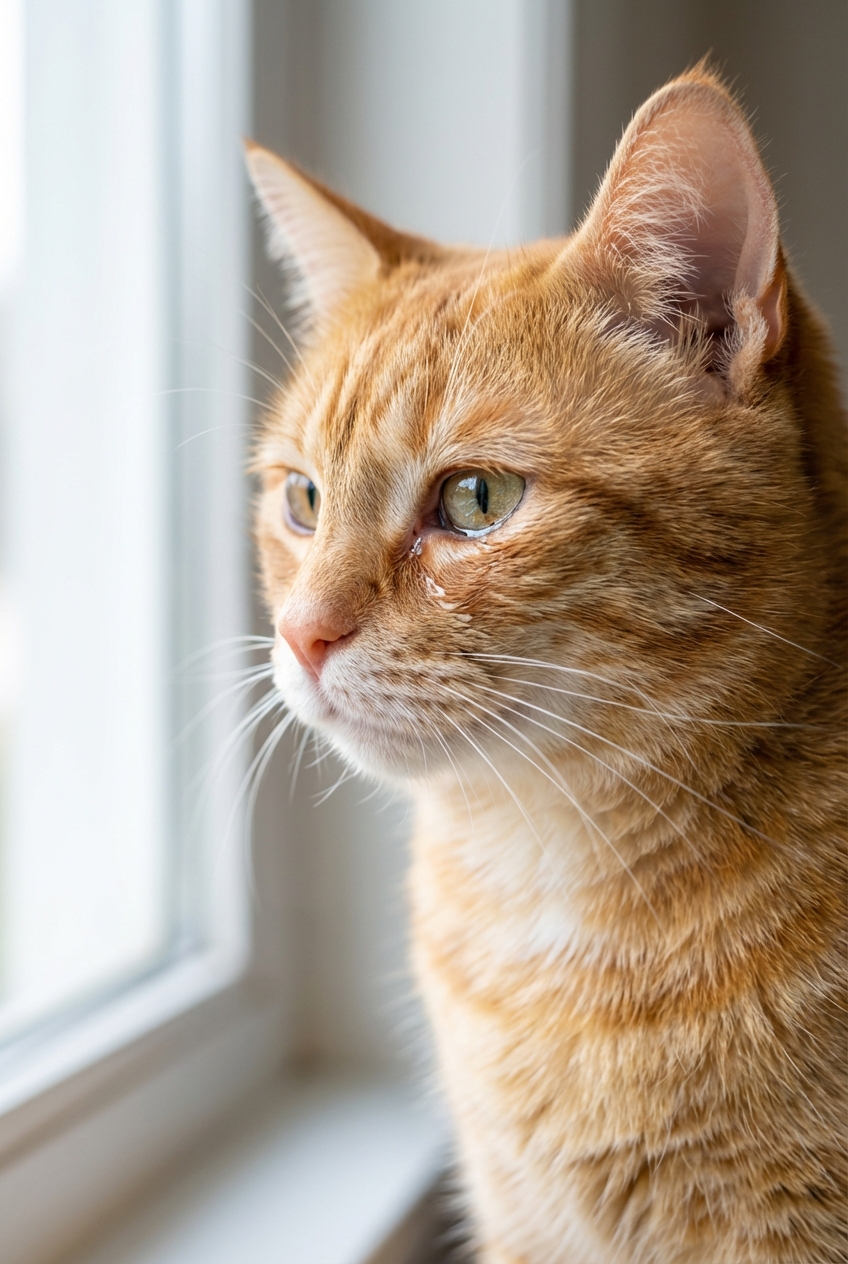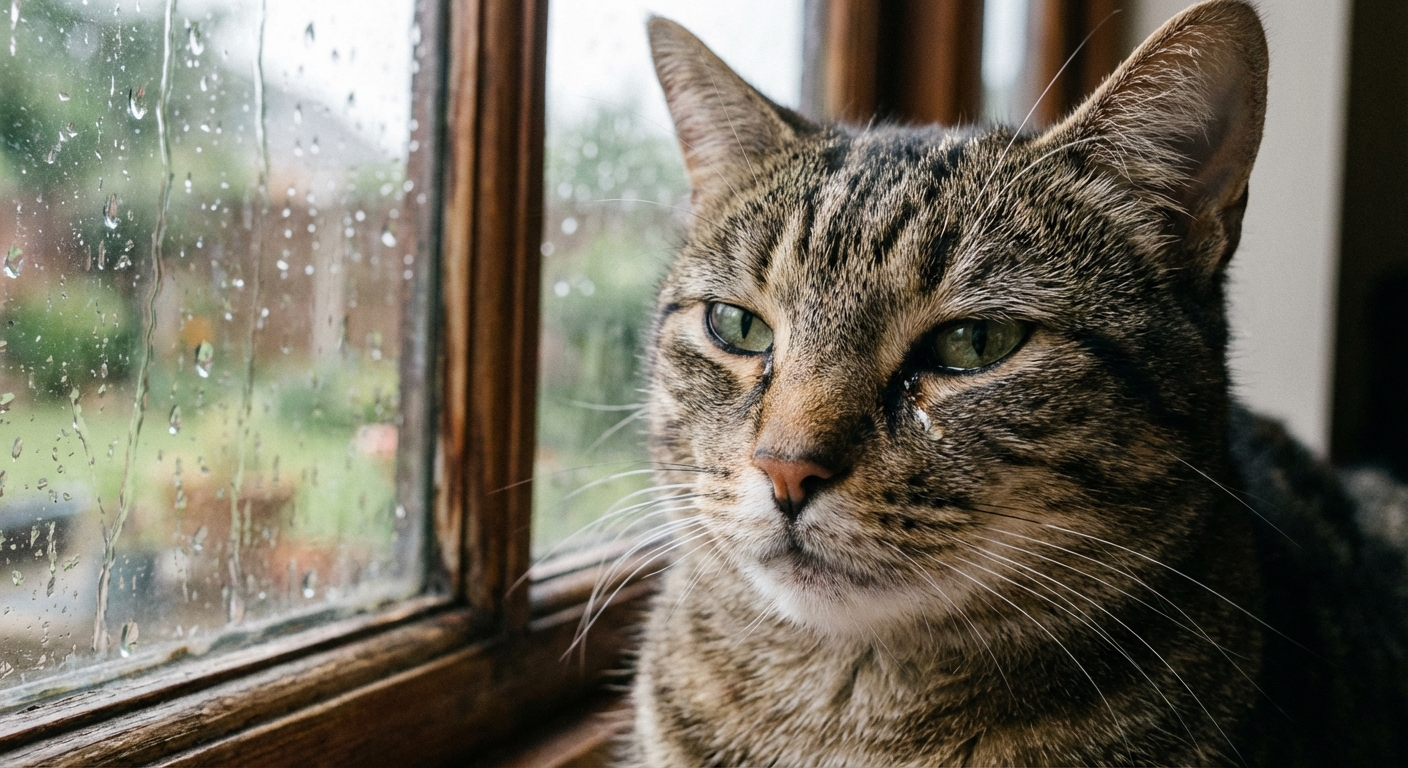
Noticed gunk in your cat’s eyes? Use this color guide (clear, white, yellow/green, brown, blood-tinged) to spot causes, clean safely at home, and know when...
Article
•
Designer Mixes
Cat Weepy Eye Secrets Revealed

Shari Shidate
Designer Mixes contributor
If you have a cat who always seems to have a watery or crusty eye, you are not imagining it. Weepy eyes are a very common concern I hear from pet parents, and the causes range from simple irritation to infections or eye conditions that need prompt treatment. The good news is that many mild cases improve quickly once you identify the trigger and support the eye properly. Some issues, like herpes flare-ups or anatomic problems, can be more stubborn and may need ongoing management with your veterinarian.
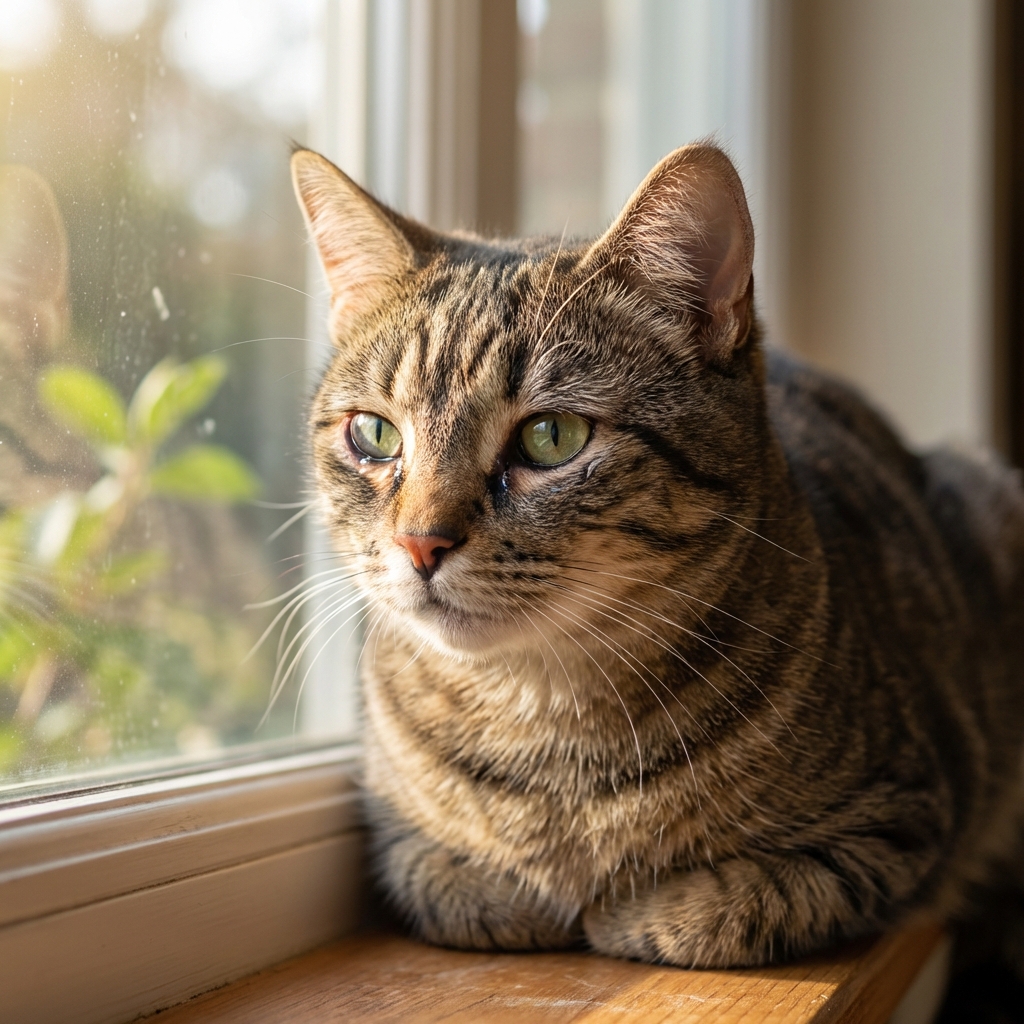
Let’s walk through what a weepy eye can mean, what you can safely do at home, and when it is time to call your veterinarian. This is general information and not a substitute for an in-person exam.
What a weepy eye means
“Weepy eye” usually means extra tearing (watery discharge) or mild mucus that collects in the inner corner. Sometimes it is only one eye, sometimes both. The details matter because they help narrow down the cause, but color alone does not confirm a diagnosis.
- Clear, watery tears: often irritation, allergies, early viral disease, or a blocked tear duct.
- White or yellow mucus: can be infection or inflammation. Less commonly, cats can have low tear production (dry eye) that leads to thicker discharge.
- Green discharge: more suspicious for significant inflammation and may involve bacterial infection, often as a secondary issue. Viral causes (especially feline herpesvirus) are still very common.
- Brown staining under the eye: chronic tearing, facial shape issues, or grooming patterns, especially in flat-faced cats.
One more clue: if your cat is squinting, pawing at the eye, hiding, or acting painful, treat it as urgent.
Common causes of watery cat eyes
1) A tiny irritant you cannot see
Dust, litter particles, smoke, strong fragrances, and even a small hair can trigger tearing. Cats have sensitive eyes, and some are simply more reactive than others.
2) Upper respiratory viruses that come back
Feline herpesvirus (FHV-1) is a big one. Many cats are exposed when young, then the virus stays in the body (latent) and can flare during stress or illness. You might see watery eyes, squinting, sneezing, or a mild nose drip. These flare-ups often look like “it keeps coming back.”
If you have a multi-cat household, keep basic hygiene in mind during flare-ups: wash hands after wiping eyes, do not share washcloths between cats, and clean commonly touched surfaces. Some infections are contagious, and stress can ripple through a group.
3) Blocked or narrow tear ducts
Tears normally drain through a small duct into the nose. If that duct is blocked or narrowed, tears overflow onto the face. A veterinarian can check drainage and sometimes flush the duct if needed. If one-sided tearing persists, your vet may also consider anatomic obstruction, inflammation, or (less commonly) a growth in the nasal or tear duct area.
4) Conjunctivitis
Conjunctivitis is inflammation of the tissues around the eye. It can be caused by viruses, bacteria, allergies, irritants, or underlying eye disease. You may notice redness, swelling, and discharge.
5) Allergies
Allergies can cause watery eyes, itchiness, and sometimes skin issues. In cats, allergies can be environmental (like pollen or dust mites) or food-related. Eye signs alone are not enough to diagnose allergies, but they can be part of the picture.
6) Upper tooth or gum disease
This one surprises people. In some cats, disease of the upper (maxillary) teeth, including tooth root infections, can affect the nearby nasal passages or tear duct area and lead to one-sided tearing.
7) Eyelid and eyelash problems
In-turned eyelids (entropion) or lashes rubbing the cornea can cause chronic tearing and discomfort. These are not “wait and see” issues because corneal injury can develop.
When it is urgent
Please do not wait it out if you notice any of the following. Eyes can worsen quickly, and early treatment helps prevent long-term damage. Squinting can signal a painful problem such as a corneal ulcer, uveitis, glaucoma, or a foreign body.
- Squinting or keeping the eye closed
- Visible pain, pawing at the eye, or sudden hiding
- Cloudiness, a blue or white film, or a spot on the cornea (possible ulcer)
- Swelling around the eye or eyelids
- Thick yellow or green discharge
- Unequal pupil size (anisocoria), a suddenly dilated pupil, or marked sensitivity to light
- A history of trauma, cat fights, or exposure to chemicals
If you can only remember one thing: squinting is a big deal.
For kittens, seniors, and immunocompromised cats, I recommend a lower threshold for a vet check, even if symptoms seem mild.
Safe home care
If your cat is acting normal, the discharge is mild, and there is no squinting, you can try gentle supportive care while you monitor closely.
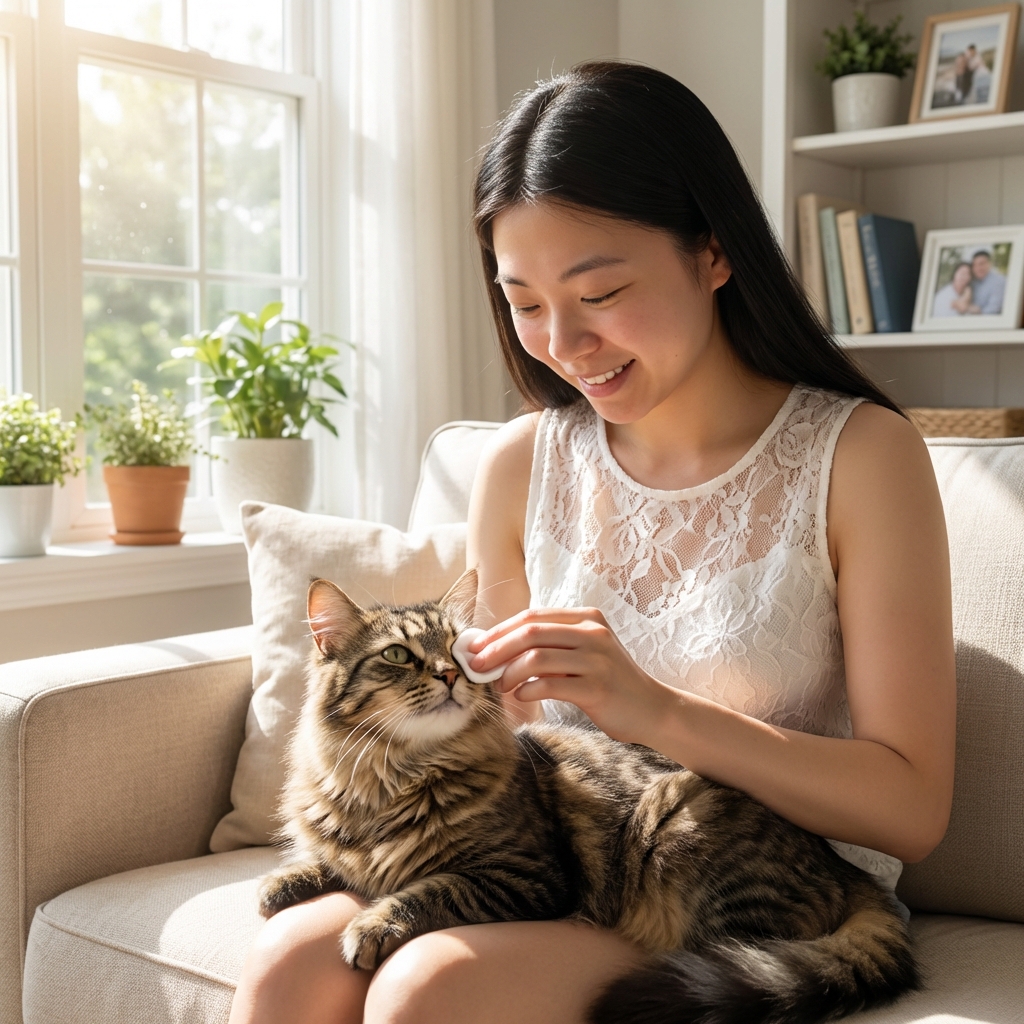
Step 1: Clean the eye correctly
- Use a clean, soft cotton pad or gauze with sterile saline or warm water.
- Wipe from the inner corner outward.
- Use a fresh pad for each wipe and do not use the same pad on both eyes.
Step 2: Reduce irritants
- Switch to a low-dust litter.
- Avoid air fresheners, essential oil diffusers, incense, and harsh cleaners near the cat’s space.
- Keep smoke away from your home and car.
Step 3: Support hydration and comfort
- Encourage water intake with a fountain or extra bowls.
- If your cat is sneezy too, a steamy bathroom session for 10 to 15 minutes can sometimes help loosen nasal congestion. Keep it supervised, keep the room comfortably warm (not hot), and stop if your cat seems stressed or overheated.
What not to do
- Do not use human eye drops unless your veterinarian specifically directs you.
- Do not use leftover antibiotic drops from another pet or an old prescription.
- Do not put herbal extracts in the eye.
Here is my practical rule of thumb: if it is not clearly improving within 24 to 48 hours, schedule a vet visit. If it worsens at any time, do not wait.
What your vet may check
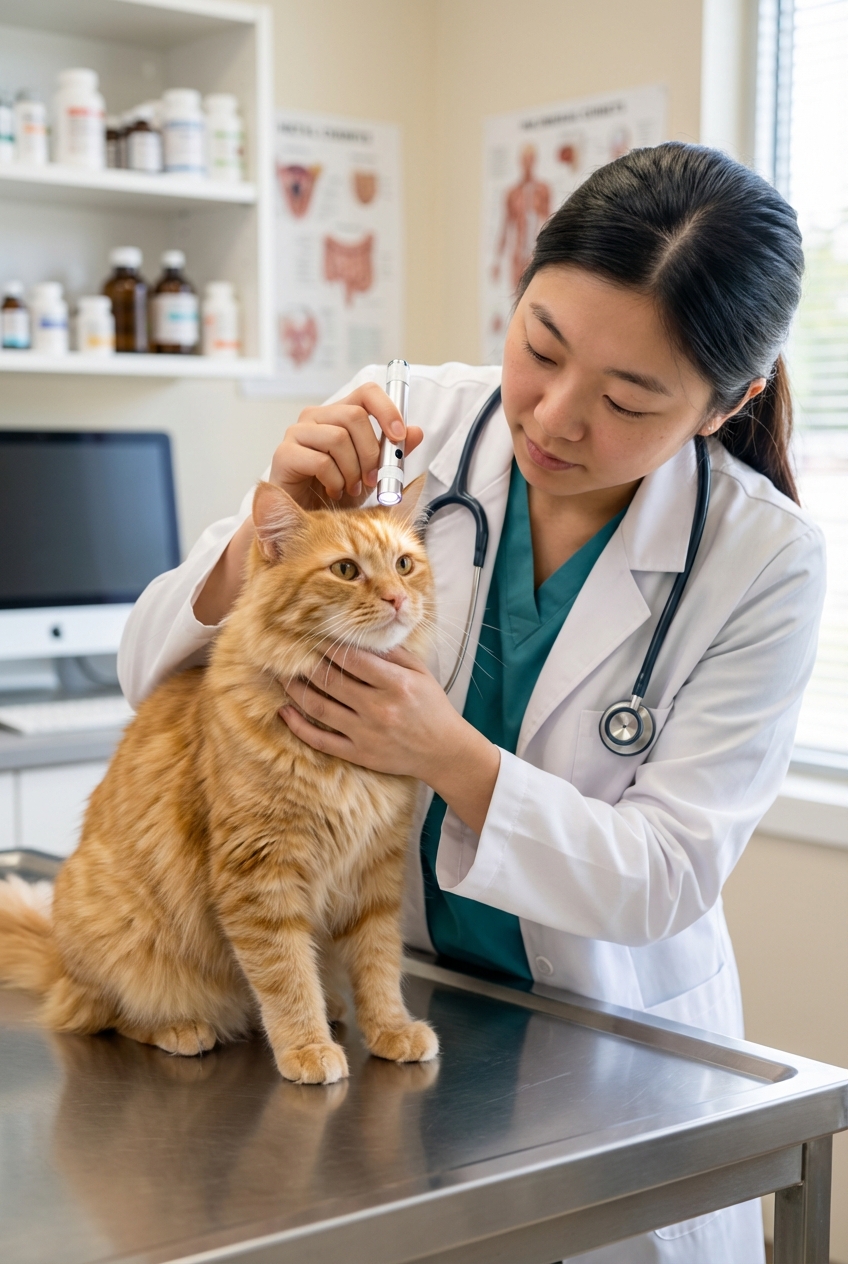
In clinic, your vet is looking for causes that cannot be confirmed at home. Depending on what they see, they may recommend:
- Fluorescein stain to check for corneal scratches or ulcers
- Tear production testing if low tear production is suspected
- Eye pressure testing if glaucoma or uveitis is a concern
- Examination under the eyelids for foreign material
- Medication such as antiviral support, antibiotic drops, or anti-inflammatory treatment based on the diagnosis
- Tear duct evaluation or flushing if drainage is blocked
Even if the problem seems small, that stain test can be a game changer because a corneal ulcer needs specific care.
Prevention tips
- Keep the face clean: especially in flat-faced breeds or cats with chronic tearing.
- Lower stress: predictable routines, quiet resting spots, and slow introductions can reduce herpes flare-ups in some cats.
- Stay current on wellness visits: dental health and respiratory health both matter for eye comfort.
- Watch patterns: seasonal tearing may hint at allergies, while persistent one-sided tearing may point to a tooth, tear duct, eyelid issue, or other obstruction that needs a vet exam.
Bottom line
A weepy eye is your cat’s way of saying something is irritating, inflaming, or blocking the normal tear system. Sometimes it is as simple as dust or a mild viral flare. Other times, it is a problem that needs prescription treatment. If your cat is squinting, seems painful, or the discharge is thick and colored, do not wait.
If you want, tell me: is it one eye or both, what color is the discharge, and is your cat sneezing too? Those details help narrow the likely culprit fast.